7
Test
Archipeo: thousands of islands, ships running a shuttle service, and me not sleeping
A procedural Anno where haulage is the real game. Every badly assigned freighter takes its revenge forty minutes later.
Alexandrosse
8 min
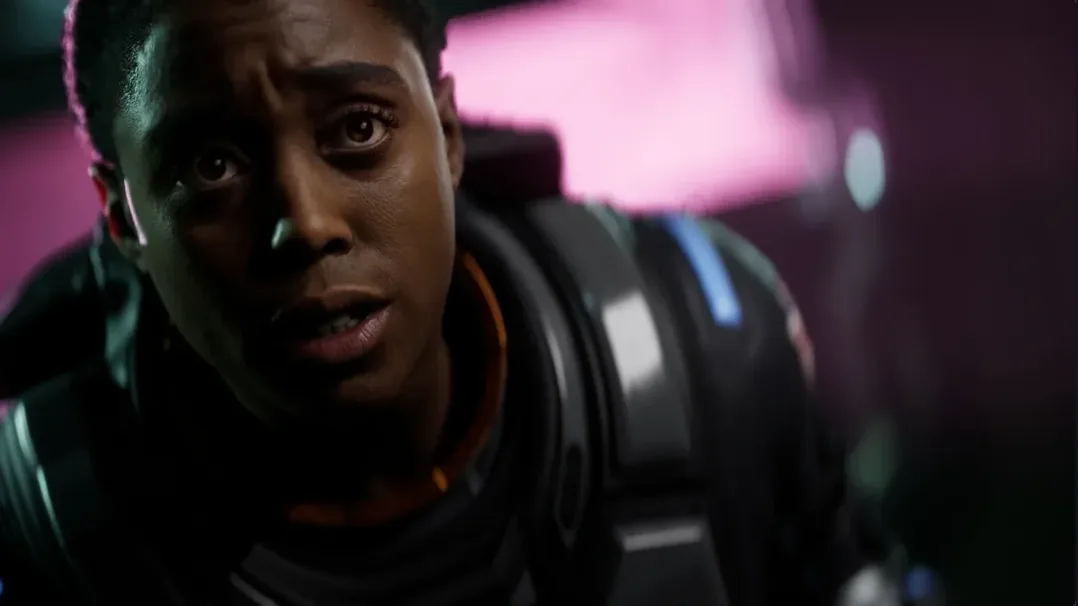
Five years of Dark Pictures for this: an alien that mimics its prey, genuine paranoia, and finally an entry that justifies the series' existence.
Alexandrosse
InsertCoins.press Score
8/10
Verdict
Recommended
The Dark Pictures series has released five games since 2019. Five episodes oscillating between passable and decent, with one real quality peak in the main series. Directive 8020 is the fifth. And for the first time in a long while, I finished a Dark Pictures wanting to immediately start a second playthrough.
Supermassive Games is the studio behind Until Dawn in 2015. One of the decade's best interactive horror experiences, with a memorable cast, a survival mechanic that gave weight to every decision, and an atmosphere that never let go. Since then, they've been exploiting the formula in anthology mini-series: shorter stories, independent, with distinct characters and different genres each episode.
The series' track record is honest at best. Man of Medan had the merit of inaugurating the format properly. Little Hope headed in an interesting direction before getting lost in its own resolution. House of Ashes was technically their best until now, with convincing group dynamics and a war context that justified tensions between characters. The Devil in Me attempted to return to Until Dawn's ambition in terms of scale, with mixed results.
Directive 8020 is the fifth chapter. It sets the action in space, aboard the colonial ship Cassiopeia en route to Tau Ceti f, a potentially habitable exoplanet 12 light-years from Earth. Available on PS5, Xbox Series and PC. A first playthrough lasts between 5 and 7 hours depending on your choices and mastery of the stealth phases.
The pitch is The Thing in space. And for once, it delivers exactly that.
The central mechanic of Directive 8020 revolves around mimicry. The alien the Cassiopeia crew encounters doesn't just attack: it copies. Physical appearance, voice, memory fragments. Not imperfectly, with visible defects that betray the imposter from the first scene. Completely. Sufficiently to deceive the other characters long enough that you, too, no longer know who to trust.
It's on this uncertainty that the game builds its tension. When you choose to open an airlock to let in someone claiming to have been isolated for two hours, the question isn't "which option gives the most dramatic cutscene". The question is: is it still them? The game doesn't tell you. You decide with the information available, and you live with the consequences.
The butterfly effect system is the same as usual in the series: your decisions modify relationships between characters, open and close narrative paths, determine who survives to the end credits. After multiple playthroughs, it becomes clear the game has content, the branching is built carefully, replay has value beyond curiosity about the other option. A run where you trust everyone delivers a radically different experience from one where you let tensions escalate.
The effect on atmosphere is direct. In previous episodes, choices often seemed arbitrary: you chose without really understanding the stakes, sometimes punished by a death that seemed more contrived than deserved. Here, every decision anchors in understandable logic, and the paranoia the mimicry generates gives a clear emotional framework. You're not choosing "option A or option B". You're deciding whether you trust this person now, in this precise situation, with what you know about them. That's a difference that sounds minor to describe and changes everything to experience.
The online multiplayer is present, allowing multiple players to take on different characters and make simultaneous choices on separate scenes. It's the series' most interesting proposition in terms of cooperative format, even if online stability remains imperfect depending on configuration.
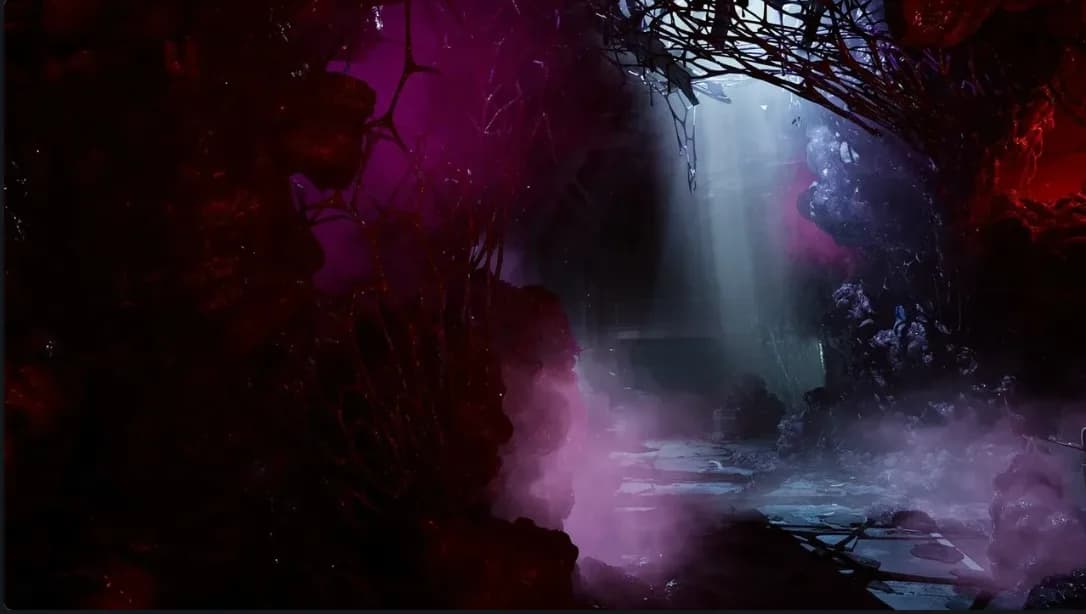
Where the game genuinely disappoints is the stealth missions. They return regularly, and they're the only moment where the game steps outside its comfort zone to ask for a skill nobody really comes to this genre for. On normal difficulty, a first capture gives you the right to strike the alien and flee to a safe zone. The second capture, that option is gone. On easy, aliens react more slowly and some sections are crossed almost effortlessly. In a second playthrough, when you know the patrol patterns, they become transparent and quick.
It doesn't ruin the game. But it slows it. In a game that carefully builds narrative tension and immerses you in questions of trust and paranoia, stopping to crawl behind crates for five minutes produces exactly the same effect as cutting a good film scene to insert a puzzle. You pick the thread back up, but you've lost something in the interval.
The Cassiopeia carries a crew and colonists in stasis toward Tau Ceti f, long-term colonization mission. The awakening goes badly. Something is already active on board. The crew quickly discovers an unknown nature threat has infiltrated the ship, capable of perfectly reproducing those it has eliminated.
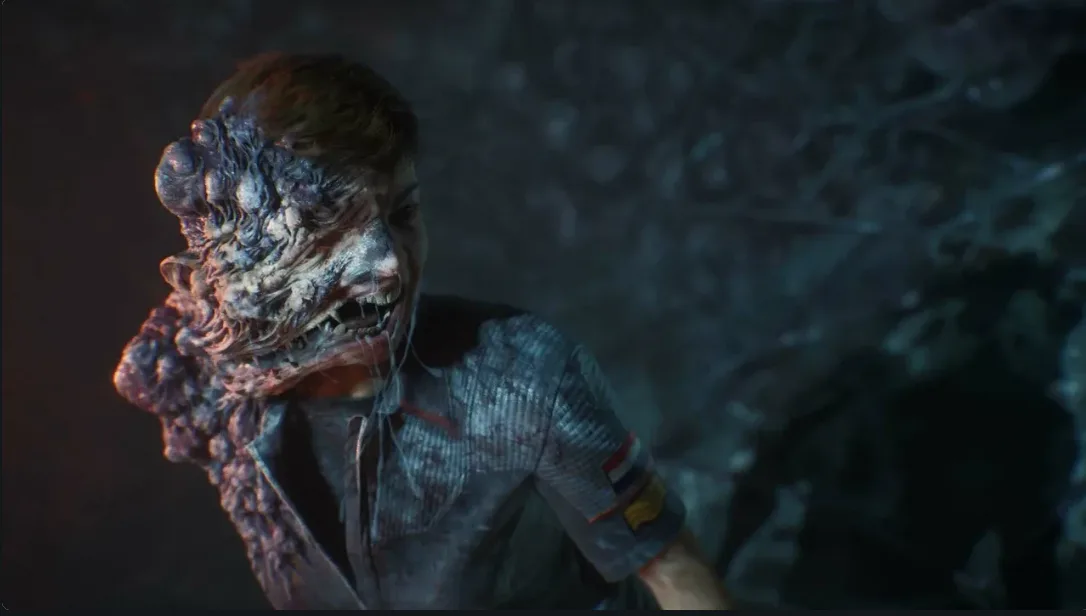
The comparison with John Carpenter's The Thing imposes itself effortlessly and the game fully assumes it. Directive 8020 is essentially an interactive version of the film: group isolated in a hostile environment cut off from all rescue, mimetic creature dissolving trust between survivors, impossibility of distinguishing human from copy. The space context replaces Antarctica. The logic stays the same, and it still works beautifully.
What changes compared to the film is that you make the decisions. Carpenter can orient his camera to instill paranoia in the viewer. Directive 8020 forces you to express that paranoia in your choices, to assume its narrative consequences. That's the kind of justification the series had been missing from the start: a scenario idea that needs the player to work, not just a horror narrative onto which QTEs are grafted.
The characters are functional. We've seen better from Supermassive (Until Dawn's cast remains their reference), we've seen much worse in previous episodes. They serve the narrative without particularly marking themselves, which is sufficient when the paranoia mechanic does the emotional attachment work in their place. The moment when you must choose to sacrifice a character you're no longer even certain is human generates tension that previous episodes never reached, not because the character is memorable, but because the situation is properly constructed. That's an important distinction.
The space atmosphere is well exploited: the empty immensity behind the ship's walls, the impossibility of calling for help, the confinement that forces confrontations between people with nowhere to go. The scenario reinvents nothing, but uses its ingredients with more discipline than the series had shown until now.
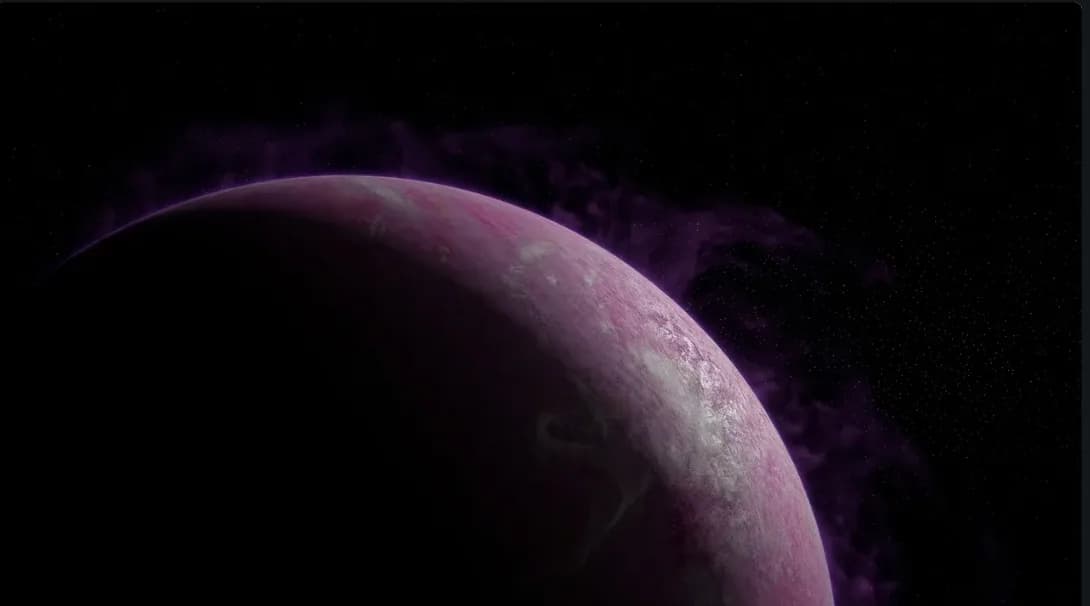
Directive 8020 is, without question, the most beautiful game Supermassive has ever made. The Cassiopeia's interior environments are of a visual quality that rivals major productions: every corridor, every technical room, every zero-gravity zone is modeled with a level of detail that commands respect. The lighting in particular is breathtaking. The shadow play in narrow corridors, the cold halo of emergency lights on faces, the brutal contrast between cargo bay darkness and the space views through portholes: all of this creates coherent, immersive, visually impressive art direction from start to finish.
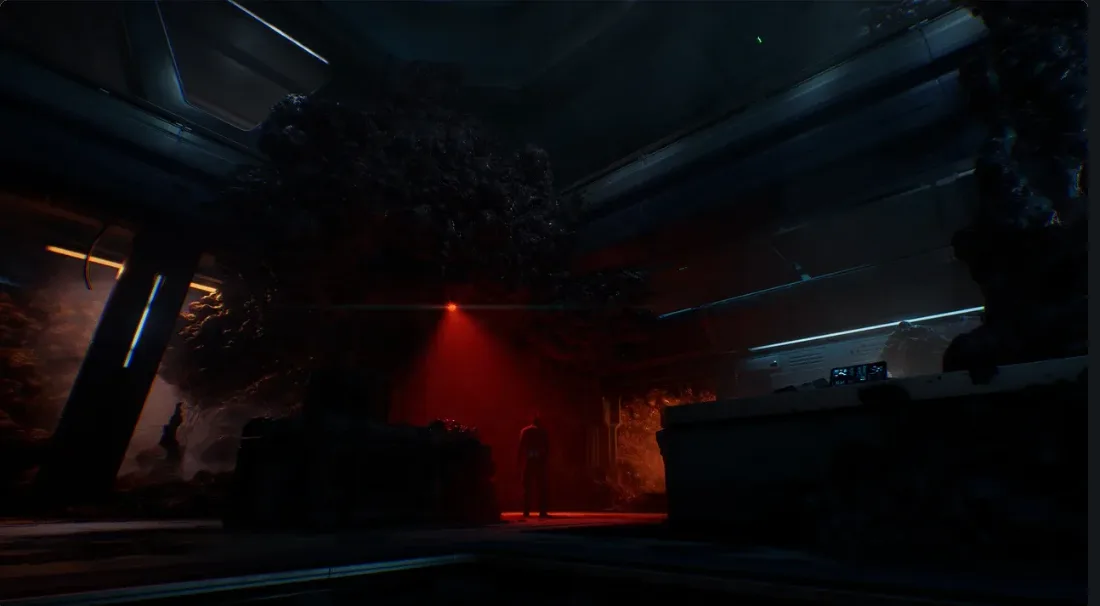
The zero-gravity scenes deserve special mention. Slowly drifting debris, floating bodies, the way light diffuses in the void between ship structures: these are images we hadn't seen in this genre before. Even the character models, already convincing, benefit from visible performance capture work. This game should have been partly sold on its visual beauty. It's their best technical achievement.
Sound design does its job: hull creaks, the oppressive silence of space, the ambient ship sounds living their life in the background. This kind of detail counts greatly in a horror game and Supermassive has mastered this territory for a long time.
The acting is the most visible weak point. Not uniformly: some performances are solid, a few tension scenes genuinely work thanks to the actors' play. But several secondary characters are dubbed with a flatness that breaks immersion at the worst possible moments. When the game carefully builds a revelation and a character responds with the intonation of a hotel porter confirming a reservation, it hurts. For a game that rests entirely on emotional involvement, it's a flaw that's hard to ignore.
One detail that pulled me out of the game more than once: the floating objects in zero-gravity zones are static assets. You try to push them, move them, they don't budge. They're there to decorate. In a game released in 2026, on a spaceship where object physics in zero-gravity could have directly contributed to the atmosphere, it's the kind of shortcut that reminds you there's a budget.
Runtime is honest for the format: 5 to 7 hours for a first playthrough. Short. But Directive 8020 doesn't dilute its content to artificially inflate its counter, and replay has real value thanks to the depth of the branching.
Directive 8020 does what five years of Dark Pictures never managed to do cleanly: build a game mechanic, the mimicry paranoia, that directly serves the narrative instead of awkwardly coexisting with it. The stealth missions break the rhythm. The dubbing is uneven. Some zero-gravity objects are as mobile as bolted-down furniture. But the heart of the game works, and the heart of the game is the only thing that matters in this genre.
It's the Dark Pictures that finally succeeds in being The Thing as a video game. Not all the way. Enough for it to matter.
The discussion carries on over on our Discord, where we relitigate scores for far longer than is reasonable.
Community
Your rating
Advertisement
Loading comments...
You might also like
A procedural Anno where haulage is the real game. Every badly assigned freighter takes its revenge forty minutes later.
Towers, troops, a single pool for both. Every coin spent on defence is a coin you will not be sending the other way.

Crossing finally matters and defending responds. Then the screen goes black. 57 per cent positive on Steam, at 69.99 euros.