Preview
Hubert: a tale of friendship, bravery, and barking at sheep
You are a shepherd dog in the northern wilderness. You see the world through movement, scent and instinct, and you gather a flock.
Alexandrosse
6 min
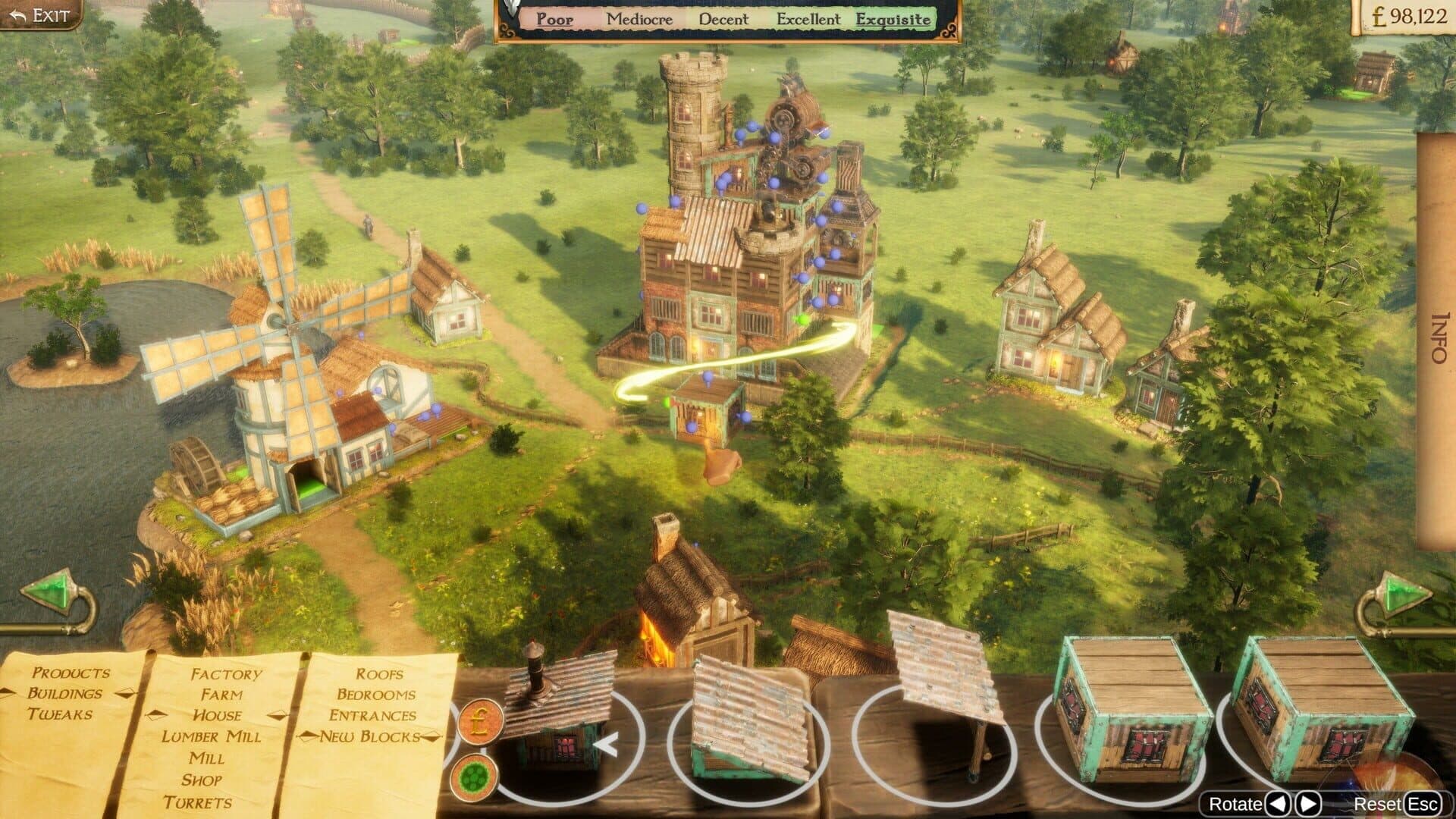
With Masters of Albion, Peter Molyneux returns to what he does best: the god game. A fascinating, vertiginously ambitious project that reopens questions gaming had stopped asking for too long.
Alexandrosse
InsertCoins.press Score
6/10
Verdict
Mixed
Some names carry particular weight in gaming. Names you say with a blend of admiration and wariness, of nostalgia and caution, because they've marked the medium's history in a way that makes comparison difficult.
Peter Molyneux's name clearly belongs to that category.
The creator of Populous, Black & White, Fable. The man who invented the god game as we know it, who redefined what freedom could mean in a video game, and who has also, on several occasions, promised things his games couldn't entirely deliver. With Masters of Albion, he returns to his original territory. And he does so knowing full well what that return means.
This isn't just a new game. It's an attempt to answer a question he's been asking himself for years: can you still create something that's truly free?
Before offering an opinion, let's look at what the game actually proposes, because the project is dense enough to deserve careful attention.
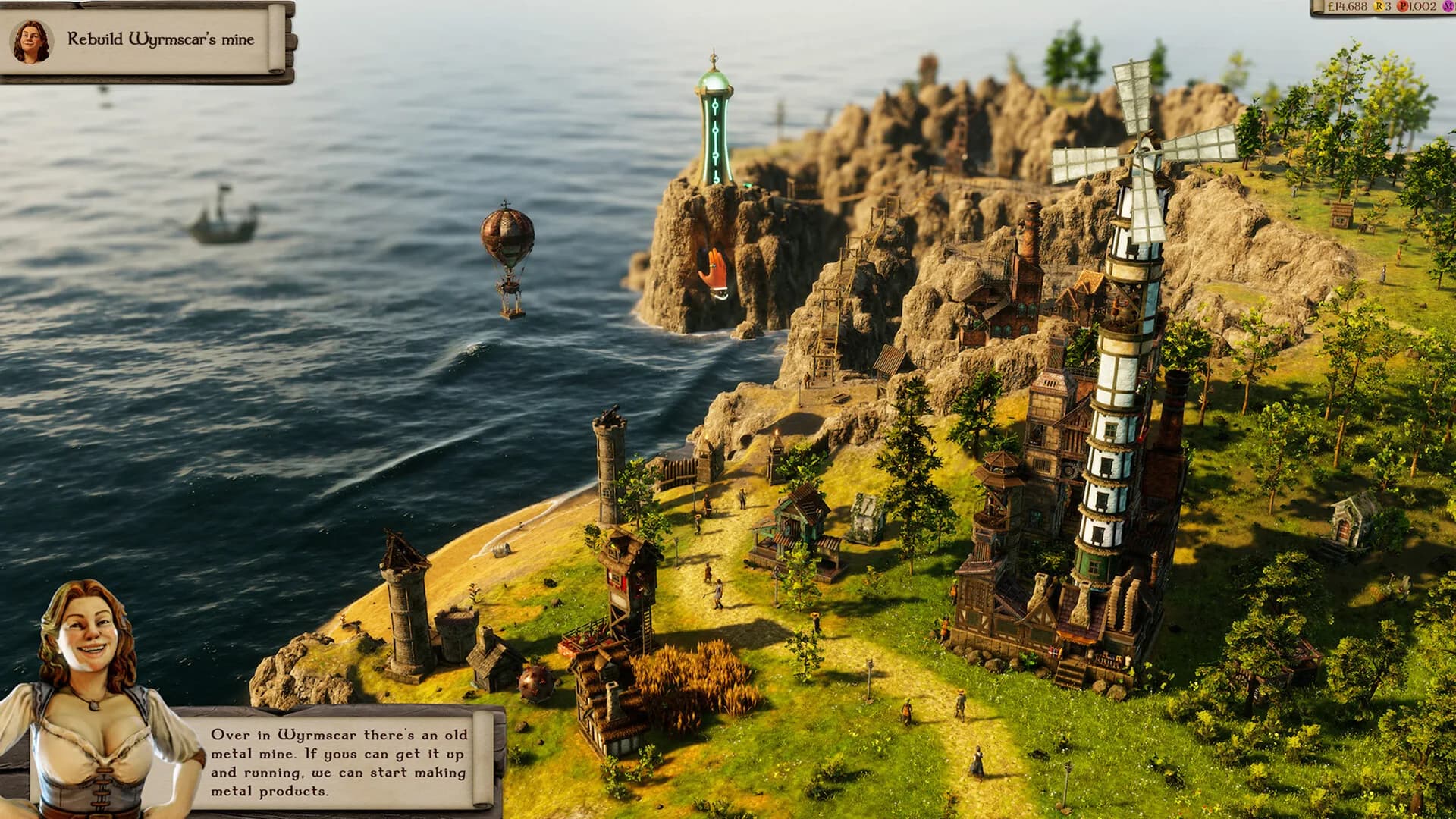
Masters of Albion is a god game in the direct lineage of Black & White, but conceived for a different era. You embody a divine entity overlooking a living medieval world, capable of building, destroying, guiding or abandoning its inhabitants according to your choices. The map expands, villages grow, resources deplete, threats arrive. And you, at the centre of everything, decide.
But what immediately distinguishes Masters of Albion from its predecessors is the duality of its gameplay.
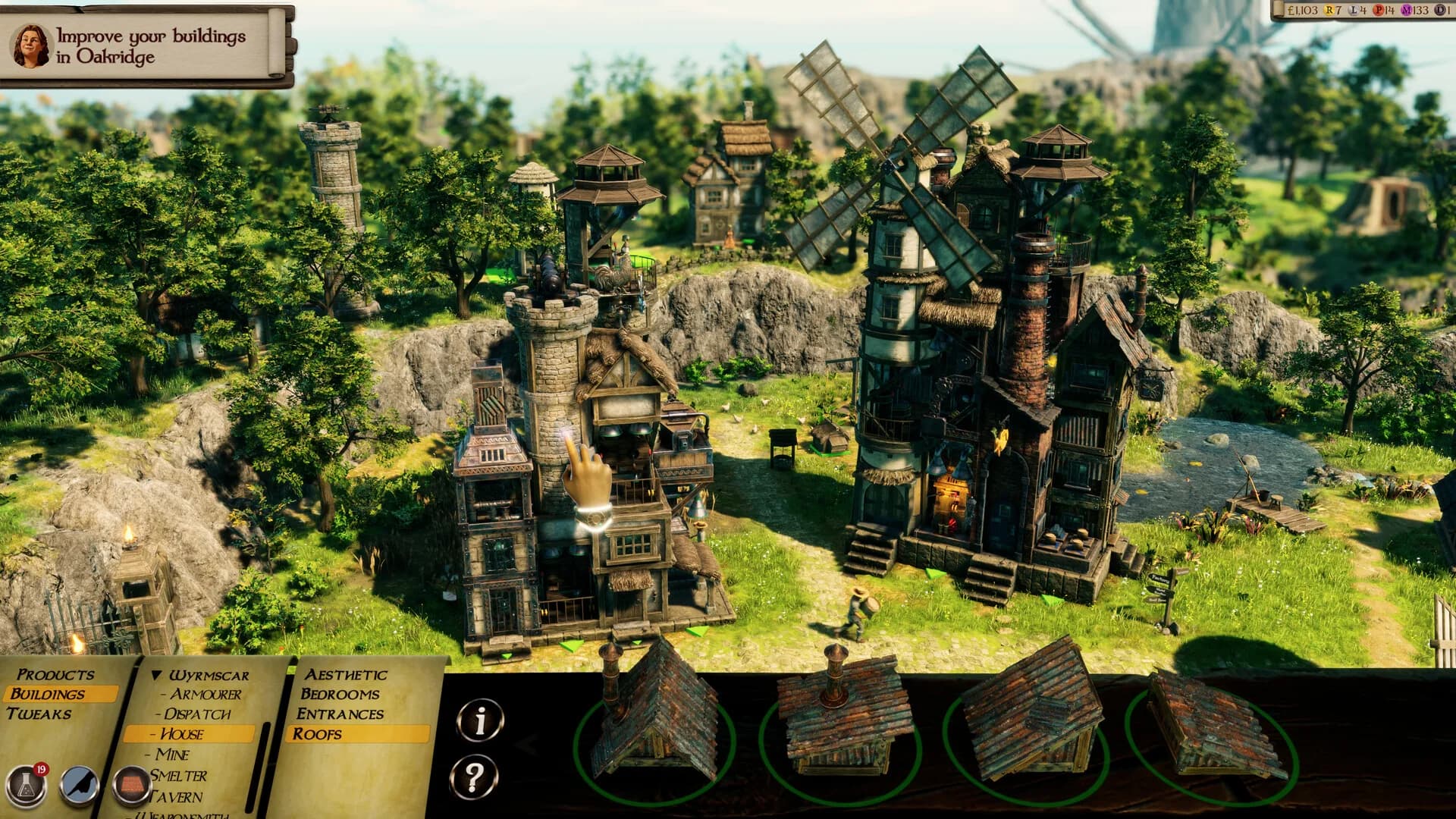
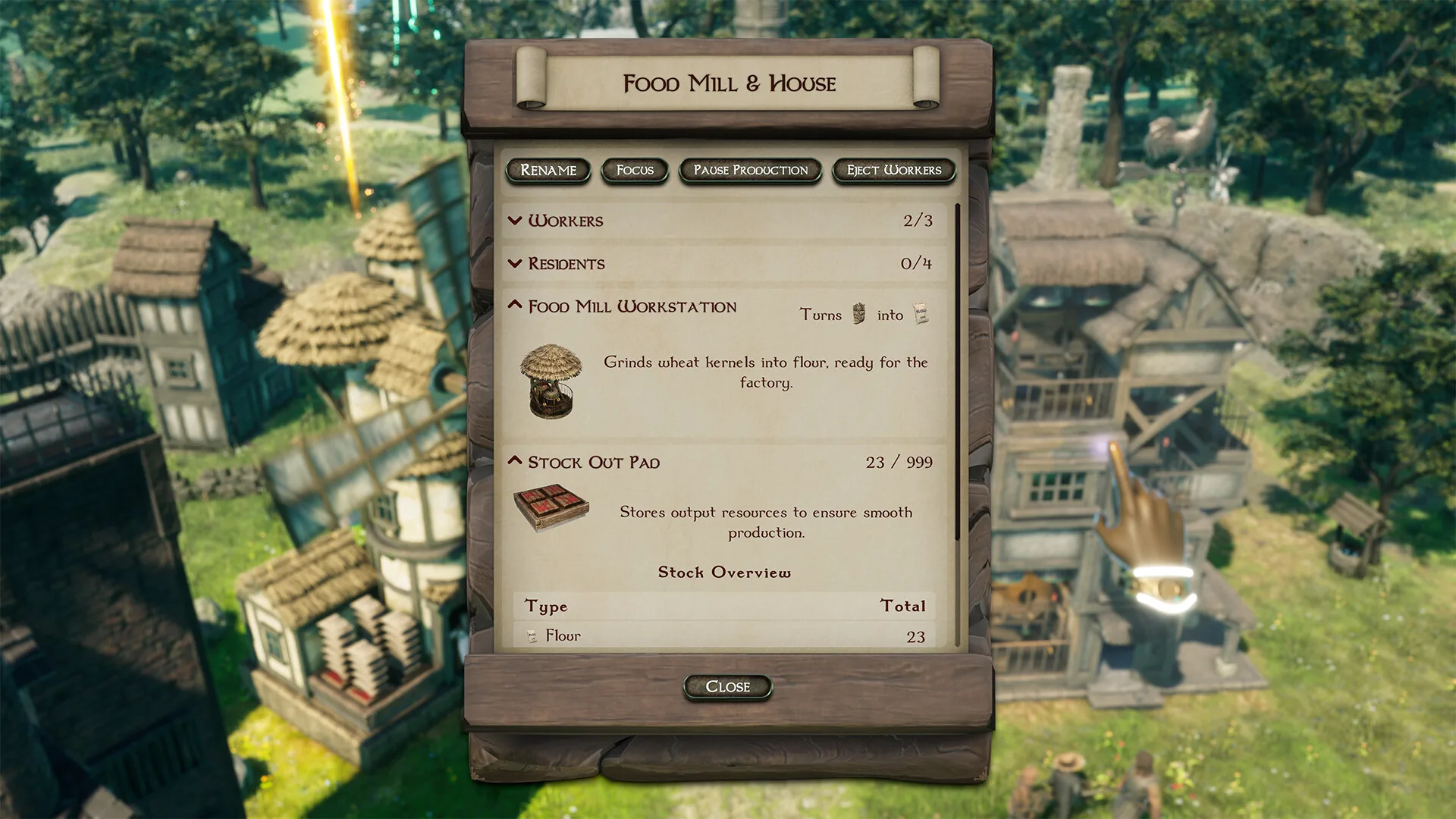
As in Molyneux's earlier games, you control the world from on high via a giant hand capable of moving villagers, placing buildings, and interacting directly with the environment. This hand is both your primary tool and your most immediate connection to the world you're shaping. It inherits everything Black & White introduced, with a fluidity and precision improved by two decades of technical progress.
But the true novelty is that you can descend.
Literally. You can leave the divine view, enter the world at eye level, take control of a character, explore the alleyways of your own village, fight, trade, and live the adventure from the inside. This shift between the god's macroscopic vision and the character's microscopic experience is one of the most interesting ideas the game puts forward.
On paper, it's vertiginous. The village you built stone by stone from the heights suddenly becomes a place you inhabit. Decisions you made abstractly become concrete realities you walk through, endure, or profit from. It's a considerable narrative and ludic promise.
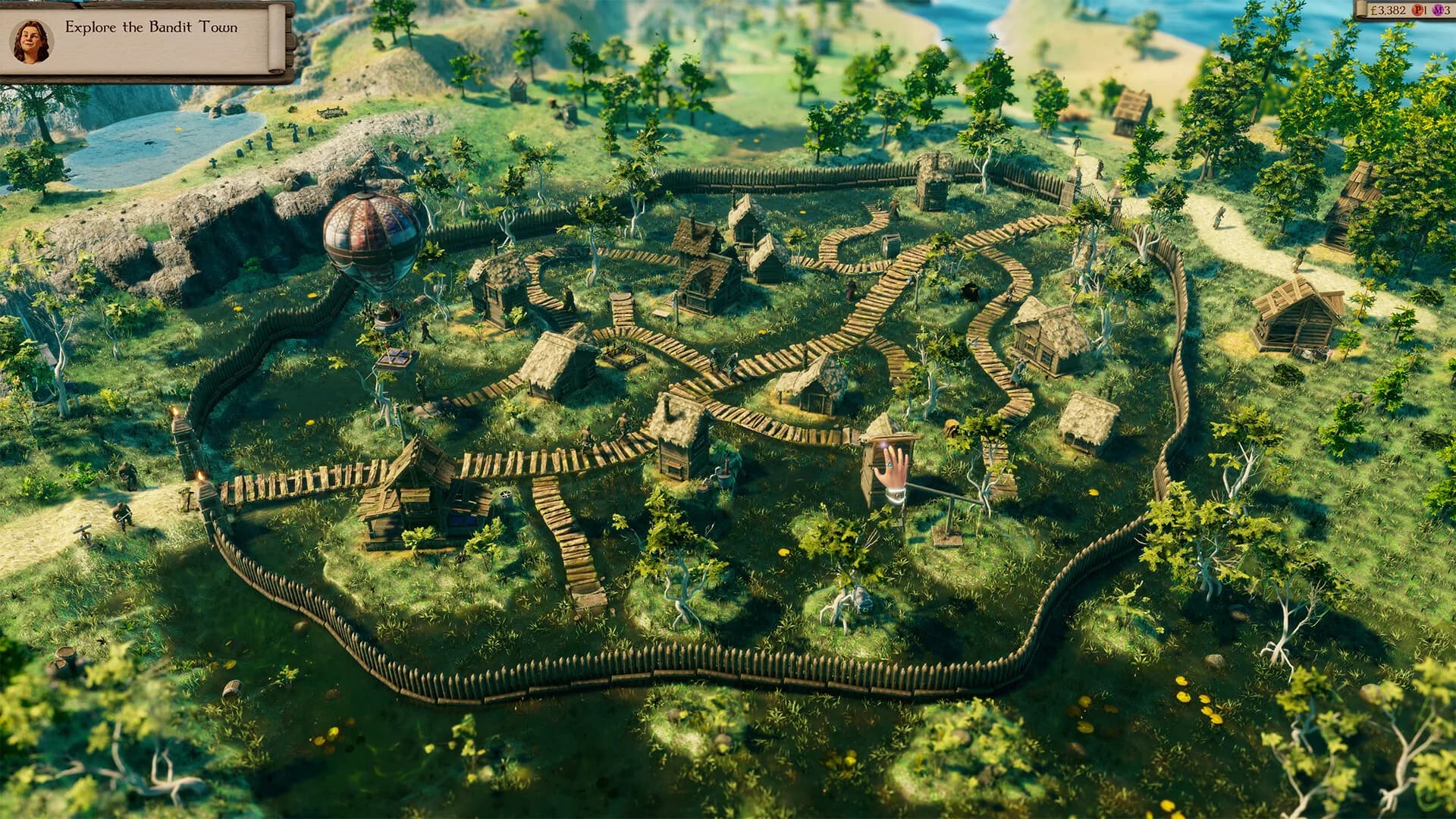
The gameplay of Masters of Albion is organised around a central loop: the day and night cycle.
The day belongs to construction. You manage resources, plan your city's expansion, organise inhabitants, assign tasks, develop infrastructure. This is the phase of reflection, long-term strategy, and preparation. The village lives, characters go about their business, and you orchestrate everything from your divine position or from ground level.
Night changes everything. Threats arrive. Creatures, enemy armies, random events that test everything you've built during the day. The defences you've placed are challenged. The choices you made carry immediate consequences. And if you haven't prepared your village well, the night can erase everything.
This duality gives the game a natural, almost hypnotic rhythm. You prepare, anticipate, worry. And each dawn arrives with a reckoning, a new opportunity, and new decisions to make.
One of Molyneux's central arguments for Masters of Albion is freedom. No single solution, emergent systems, a multitude of ways to approach each situation. You can build a fortified city and wait behind your walls. You can pursue aggressive expansion and crush your neighbours. You can focus on trade and diplomacy. You can even, as the game invites, sow deliberate chaos and see what remains.
This freedom is real, and it's precious. It recalls what made Black & White so powerful in its time: the feeling that the world responds to your decisions in a way that's uniquely yours, that your island isn't someone else's, that your experience is singular.
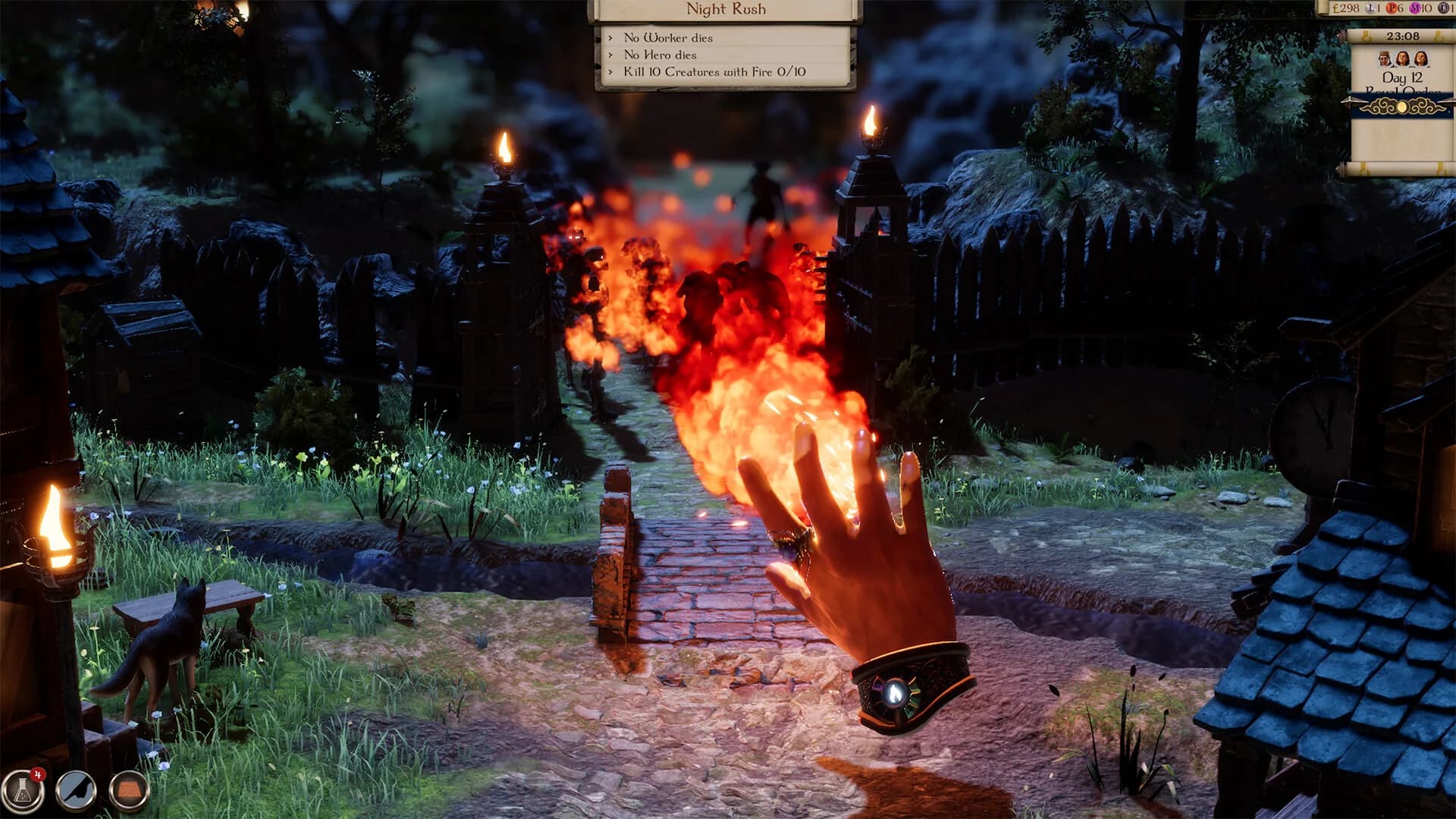
But this freedom also raises serious questions. A game that wants to leave everything possible risks guiding nothing. A world that responds to everything can become unreadable. And emergent systems, as fascinating as they are in theory, can generate frustrating experiences if their coherence isn't perfectly controlled.
This may be the central question Masters of Albion raises at this stage: what game is it, exactly?
City-builder, yes. Strategy game, yes. RPG, to some extent. Action game, when you descend into the fray. God game in the classical sense, too. The project claims all of this simultaneously, and that ambition is both what makes it fascinating and what raises the most concern.
Some feedback from presentation sessions already evokes the impression of a game that feels like three games in one, without necessarily excelling at any of them. That's not a definitive criticism at this stage, the game hasn't launched yet, and projects this complex can find their balance in the final weeks of development. But it's a real and honest concern.
Games that try to cover too much ground often leave dark zones. Mechanics that feel incidental, systems that don't connect as smoothly as intended, depth that varies depending on how you approach things. And that's exactly what will need watching at launch.
It's impossible to talk about Masters of Albion without talking about what Peter Molyneux represents.
He's a visionary. He's also a profoundly controversial figure. Someone recognised for brilliant ideas that shaped gaming history, and equally recognised for promises that were sometimes too large, for games that didn't always deliver what they announced. Fable was ambitious, but it had been presented as something even bigger. Godus, his last major project, left many players with a sense of incompleteness.
Molyneux himself calls Masters of Albion a redemption game. That word isn't incidental. It says something about how he understands his own trajectory, and about his awareness of what the public expects from him. Not just a good game. A promise kept.
This pressure changes how you read the project. Masters of Albion isn't being evaluated as just another game. It's being evaluated as a response to everything that came before. And that expectation, however unfair it may be in certain respects, is real and won't disappear.
At InsertCoins, we're genuinely divided, and we're comfortable saying so.
On one side, Masters of Albion offers a vision. A return to a genre gaming has largely abandoned in recent years, the god game in its purest and most ambitious form. There are real ideas here, real intention, a real desire to propose something few games still dare. The day and night mechanic is solid. The shift between divine oversight and direct immersion is potentially one of the most interesting ideas in management gaming this generation. And the living medieval world the game constructs has genuine charm.
On the other side, there's a project that still seems to be searching for its identity. An accumulation of systems that will need to find coherence. A total freedom that's only a strength if the game knows how to channel it without breaking it. And above all, a name on the credits that makes everything more complicated, because you don't evaluate this game in a vacuum: you evaluate it in the context of everything Molyneux has made, said, promised, and kept or not.
The score of 6 at this stage isn't a final judgement. It's a cautious expectation. The potential is there to do something remarkable. Execution will decide.
Because even if it partially fails, it'll be an interesting failure. And in a gaming landscape that produces many safe, polished games, designed to disappoint no one and surprise no one either, a project that takes this many risks deserves attention.
Few games attempt this level of freedom. Few games blend this many systems with such narrative ambition. Few creators have this intense, this loaded a relationship with their own work and the public watching them create.
Masters of Albion poses a question modern gaming asks too rarely: can you still create a world where the player is truly free? Where their decisions carry real weight? Where construction and destruction coexist with equal legitimacy?
The answer is coming soon. And it might change quite a few things.
Preview written based on available information and a presentation session
The conversation continues on our Discord, between the believers and everyone else.
Community
Your rating
Loading comments...
You might also like
You are a shepherd dog in the northern wilderness. You see the world through movement, scent and instinct, and you gather a flock.
A 64-bit upgrade, built-in mod support, full Japanese voice acting, and over fifty minor factions made playable.
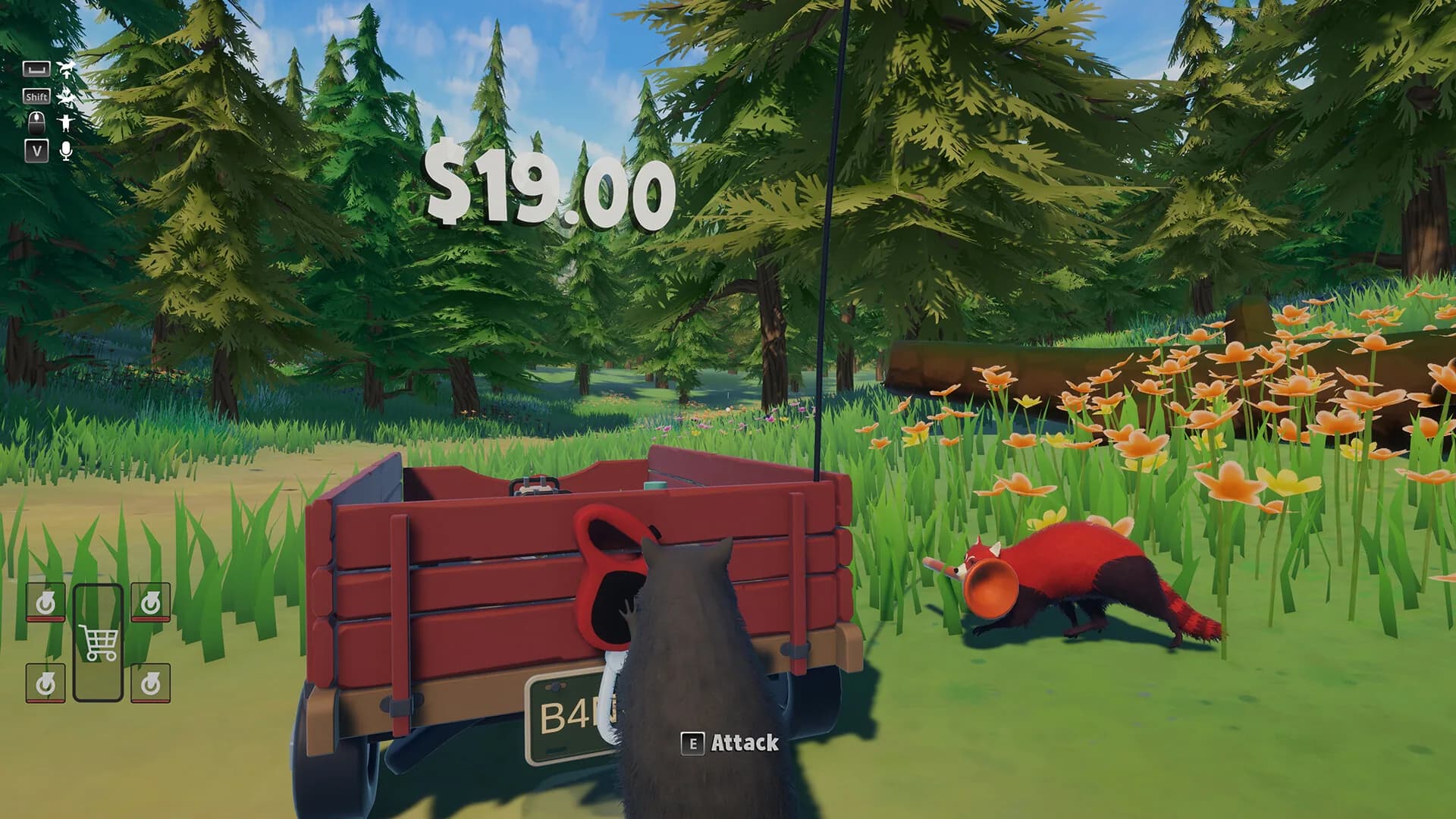
You can technically play solo, says the studio, but the wagon is a lot for one raccoon.