Preview
DinoBones: nine skeletons in pieces, a museum to put right, and a cat
A sorting game where every bone starts out unknown and you learn to recognise it. No date yet.
Alexandrosse
6 min
Arcanaut Studios reunites BioWare veterans around Casey Hudson for a spiritual successor to KOTOR. Not A New Hope. The other one. The one we've been carrying since 2003.
Alexandrosse
Let's be honest: since the end of the old BioWare, we'd put that hope away in the back drawer. The one where you keep things you don't really believe in anymore but can't quite throw away either. A worthy successor to Knights of the Old Republic. A Star Wars RPG that treats the player like an adult. A story in a galaxy far, far away that doesn't need a Skywalker to exist (no Rey, you are not a Skywalker).
Then Casey Hudson founded Arcanaut Studios. Then he started recruiting. Then we looked at the list of names.
The drawer is open.
Arcanaut Studios was founded in 2025. The studio has around thirty people. That's not a lot. But look at who's involved.
Casey Hudson, first: director of the original KOTOR, director of the Mass Effect trilogy. Behind him, Dan Fessenden, senior technical designer, veteran of KOTOR and Mass Effect. Ryan Hoyle, director of new technologies, same. Caroline Livingstone, head of production, who worked on Neverwinter Nights, Dragon Age and the entire Mass Effect saga. Melanie Faulknor, manager and producer, who came up through Mass Effect 3.
For the visual identity, Pascal Blanché arrives from Ubisoft: the original Assassin's Creed, Splinter Cell: Conviction. A different eye for a universe that will need one.
It's not "full of former BioWare" as some headlines framed it rather generously: we're talking four or five people on a team of thirty. But they're the right people. The ones who built what the community still misses.
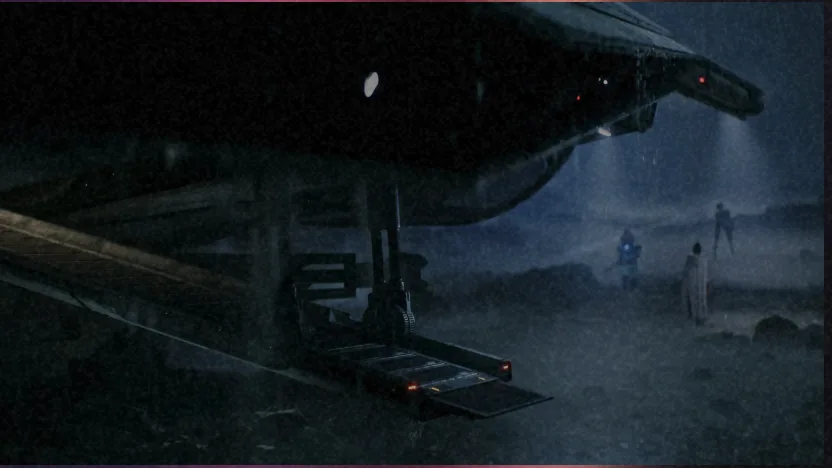
Star Wars: Fate of the Old Republic was announced at The Game Awards 2025. Since then, silence on gameplay, story, and pretty much everything else. What we know: it's a spiritual successor to KOTOR, not a sequel. Original story, new characters, a distinct period in the Old Republic timeline.
The KOTOR comparison cuts both ways. On one hand, it clearly positions the ambition: dense narrative, choices that matter, serious worldbuilding. On the other, it sets the bar at a height that allows no mediocrity.
On the timeline: Casey Hudson dismissed the rumor of a 2030 release without offering a date. A young studio, a modest team, a project of this scale: it will take years. We don't know how many. We wait.
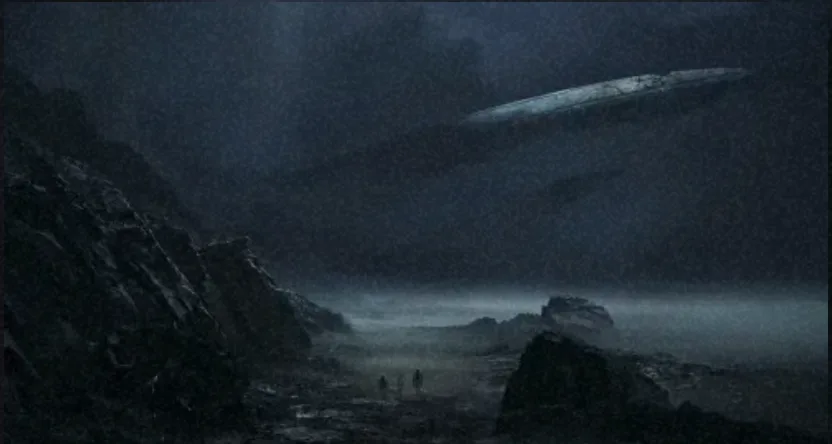
We're not going to ignore the question Reddit is asking out loud: does having BioWare alumni still mean anything?
It's a fair question. The BioWare of 2026 is not the BioWare of 2003, or even 2012. Anthem left scars. Dragon Age: Veilguard disappointed. The waves of layoffs hollowed out the studio of what made it matter. "Former BioWare" can mean many things, and some uses of that argument in marketing have ended up ringing hollow.
But Hudson and his recruits don't come from the BioWare of recent years. They come from the BioWare of before: the one that made KOTOR in 2003, Mass Effect in 2007, Dragon Age: Origins in 2009. The distinction matters.
Is it a guarantee? No. Is it a serious signal? Yes.
Star Wars: Fate of the Old Republic is set more than a thousand years before A New Hope. Before the Empire, before the Skywalkers, before everything Disney has built since 1977. In that period, Lucasfilm allows a visual and narrative freedom that stories close to the films don't permit.
Our hope is twenty-three years old. It dates to 2003, to the original KOTOR, to the first time we understood that a Star Wars story could be as good as the best RPGs in the genre. Since then, we've been waiting. We watched KOTOR II, followed The Old Republic MMO, saw the KOTOR remake disappear into silence.
Fate of the Old Republic isn't A New Hope. It's an old hope reigniting. And for now, the signals point in the right direction.
The drawer stays open.
Preview based on official announcements and information published in May 2026. No gameplay has been shown at this stage.
Impatient, sceptical, or both? The InsertCoins Discord exists for exactly that.
Community
Your rating
Loading comments...
You might also like
A sorting game where every bone starts out unknown and you learn to recognise it. No date yet.
Announced for 25 September. What the store page describes, what it does not say, and why we will wait to play it before judging.
A magical sorting game where you unlock spells to work faster. No date yet, so no score yet.