In our preview, we had a doubt. IO Interactive is a remarkable game design studio and an honest-at-best writing studio. Hitman was never memorable for its story. We wondered whether First Light would suffer the same imbalance: solid gameplay embarrassed by a narrative that can't match its own ambitions.
We were wrong. And that's the best news of the week.
007: First Light scores 88 on Metacritic. That's IO Interactive's best score ever, ahead of Hitman 3. It's the best James Bond game since GoldenEye 007 on Nintendo 64 in 1997. Twenty-nine years of waiting for a Bond game that actually deserves the license.

The story nobody expected
Patrick Gibson plays a young Bond in the process of becoming who we know. Not yet the agent with decades of missions behind him: someone building himself, learning, making mistakes and paying for them. The scene where he delivers "Bond, James Bond" for the first time is the kind of moment that works because the game took the time to give it weight.
The writing is equal to the character. The dialogue has a density and precision we didn't associate with IO Interactive. The relationships between characters have texture. The main villain, Lenny Kravitz in a character role, divides opinion: his casting is unusual, his character is constructed. He's an antagonist with his own motivations who defends them with conviction.
This isn't a story of figurines moving between set-pieces. It's a story that respects its characters.
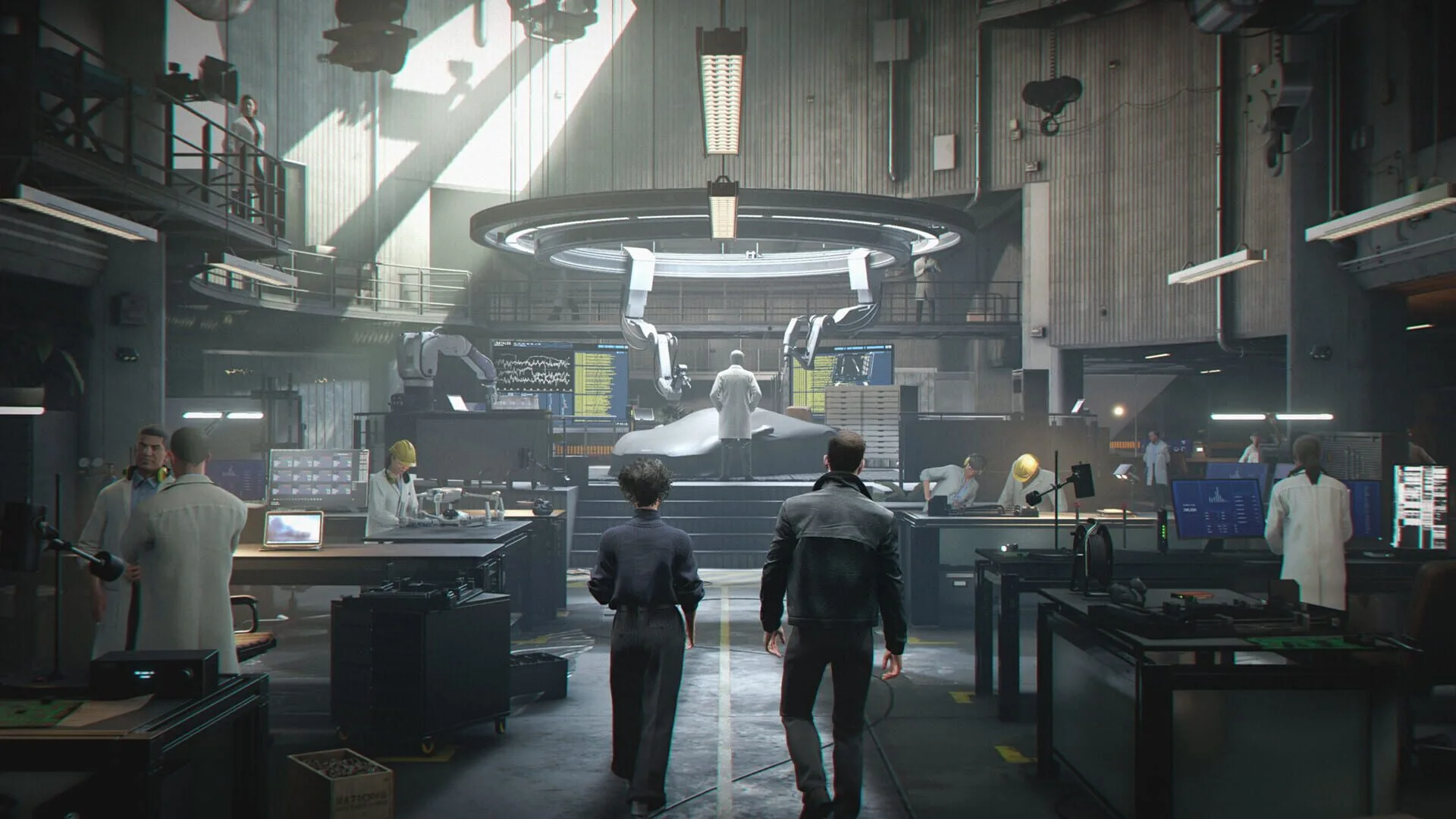
The structure is what we anticipated in the preview: open sandbox levels with multiple approaches, punctuated by spectacular linear sequences. What wasn't entirely predictable is how seamlessly the two modes coexist.
The open levels have Hitman's DNA visible everywhere. Accessible balconies, NPCs with routines, gadgets that create opportunities, a dozen ways to reach the same objective. You can charm your way into a restricted area, hack something to create a distraction, or simply go through the window if the situation calls for it. Bond isn't Agent 47: he doesn't need to disappear. He needs to be the most confident person in the room, and that's exactly what the game lets you play.
The linear sequences are where the game shows its Uncharted lineage: chases, cinematic gunfights, environmental destruction, spectacle moments. The rhythm between the two registers is mastered. The game knows when to slow down and when to hit the accelerator.
The hand-to-hand combat is satisfying. Boss fights each have their own logic rather than being simple bullet sponges. The Arkham "Mr. Freeze-style" comparison held up: each confrontation requires understanding something before you can conclude it.
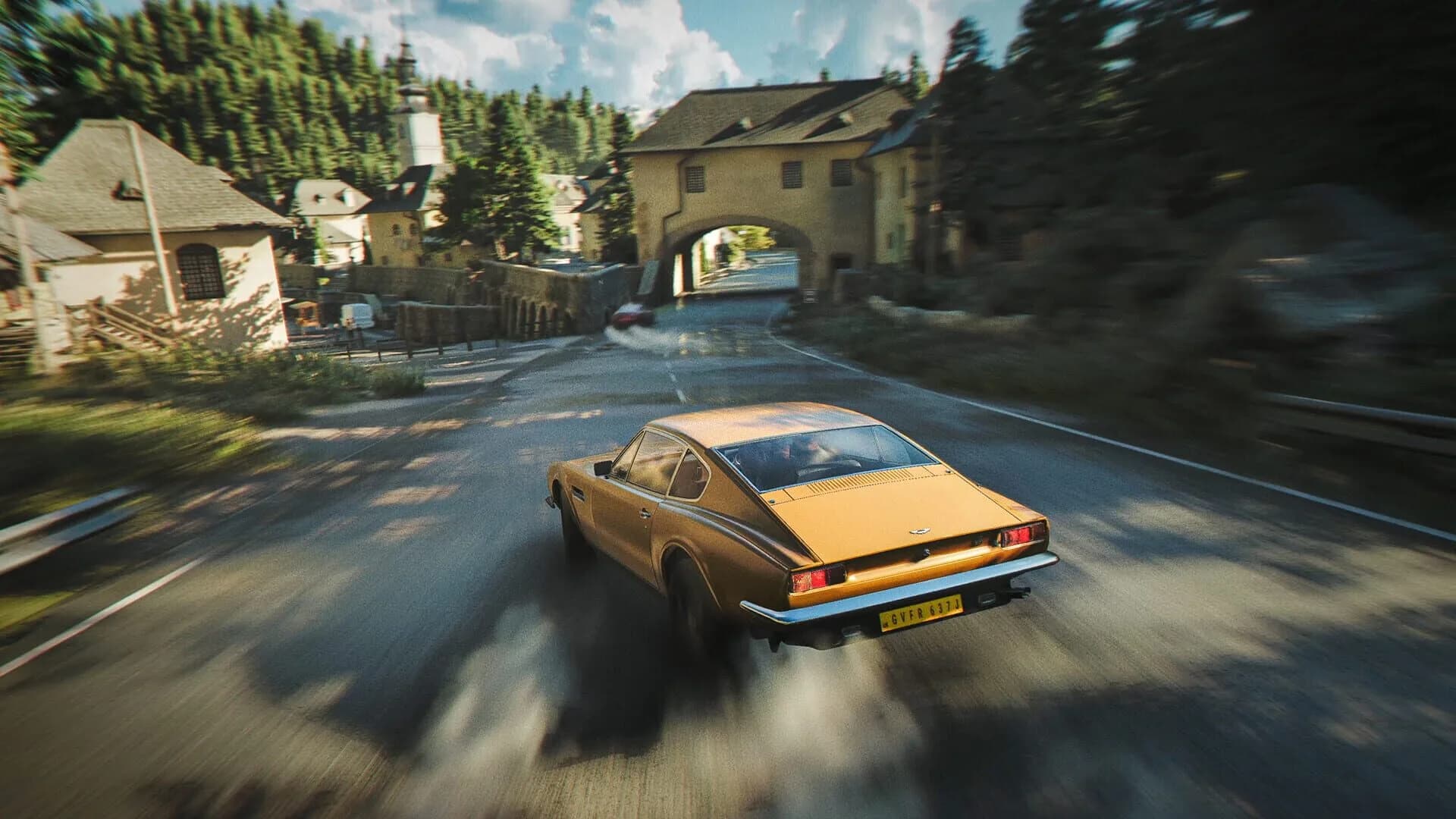
The cover system is the only real technical reservation. It's functional in 95% of situations and slightly finicky in the remaining 5%, particularly in tight spaces where the camera gets too close. It's not a deal-breaker, but in an otherwise this clean a game, it's noticeable.
Some critics note the game doesn't take enough risks. That's a legitimate reading: the structure stays orthodox, the narrative progression follows expected arcs, and some design choices are clearly made to not alienate a broad audience. For those who expected something as transgressive as Casino Royale in 2006, First Light is an ambitious but not revolutionary Bond game.
Those are nuances in an 88 Metacritic. The whole is above.
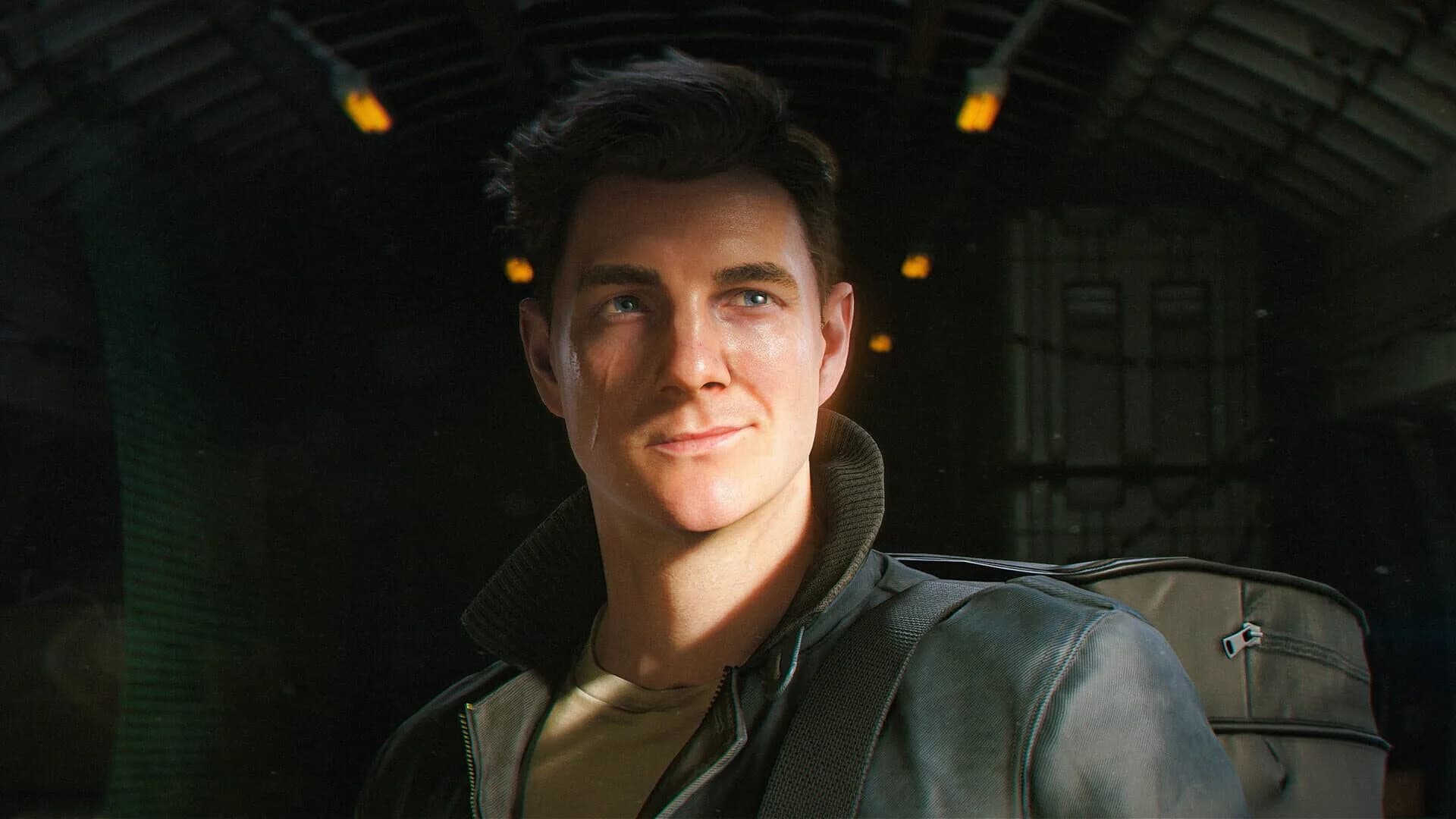
The facial animations, the lighting, the density of the environments: First Light is a technical showcase. Every location visited has its own visual identity. The main character models are at the level of the best productions of the current generation. It's the kind of game you boot up to show what the machine can do.
There's something particular about playing an origin in a franchise this loaded with history. Every element that appears, every reference, every decision Patrick Gibson makes in the game, is carried by the weight of everything that comes after. The game doesn't exploit it clumsily: it uses it with discernment, saving the nods for those who deserve them.
We wore out GoldenEye 007 and The World Is Not Enough on Nintendo 64 like every kid from the 90s. Twenty-nine years later, we finally have a Bond game worthy of the excitement we felt inserting the cartridge.
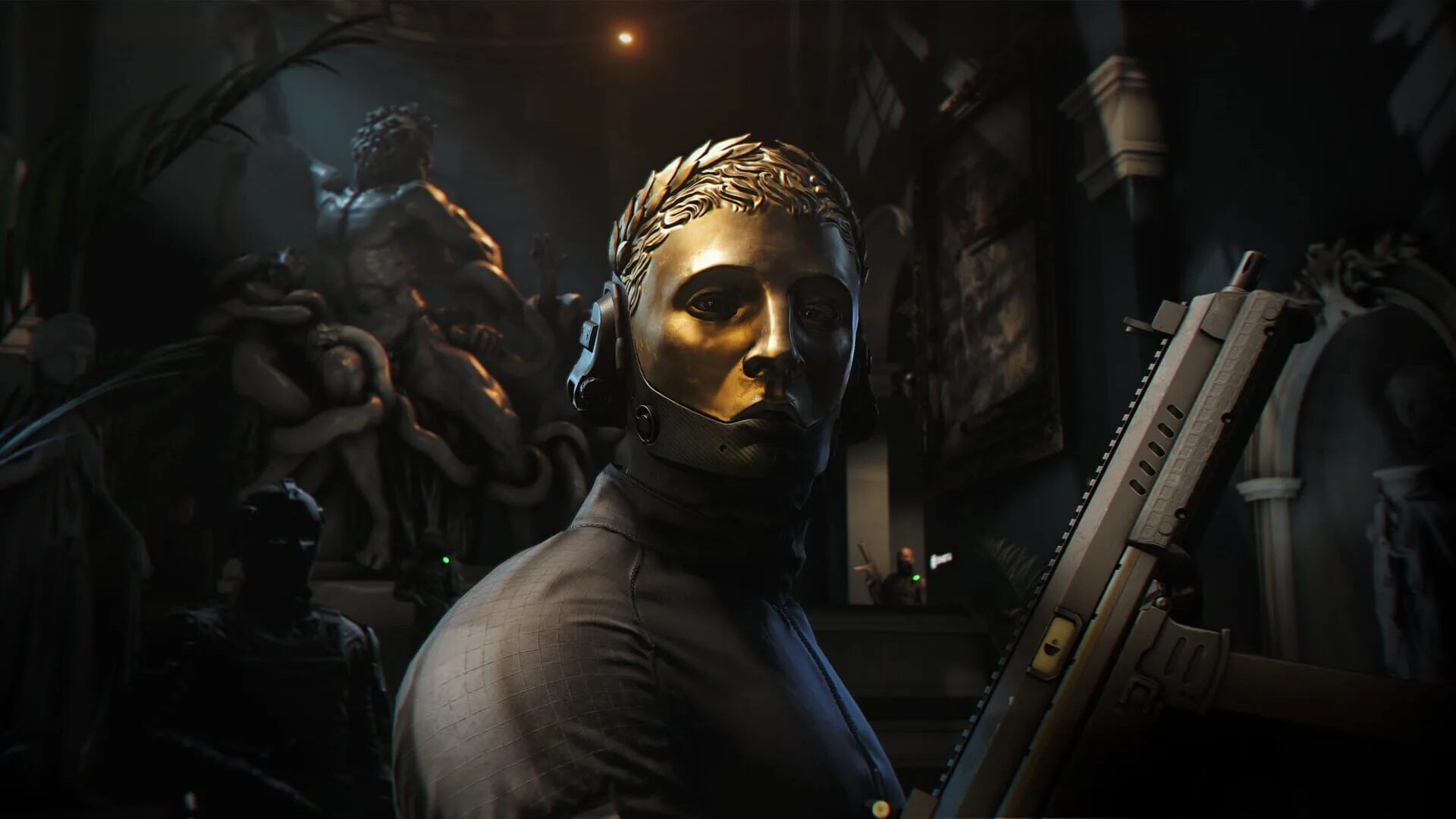
007: First Light is the game IO Interactive had to make and that we feared they didn't know how to make. The writing holds. The story makes you want to know what comes next. The gameplay intelligently blends the best of Hitman and the cinematic fluidity of Uncharted without betraying either. Patrick Gibson carries the game as if the role has been his from the start.
88 Metacritic. Best Bond since 1997. Best IO Interactive game. We had doubts about the story. We were wrong, and it's the kind of wrong you're happy to be.
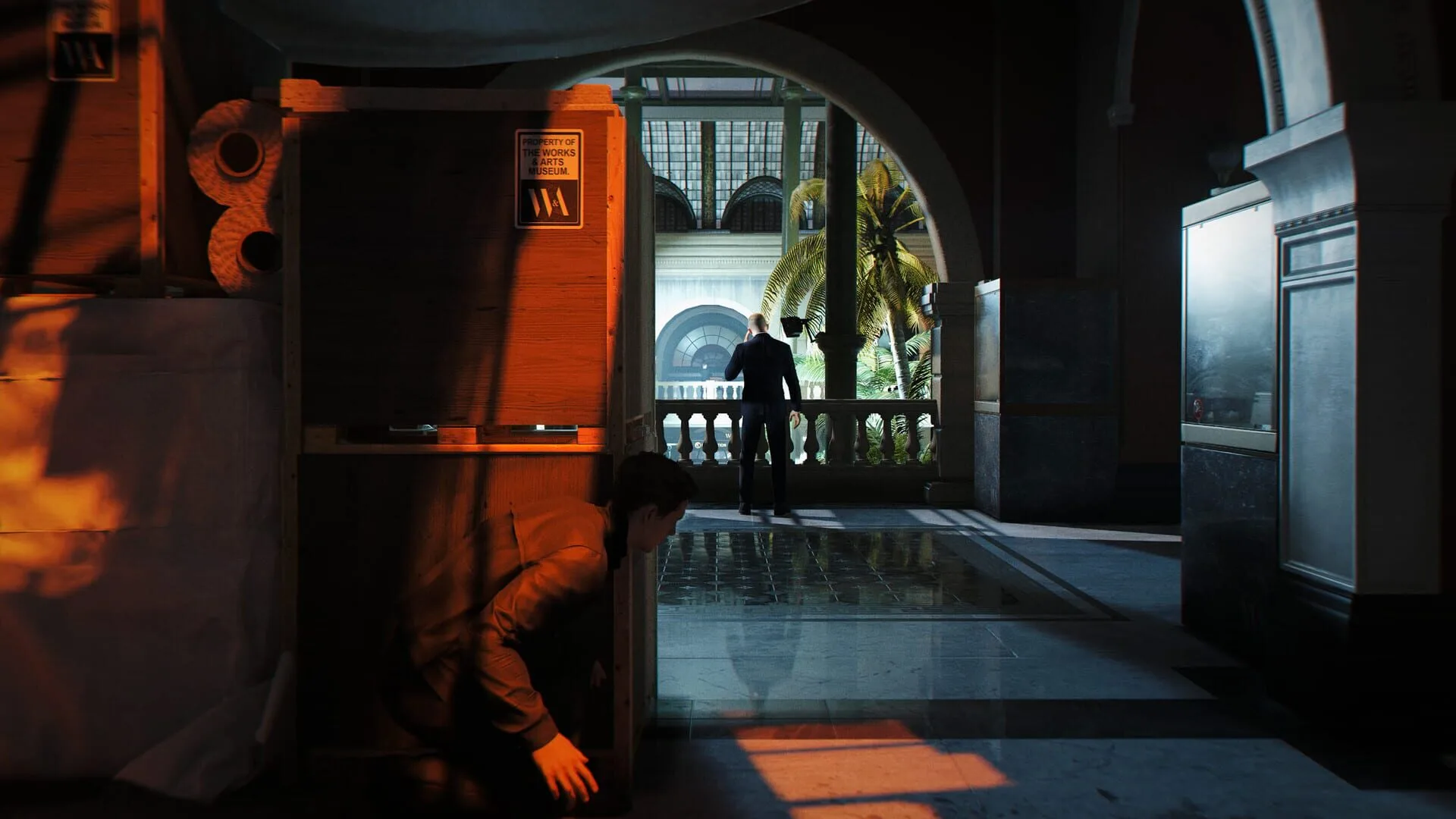
There was a real question behind the preview: does IO Interactive know how to write a Bond? The answer is yes. Now we wait for the sequel.
Played it too? Tell us how it went on the InsertCoins Discord.