7
Test
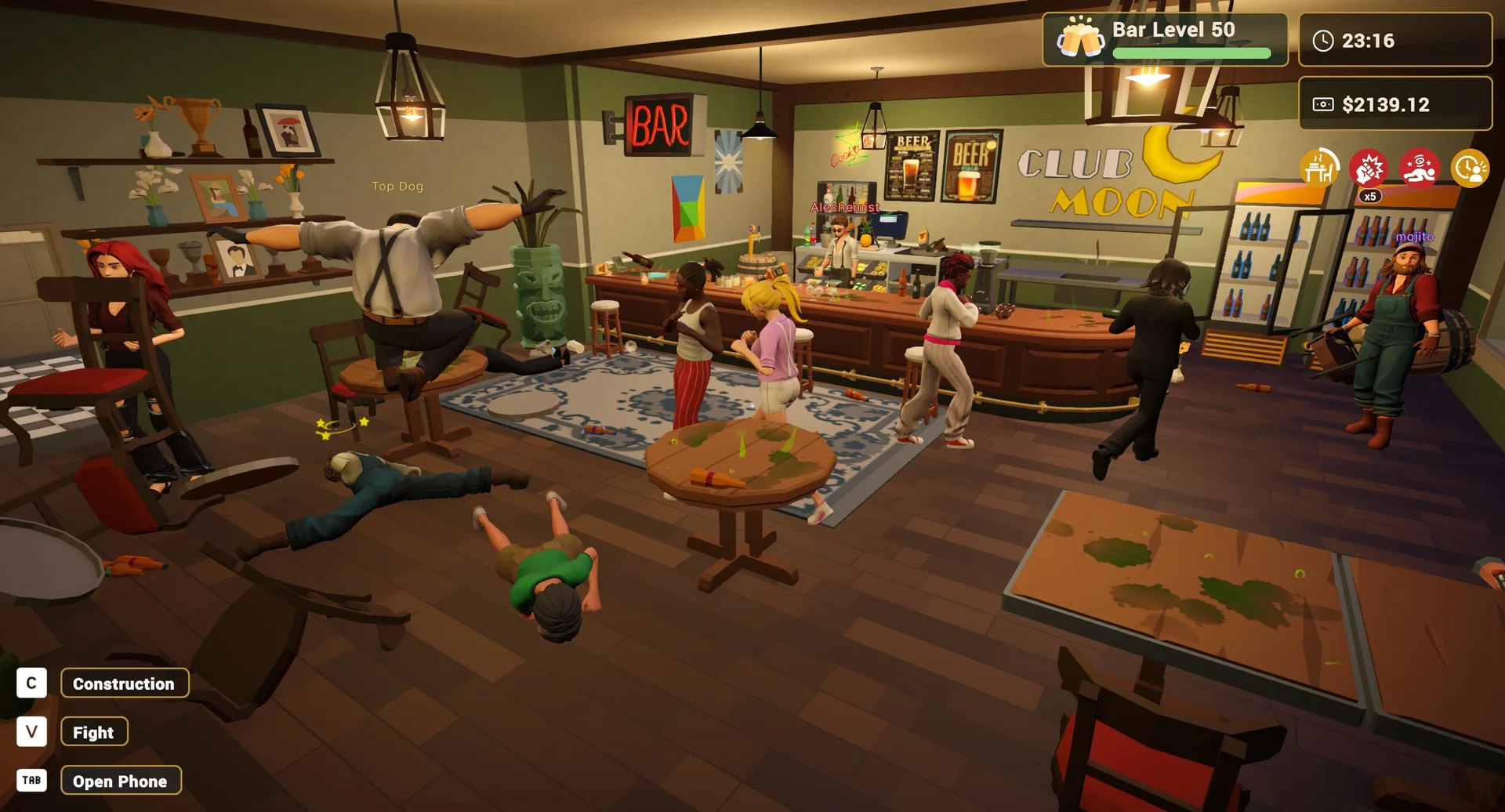
Barfender: my idiotic friend drank all the beers
A co-op bar that collapses while you serve. 98 per cent positive, and one of the rare times chaos is the actual subject.
Alexandrosse
7 min
A solo-dev MMO inspired by Ragnarok Online, ugly to our eyes but terribly addictive. While the crowdfunding giants collapse, this little gem quietly grinds away.
Alexandrosse
InsertCoins.press Score
6/10
Verdict
Mixed
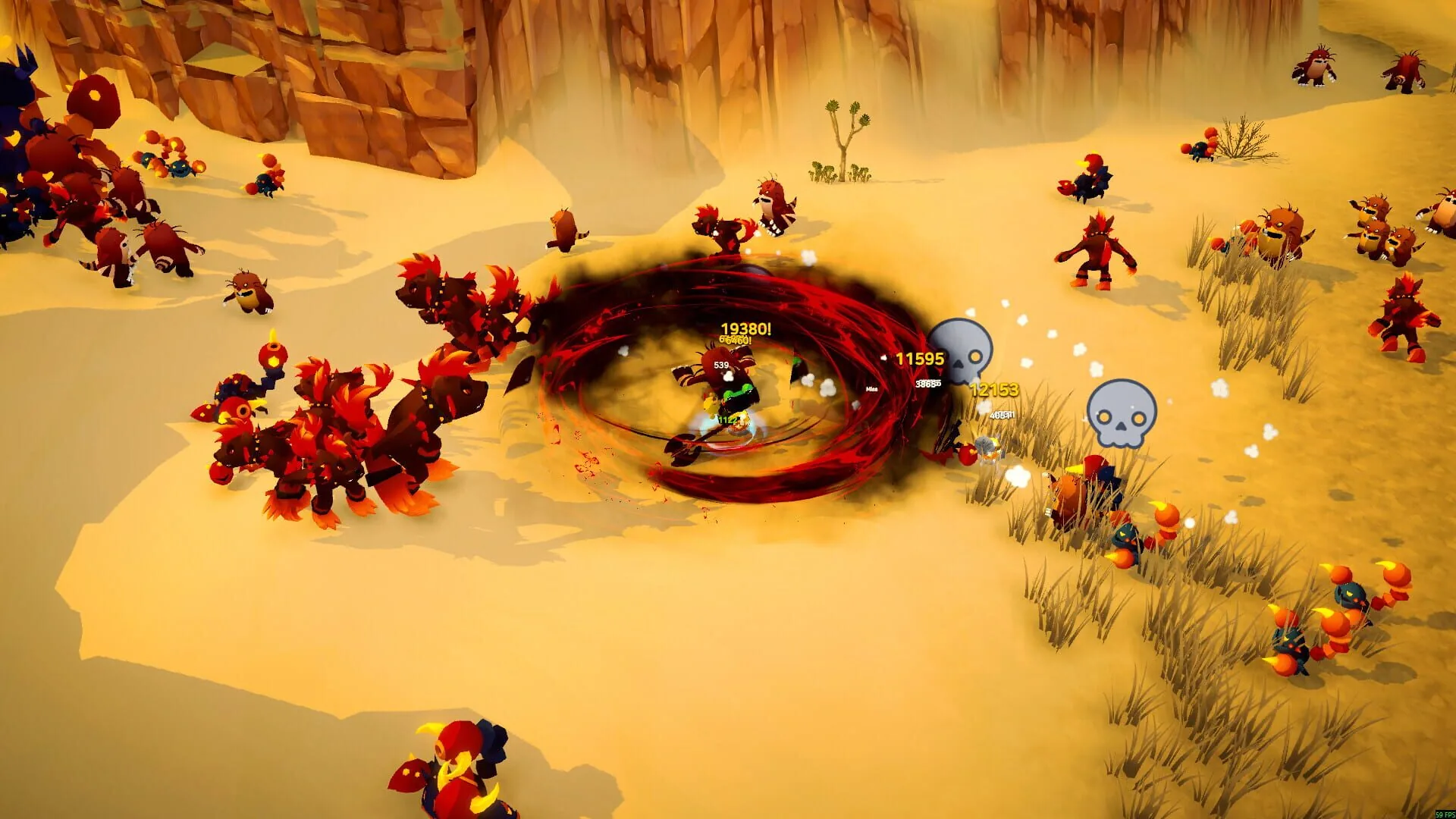
Let's say it up front, no hedging: we don't like SpiritVale's art direction. That slightly generic cartoon style, those character models lacking character, that impression of generic assets picked up here and there, all of it kept us at arm's length at first. And then we launched a game, killed a few monsters, tested a build, and six hours later we were still grinding. Because beneath that shell that doesn't win us over hides a fearsomely effective gameplay loop.
SpiritVale is a class-based action MMO developed by Baikun Interactive, a studio reduced to a solo developer, launched in early access on 15 July 2026 on PC for around fifteen euros, with no subscription, a simple cosmetic and quality-of-life shop and no pay-to-win. The game proudly claims kinship with Ragnarok Online, that Korean classic whose grind and community spirit it takes up. Its Kickstarter gathered nearly five times its goal, a sign of real anticipation, and it arrives at a tasty moment: the one where several ambitious MMOs funded with millions collapse, while this small solo project stands tall and hits the mark.
The heart of SpiritVale is its progression loop, and it's devilishly well tuned. You choose a class from seven base archetypes, from the Acolyte to the Rogue by way of the Mage and the Summoner, then evolve it toward advanced specializations: Priest, Necromancer, Paladin, Berserker, Gunslinger, Shinobi, Weaver and many more. Each class opens several build directions, and that's where the game hooks. Our Necromancer could be played as a summoner commanding its minions, as a spellcaster, as a lifesteal build or as a poison specialist, four ways to play the same character, and that's just one class among a fine roster.
Combat is real-time, cooperative, and the world teems with more than two hundred monsters and a score of bosses to bring down. The game's great strength, the one its players repeat on a loop, is recovering the hypnotic pleasure of Ragnarok farming without the weariness that ended up ruining everything. You kill, you loot, you optimize, you grow in power, and the pace is generous enough that progression stays rewarding without ever becoming a chore. The testimony of players clocking several hundred, sometimes more than a thousand hours as early as the test phase, says a lot about the addictive power of this mechanic.
What SpiritVale brings that's most precious is perhaps less an innovation than a resurrection. It brings back a kind of MMO we thought was gone, the one of the persistent world where you farm for pleasure, where you trade between players via a simple, direct vending system inherited from Ragnarok, where several regional servers let you play and exchange freely. The depth of the class and build system, the richness of the theorycrafting that flows from it, offer real substance to those who love optimizing their character over the very long term. It's a min-maxers' game, and it fills them up.
The most impressive part remains the production context. All of this is the work of a single developer, backed by assets and occasional help, working at a stunning pace, adding classes, reworks and fixes at a rhythm many entire studios would envy. The community is engaged, active on Discord at all hours, equipped with a well-stocked wiki with an item database and price history. There's a rare vitality here, the energy of a project carried by genuine passion, and that's what makes you want to believe in its future despite its flaws.
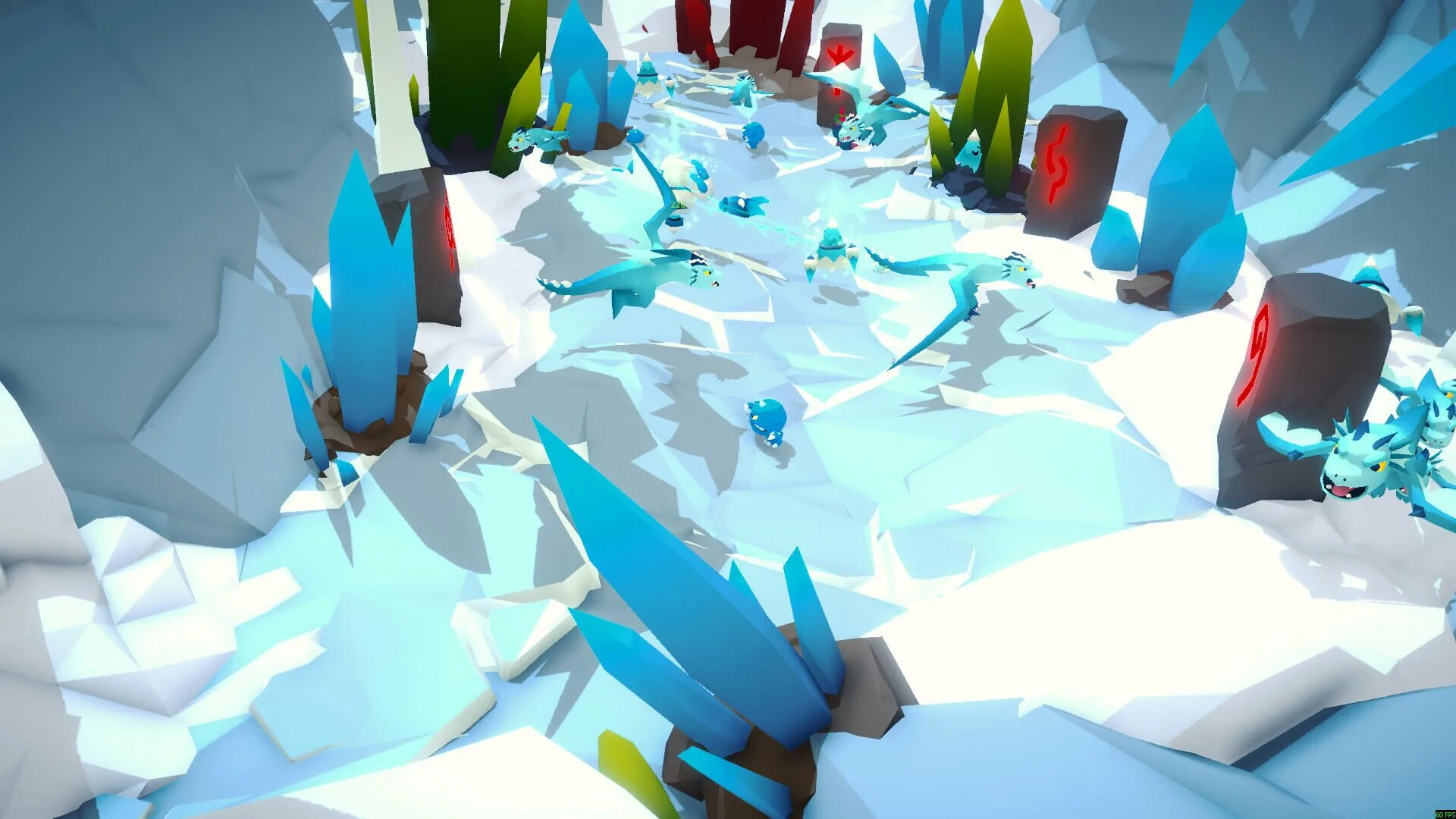
Our aesthetic reservation isn't the only one, and you have to be lucid about the game's limits. The biggest lack is the world itself. SpiritVale has almost no quests: you progress by killing monsters, full stop. Over time, that absence of narrative structure is felt, the maps seem small, and the feeling of a living universe struggles to emerge. You grind in environments that follow one another with little soul, and the game then looks more like an ARPG surrounded by other players than a real world to inhabit. Its lore stays embryonic, its identity still blurry.
You also have to mention a sore point: part of the icons and texts in the test version relied on AI-generated content, presented as temporary, but which betrays the limited means of a solo production. Add to that damage-number inflation that won't please everyone, a market system that's sometimes laborious, and the inevitable question of a single man's ability to keep an MMO alive over time. SpiritVale is a solid and promising base, but it's a base, and its future will depend on its ability to give itself a real identity and to grow without running out of breath.
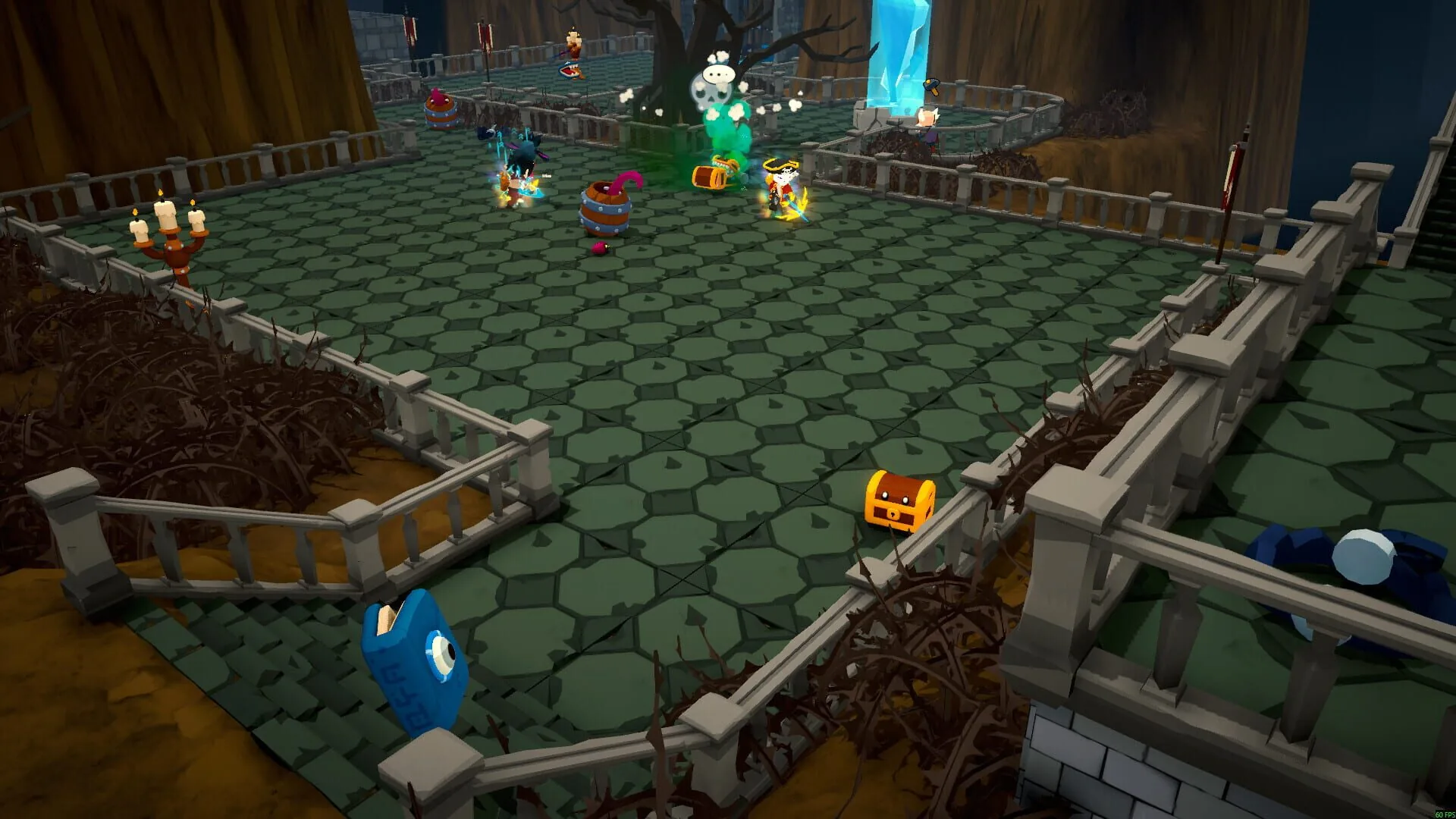
SpiritVale is a fine lesson in humility for anyone who judges a game on its screenshots. We don't like its art direction, we find its world still hollow, we regret the absence of quests and the use of AI assets, and yet we spent hours on it without seeing them fly by. Because its loop of classes, builds and farming captures exactly what made Ragnarok Online so addictive, and it does so with a generosity and depth astonishing for a game developed by a single person. For fifteen euros, with no subscription and no pay-to-win, it's a proposition of rare honesty.
You just have to approach it for what it is: a rough gem, carried by an infectious passion, that favors mechanics over dressing. If you seek an immersive world and a visual slap, walk away. If you want to recover the hypnotic grind and endless theorycrafting of MMOs of old, in a solo project that teaches a lesson to the million-funded mastodons, SpiritVale amply deserves the detour. We wish it growth, because it has what it takes.
A solo-dev MMO with an unappealing art direction but a fearsomely addictive loop of farming and builds: ugly to our eyes, but impossible to put down for Ragnarok nostalgics.
Strengths:
Weaknesses:
Tested on PC.
We debrief every release on our Discord. The door is open, and so is the argument.
Community
Your rating
Advertisement
Loading comments...
You might also like
A co-op bar that collapses while you serve. 98 per cent positive, and one of the rare times chaos is the actual subject.
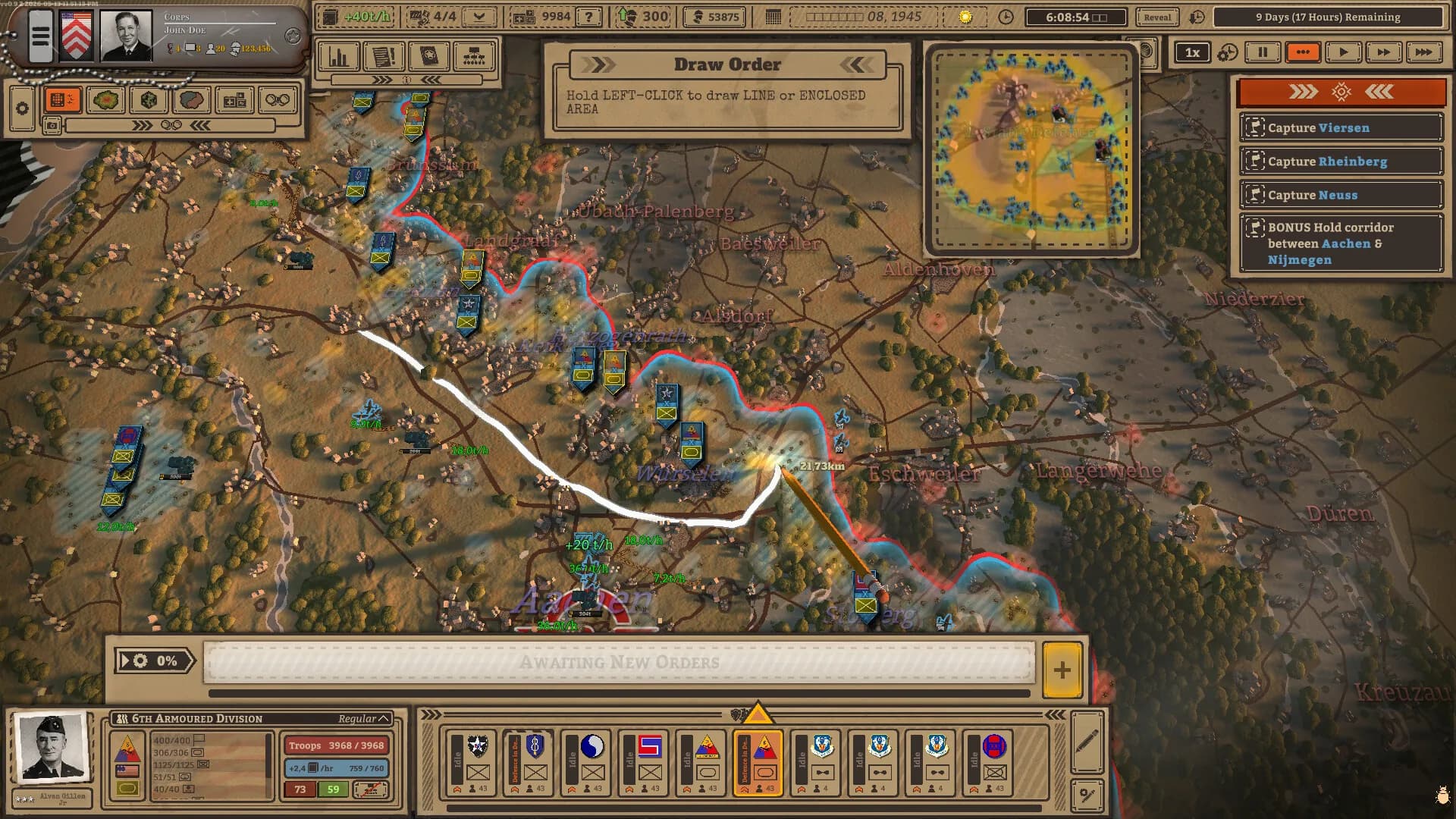
You draw a plan on the map and officers execute it alone. Except the game crashes every other planning phase.
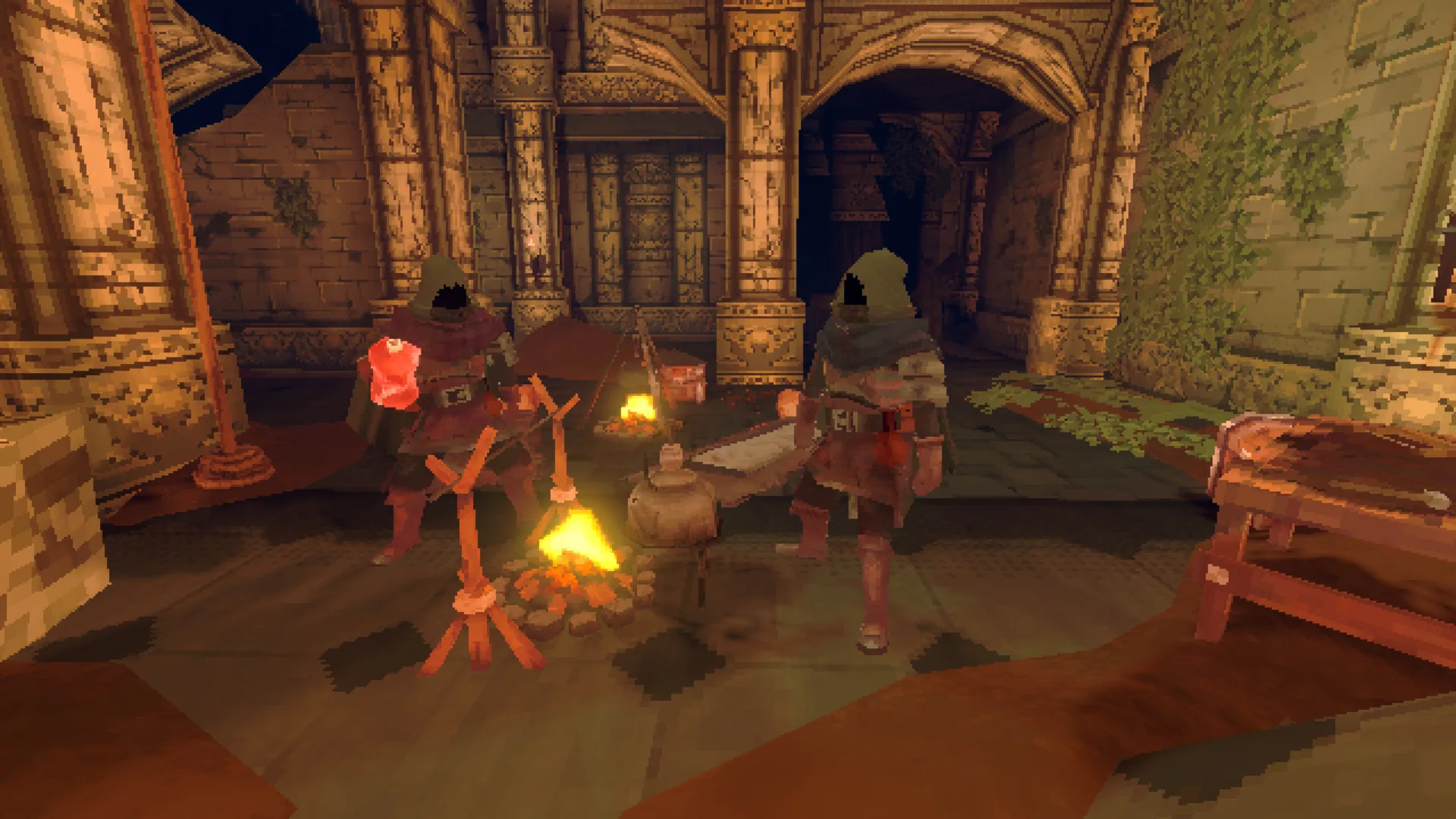
The Knights of Pen & Paper team return with a dungeon where you come back to camp, cook, and unlock recipes that change your stats.