8
Test
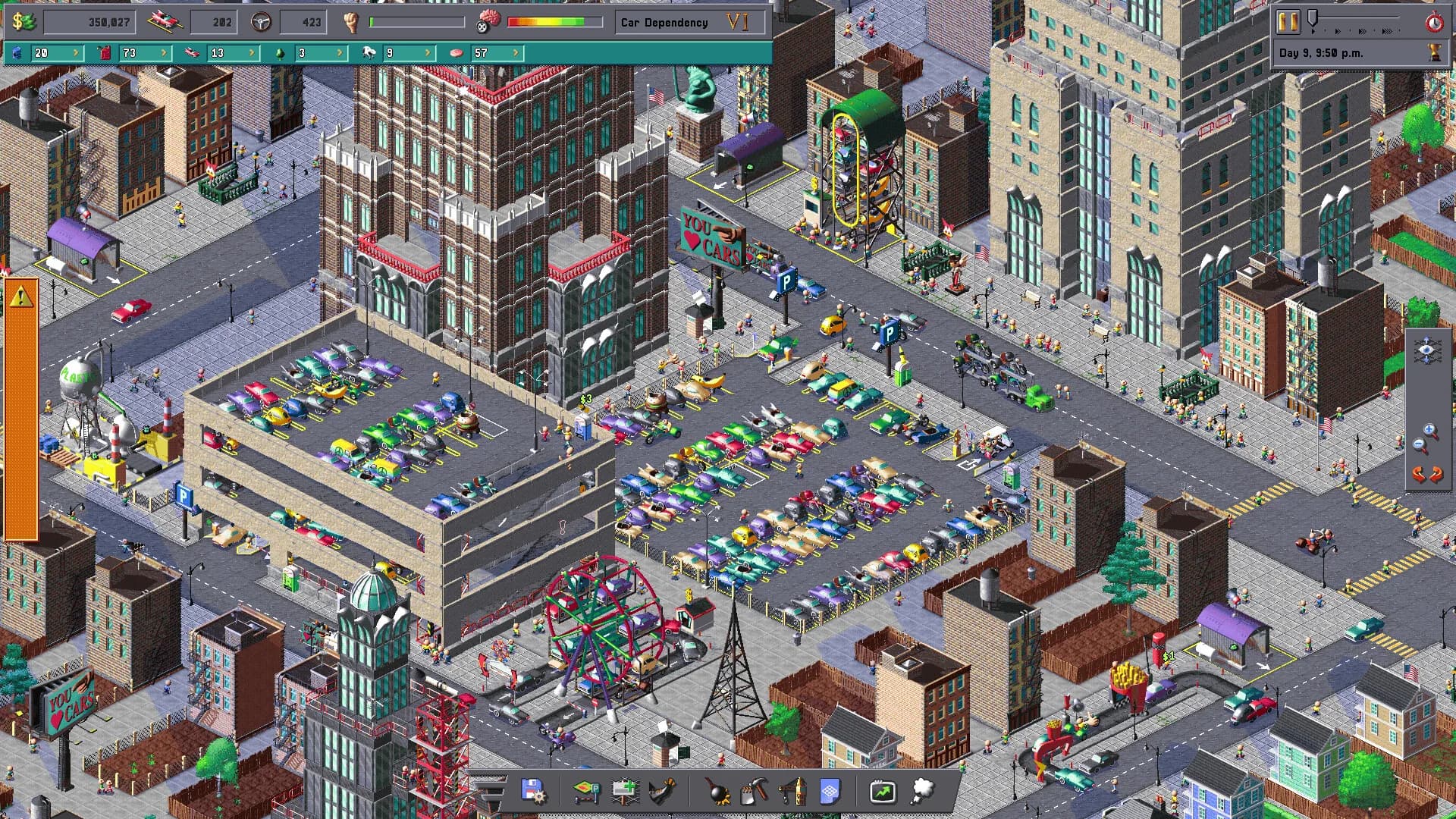
Car Park Capital: MicroProse is publishing a game about bulldozing neighbourhoods for tarmac
Hired by Big Auto to spread the Freedom of Car Dependency. It is funny, it is mean, and it sits at 96 per cent positive.
Alexandrosse
9 min
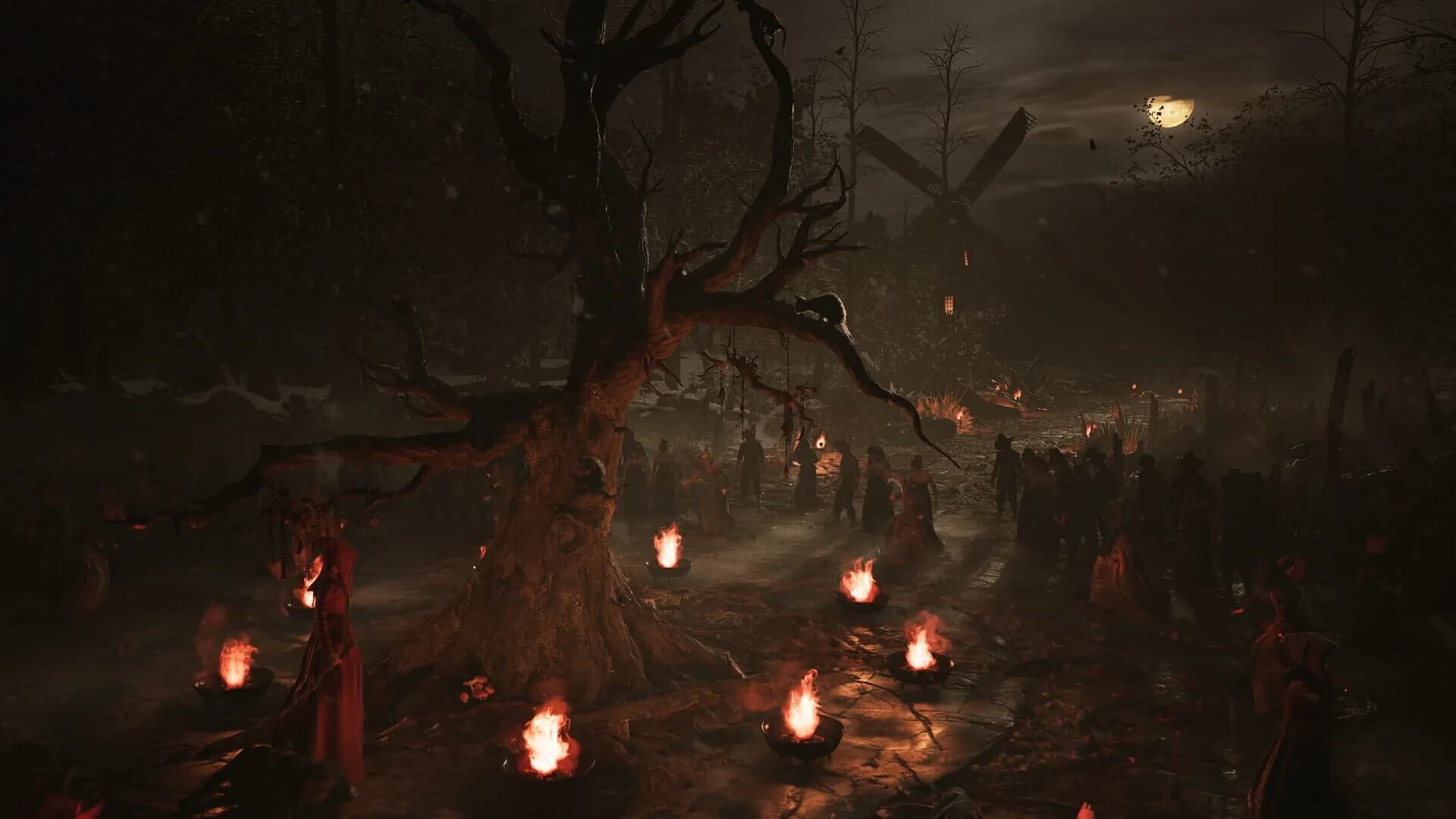
The project Patrice Desilets spent sixteen years reclaiming is finally here. The art direction is sumptuous. The storytelling still needs work.
Alexandrosse
InsertCoins.press Score
6.5/10
Verdict
Mixed
Some games have been talked about for so long that you had stopped believing in them. This one was announced in 2010, buried in 2013, resurrected by a legal fight, and it launches today. Sixteen years.
The first thing that strikes you is that it is magnificent. The second is that you quickly wonder whether the rest measures up.
The industrial history is worth telling, because it explains both the project's ambition and part of its flaws.
2010. Patrice Desilets, the creator of Assassin's Creed, starts a project called 1666 at THQ Montreal. Around fifty people work on it for two years.
December 2012. THQ files for bankruptcy. In January the Montreal studio is sold at auction to Ubisoft.
7 May 2013. Desilets is let go by Ubisoft after the two sides fail to agree contract terms. The project stops dead.
April 2016. After a legal battle, he wins back the full creative rights to his game.
In between he founded Panache Digital Games, released Ancestors: The Humankind Odyssey in 2019, and picked his old file back up. The game was properly announced at Summer Game Fest on 5 June this year.
Sixteen years spent reclaiming an idea is a form of stubbornness that commands respect before you have even started a run.
Amsterdam, 1666. A city built on wealth and sheer will, but fuelled by a force it did not forge.
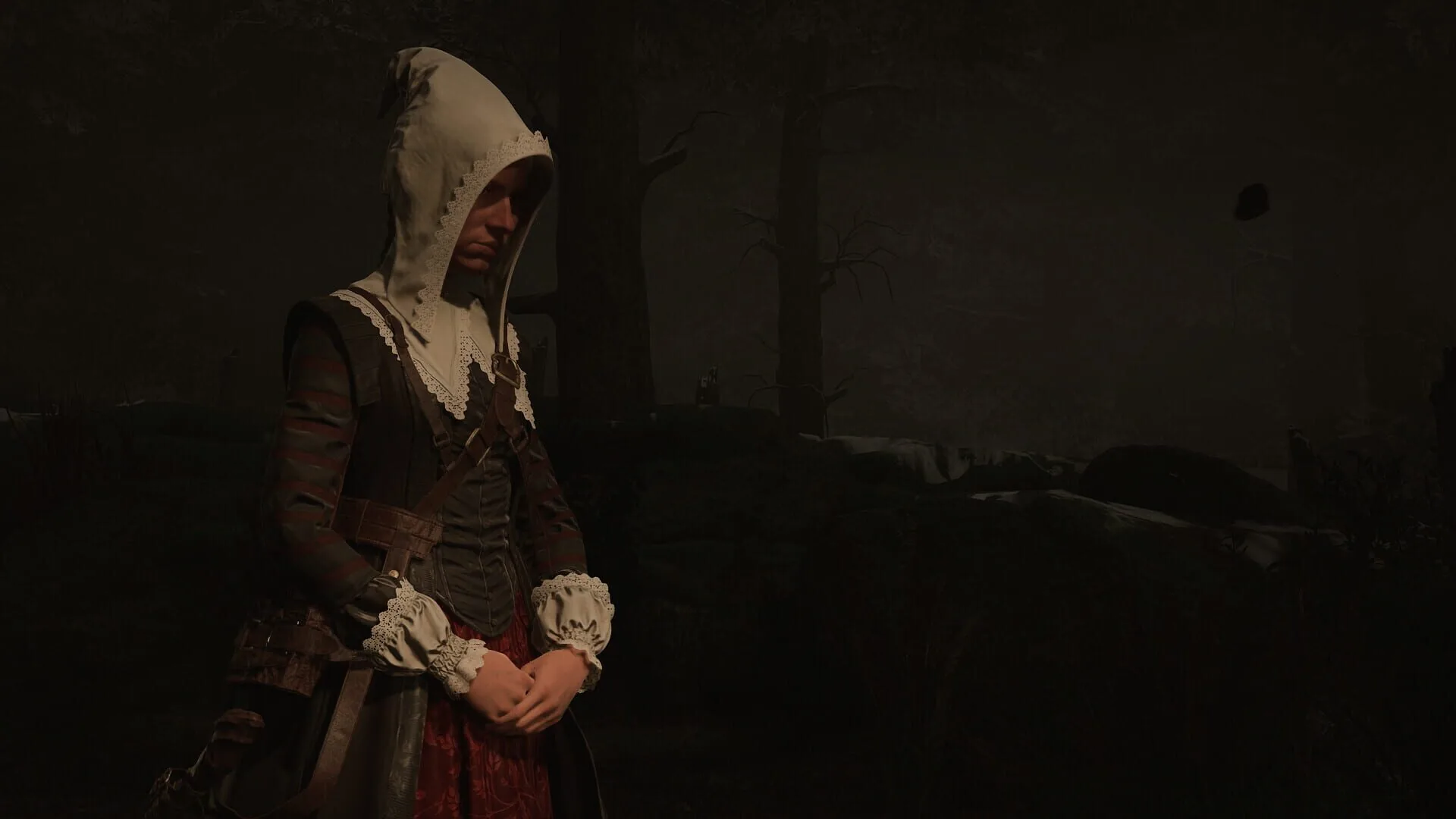
You play Noa Brooklyn, the Collector. Raised by the Zaindaris for a purpose she did not choose: taking back a power that was lent and is now owed. Those who hold it are called the Originals, they have lived for centuries, and they hide behind human faces among the city's citizens.
The setup is clean. You explore a handcrafted Amsterdam by day and uncover what lies beneath it by night. Every facade carries a gablestone, and not all of them tell the truth. You identify a target, you mark it, then you face it in its true form during the Esbat, under the moon.
Noa commands witchcraft passed down through generations of Zaindaris, and each target can be approached in several ways.
That is an excellent starting point. Hunting an impostor in a crowd is the best of the original Assassin's Creed formula, the early entries where you spent more time observing than running across rooftops. Desilets is returning to what he knows, with magic in place of blades.
No argument here: this is the most beautiful city of the month.
The care taken over the architecture is visible to the naked eye. The brick, the leaded windows, the canals, the low northern light. There is documentary work behind it, and you feel it in the details you do not consciously register: the way the gables never quite line up, the wear at the foot of the walls, water that does not look like glass.
The day-night switch is the game's best effect. The same street becomes another place, and it is not merely a blue filter dropped over the scene.
On performance, honesty is required: it stays uneven. Some areas run comfortably, others collapse for no apparent reason. This is an Unreal Engine 5 game in early access, with the symptoms that implies.
Here is the real question, and the answer is less pleasant.
The narrative has a problem of form before it has a problem of substance. It tells instead of letting you play. Long stretches of walking while a voice explains the context pile up, and they arrive precisely at the moments when you would like to handle something.
The free prologue released in June demonstrated this involuntarily. It offered half an hour without an ounce of the advertised combat, with repeated shifts of viewpoint and a plot you were meant to reassemble yourself. Part of the audience that had waited ten years for this game came away cold, and that was not bad faith: the shop window was not showing the goods.
The full game does better, because it has room to lay its pieces out. But the weaknesses remain visible.
The dialogue sounds written. Characters state information rather than talk to each other, and some scenes tip into unintentional comedy because an occult ritual is conducted with the ease of a staff meeting.
The performances are uneven. Some roles hold, others do not, and in a game resting this heavily on spoken scenes, every weak turn costs.
And the dialogue animation lags behind the rest. Characters following you stick to your heels mechanically, breaking the illusion at the worst moment.
The result is frustrating because the material is good. The world holds up, the mythology of the Originals is intriguing, and Noa's position, heir to a purpose she was never allowed to choose, is a genuine subject. It is the staging that does not follow.
It has to be addressed, because it was the first charge laid against this game and it concerns the visual work precisely.
In June, at the announcement, players noted that painted portraits in the prologue bore the characteristic marks of a generated image. Digging further revealed that the official cover art and part of the marketing material were too.
The studio did not deny it. Panache acknowledged the facts, called it an oversight, apologised, and made a specific commitment: neither the early access nor the final game would contain AI-generated assets, and the affected artwork would be redone by humans.
The commitment has been honoured, as far as can be verified from outside: on release day the game's Steam page carries no AI-generated content disclosure, while the platform requires that notice as soon as a studio uses any.
That is the right way to handle a blunder: admit it, fix it, and let people check. It does not erase the fact that a studio led by one of the most respected figures in the business let it through on its own announcement.
Early access contains the first piece of the campaign, advertised at around fifteen hours, for 29.99 dollars. The game launches on Steam and the Epic Games Store.
In other words, you are buying a beginning and a promise. On a heavily narrative game that is a peculiar wager: judging a story you have only the first third of amounts to reviewing a novel at page one hundred.
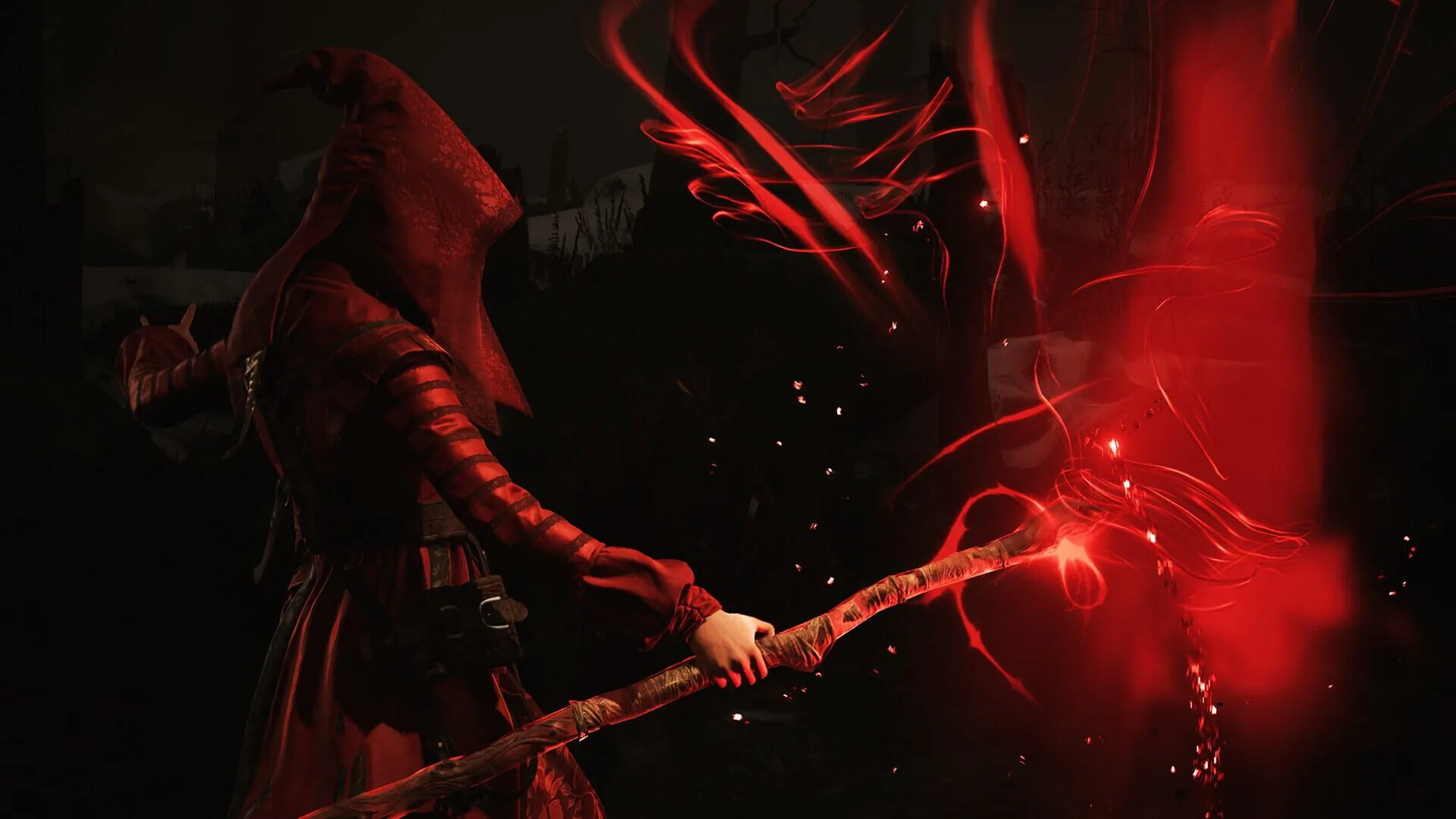
Six and a half, and the score sits inside the question that opens this article.
It salutes art direction of a very high order, a reconstruction of Amsterdam worth the trip on its own, a day-night switch that genuinely changes how you read a place, and a narrative starting point few games dare: hunting the impostor in a crowd, revisited through witchcraft, by the very person who invented that formula.
It marks down writing that falls short of its subject, staging that narrates when it should let you act, uneven performances, dialogue animation behind the rest, and performance that is not settled.
My answer to the question, then: the world is better than the story being told in it, for now. The setting promises a narrative the script does not yet deliver.
And that may be the best possible news, because it is exactly what early access can fix. A city cannot be rebuilt; a dialogue scene can.
Do you buy the beginning of a story or wait for the end? Come and settle it on the InsertCoins Discord.
Community
Your rating
Advertisement
Loading comments...
You might also like
Hired by Big Auto to spread the Freedom of Car Dependency. It is funny, it is mean, and it sits at 96 per cent positive.
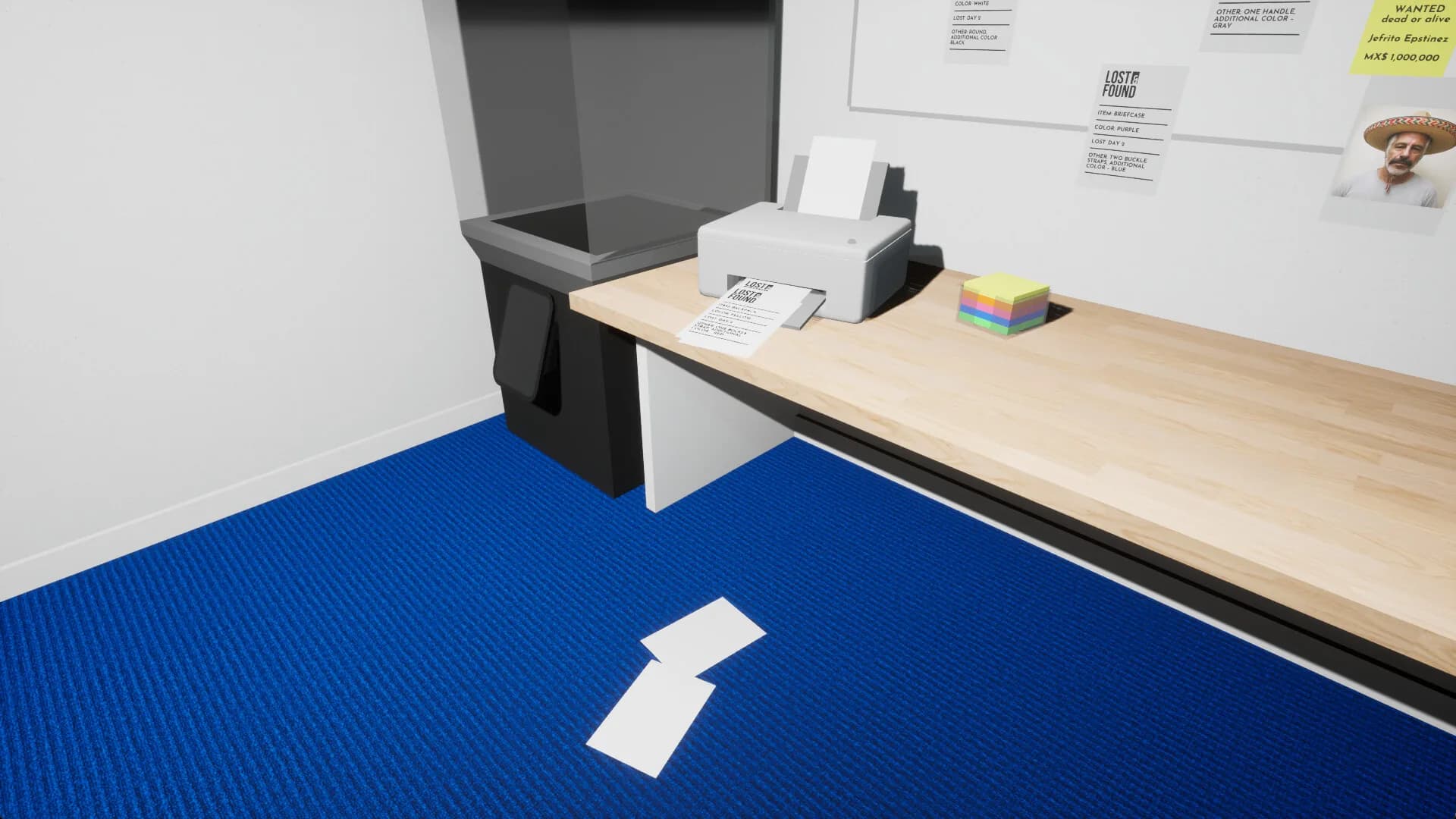
You get a form and a description. Go find the item. In a warehouse you organised yourself.
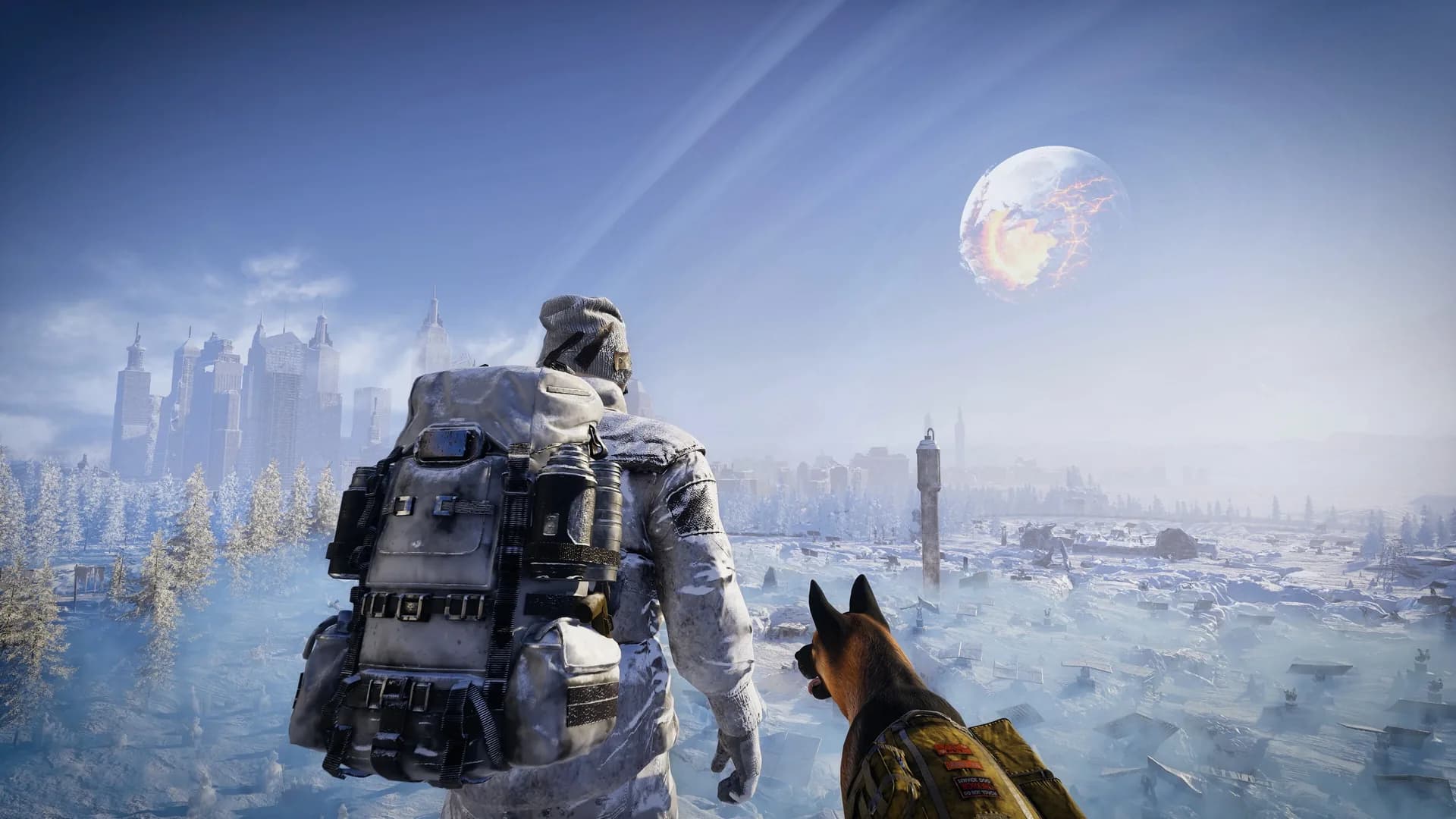
A frozen world that refuses survival cliches. But in co-op, one player can do the whole questline while the others sleep.