Dossier
Paris Games Week 2026: who is coming, what you can play, and the evening not to miss
22 to 25 October, fifteen years of the show, Game of Roles at the Dome de Paris, and 300 square metres for French studios.
Alexandrosse
10 min
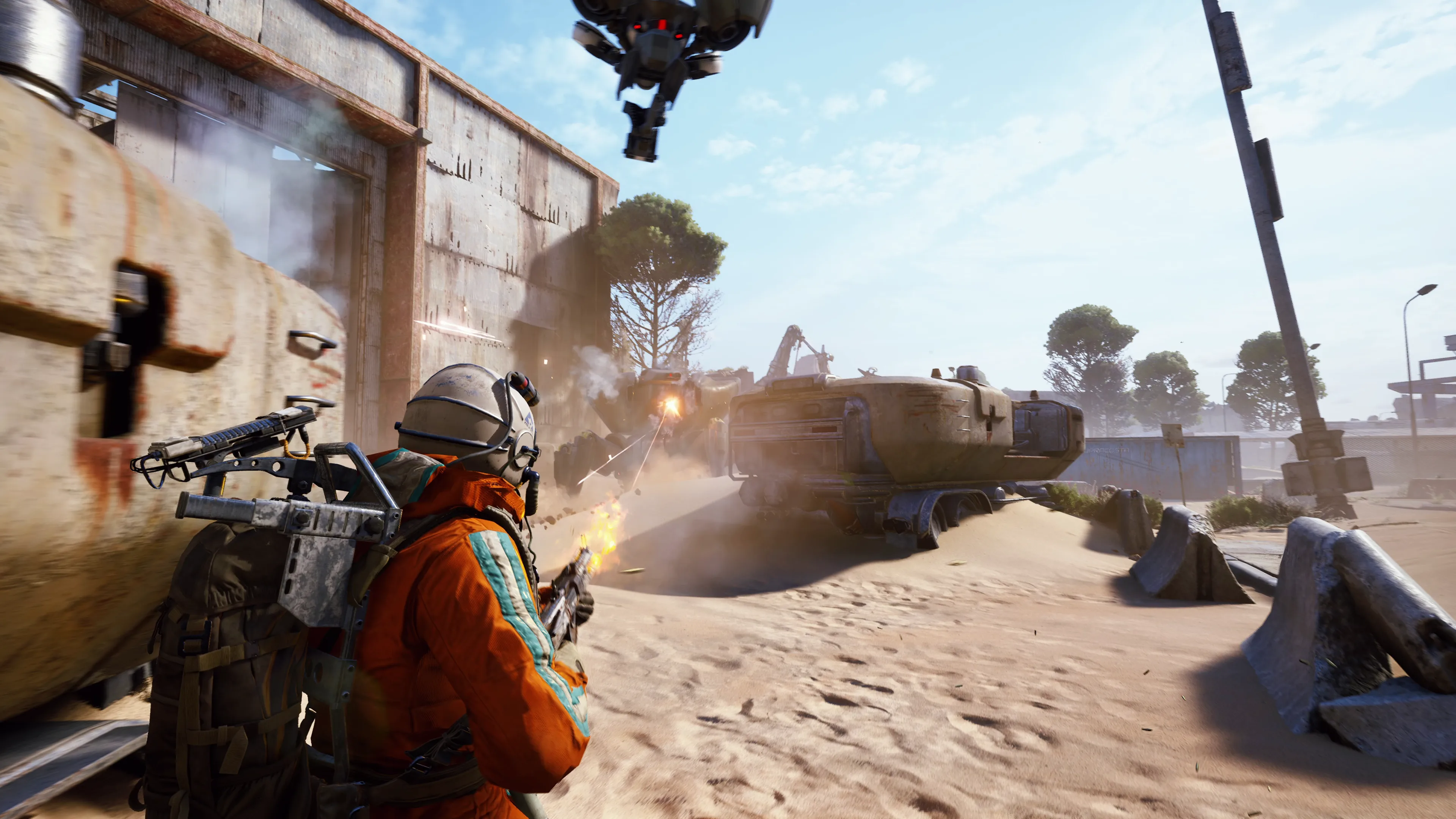
We've seen this kind of game fail before. Trailers full of promises, a strong concept, and a launch that collapses under the weight of its own ambitions. ARC Raiders works. Understanding why means understanding what the genre spent years learning.
Alexandrosse
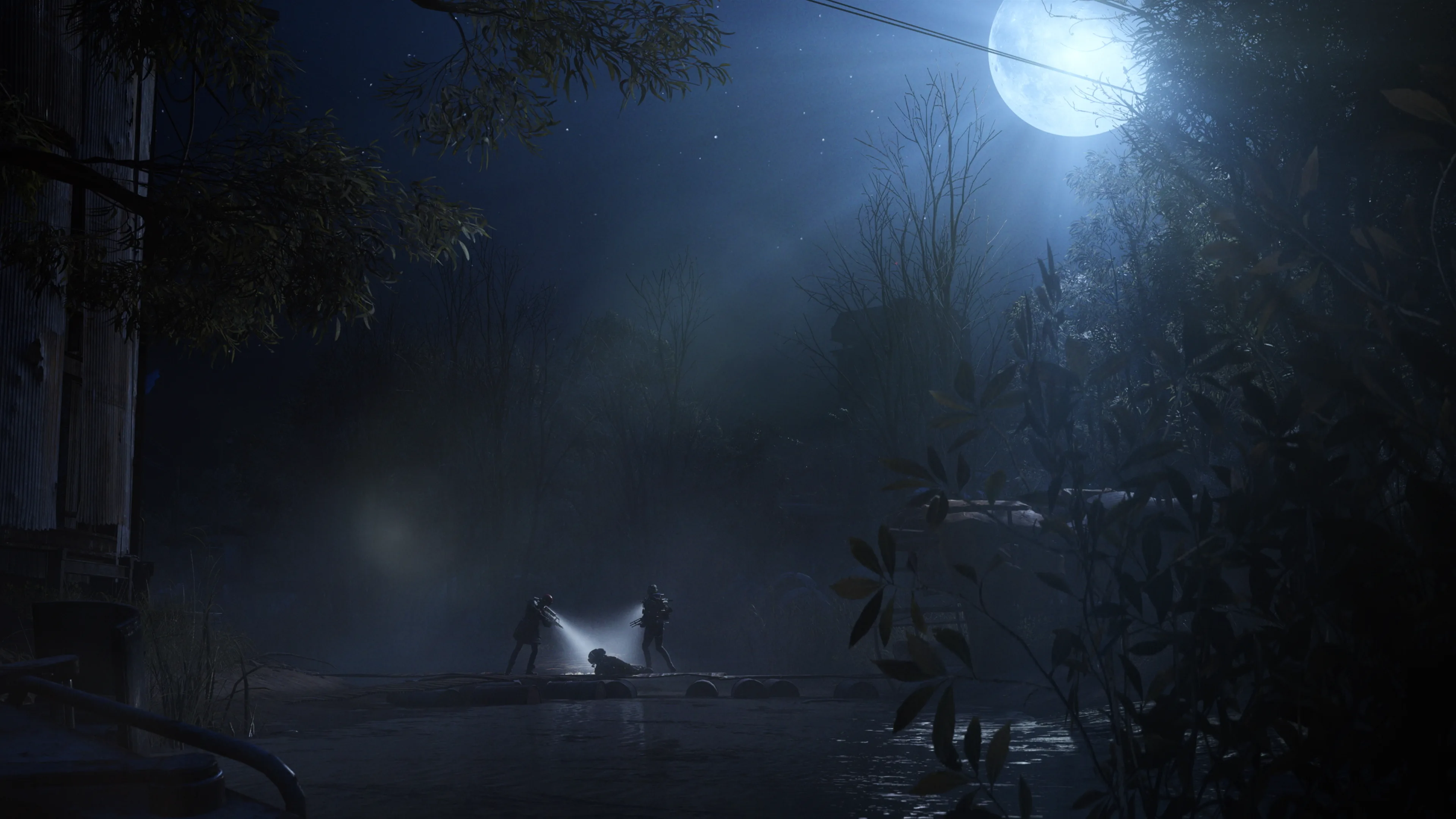
We've seen this kind of game fail before.
The scenario is familiar: a studio announces an extraction shooter, the trailers are spectacular, the promises pile up, the community gets excited. Then launch day comes. Servers buckle, balance is broken, progression is punishing, and six months later the game is on life support while developers publish roadmaps nobody reads anymore.
ARC Raiders didn't follow that path. And it's not an accident.
To understand ARC Raiders, you have to start with the people who made it. Embark Studios isn't a team discovering competitive FPS and hoping for the best. It's a studio founded by veterans of DICE, the team behind Battlefield. People whose job, for years, was precisely to calibrate the feel of a gunshot, the readability of a play space, the exact friction between risk and reward in a multiplayer environment.
That background is immediately visible in ARC Raiders. Not in the progression systems or the content count, but in something more fundamental and harder to acquire: the feel. How a weapon kicks back. How a character stops, accelerates, changes direction. How the sound of an approaching enemy makes you adjust your position before you've even consciously decided to.
That expertise can't be improvised. And in a genre that has often stumbled at the technical foundation level, having a team for whom this is their core craft changes everything.
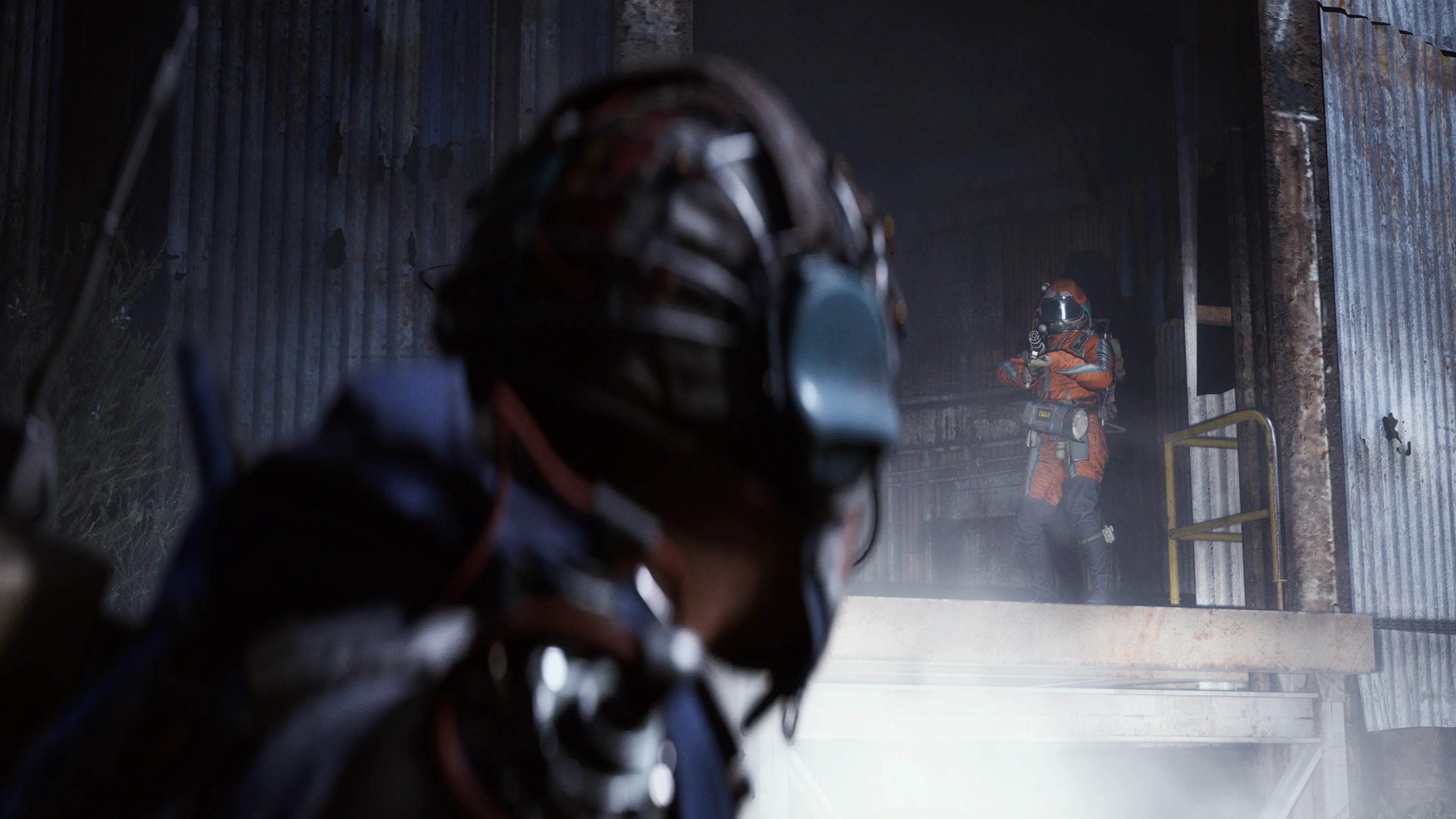
The first sin of the extraction shooter is overload. Too many systems, too many overlapping objectives, too much information displayed at once. The result is paradoxical: a genre that should produce organic tension drowns in its own complexity.
ARC Raiders resists that temptation. The core loop is clear: enter, explore, extract. Objectives are readable. Risks are identifiable. The game doesn't try to impress you with its depth, it lets you discover it gradually, at your own pace, without forcing you to read a wiki to understand what just killed you.
That clarity isn't simplicity. It's discipline. And in a genre where overdesign is the norm, discipline is a form of courage.
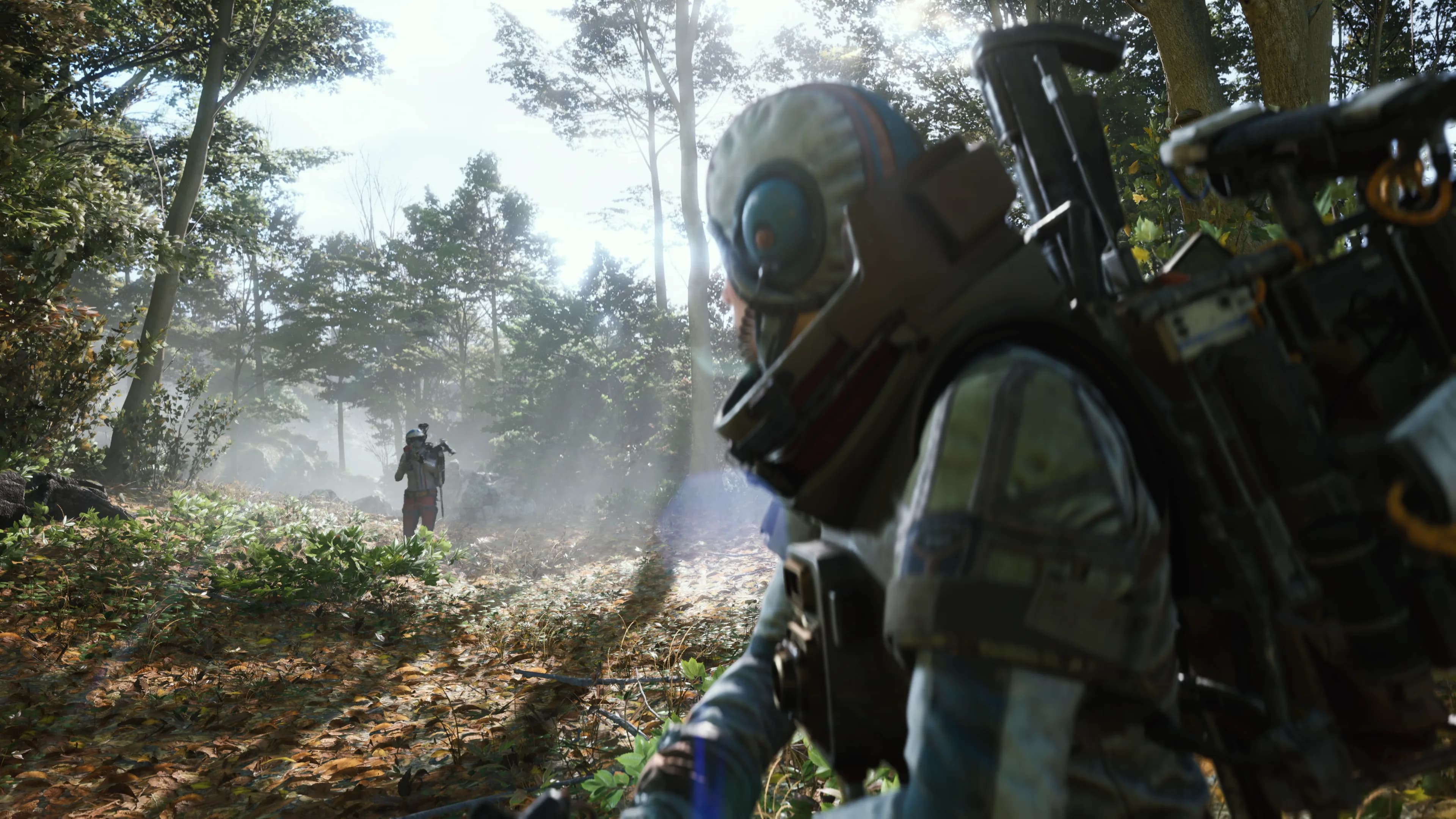
The extraction shooter lives or dies by its tension. That's the heart of the genre: the permanent feeling that every decision matters, that the next room could change everything, that leaving now with what you have might be smarter than pushing further.
ARC Raiders understands this mechanism and serves it precisely. Exploration creates pressure without being punishing. Risk is real without being arbitrary. Reward justifies the investment without making the game unfair to those who lose.
That's a balance many games in the genre have missed by tipping too far in one direction: either a permadeath too severe to retain new players, or a progression too comfortable to mean anything. ARC Raiders holds the line. And holding that line consistently over time is precisely what the DICE heritage makes possible.
There's a detail in Embark Studios' communication about ARC Raiders that says a lot about their approach: they never claimed to be inventing something. No "genre revolution." No "next-generation living MMO." No promises about features that don't exist yet.
Just a game. A good game, well made, that knows what it is.
In an industry where marketing bullshit has often preceded launch disasters, that restraint is almost disarming. And it works precisely because it doesn't create expectations it can't meet.
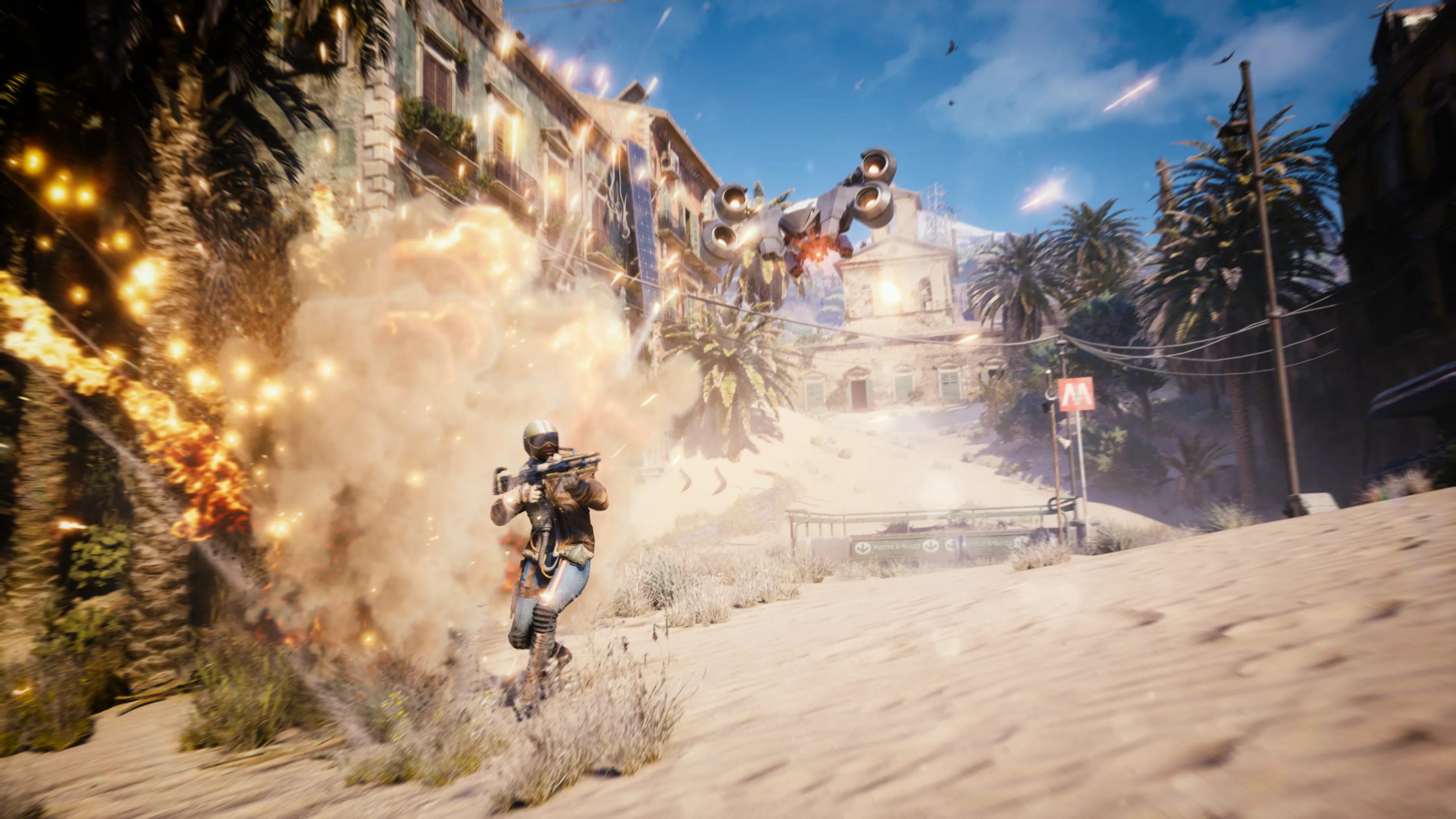
You can't talk about ARC Raiders without talking about DayZ. Not because the two games are identical, but because DayZ traced the path ARC Raiders is walking.
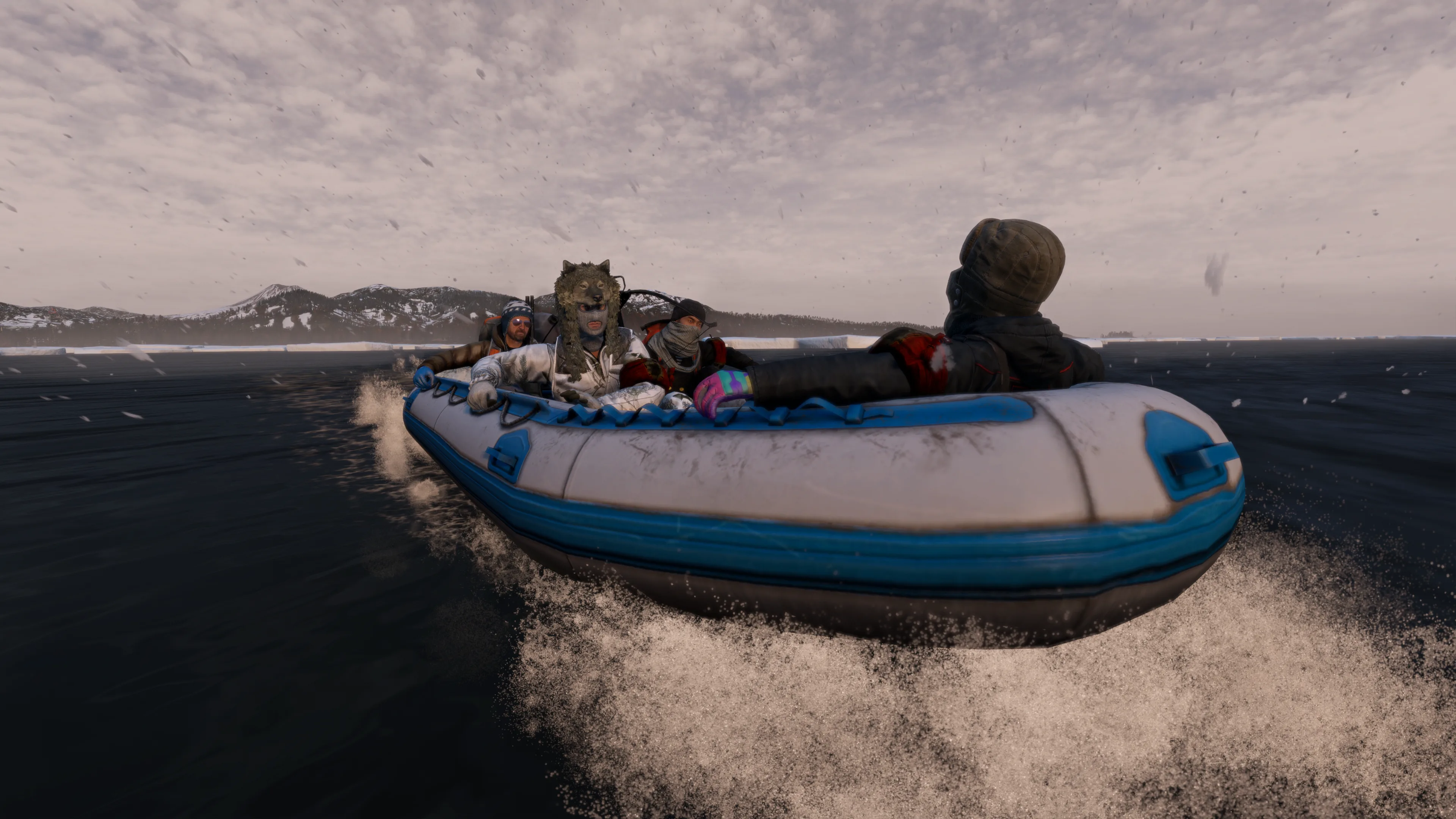
DayZ brought something irreplaceable to multiplayer gaming: proof that an open environment with scarce resources and other human players could generate stories no screenwriter could have written. The permanent tension of never knowing whether the player you encounter will help you or shoot you. The emergence of absurd and memorable situations born from simple systems colliding with unpredictable human decisions. The way scarcity creates value and turns a tin of food into a narrative stake.
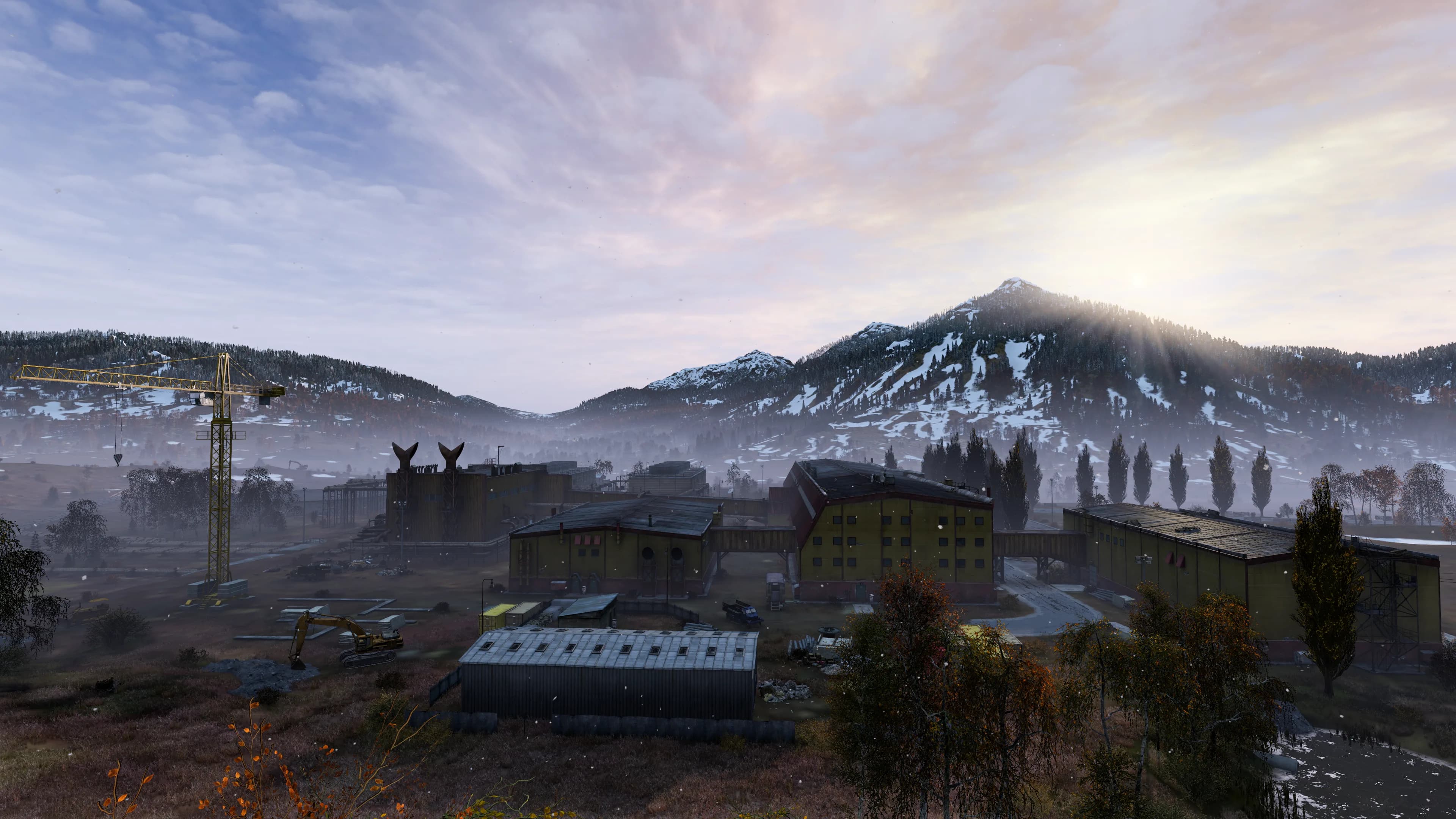
DayZ created that kind of experience almost by accident, and nobody has reliably reproduced it since. Because DayZ had a fundamental problem: fragile execution. An eternal beta that lasted years, unstable tech, an experience frustrating for anyone without the patience to treat the bugs as part of the gameplay. The concept was brilliant. The delivery was a permanent construction on unstable foundations.
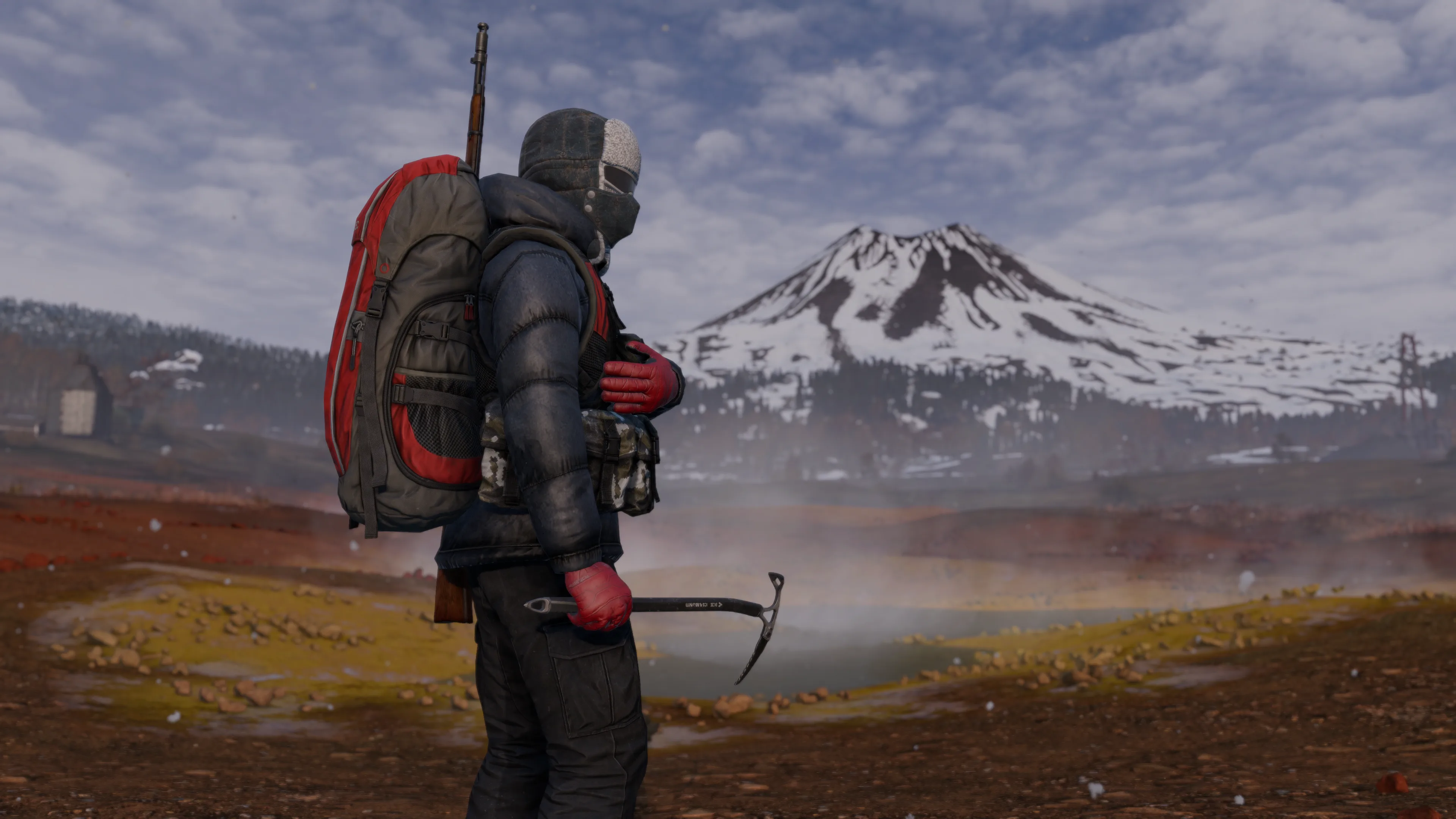
What DayZ proved by intention, ARC Raiders achieves by method. The tension is there. Human unpredictability is there. Emergent stories are there. But they rest this time on a clear structure, clean technology, a defined vision of what the experience should be.
Where DayZ improvised, ARC Raiders structures.
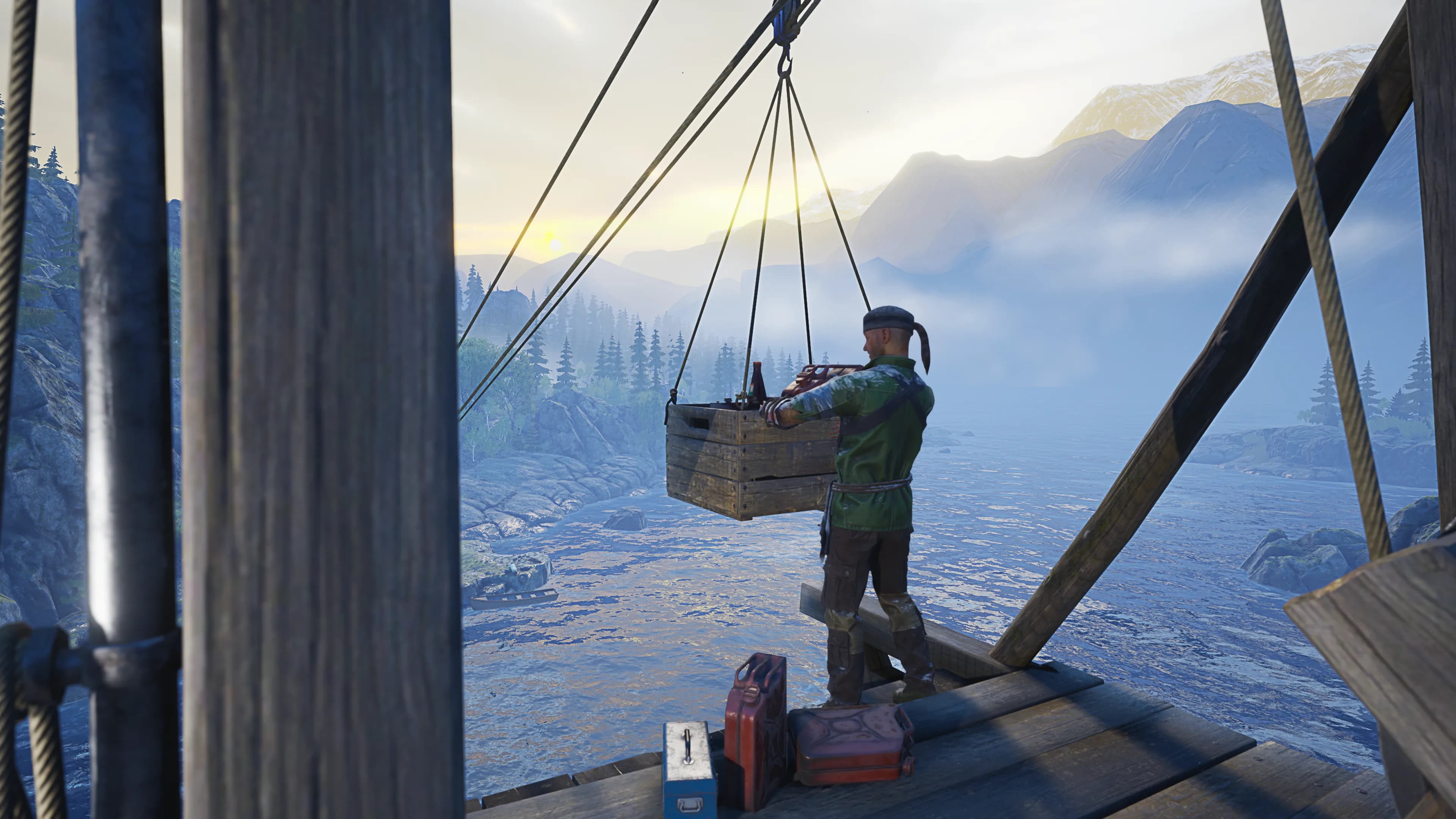
That's not a criticism of DayZ : it's a recognition of what it opened. The survival extraction genre wouldn't exist without it. But opening the road and knowing how to walk it correctly are two different skills.
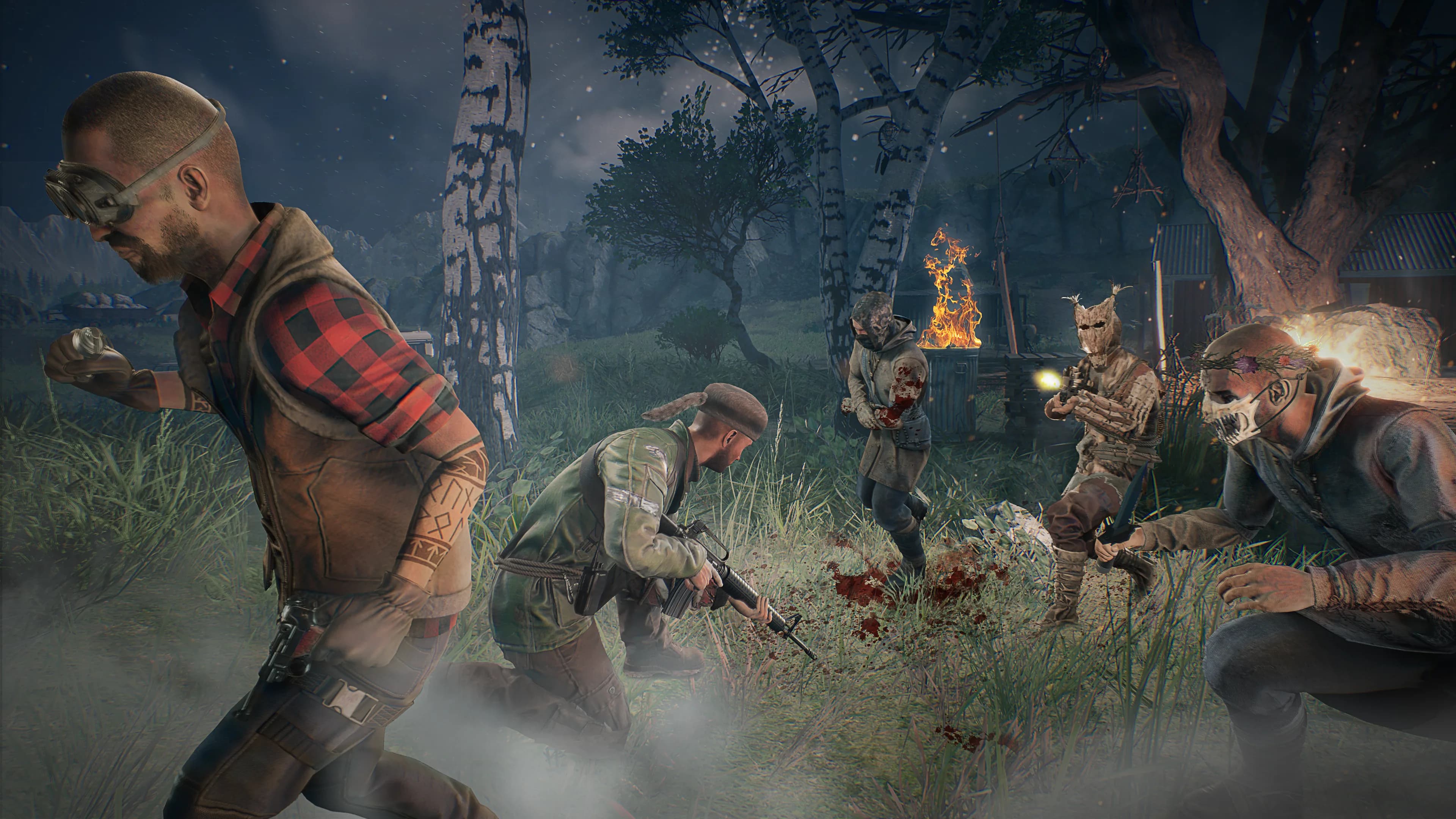
Extraction shooters often have a retention problem. The launch peak is strong, the communication is good, and then players leave because the game doesn't renew the experience enough, or because the punitive systems eventually discourage even the most committed.
ARC Raiders avoids this through three mechanics that reinforce each other.
Replayability first. Every session is different because the human variables are. The environment shifts, the other players shift, the decisions shift. No two raids truly resemble each other, and that organic variability replaces the artificial content other games add in patches to simulate freshness.
Progression next. The game found a delicate balance: enough pressure that losing hurts, not enough that losing is prohibitive. Death isn't the end of a session, it's the beginning of a story you tell others. And players who tell their death stories to their friends are the best marketing a multiplayer game can have.
Word of mouth, finally. In the extraction shooter, the community builds around anecdotes. The betrayals. The improbable alliances. The extractions pulled off two seconds before being caught. Those stories spread, attract curious newcomers, and turn a game into a social phenomenon. ARC Raiders generates those stories with a consistency its predecessors couldn't sustain.
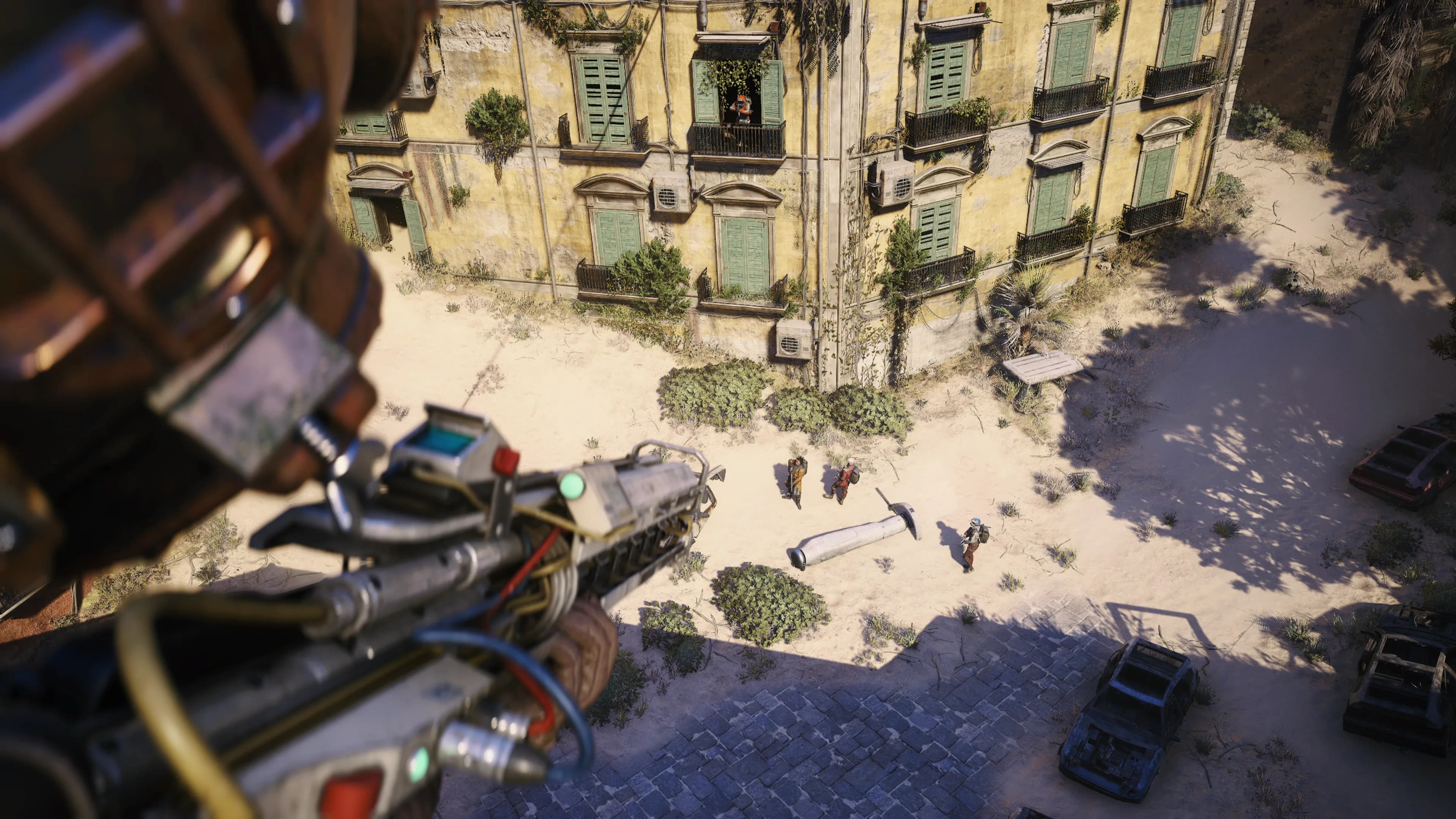
The scenarios for what comes next are clear, and not all of them are bright.
The first is lasting success. It requires consistent updates: patches that listen to the community, balance adjustments that adapt to evolving metas, and a team that maintains the initial vision without drifting toward whichever live service model is most profitable short-term. Embark has the skills for this. The question is whether they have the discipline over time.
The second is gradual exhaustion. If the content doesn't keep pace, if the organic variability of sessions stops masking the lack of novelty, the community will shrink until only a core group remains, too small to sustain the social pressure that makes the genre worthwhile. That's the fate of many games that start well.
The third is the most dangerous: bad live service management. The moment where monetisation decisions override creative ones. Where battle passes take priority over balance, where cosmetic content replaces gameplay content, where communication becomes marketing rather than dialogue. It's the classic failure mode. And even the best studios have fallen into it.
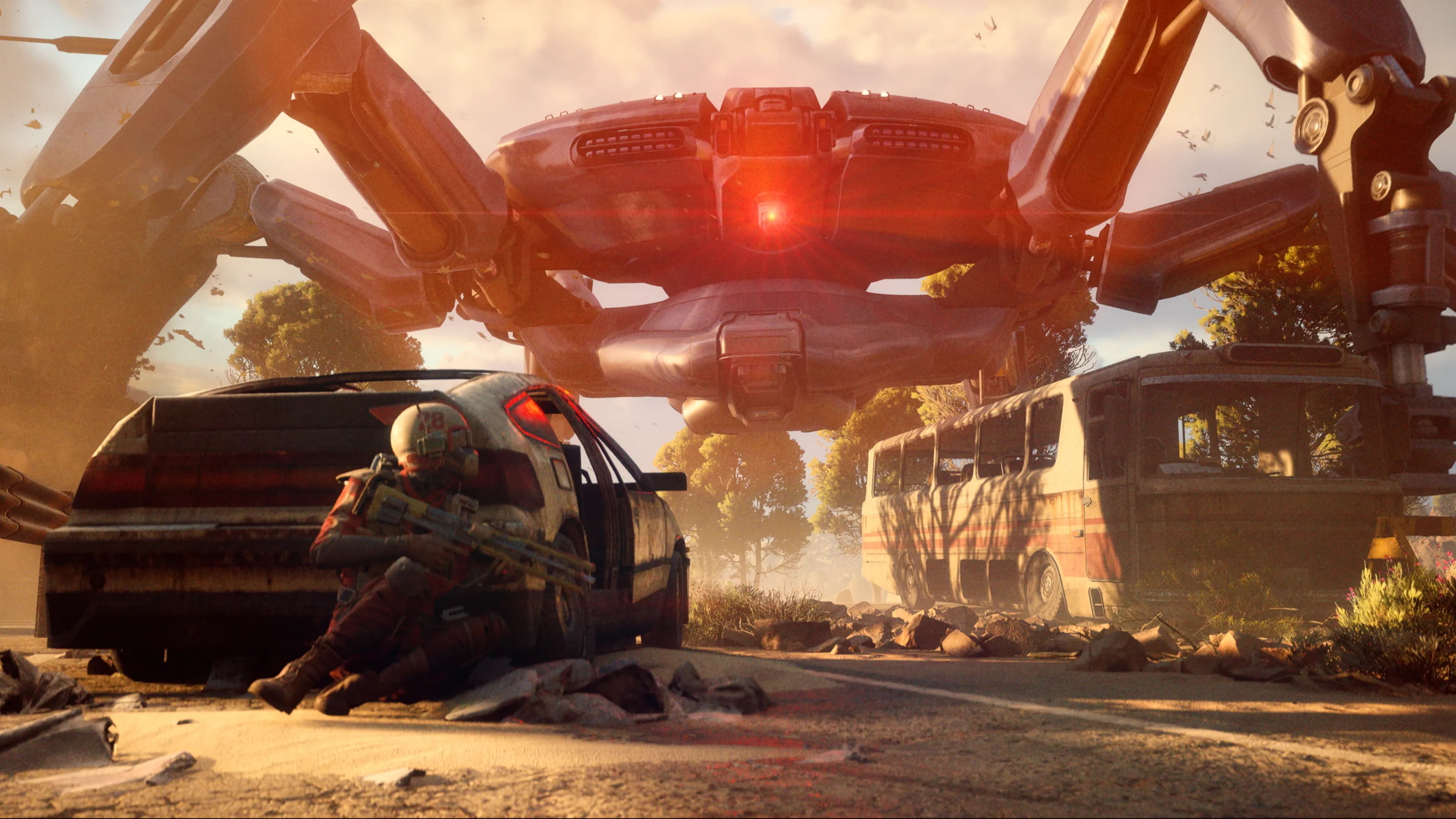
ARC Raiders doesn't matter because it reinvents its genre. It matters because it demonstrates the genre can be done correctly.
That demonstration was missing. Since DayZ, the promise of the extraction shooter with real stakes, unpredictable human interactions, and progression that carries weight has existed in theory while fracturing regularly at execution. Hunt: Showdown approached it from the flank, Escape from Tarkov pushed it to the extreme at the cost of accessibility. But a version that is tense, accessible, technically clean, and honest in its communication: that was missing.
ARC Raiders doesn't reinvent anything. It just finally gets things right. And in a genre that has suffered so much from its creators' hubris, that might be the most precious form of achievement.
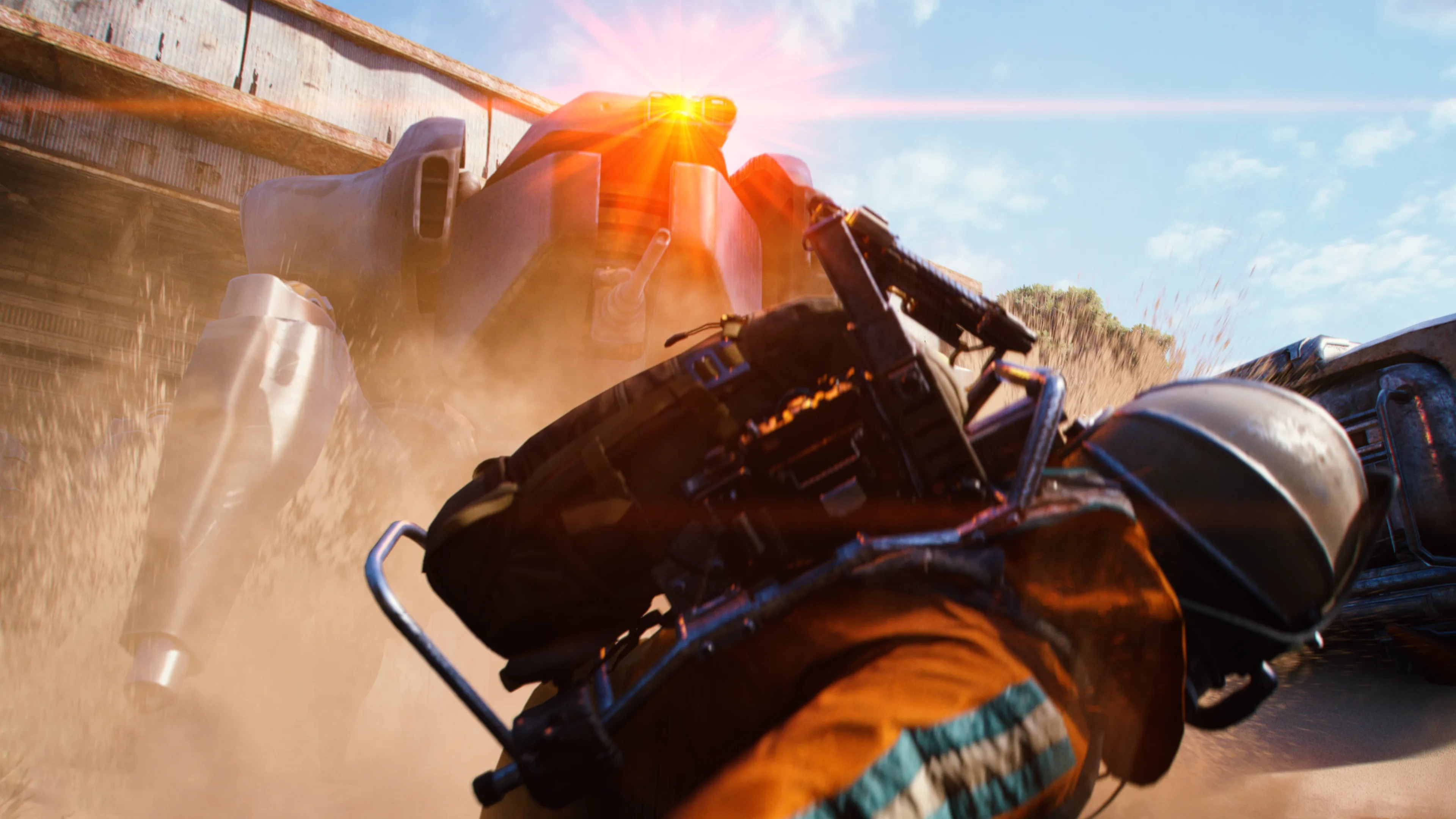
Feature based on the version available at launch.
Come and carry the conversation on over on our Discord.
Community
Your rating
Loading comments...
You might also like
22 to 25 October, fifteen years of the show, Game of Roles at the Dome de Paris, and 300 square metres for French studios.

Six sales running, over 700 games, and only one that expires tomorrow morning. Our sort, with the prices worth taking and the ones that are not.
Eight months, 288 reviews, an average of 7.03. Here is what that says, and voting is open in four categories including the hall of shame.