Diablo IV hurt us.
Not dramatically, not with the violence of a bad game you regret buying. In a quieter way: that of a game we'd waited years for, which arrived with everything it needed to be exceptional, and which missed the essentials in the weeks that followed its launch. Season 1 was a disaster. The loot system was opaque. The endgame turned out to be hollow. And the community, which had thrown itself into the game with decades of accumulated franchise trust, came crashing down with brutal speed.
We stopped playing. Not out of anger. Out of disappointment.
This expansion may offer us a way back.
Let's start here, because it's the conversation everyone avoids and needs to be had.
The announced price for this expansion is hard to defend. What Blizzard is proposing looks, at least on paper, more like an enriched DLC than a full expansion in the true sense. New classes, a loot filter, an overlay map, skill tree reworks: these are corrections and additions that could have, and in some cases should have, arrived as free updates or foundational patches. Bundling them together behind an expansion price tag is billing players for maintenance.
The commercial logic is understandable. It isn't honest. Blizzard sold a game for full price, published a first expansion, and now returns with a second paid addition where part of the content corrects known issues from launch. The community has every right to be sceptical.
What remains true regardless: if the content is there and works, the value-to-price ratio improves through play. But the initial signal is poor, and Blizzard could have done better.
It's a small thing. It's also one of the first things everyone asked for in the early hours of the game.
An overlay map, navigable without interrupting the action, visible during combat, configurable to the player's needs. In an ARPG where spatial awareness is constant, the absence of this feature at launch was an inexplicable blind spot. It arrives with this expansion, and even if we shouldn't have to celebrate what should have existed from the start, we celebrate it anyway because the difference in-session will be real.
This is the kind of fix that doesn't make headlines but changes how you play. And in a game where you spend dozens of hours navigating between zones, dungeons, and objective markers, that quality of life matters.
Diablo IV had a loot problem. Not one of scarcity, not one of incoherent progression, but above all one of catastrophic readability of what fell on the ground. In a genre that lives and dies by the loot dopamine hit, watching objects flood the screen without being able to quickly identify what deserves attention is a serious design failure.
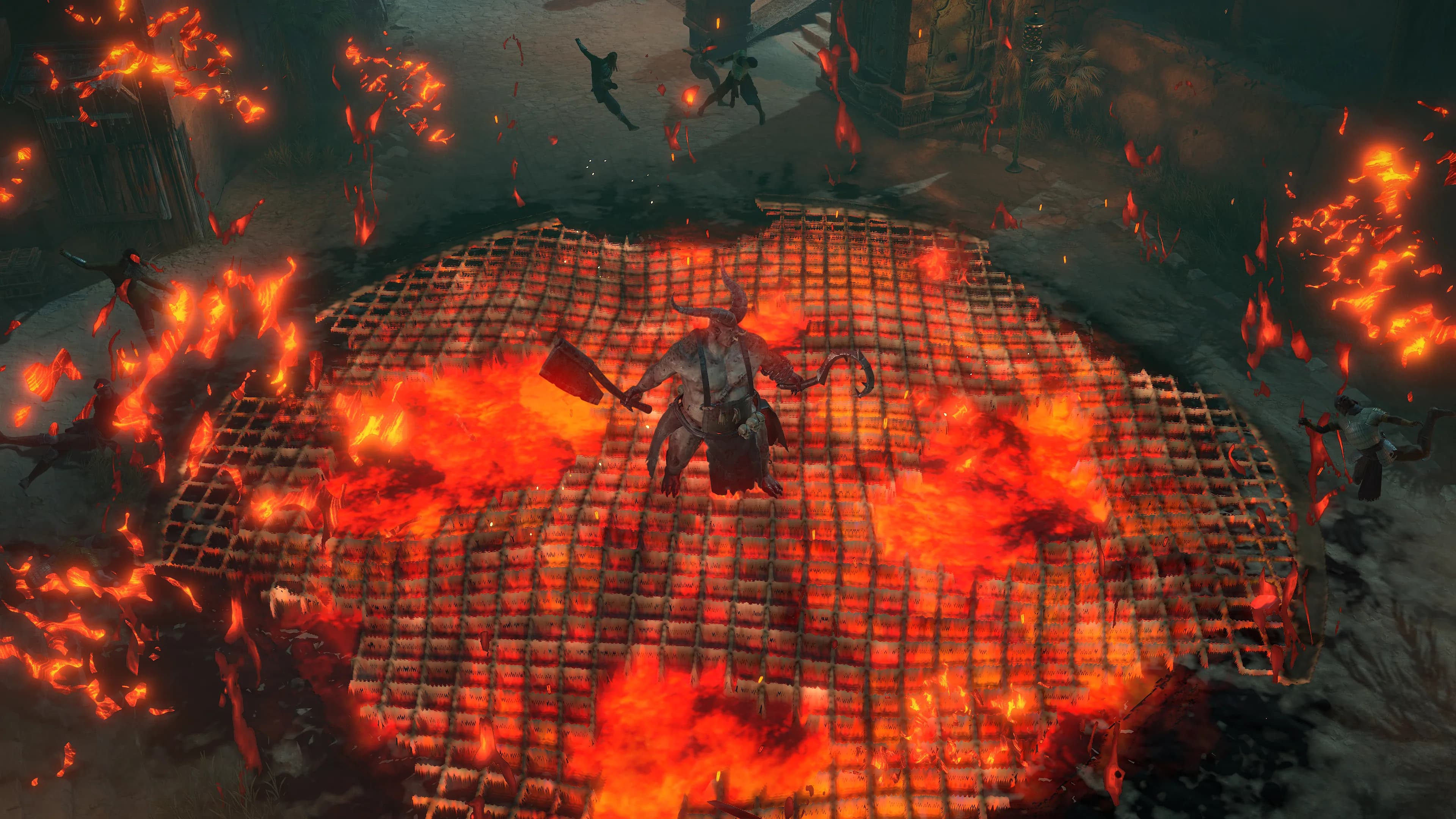
The loot filter is the answer. Setting up rules, defining rarity thresholds, hiding what doesn't match the current build: features that Path of Exile popularised and that ARPG players have long considered non-negotiable. Diablo IV lacked them. That will no longer be the case.
It's a correction that says something about the studio's maturity: acknowledging the community was right, and delivering the answer with the expansion rather than an eternally pending patch. The question remains whether the implementation matches the tool players are hoping for.
Two classes that have been waiting for this.
The new granularity given to the Necromancer over its summoned armies is exactly the level of depth that was missing. Rather than deploying an undead horde and watching it work, the announced system lets you fine-tune each unit type, adjust their behaviour, and build your army with intent rather than by accident. The Necromancer moves from passive commander to genuine tactician.
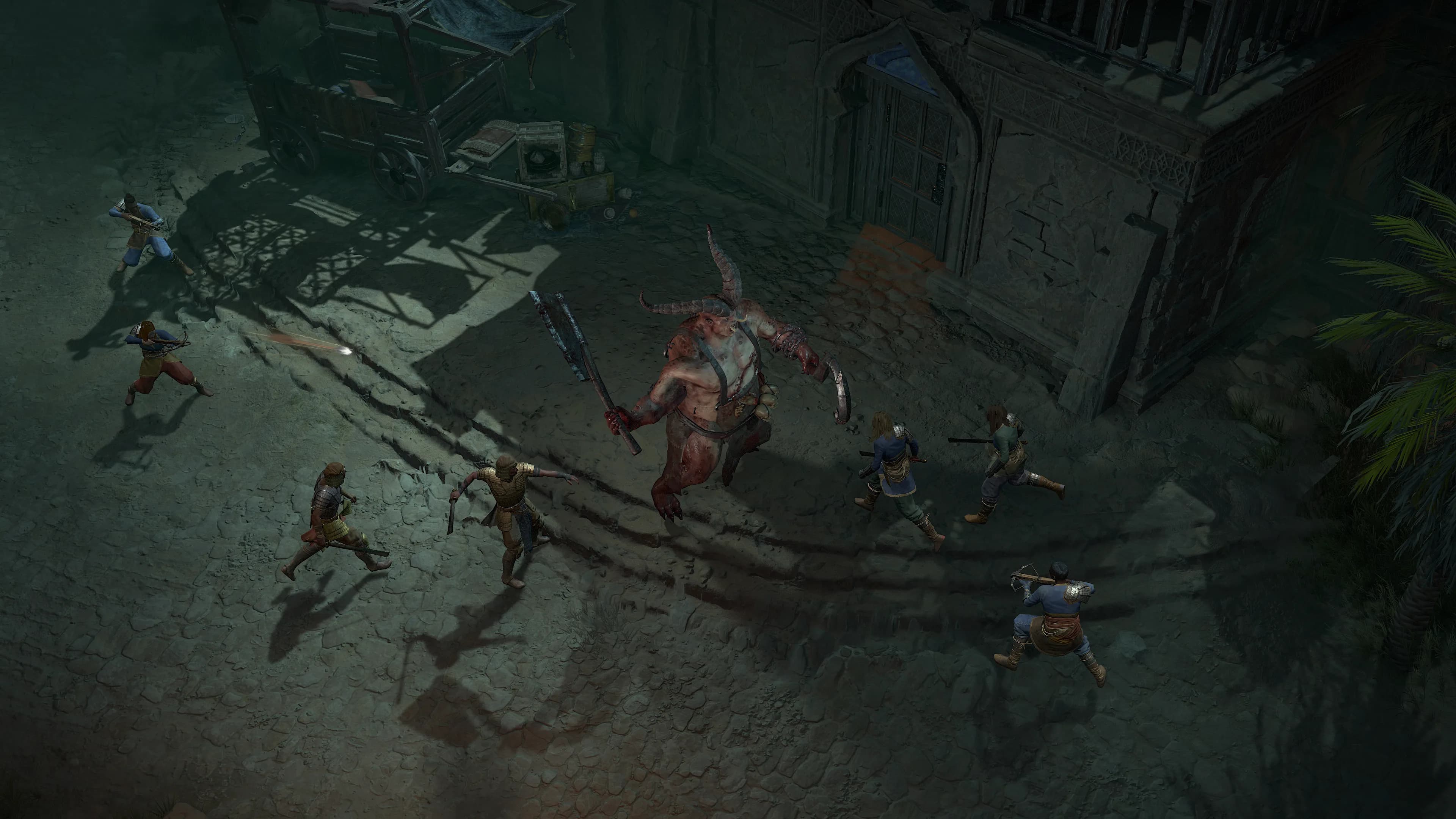
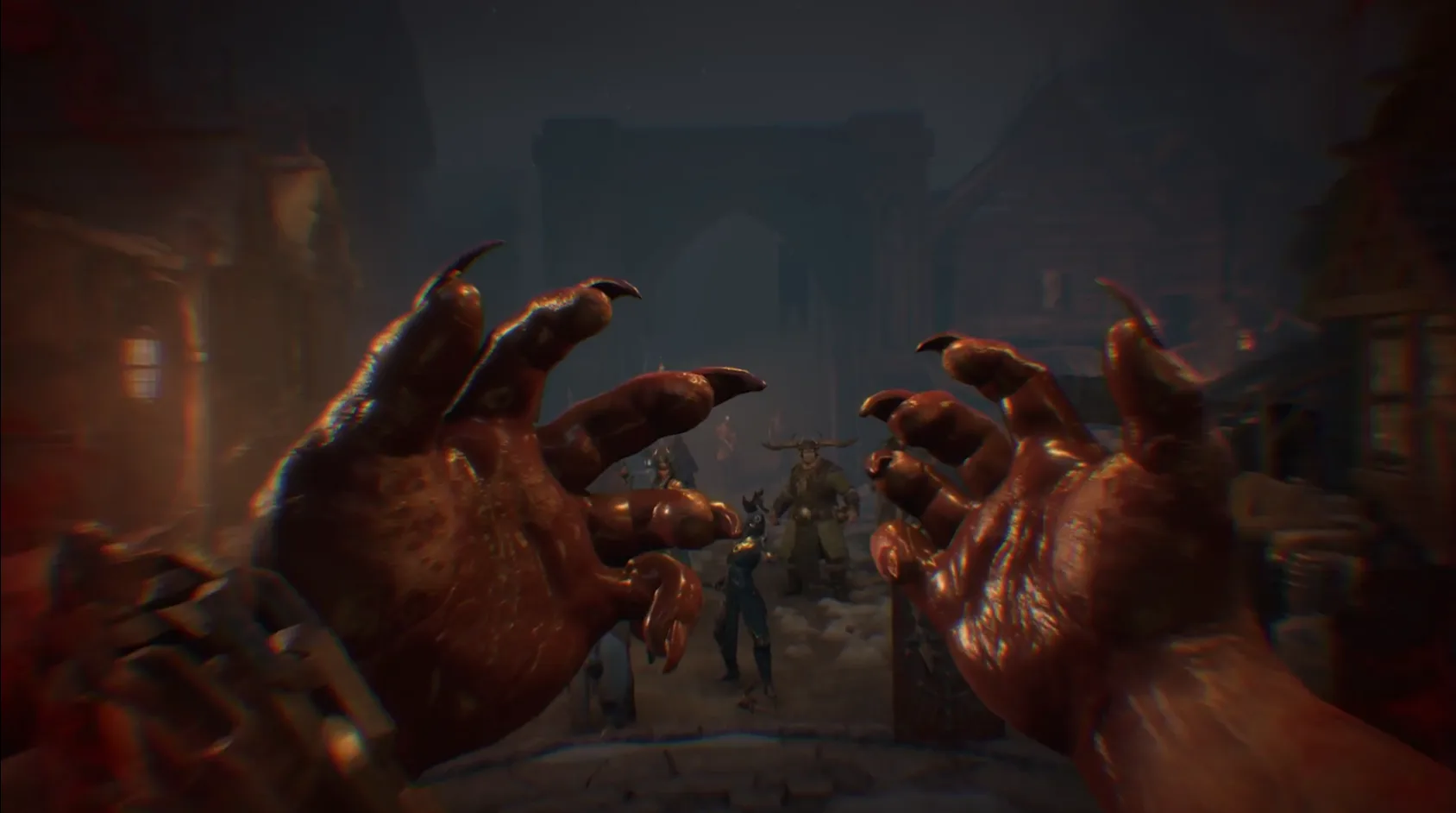
The Druid rework goes even further. Choosing your animal form, anchoring into it, building an identity around a single transformation rather than toggling between them situationally: it's a fundamental change to how the class plays and feels. The Druid fantasy wasn't broken. It was simply never fully realised. This rework finally gets it there.
Every new class in an ARPG is a bet. It must be different from existing ones without making them obsolete, complex to master without being opaque to discover, and viable in endgame without breaking balance.
What's been shown of the new classes is encouraging. The announced mechanics seem designed to enrich the spectrum of playstyles rather than check a marketing box. Real validation will come in the first weeks of the season, when theorycrafters have had time to dissect the trees and dominant builds have emerged.
This is probably the expansion's most ambitious undertaking, and the one whose success or failure will define whether this game has truly learned from its mistakes.
Diablo IV's original skill trees were functional but unsatisfying. Not enough real decisions to make, too many filler nodes, a mechanical progression feeling rather than an identity-building one. In a genre where the build fantasy is central, the skill tree must be a playground, not a corridor.
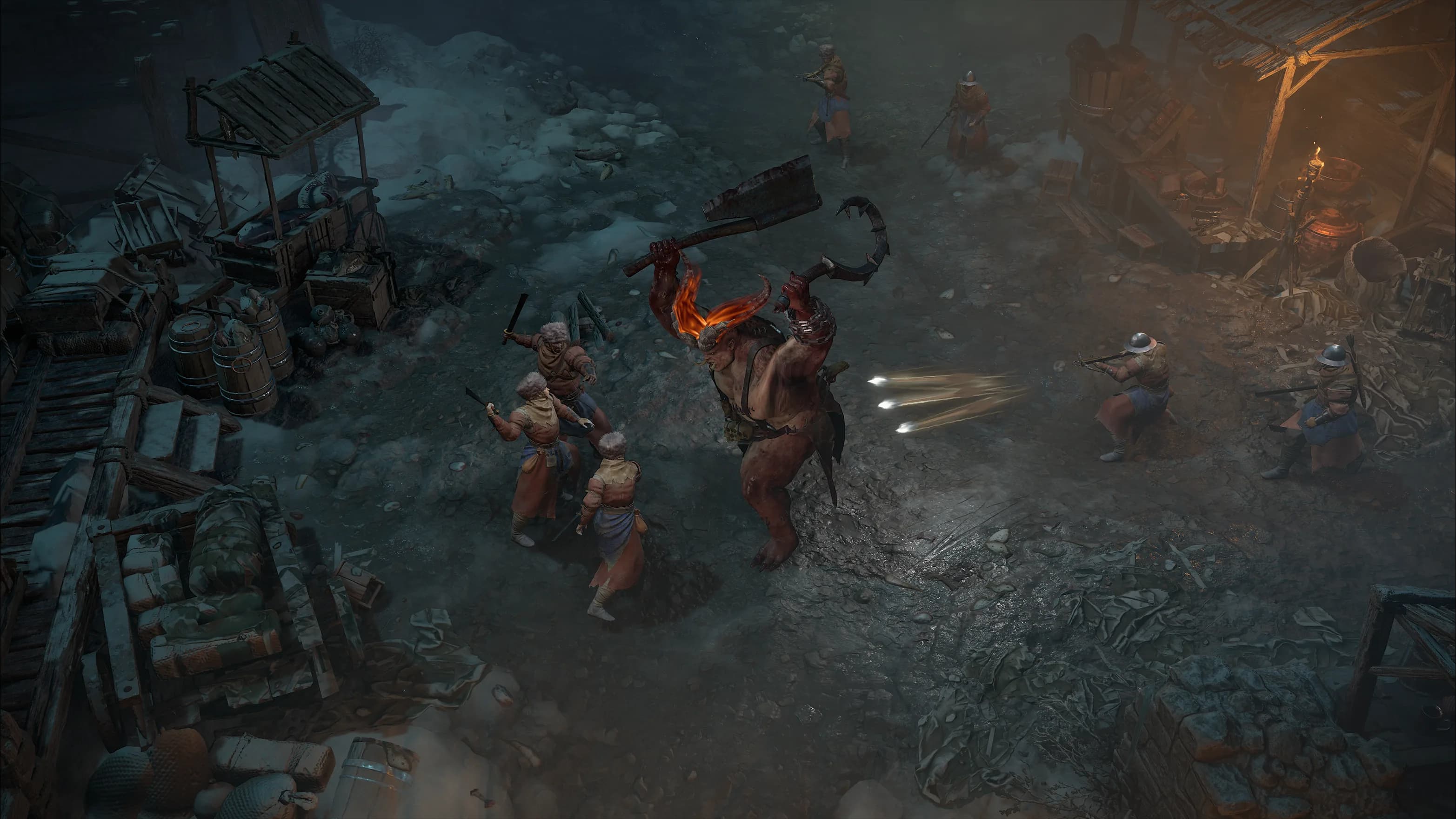
What's announced moves in the right direction: more branches, more skill interactions, synergies that reward system knowledge over guide-following. If the delivery matches the promise, it's one of the most structural changes Diablo IV will have seen since launch.
War plans add a strategic framework to a game that has always been strong on chaos and weaker on collective intent. They give group play a direction, a shared objective beyond individual progression, and a reason to engage with the world beyond your own character sheet.
Community challenges deserve special attention, because across many live service games they've become a reliable health gauge for a title. When a community shows up for collective objectives, invests in shared challenges, and generates noise around common accomplishments, it tells developers something no internal metric can replace: the game still has a pulse. Blizzard's teams will be watching those numbers very closely. So will we.
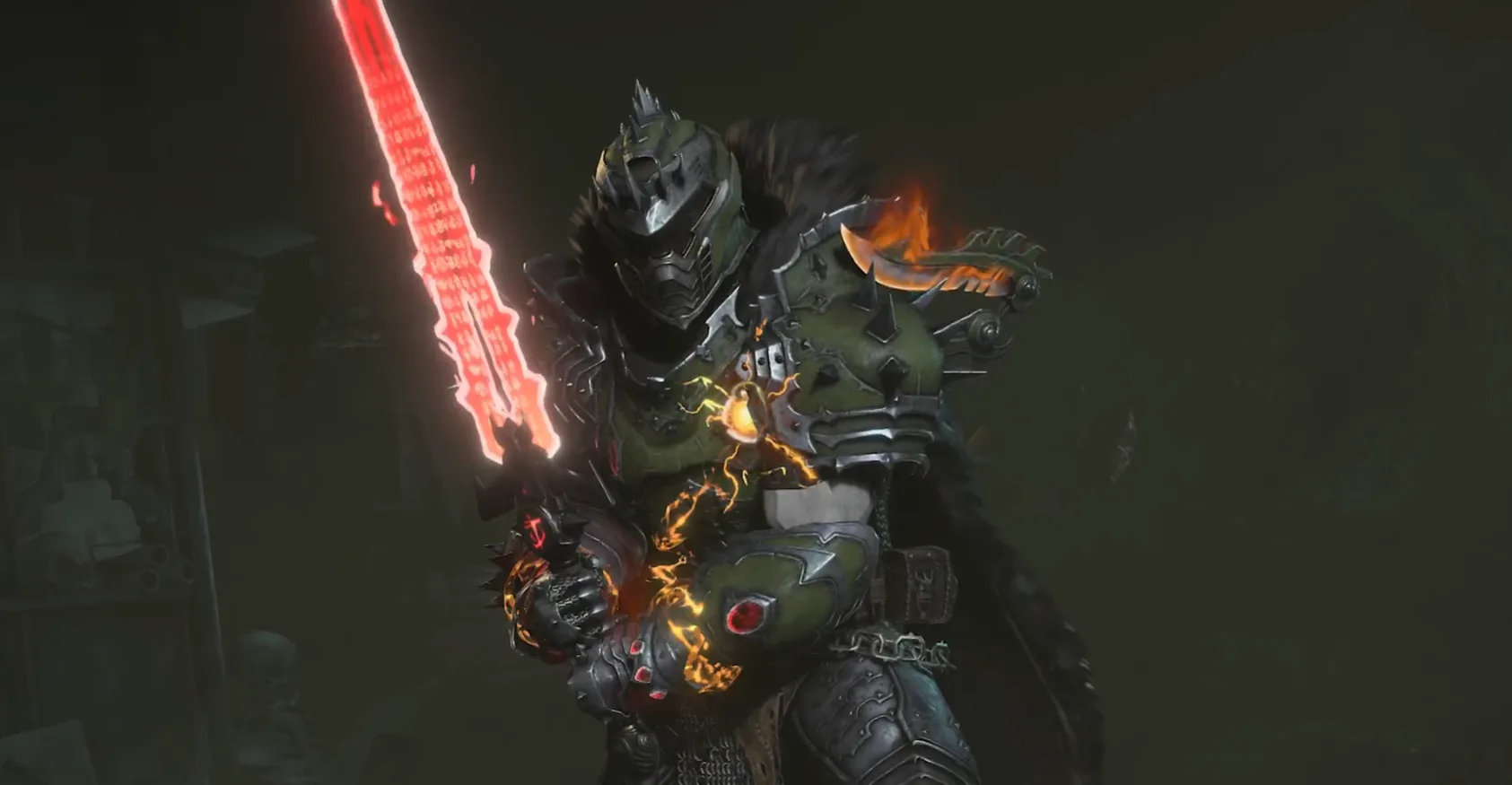
The honest question, the one we ask ourselves looking at everything announced, is this one.
We had been disappointed. Not the superficial disappointment of someone who didn't enjoy a game: the disappointment of someone who had believed in it. Diablo IV's launch carried the weight of Diablo II, the promise of a return to the depth the franchise had lost with Diablo III. That promise was half-kept, and the missing half was precisely the most important: the reason to keep playing after the first few weeks.
What this expansion proposes looks like a direct answer to that disappointment. The overlay map, the loot filter, the reworked trees, the rediscovered depth of the Necromancer and the Druid: these aren't content additions. They're foundational corrections. Disguised admissions that something was wrong, packaged as an expansion so the commercial balance stays positive. You can find that cynical. You can also decide that the result matters more than the motivation.
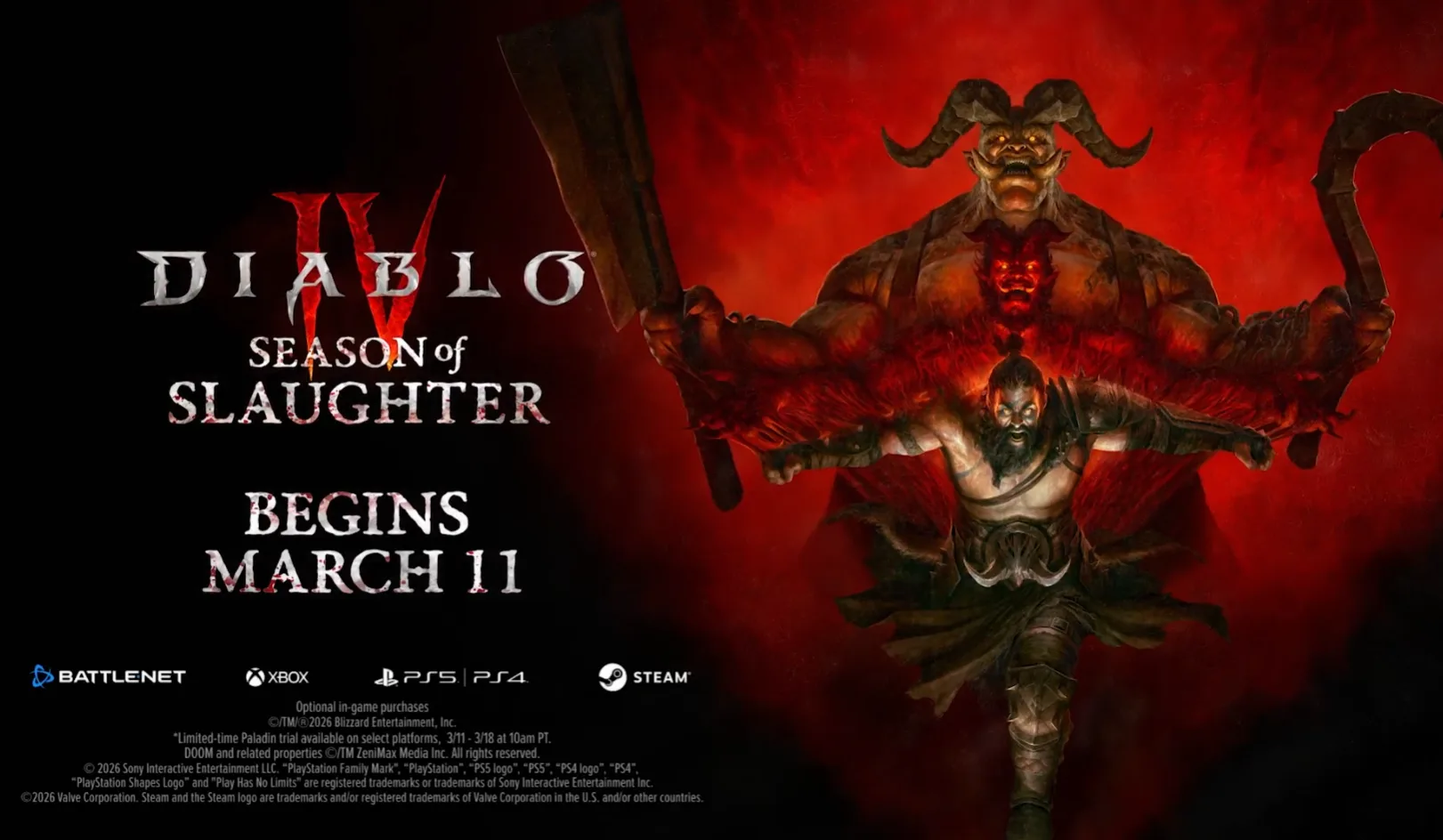
If everything announced works as promised, Diablo IV will finally become the game it should have been at launch. That's both good news and a bitter observation.
But we want to go back. And that's already something.
Preview based on information available before launch. No score assigned.
Impatient, sceptical, or both? The InsertCoins Discord exists for exactly that.