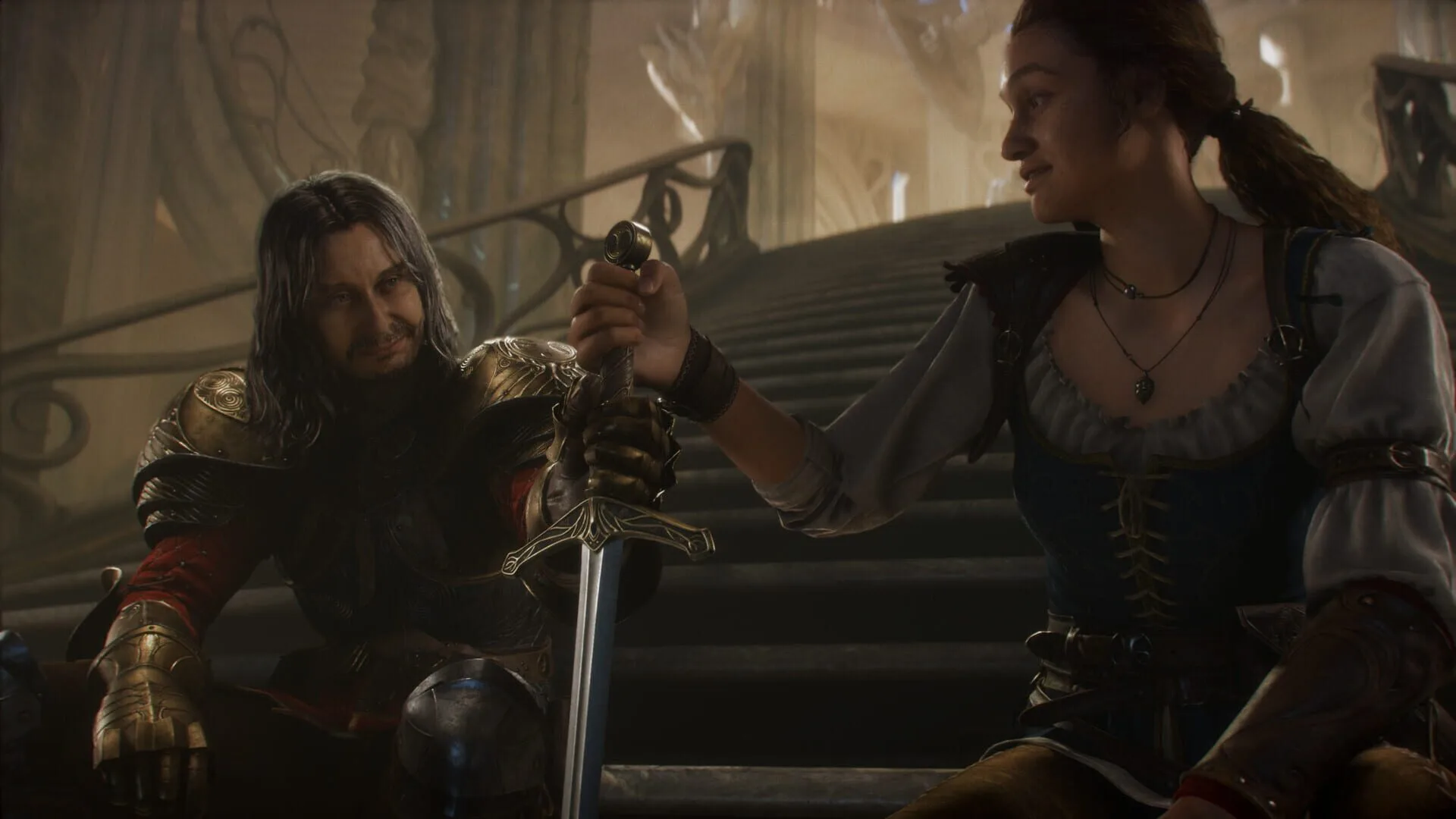
In June 2020, at the Xbox Games Showcase, Playground Games showed an announcement trailer for Fable. No gameplay, just a forest, a fairy, an atmosphere. Enough to trigger a collective joy response from everyone who grew up with Peter Molyneux's series. Six years later, the game releases in autumn 2026. And this week, it was confirmed as day one on PS5.
Let's take a moment to talk about it.
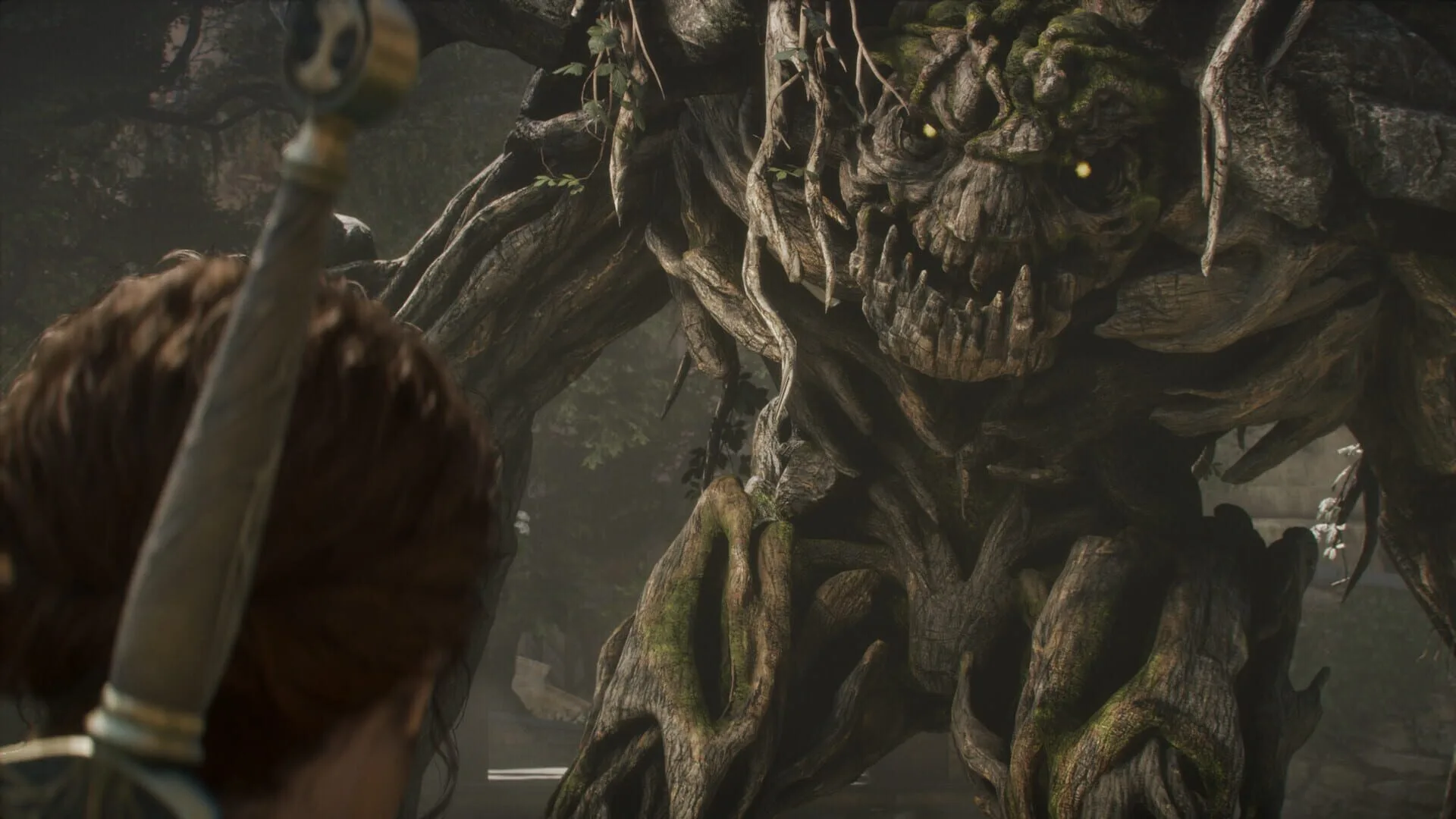
The Fable project at Playground Games started in 2017. Three years of silent development before the 2020 announcement. Then communication by the dropper, unofficial delays, the 2025 horizon sliding to 2026. For people following the industry, this kind of long development isn't unusual for an ambitious open world. For fans who'd been waiting for a return to Albion since Fable III in 2010, it represented a long period of regularly tested faith.
What sustained interest: the fragments of vision that leaked out. An open world. NPCs with their own individual morality, not a simple global good/evil counter. Over a thousand handcrafted voiced characters, all with day/night routines. Every house accessible. A living Albion, not an interactive postcard.
That's an ambitious promise. Playground Games proved with the Forza Horizon series they can build dense, satisfying open worlds. The question is whether those skills transfer to an RPG with narrative, morality, and character attachment.
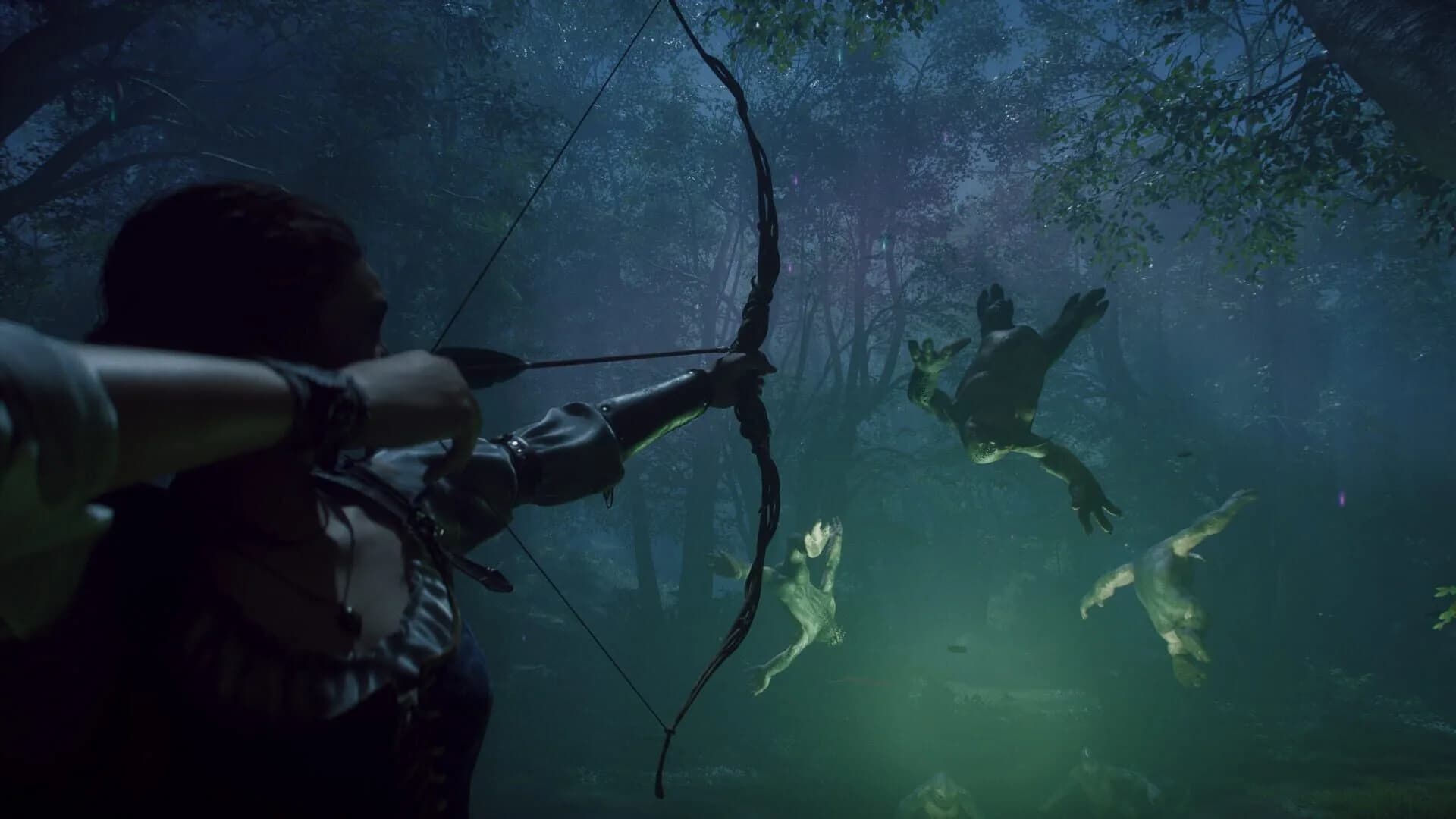
Fable II came out in 2008. It's probably the game in the series that held up best, the one people still talk about when they mention the franchise. A dog that follows you everywhere and whose death hits you like something real. A moral consequence system that changed your physical appearance. Factions, choices, a tonal freedom that swung between British comedy and unexpected melancholy. An ending courageous enough to divide at launch and earn respect in hindsight.
When Playground announced a reboot rather than a sequel, the question came immediately: why start from scratch rather than continue in that lineage? The answer is that Lionhead doesn't exist anymore. Lionhead was closed by Microsoft in 2016, with all that implies for creative rights, artistic visions, and teams. A Fable III-sequel with the original teams isn't an option that exists.
What Playground can do is make the franchise their own. Build their own Albion with their own tools. The comparison that comes up frequently is Rocksteady with Batman: a studio that didn't create the source universe but understood it deeply enough to produce something definitive. The question is whether Playground is going in the same direction or whether Fable 2026 will be a decent game that doesn't reach the height of what was hoped for.
The honest answer is we don't know yet.
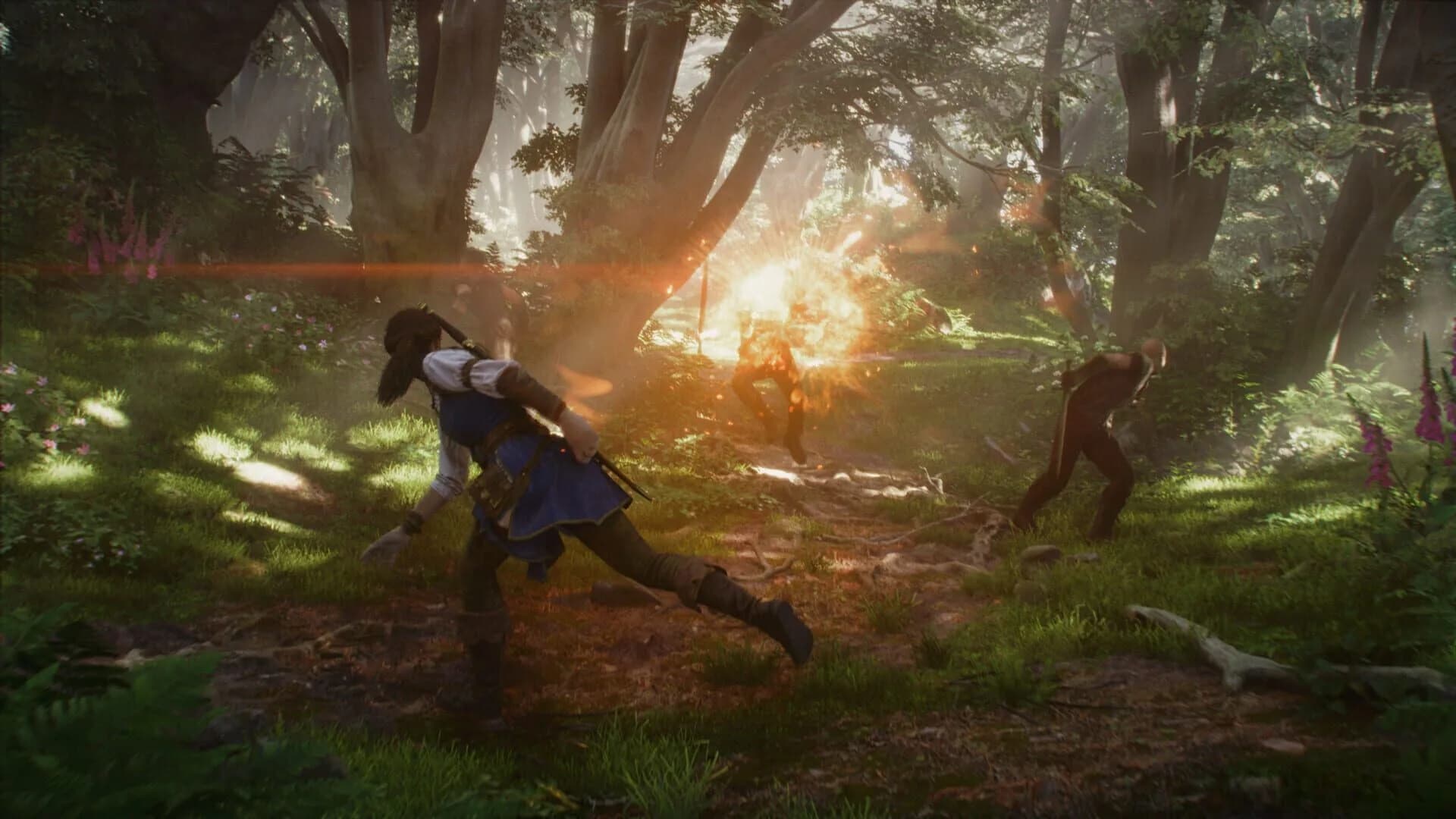
The most interesting detail of what we know about the gameplay is the abandonment of the global morality meter. In old Fable games, your choices slid a gauge toward good or evil, and your character's appearance evolved accordingly: halo and seraphic look on one side, horns and demonic silhouette on the other. Simple system, readable, satisfying.
Fable 2026 replaces that with per-NPC morality. Each character perceives you according to their own values and history with you. The village blacksmith you helped trusts you. The merchant you robbed hates you. The guard whose daughter you saved remembers. It's no longer a global counter but a network of individual relationships.
It's more complex and potentially richer. It's also a bet on the player's ability to manage that complexity without the immediate visual reference the old system provided. If the relationships are well written and each NPC has enough personality for those perceptions to make sense, it can work. If the NPCs are interchangeable despite their numbers, the depth of the system will be invisible in practice.
The over a thousand handcrafted characters are the implicit answer to that risk. That's a massive investment in voice work and writing. You don't build a thousand voiced characters to make them interchangeable.
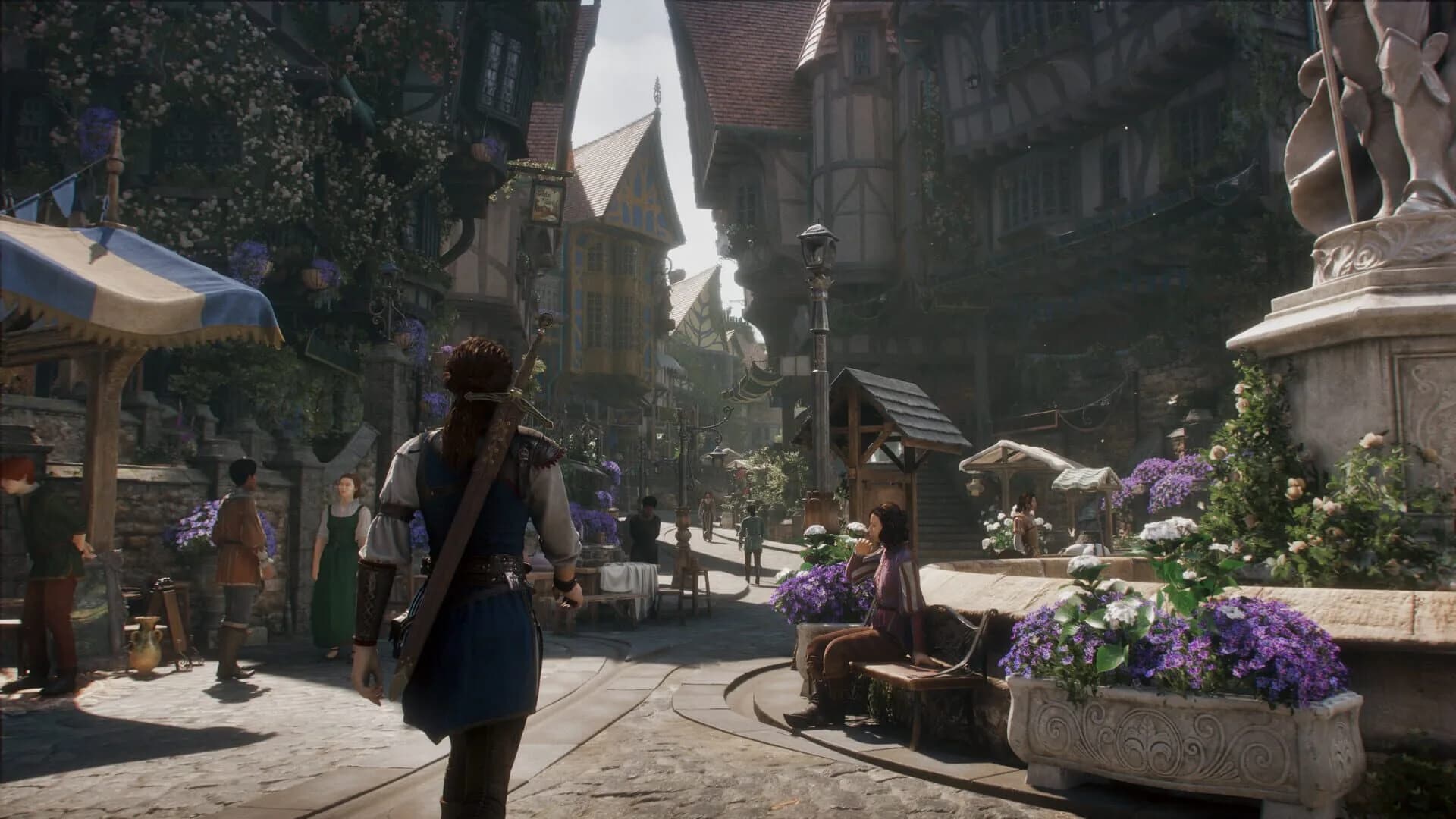
The confirmation of day one release on PS5 during the Xbox Developer Direct in January 2026 surprised few people following the industry. Microsoft changed its strategy starting in 2023. Xbox Game Studios games now release on PlayStation and Nintendo depending on the title. Hi-Fi Rush, Pentiment, Sea of Thieves opened the door. Indiana Jones and the Great Circle followed. Fable confirms that even historically Xbox flagship franchises are part of the movement.
On r/playstation, the reaction was broadly enthusiastic. People who'd never had access to the Fable franchise, locked to Xbox 360 for the most beloved episodes, discovering they'll be able to play it on day one. For a franchise whose reputation rests largely on Fable II and the nostalgia of the 2000s-2010s, that's a new and potentially large audience.
For Xbox, it's the continuation of a strategic pivot toward Game Pass and services rather than hardware exclusivity. The question of the value proposition of an Xbox console in this context is legitimate, but that's a different conversation.
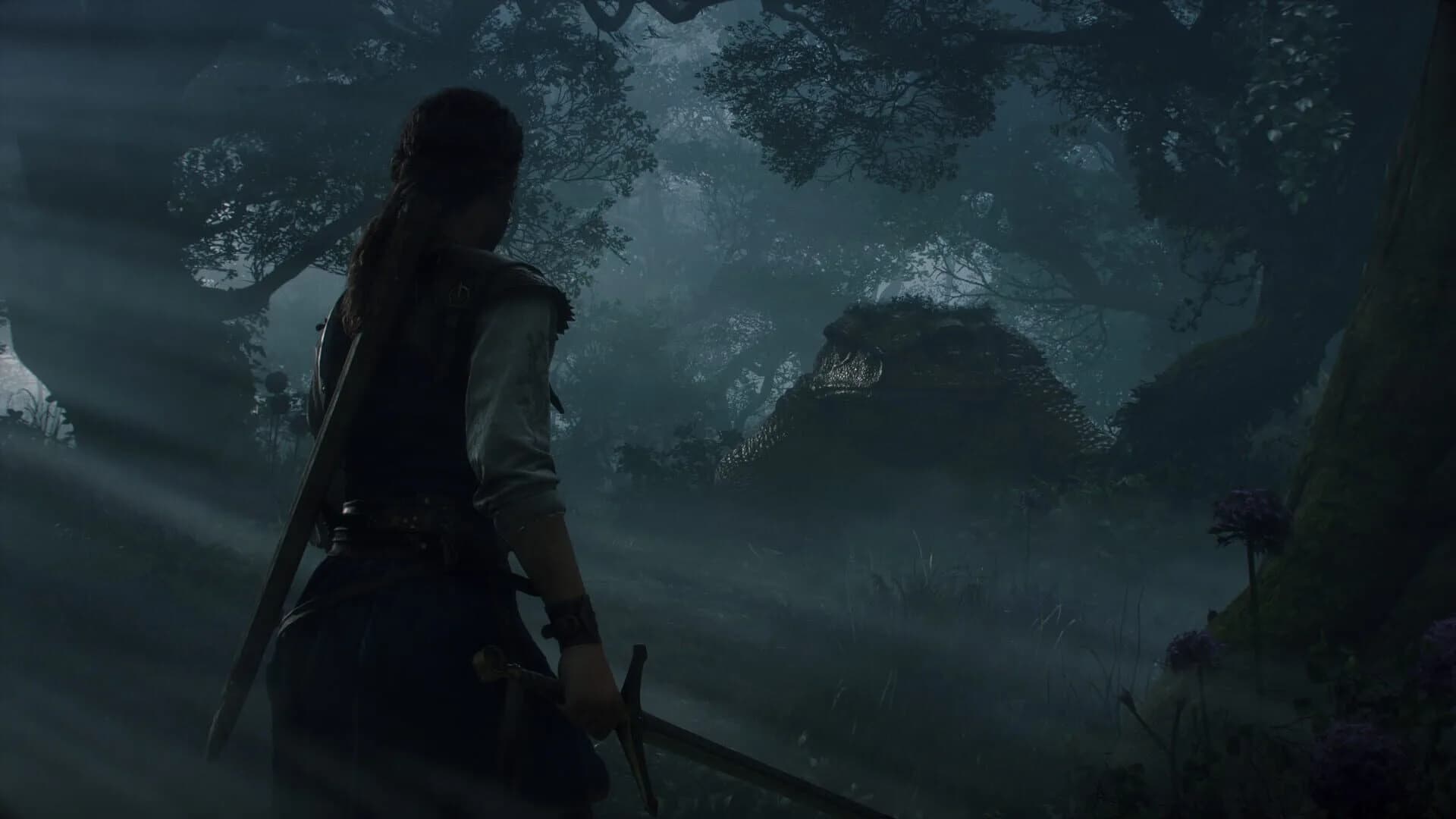
Albion. Not the mechanics, not the multiplatform distribution, not the NPC numbers. Albion, with its particular sense of humour, its quests that went unexpected directions, its blend of fairy tale and ordinary cruelty. The Fable series worked because it never took itself too seriously while reserving moments of real emotion. That balance is hard to reproduce and easy to get wrong in either direction.
Playground Games has the technical tools. They clearly have the vision for a dense open world. What we can't measure from the outside is whether the writing holds. Whether the characters have the flavor the series established. Whether Albion feels like Albion or like a generic fantasy setting dressed up with the franchise name.
Six years of waiting for a reboot rather than a sequel in the lineage of Fable 2: that's the bet we'll need to validate by playing it. Autumn 2026 will give the answer. For now, the reasonable hope is that Playground understood why Fable II was Fable II, and not just how it worked mechanically.
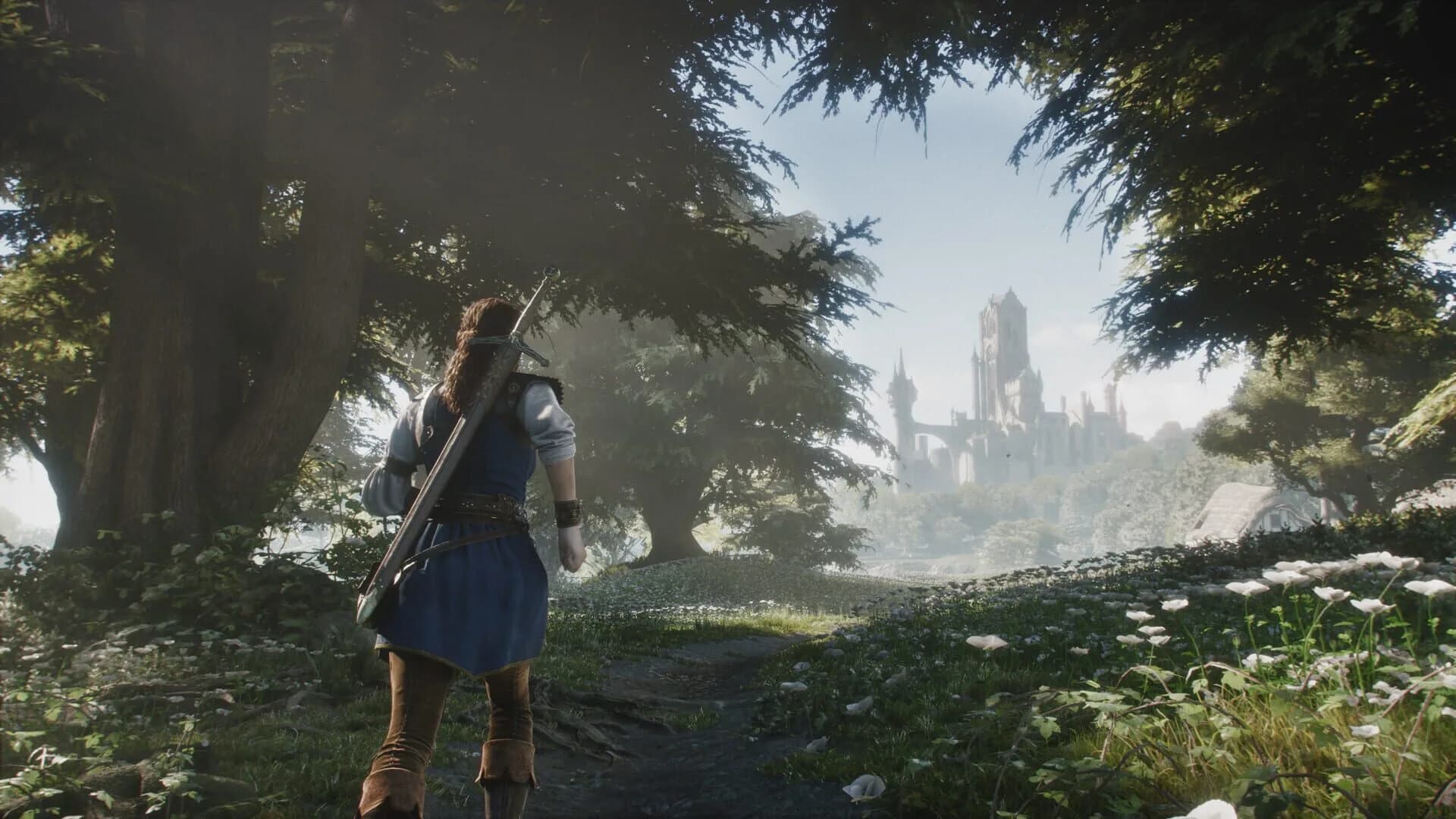
We're not asking for Fable III-part-two. We're asking for something that understood why Fable 2's dog broke our heart. If it does, the rest will follow.
Come and carry the conversation on over on our Discord.