Preview
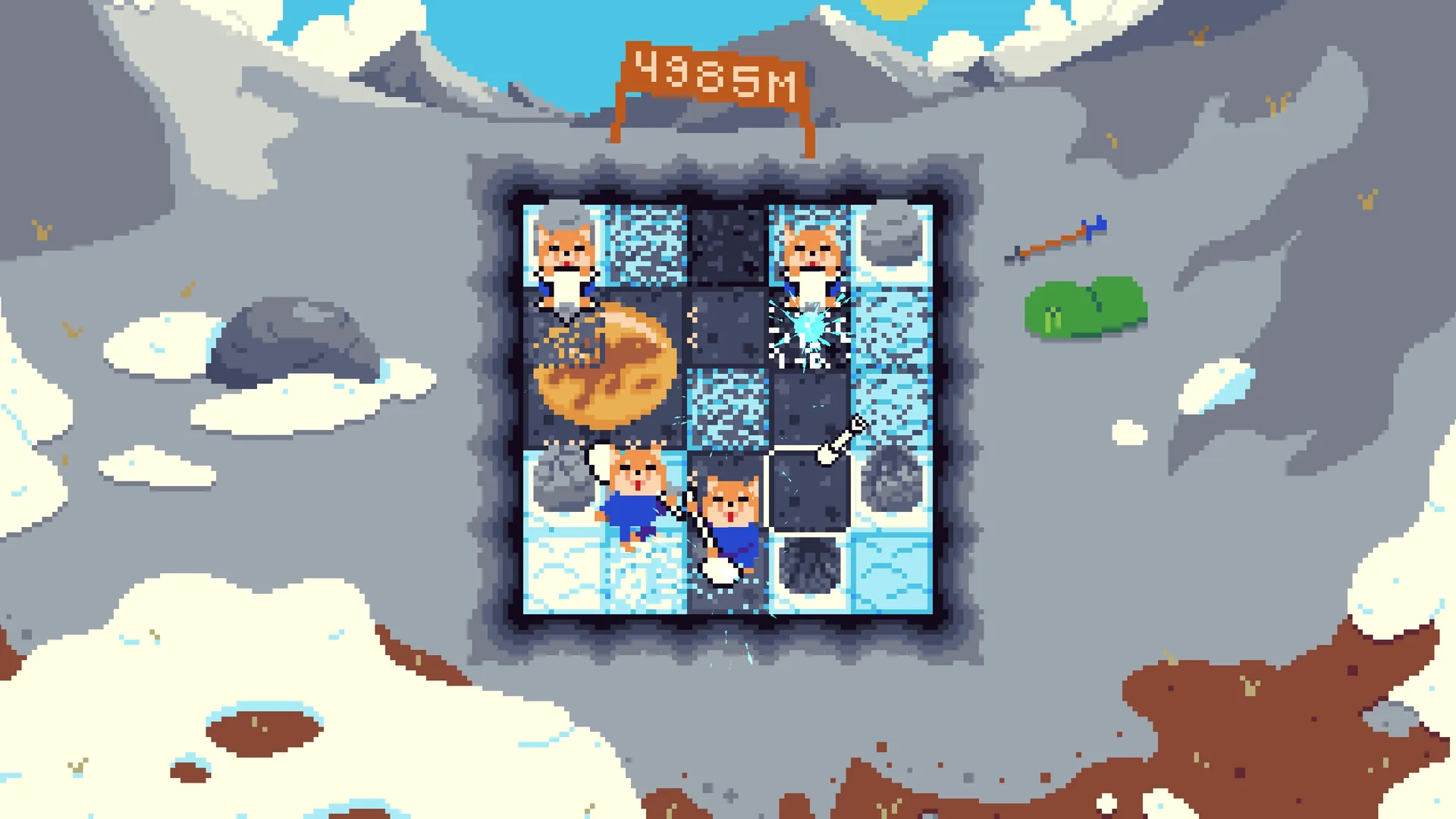
Big Dig: digging up artifacts so Mayor Dog can build his highway
A short incremental narrative game where your job is removing the heritage getting in the way of a road project.
Alexandrosse
6 min
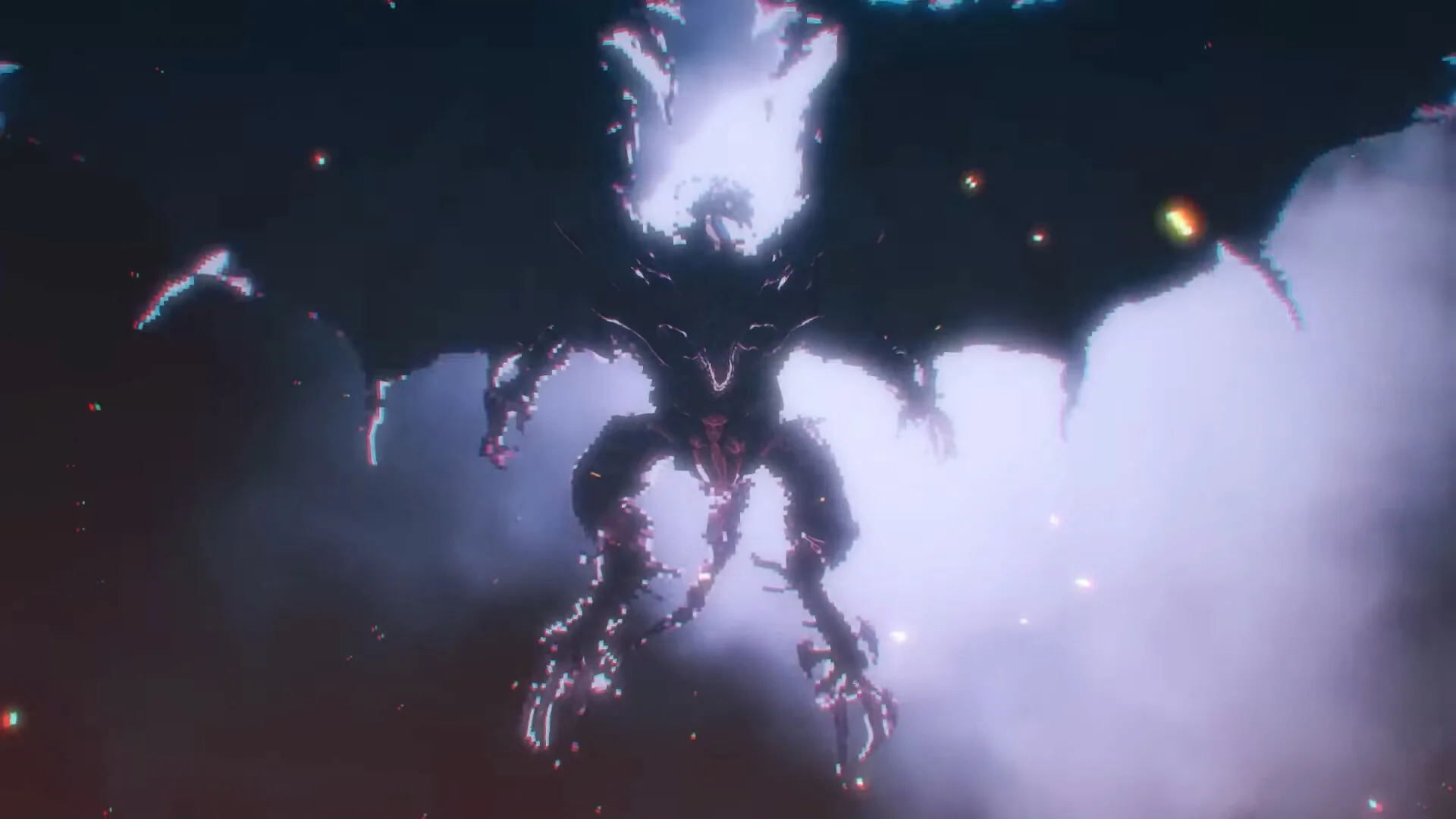
The first Final Fantasy in HD-2D, with Gilgamesh, a Colosseum, Ultima Weapon, and Visions drawn from the older entries.
Alexandrosse
Square Enix asks a question in its own description, and I find it more interesting than most sales arguments.
What if Final Fantasy had continued to push the limits of pixel art?
That is a good question. Between Final Fantasy VI in 1994 and Final Fantasy VII in 1997, the series changed dimension and never came back. Resonance offers a look at the branch that was not taken.
Out on 22 October, at 49.99 euros. No score today.
This is the first Final Fantasy to join the HD-2D lineup.
For anyone who has not followed: HD-2D is the style Square Enix developed for Octopath Traveler, with two-dimensional sprites placed in three-dimensional environments, depth of field and modern lighting. It produces that very particular impression of a diorama lit by candlelight.
The studio promises dynamic camera angles and pixelised 3D models.
What interests me is that HD-2D was first used for new series or for remakes of Dragon Quest games. Applying it to an original Final Fantasy makes it something other than an exercise in nostalgia: it proposes an aesthetic for the future rather than the past.
Strategic turn-based, and the described system is clear.
You exploit enemy weaknesses to stagger them, breaking their defences and granting you extra turns. Then you follow up with what are called Resonance attacks.
If you have played Octopath or Bravely Default, you recognise the family: break a guard to gain initiative, then convert that initiative into massive damage. It is a good system, legible and tense, rewarding the identification of weaknesses rather than the stacking of statistics.
Here is the idea Square Enix leads with, and it is shrewd.
You bolster your team with Visions, described as echoes of beloved Final Fantasy characters, who fight alongside you with their own skills.
In other words: an original game, with its own heroes bound by fate, and layered on top a system that lets you summon the entire series.
That is fan service structured as a mechanic rather than a cameo. The difference matters: a nod wears out in two seconds, a character you build into your party composition lasts fifty hours.
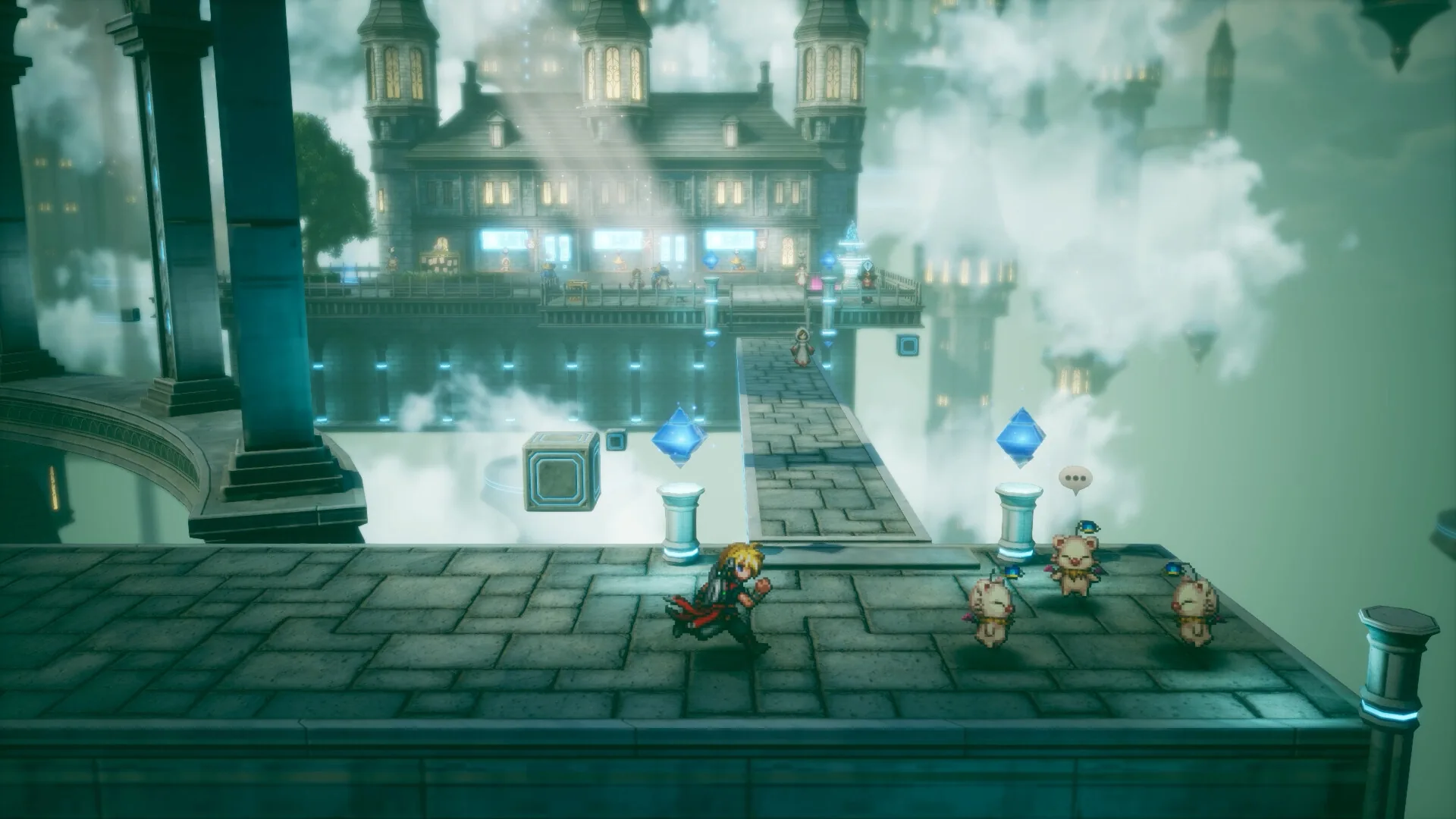
Square Enix names precisely what sits beside the story, which is rare and welcome.
Gilgamesh, the wandering swordmaster, is in. For the veterans, that is about the best possible news: the funniest character in the series, the one who chases you from entry to entry looking for Excalibur and finding Excalipoor.
A Colosseum with deadly monsters and rewards to match.
The Chamber of Arms, where formidable foes are sealed within legendary weapons.
And a showdown with Ultima Weapon.
Add the airships, the crystals, the espers and the moogles woven into the story, and you have the complete vocabulary of the classic series.
Square Enix, with LANCARSE.
That second name deserves a pause, because it says something about the game. LANCARSE is a Japanese studio that has worked on demanding turn-based role-playing games, with a pronounced taste for dense combat systems.
Seeing that name on a pixel-art Final Fantasy is a clue about the level of mechanical ambition. It is not a guarantee, but it is not nothing.
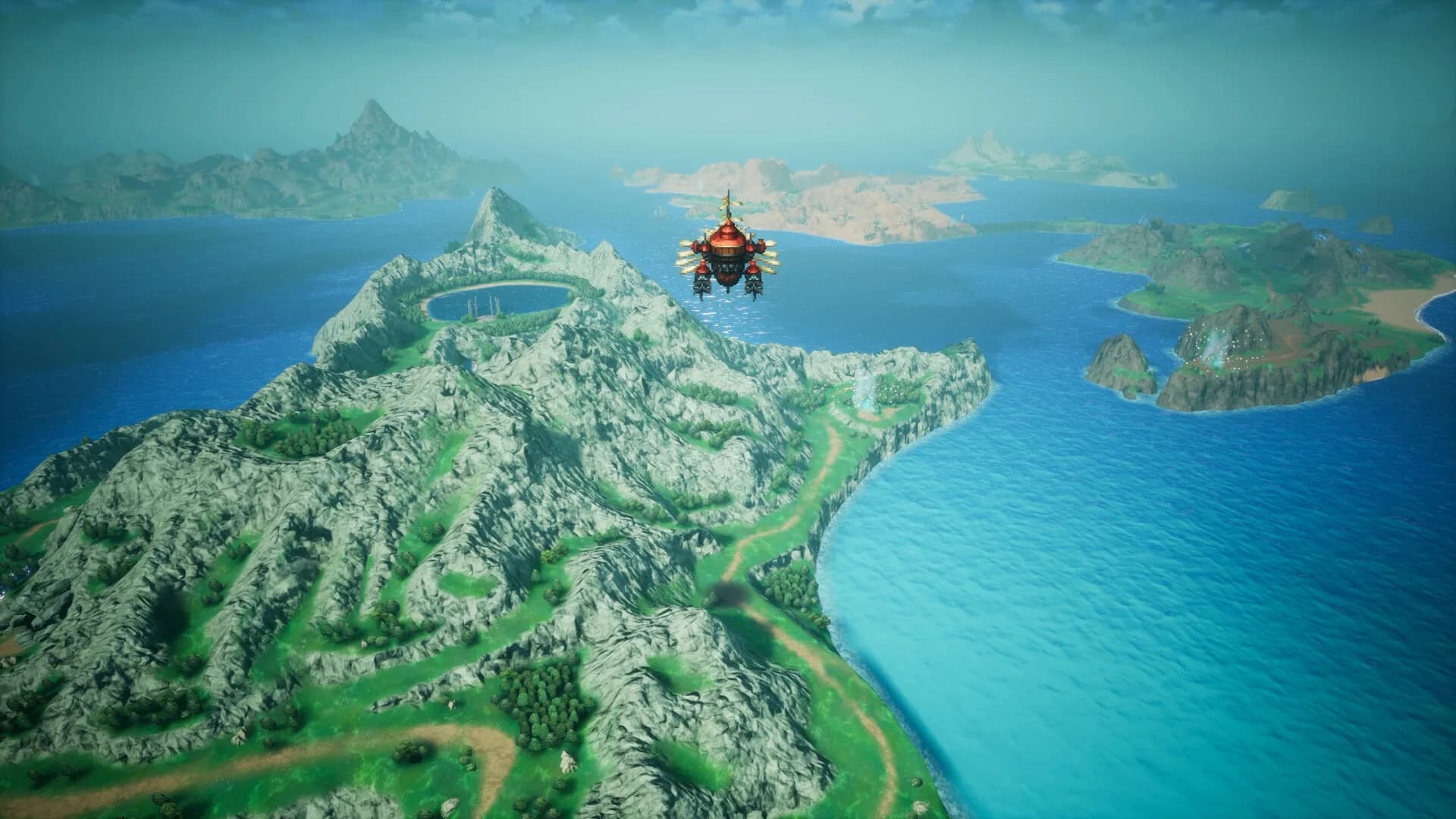
That HD-2D does not eat the readability. The style is magnificent in screenshots and it has a known flaw: depth of field blurs the edges, and in a game where you are hunting for chests and passages, that can hide the map.
That the Visions do not replace the game's own characters. If the original heroes are less interesting than the guests, the story loses its centre. That is the classic trap of well-integrated fan service.
And the price. 49.99 euros for a Square Enix game is below a major entry's rate, which places the project: an important title but not a numbered instalment.
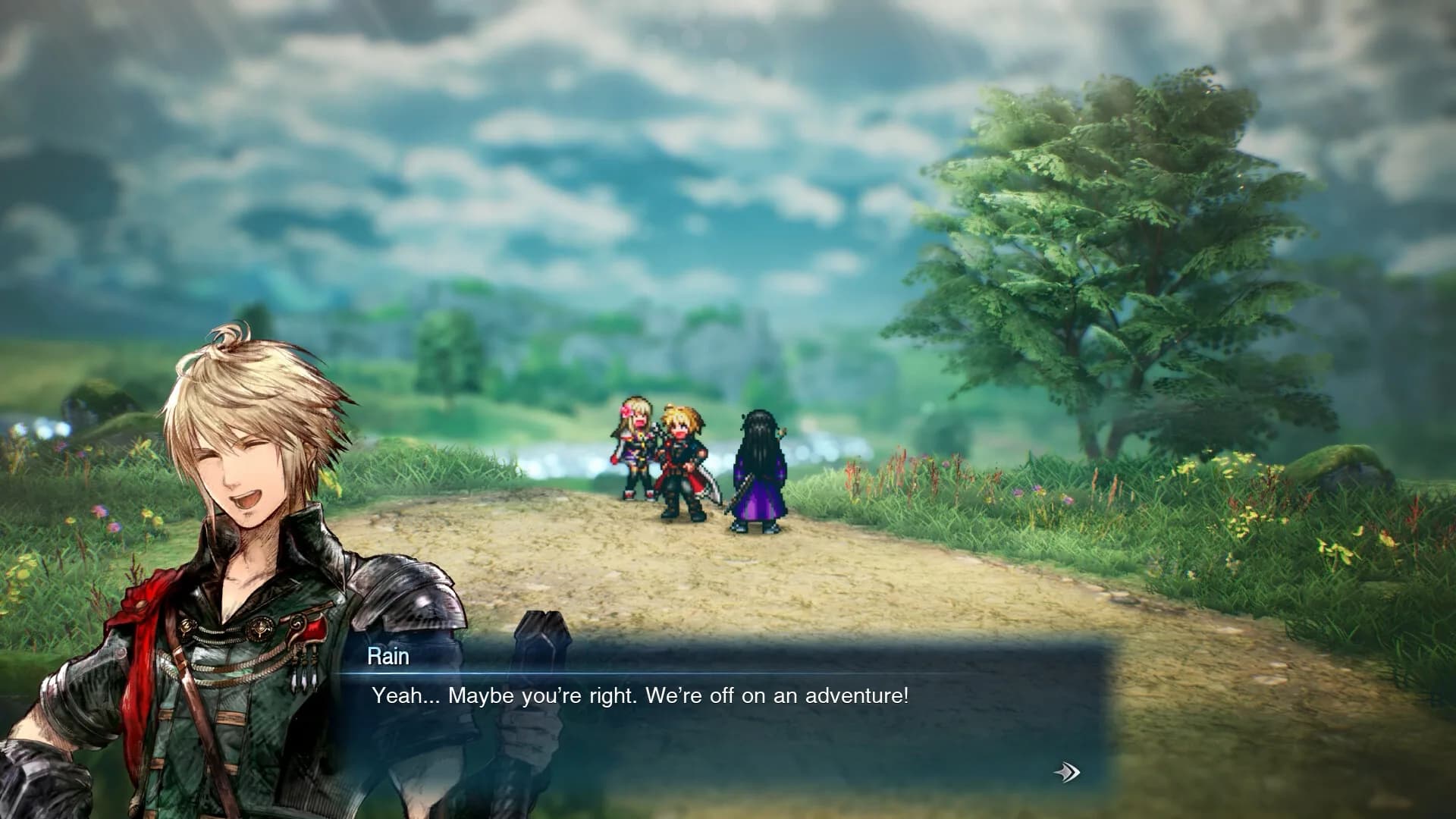
Let me be honest about my bias: I played the pixel-art Final Fantasies before I played the others, and the idea of a version of this series that never went polygonal moves me more than it should.
But there is a real argument behind the nostalgia. The best classic entries rested on legible combat systems and worlds you crossed entirely. If Resonance recovers that with 2026 tools, it will not need to remind us of the past to be good.
We will come back with a score on the 22nd.
Your best Gilgamesh memory? There is definitely an Excalipoor story in there, tell it on the InsertCoins Discord.
Community
Your rating
Loading comments...
You might also like
A short incremental narrative game where your job is removing the heritage getting in the way of a road project.
An invasion of South Korea, a Price on the run, and a pre-order that unlocks the campaign a week before release.
The paid ArmorGames-exclusive content is unlocked. For an entire generation, part of their adolescence is coming back.