7
Test
Cricket Management 26: one person built the Football Manager of cricket
Thirty-nine patches in two months, 64 international sides, facilities to maintain and a match engine that understands swing.
Alexandrosse
12 min
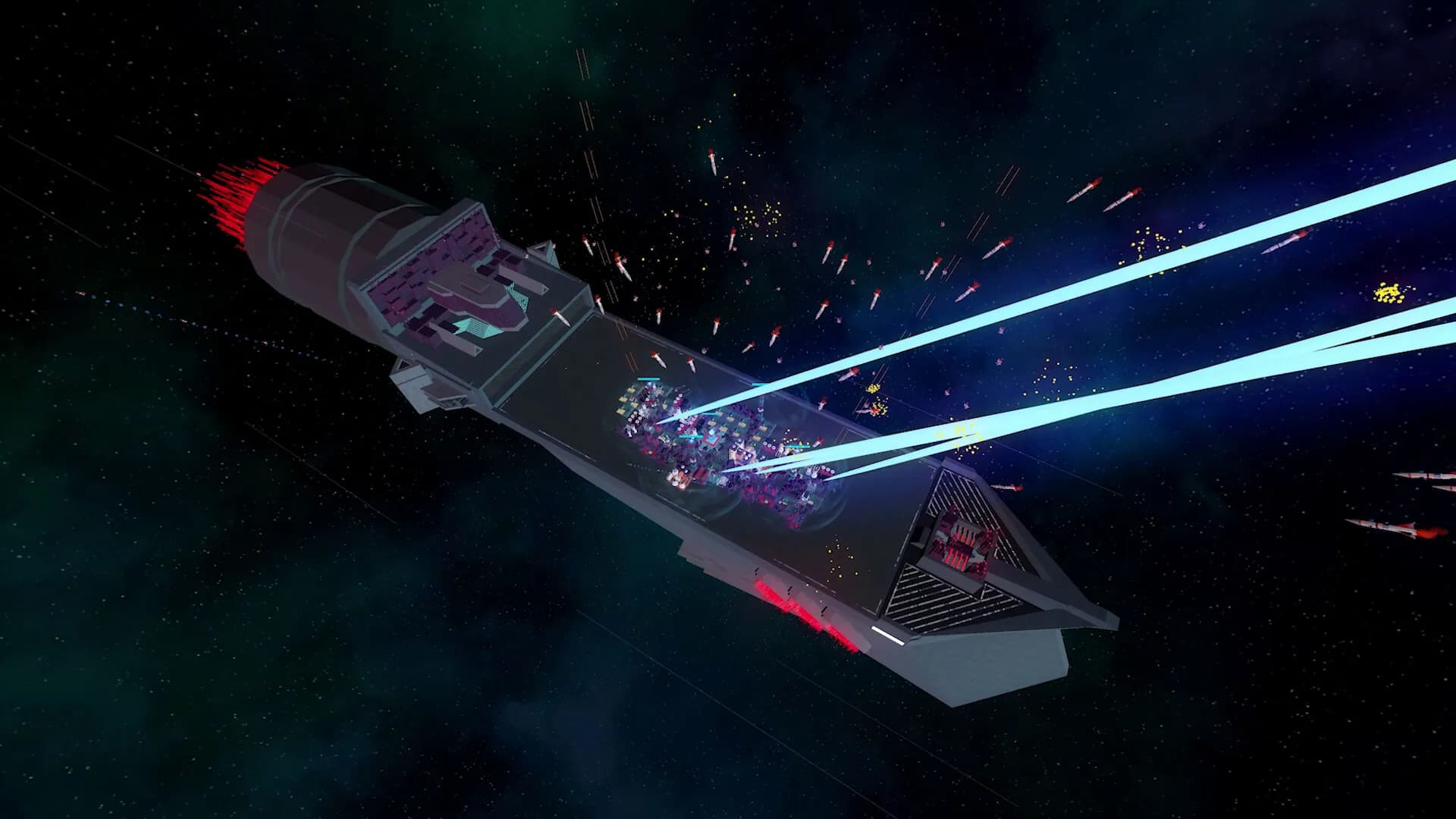
Dozens of generated planets, supply and demand that genuinely move, and political consequences to every transaction.
Alexandrosse
InsertCoins.press Score
7/10
Verdict
Recommended
Most space trading games settle for a decorative market: buy low, sell high, and the world does not move. Gargantua does the opposite, and that is its single but solid argument.
Here, every transaction displaces something.
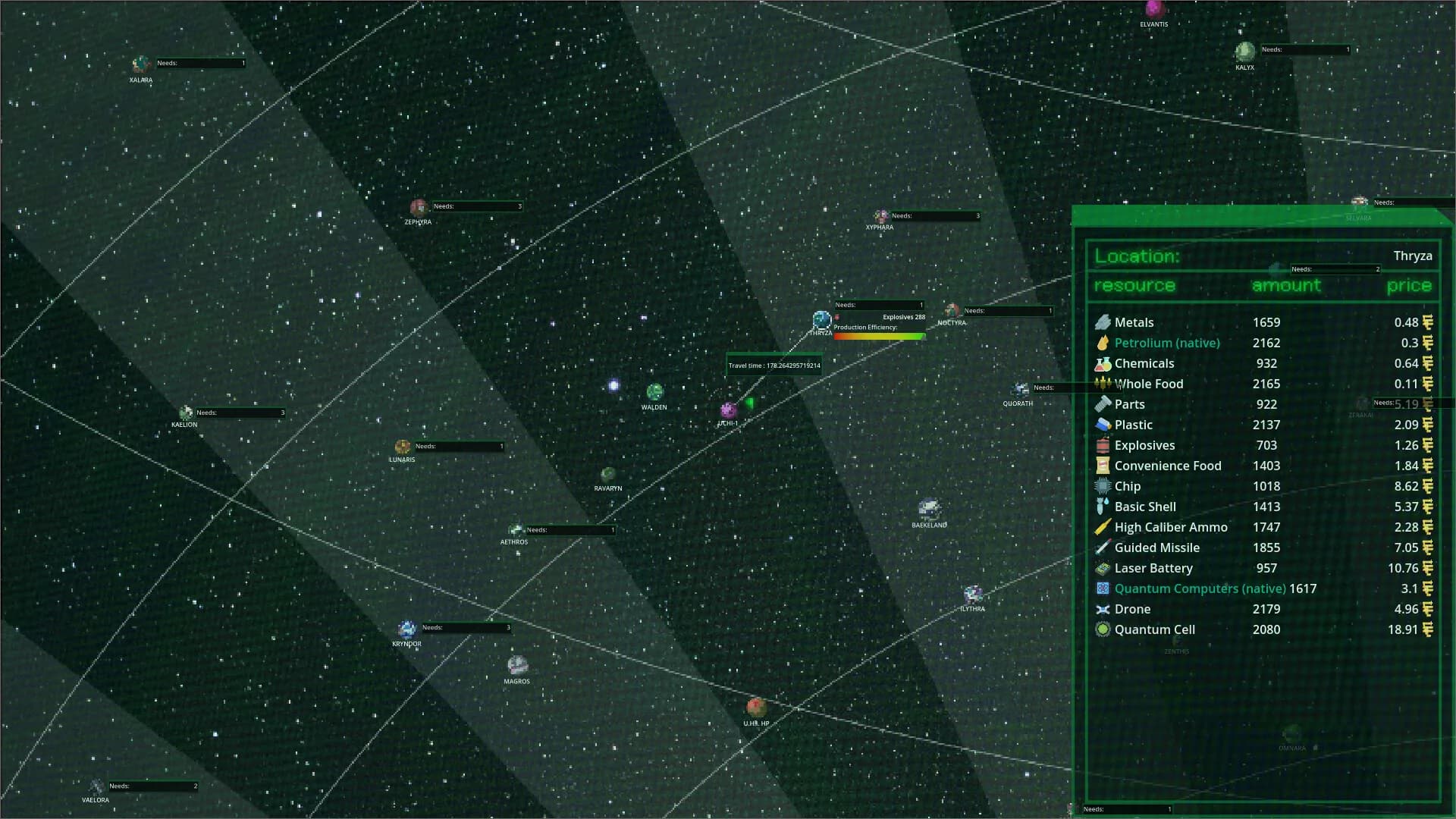
The principle: dozens of procedurally generated planets, each specialising in producing certain resources and demanding others depending on time and circumstance.
Prices fluctuate with global supply, available raw materials and the difficulty of interplanetary logistics. Monopolise a product and you live with the consequences, in both directions.
What gives the game its bite is that planets trade and go to war among themselves, without you. You are not the centre of the world, you are an actor in a system already turning.
Here is the line that sums the game up and deserves pausing on: selling weapons to one side strengthens it, and trading with the other becomes more expensive.
That is a political mechanic disguised as an economic one, and it is very well judged. You do not pick a side through a diplomacy menu, you pick it through your invoices. Arming one party gradually closes the other's doors, and you find yourself committed to a conflict without ever having declared anything.
Two further consequences work the same way. Unmet demands clog logistics chains, punishing the accumulation of contracts you cannot honour. And clearing a sector of pirates revitalises the local economy, turning combat into investment rather than mere obstacle.
It is coherent throughout: in this game, everything you do carries a price somebody else pays.
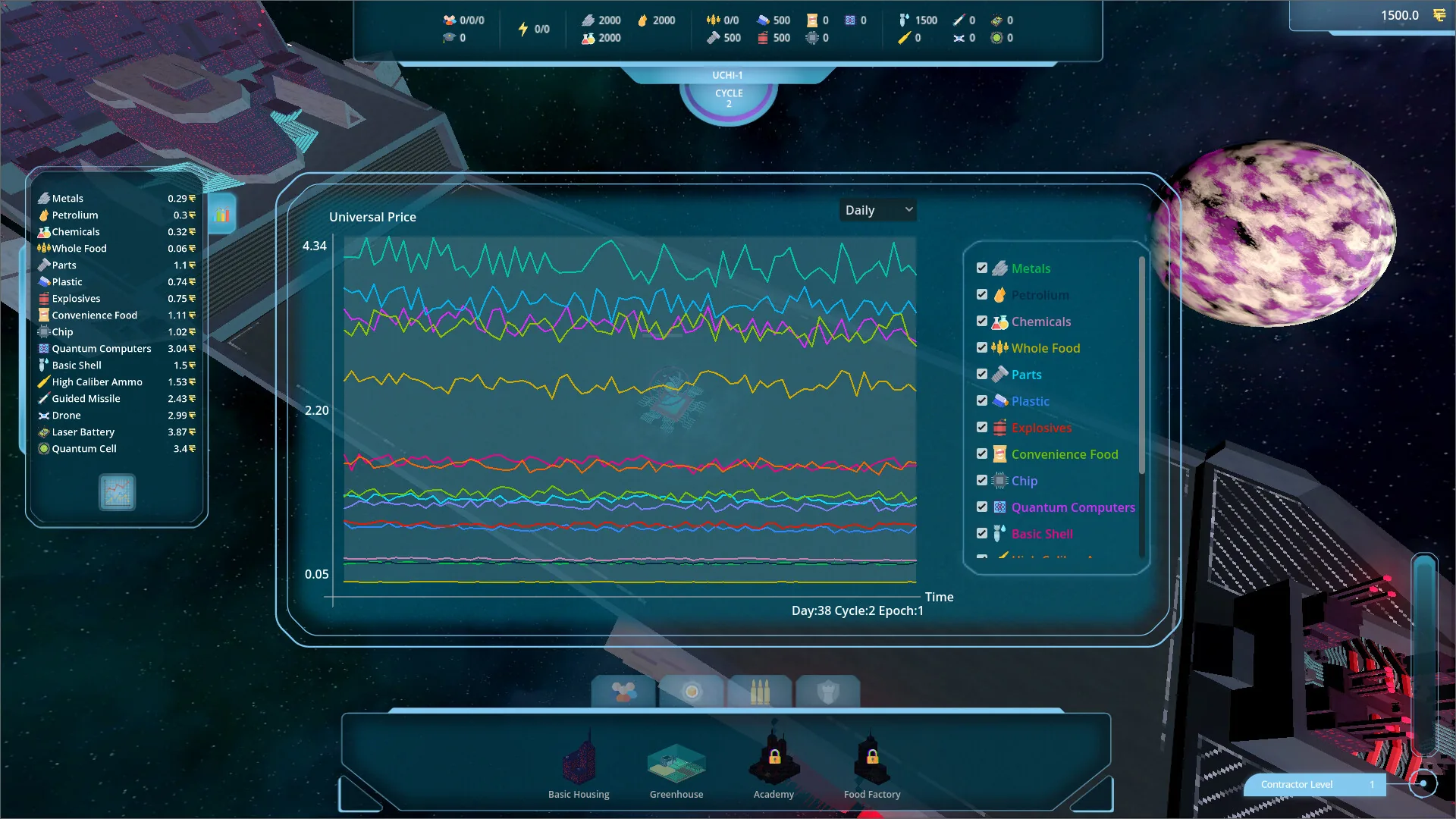
The game also presents itself as a city builder, with a construction and management component alongside the trading.
Every level-up forces a choice: focus on production, defence, management, or pursue a balanced path. That is the right use of levelling, the kind that closes doors rather than adding numbers, and it gives each run an identity.
Every session offers a new map of generated planets, which prevents memorising profitable routes and forces you to read the market afresh each time.
Be honest about what this game is not.
It is dry. A game whose subject is supply and demand asks you to read numbers and make journeys. If tracking a commodity price does nothing for you, no quantity of planets will change that.
It is one developer. The game is by Abdullah Furkan Doğan, and that shows in the finish and in the scale of the presentation. The systems are there, the dressing less so.
It launches with no track record. The game publishes today, with no community hindsight, and the open question for a few weeks will be balance: a dynamic economy is a fragile system, and players are the ones who find the exploits.
It rewards an economy that genuinely reacts, political consequences flowing from transactions rather than from a menu, and levelling that imposes sacrifices. The idea that clearing pirates restarts the local economy is the kind of detail that makes a system stand up.
It accounts for a dryness that will put off part of the audience, the finish of a solo project, and balance still to be tested on an inherently unstable system.
For anyone who enjoys games where you understand a market before manipulating it, this is a good surprise.
Are you the neutral trader or the arms dealer? Come and discuss it on the InsertCoins Discord.
Community
Your rating
Advertisement
Loading comments...
You might also like
Thirty-nine patches in two months, 64 international sides, facilities to maintain and a match engine that understands swing.
A hundred and fifty talent nodes, a smart ban system, and rocks that stayed white spheres.
Your railcars are your health and your skills at the same time. Assuming the game gets past the loading screen.