7
Test
Cricket Management 26: one person built the Football Manager of cricket
Thirty-nine patches in two months, 64 international sides, facilities to maintain and a match engine that understands swing.
Alexandrosse
12 min
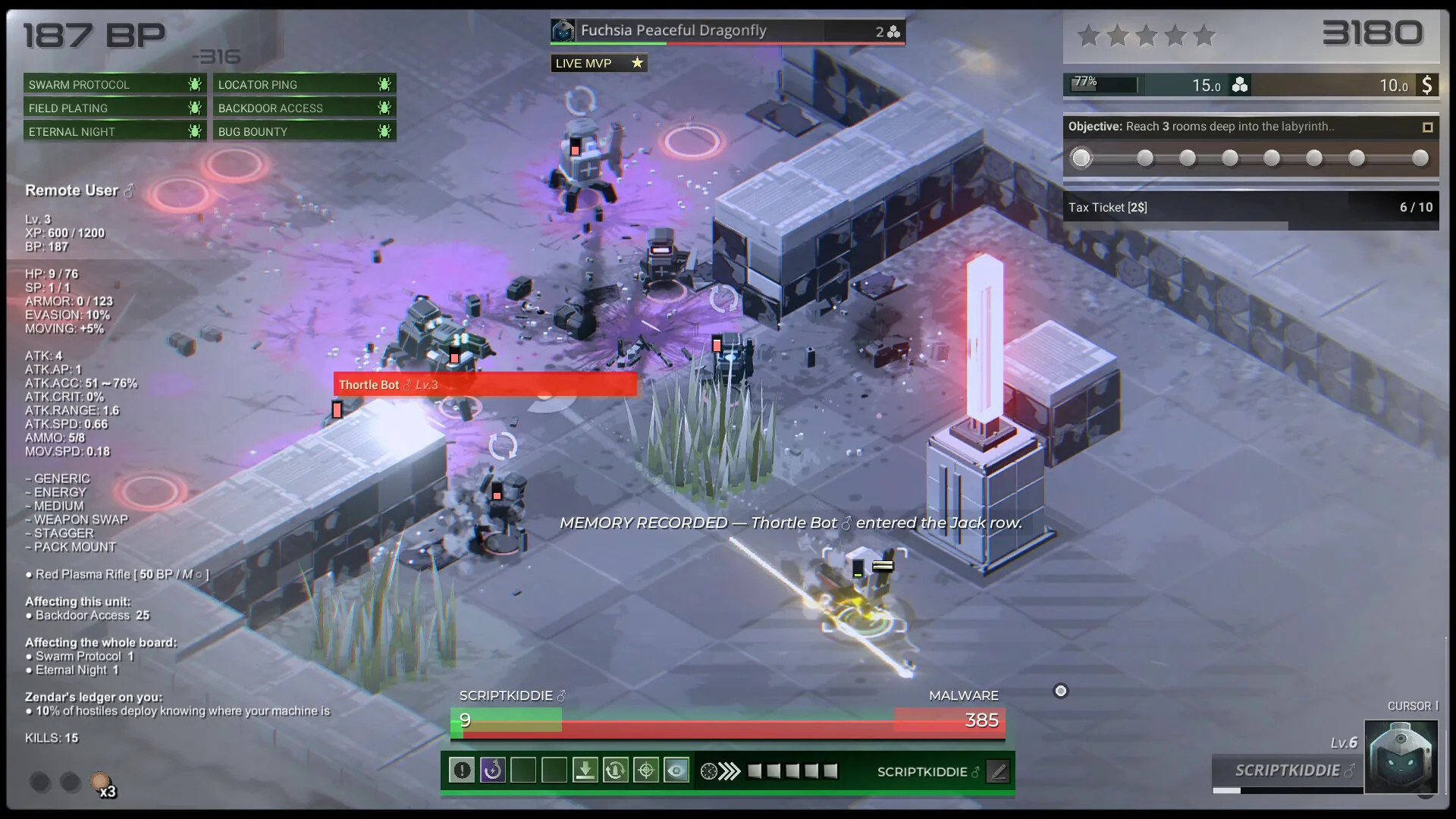
A labyrinth of websites, bots to command in real time, and Chaos cards that punish success. Good ideas, properly applied.
Alexandrosse
InsertCoins.press Score
7.5/10
Verdict
Recommended
Mixing turn-based and real-time is an idea many games have had and few have pulled off. The risk is known: you end up with two lukewarm systems getting in each other's way, planning without consequence and combat without depth.
IAH avoids the trap by cleanly separating the two layers, and that is what holds it together.
The strategic layer is turn-based. You navigate a labyrinth of connected rooms containing websites, enemies and resources. You capture control panels to secure territory and unlock illegal contracts.
The design point that makes this layer interesting: every action advances a turn. Browsing the network, buying equipment, building a bot, pushing deeper into the labyrinth, all of it is paid in time. So there is no free action, and the temptation to optimise before advancing becomes a risk in itself.
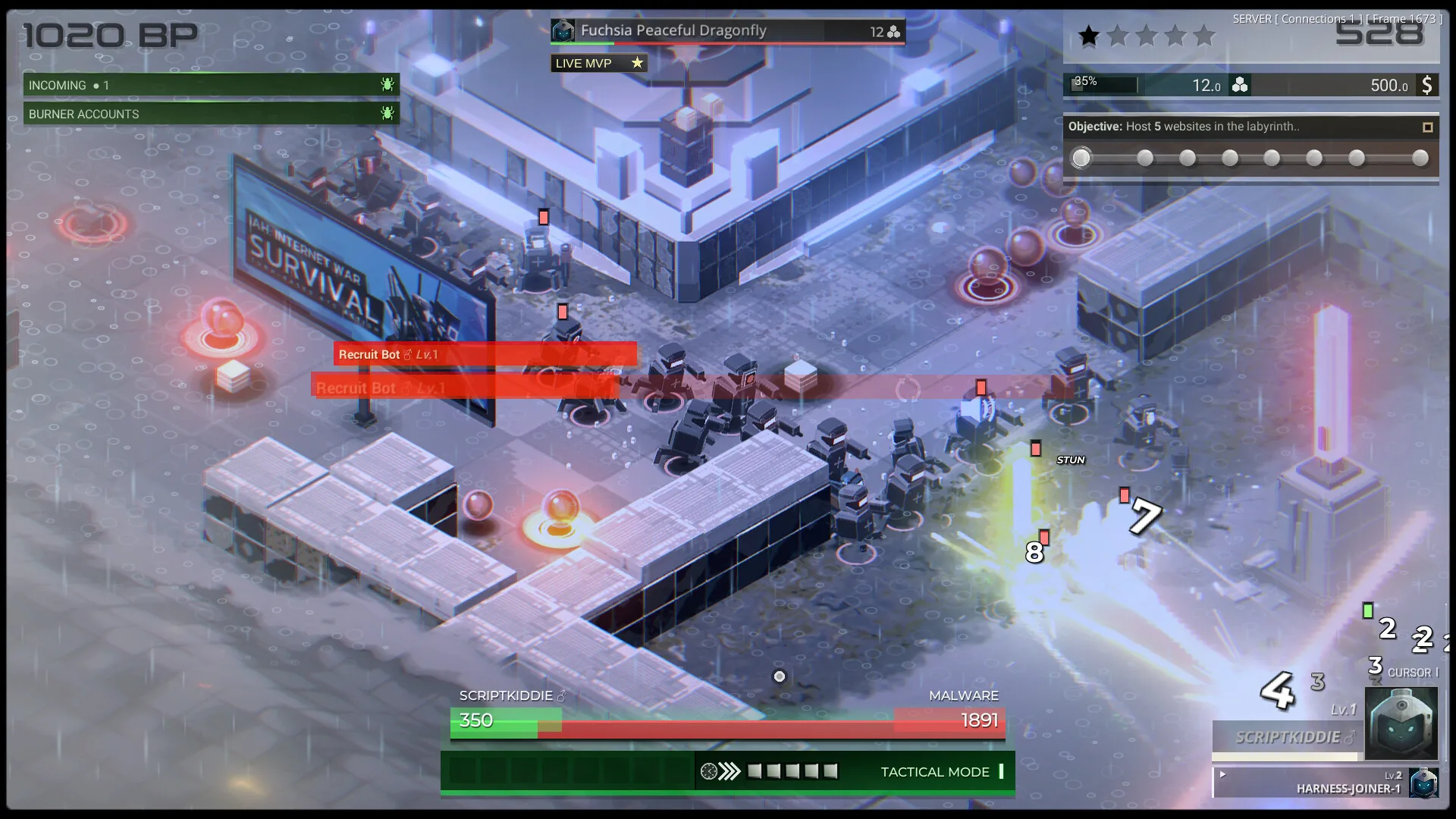
The tactical layer is real time. You command your bots on a 3D battlefield: movement, target selection, combat stances, skills. Cover, flanking and line of sight genuinely matter, and a Tactical Mode hands you direct control when precision becomes necessary.
That is the right split. You think carefully about where to go, you act fast about staying alive, and neither layer does the other's job.
The best idea is the loop that punishes success.
Completing contracts raises your wanted level. Police get stronger, rival hackers trace you, and enemy crews attack your operation. In other words, succeeding is your main problem, and that is what stops a run turning into quiet accumulation.
On top, each wave presents three Chaos cards from which you must pick one. So you do not choose whether to suffer, only what you suffer. Then you counter their effects with weapons, equipment, items and permanent upgrades.
That mechanic forces forward reading: the right card is not the least painful in the moment, it is the one your current build can absorb.
Finally, everything hangs on a single breaking point: protect your Main Bot. If it dies, the run ends. That gives every engagement a clear stake and avoids the mush of throwing units away without thinking.
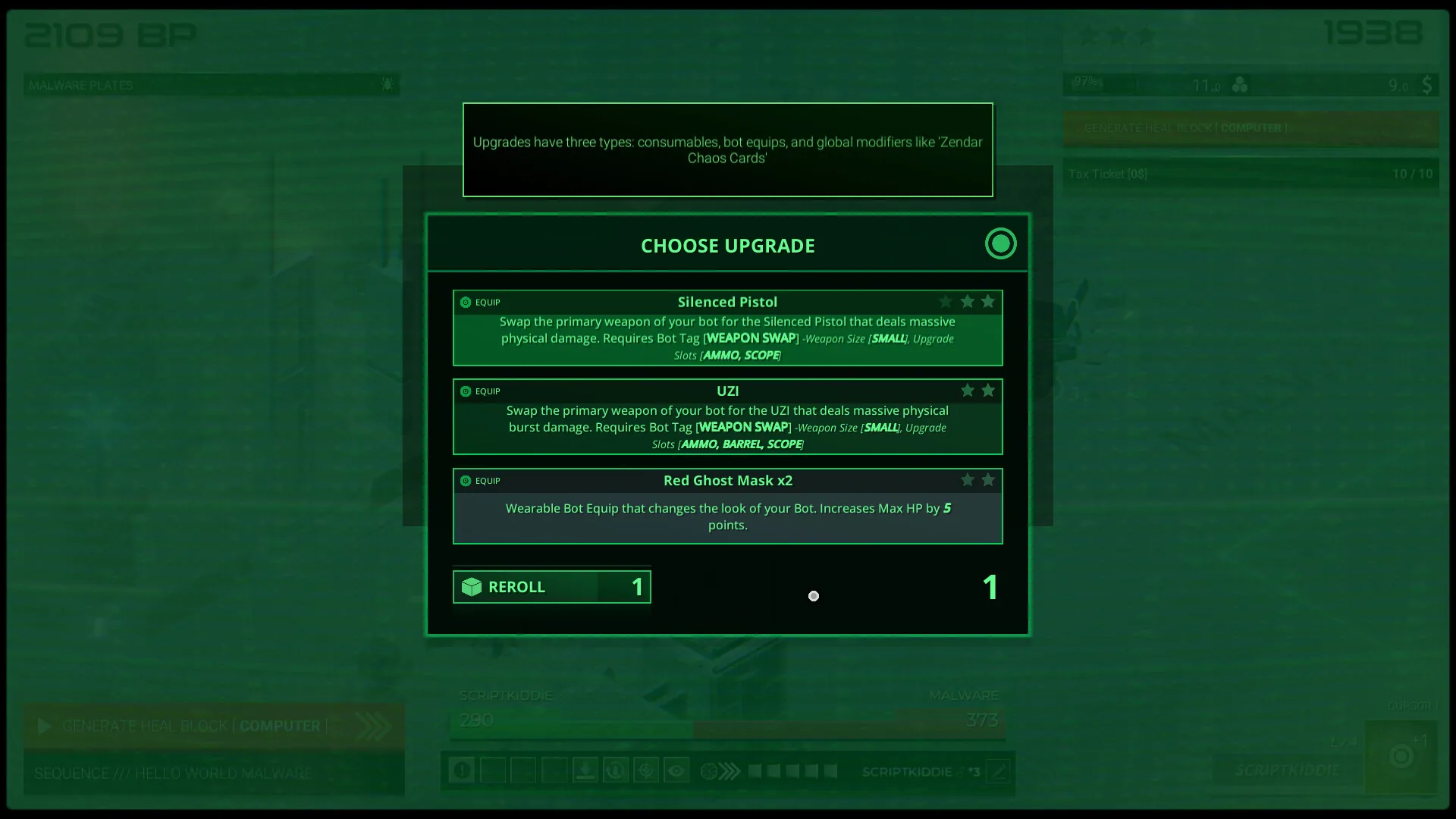
The advertised volume is substantial for a production this size: over 400 Chaos cards, weapons and items, over 100 bots and structures, and eight hackers with different bots, bonuses and drawbacks.
That last point is what provides replay value: each hacker imposes a style, and the drawbacks shape a run as much as the bonuses.
Progression carries between runs. Your score unlocks new hackers, bot improvements and crafting parts for future attempts, which is exactly what a roguelite must offer to make you restart after a failure.
Also worth noting is online co-op for two to ten players, unusually generous and opening the door to very different sessions depending on numbers.
The narrative frame is the weak link. Stopping ZENDAR CORP from placing the world under a global AI is a functional pretext, but nobody will get attached to it. The game is worth playing for its systems, not its story.
The aesthetic of the network as a labyrinth of rooms is legible but abstract. You quickly understand what each tile does without ever feeling you are crossing a place.
Finally, the double layer has an entry cost. The game asks you to absorb two different grammars before it becomes comfortable, and early runs are mostly spent learning menus.
It rewards a clean architecture where planning and action do not tread on each other, an economy of time where every action costs a turn, and above all a loop that punishes success rather than mechanically rewarding it. The Chaos cards, imposed in kind but chosen in detail, are a genuine find.
It also rewards a content volume and co-op up to ten players you do not expect from a project this size.
It accounts for forgettable narrative dressing, an abstract world short on physicality, and an entry curve that will take two or three runs before the game opens up.
Do you prefer planning or improvising in a tactics game? Come and settle it on the InsertCoins Discord.
Community
Your rating
Advertisement
Loading comments...
You might also like
Thirty-nine patches in two months, 64 international sides, facilities to maintain and a match engine that understands swing.
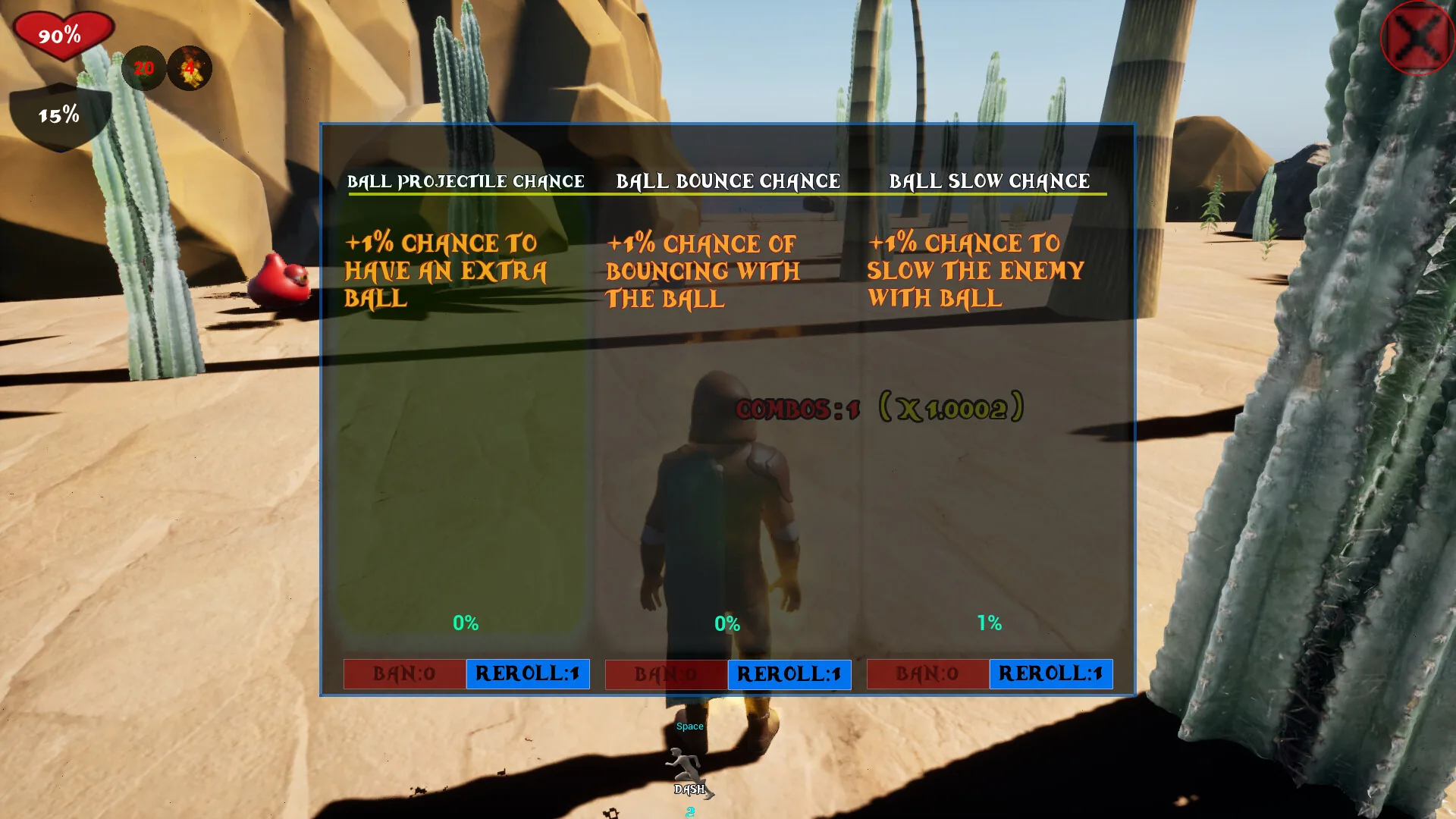
A hundred and fifty talent nodes, a smart ban system, and rocks that stayed white spheres.
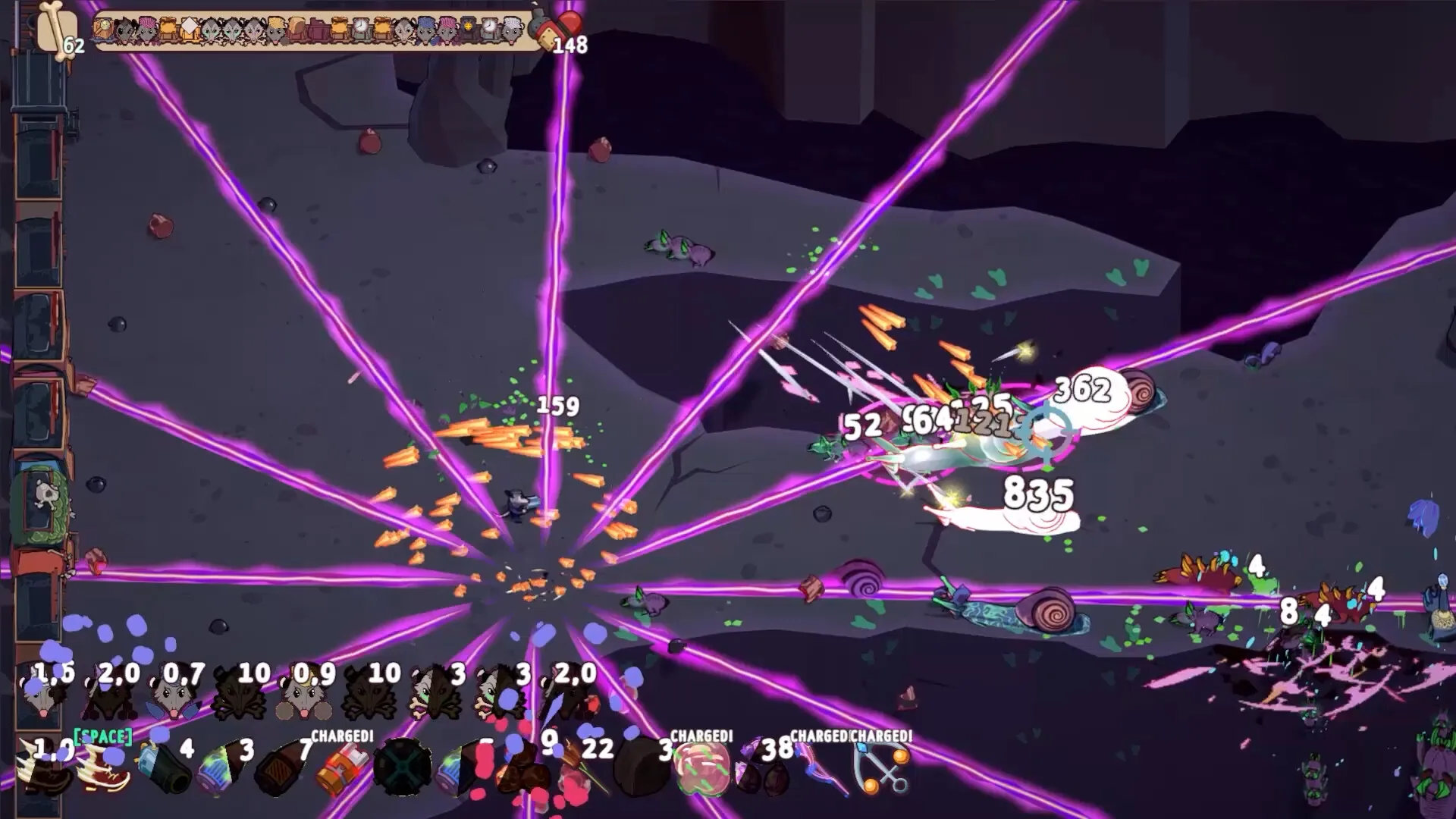
Your railcars are your health and your skills at the same time. Assuming the game gets past the loading screen.