Preview
Duelist: Idle Expedition: your guild fights in the taskbar while you work
91 roles, 200 pieces of equipment, and a tavern that earns you money on the wine your own recruits drink.
Alexandrosse
6 min
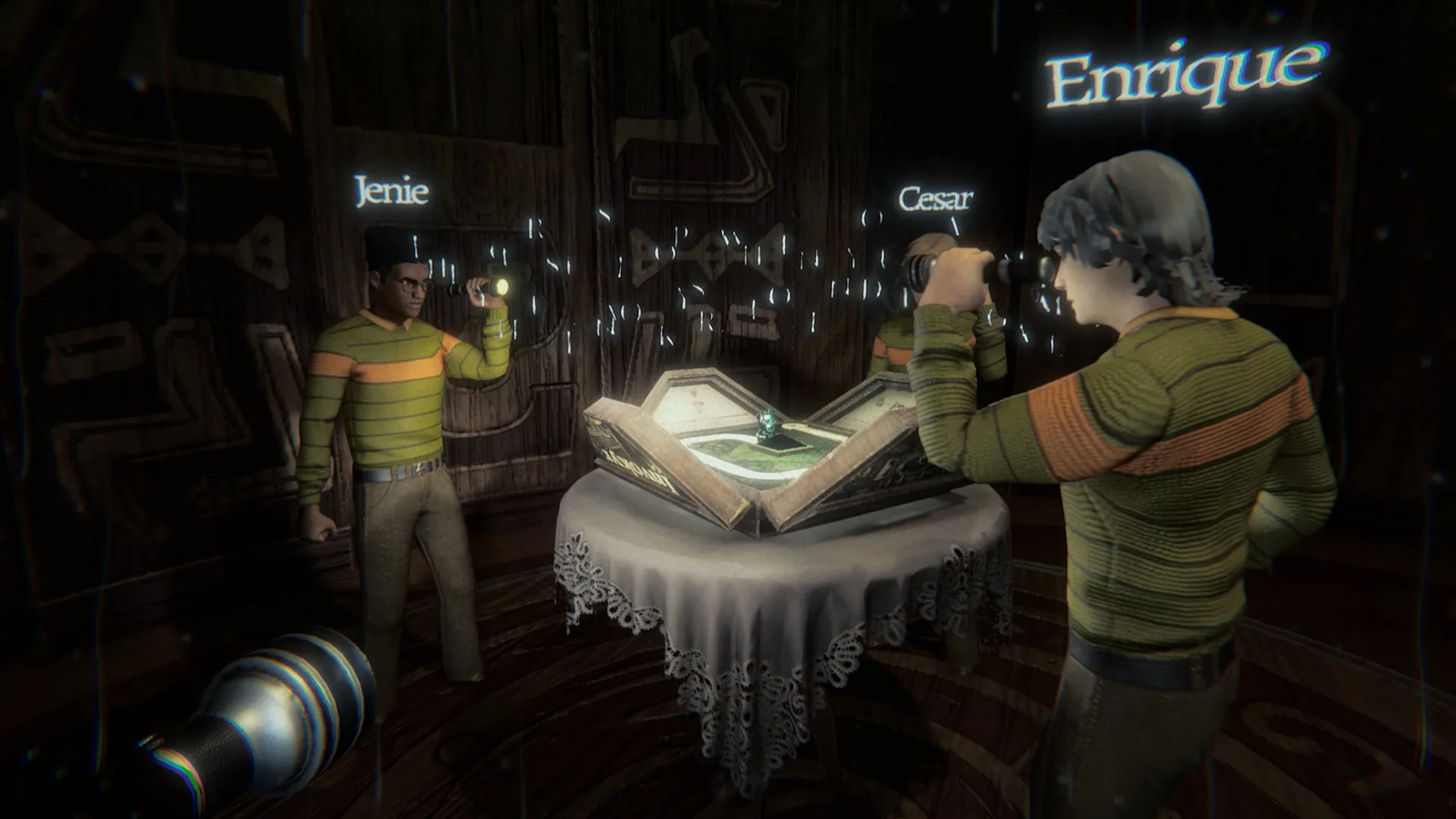
Six players locked in a house, a Gamemaster who used to be a toy, and hidden dice that work exactly one time.
Alexandrosse
There is an idea in Invokyr I have never seen in a co-op horror game, and it is so simple I wonder why.
The dice are a resource. You hunt for them around the house, they are hidden, and each one can only be used once.
The game enters early access today. No score.
You are trapped. The house groans around you. It is cold, it is dark. And on the table sits a 1970s board game, dusty, humming with energy.
You had heard the rumours, of course. About the board, about the house. You look to your friends, and a voice, whimsical yet bitter, says: let's play a game.
The one speaking is the Gamemaster. It was once a beloved toy. It now rules an abandoned house, and the only way out runs through its game.
That is a very good premise, and it has the elegance of explaining its own mechanic: if you are obliged to roll dice to get down a corridor, it is because somebody decided you were inside a board game.
In the vast majority of co-op horror games, chance happens to you. A monster appears, an event fires, and you endure it.
Here, you are the one rolling. And since each die is consumed, every roll is an expenditure.
That immediately produces a social tension that exists nowhere else. When you find a die, you have not found an item, you have found a turn. Who keeps it? Who rolls it? And when? Because rolling too early means arriving empty-handed at the next obstacle, and rolling too late means running out of time.
The studio adds special dice, which heal, hide, or hinder the things hunting you. With, it specifies, a risk each time. We will see exactly what that means, but the principle of a power that costs you is the right one.
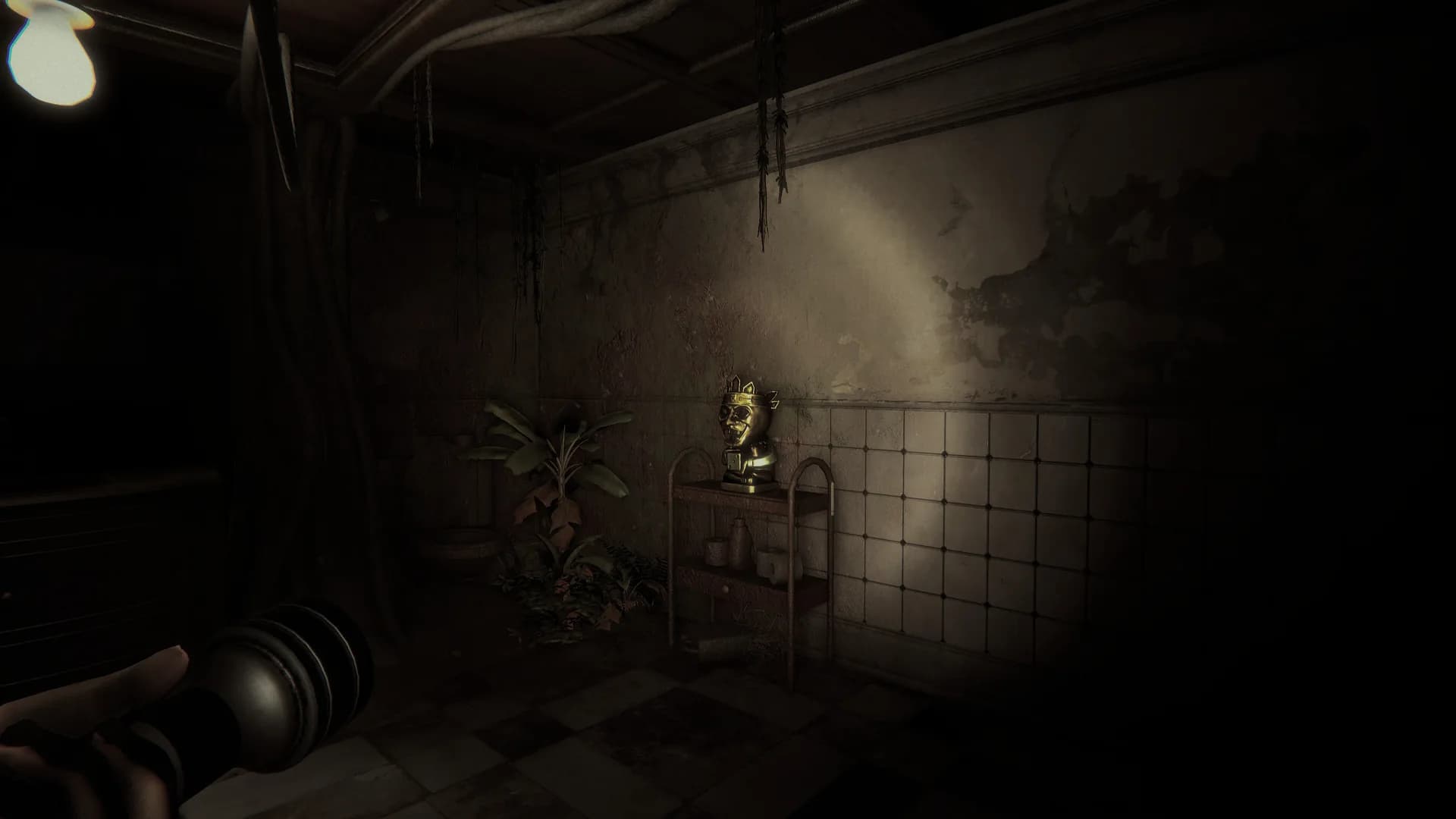
The game plays online for up to six.
And the store page says: work together, or leave someone behind.
Then, immediately after: death is not always the end.
Those two sentences, side by side, describe exactly what you want from a co-op horror game: a system that makes betrayal possible without making it an explicit mechanic, and a death that does not put you outside for twenty minutes watching your friends play.
Six players is a lot. It is the number at which a group naturally fragments, where two people wander off, and where somebody ends up alone in a room with no dice.
Publishing is handled by Ludogram, the studio itself, and by Shochiku.
That second name is worth a paragraph. Shochiku is one of Japan's oldest film production and distribution houses, founded at the end of the nineteenth century, and historically associated with the films of Yasujiro Ozu.
Seeing a century-old Japanese film house on the store page of a French co-op horror game is the sort of improbable pairing that gets your attention. It says nothing about the game's quality. It says somebody believed in the project enough to step outside their field.
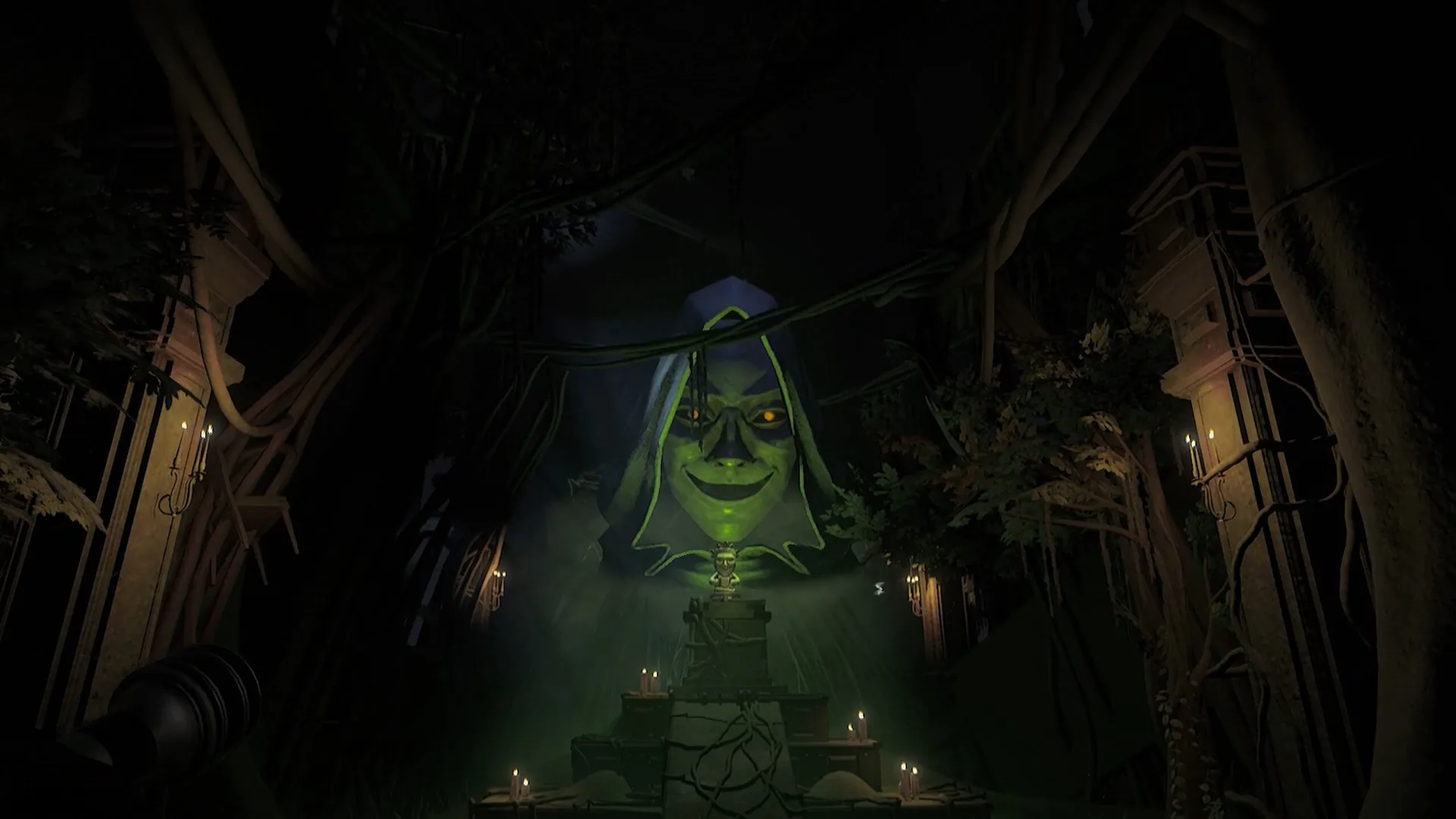
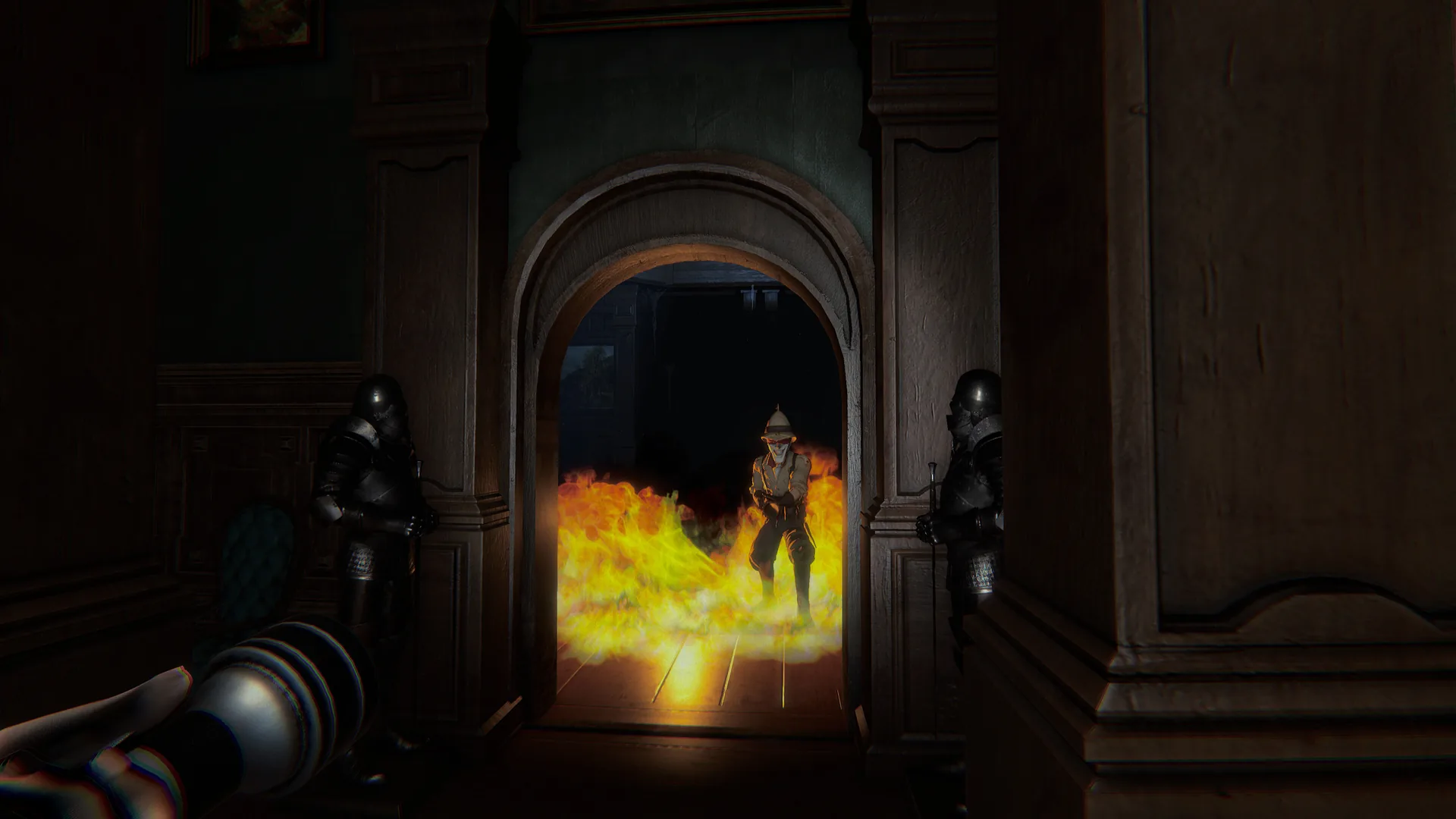
This is early access. And the genre is crowded: a four or six player co-op horror game ships every three weeks, and most die for lack of population.
Everything rests on event variety. A game where you roll a die to trigger a terror, a trap or a curse only holds up if the draw stays surprising after ten runs. That is the point that will make the difference, and it is precisely what early access has to feed.
And fear with six people is hard. The more voices in a channel, the less afraid anyone is. The best games in the genre understood that and separate their players. We will see whether Invokyr dares leave you alone.
What remains is that idea of dice you spend, and it is good enough that I am setting this game aside and coming back to it in a month.
Ever abandoned a friend in a co-op horror game? Confess on the InsertCoins Discord, we do not judge. We take notes.
Community
Your rating
Loading comments...
You might also like
91 roles, 200 pieces of equipment, and a tavern that earns you money on the wine your own recruits drink.
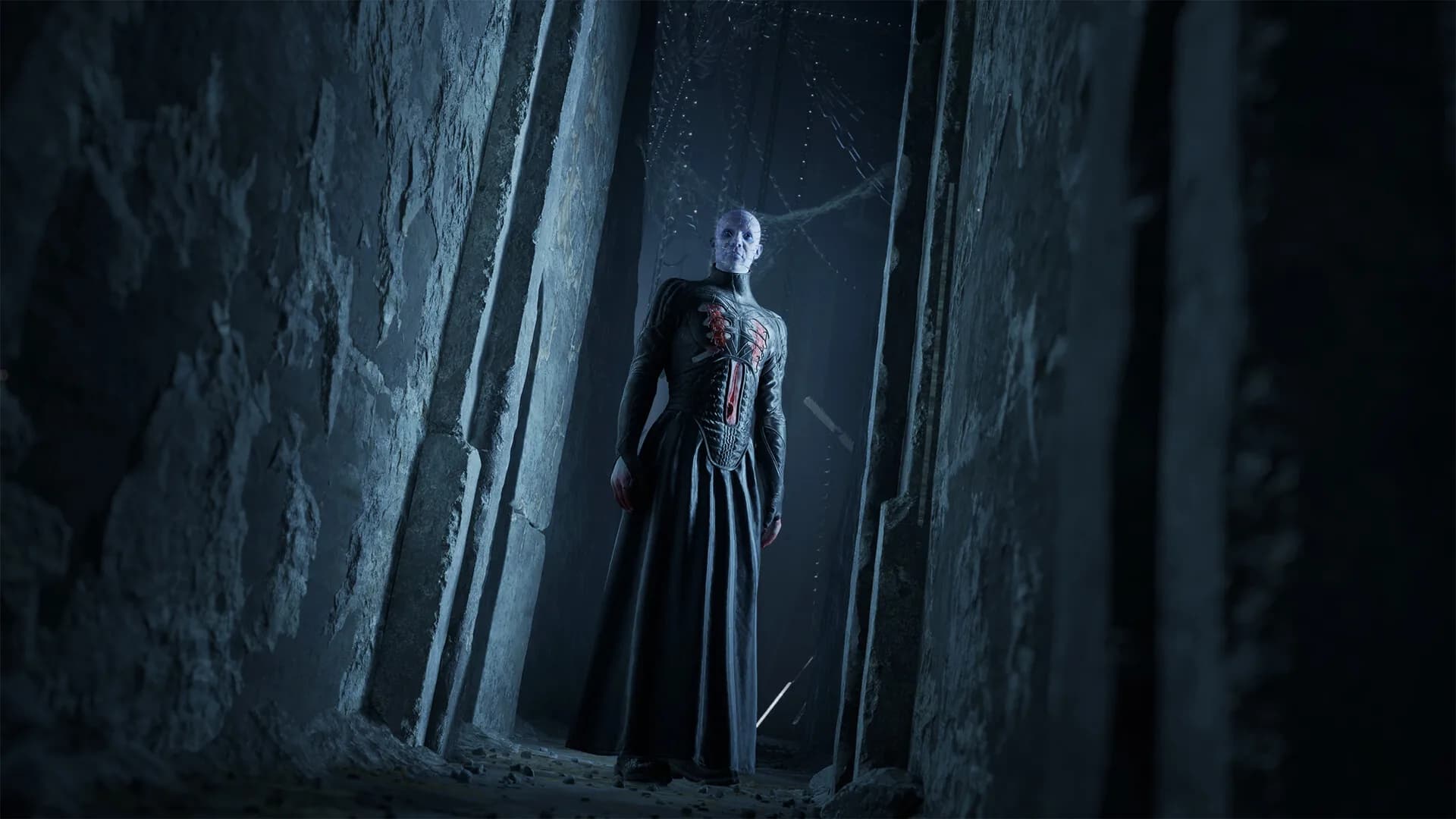
Saber Interactive convinced Clive Barker, and the content warning list on the Steam page says they softened nothing.
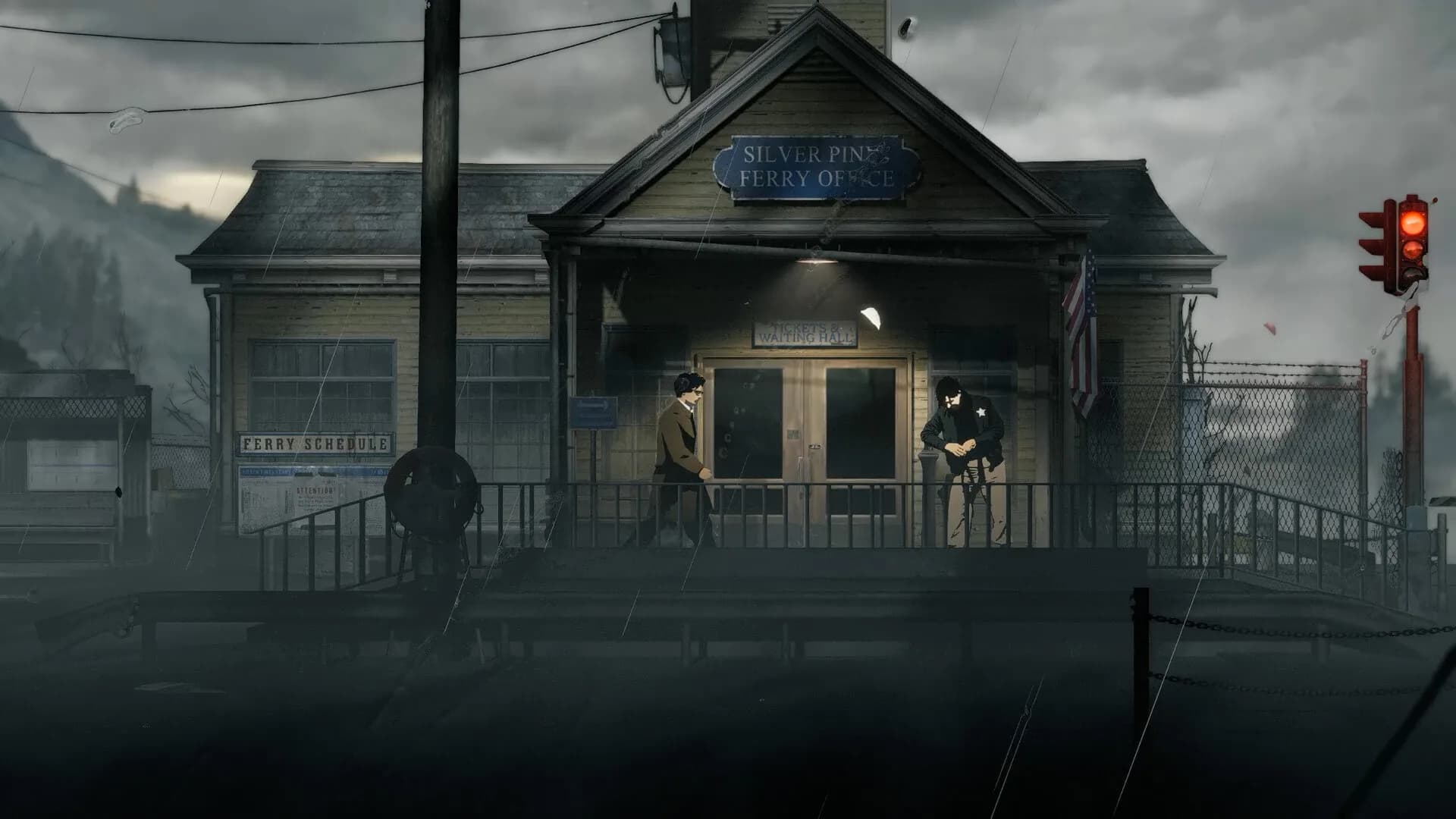
Team17 publishes a love letter to classic survival horror. Locked doors, counted resources, and a black hole in the middle.