7
Test
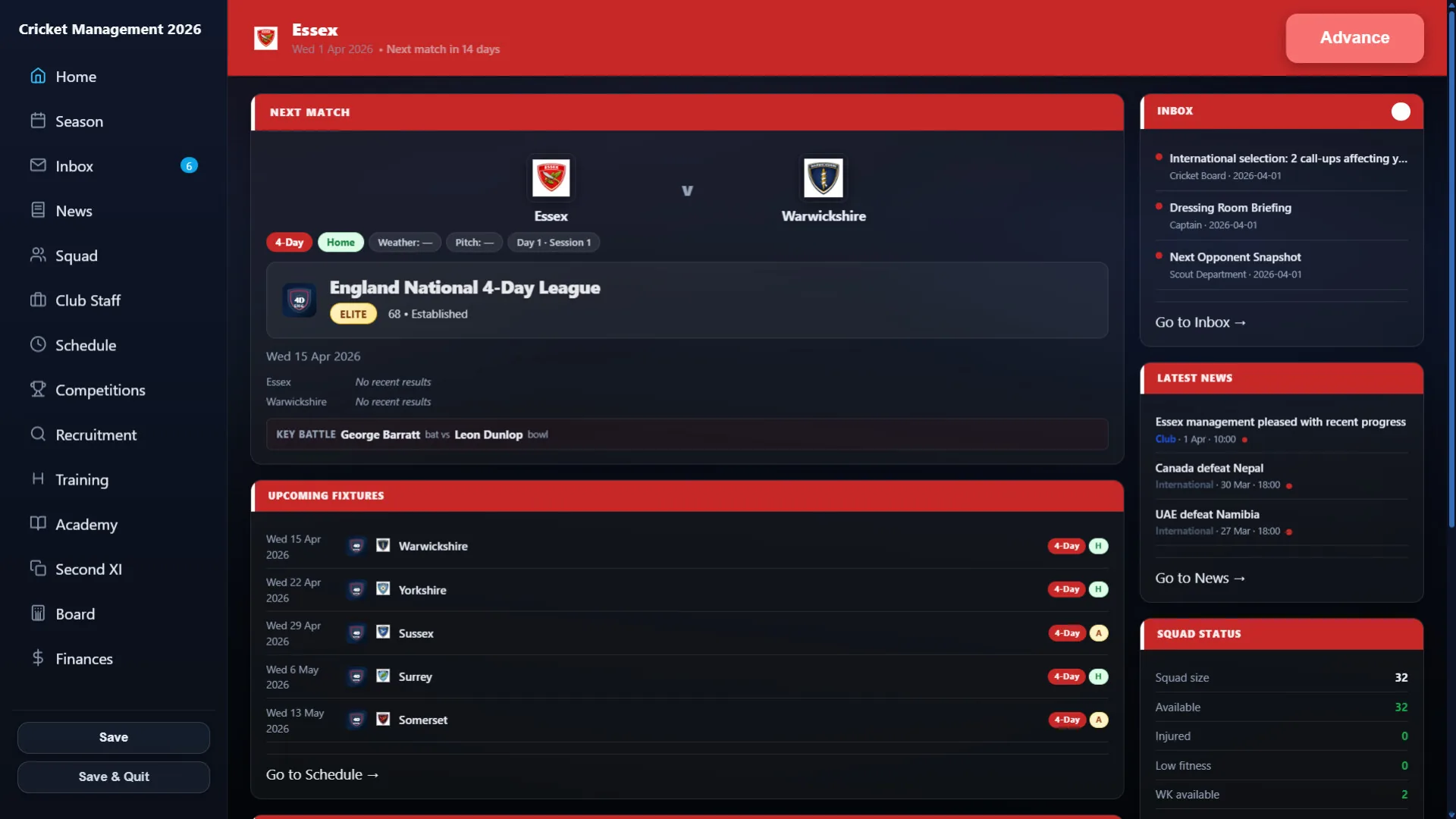
Cricket Management 26: one person built the Football Manager of cricket
Thirty-nine patches in two months, 64 international sides, facilities to maintain and a match engine that understands swing.
Alexandrosse
12 min
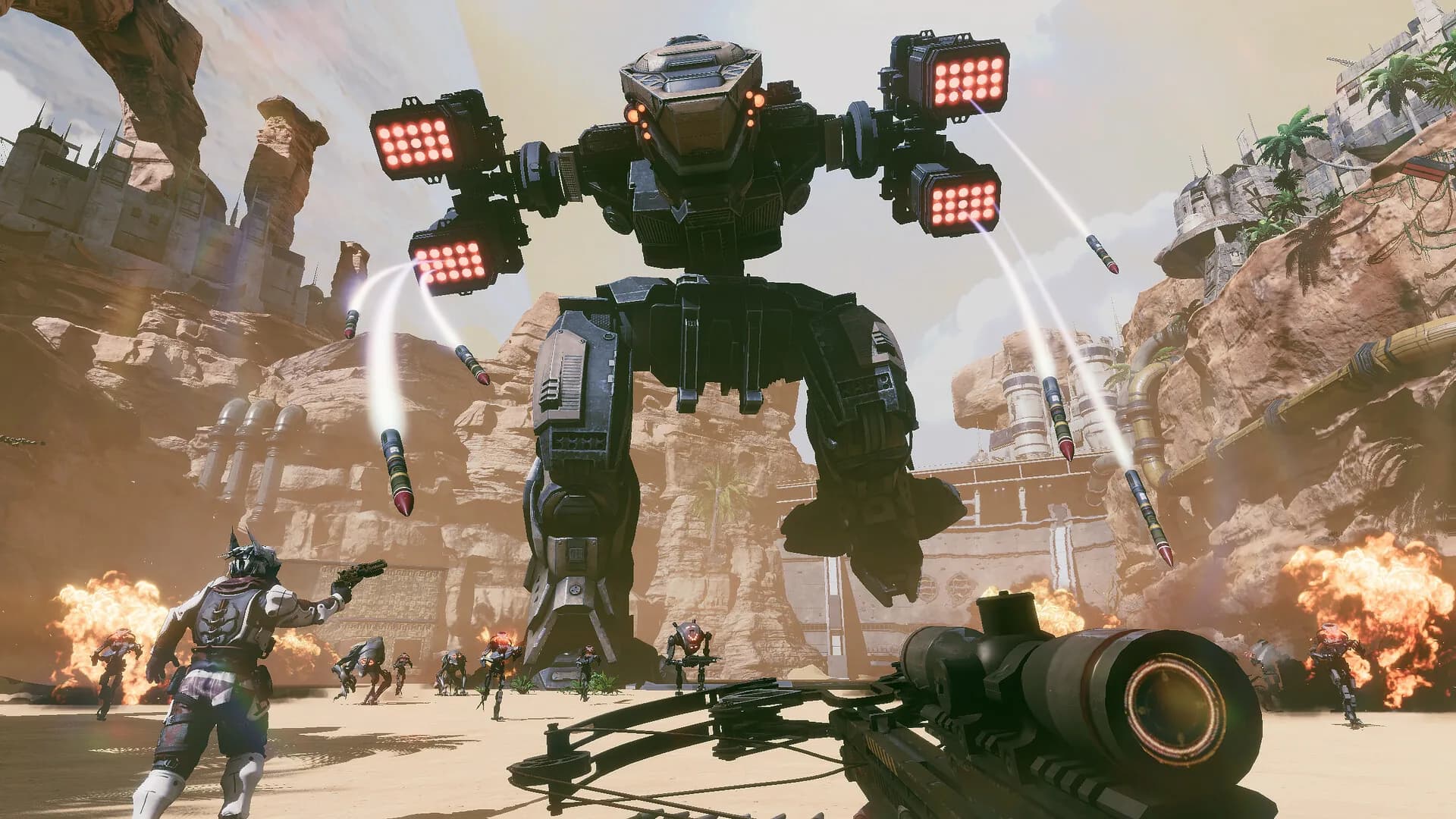
A planet besieged by a machine army, colossal war platforms to bring down, and builds to align across four players.
Alexandrosse
InsertCoins.press Score
7/10
Verdict
Recommended
A distress signal, an unknown planet, a machine army levelling cities. Ironsand's premise is not original, and the game does not pretend otherwise.
What it offers plays out elsewhere: in how four players must align their builds to bring down things far too big for them.
The invasion is not led by standard combat drones alone. It rests on Titans, colossal war platforms capable of levelling entire cities.
Each is a lethal war machine with its own weaponry and combat patterns: turrets, missile barrages, pulse attacks, devastating heavy artillery. The game explicitly demands perfectly tuned builds, seamless coordination and smart tactics.
That is the right structure for a co-op game. Ordinary enemy waves exist to build power, Titans exist to check whether you built it intelligently. A group that stacked the same bonuses individually gets dismantled; a group that split offensive, defensive and support holds.
The game plays up to four, with distinct combat roles to combine.
The guiding idea is team synergy: you assemble offensive, defensive and support abilities to adapt to whatever the battlefield throws. This is not a game where four players do the same thing harder, it is one where four players do different things that complete each other.
The downside is immediate and should be stated plainly: this is a game designed for four. Solo or in pairs, the Titan structure and the role balance lose much of their point. If you have no group, this is not the right purchase.
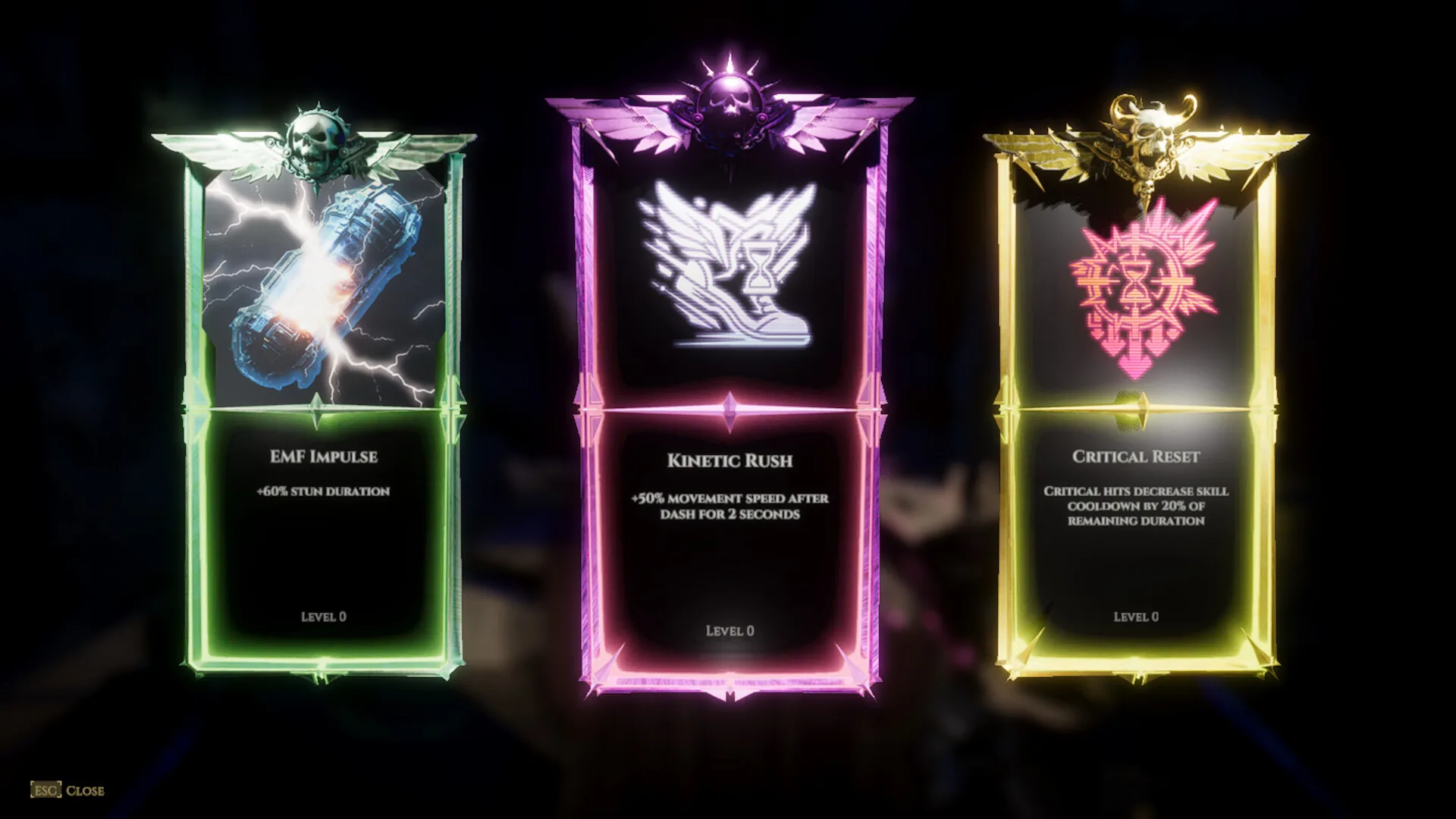
Between engagements you collect weapons, upgrade characters, and mix elemental damage types, status effects and combat modifiers to craft builds tailored to your style.
That is the usual grammar of the co-op roguelite, correctly applied. Elemental damage and status effects are what let builds answer each other across players: one applies a state, another exploits it.
The narrative thread accompanies without cluttering. You level up, strengthen your squad, uncover the truth behind the invasion and liberate the planet. It is functional.
The game launches today, developed and published by Renderise, with no community reviews yet.
Two points of caution for this type of production.
The first is longevity, which will depend entirely on the number of Titans and the variety of their patterns. A game built around memorable encounters wears out at the speed you memorise them. That is what to watch after a few weeks.
The second is population. A four-player co-op game without a well-stocked matchmaker lives on formed groups. The question is not whether the game is good, but whether you will have three people to play it with in six months.
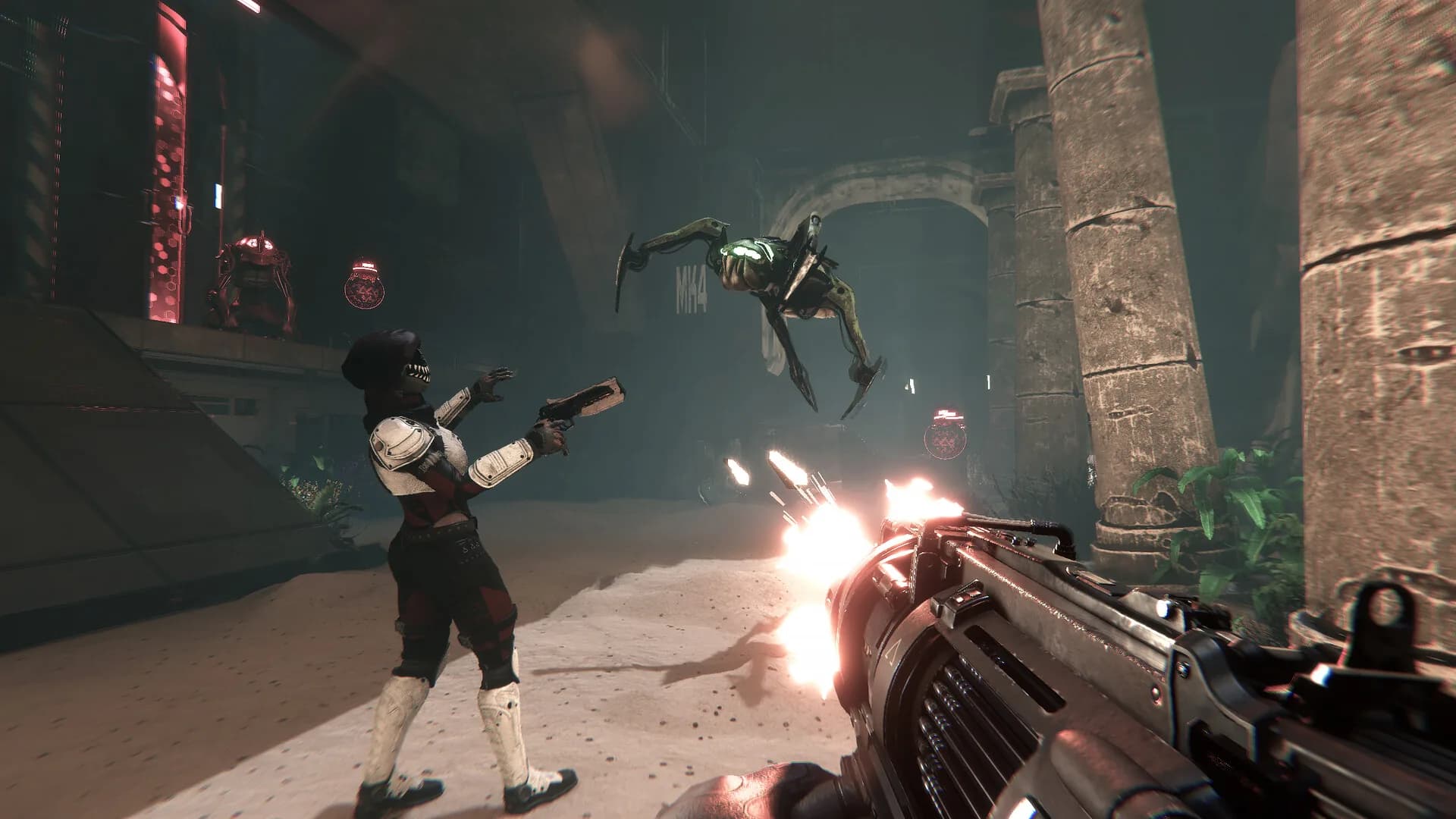
It rewards a clear structure, Titans that serve as a genuine test of your build rather than health bars, and a damage and status system that gives a mechanical reason to coordinate rather than a mere instruction.
It accounts for a conventional narrative frame, an experience calibrated for four that loses a lot below that, and longevity hanging on encounter variety as much as on the survival of its community.
For a formed group looking for their next Thursday night game, it is a serious option.
Which role do you play in co-op, the one who hits or the one who keeps everyone alive? Tell us on the InsertCoins Discord.
Community
Your rating
Advertisement
Loading comments...
You might also like
Thirty-nine patches in two months, 64 international sides, facilities to maintain and a match engine that understands swing.
A hundred and fifty talent nodes, a smart ban system, and rocks that stayed white spheres.
Your railcars are your health and your skills at the same time. Assuming the game gets past the loading screen.