5
Test
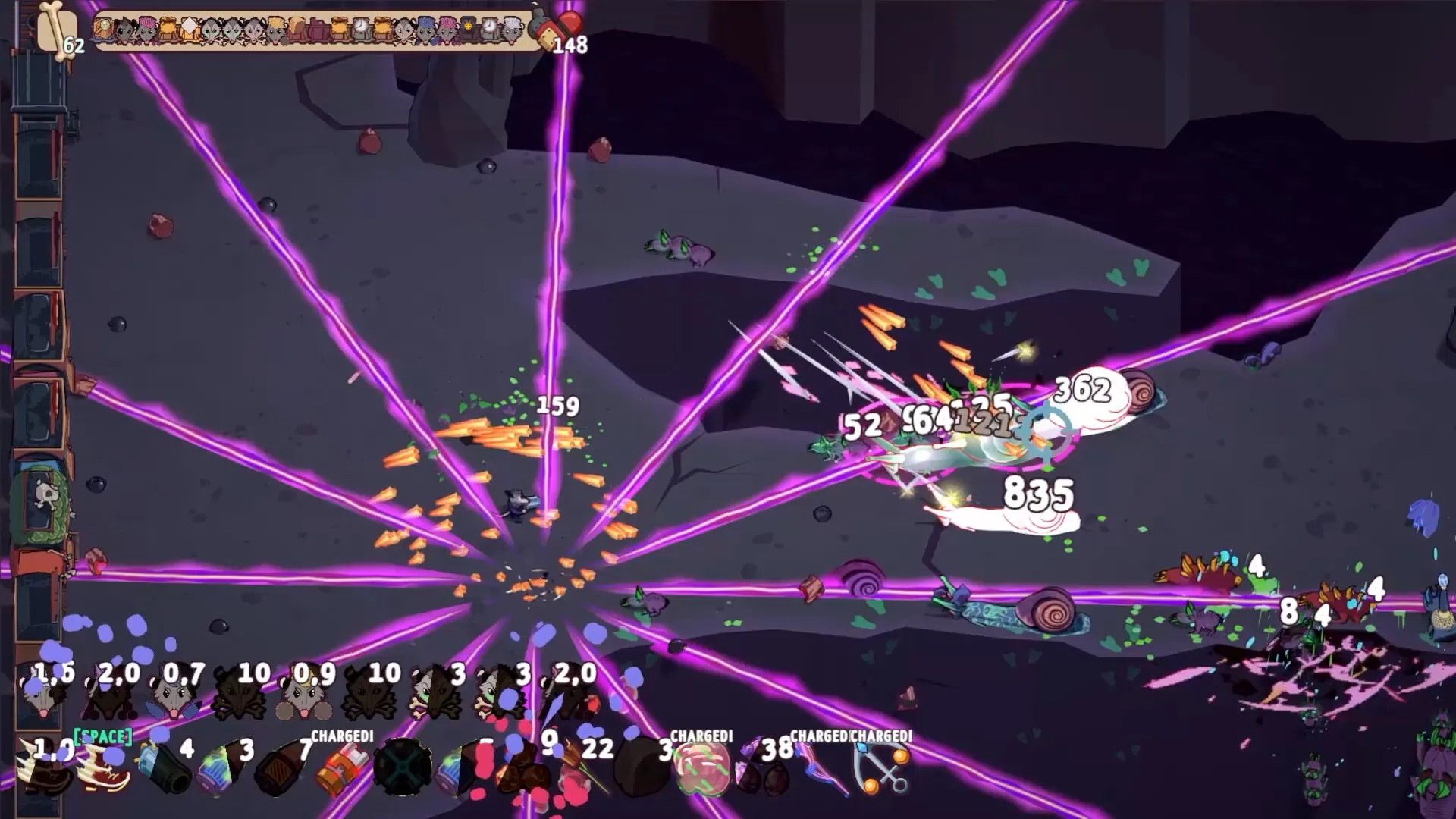
Ammossum: the best idea of the year, on a train that does not always start
Your railcars are your health and your skills at the same time. Assuming the game gets past the loading screen.
Alexandrosse
7 min
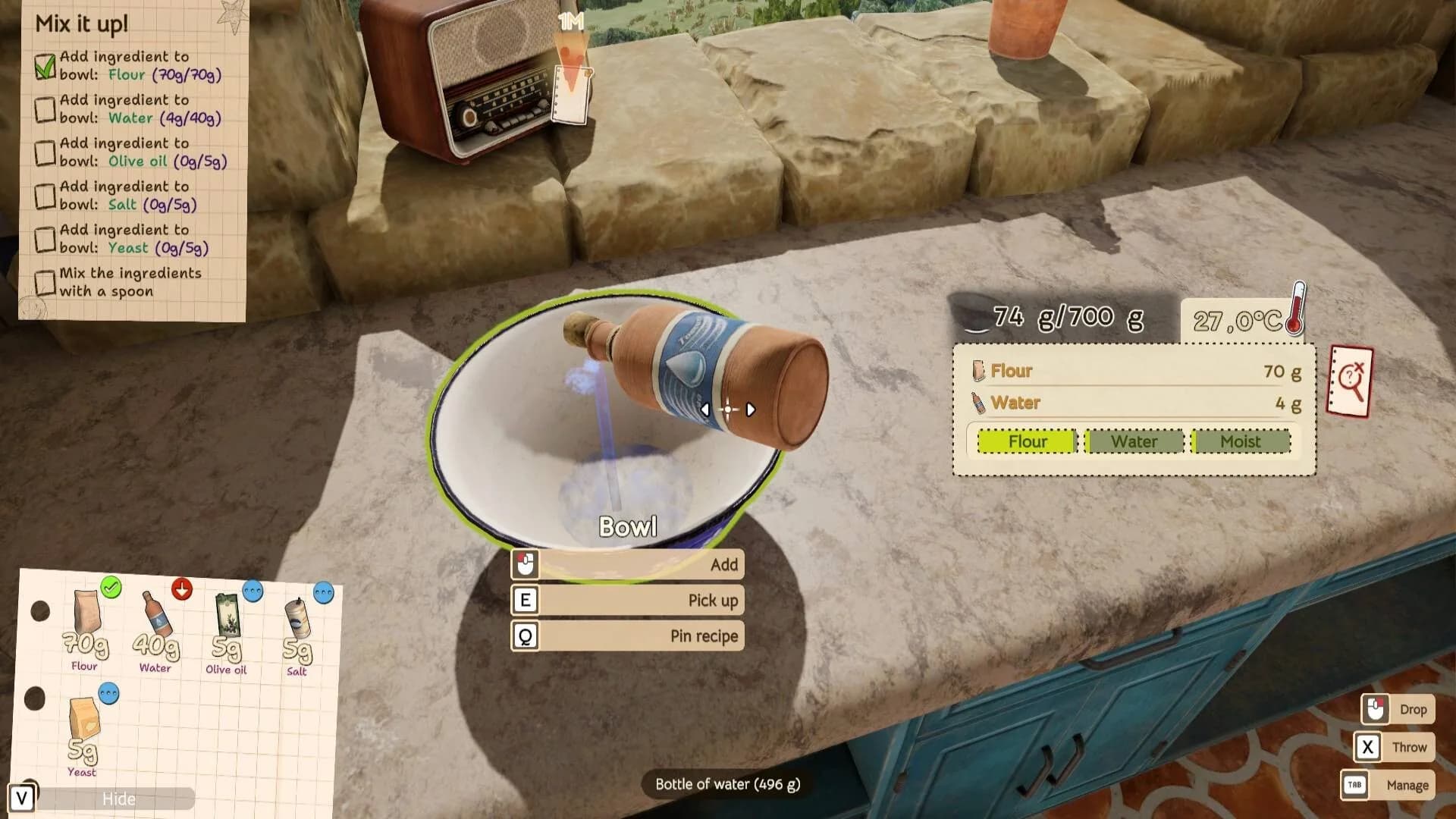
Reopening your grandmother's pizzeria in a Tuscan village. Pretty, warm, and above all it does not look like the other simulators.
Alexandrosse
InsertCoins.press Score
7/10
Verdict
Recommended
Let us clear up two misunderstandings first, one of them yours and one of them ours.
No, this is not a French game, and the joke lands badly for a reason that is funnier still: it is developed by Games Incubator and co-published by PlayWay, which is to say by the Polish house whose industrial model we were dismantling a few days ago over Low-Budget Repairs and Wild West Miner Simulator.
And that is precisely what makes this review interesting.
You noted that it does not reuse the art direction of every simulator-of-anything shipping each week, and you are right. It is in fact the most remarkable thing about the game.
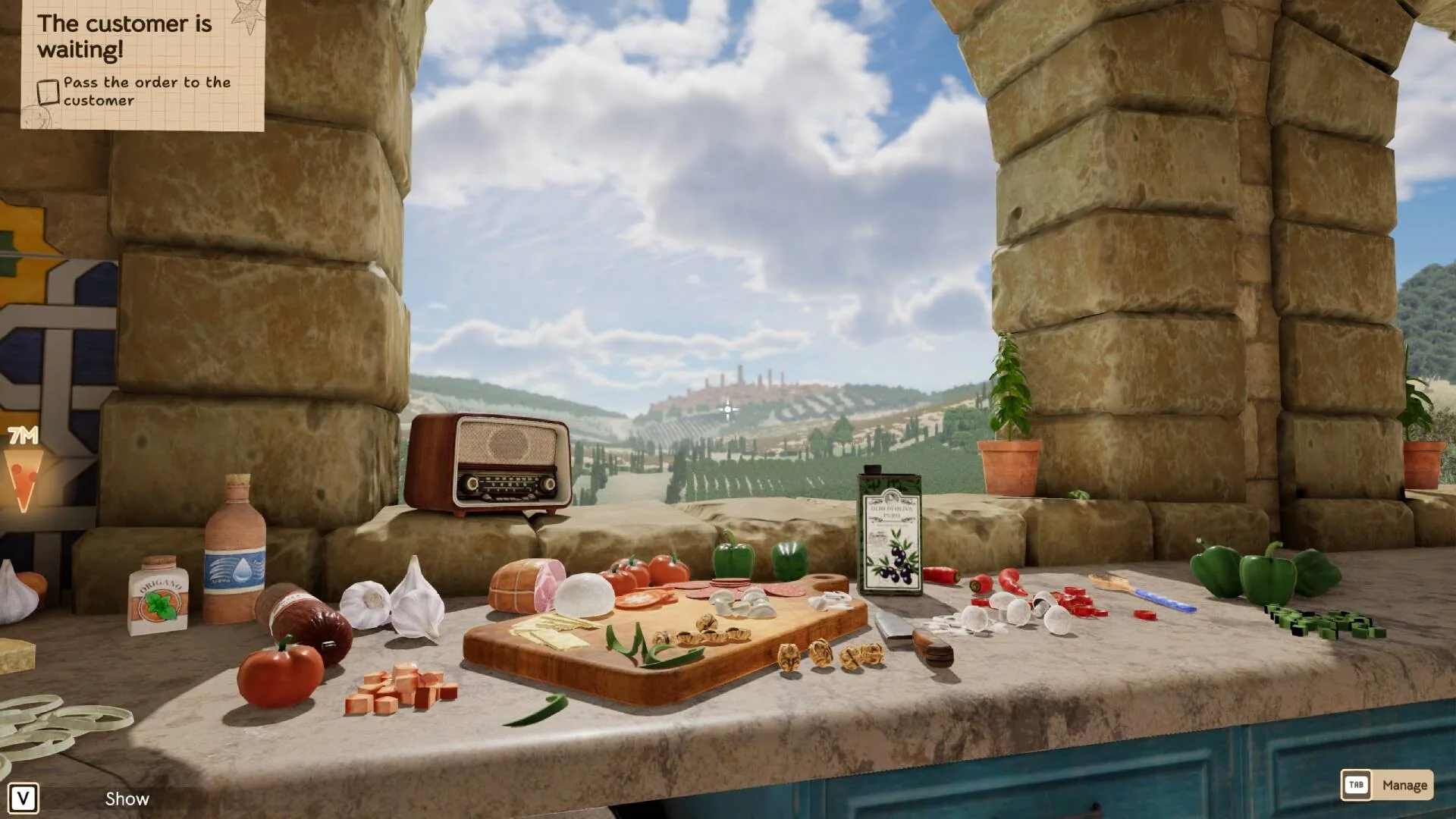
We have written it three times this month: these productions look alike because they come off the same foundations, with the same task logic and the same interchangeable visual signature. Yet this one comes from the same house, and it escapes the mould. The lighting is worked, the village has character, and the kitchen feels like a place rather than a functional set.
That deserves saying plainly, because we have not spared this publisher: when the formula is dressed with care and attached to a setting that stands up, it produces something markedly more pleasant. Here is the proof.
One friendly correction, though: this is not Emilia-Romagna but Tuscany. The studio insists on it, from the surrounding vineyards to the local ingredients by way of the kitchen's natural light. That is not a detail in a cooking game: Emilia-Romagna is the country of fresh pasta, parmesan and Parma ham. Tuscany is Chianti and olive oil. Two cuisines, two worlds.
The premise is nicely set up. As a child, your village was as warm as the vineyards around it. Since then, the ingredient that bound everyone together has been missing: the pizzeria. Your grandmother is gone, so it falls to you to pick up the rolling pin.
The loop is one of gestures, broken down. You go to the cellar for ingredients, cool enough to keep them fresh, you gather, cut and chop. Then you follow the recipe: roll the dough, spread the sauce with a wooden spoon, each step demanding attention. Baking happens in your grandmother's original wood-fired oven, then you package the result in custom boxes before delivering.
That breakdown is classic for the genre, but it works because it is short and because it ends in something recognisable. You can see the pizza you made.
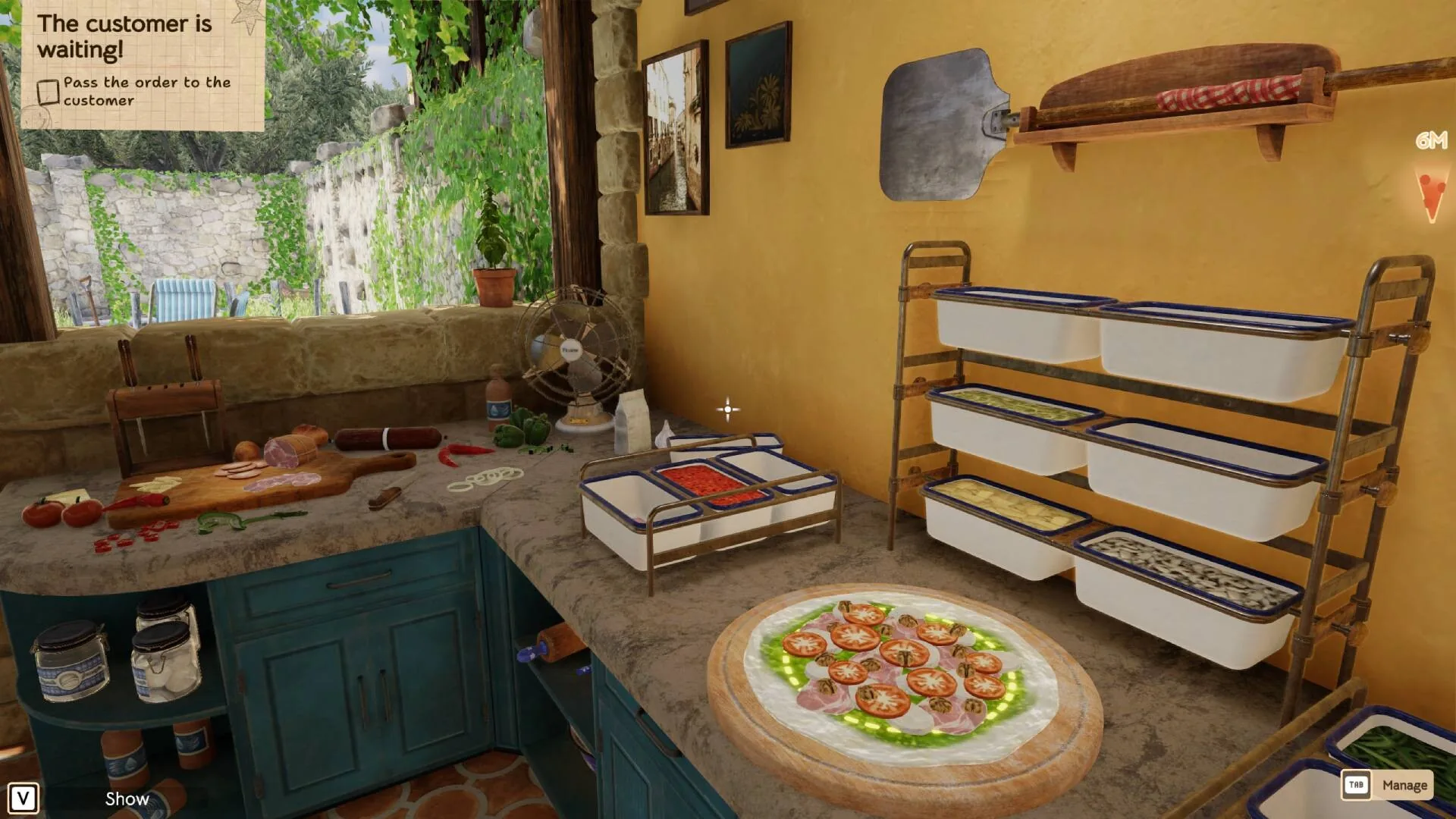
You noted that they are likeable and that it makes you want to start again. That is accurate, and it is structural: the village is full of distinctive characters, and the more your reputation as a pizzaiolo grows, the more people you attract from further afield.
The studio adds the counterweight that makes it interesting: the more renowned you are, the higher your customers' expectations climb. That is what stops progression from being simple accumulation, and it is the best design idea in the package.
It rewards genuine visual care in a genre that almost never bothers, a warm setting and a well-divided preparation loop.
It accounts for what you formulated yourself: nobody will play this three days running. It is a small game, pleasant in short sessions, whose variety rests entirely on its catalogue of recipes and customers. Once you have been round it, there is no second layer to take over.
A practical plus, it is available in French.
Tell us in the comments, since the subject is sensitive: pineapple, yes or no?
Disagree with the score? Come and tell us on the InsertCoins Discord, where we defend our verdicts live.
Community
Your rating
Advertisement
Loading comments...
You might also like
Your railcars are your health and your skills at the same time. Assuming the game gets past the loading screen.
Five euros, a strip of ARPG along the bottom of your desktop, and a Steam market where you resell your minions. The success is real, so is the wall.
The train on the mouse, the drones on the keyboard, thirty-second rides. A small game that knows exactly how long it lasts.