7
Test
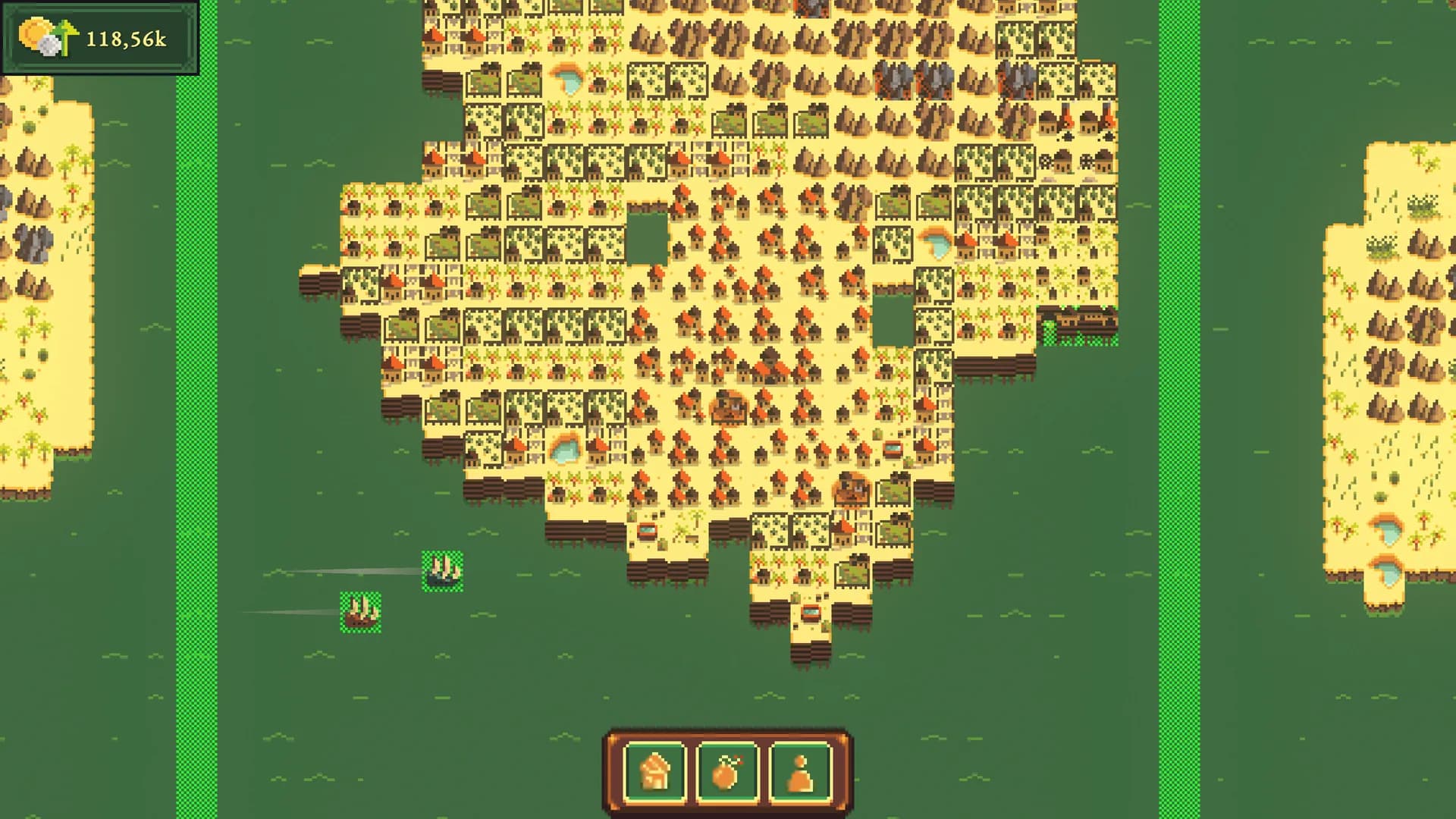
Archipeo: thousands of islands, ships running a shuttle service, and me not sleeping
A procedural Anno where haulage is the real game. Every badly assigned freighter takes its revenge forty minutes later.
Alexandrosse
8 min
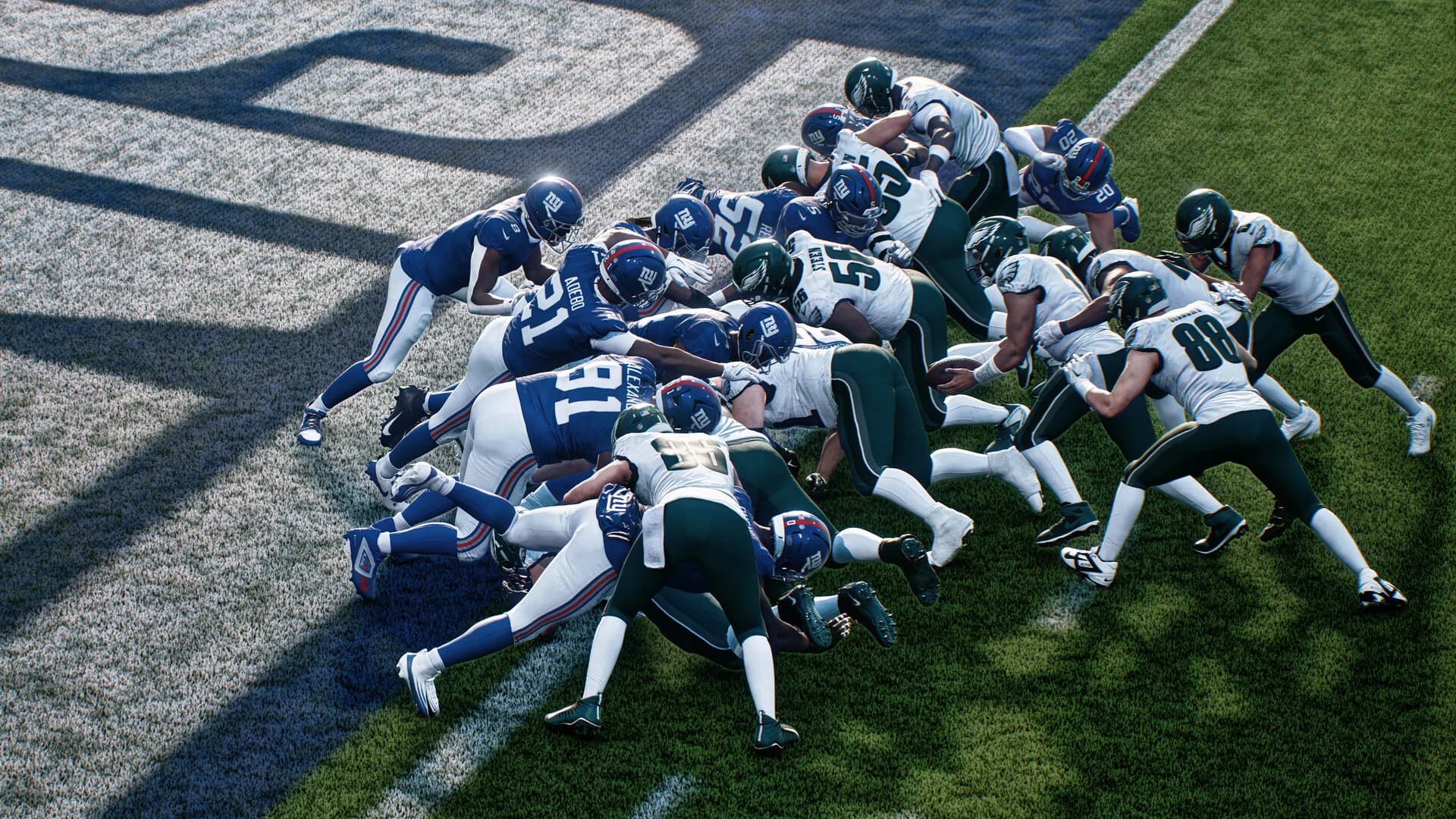
The Persona Engine and timing-based catching genuinely change something. But at seventy euros, player reception stays lukewarm.
Alexandrosse
InsertCoins.press Score
6/10
Verdict
Mixed
I played American football for five years, at the highest junior level in France, which corresponds roughly to the high school years and the start of university. It was wonderful. So wonderful that the sport very nearly made me stupid, thanks to a concussion. I was not especially bright to begin with, so the tragedy is relative, but it is what made me stop the day I looked into how high-level players end up.
This is not a comedic hook. It is a warning meant literally, and it opens this article because it matters more than the rest.
The study that changed everything dates from July 2017, published in the Journal of the American Medical Association by Ann McKee's team at Boston University. Of 202 brains of deceased American football players, 111 of them former NFL professionals, chronic traumatic encephalopathy was diagnosed in 110 of those 111 players.
The limit of that figure must be stated immediately, because it is crucial and the authors themselves insist on it. These brains were donated to research, often by families who already suspected something given the deceased's symptoms. McKee herself speaks of tremendous selection bias. That 99 percent is therefore not a prevalence rate, and nobody can claim that 99 percent of NFL players will develop the disease. Suggesting otherwise would be dishonest.
What the study does establish, and what later work by the same team extended across larger samples, is a serious link between repeated head impacts and neurological degeneration. The most important point for an amateur player is not in fact the spectacular concussion, the one that puts you on the ground, but the accumulation of smaller impacts, the ones nobody counts and that you laugh off.
On your advice to trust the sports physician over the club's, it is sound and rests on something documented: a practitioner employed by an organisation that needs you on the field on Saturday is not in the same position as an independent doctor. This is not an accusation of dishonesty, it is a plain observation about conflict of interest, and it is precisely why professional leagues eventually imposed independent neurotrauma observers on the sidelines.
If you play, or if your child plays, the rule fits in one sentence: a blow to the head is not negotiable, and the only opinion that counts belongs to someone with no stake in the result.
To the game, and the answer is more favourable than usual. There is genuinely new material this year.
The heaviest change is the Persona Engine, in Franchise mode. EA presents it as the biggest transformation it has ever made to player behaviour, negotiations, weekly management, news and free agency. In practice, players receive distinct personalities that affect their reactions and negotiations, and contracts gain detail. For a Franchise mode that had been idling for years, this is the first real jolt in a long time.
On the field, two additions change the feel. First, timing-based catching: after a pass a meter appears, you hold the input and release at the right moment to select the catch type, with a perfect release improving the outcome. Second, and this is the better addition, receiver and defender duels have been rebuilt, with genuine hand-fighting, jostling and leverage determining separation and coverage. That is exactly where American football is decided, and the game modelled it poorly.
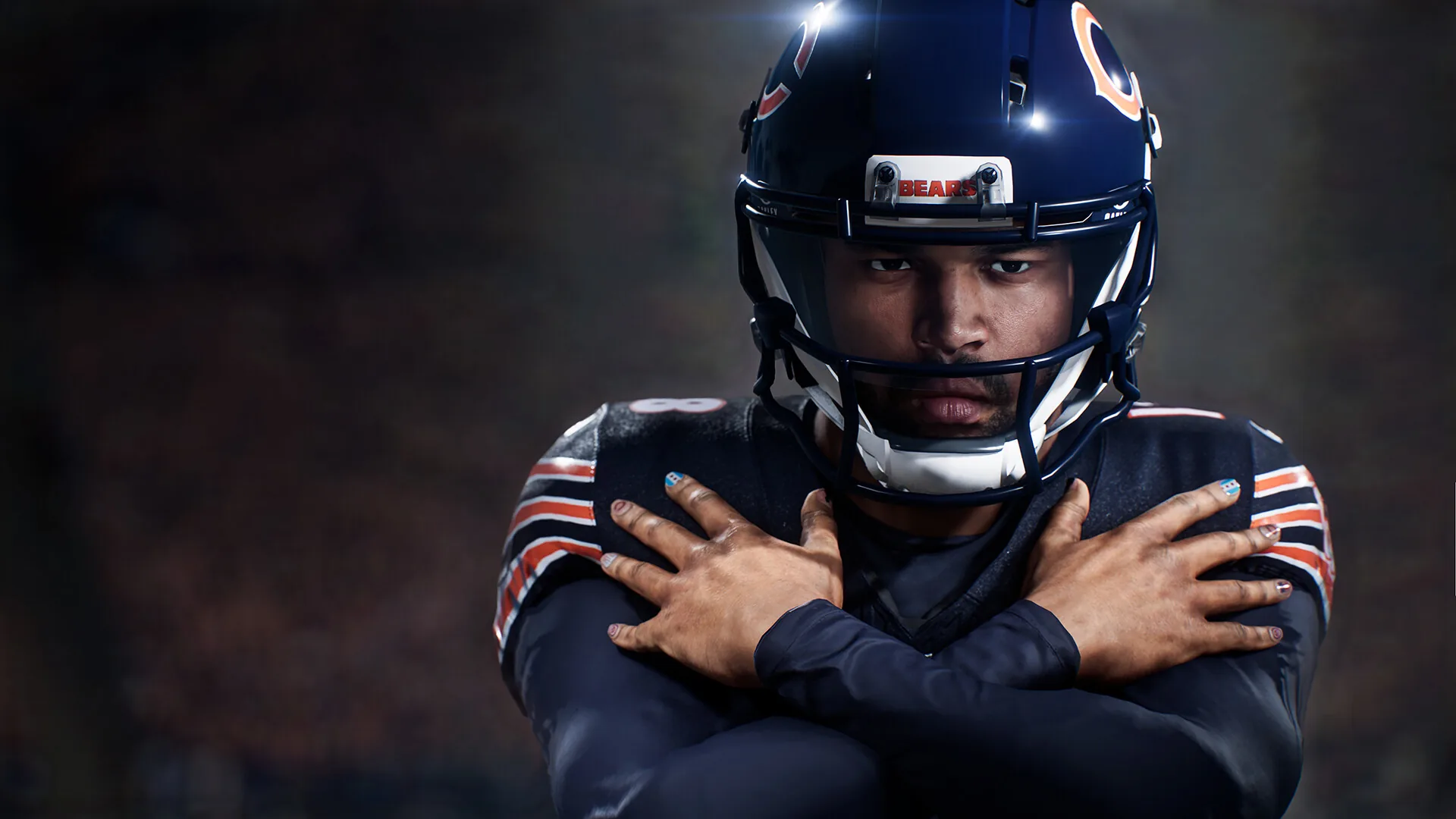
Add a reworked defence with smarter linebackers and more pre-play options, quarterback sneaks that finally work reliably, the classic kick meter fixed, improved short-yardage blocking, and the arrival of the notorious Tush Push. Caleb Williams is on the cover.
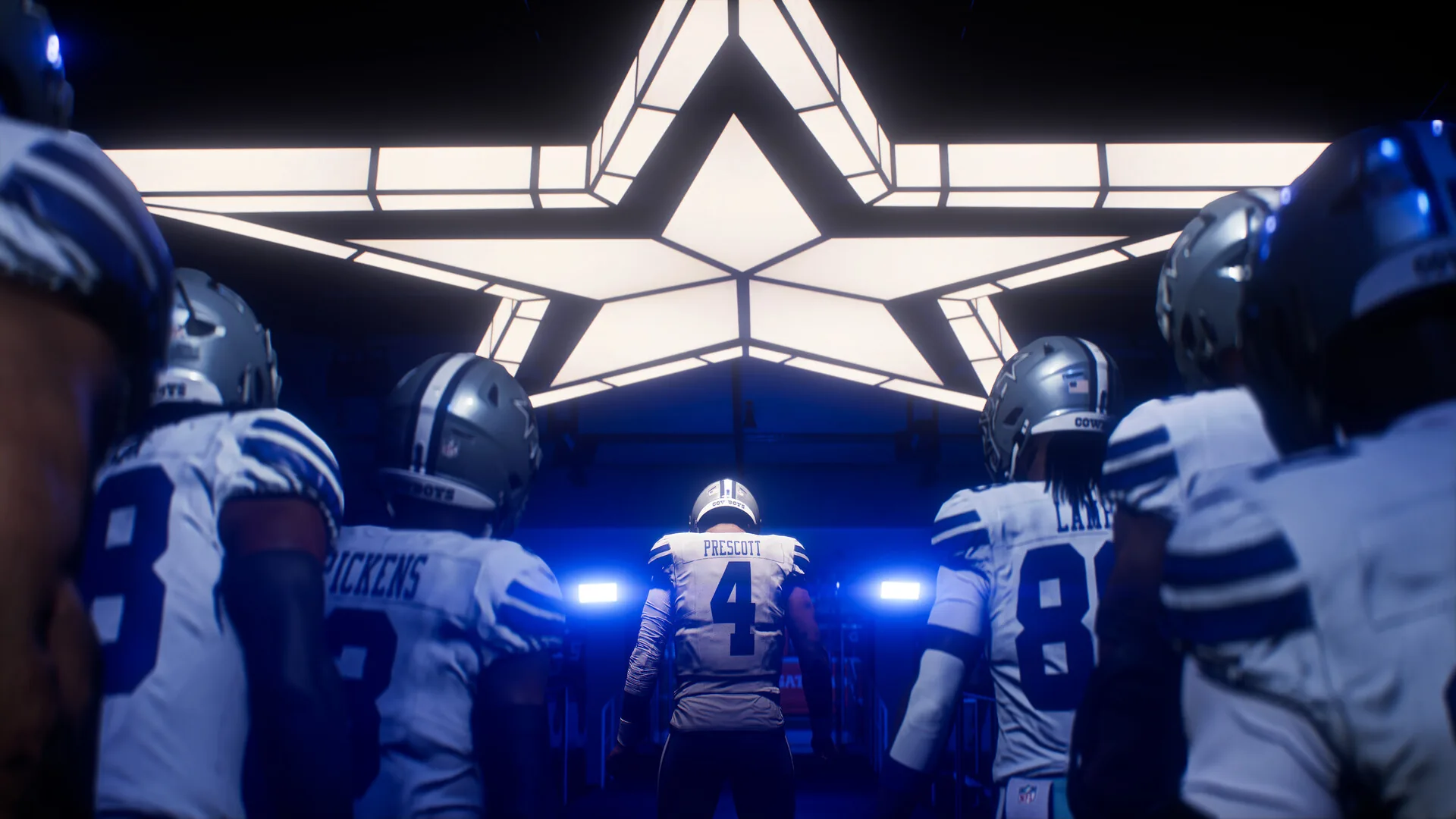
Good news for the hesitant: the game runs at 60 frames per second on Switch 2 docked, and between 40 and 50 in handheld. On-field play targets 60, cutscenes stay at 30. That is markedly better than Madden 26 on the same machine, and the image is less grainy.
Two reservations persist on the Nintendo side, raised by players: there is no crossplay at launch, weekly recaps are still missing and the halftime show is very short. Worth noting too, college football is still not ported to the machine, which grates all the more since a coach import option refers to it.
The new material is real, and for once you cannot say this is simply a new number and new shirts. But two things temper it seriously.
First, the reception. Steam reviews are Mixed, at 46 percent positive across around a hundred ratings. For a game sold at 69.99 euros, that is a signal you cannot brush aside, even allowing for the fact that EA games traditionally collect harsh reviews on that platform.
Second, the arithmetic. The advice long-time players keep repeating is always the same: if you play Franchise alone, an older instalment does the job perfectly well and will cost under twenty euros by season's end. The new version mainly justifies itself for online play, whose servers eventually migrate.
The Persona Engine is the best reason in years to make an exception. Even so, seventy euros is a lot to pay for a jolt in a single mode.
Disagree with the score? Come and tell us on the InsertCoins Discord, where we defend our verdicts live.
Community
Your rating
Advertisement
Loading comments...
You might also like
A procedural Anno where haulage is the real game. Every badly assigned freighter takes its revenge forty minutes later.
Towers, troops, a single pool for both. Every coin spent on defence is a coin you will not be sending the other way.
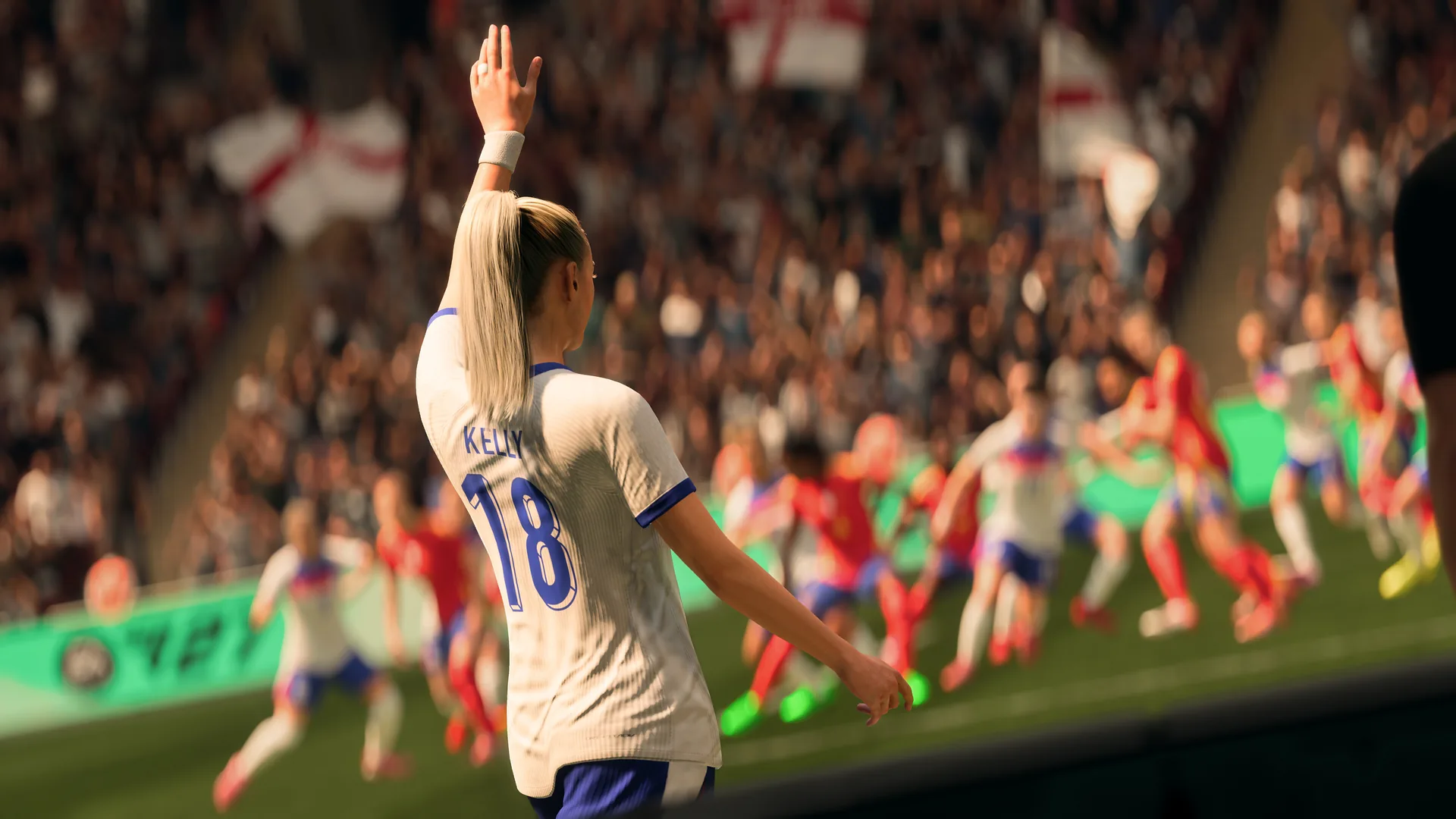
Crossing finally matters and defending responds. Then the screen goes black. 57 per cent positive on Steam, at 69.99 euros.