7
Test
Archipeo: thousands of islands, ships running a shuttle service, and me not sleeping
A procedural Anno where haulage is the real game. Every badly assigned freighter takes its revenge forty minutes later.
Alexandrosse
8 min
Free-form building, farming seasons and thousand-unit battles in ancient China. Rich on paper, still rough in practice.
Alexandrosse
InsertCoins.press Score
6.5/10
Verdict
Mixed
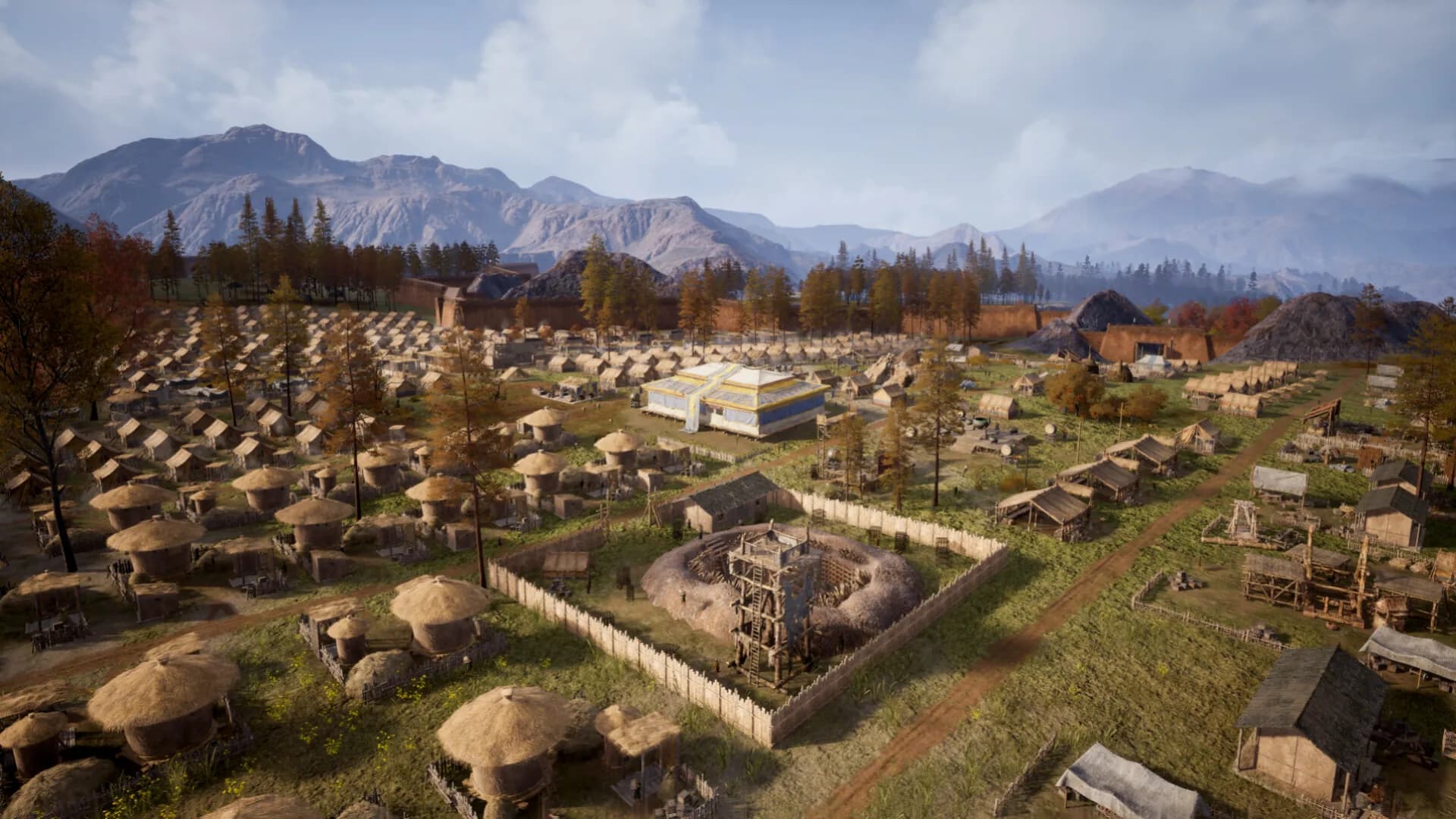
You put your finger on the game's exact visual imbalance, and it is no accident: in Mandate Order the fields are superb and the buildings much less so. There is a design explanation behind that impression, and it is rather to the studio's credit.
Then come the two comparisons that impose themselves, and you are right on both.
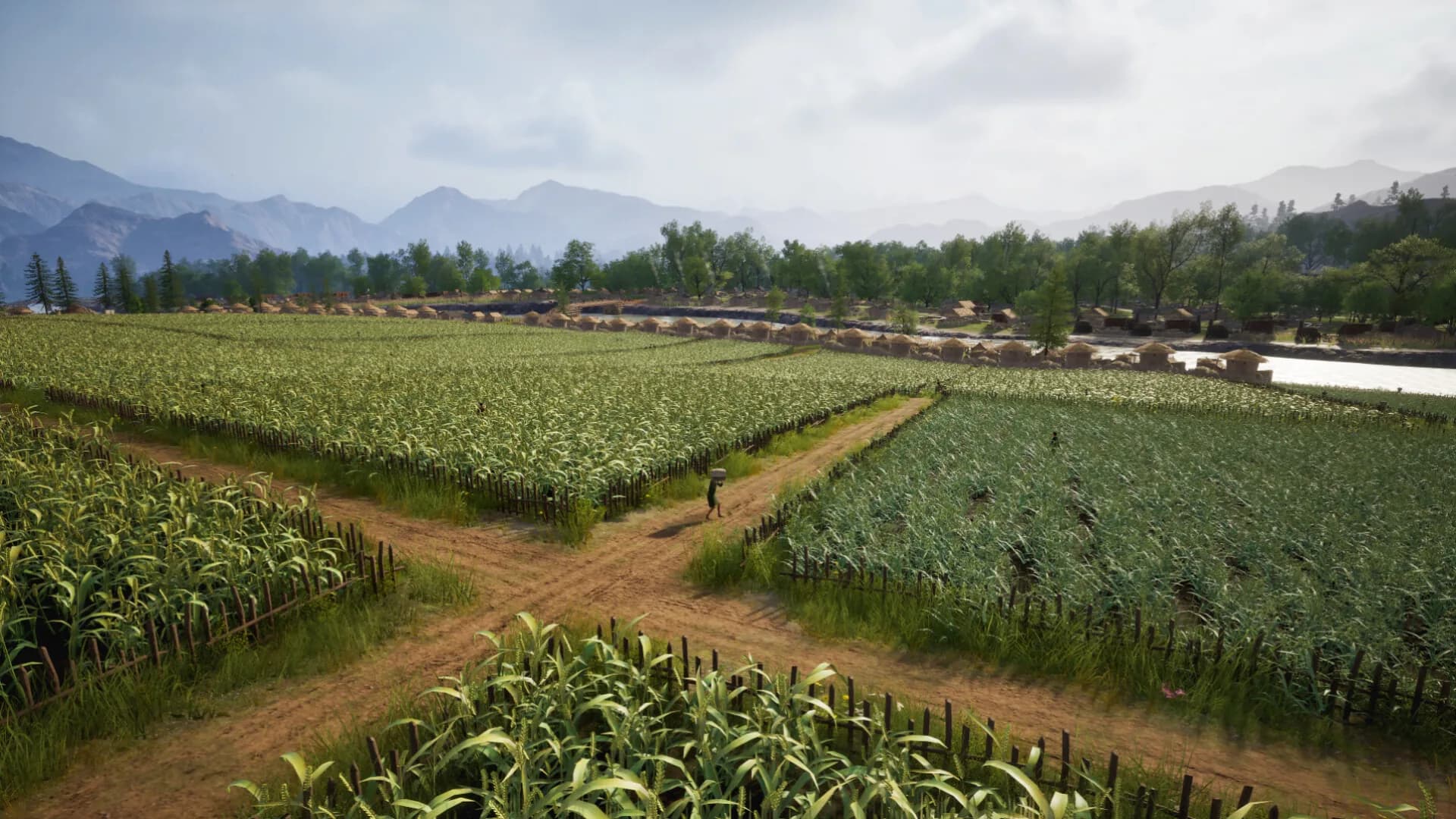
Because they are the subject. The game revolves around a complete annual production cycle, with spring plowing and summer cultivation, and the changing seasons affect not only the visual atmosphere but also city management and the rhythm of marching and warfare.
In other words, crops are not scenery placed around the houses, they are the heart of the system, and the studio Digital Sky has clearly put its artistic effort where its subject lies. The downside is that the architecture ends up relegated, with buildings that are fine but lack the personality you would expect from an ancient Chinese city.
On your Anno comparison, there is no argument: it is not at that level. Anno built its reputation on cities that become paintings, with a density of detail and a visual hierarchy Mandate Order does not approach. It is pretty, it is not sumptuous, and it is not the same budget.
Here again you are on target, and it is in fact the key to understanding the game. Mandate Order is built on exactly the same principles as Manor Lords: gridless free building, structuring farming seasons, local production economy, and real-time battles grafted onto a management game.
The kinship is so clear that you can sum it up this way: it is a Manor Lords that moved to ancient China. With, to its credit, a political layer the model does not have.
That layer is in fact the game's most original element. You recruit retainers from the Hundred Schools of Thought, Confucianism, Daoism, Mohism, Legalism, Militarism, Agriculturalism, and assign them to governance, military command, diplomatic negotiation or national policy development. Add a nine-grid national policy system and court debates, with your retainers' schools bending the direction of the realm. Diplomatically, you form alliances, negotiate ceasefires, open trade or join forces against an enemy grown too strong.
That is a genuine idea, culturally situated, and it is what stops the game from being a simple clone.
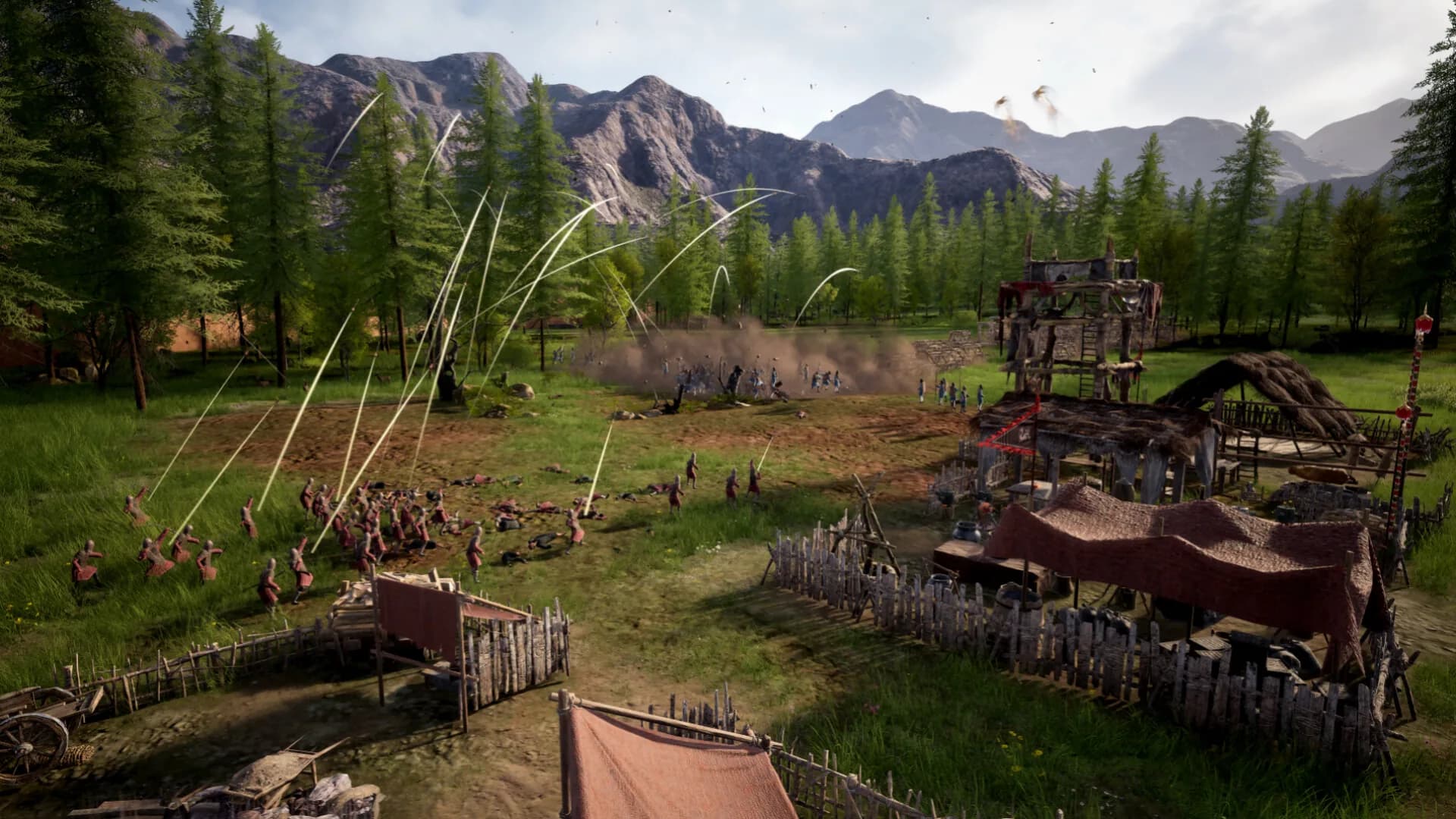
You said the fighting is enjoyable but that we remain in a city builder, not in a Total War. That is exactly it.
On paper the ambition is real: thousand-unit engagements, chariot charges, fortress warfare, a pseudo-physics knockback system, and above all a line-drawing mouse command system that lets you quickly deploy formations to encircle, break through, besiege or defend. You also build a proper defensive apparatus with walls, towers, catapults and ballistae.
But the tactical depth is not that of a game whose whole job this is. Line-drawing is built to be immediate, not to offer the manoeuvring finesse of a Total War, and battles remain the conclusion of a management session rather than a self-sufficient system. That is not a flaw in itself, it is a positioning, but better to know it before buying in the hope of the opposite.
The game launched yesterday in Early Access at a little over sixteen euros, and early feedback is Mixed: 66 percent positive across around forty reviews. The sample is small and needs confirming, but it matches the general impression of a game rich in systems and still rough in execution.
That is the owned risk of this formula: stacking free building, seasonal agriculture, diplomacy, schools of thought, national policy and large-scale battle is a lot for a studio this size, and it is common for those layers to coexist without really talking at launch. Early Access exists for that.
Still, the proposition is likeable and culturally refreshing, which counts for something in a genre saturated with European medieval villages. And good news, rare enough for a project from China: the game is available in French.
If you prefer Manor Lords, you will keep preferring it. But if you have finished it and the idea of starting again with Hundred Schools and war chariots amuses you, there is enough here for a few evenings.
Disagree with the score? Come and tell us on the InsertCoins Discord, where we defend our verdicts live.
Community
Your rating
Advertisement
Loading comments...
You might also like
A procedural Anno where haulage is the real game. Every badly assigned freighter takes its revenge forty minutes later.
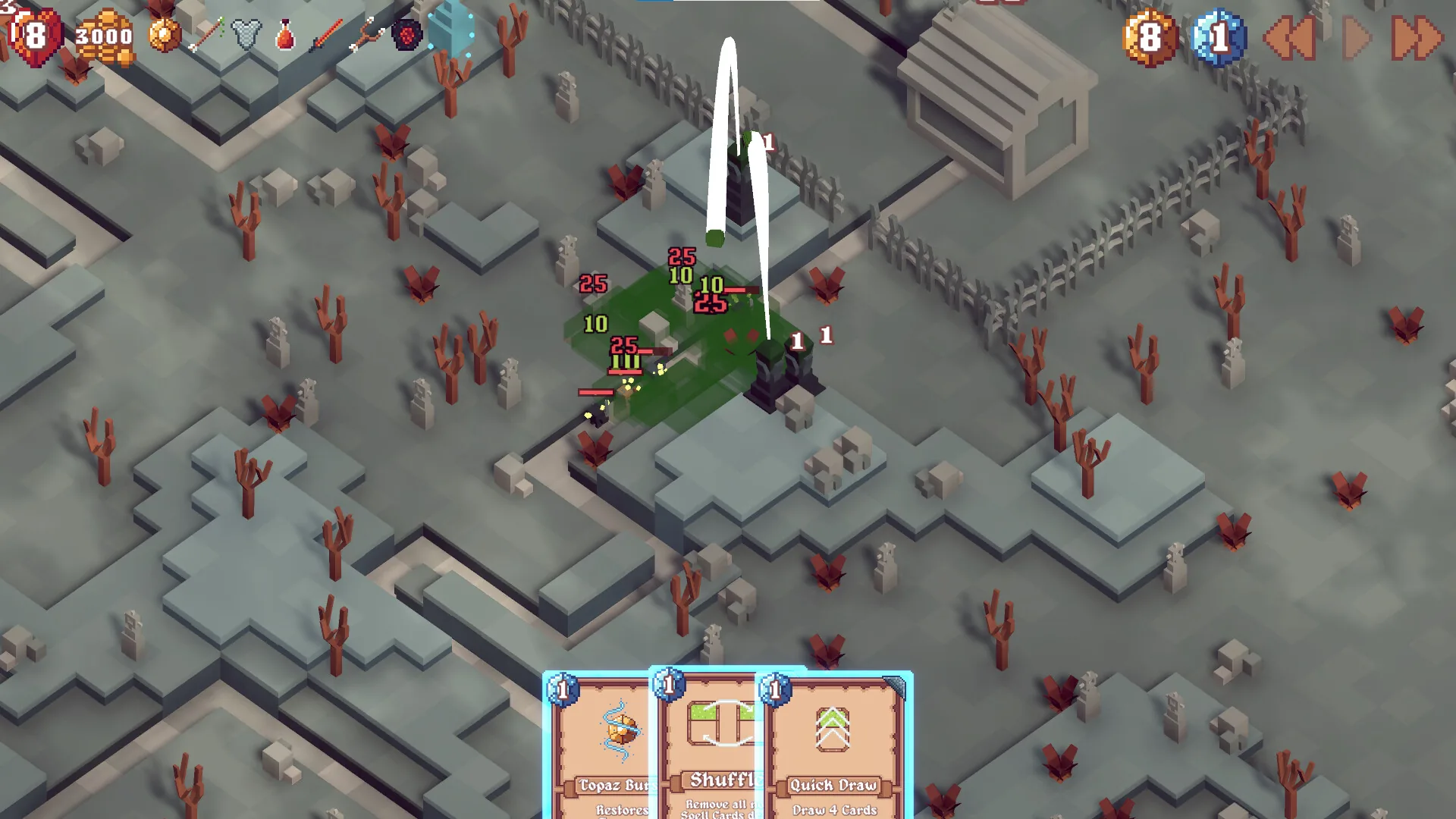
Towers, troops, a single pool for both. Every coin spent on defence is a coin you will not be sending the other way.

Crossing finally matters and defending responds. Then the screen goes black. 57 per cent positive on Steam, at 69.99 euros.