7
Test
Cricket Management 26: one person built the Football Manager of cricket
Thirty-nine patches in two months, 64 international sides, facilities to maintain and a match engine that understands swing.
Alexandrosse
12 min
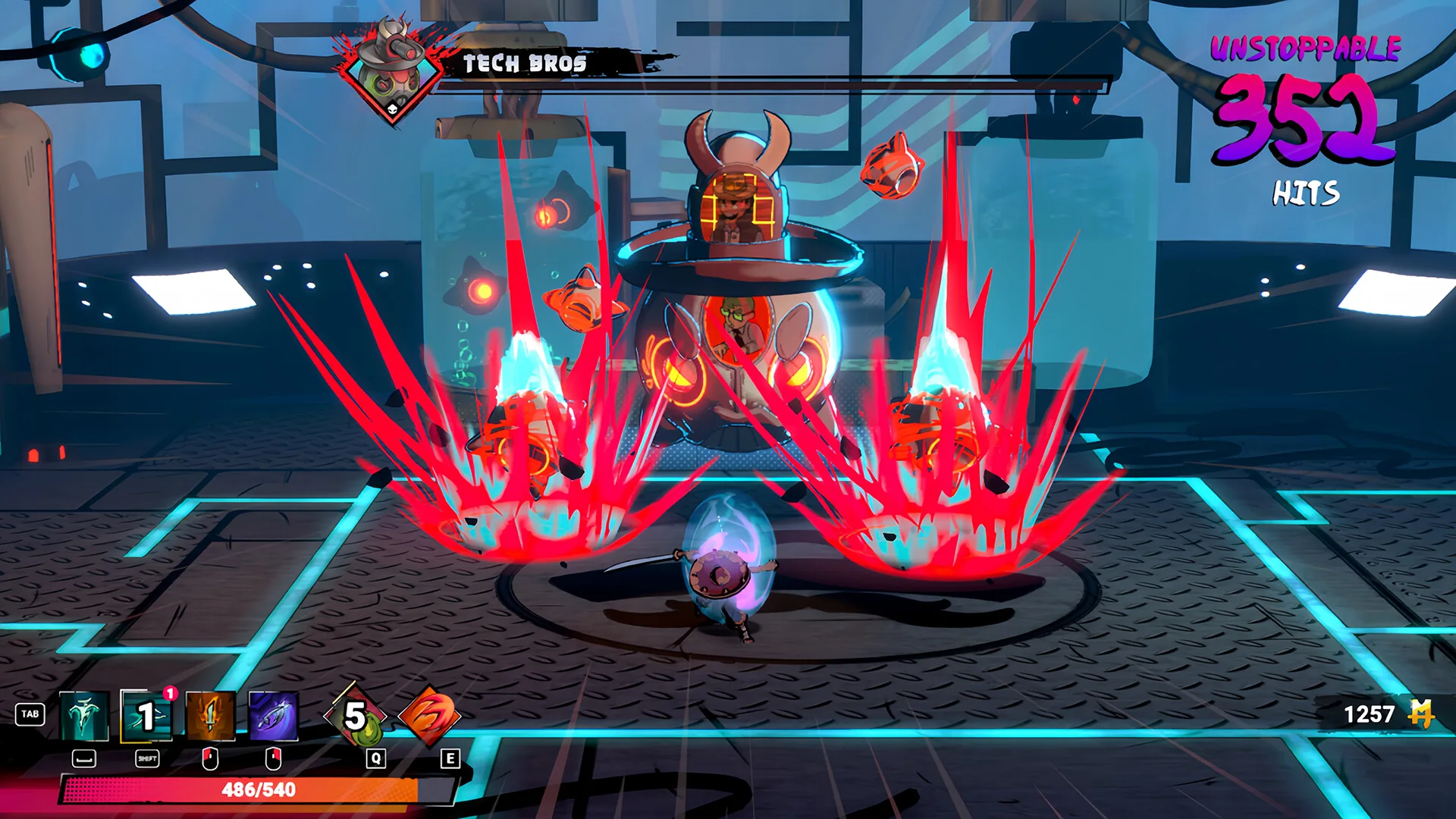
Japan and Mexico collided, a feudal regime of narcos and yakuzas, and ridiculous Mexican Jutsus. Exactly what it advertises.
Alexandrosse
InsertCoins.press Score
7/10
Verdict
Recommended
There are games you judge on restraint and games you judge on the total absence of it. Mexican Ninja belongs firmly to the second category, and it is better to know that before opening the page.
The pitch: Japan and Mexico collided in fire, power and betrayal, and Nuevo-Tokyo was born from it. A feudal regime was forged there between narcos and yakuzas, forming a new ruling class, the Narkuzas. They are the law, and the law, as the game puts it in its own words, thoroughly sucks.
A fast, chaotic 2.5D roguelike beat em up where every run unlocks new powers, builds and Mexican Jutsus.
The structure is the genre's: you cross the city, you take hits, you die, you start again with a bit more in your pockets. The game presents itself as pick-up-and-play while claiming a deceptive depth beneath the apparent simplicity.
What actually counts is what the studio puts forward as the foundation of combat: precise movement, positioning and perfectly timed attacks decide every fight.
That is the right promise for a beat em up. The difference between a button-masher and a good one sits exactly there: in the fact that placement matters as much as hitting, and that an attack's timing beats its quantity.
The streets, the studio promises, never give you a break, no matter how many have already fallen.
It has to be discussed because it is what sells the game.
The cultural blend is pushed to deliberate absurdity, and the game never apologises. The tone is that of a street storyteller pulling you aside to tell you something, with the Spanish turns of phrase left in the text as they are.
It is an owned B-movie aesthetic, and the question is not whether it is subtle but whether it holds. On the evidence of what the game shows, it does: the stylised streets of Nuevo-Tokyo have a real graphic personality, and the world is coherent in its excess.
Five Narkuza clan heads provide an objective structure, giving progression a spine many roguelikes of this type lack.
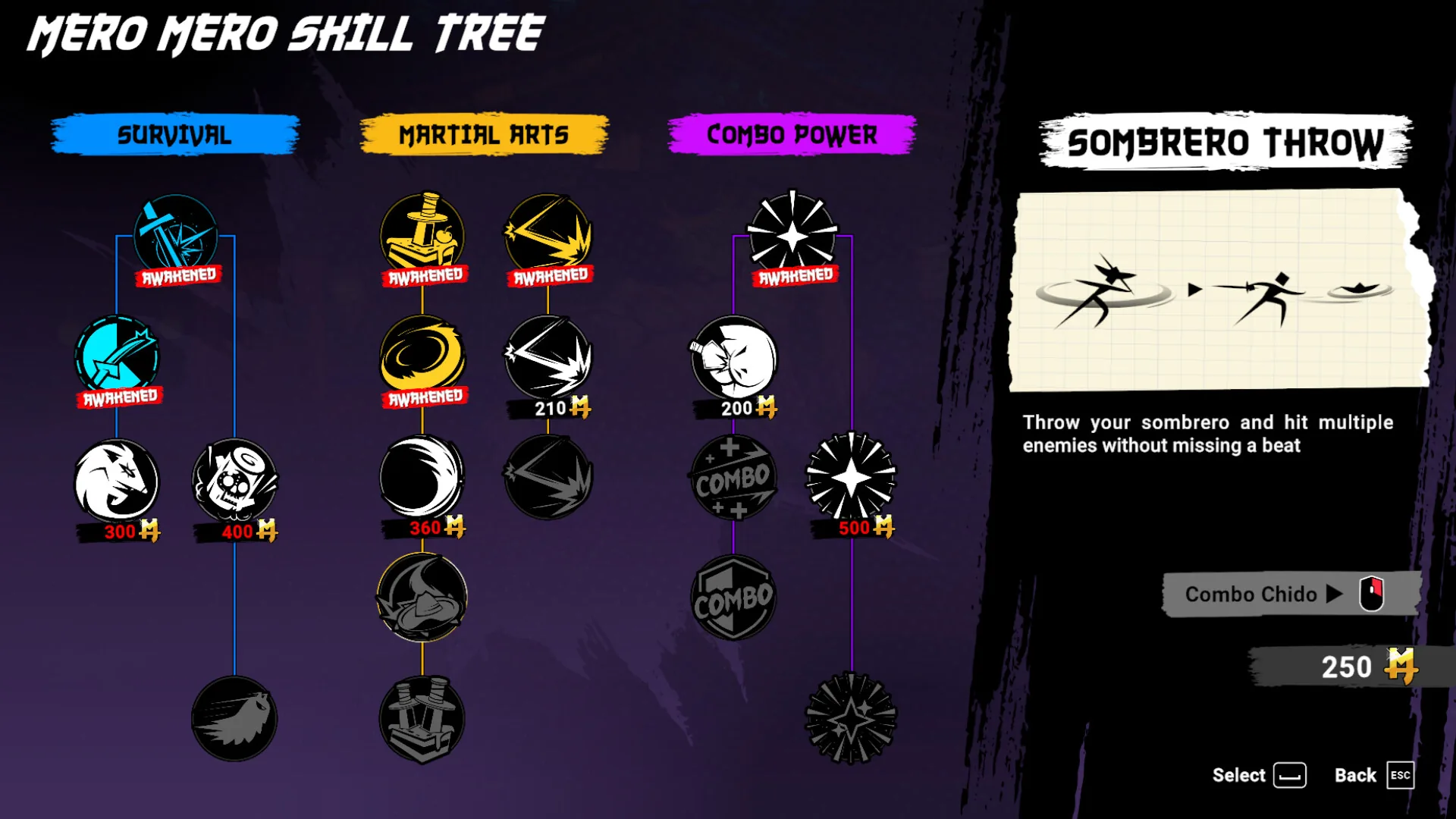
The first risk with this kind of game is repetition. A run-based beat em up lives on the variety of its powers and on the feel of its strikes. If the Jutsus blur once the novelty passes, only the scenery remains.
The second is the tone itself. Outrageous humour works at full volume or not at all, and anyone who does not step into it in the first minute never will.
The third is more prosaic: the game launches today, developed by Madbricks and published by Amber Studio, without a single community review. Any assessment of longevity remains to be confirmed.
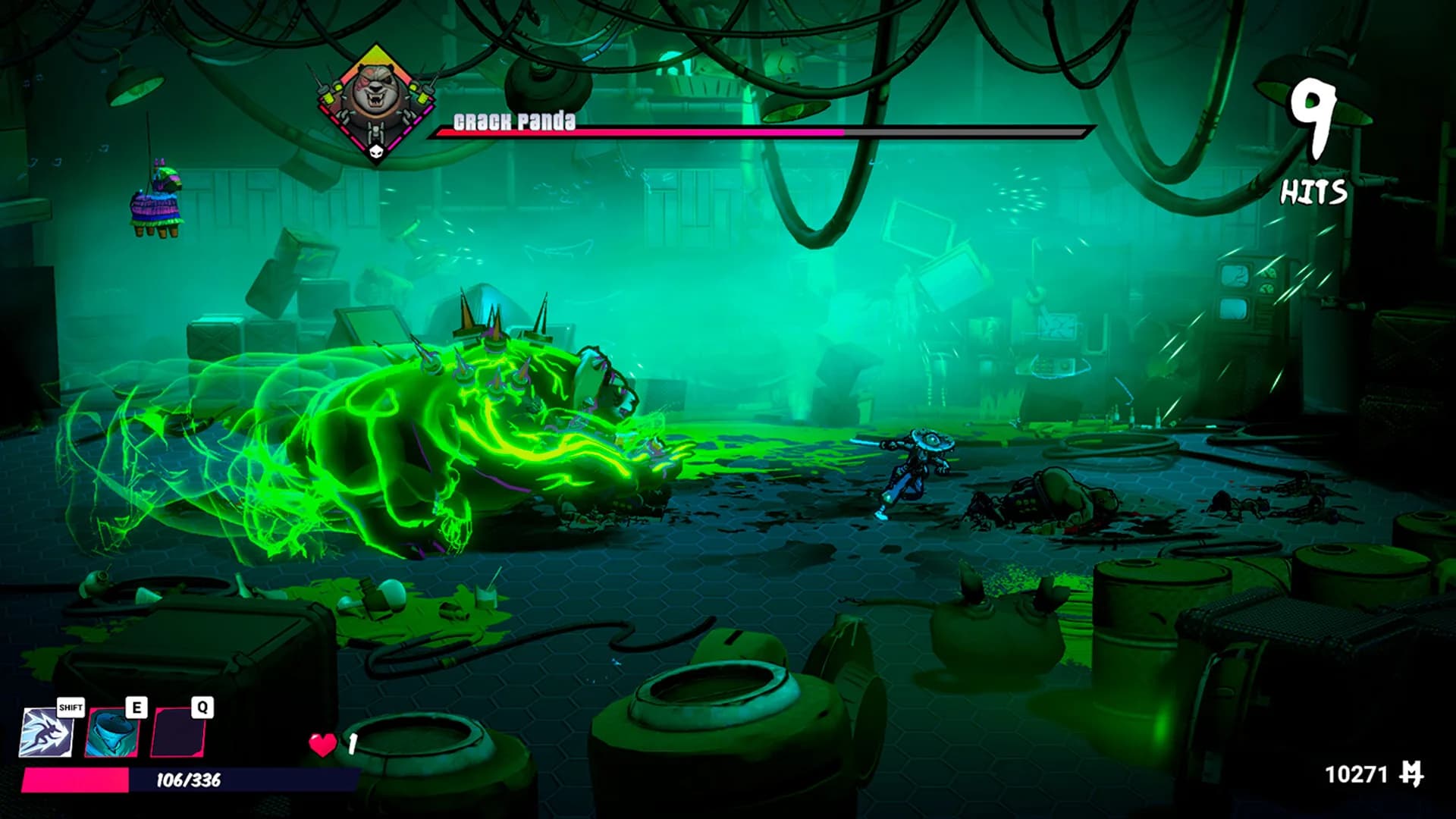
It rewards a world with immediate identity that it owns all the way through, a carefully styled street art direction, and above all a combat foundation putting positioning and tempo at the centre rather than hammering.
It accounts for the repetition risk inherent to the format, a divisive humour that will lose part of the audience, and a depth of content still to be verified beyond the opening hours.
If the concept makes you smile, it will probably deliver what it promises. If it makes you roll your eyes, walk on, the game will not try to convince you.
Beat em ups: is it the number of enemies or the quality of your placement? Come and argue on the InsertCoins Discord.
Community
Your rating
Advertisement
Loading comments...
You might also like
Thirty-nine patches in two months, 64 international sides, facilities to maintain and a match engine that understands swing.
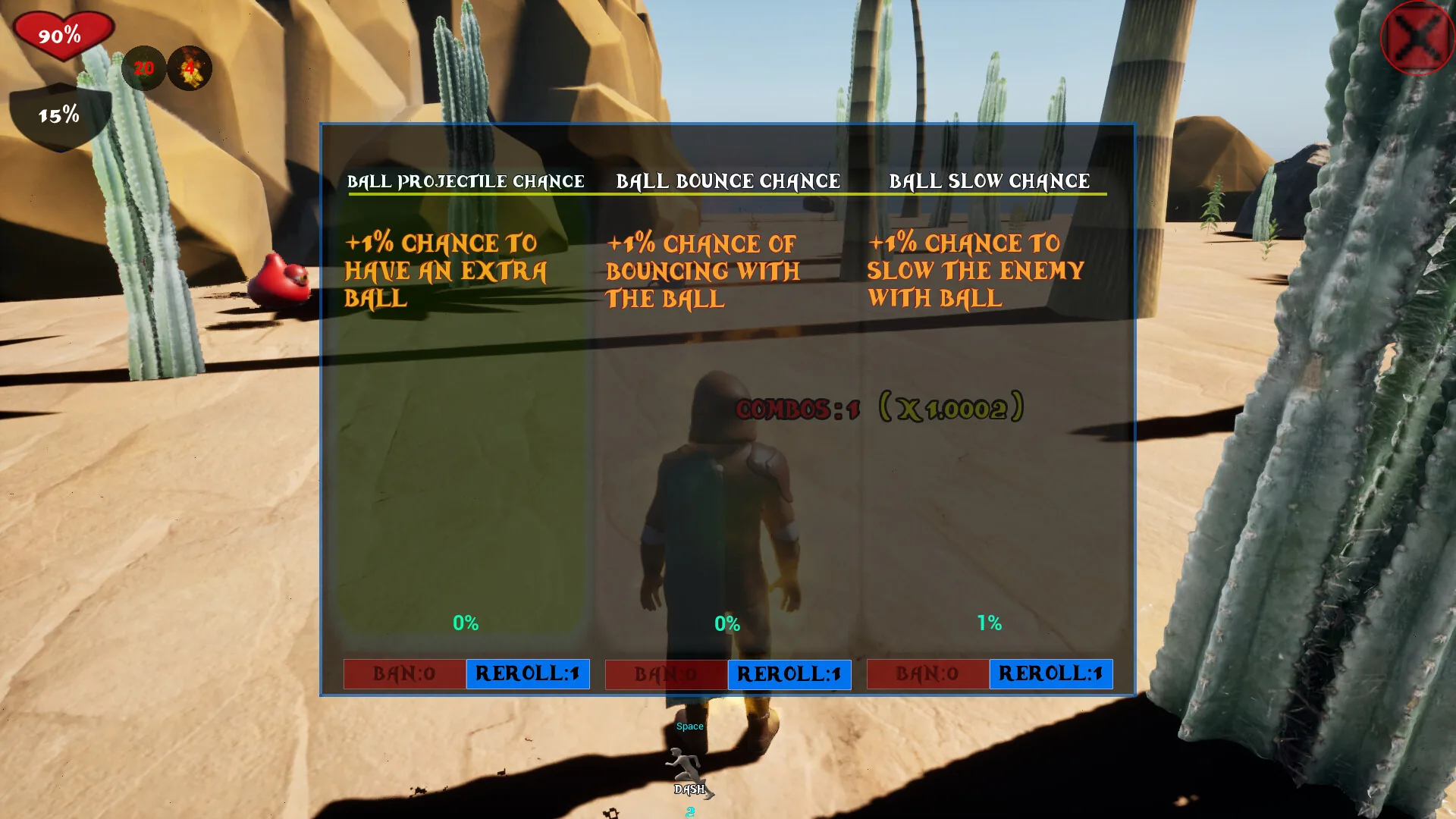
A hundred and fifty talent nodes, a smart ban system, and rocks that stayed white spheres.
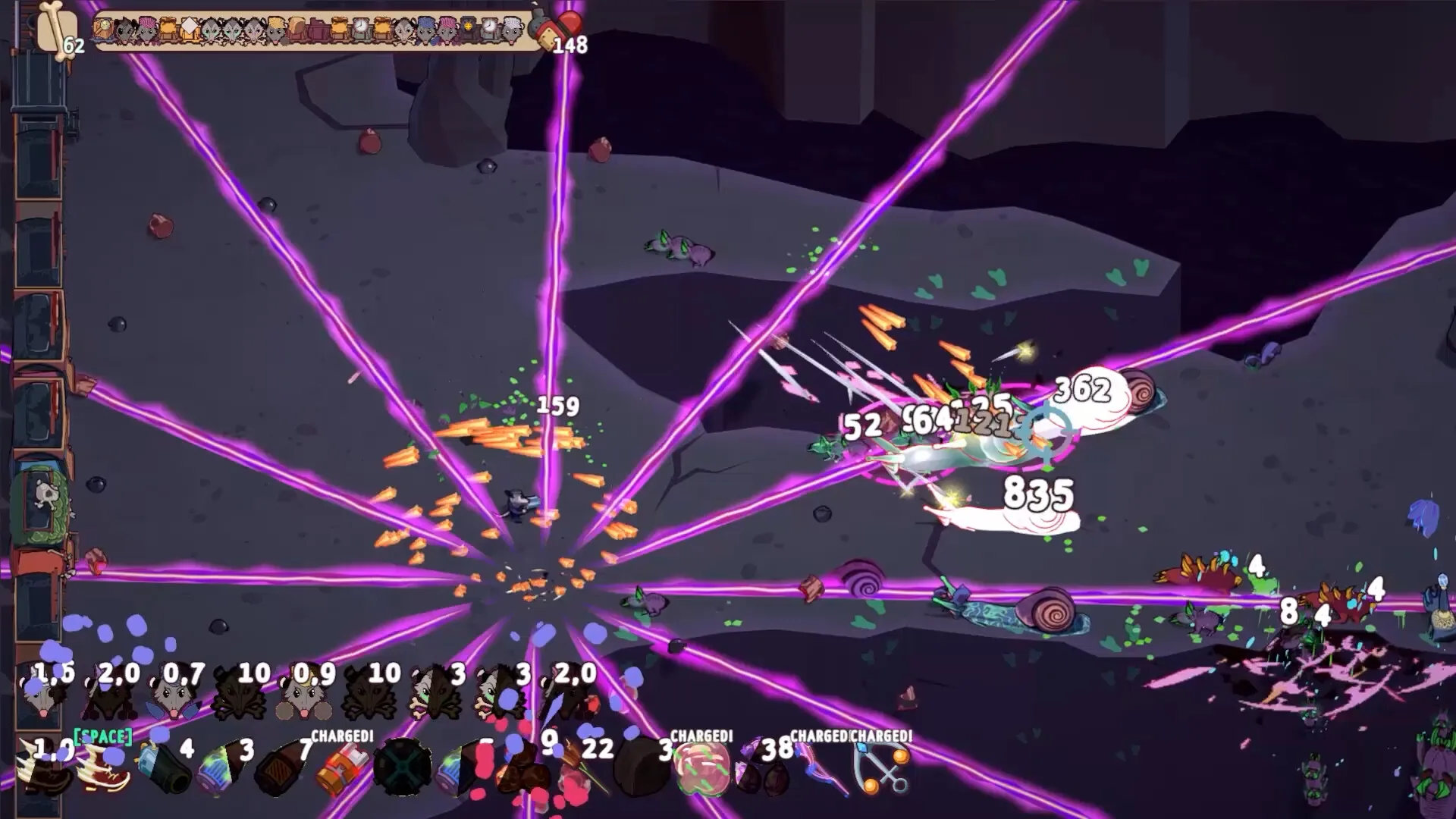
Your railcars are your health and your skills at the same time. Assuming the game gets past the loading screen.