7
Test
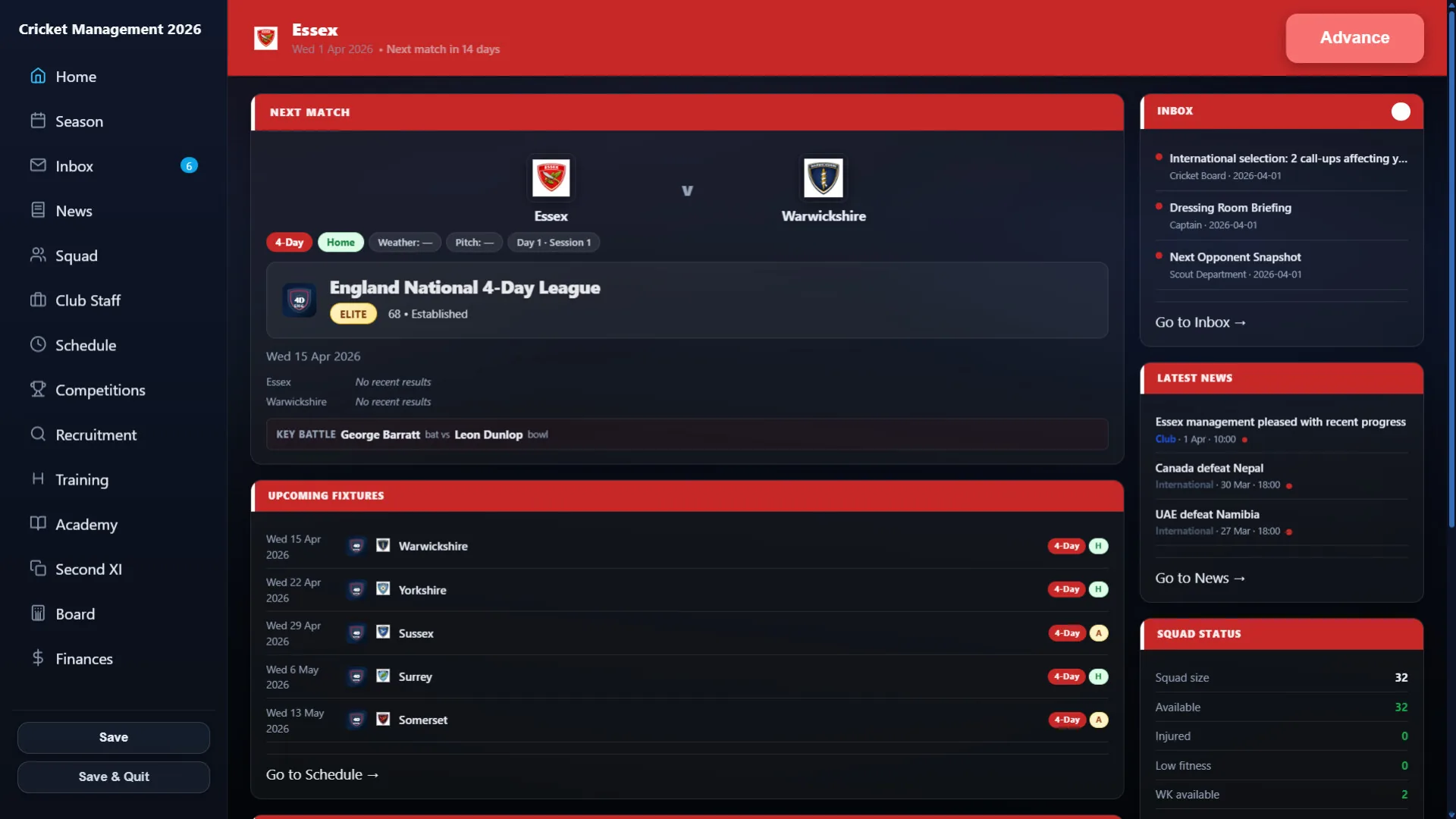
Cricket Management 26: one person built the Football Manager of cricket
Thirty-nine patches in two months, 64 international sides, facilities to maintain and a match engine that understands swing.
Alexandrosse
12 min
No stamina, a compact open world, eight dead warriors to inhabit. Cold Symmetry turns a tech demo into an actual game.
Alexandrosse
InsertCoins.press Score
8/10
Verdict
Recommended
The first Mortal Shell had one good idea and not much around it. You could feel the tech demo in it, the concept laid down before the game, the ambition of a small team outrunning its means. It had defenders, and it had rather more people who dropped it partway.
This sequel bears no relation. It is the kind of leap you rarely see from one entry to the next.
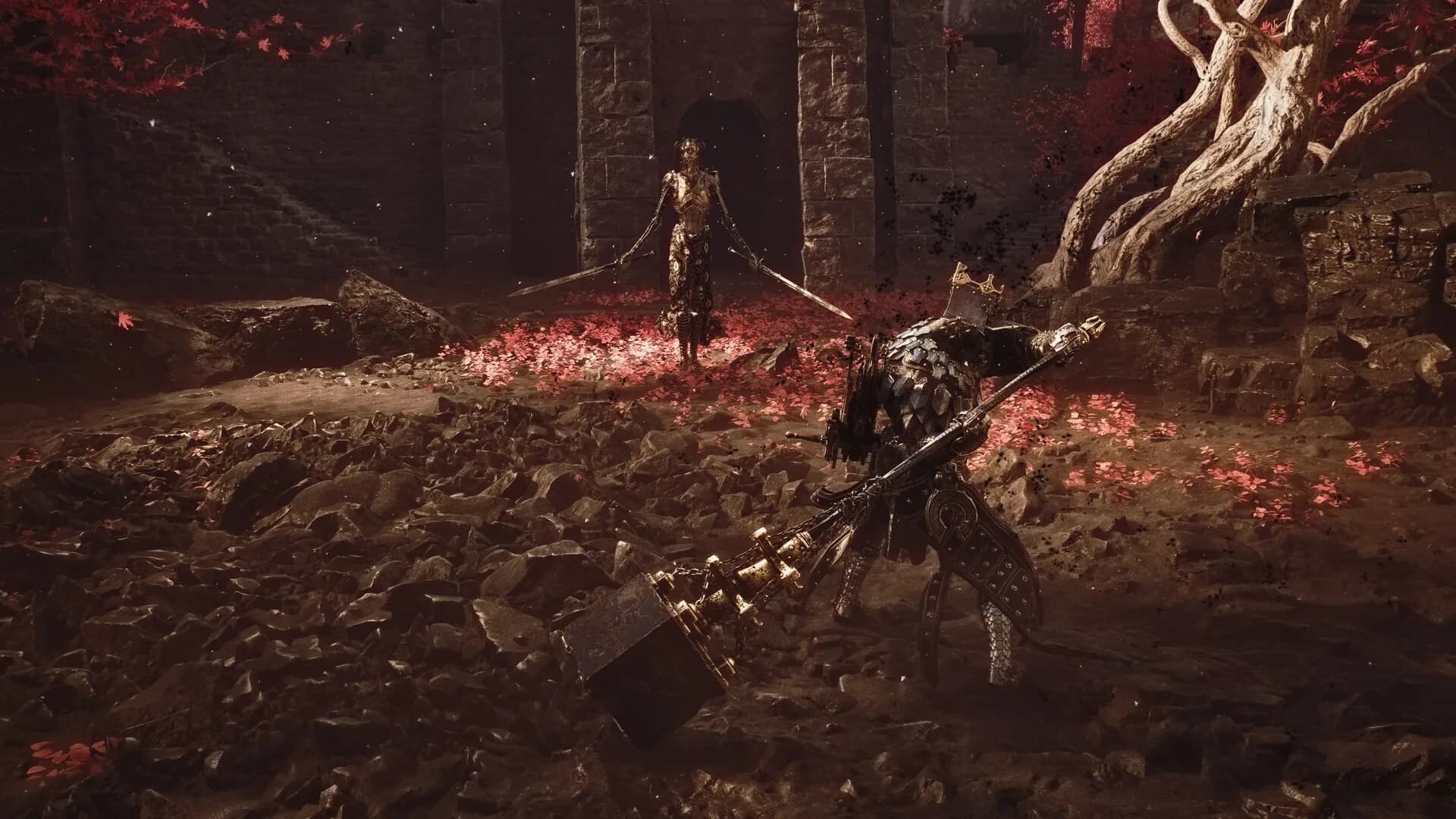
Everything is grey, everything is burnt, everything looks like it already ended. The game pulls off something difficult: it feels like moving through the remains of something rather than through scenery designed to look good.
It is grim in the right way, with the rare quality of making a world unsettling without resorting to jump scares. The art direction evokes black metal more than classic dark fantasy, and it holds from start to finish.
For anyone wanting something other than FromSoftware without wanting a tracing, this is currently the most solid address on the market.
The most important design decision fits in one line: there is no stamina bar.
In a souls-like, stamina is the rudder. It sets the pace, it punishes greed, it turns every dodge into an expense. Removing it could have produced a mushy game of button mashing.
The opposite happens, because the game moves the constraint elsewhere: onto enemy posture, which you have to shatter to land critical strikes. You are no longer limited by what your own body can take, but by how long it takes to break the guard opposite.
The result is combat noticeably faster and more aggressive than the first game, without becoming mindless. Certain items and playstyles even let you stay offensive permanently: there is a block usable during any animation, with a cooldown, unless you deflect at the last fraction of a second, in which case there is no cooldown at all. Precision is paid in tempo rather than in a gauge.
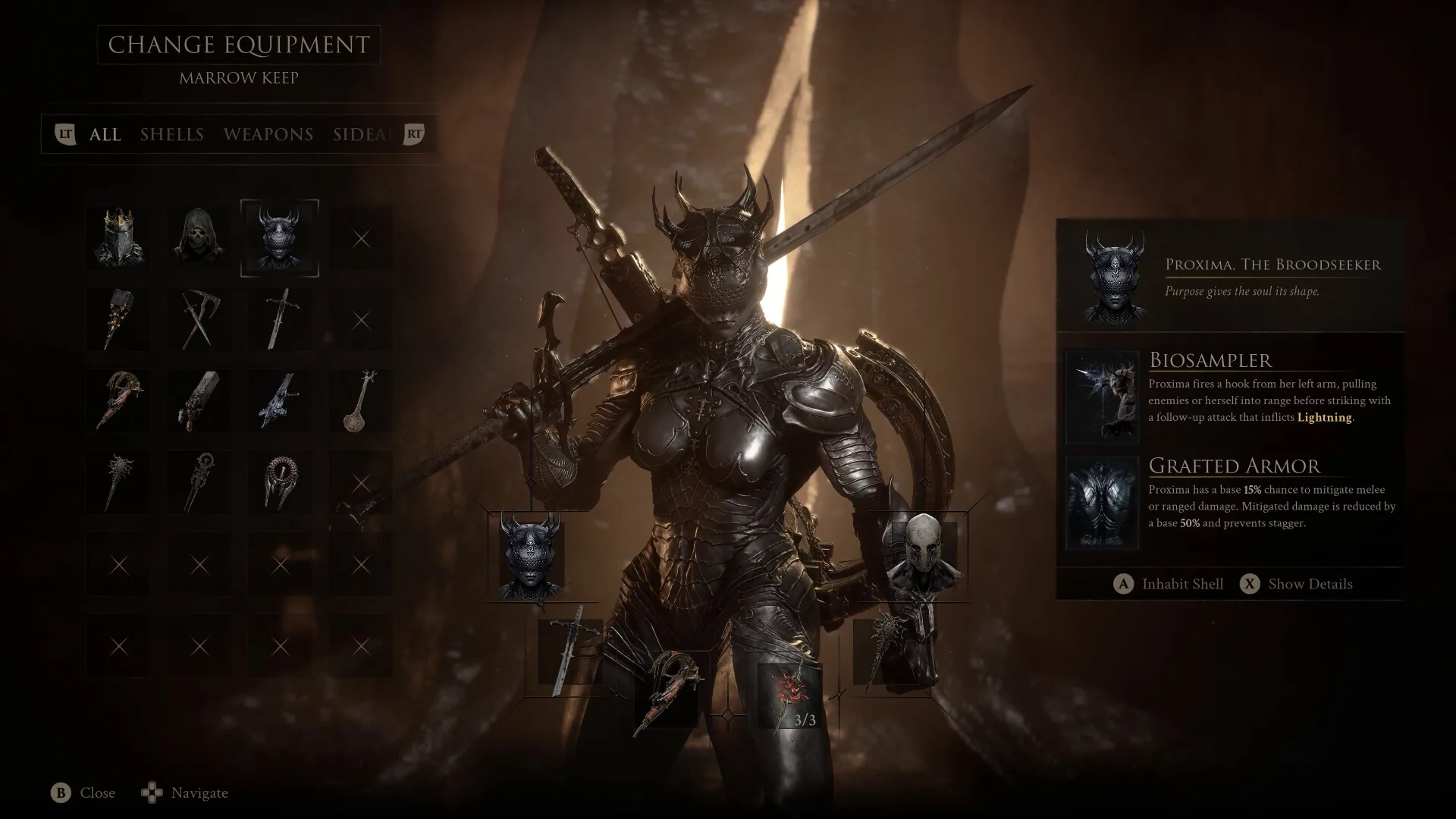
Eight Shells of forgotten warriors are scattered across the world. You seek them, possess them, unleash their innate abilities, and discover their story by unravelling their secrets.
It is the series' founding idea and it is better used here: each Shell is at once a class, a set of abilities and a fragment of narrative. Hunting the next one is not only a power increase, it is a reason to explore.
Add melee and ranged weapon upgrades, with genuine trade-offs, and more flexible builds than the original allowed.
The studio's own phrasing deserves quoting, because it is rare and it holds: the world is compact, tightly interconnected and designed with respect for the player's time.
That is exactly the right compromise. This is neither the corridor of a Lies of P nor the immensity of an Elden Ring where you cross ten minutes of nothing. Shortcuts join up, the map folds back on itself, and those who leave the golden path genuinely find something: new Shells, weaponry, upgrades, curiosities.
Fallgrim is the game's real character, and exploring it is rewarded without being mandatory.
Critical reception is very favourable but not unanimous, and the complaints converge.
Weapon variety is limited, and the upgrade system stays rudimentary. For a game betting on character building, that is the most regrettable gap, and several reviewers point at it.
The talent trees are shallow. You can feel the skeleton of a more ambitious system that was never filled in.
Bugs remain. Several testers report temperamental bosses, scenery you can fall through, and at least one forced restart mid-playthrough. Not fatal, but irritating on a game sold at fifty euros.
Difficulty divides. It is well calibrated for newcomers to the genre, but souls-like veterans risk finding it soft. That is not a flaw as such, it is a positioning to know before buying.
One last honest point: this game invents nothing. It executes very well, it asserts an identity, but it does not move the genre.
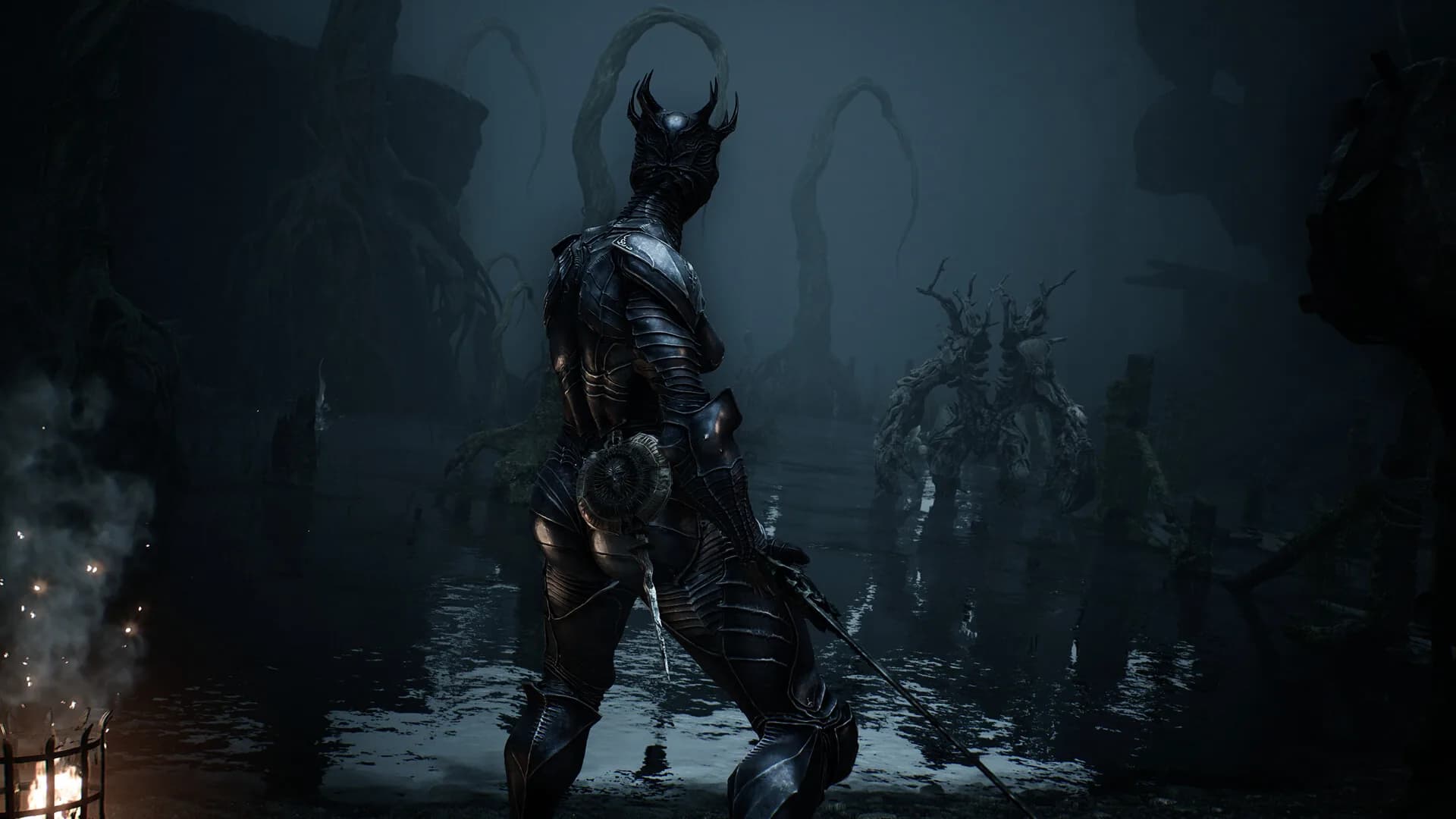
It rewards the best atmosphere in the genre outside FromSoftware, a combat system that dares to remove stamina and finds something to put in its place, a compact world where exploring pays, and a Shell system finally used for what it is worth.
It also rewards a remarkable studio trajectory: going from a shaky tech demo to a complete game in one entry does not happen often, and deserves saying.
It accounts for too thin an arsenal, disappointing talent trees, rudimentary weapon upgrades and technical finish still imperfect at launch.
If you were waiting for a credible alternative to FromSoftware, here it is. If you were waiting for the genre to be reinvented, no.
So tell us: removing stamina from a souls-like, heresy or the best idea of the year?
We argue about it on the InsertCoins Discord, where positions run firm.
Community
Your rating
Advertisement
Loading comments...
You might also like
Thirty-nine patches in two months, 64 international sides, facilities to maintain and a match engine that understands swing.
A hundred and fifty talent nodes, a smart ban system, and rocks that stayed white spheres.
Your railcars are your health and your skills at the same time. Assuming the game gets past the loading screen.