There is a review, among the mass of feedback on Neon Abyss 2, that fits in one sentence and sums the problem up better than three paragraphs of analysis.
"They made a co-op Neon Abyss and then made it to where only the host can unlock things, including characters."
There it is. The game sells four-player online co-op as its headline addition. And inside that co-op, three players out of four are playing for somebody else's progress.
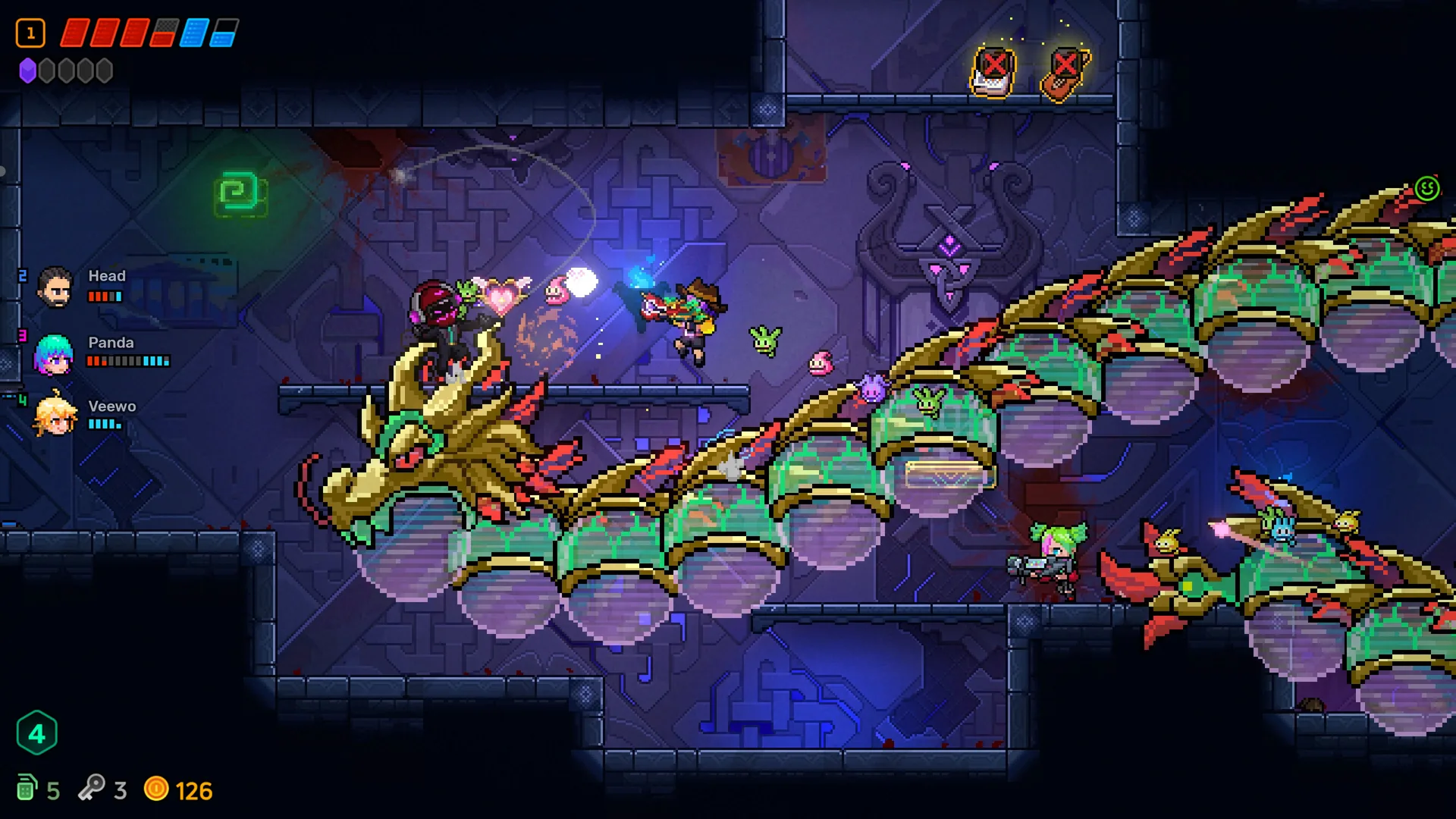
The first Neon Abyss was a very good roguelite shooter, the sort you recommend without hesitation to anyone who liked Enter the Gungeon or The Binding of Isaac. Garish pixel art, absurd weapons, and above all an item system that stacked without limit until the situations became ridiculous.
The sequel keeps all of that. The 1.0 ships today after a run through early access.
What is announced: faster combat, four clearly distinct playstyles (bat or saber up close, deadly plants, or commanding dragon-like creatures), randomly dropped items that combine unpredictably, and no cap on how many items you can carry.
Plus four-player online co-op, with the option of exploring different rooms of the same map to move faster.
On paper, exactly the right move.
The movement and the shooting are good. The players who like the game all talk about the same thing: a sense of rhythm, simple controls, and that particular quality of good roguelites that has you queueing up another run without thinking.
One player sums it up in a sentence I find honest: if you really loved Enter the Gungeon, you cannot miss Neon Abyss.
And the item stacking still does its job. There is a moment in every good run where your character becomes a statistical anomaly and you clear a room by walking into it. It is dumb, it is glorious, it is why we are here.
Players from the closed playtest also note that the studio listened to feedback, and that the difference between the test build and today's is clear. Credit to Veewo Games for that.
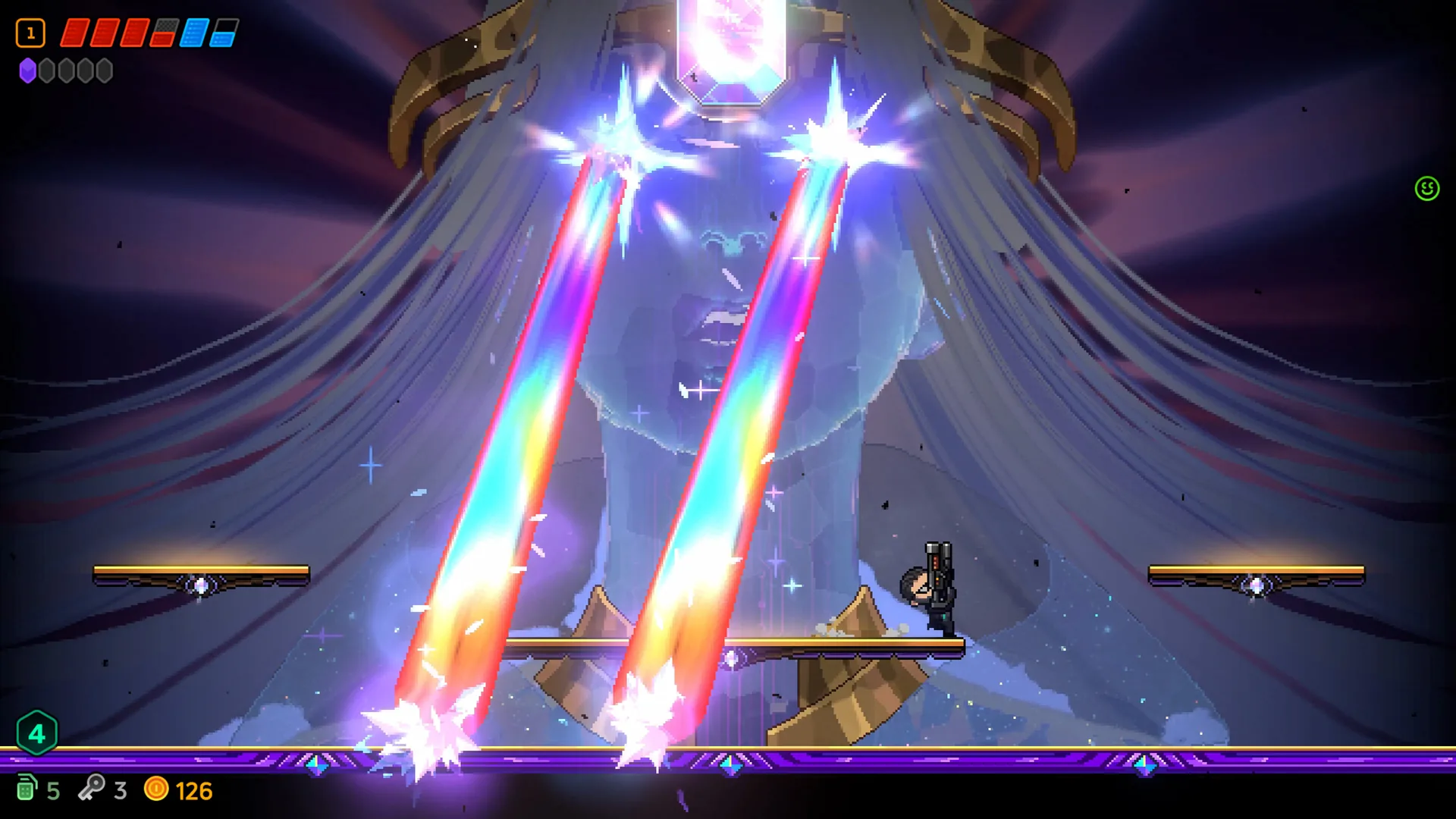
And now the list, because it explains why a game this twitchy sits at seven positive reviews in ten.
The host, again. I am coming back to it because it is structural. In a roguelite, progression between runs is the contract: you lose, but you leave with something. Removing that contract from three players out of four, in the mode the game is built around, turns your friends into extras.
The comparisons with the first game are harsh. Several veterans talk about watered-down mechanics, a sterile interface and recycled content. One player with seventy hours writes that the game was fine at launch and got worse with the updates. That is not the majority view, but it recurs too often to ignore.
Combat readability. One player details a boss whose spikes are, in his account, impossible to dodge, in a genre built entirely on the idea that you can always get out if you read it right. And several note that you can no longer see a weapon's element, information that existed before and was useful.
And one absurd technical detail: a player reports that the title screen eats 98 per cent of his graphics card, with no option to cap it. Cooking a machine on a menu is the sort of thing fixed in an afternoon and that makes a terrible first impression.
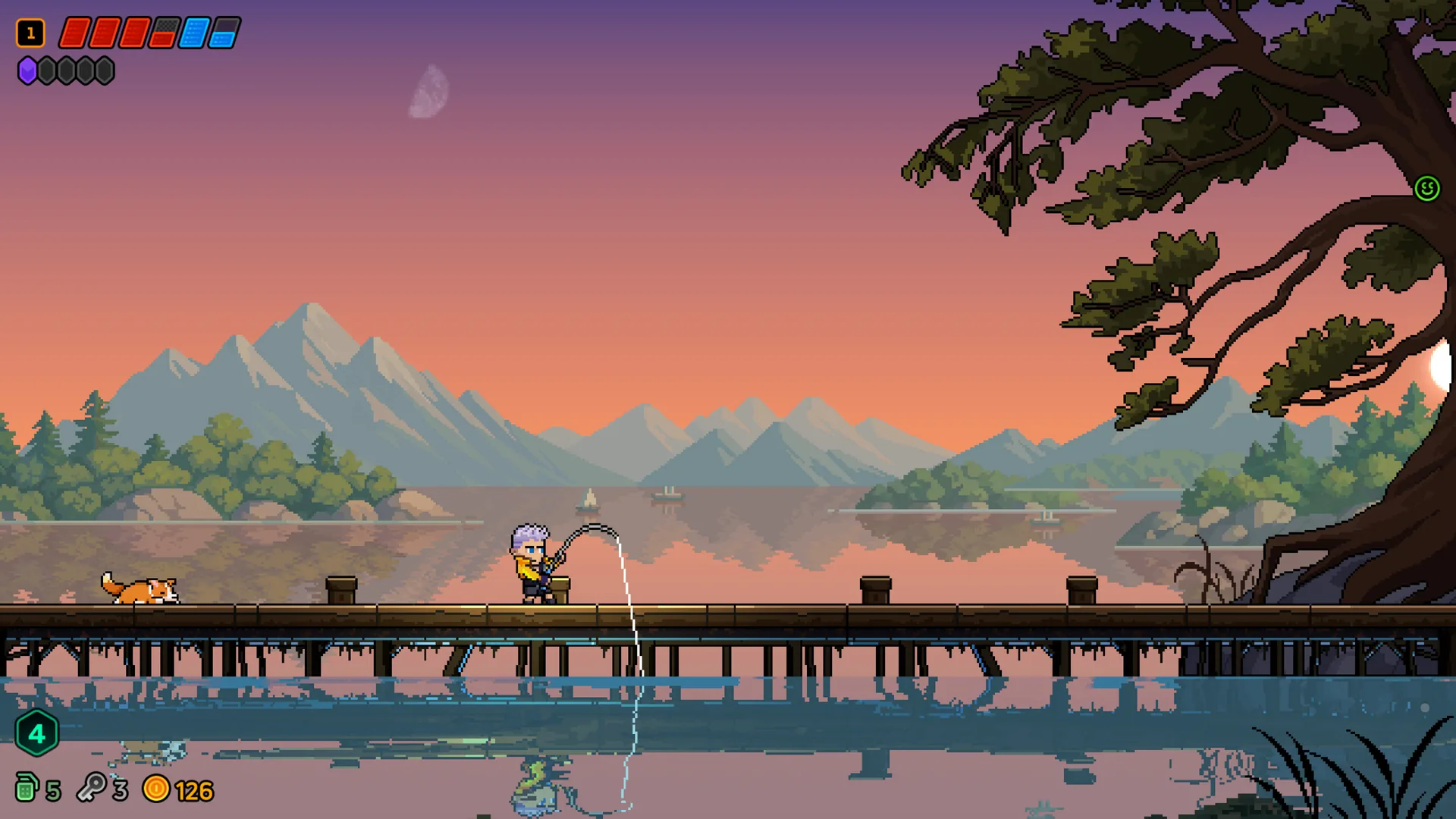
Last point, and it divides people.
Several players, including some who recommend the game, feel the late game depends too much on the draw. One describes twenty minutes of resets without seeing a single item from a category he needed. Another explains that some combinations make the game trivial while others make it nearly impossible, and still gives it 8.5 out of 10.
That is the genre's eternal argument, and it has no clean answer. But when it comes up this often, the distribution usually deserves another pass.
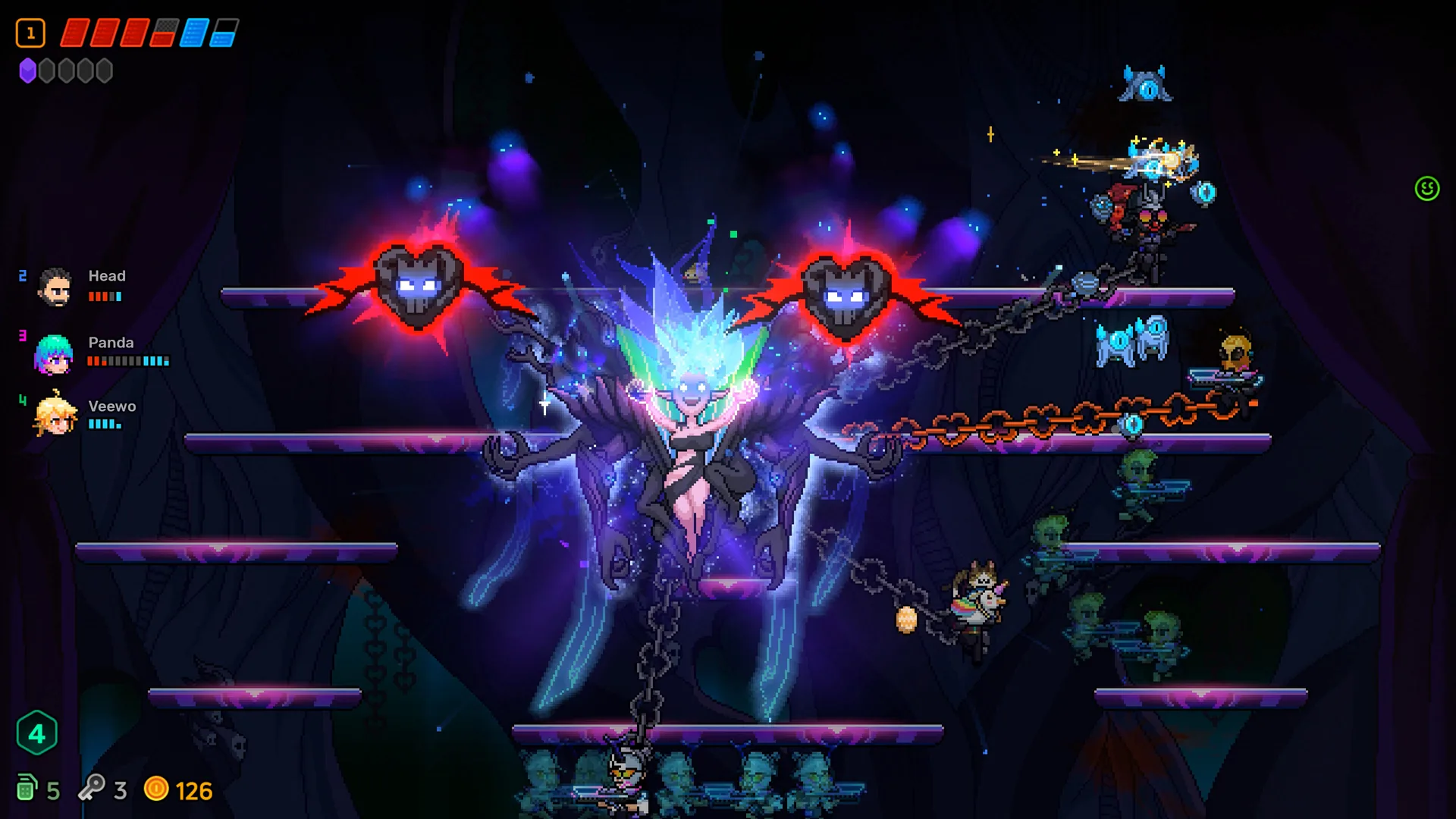
1,681 positive reviews out of 2,379. A little over seven in ten. That is the reception of a good game that disappointed people who arrived with expectations, which is the fate of every sequel.
My view, fundamentally: there is a sincerely entertaining roguelite shooter here, colourful, generous with items, and entirely recommendable if you are new to the series.
If you are coming from the first game, take it on sale and wait for two patches. And if you are buying it to play four-handed, draw lots for who hosts before you start, because that person is making everybody's progress.
Got an item combination that broke a run? That is the kind of thing we collect on the InsertCoins Discord.