5
Test
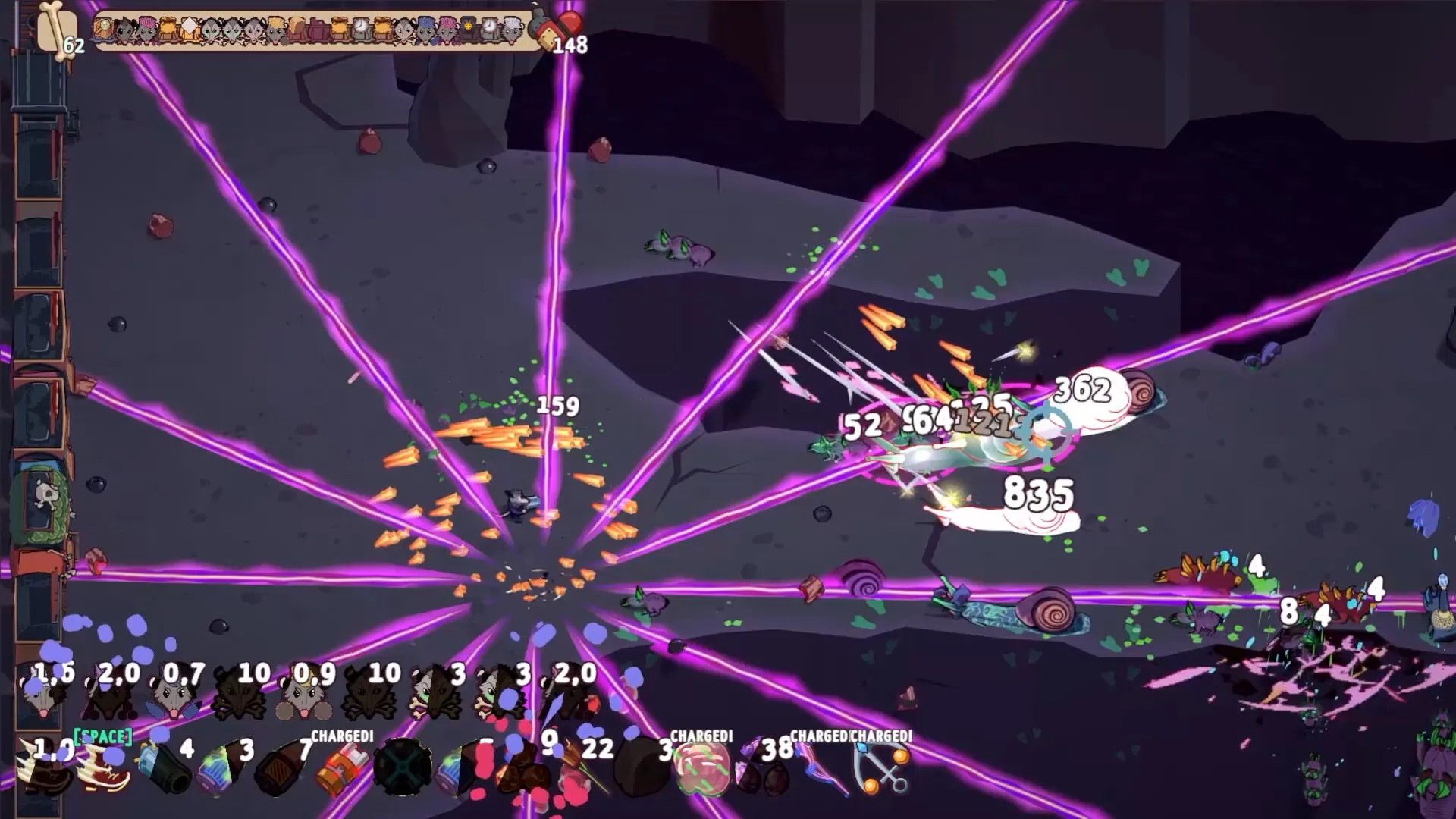
Ammossum: the best idea of the year, on a train that does not always start
Your railcars are your health and your skills at the same time. Assuming the game gets past the loading screen.
Alexandrosse
7 min
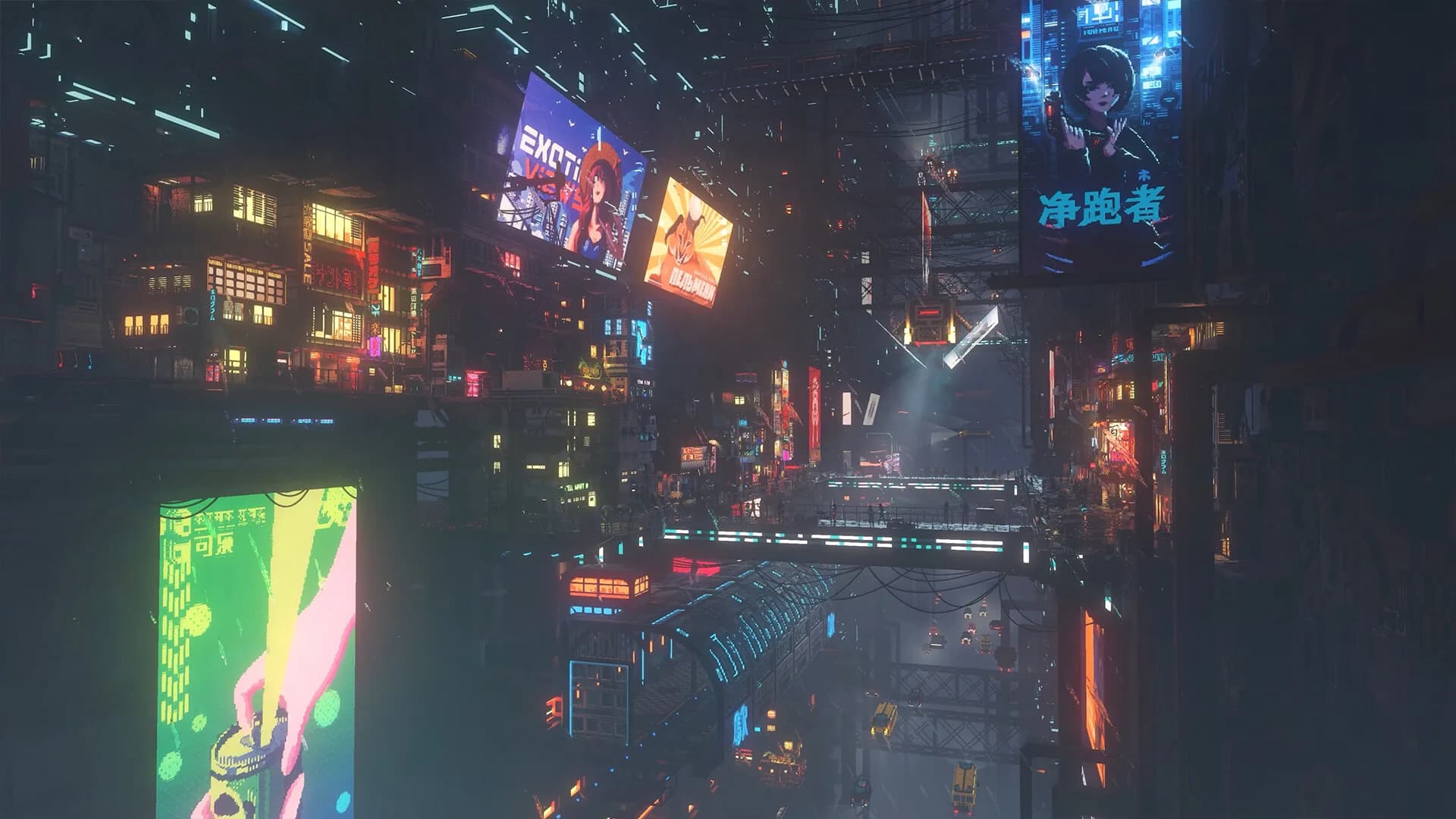
The Cloudpunk team delivers a sumptuous city, a noodle stand, and performance nobody can explain.
Alexandrosse
InsertCoins.press Score
6/10
Verdict
Mixed
It is raining on Nivalis. The neon bleeds into the puddles, a synthesiser line rises gently, and somewhere down below a queue of customers is waiting for noodles.
It is magnificent. It is exactly what we wanted from the studio that made Cloudpunk.
And while I was looking at it, my counter was showing twenty frames per second.
You arrive in a district of Nivalis pushed to the brink by CorpSec crackdowns and by a serial killer nobody knows anything about. You start with a modest noodle stand, and ambition is your only weapon.
From there, every day is a trade-off: grow your business, or go and forge bonds with the locals.
There is plenty to do. Restaurants and nightclubs to run. Ingredients to buy or grow. A boat to explore the city from the docks and go fishing. Homes to decorate, yours and other people's. Mini-games, including a chess tournament. A full weather system. And, for anyone bored by the legal route, sabotaging your rivals under curfew while dodging security systems, with an honest warning on the store page: what you do to them can be done to you.
On paper, this is the cyberpunk life sim people have been talking about for years.
I want to be clear, because what follows is harsh: Nivalis is an art direction triumph.
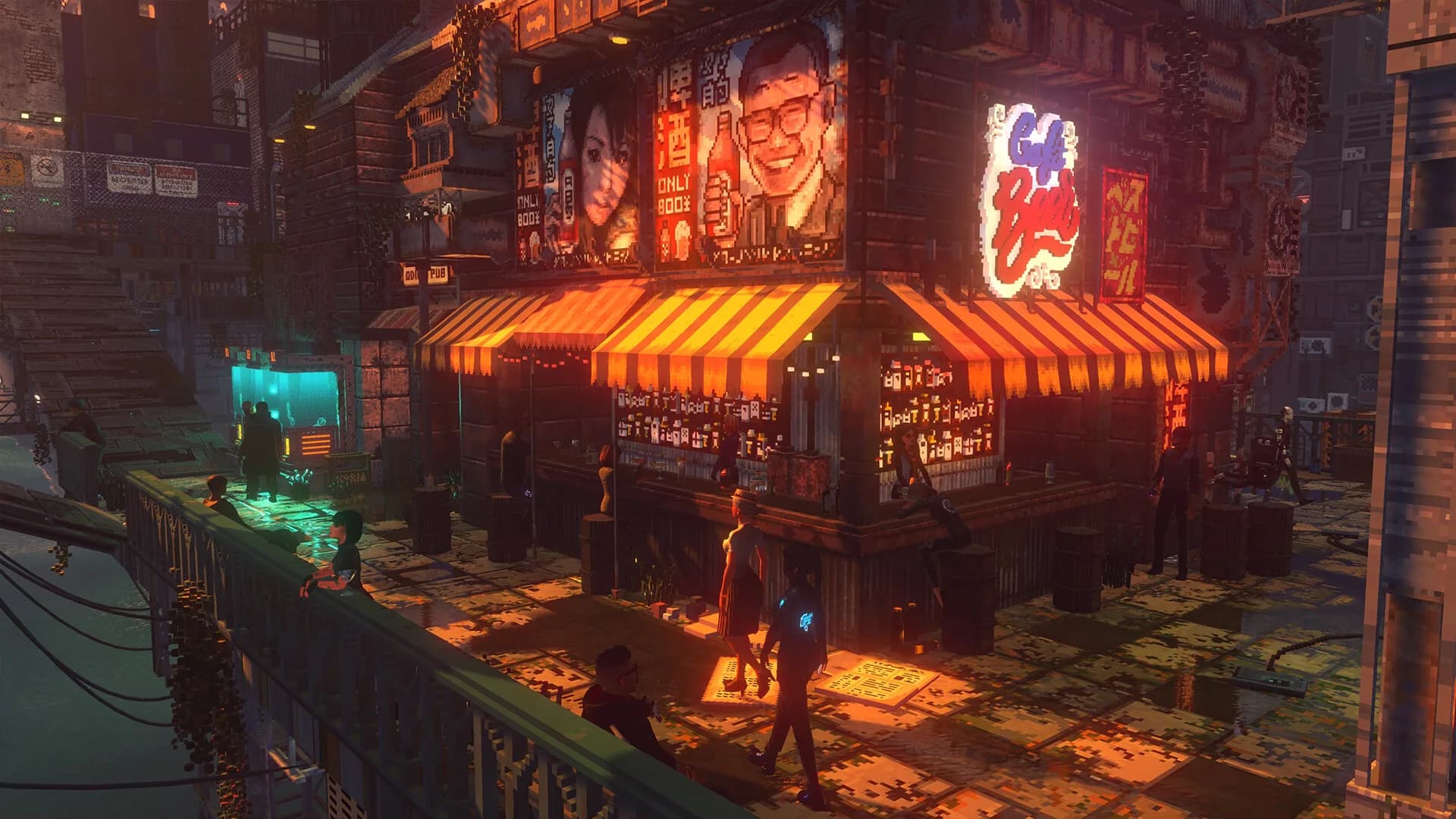
It is not a backdrop, it is a place. The busy streets, the grimy back courts, the small warm restaurants behind a fogged window, all of it breathes. You set off on an errand and find yourself twenty minutes later in an alley you had not seen, watching people.
The voice acting is good, the writing is funny, and a soundtrack in the lineage of the great eighties synthesisers does exactly what it needs to.
And the game is harder than it looks. Explore too much and take on quests too early while neglecting your noodle bar, and you end up broke, and broke in this city means you do nothing at all. That is genuine management tension, and it is welcome.
The reports are overwhelming and they agree.
Players describe twenty frames per second in the restaurant you start in. Another reports frame rates collapsing as soon as pedestrians get dense, on a recent high-end graphics card, at medium quality. The technical analysis circulating points at asset streaming and a volume of draw calls that overwhelms the hardware, with graphics options stripped to the minimum and no modern compensation technology on offer.
What makes this awkward is not the botched launch. Botched launches happen.
It is that Cloudpunk drew the same complaint. Same studio, same city, same problem, six years later. That is no longer an accident, it is a signature.
And the effect is cruel: the one thing this game does better than anyone is make you want to look around. And looking around is precisely what drops the frame rate.
Second reservation, less discussed but deeper.
One player summed it up better than I could: this is a role-playing game that forgot to give you a role. No character creation, no portrait, not even a name.
In a life sim, the avatar is not a frill, it is the anchor. You spend fifty hours building a life in a city, and that life belongs to a cursor.
On top of that, district access is tied to achievements. You have to unlock a certain number to reach parts of the city, and since achievements fire for actions as mundane as talking to someone, you progress through a stream of pop-ups. It is a progression mechanic that breaks precisely the immersion everything else in the game works to build.
Final point, and it depends enormously on what you came for.
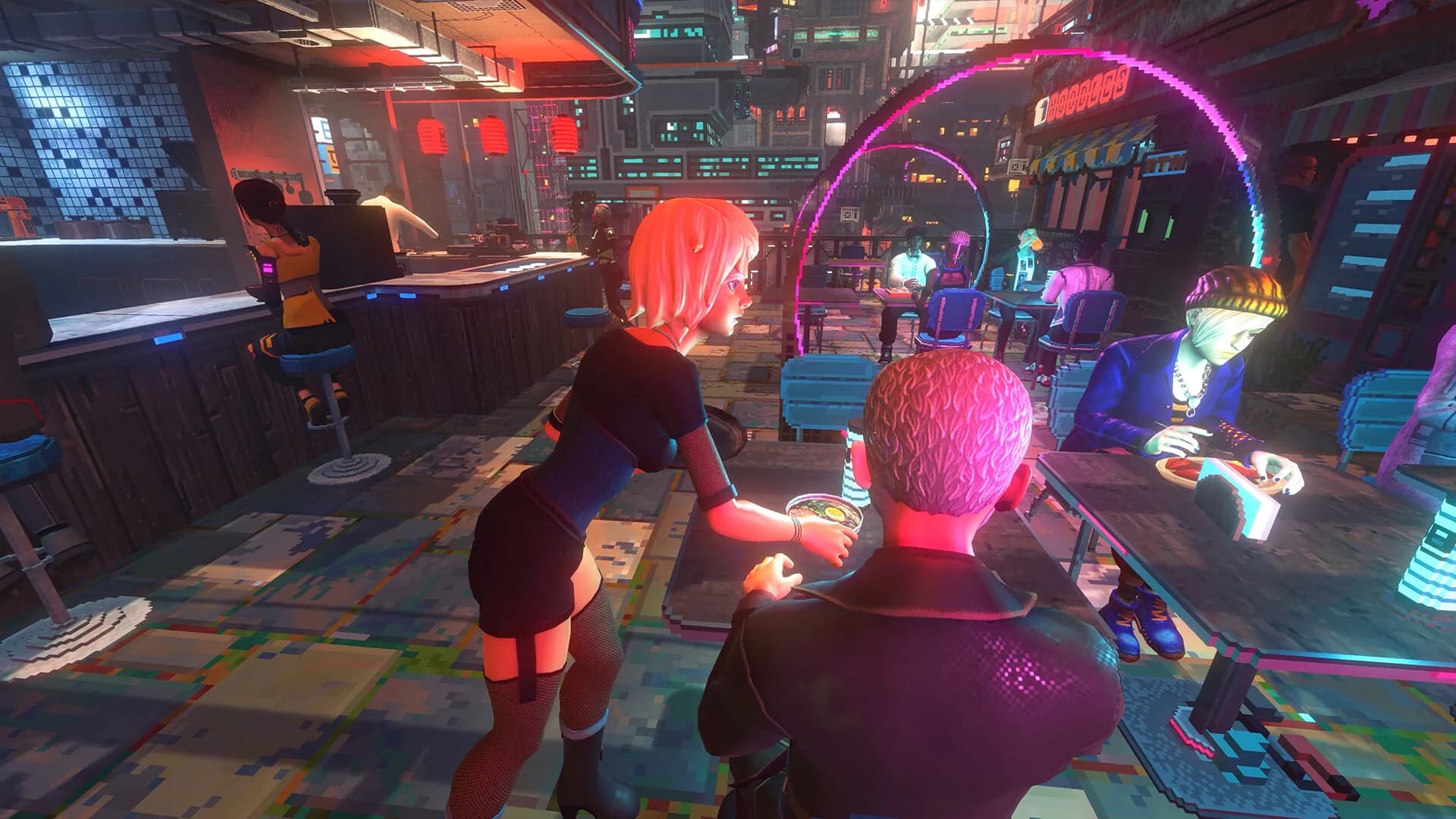
Players who came for the management find it thin: pick a menu based on the district's vague preferences, buy ingredients, hire staff, and the rest is optional. Players who came for the atmosphere find it sufficient because it is not the subject.
My own view leans towards the first group. There are a lot of systems in Nivalis Nights, and few that demand a difficult decision. The boat, the fishing, the chess, the decorating: these are activities, not mechanics that answer each other.
And one thing is missing that the store page does not promise but everyone expected after Cloudpunk: you do not drive. Moving between districts happens via a taxi ride presented as a sequence. For a game standing in the lineage of a title whose loop was driving through a vertical city, that absence weighs.
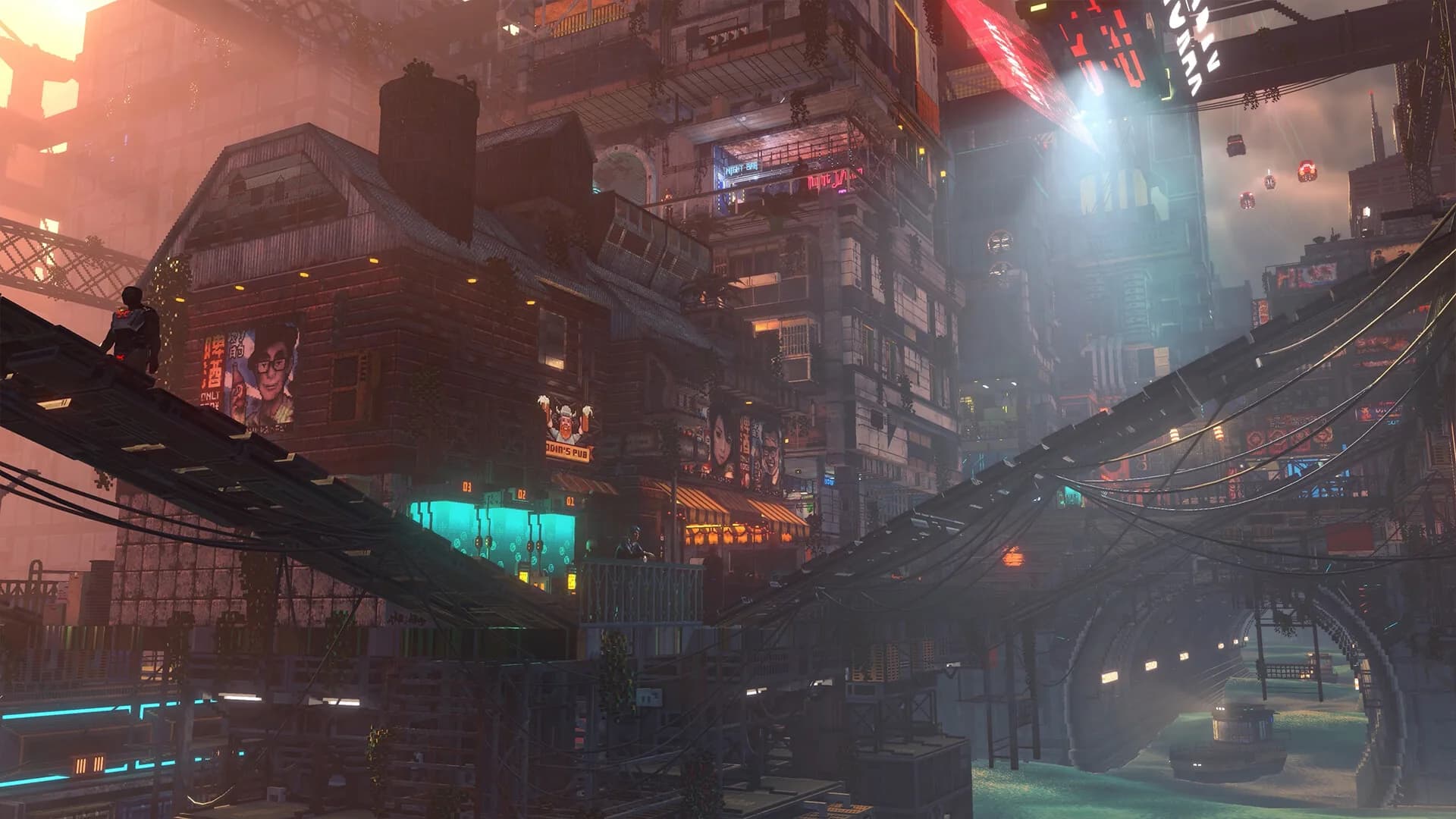
A little over seven reviews in ten are positive, and a few thousand people are playing at once. That is the classic reception of a game people love and that does not run.
If you have a solid machine and a lot of patience, there is a city here worth spending time in, and writing well above the genre average. If you want a life sim that runs properly and gives you a face, let three patches go by.
What frame rate are you getting? We are comparing specs on the InsertCoins Discord, and the results make no sense whatsoever.
Community
Your rating
Advertisement
Loading comments...
You might also like
Your railcars are your health and your skills at the same time. Assuming the game gets past the loading screen.
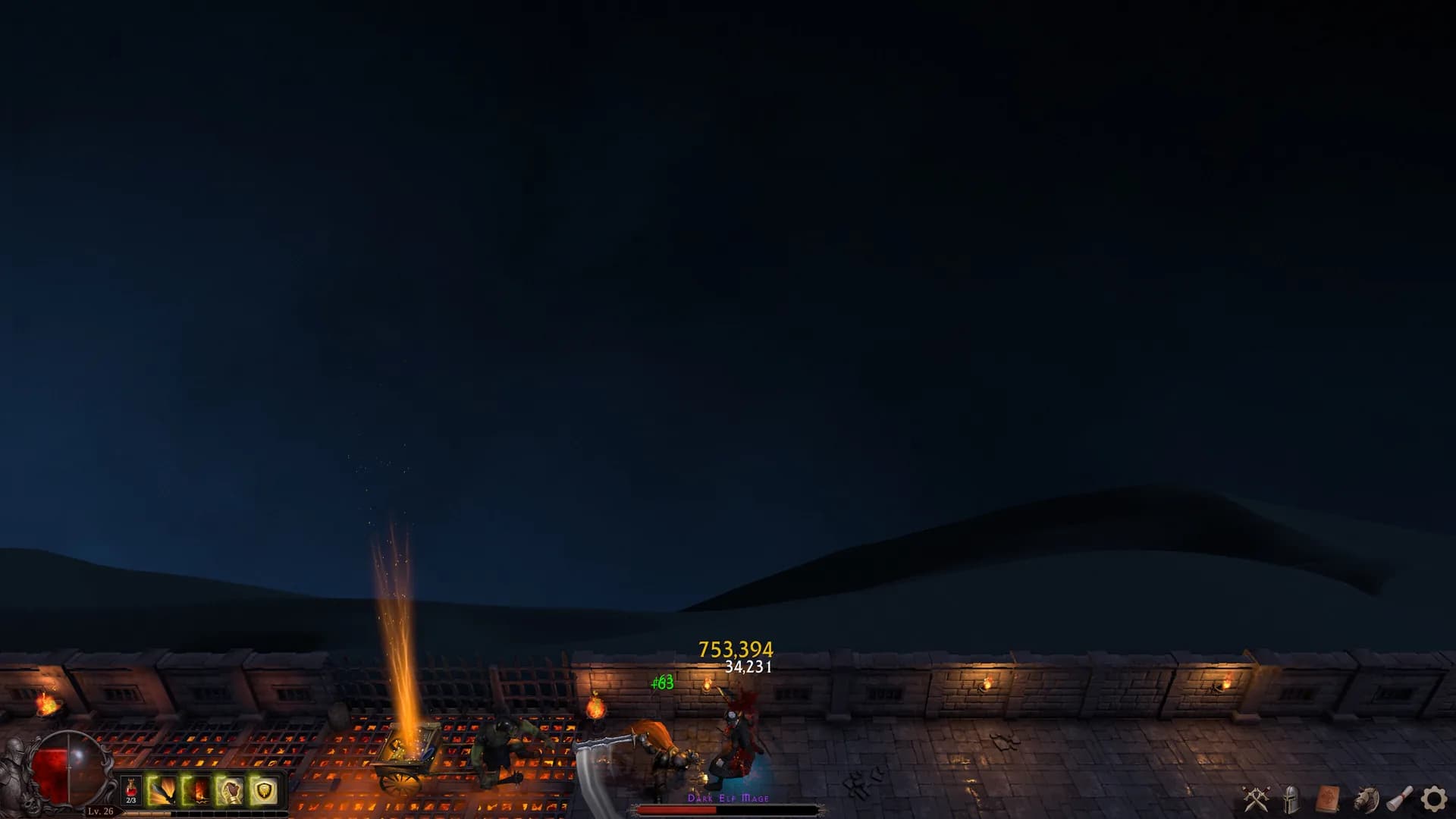
Five euros, a strip of ARPG along the bottom of your desktop, and a Steam market where you resell your minions. The success is real, so is the wall.
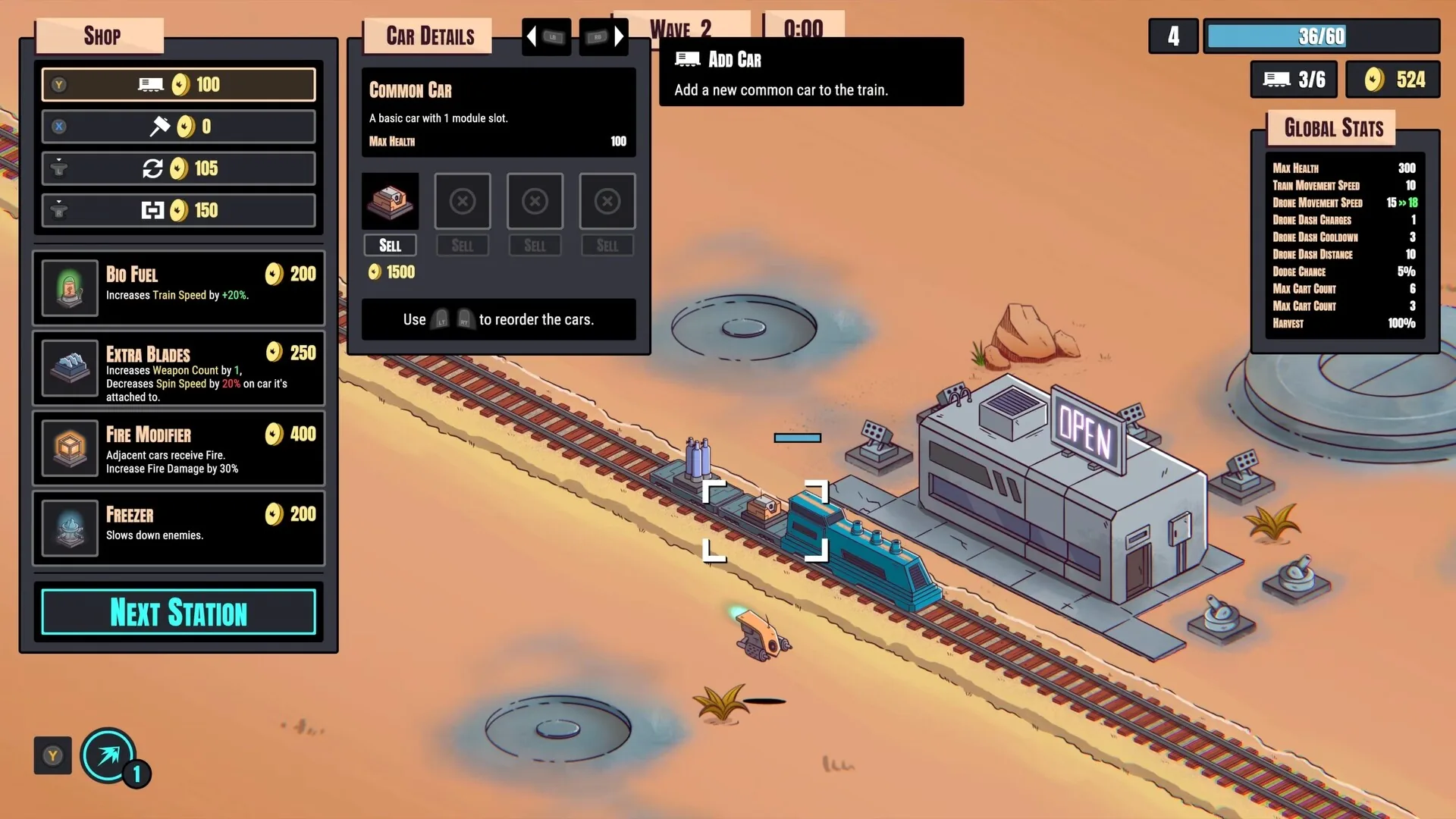
The train on the mouse, the drones on the keyboard, thirty-second rides. A small game that knows exactly how long it lasts.