7
Test
Archipeo: thousands of islands, ships running a shuttle service, and me not sleeping
A procedural Anno where haulage is the real game. Every badly assigned freighter takes its revenge forty minutes later.
Alexandrosse
8 min
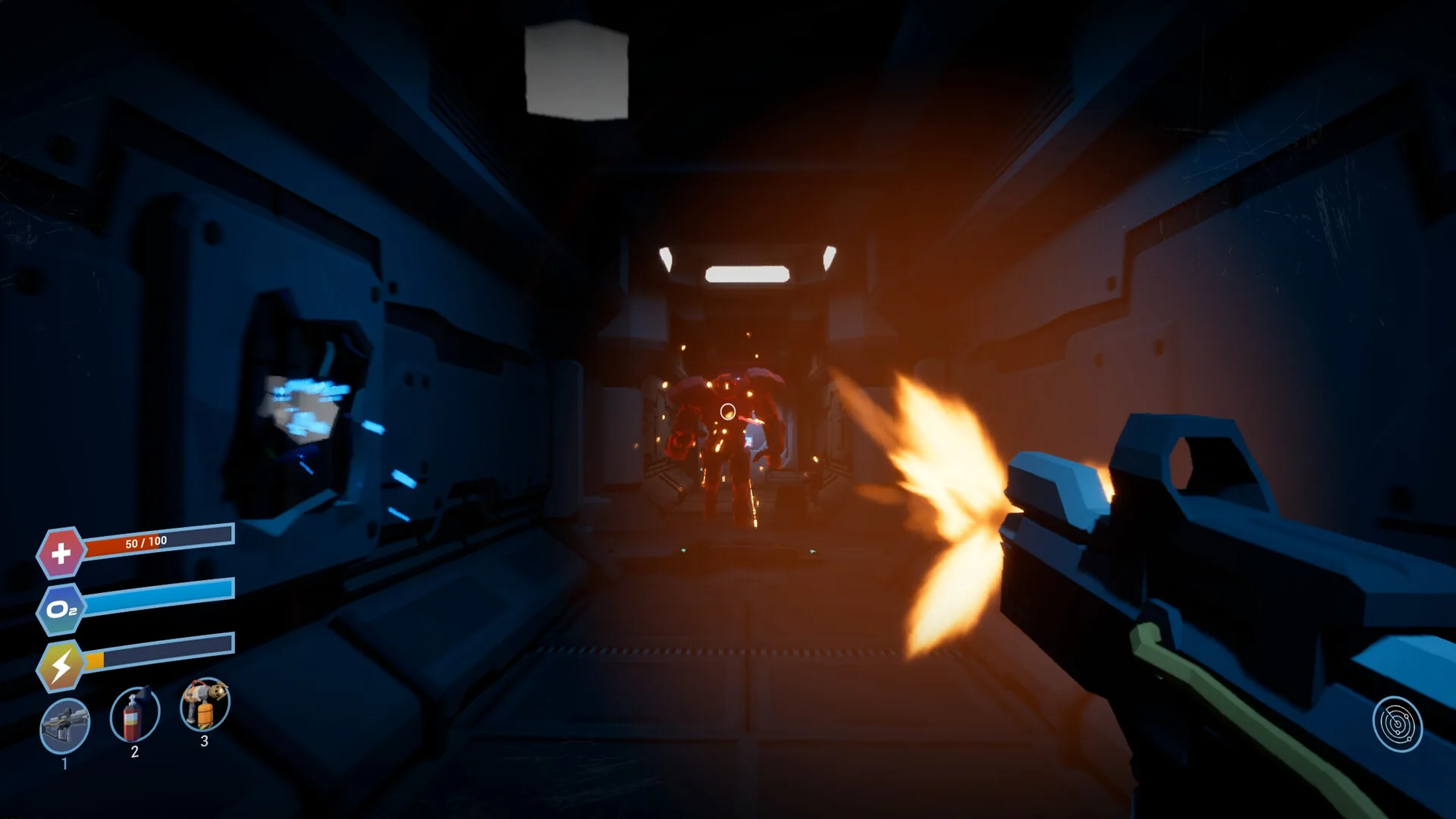
A ship to maintain four-handed, wrecks to strip, and the certainty that one crew member will leave a fire unattended.
Alexandrosse
InsertCoins.press Score
6/10
Verdict
Mixed
On its own store page, Oh Ship! writes three sentences I would like to have framed.
Things will go wrong. Systems will fail at the worst possible moment. Someone will forget to fix something important.
A studio that describes its game by the way you are going to fail at it is a studio that understands what it is selling.
The premise fits on one line: one to four players, a spaceship, and the responsibility of keeping it working while everything around it actively tries to destroy it.
You strip abandoned wrecks for scrap, repair damaged modules, upgrade systems for a better chance of survival, and fight off attackers. Space is dangerous, it does not forgive, and it tests your own competence alongside your crew's coordination.
You recognise the family. It is a well-populated lineage right now, and the real question is not what Oh Ship! invents, it is whether it is tuned properly.
Answer: yes, on one specific point.
Most co-op ship games send you out to explore and then punish you while you explore. Here the punishment starts at home.
Maintaining critical systems is not a side activity, it is the loop. Ignore a problem too long and a small issue becomes a catastrophe. In practice that means the person who stays aboard is not the person who is bored. They have a real job, and if they do it badly the other three die inside a wreck two hundred metres away.
That is excellent social tuning. In a lot of games of this type, ship-sitting is a chore you pass around. Here it is a responsibility people compete for, because it is the post where you decide who lives.
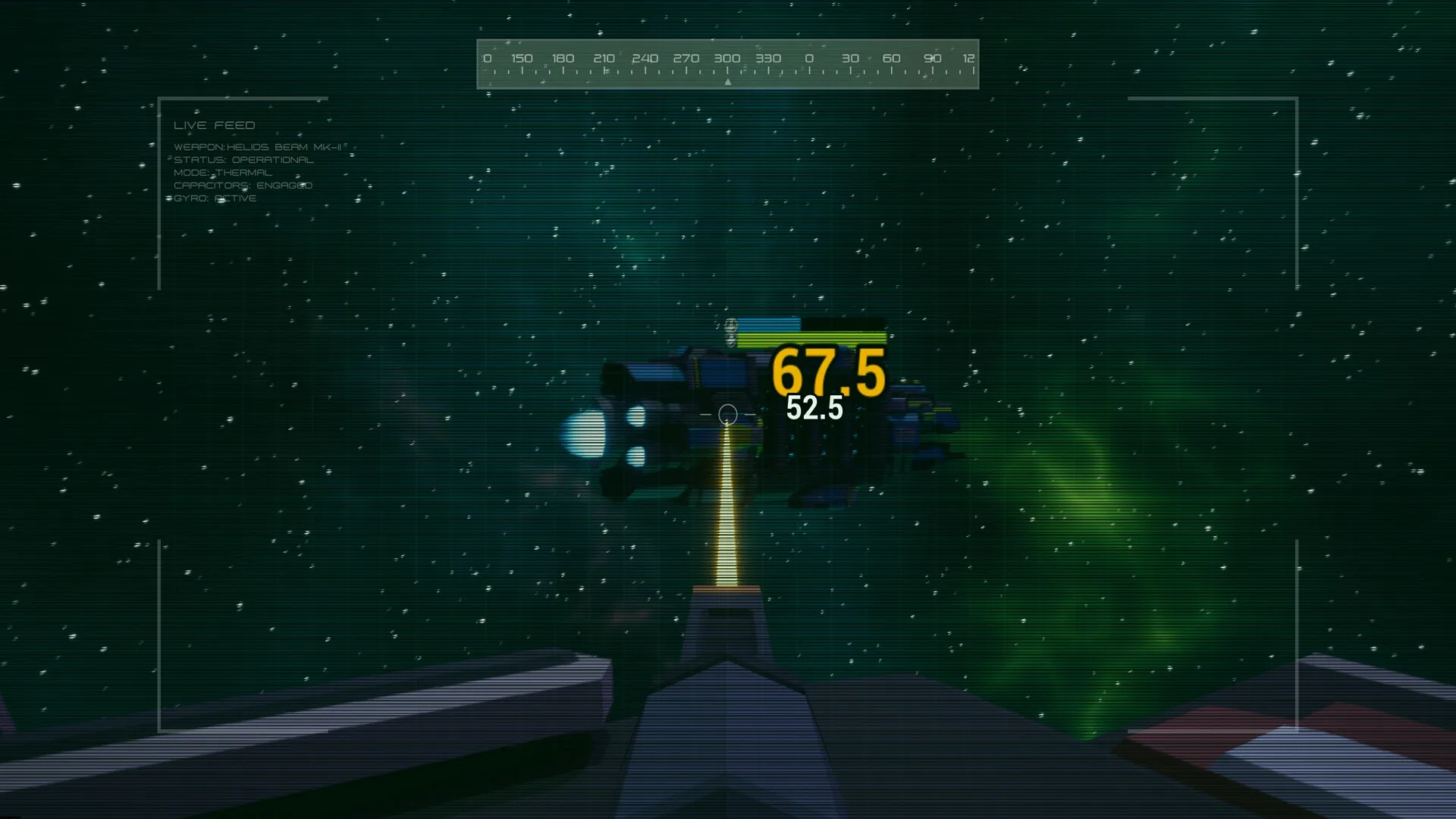
They are procedurally generated, full of useful scrap and unpredictable dangers, and they have their own security systems, which the studio describes as determined to make sure you come home in several pieces.
That is the tensest and least original part. The generation does its job, no wreck is the same as the last, but the bricks they are built from become recognisable fairly fast. After a few hours you are not discovering a wreck, you are identifying a layout.
The scrap you bring back pays for upgrades to both crew and ship: weapons, defences, systems, against escalating threats. Classic curve, honest execution.
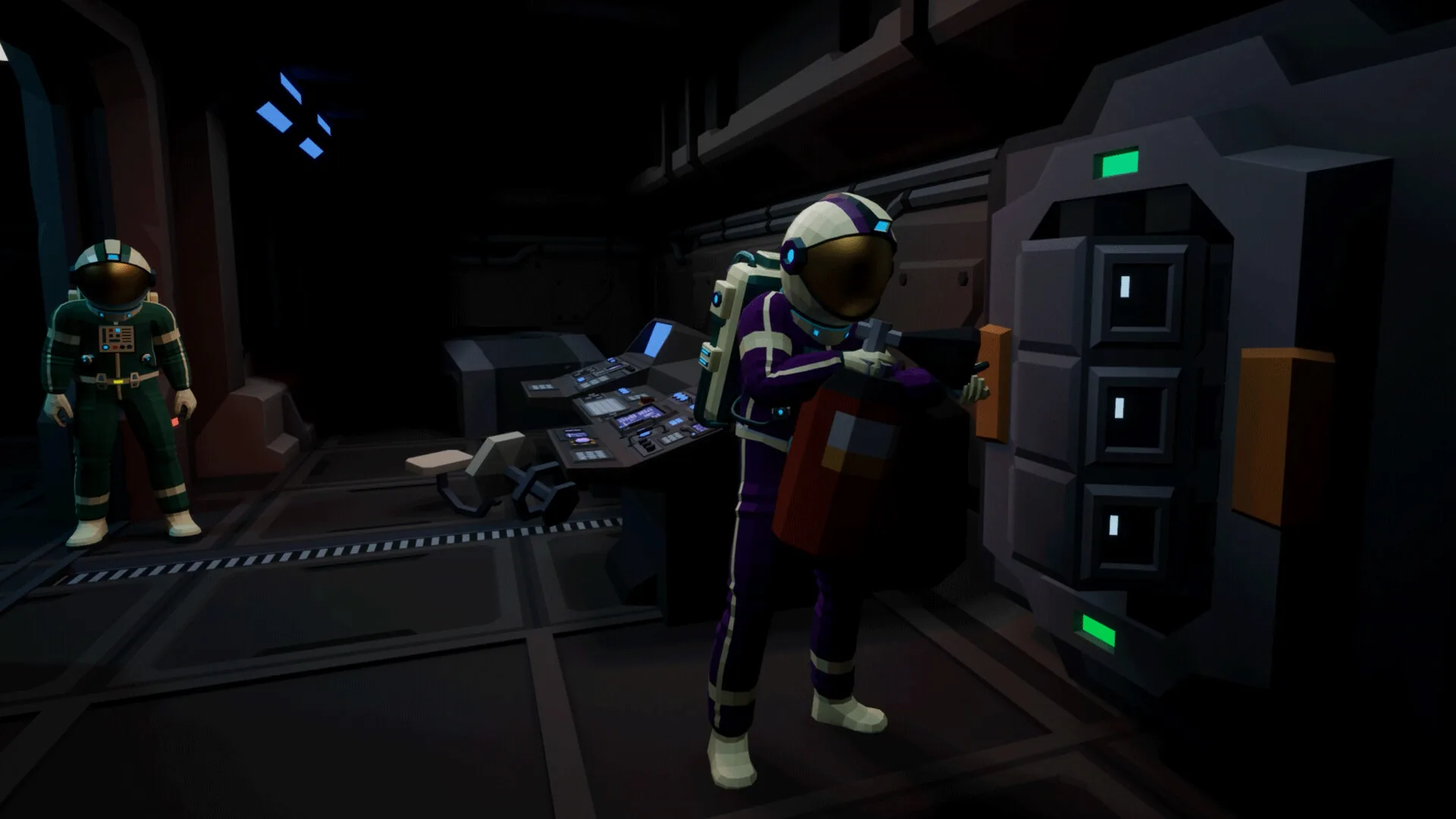
The game is markedly less interesting solo. The store page says one to four, which is technically true, but the whole tension rests on dividing the labour. Alone, you queue up behind your own to-do list.
Combat against hostile ships stays the weak link: it asks you to defend the hull, manage ship systems and survive under pressure, which reads well, but it usually resolves into a sprint between two consoles rather than a tactical decision.
And it lacks a real identity. The setting is functional, generic, without a single character, object or sound you will remember in a month. In a genre where the anecdote is the product, having no memorable backdrop is a handicap.
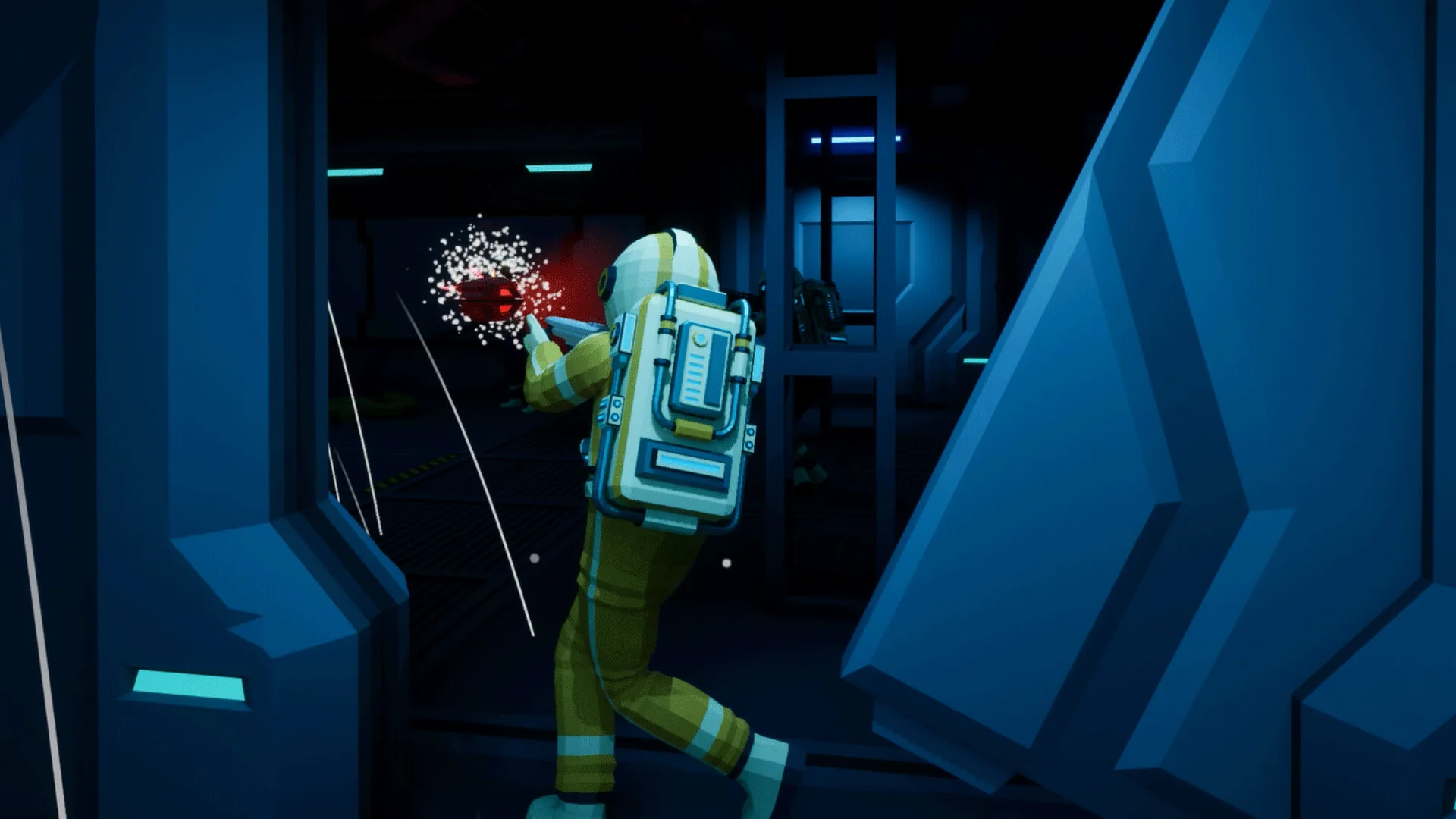
That said, I shouted. Twice. Once because I saw a fire coming that nobody was watching, once because I was the person not watching.
The game had written exactly that on its store page. You cannot say it failed to warn us.
Tell us about your worst crew oversight on the InsertCoins Discord, the leaderboard is open.
Community
Your rating
Advertisement
Loading comments...
You might also like
A procedural Anno where haulage is the real game. Every badly assigned freighter takes its revenge forty minutes later.
Towers, troops, a single pool for both. Every coin spent on defence is a coin you will not be sending the other way.

Crossing finally matters and defending responds. Then the screen goes black. 57 per cent positive on Steam, at 69.99 euros.