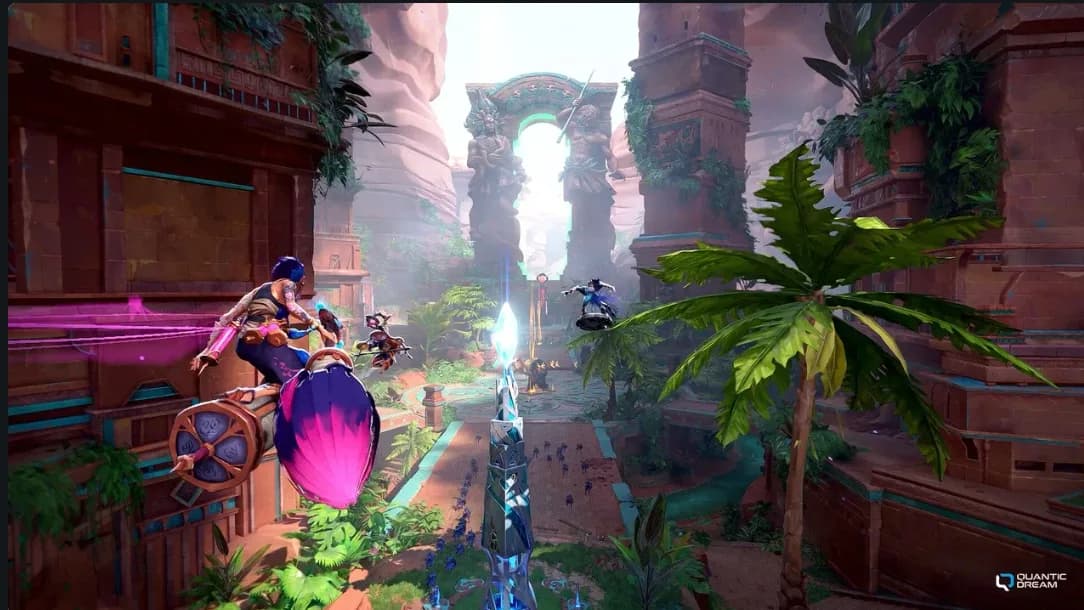
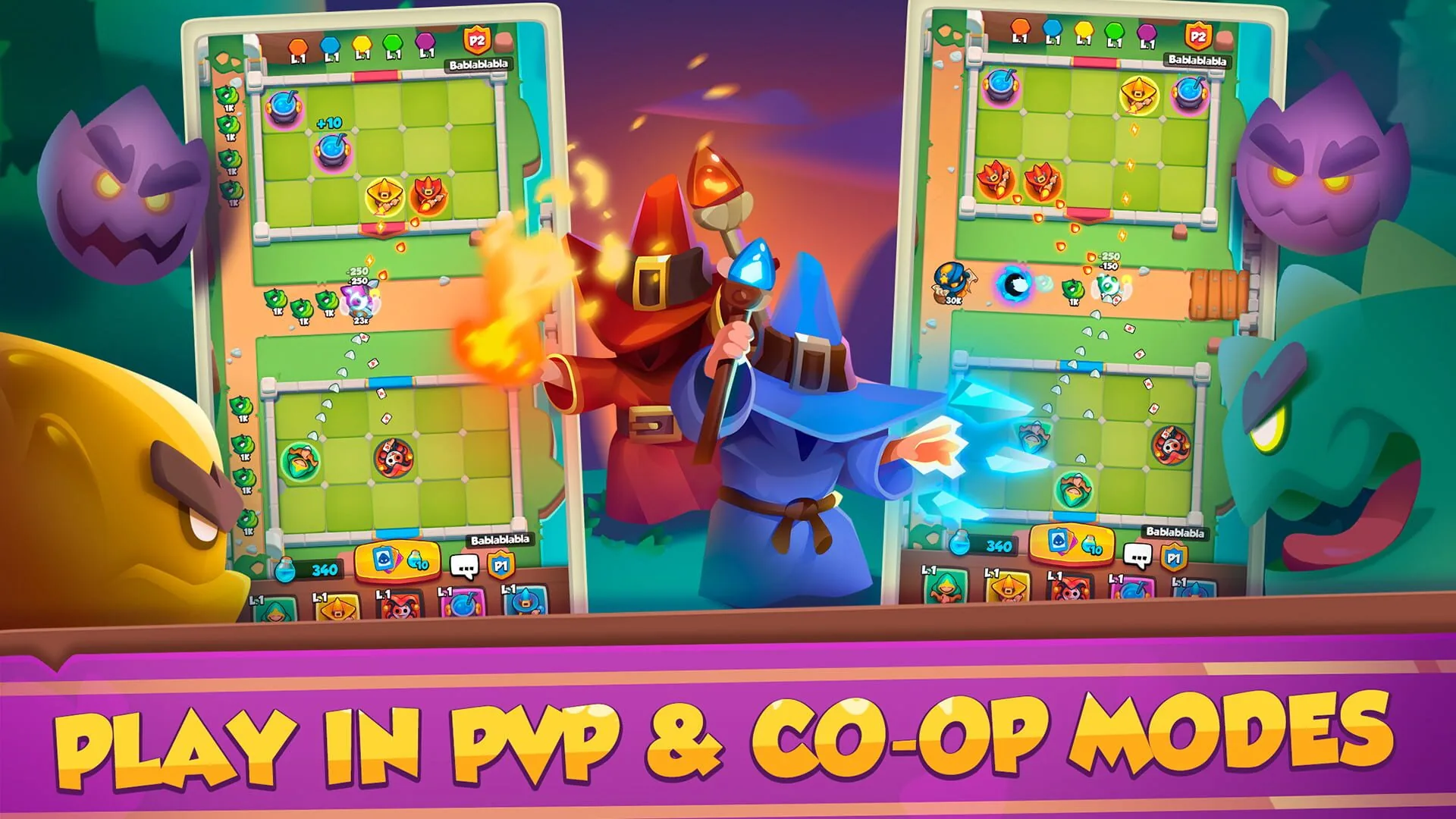
Quantic Dream has just announced the end of development on Spellcasters Chronicles. Servers close June 19, 2026. Purchases made during Early Access will be fully refunded on request. The studio is "undertaking an internal reorganization" with priority reallocation to its other productions.
Star Wars Eclipse continues. That's the only good news in the announcement.
Quantic Dream is the studio behind Heavy Rain, Beyond: Two Souls and Detroit: Become Human. Narrative games, linear, with significant budgets, recognized for their staging and atmosphere. Solo player games for people who want a story.
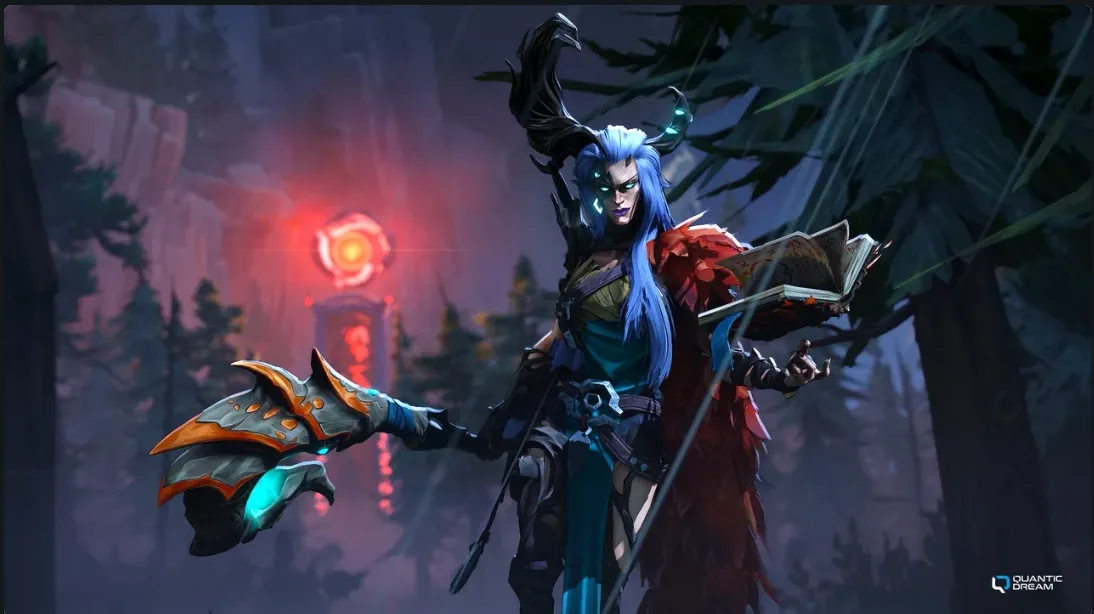
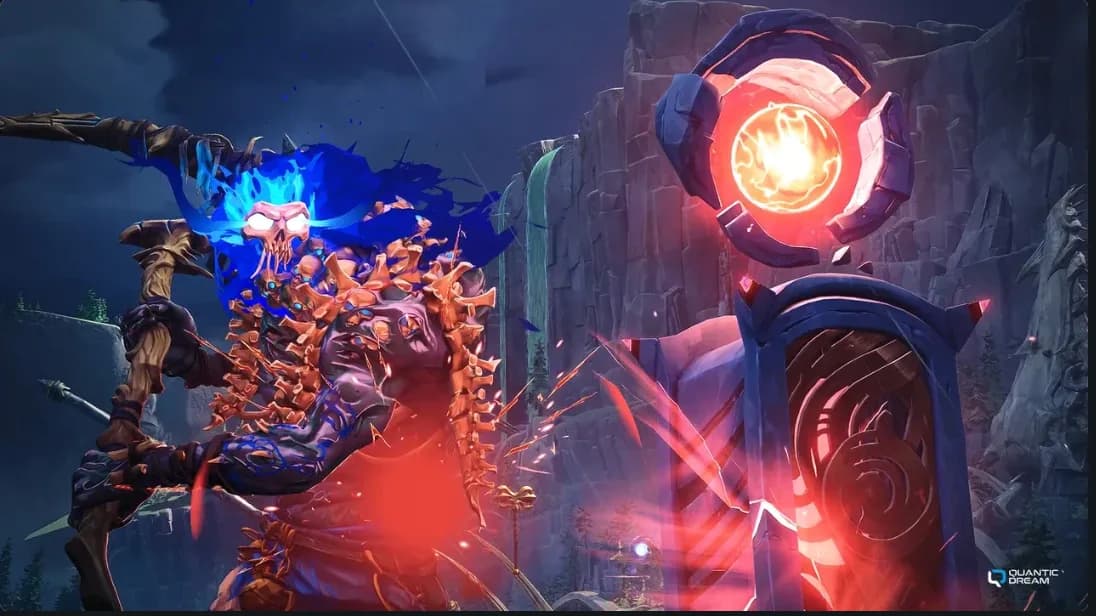
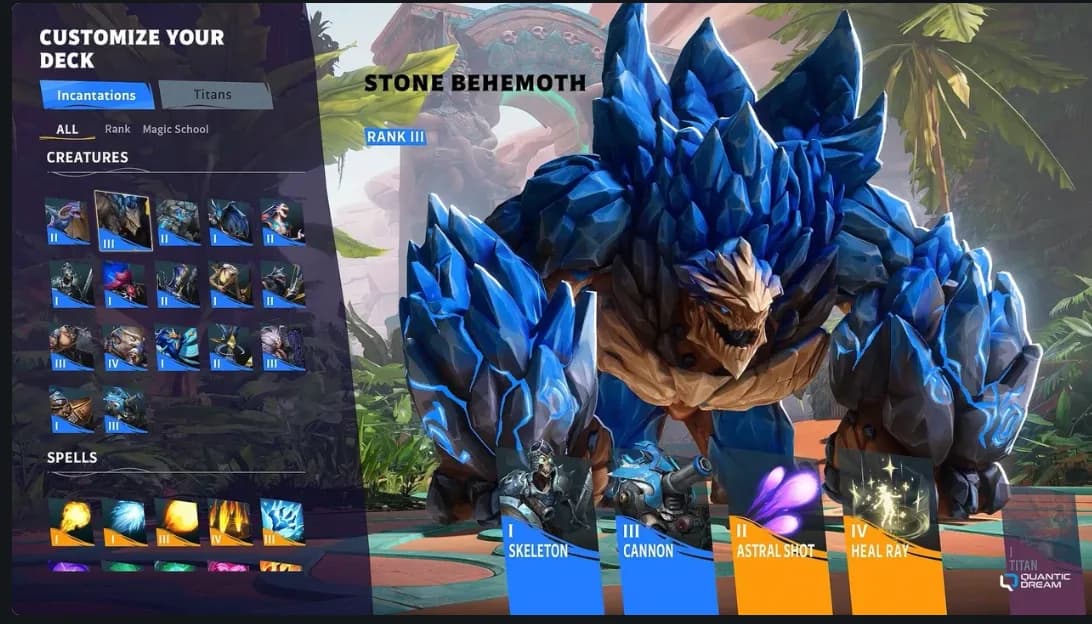
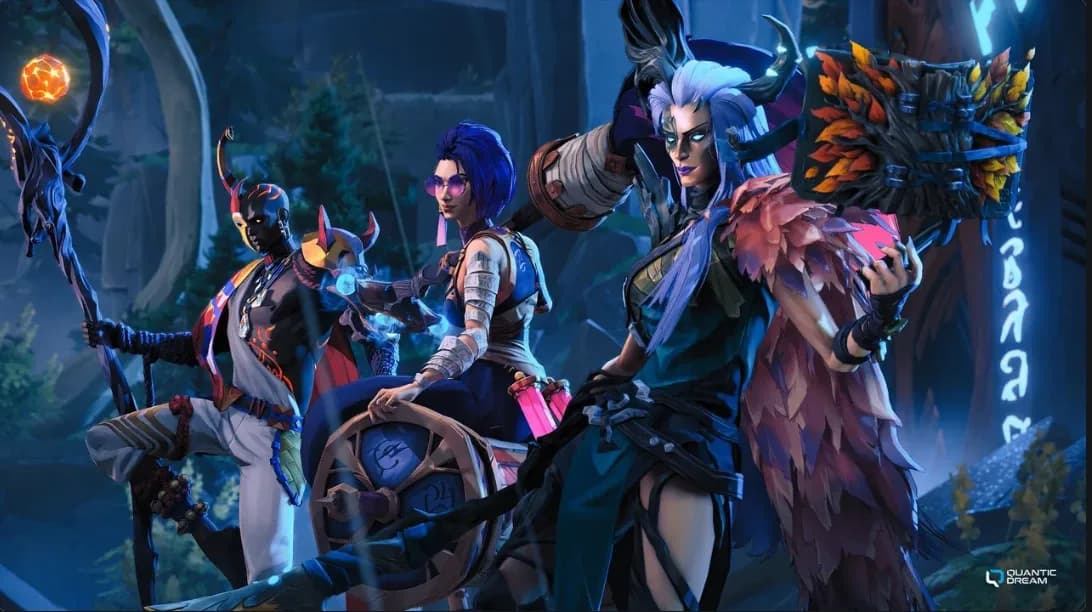
Spellcasters Chronicles was a free-to-play MOBA hero shooter. Deck building, arena combat, competitive multiplayer mechanics. Not one line in common with the studio's catalogue. Not a genre where Quantic Dream had any experience or legitimacy in the eyes of their audience.
The game entered Steam Early Access and peaked at 800 simultaneous players on its launch day. For context: Lethal Company, a 10-euro indie game released without marketing, peaked at 100,000 simultaneous players. 800, for a Quantic Dream game, is a visibility catastrophe before it's even a quality failure.
It fell to 54 active players before shutdown. 83 days after launch.
Why nobody knew this game existed
The problem wasn't only the genre. It was the total absence of communication.
Quantic Dream had rented a large booth at TwitchCon to showcase the game. Photos of the booth circulated: almost nobody there. No visible launch campaign. No influencers, no advance press, no organized beta to build a player base. The game launched into a void and nobody saw it fall.
For a free-to-play competitive multiplayer game, absence of critical mass at launch is an immediate death sentence. Players don't go to a MOBA with 400 active people: queue times are too long, matchmaking is impossible, the experience is degraded from day one. The vicious cycle kicks in within 48 hours and never reverses.
Steam reviews mention poor optimization, unintuitive mechanics, and a lack of basic features. But "not great at launch" doesn't kill a multiplayer game. "Nobody is there to play with" kills it.
Quantic Dream was acquired by NetEase, the Chinese gaming conglomerate, a few years ago. The natural question is whether the order came from the acquirer: a narrative solo studio repurposed for live service multiplayer to maximize recurring revenue is the kind of decision associated with financial management that doesn't understand its asset.
Except that according to sources close to the studio, the idea came from David Cage himself. Not a NetEase imposition: an internal initiative.
This isn't the first time a studio tries to pivot out of its comfort zone toward live service. The list is long and the track record is poor. Redfall: Arkane Austin, an immersive solo game studio, pushed onto a co-op looter shooter. Concord: Sony, a hero shooter that closed in two weeks. Suicide Squad: Rocksteady, creators of the Batman Arkham trilogy, on a live service that never found its audience. FBC Firebreak: Remedy, known for Max Payne and Alan Wake, attempting a co-op shooter without a narrative thread.
The pattern is identical each time: a studio with a strong identity and loyal audience decides to pivot toward a structurally different genre, without experience in that genre, without understanding what its target audience needs, and without a plan to build a community from scratch in a saturated market. The failure isn't a surprise. It's a consequence.
MOBA and hero shooters aren't dead genres. League of Legends and Dota 2 continue to be among the most-played games in the world. Marvel Rivals demonstrated in 2024 that a new hero shooter could break through. But these successes share one thing: a distinct reason to exist. LoL founded the genre. Marvel Rivals had a license with characters millions of players loved before even launching the game.
Spellcasters Chronicles had neither. No known license. No documented gameplay innovation. No obvious reason to choose this game over the dozens of established alternatives. In a genre where players invest hundreds or even thousands of hours, the question "why this one and not another" needs an immediate and convincing answer. It had none.
What remains
Star Wars Eclipse continues. Quantic Dream has been developing this project for several years, in collaboration with Lucasfilm. It's a third-person narrative game set in the Star Wars universe during the High Republic era. It's exactly the type of game Quantic Dream knows how to make.
The Spellcasters Chronicles closure announcement explicitly states this project is unaffected. Resources freed by the internal reorganization will likely be redirected to Eclipse.
The right reading of this week at Quantic Dream isn't "a studio in crisis". It's "a studio that lost six months and a budget on a project that should never have existed, and is refocusing its efforts on what it was built to do".
The hope that Star Wars Eclipse lives up to expectation is real. But it was already real before this week. Spellcasters Chronicles changed nothing about that, except perhaps delaying by some amount the date when we'll see it.
Does the subject speak to you? We go into it at length on the InsertCoins Discord.