7
Test
Barfender: my idiotic friend drank all the beers
A co-op bar that collapses while you serve. 98 per cent positive, and one of the rare times chaos is the actual subject.
Alexandrosse
7 min
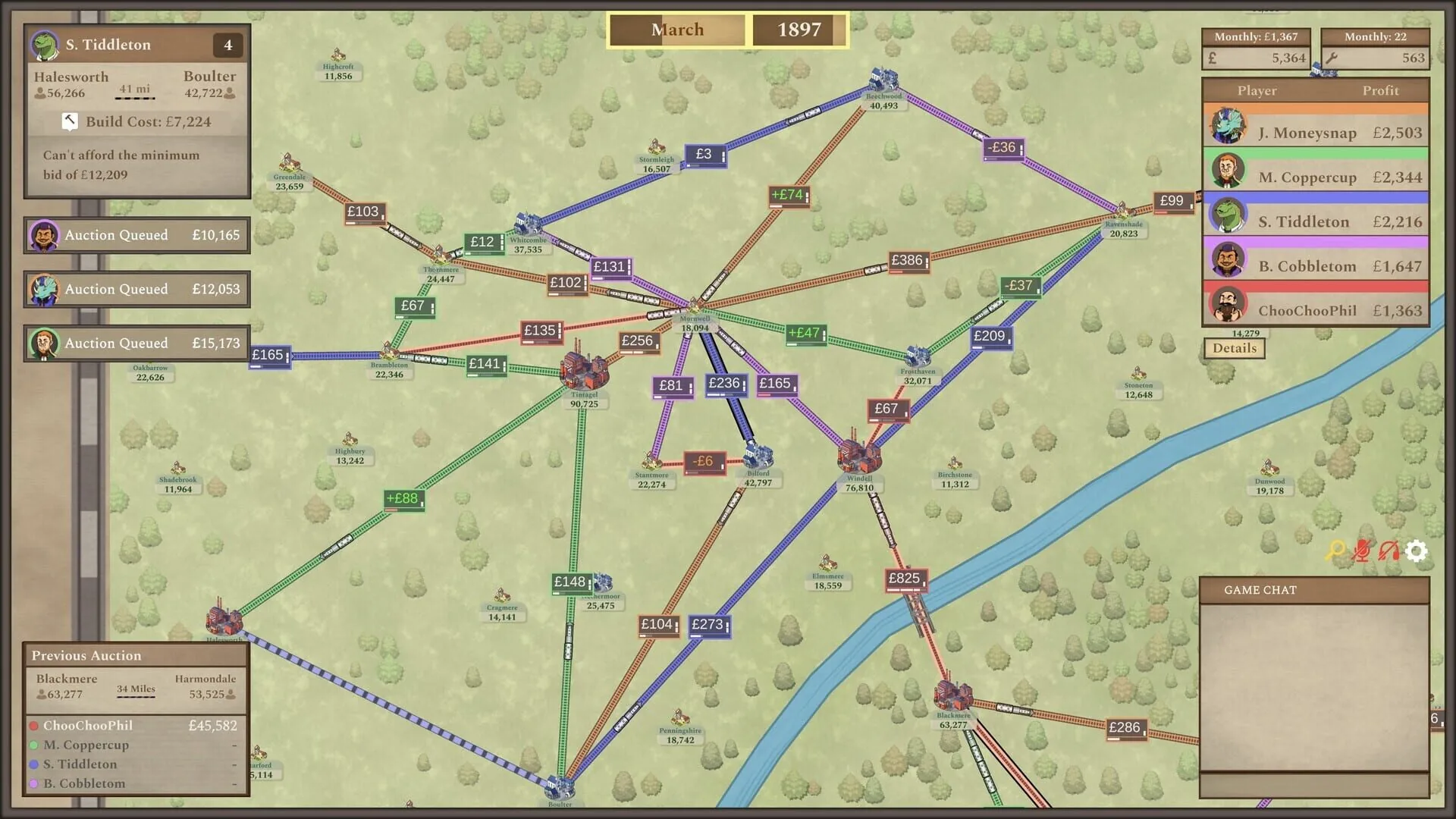
We love train games, but we've done the rounds of the contemplative track-layer. Rail Estate adds auctions, rivals and an economy to dominate. That's what sets it apart.
Alexandrosse
InsertCoins.press Score
7/10
Verdict
Recommended
We have a soft spot for train games. Laying tracks, planning a network, watching your convoys race from one city to another, there's a satisfaction there that never fades. But let's be honest, we've somewhat done the rounds of the contemplative rail manager where you build quietly in your corner. So when Rail Estate shows up promising to add rivals, auctions and real economic competition to the formula, we prick up our ears. Because it might be exactly the salt the genre was missing.
Rail Estate is a rail simulation and strategy game developed by Holonautic, available since 16 July 2026 on PC. The principle sets it apart from its more peaceful cousins from the start: you outbid your rivals in auctions to secure key railway routes, then build and upgrade your tracks to dominate the rail economy. Players compete for the title of most profitable network, juggling speed, capacity and maintenance in a dynamic simulation. In other words, it's not just a game where you lay tracks, it's a game where you fight for the best ones.
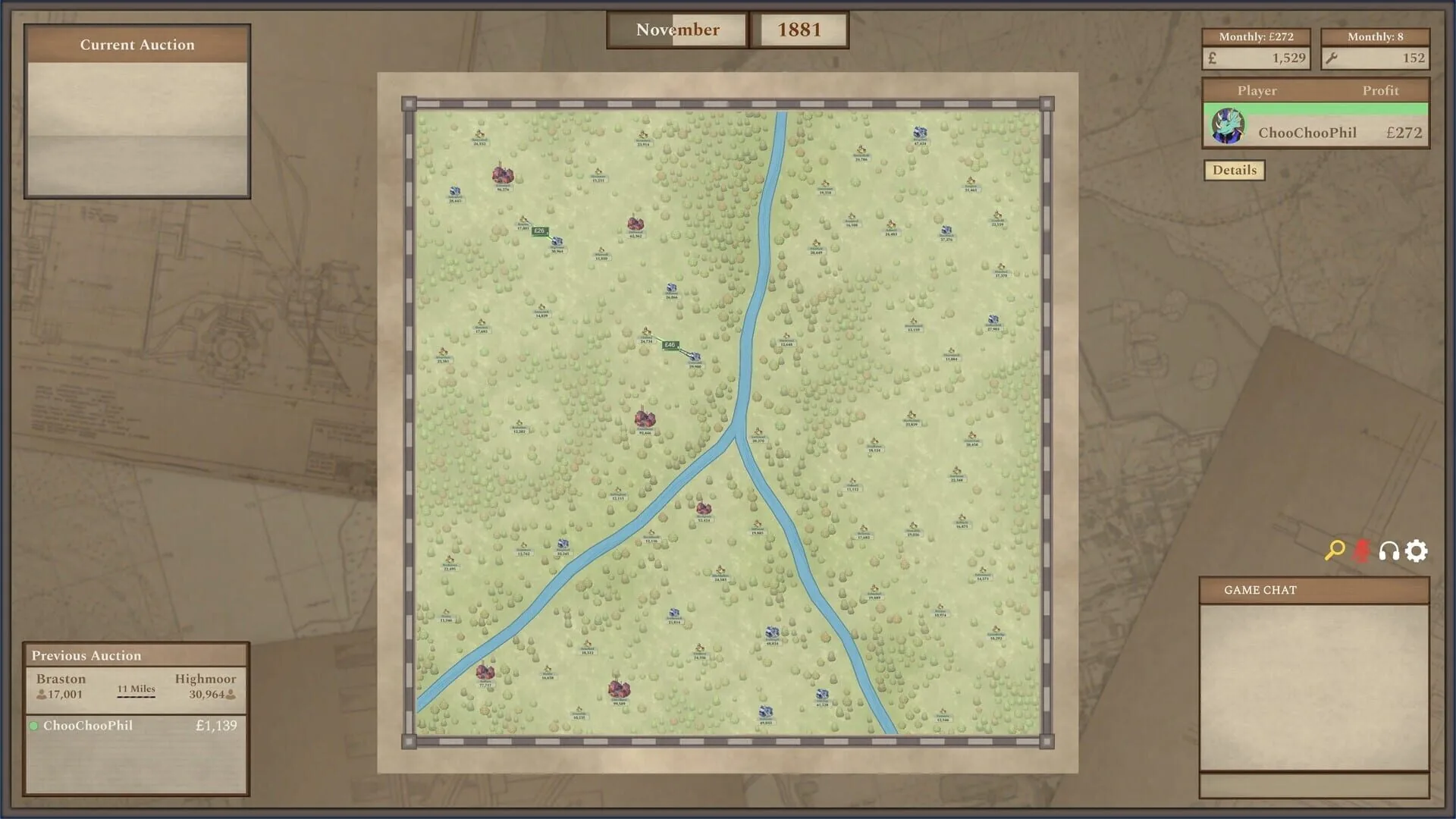
Rail Estate's big idea, the one that answers your question, is to inject competition and economic tension into a genre often too quiet. The auction system is the heart of that proposition. You don't build wherever you want whenever you want: you have to win the coveted routes against competitors, which turns each acquisition into a gamble, a risk calculation, a financial tug-of-war. That dimension completely changes the dynamic. Where a classic train game lets you dream in your sandbox, this one forces you to arbitrate, prioritize, watch the opponent, and that pressure makes each decision far tastier.
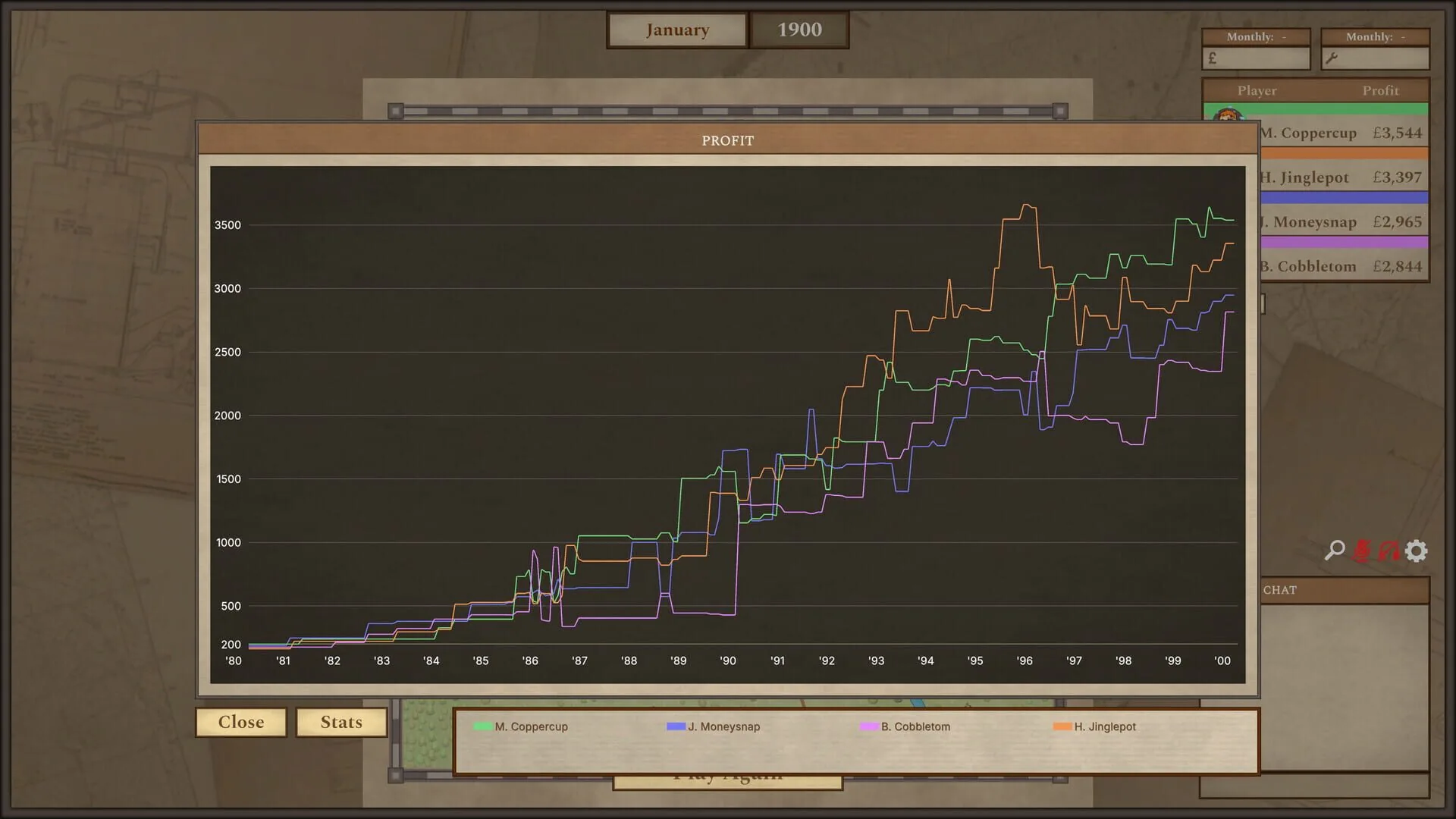
The other contribution is the depth of management once the lines are acquired. Building isn't enough: you have to upgrade your tracks and constantly balance three opposing variables, speed, capacity and maintenance. A fast but overloaded network, or a vast but costly-to-maintain one, won't necessarily be the most profitable. It's in that shifting balance that the real game lies, in that continuous optimization of an economic system that reacts to your choices. Rail Estate takes the satisfaction of building a network and grafts on the rigor of a competitive management game, and that graft is its real added value.
You should still lay things out honestly. Rail Estate is a niche game in an already niche genre, and its competitive stance won't please everyone. Train-game fans who seek above all relaxation, the contemplative pleasure of watching their convoys roll through a peaceful landscape, might find the auction pressure and the profitability race a bit stressful. The game trades part of the genre's serenity for nerve and strategy, and it's a choice that defines exactly who it's for: the strategist rather than the dreamer.
You also feel this is a targeted independent production, betting everything on its economic mechanic rather than on spectacle. The presentation is functional, the emphasis is on systems rather than visual contemplation, and the game's richness reveals itself more in its mental spreadsheets than in its panoramas. It's not a flaw in itself, but you should know you're buying an economic strategy game disguised as a train game here, and not the reverse. Its depth over time will depend on the variety of situations its dynamic simulation can generate.
Rail Estate cleverly answers the question we were asking: yes, it brings something to the train-game genre, and that something is competition. By adding an auction system for lines, rivals to outclass and a demanding economy to dominate, it turns contemplative rail building into a genuine strategic war. The constant balance between speed, capacity and maintenance offers a satisfying management depth, and the tension of the auctions renews a pleasure we thought frozen. For the train fan who wants a challenge rather than a lullaby, it's a refreshing proposition.
You just have to accept its stance. Rail Estate isn't the relaxing train game where you escape by laying tracks, it's a nervy economic strategy game that uses rail as a battlefield. That refocus on rivalry and optimization is both its great strength and its main limit, depending on what you seek. But for anyone who wants to see the genre step out of its comfort zone and gain strategic depth, there's a clever, well-executed idea here. We're re-enlisting to win the next auction.
A train game that trades contemplation for an economic war of auctions and profitability: that competitive refocus is its real contribution, reserved for strategists rather than dreamers.
Strengths:
Weaknesses:
Tested on PC.
Disagree with the score? Come and tell us on the InsertCoins Discord, where we defend our verdicts live.
Community
Your rating
Advertisement
Loading comments...
You might also like
A co-op bar that collapses while you serve. 98 per cent positive, and one of the rare times chaos is the actual subject.
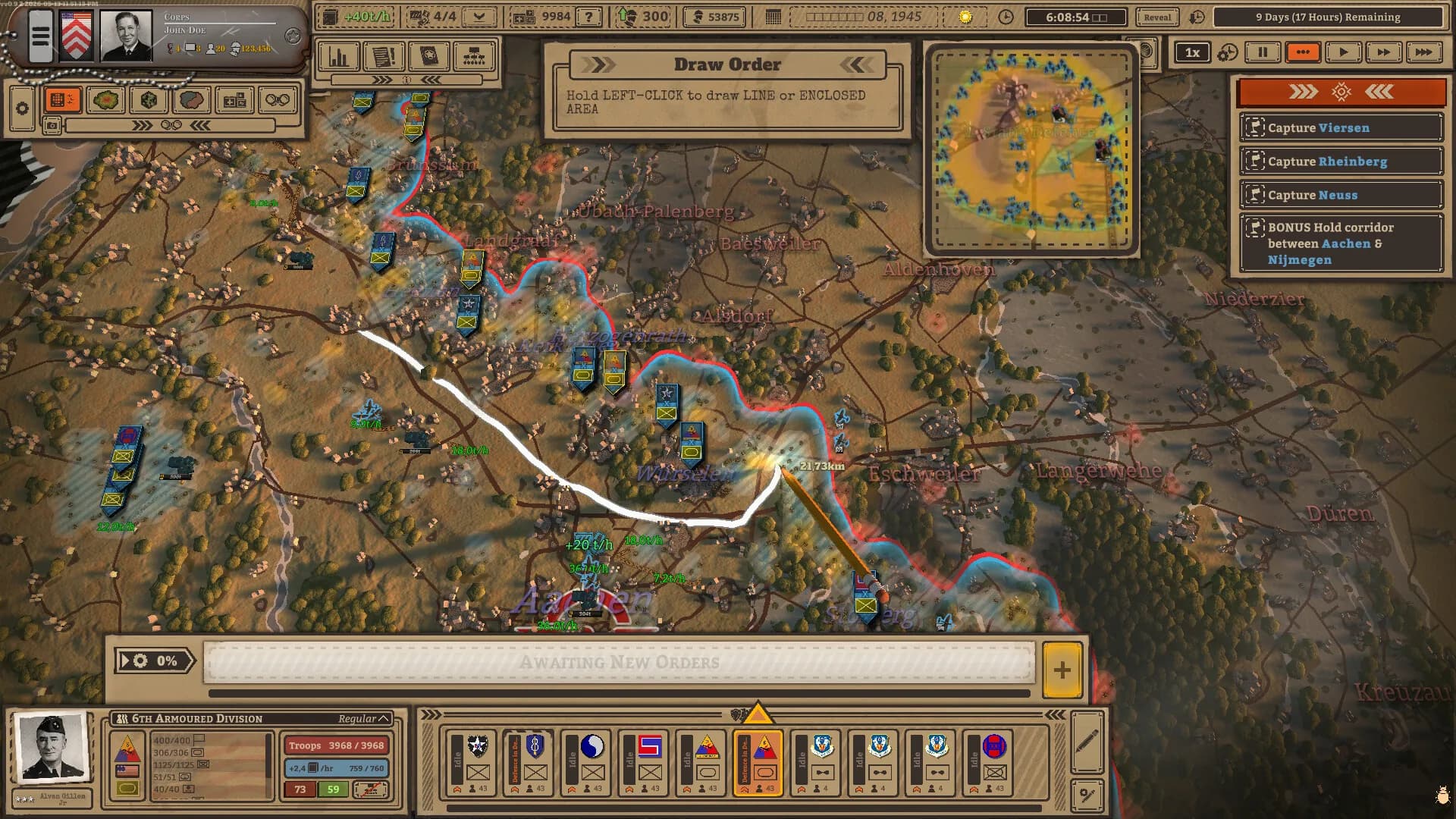
You draw a plan on the map and officers execute it alone. Except the game crashes every other planning phase.
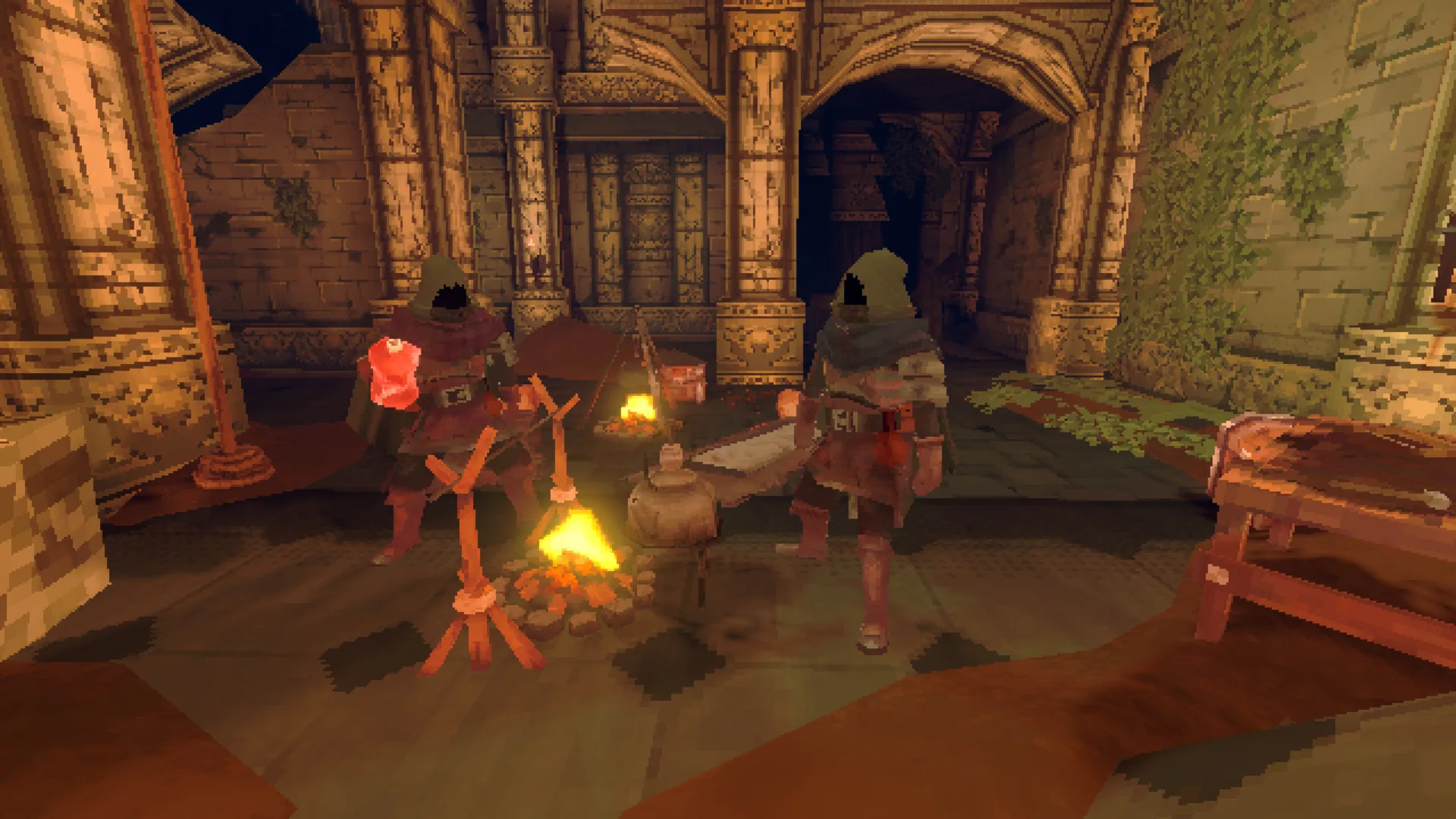
The Knights of Pen & Paper team return with a dungeon where you come back to camp, cook, and unlock recipes that change your stats.