A press release from MY.GAMES landed in our inbox, and rather than reprint it as is, we preferred to do what we always do: an honest article. The publisher is relaunching the Rhandum League of Rush Royale, its mobile tower defense, with a prize pool announced at more than $7,777. Behind the marketing announcement, there's something good to underline and a mechanic worth dwelling on, because it says a lot about how competitive mobile gaming works today.
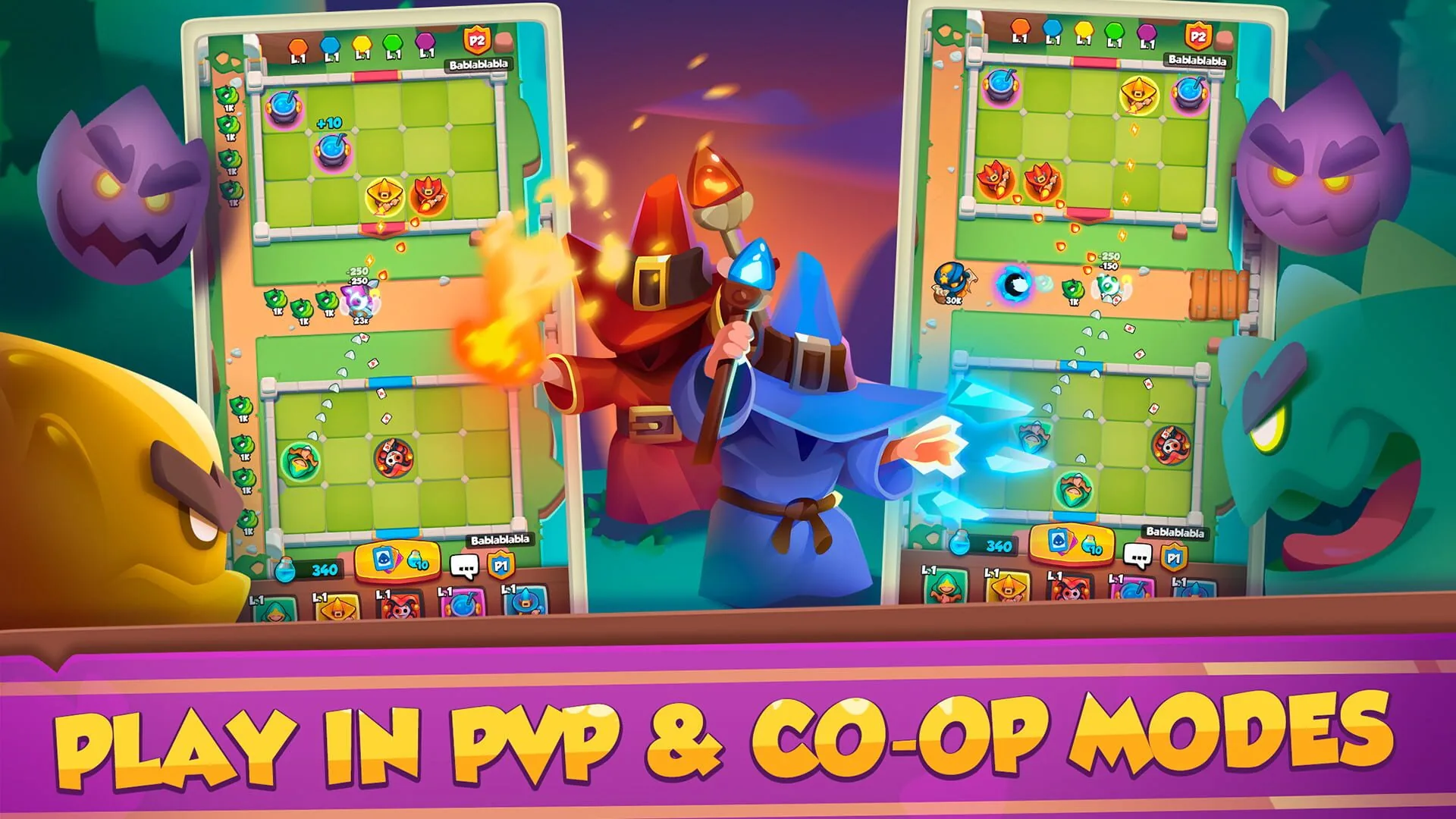
From 17 July, Rush Royale is running a new edition of its Rhandum League, a three-day tournament open to all players who have reached League 1. Each day, participants get three attempts to climb the ranking, the goal being to rack up as many wins as possible, ties broken by whoever reached the total first. The top ten players in the global ranking share the prize pool, which starts at $7,777.
The competitive format is more elaborate than a simple ladder. Unit, hero and equipment levels are standardized so everyone starts on equal footing. The community voted to ban units, and the final list excludes Demonologist, Dark Moloch, Tesla, Minotaur, Treant and Corsair. Each player builds five decks, and before a clash, they can block two of their opponent's, who must then make do with one of the three remaining. Finally, you gather combo points by merging units, defeating bosses and raising fusion ranks, with a bonus for the first to eliminate a boss. Participants also earn classic in-game rewards: gold, crystals, epic heroes, equipment and cosmetics.
The context
To understand the stakes, you have to recall what Rush Royale is. Released in 2020, it's a free-to-play mobile tower defense where the towers are replaced by warriors and wizards, playable in PvP as well as co-op. Like nearly all games in the genre, it rests on a monetization model based on progression and draws, where real money accelerates the power-up of your units. MY.GAMES, its publisher, is a heavyweight in the sector, claiming more than a billion registered users and a catalog ranging from War Robots to Hustle Castle.
In that context, a tournament like the Rhandum League isn't mere entertainment: it's an engagement and retention tool, designed to bring players back and animate the community. This kind of competitive event is the lifeblood of mobile gaming, where the stake isn't so much esports as keeping an active, spending player base over time. It's precisely why you have to look beyond the announcement and understand what's really at play.
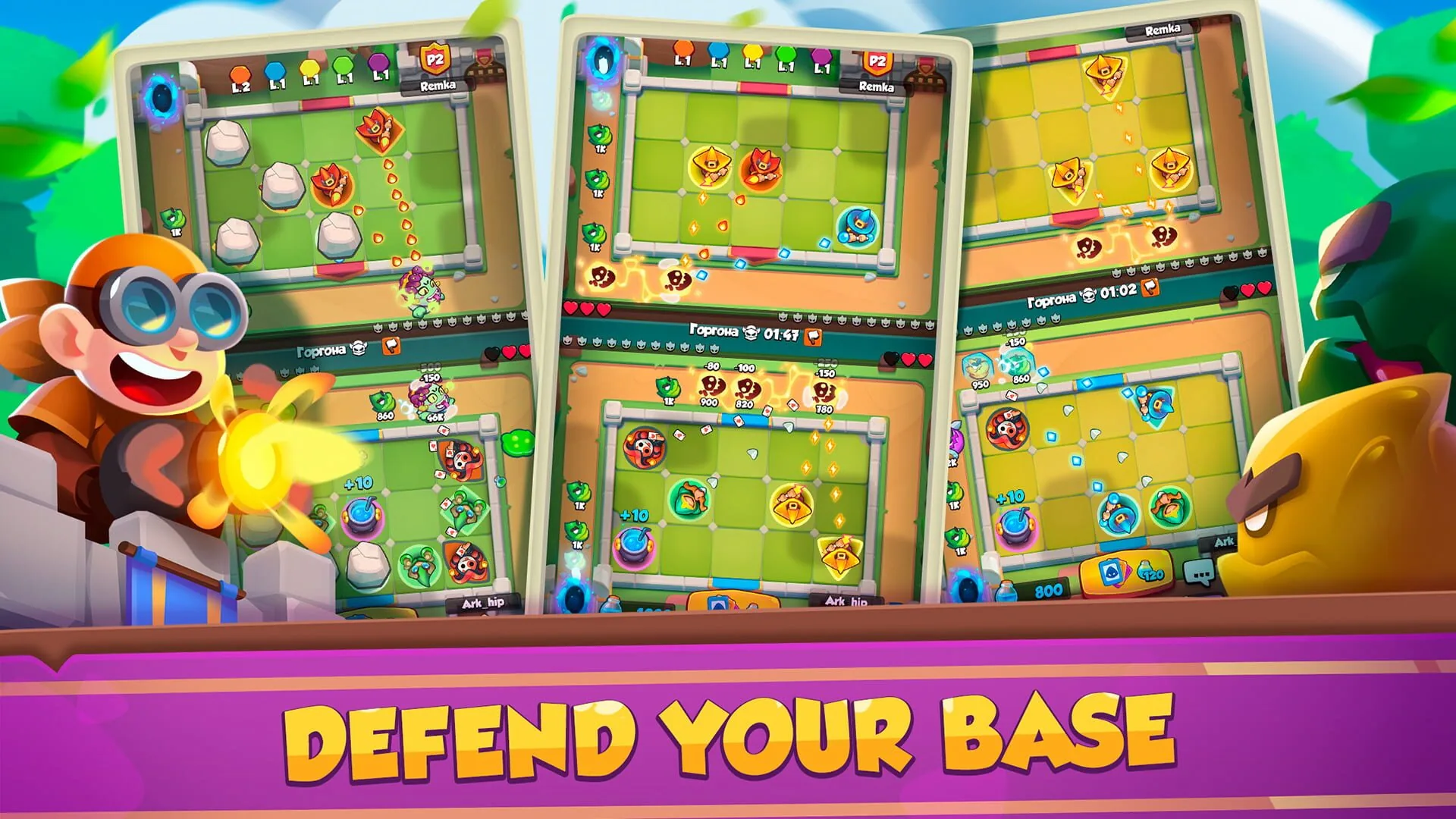
Let's start with what deserves real applause, because there is some. The level-playing-field format is an excellent idea, and a salutary rarity in a free-to-play game with draws. By standardizing unit, hero and equipment levels, the Rhandum League neutralizes the wallet's advantage and makes the competition a matter of pure skill and strategy. In a genre where pay-to-win is the norm, deciding that the flagship tournament will be played on talent rather than the credit card is an honorable choice, and the mechanics of unit banning, blocking opponents' decks and combo points add real tactical depth. On the ground of the game itself, it's well done.
Where our honesty forces us to raise an eyebrow is on that famous prize pool. It starts at $7,777, but above all, it grows with every purchase made in the MY.GAMES online store. In other words, it's the players' spending that inflates the prize ten of them will share. It's a fearsomely clever mechanic: you turn displayed generosity into an incentive to spend, presenting as a gift what the community funds itself. Esports becomes a pretext for spending here, and the lucky number of $7,777, however symbolic, remains modest for a publisher claiming a billion users. Split among ten winners, it's not a life-changing sum, it's a communication argument.
This isn't about sulking over the event, quite the opposite. If you already play Rush Royale, the Rhandum League is a delightful chance to measure your true worth, freed from the power race, and it's the best face the game can offer. But let's call things by their name: it's a retention event dressed as an esports tournament, with a participatory prize pool that encourages you to open your wallet. Enjoy the fair competition, which truly deserves it, but keep a cool head about the rest. The generosity you're being sold is partly your own.
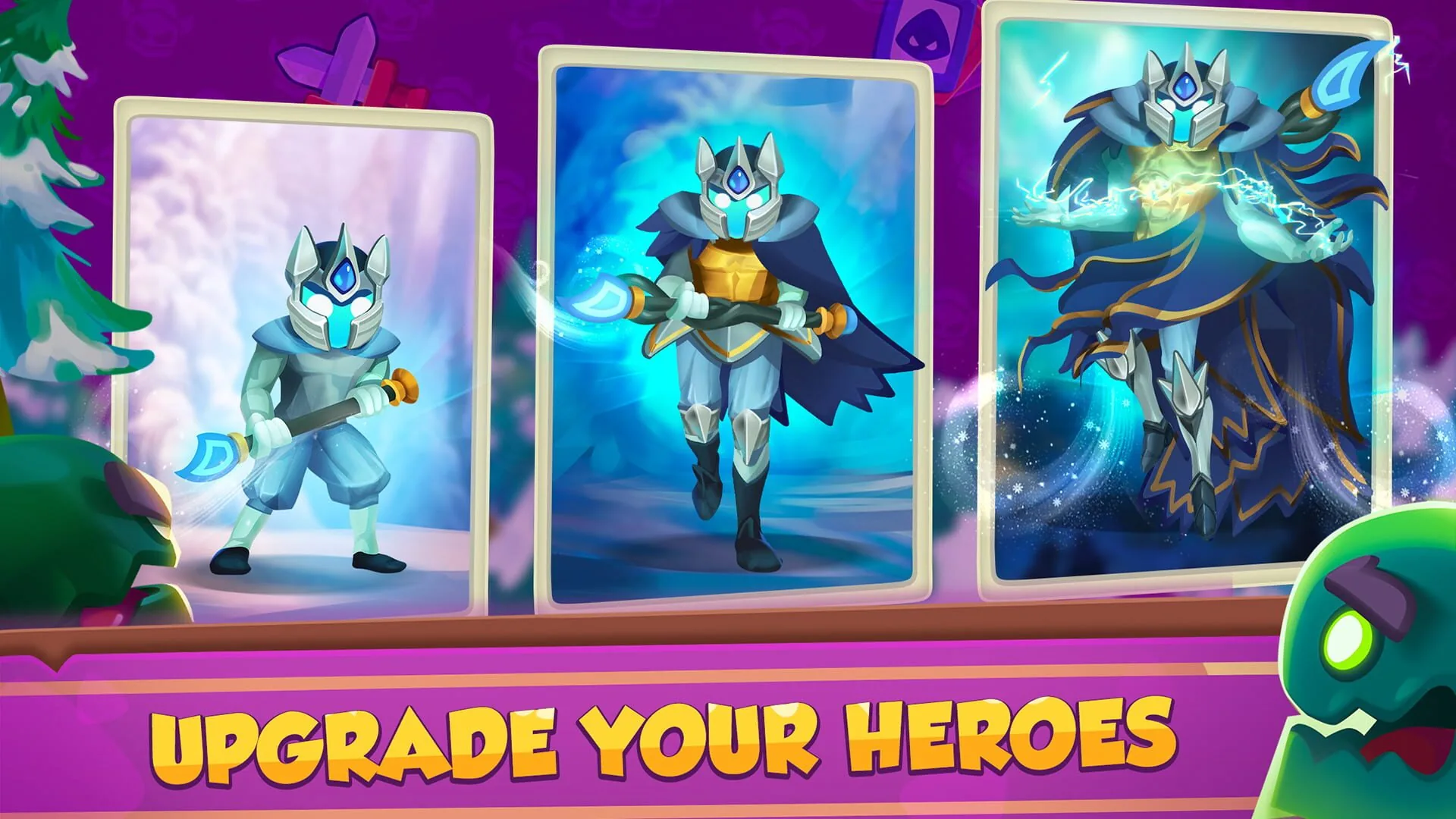
The Rhandum League perfectly illustrates the ambivalence of today's competitive mobile gaming. On one side, a genuinely virtuous format that puts skill back at the center and proves a free-to-play can offer a fair and demanding competition. On the other, a prize pool fueled by players' purchases that reminds you that, even in its finest esports finery, the ultimate goal remains keeping the spending machine running. The two coexist without hiding, and it's up to each person to sort it out.
Our position is simple: bravo for the level-playing-field format, which should set an example in the genre, and caution on the prize pool, which is more engagement marketing than generosity. If the event makes you want to go back and test your strategy on Rush Royale, all the better, it's free and the challenge is real. But don't forget that, behind the $7,777 on display, there's first a publisher who knows exactly what it's doing.
Rush Royale is available on Android and iOS. The Rhandum League begins on 17 July.
We want to hear your take: the InsertCoins Discord is waiting.