7
Test
Archipeo: thousands of islands, ships running a shuttle service, and me not sleeping
A procedural Anno where haulage is the real game. Every badly assigned freighter takes its revenge forty minutes later.
Alexandrosse
8 min
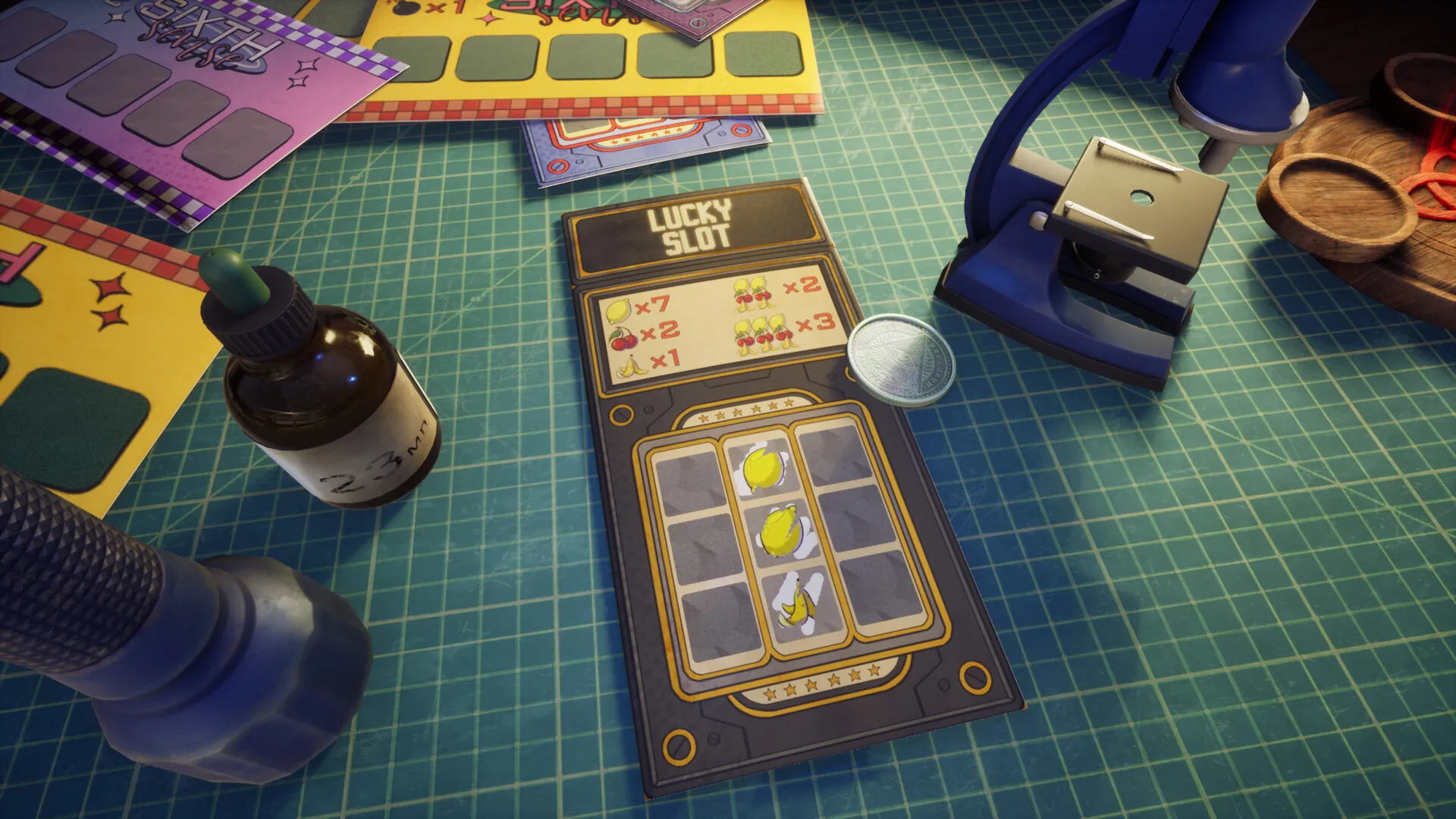
Print tickets, scratch cells, cash out or risk it all. Fiercely effective, and perfectly aware of what it is imitating.
Alexandrosse
InsertCoins.press Score
7/10
Verdict
Recommended
Some games you open out of curiosity, with no intention of doing anything with them, and they keep you for three quarters of an hour. Scratch the Ticket is one of those. I had not planned to write about it. It won.
And the fact that it won so easily is exactly what needs discussing.
Studio Shilenok, published by Spaghetti Cat, describes its game bluntly as a first-person incremental gambling sim where every ticket is a test of nerves. You print tickets, you scratch cells, and you decide: cash out now or put it all back in play.
The phrase they use is worth noting, because it sums up the mechanic: the outcome depends only on your choice. In other words, this is not a slot machine deciding for you, it is a series of stopping decisions. That is the old double-or-nothing tension, the one that made television game shows rich, and it still works.
What makes the whole thing so gripping is the gesture. Scratching is a tactile, slow action with a gradual reveal, and our brains adore information arriving in pieces. Add the incremental loop, where you print the next ticket with the previous one's winnings, and you have a machine for not stopping.
You note that fortunately no real money is involved, otherwise your house would no longer quite be your house. It is funny, and it is also the subject.
The scratch card is one of the most effective gambling formats in existence, precisely because of what is described above: low stake, immediate result, gradual reveal, and above all the ability to start again straight away. That rapid repetition is what hooks, far more than any hope of a jackpot.
A video game reproducing that mechanic without real money remains a game, and there is nothing objectionable about designing one: double-or-nothing tension is a perfectly legitimate design device, used by dozens of very good titles. But we should stay clear-eyed about what is being handled. The fact that you were caught within minutes is not a design accident, it is proof that the original mechanic works, even stripped of its financial consequences.
If you know that format speaks to you a little too much, the money-free version is good news. If you know it speaks to you far too much, it may not be the ideal practice.
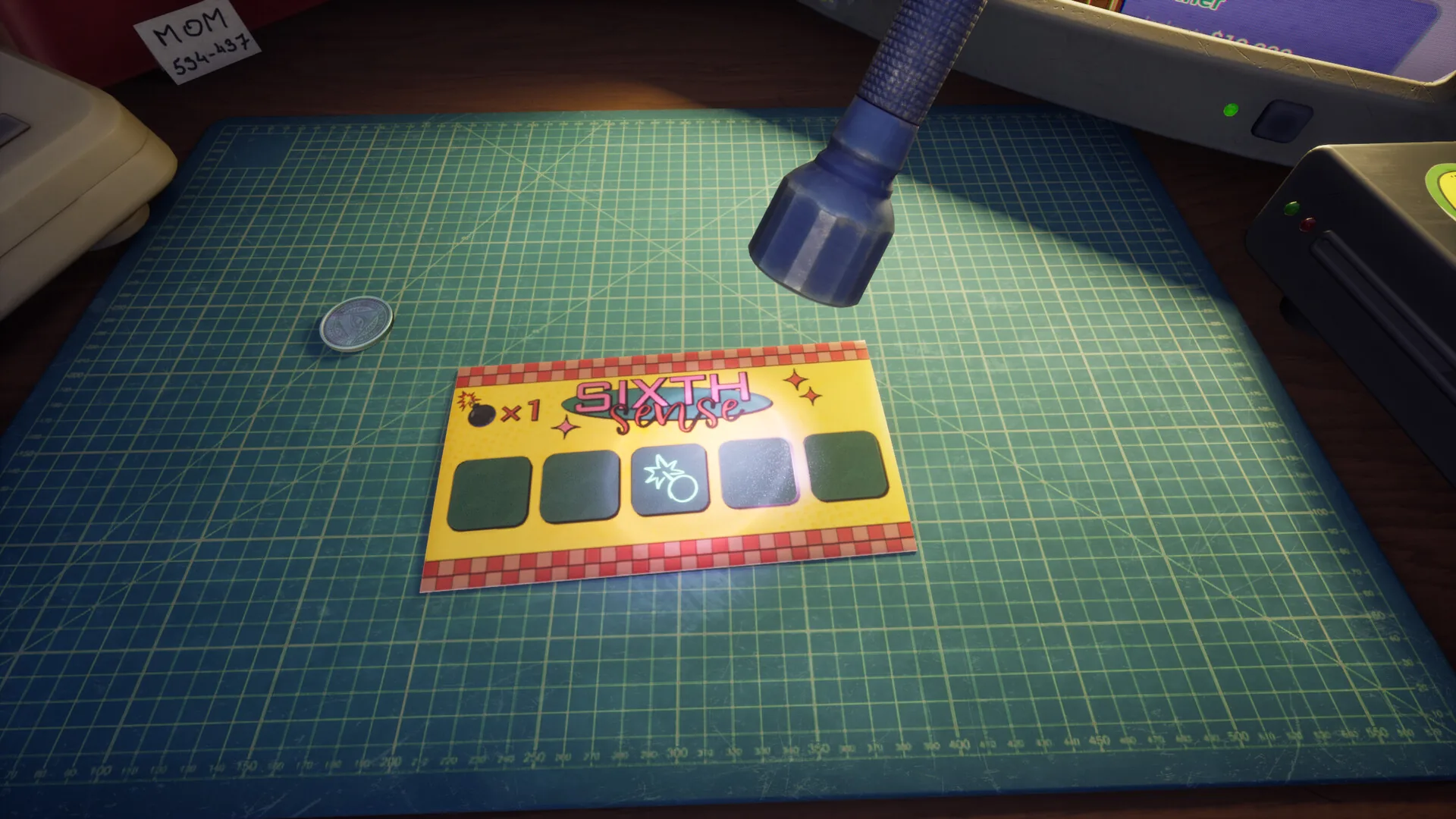
It acknowledges a rare immediate effectiveness and welcome care over comfort options, while reserving judgement on the game's ability to renew a single repeated decision.
Be honest in the comments: do you cash out early, or always risk it one time too many?
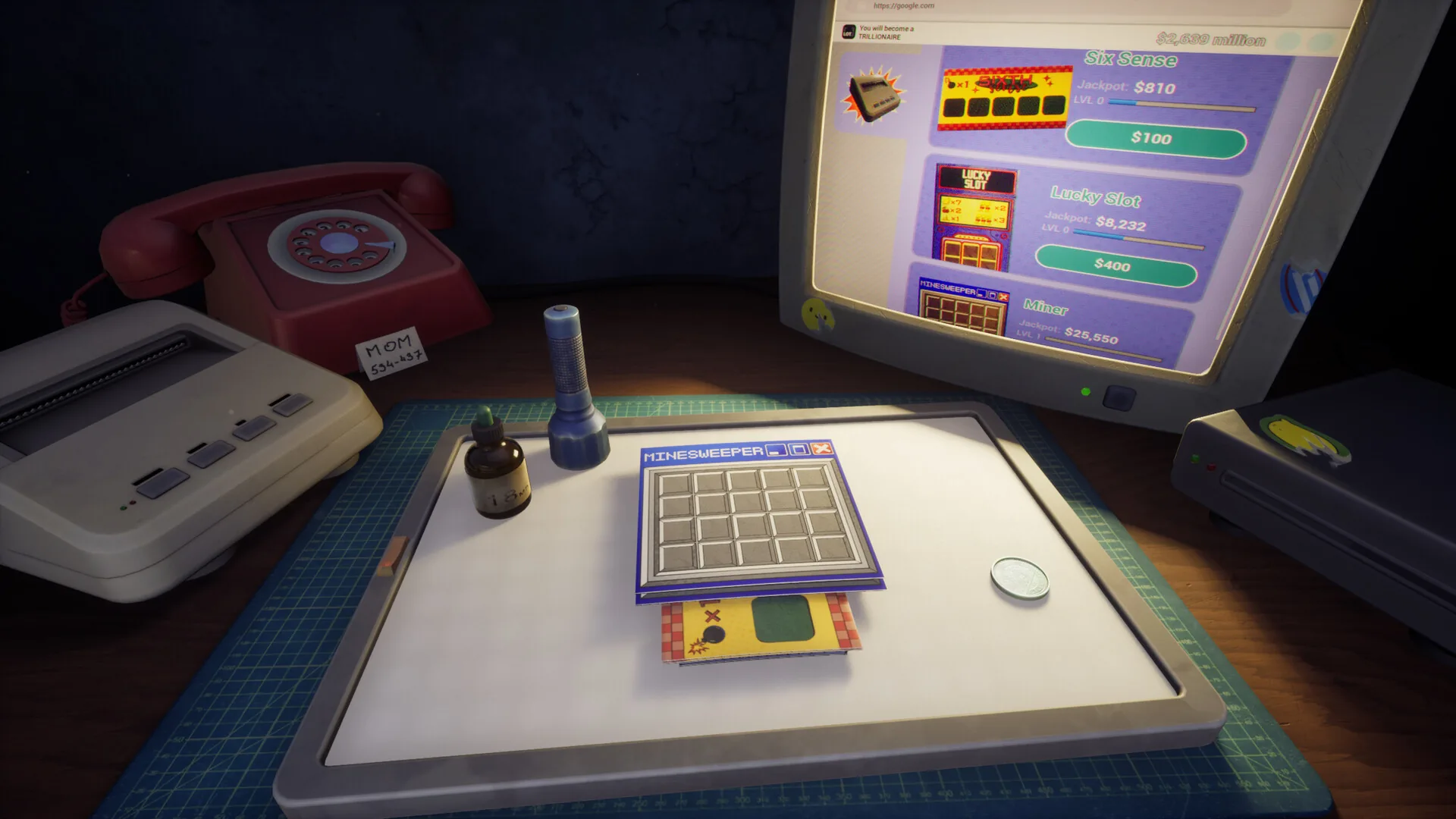
The real unknown is depth. A game built on one repeated decision must find ways to renew interest: new ticket types, rules that complicate, thresholds that change the arithmetic. Without that, the loop holding you for three quarters of an hour will not hold you for five. That is the gamble of every incremental, and it is where they split into two categories.
In the meantime, it managed what very few games manage: it made me write an article I had not planned.
We debrief every release on our Discord. The door is open, and so is the argument.
Community
Your rating
Advertisement
Loading comments...
You might also like
A procedural Anno where haulage is the real game. Every badly assigned freighter takes its revenge forty minutes later.
Towers, troops, a single pool for both. Every coin spent on defence is a coin you will not be sending the other way.

Crossing finally matters and defending responds. Then the screen goes black. 57 per cent positive on Steam, at 69.99 euros.