Preview
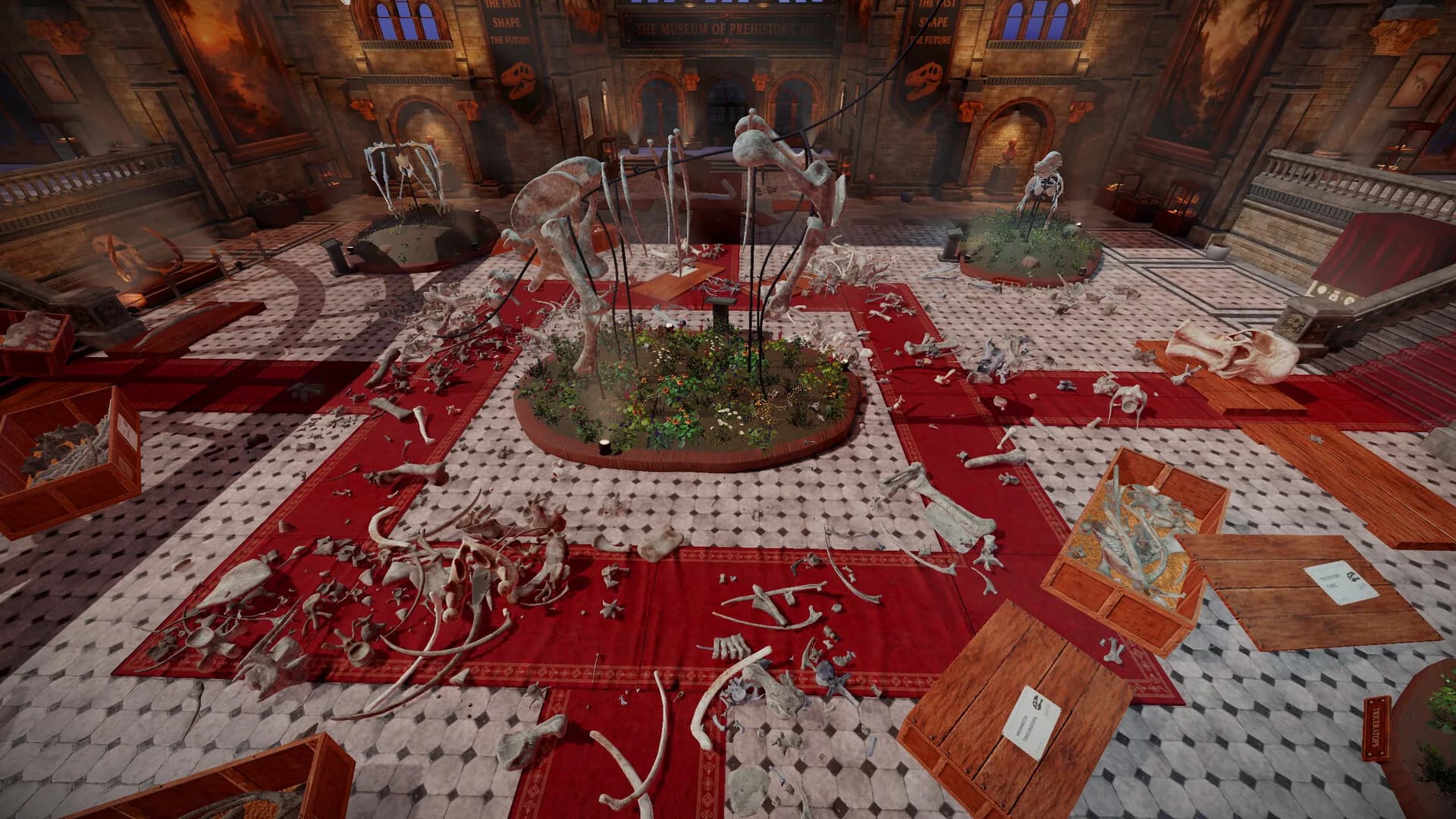
DinoBones: nine skeletons in pieces, a museum to put right, and a cat
A sorting game where every bone starts out unknown and you learn to recognise it. No date yet.
Alexandrosse
6 min
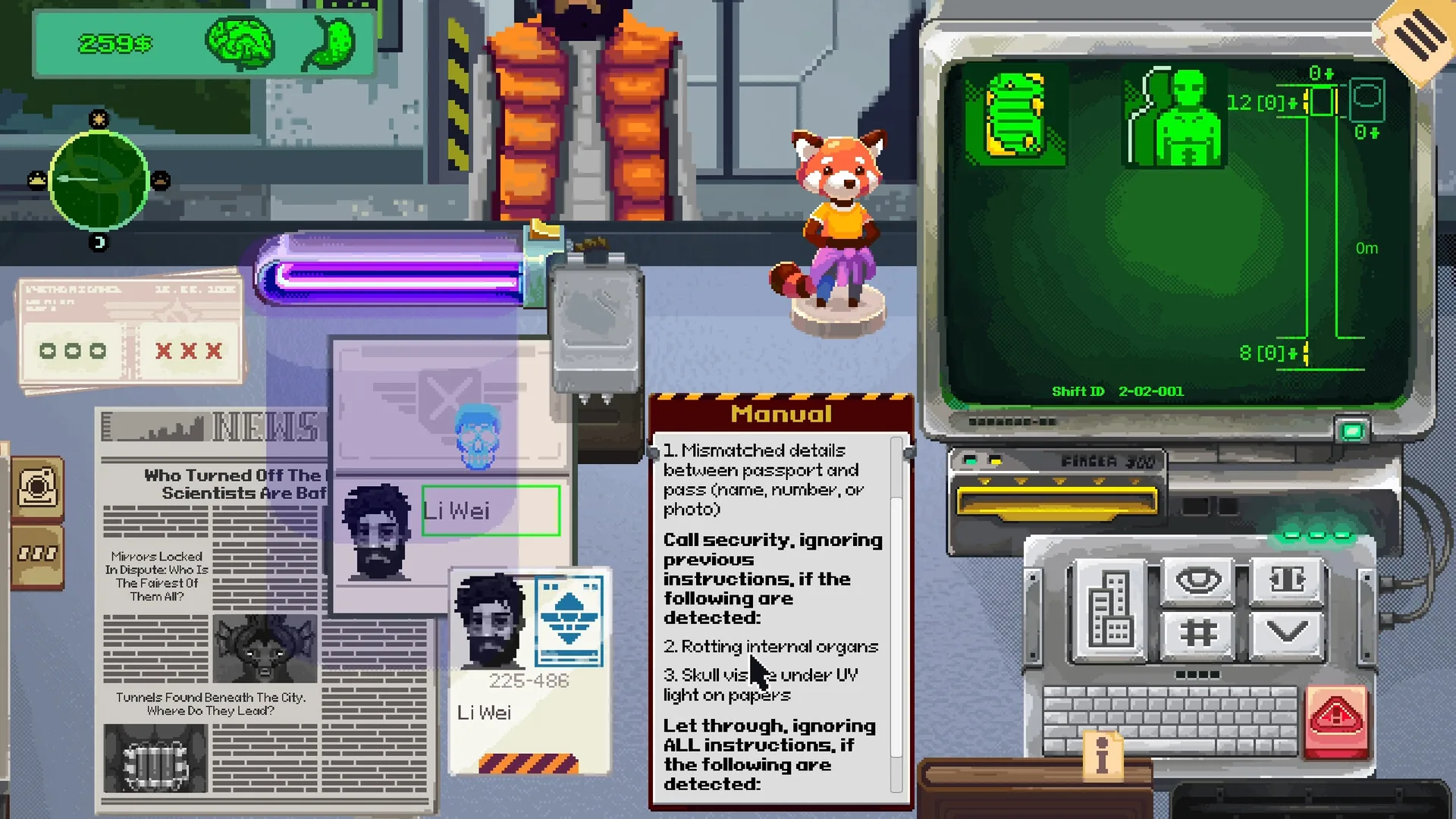
The bureaucratic stamp meets SCP paranoia. Its real find: you are also responsible for what leaves the bunker.
Alexandrosse
Since Papers Please, document checking has become a rite of passage for indie games, complete with imitations that copy the stamp without understanding why the model worked. So the question put to Security 51 is fair: what does it bring that is new?
Three things, and the first is genuinely clever.
In Papers Please, your job was deciding who entered the country. All the moral weight came from there: you judged people who wanted to pass, and the drama played out in what you refused them.
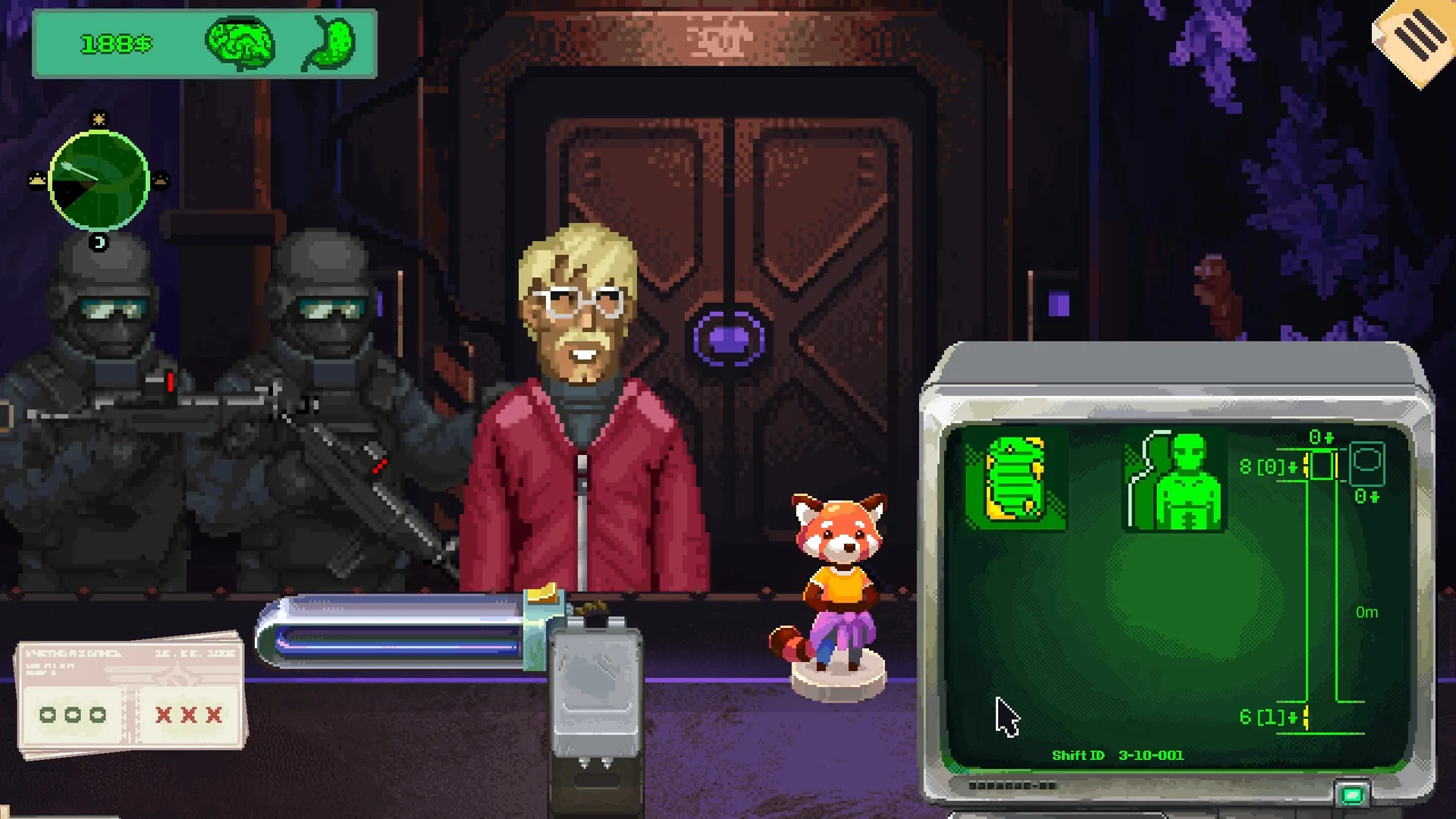
Security 51 inverts the perspective. You hold a checkpoint in the underground bunker of Area 51, whose elevator shaft descends for miles toward unknown levels. You still have to check who comes in, but the studio puts it very well: what matters is not only who you let in, it is who, or what, you let out into the world.
That inversion changes the whole balance of the game. You must in particular ensure that the number of people entering matches the number leaving, which turns an administrative routine into anxious accounting. And if you let the wrong thing out, the infection ravages the city. Bureaucracy is no longer an instrument of oppression, it becomes the last line of defence, a reversal all the more interesting for being rare.
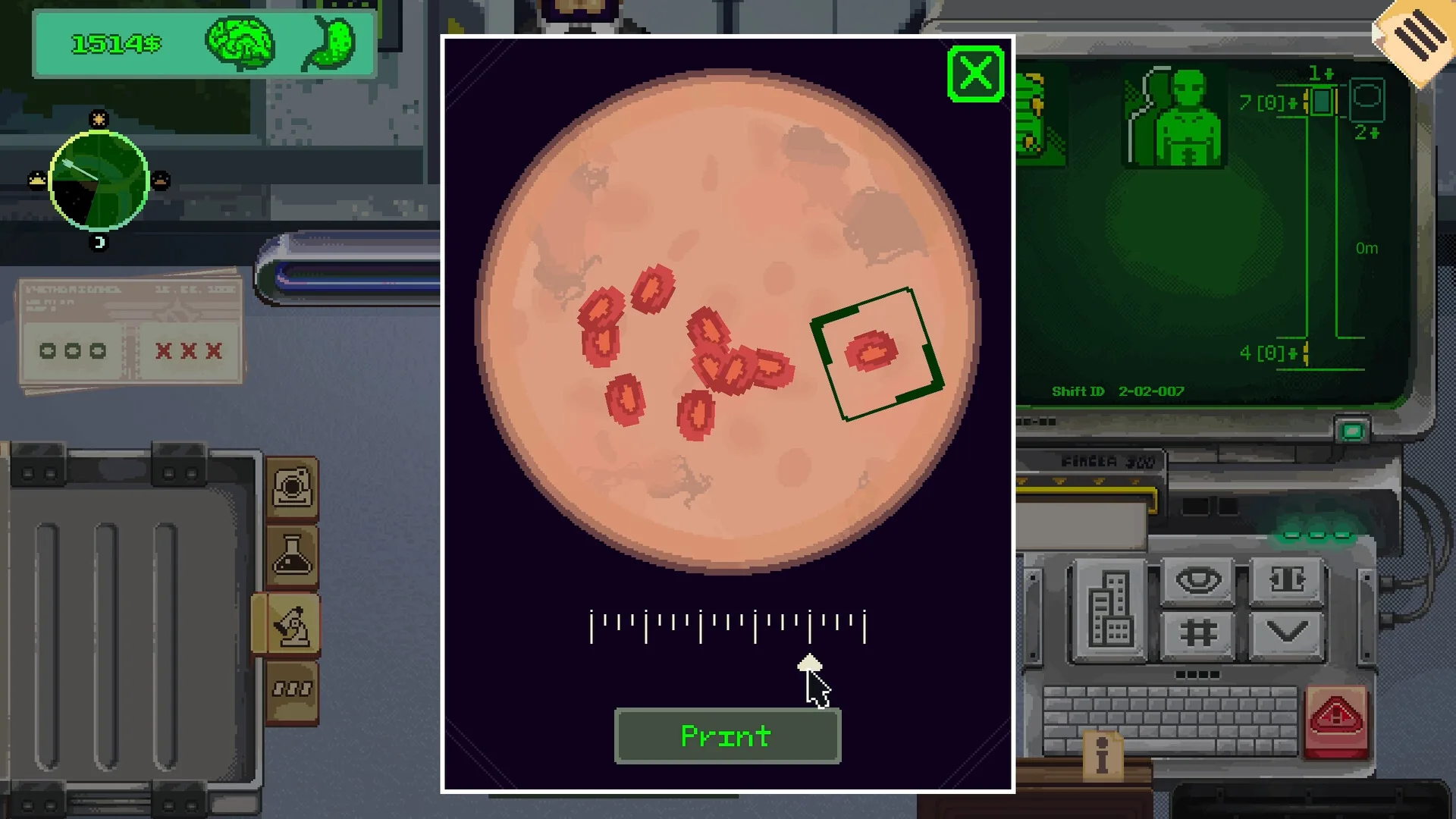
Second contribution: verification deepens with experience. You start by checking names, positions, clearance levels and times, then you gain more accurate methods, up to fingerprint verification and blood testing.
That is a good progression curve, because it does not make the game easier, it makes it more paranoid. The signals to catch are not only documentary: an incorrect answer, behaviour that deviates from protocol, slurred speech, or papers that look too perfect. The studio warns that you will end up relying on the protocols for want of anything better, and that the protocols themselves can be wrong.
Third contribution, quarantine. When in doubt you can lock up a suspect. Sometimes you will detain a perfectly ordinary employee, sometimes you will find a titanium cell torn open from the inside. That image alone sums up the game's ambition: grafting SCP horror onto the bureaucratic stamp.
Two reservations, and they concern the same points as for every heir to this genre.
The first is delayed consequences. The studio announces that some decisions are paid for immediately and others only after several shifts. On paper that is excellent, because it is what creates remorse. In practice, this kind of system only works if the game later makes clear which mistake produced which disaster. Without that feedback, punishment becomes arbitrary and frustrating.
The second is wear. Document checking is a repetitive mechanic by nature, and horror dulls quickly if the anomalies become predictable. Everything will depend on the variety of cases and the pace at which the game introduces new rules.
It is available in French.
So no, this is not a simple clone. Papers Please told the human cost of paperwork; this one tells the terror of signing something you did not understand. That is not the same subject.
The conversation continues on our Discord, between the believers and everyone else.
Community
Your rating
Loading comments...
You might also like
A sorting game where every bone starts out unknown and you learn to recognise it. No date yet.
Announced for 25 September. What the store page describes, what it does not say, and why we will wait to play it before judging.
A magical sorting game where you unlock spells to work faster. No date yet, so no score yet.