7
Test
Barfender: my idiotic friend drank all the beers
A co-op bar that collapses while you serve. 98 per cent positive, and one of the rare times chaos is the actual subject.
Alexandrosse
7 min
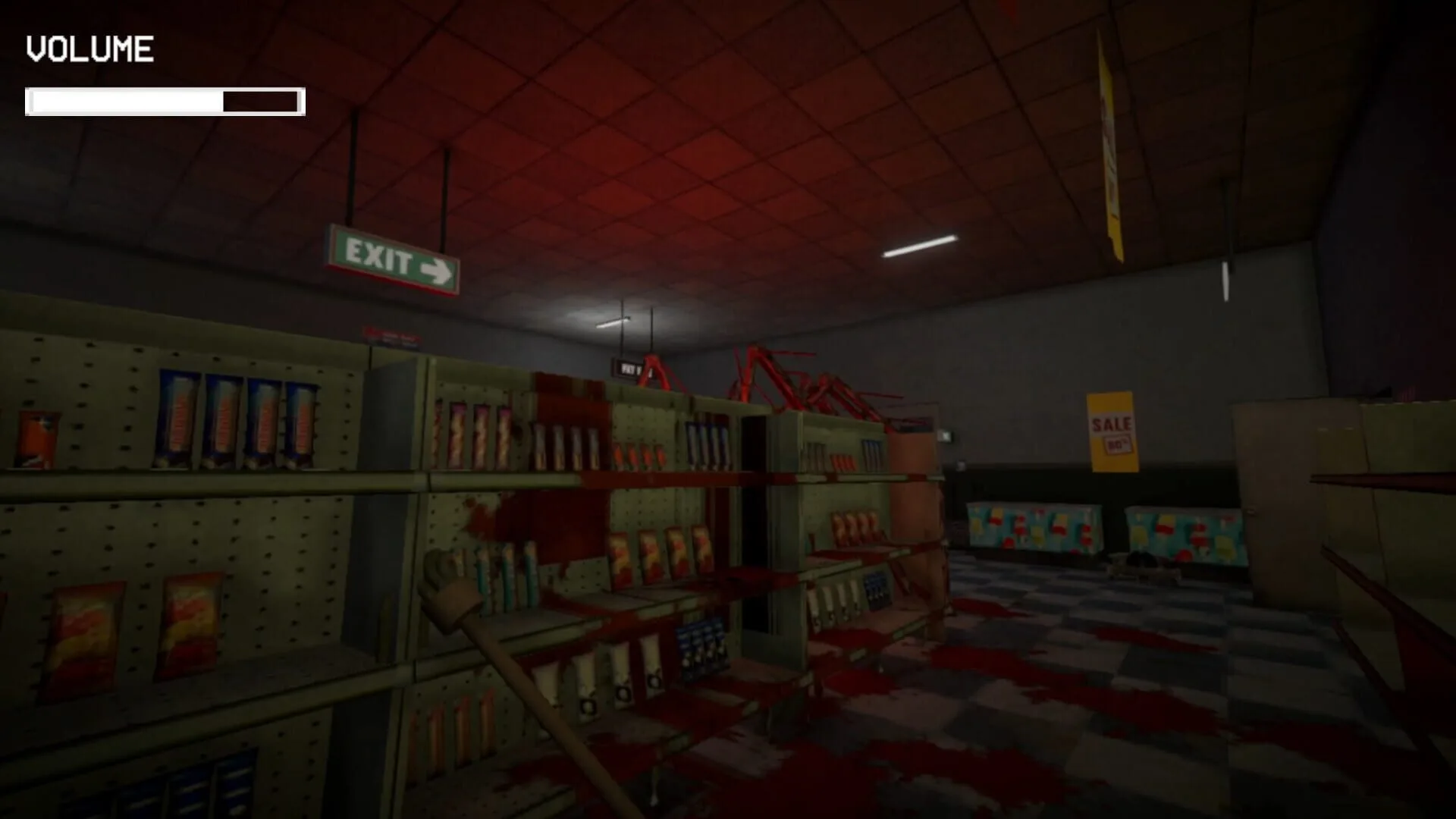
Papers, Please meets That's Not My Neighbor in a 1990s American gas station. One developer. 99% positive on Steam. Day One on Game Pass. Shift at Midnight came out of nowhere and it's here.
Alexandrosse
InsertCoins.press Score
8/10
Verdict
Recommended
Shift at Midnight released May 28, 2026 on PC and Game Pass. Built by one person. 99% positive on Steam with over 7000 reviews. It made CaseOh go viral on TikTok before the official launch. This is the kind of trajectory you associate with Lethal Company or Five Nights at Freddy's: a precise concept, perfect execution, and a community that immediately understands why it works.
Here's why it works.
You're working the graveyard shift at a rural American gas station, somewhere in the 1990s. Your job is to run the store: restock shelves, clean up, serve customers, hit the night's sales quota. The problem is that some of those customers aren't human. They're impostors.
The horror in Shift at Midnight doesn't come from a monster chasing you down a corridor. It comes from the obligation to keep doing your job regardless. You can't hide behind the counter and wait for dawn. You have to serve customers. You have to put boxes away. You have to figure out who's human and who isn't, and do it fast, because the next one is already in line.
The game runs on three systems that feed into each other.
Store management: deliveries to receive, shelves to stock, a register to run. Not decoration, not a cosmetic checklist. The resources you manage in the store (traps, barricades) are also your defensive arsenal. A poorly run store means a more dangerous night.
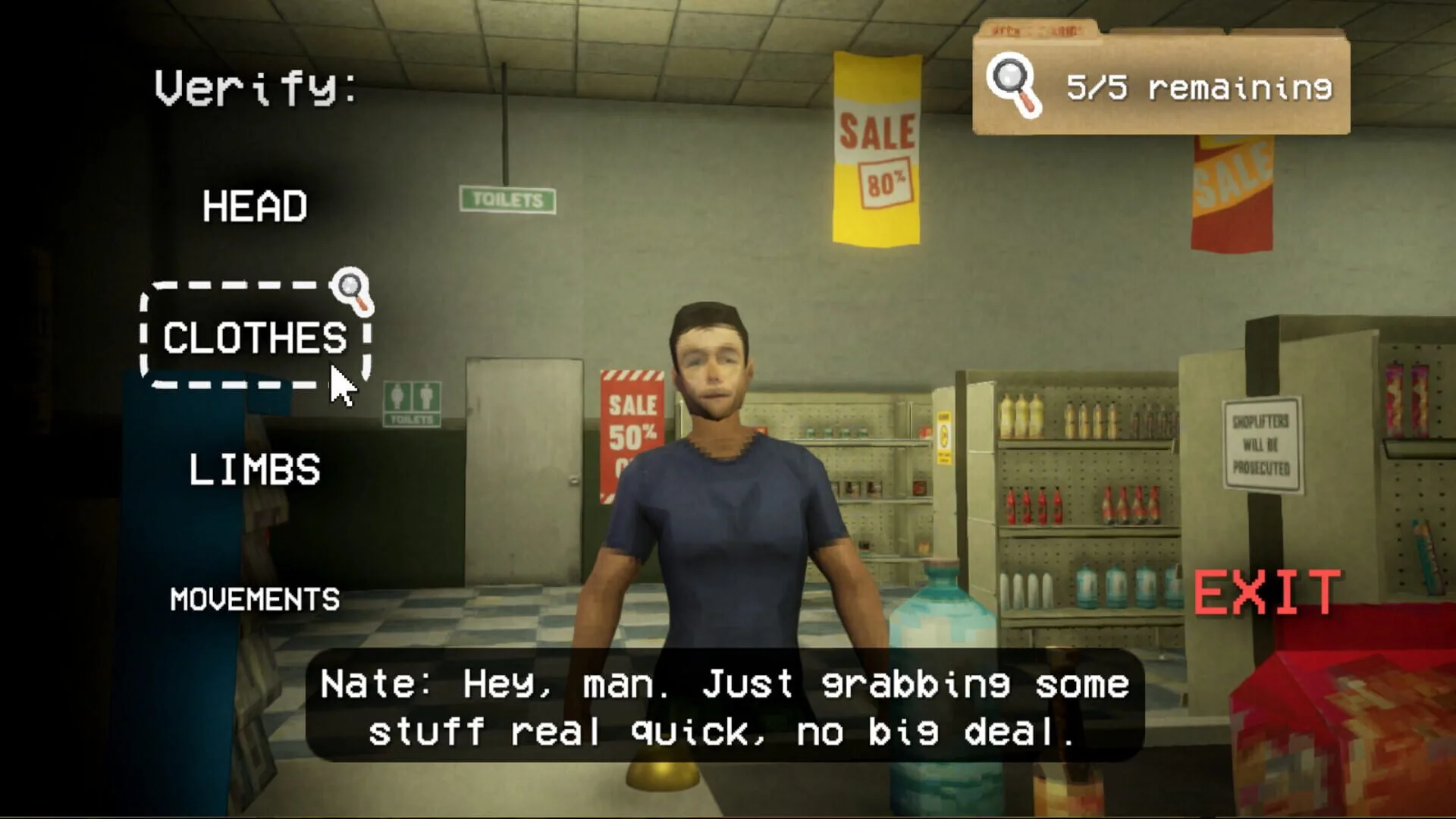
Impostor detection: every customer who walks in could be human or a doppelganger. You have five questions maximum per customer. A terminal lets you cross-reference information. Impostors have behaviors that slip, answers that don't add up, physical details that are off. A confirmed human has to leave without issue. A confirmed impostor gets handled differently. An impostor you misidentified becomes a problem you'll face later.
The survival phase: when an impostor slips through, it comes back during the night in a different form. That's when the game shifts into pure survival horror: barricade the doors, set traps, find somewhere safe, hold until dawn. The spider monster everyone talks about in the community forces a 60-second barricade phase. The pressure is real.
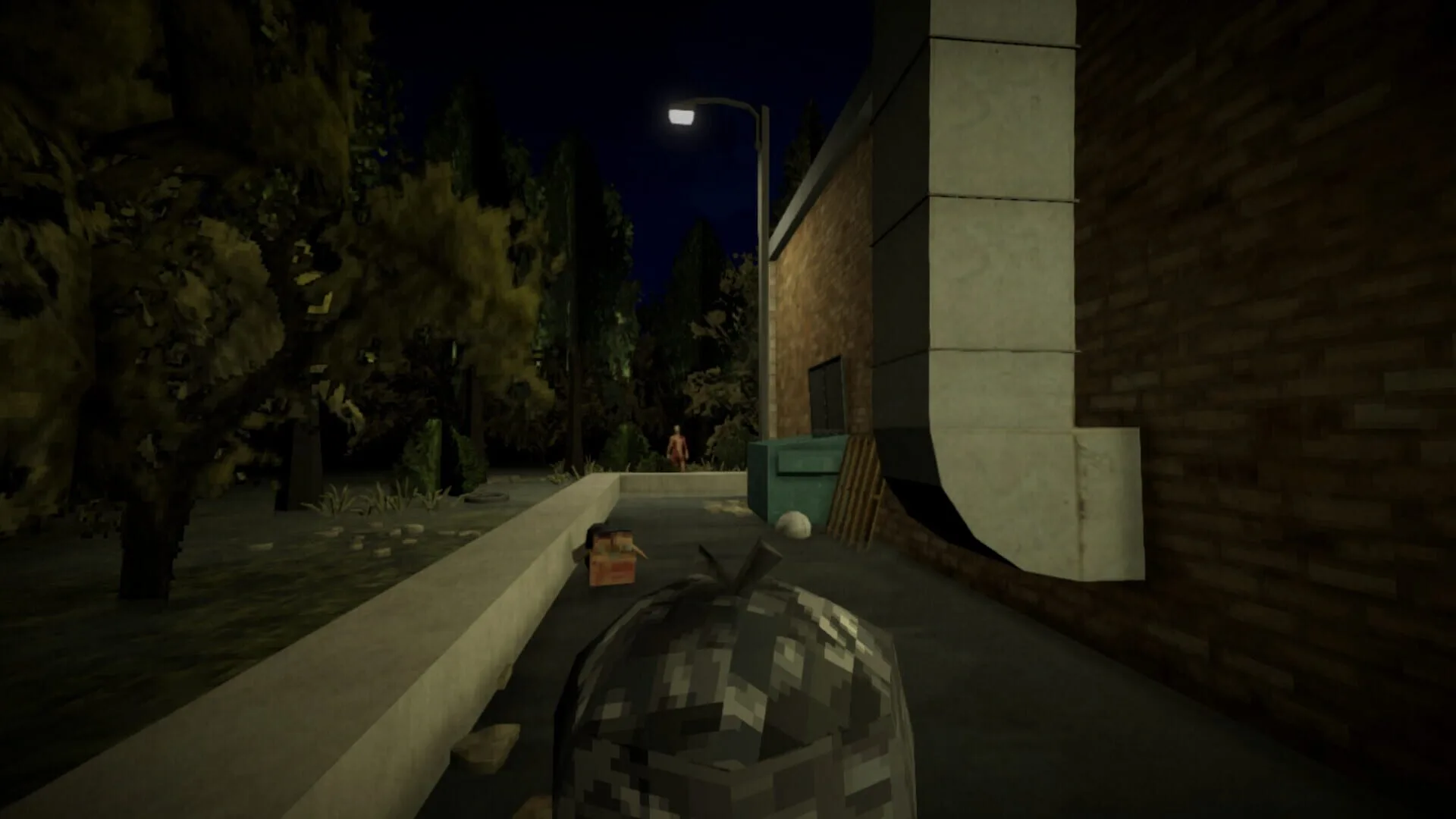
What sets Shift at Midnight apart from other doppelganger horror games (and there have been several since That's Not My Neighbor) is that the tension comes from the everyday, not from the monster. The most stressful moment in the game isn't when the creature arrives. It's when you still have three customers in line, two shelves to restock before midnight, and you're not sure about the guy who hasn't made eye contact since he walked in.
Each night is procedurally generated: the customer mix, who's an impostor, what type of creature might appear. The full game has 13 nights in story mode. The free demo gives three scripted nights to understand the systems. The Overwhelmingly Positive rating on the Steam multiplayer demo says everything about how effective that introduction is.
Proximity voice chat in co-op is the right design call. Hearing your partner panic in your ear in real time during a survival phase creates a dimension text chat can't reproduce.
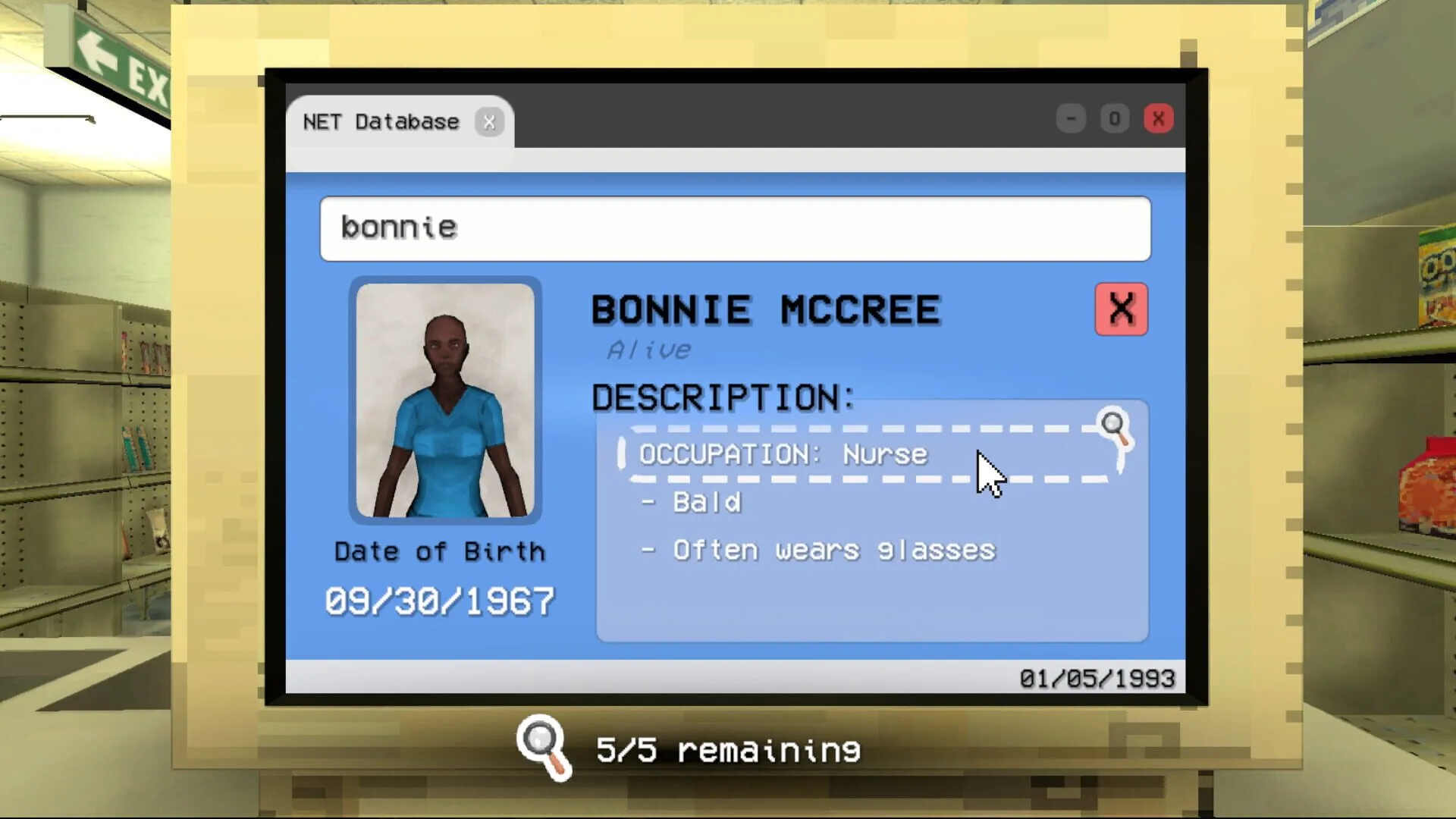
Bun Muen is Australian. He built Shift at Midnight alone, with Kwalee as publisher. The scope of the game, its visual polish, the coherence of its systems: hard to believe for a solo project. The art direction lands immediately: flickering neon, worn American road signage, fluorescent lighting behind the counter. It's not a generic gas station, it's a specific and recognizable place that sets the atmosphere from the first minute.
It's the kind of project that proves two things at once: that a single developer with a clear vision can produce something complete, and that Day One Game Pass can transform the trajectory of an indie game in a way Steam alone cannot.
The free demo is available on itch.io. The multiplayer demo is on Steam. If you want to understand why 7000 people gave 99% positive before the full game even launched, that's where it starts.
For solo players: the community raises questions about balance in nights designed for co-op when playing alone. It's the only legitimate angle of concern in an otherwise very well received game.
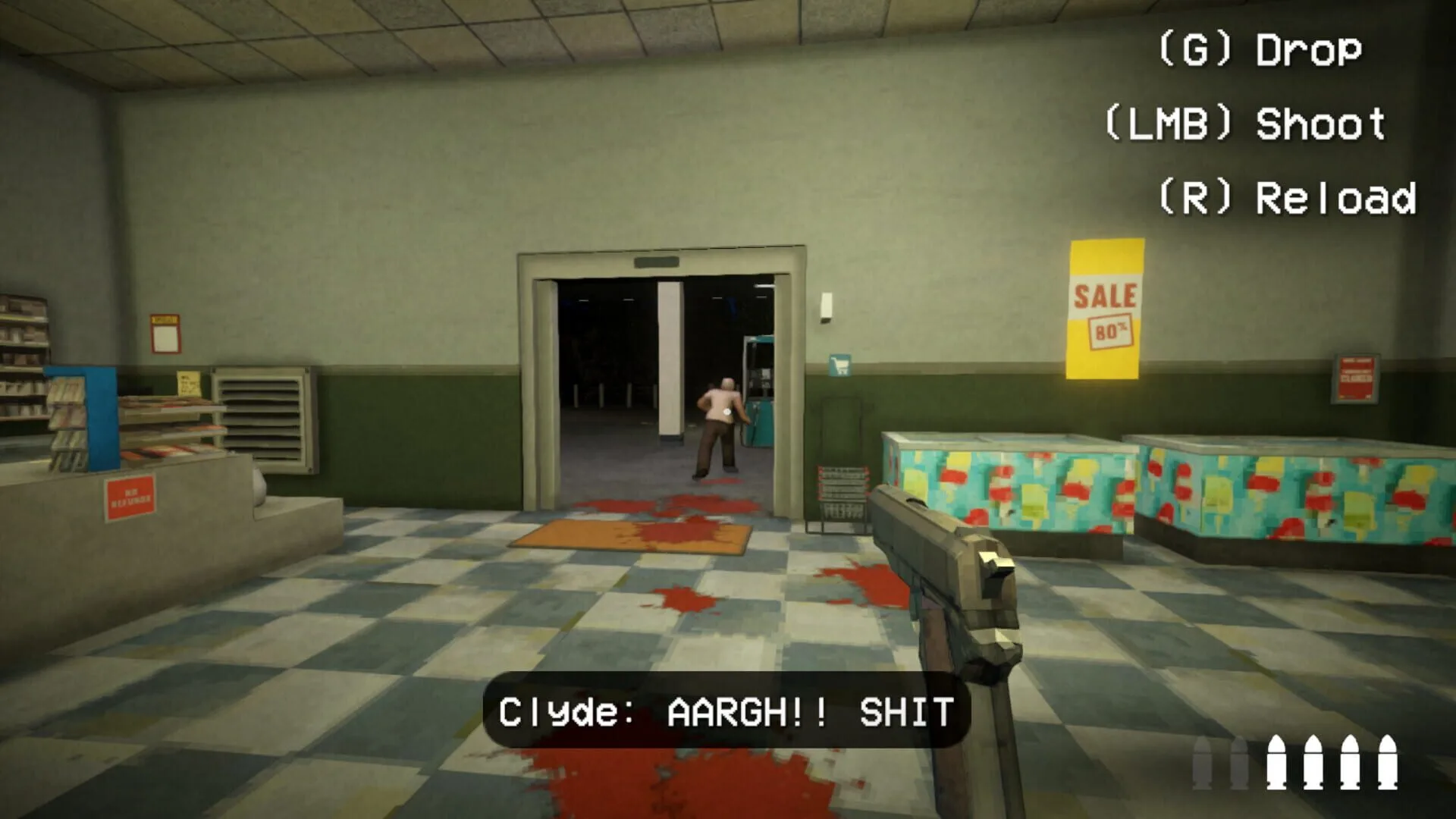
Shift at Midnight is the right example of what independent games still know how to do that major productions no longer do: find an idea, reduce it to its essence, and deliver it with enough precision that the formula is immediately understood and wanted. The three systems feed each other with a coherence that's rare for a solo project, the art direction builds an atmosphere that's recognizable within seconds, and proximity voice chat in co-op is the design decision that turns tension into something genuinely memorable.
The only real caveat: the nights were designed to be experienced with two or three players. Solo, the balance shows. Not a dealbreaker, but something to know before buying.
One developer, one gas station, one night to survive. Sometimes that's all it takes.
Disagree with the score? Come and tell us on the InsertCoins Discord, where we defend our verdicts live.
Community
Your rating
Advertisement
Loading comments...
You might also like
A co-op bar that collapses while you serve. 98 per cent positive, and one of the rare times chaos is the actual subject.
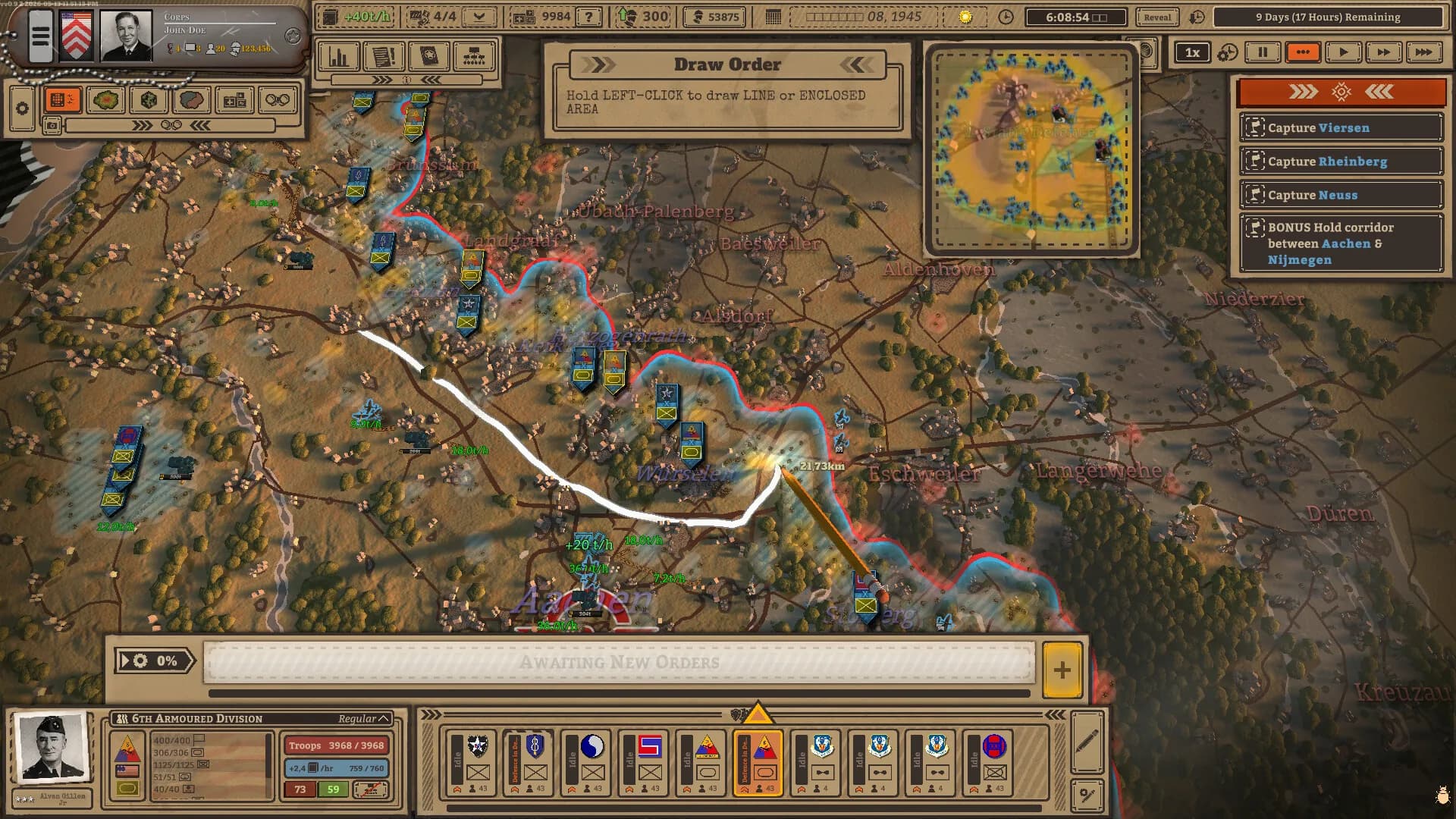
You draw a plan on the map and officers execute it alone. Except the game crashes every other planning phase.
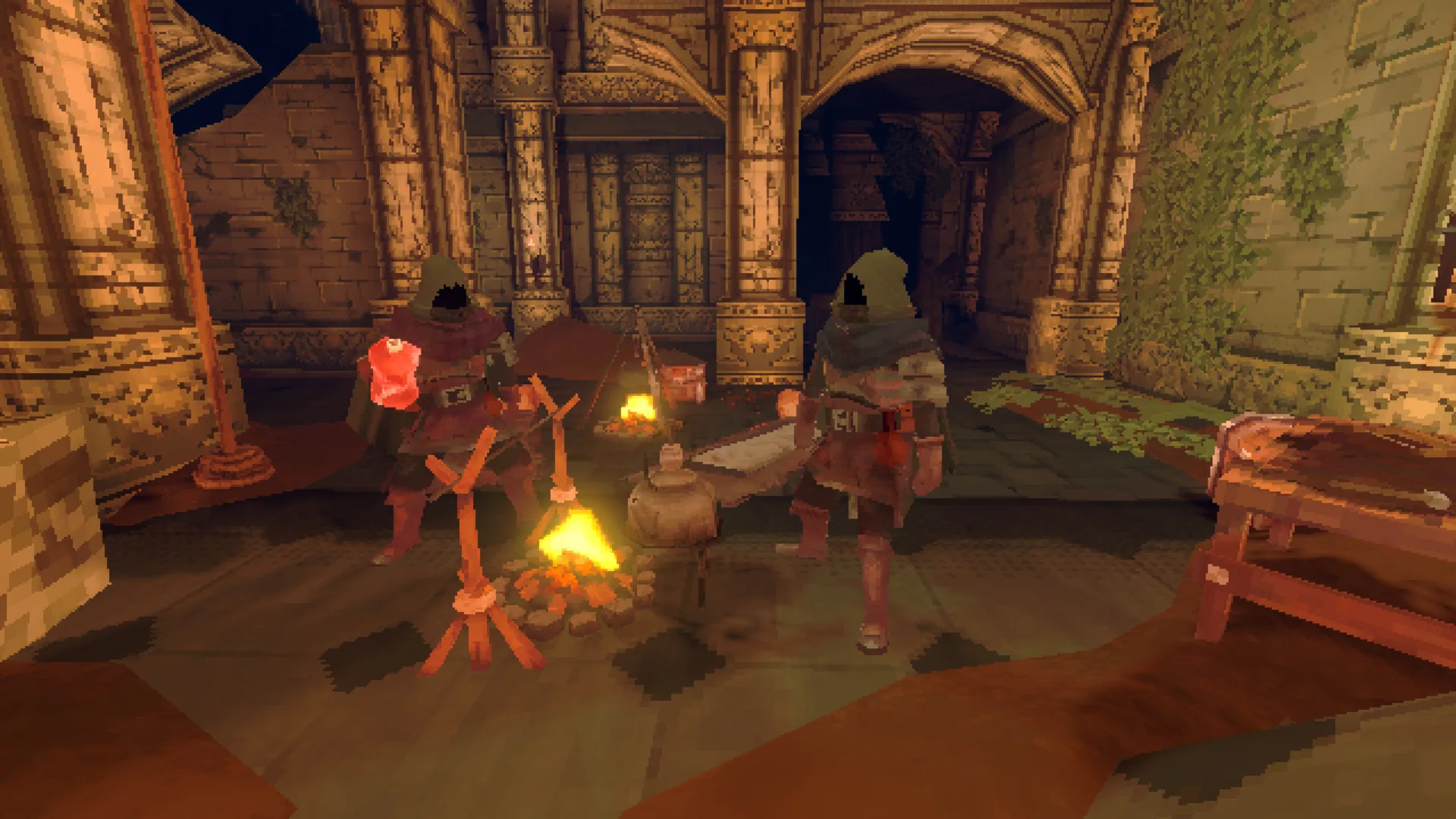
The Knights of Pen & Paper team return with a dungeon where you come back to camp, cook, and unlock recipes that change your stats.