5
Test
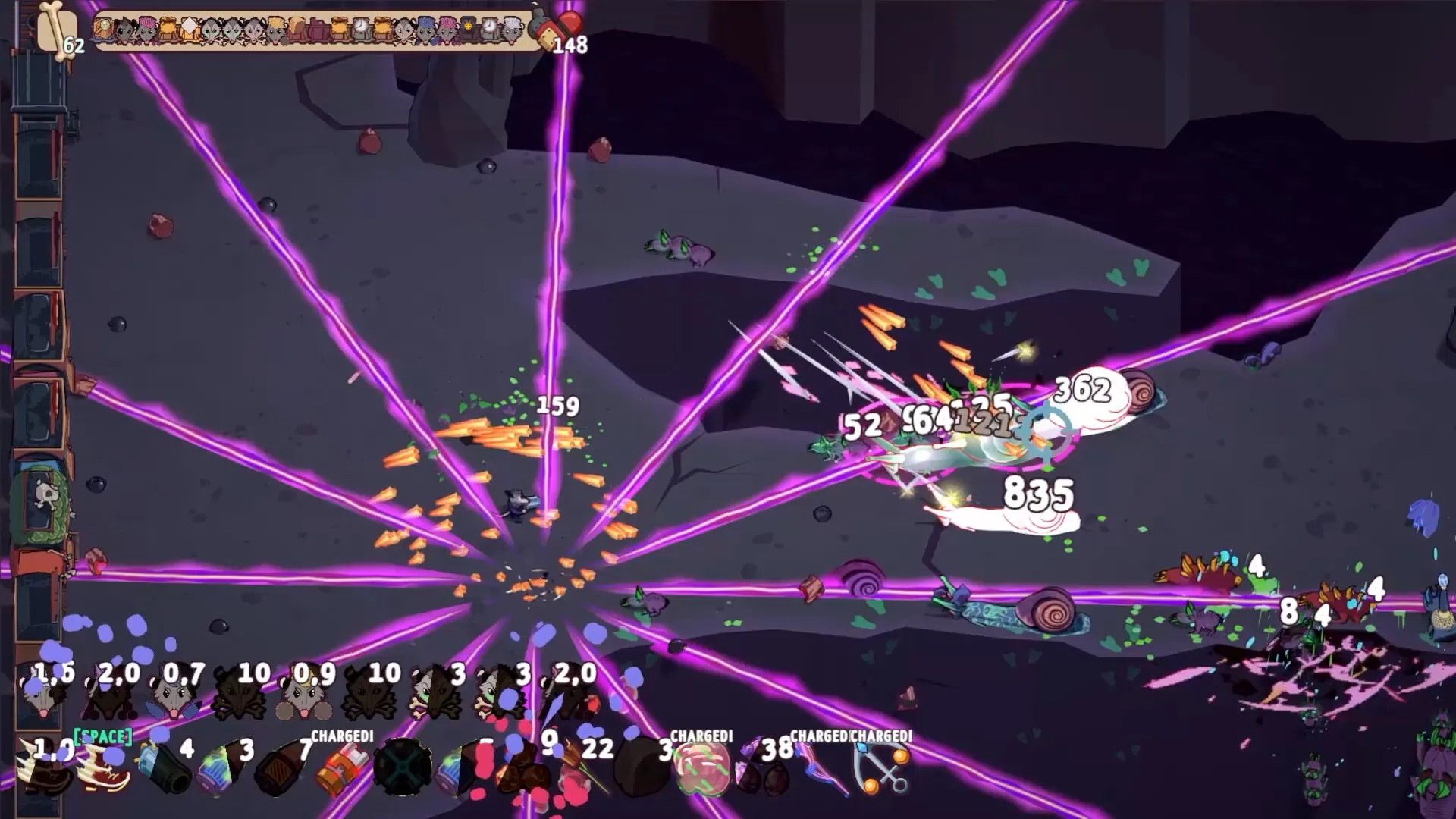
Ammossum: the best idea of the year, on a train that does not always start
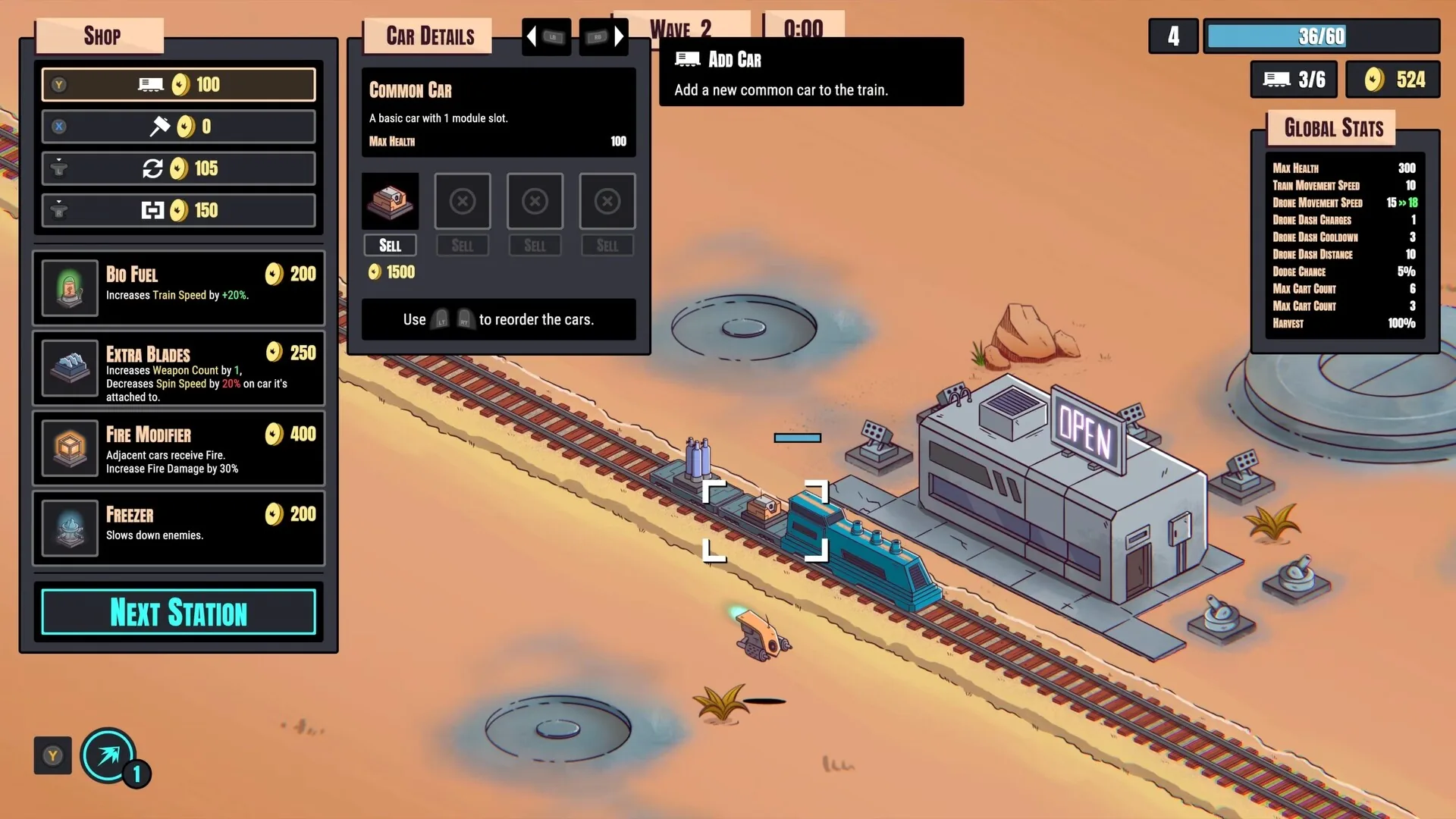
Your railcars are your health and your skills at the same time. Assuming the game gets past the loading screen.
Alexandrosse
7 min
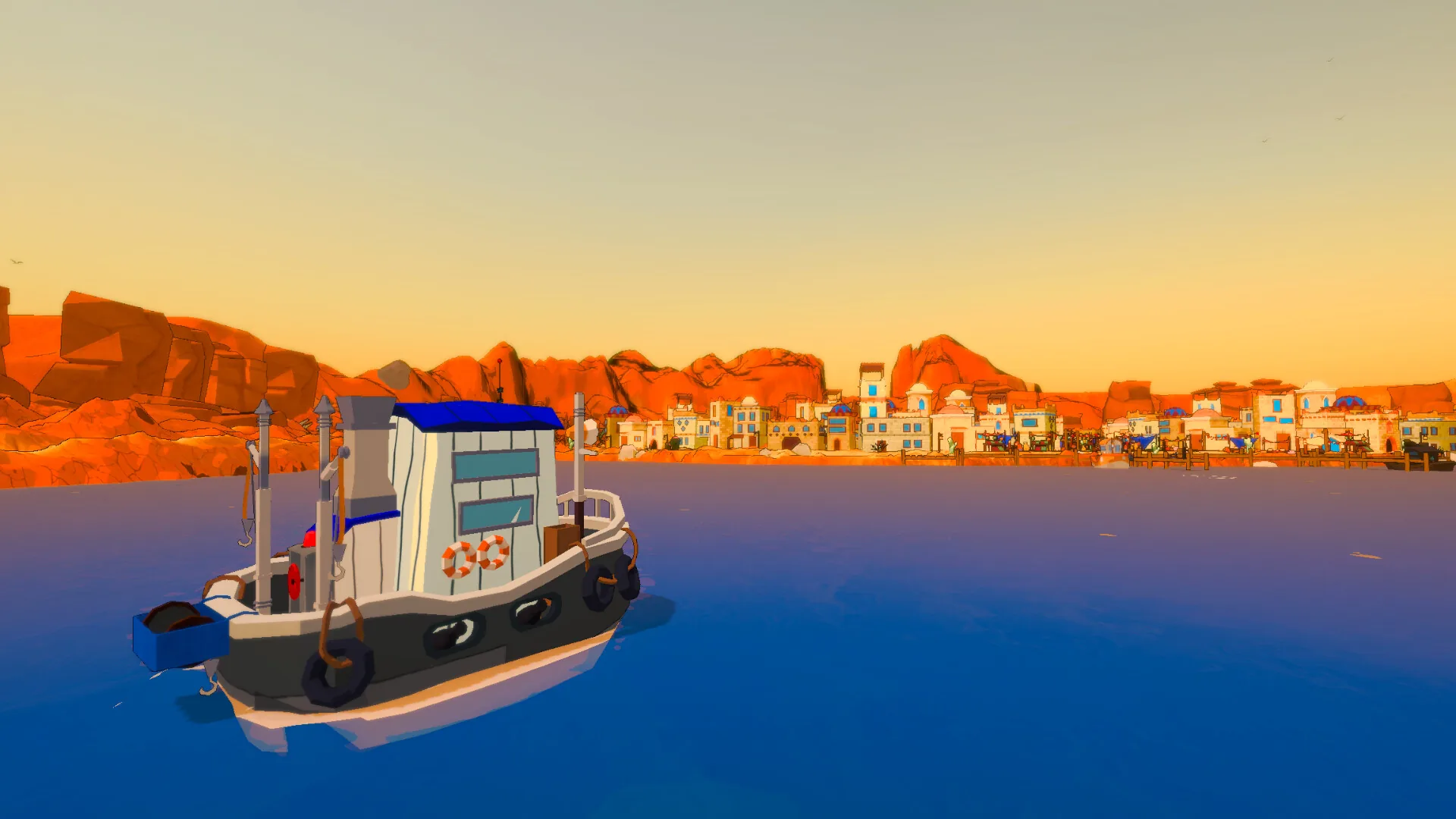
A misty sea world, ports to rescue and a mystery to unravel. But without the night-time tension that gave Dredge its bite.
Alexandrosse
InsertCoins.press Score
7.5/10
Verdict
Recommended
The comparison leaps out and it is fair: a small boat, a misty sea, isolated ports, a thickening mystery. You think of Dredge, inevitably. Except something is missing, and you put your finger on it: the fear.
It is a deliberate absence, not an oversight. And it raises a genuine design question.
Dredge's engine was not the fishing, it was the night. That panic mechanic pushing you to reach port before dark, even at the cost of a full net, turned every outing into a risk calculation. You played under constant pressure, and that pressure gave weight to every movement.
Shippin does not play that card. Studio Big Trident Studios announces a narrative adventure, and goes as far as slipping a disclaimer onto its store page to warn that there are jokes in the game. The tone is therefore set: we are on the side of charm and storytelling, not dread.
Which does not mean there is nothing. The world is misty, memories fade, and harbours hide secrets. You play Salva, a lost sailor trying to understand how he ended up in these regions and on these uncharted seas. There is a mystery, it is simply a peaceful one.
Is solving a mystery enough to hold a player? You answer that it depends on the mystery, which is true, but we can go one step further.
Fear and curiosity do not work at the same tempo. Fear is immediate pressure: it acts minute by minute, it makes every movement costly, and it holds a player even when the story stalls. Curiosity works over length: it does not make you grip the controller, it makes you start one more session to find out.
A game replacing the first with the second therefore has to succeed at two things. Its core loop must be pleasant in itself, since nothing forces you to act quickly any more. And its mystery must keep thickening rather than merely existing, otherwise curiosity collapses as soon as you grasp the outline.
The fact that you still have questions after the demo is the best possible sign. That is exactly what this kind of game must produce.

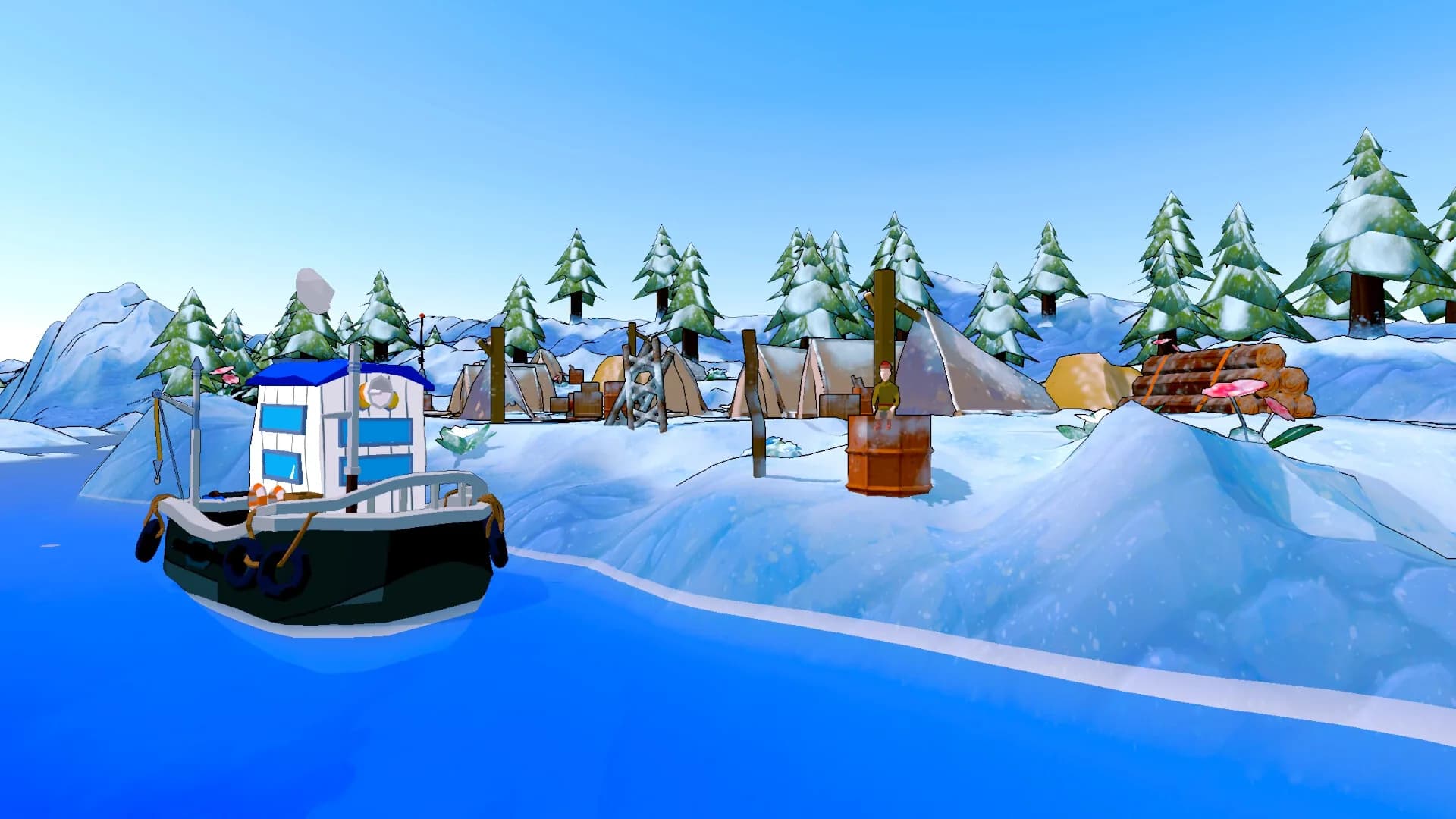
The structure is that of a journey of assistance. You repair and upgrade your ship, equip yourself with tools, and use them to help the inhabitants of each port by facing local difficulties. In exchange you collect stories, the ones explaining how these peoples shaped this world, working back toward the source of the evil gnawing at every stop.
That is a good structure for a curiosity game, because it links mechanical progression to narrative progression: upgrading the boat unlocks new stories. Whether the variety of ports keeps up over time is the open question.
It rewards a world that makes you want to keep sailing and a mystery still holding its questions at the end of the demo, which is the best possible sign for this kind of game. It accounts for one important practical caveat: it is offered in English and Spanish only, and for an adventure carried entirely by its dialogue, the lack of French is not a detail.
And you, in a maritime game, what brings you back: the tension of night falling, or the urge to know what lies behind the mist?
We watch the release calendar together on our Discord, come and watch with us.
Community
Your rating
Advertisement
Loading comments...
You might also like
Your railcars are your health and your skills at the same time. Assuming the game gets past the loading screen.
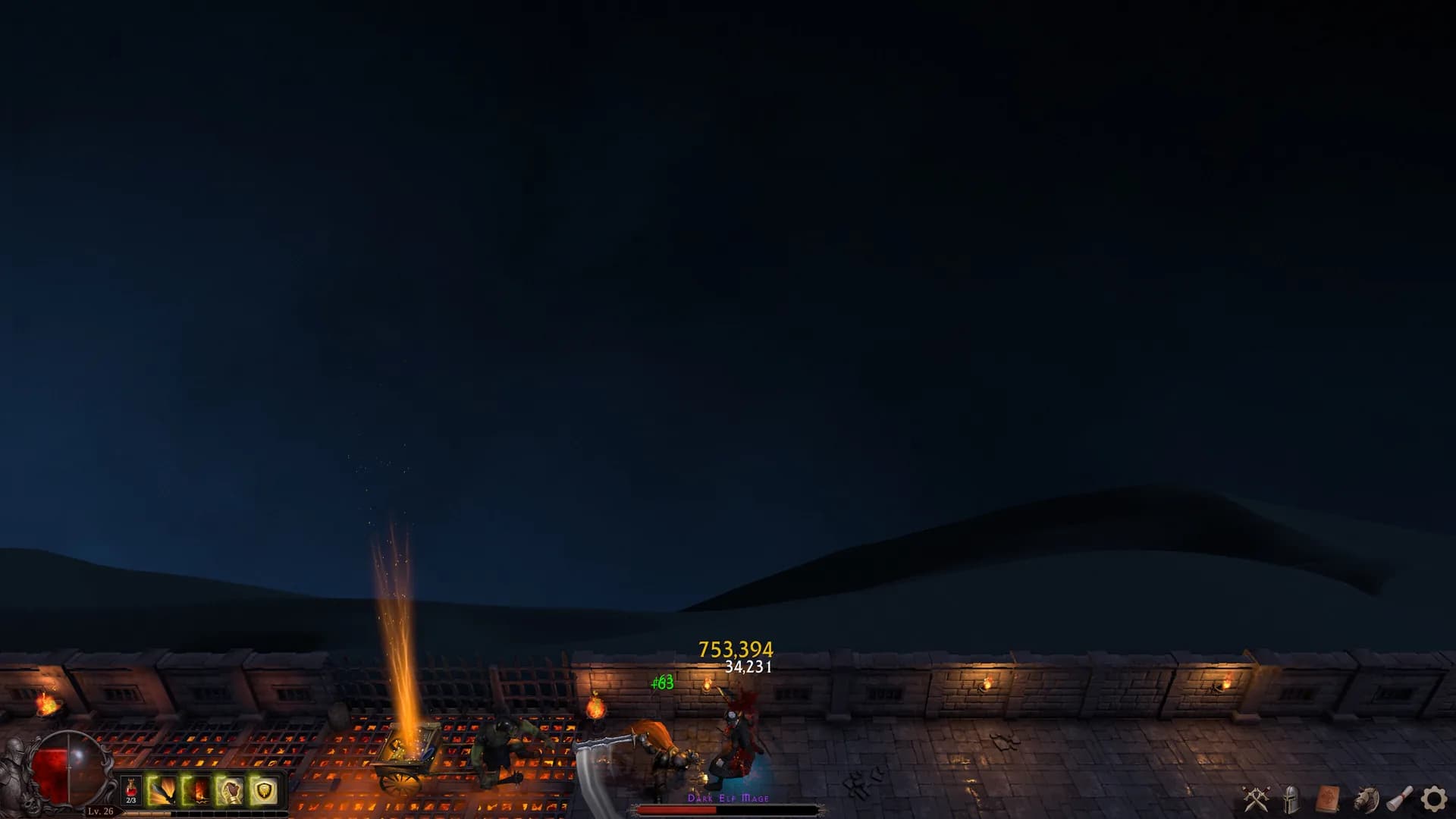
Five euros, a strip of ARPG along the bottom of your desktop, and a Steam market where you resell your minions. The success is real, so is the wall.
The train on the mouse, the drones on the keyboard, thirty-second rides. A small game that knows exactly how long it lasts.