7
Test
Barfender: my idiotic friend drank all the beers
A co-op bar that collapses while you serve. 98 per cent positive, and one of the rare times chaos is the actual subject.
Alexandrosse
7 min
A half-crazed militia, a zombie horde and bullets that follow a real trajectory. Urban Strife brings turn-based tactics what it was missing: ballistic realism.
Alexandrosse
InsertCoins.press Score
7/10
Verdict
Recommended
In an XCOM, you always end up cursing that 95%-to-hit shot that flies off into the scenery. It's the law of the genre: the numbers are an abstraction, a roulette wheel disguised as tactics. Urban Strife arrives with a simple, slightly provocative idea: what if, instead of rolling dice, you actually simulated every bullet, its trajectory, its penetration, its impact? After a few hours in its zombie apocalypse, you understand what turn-based had quietly sacrificed, and you don't quite want to go back.
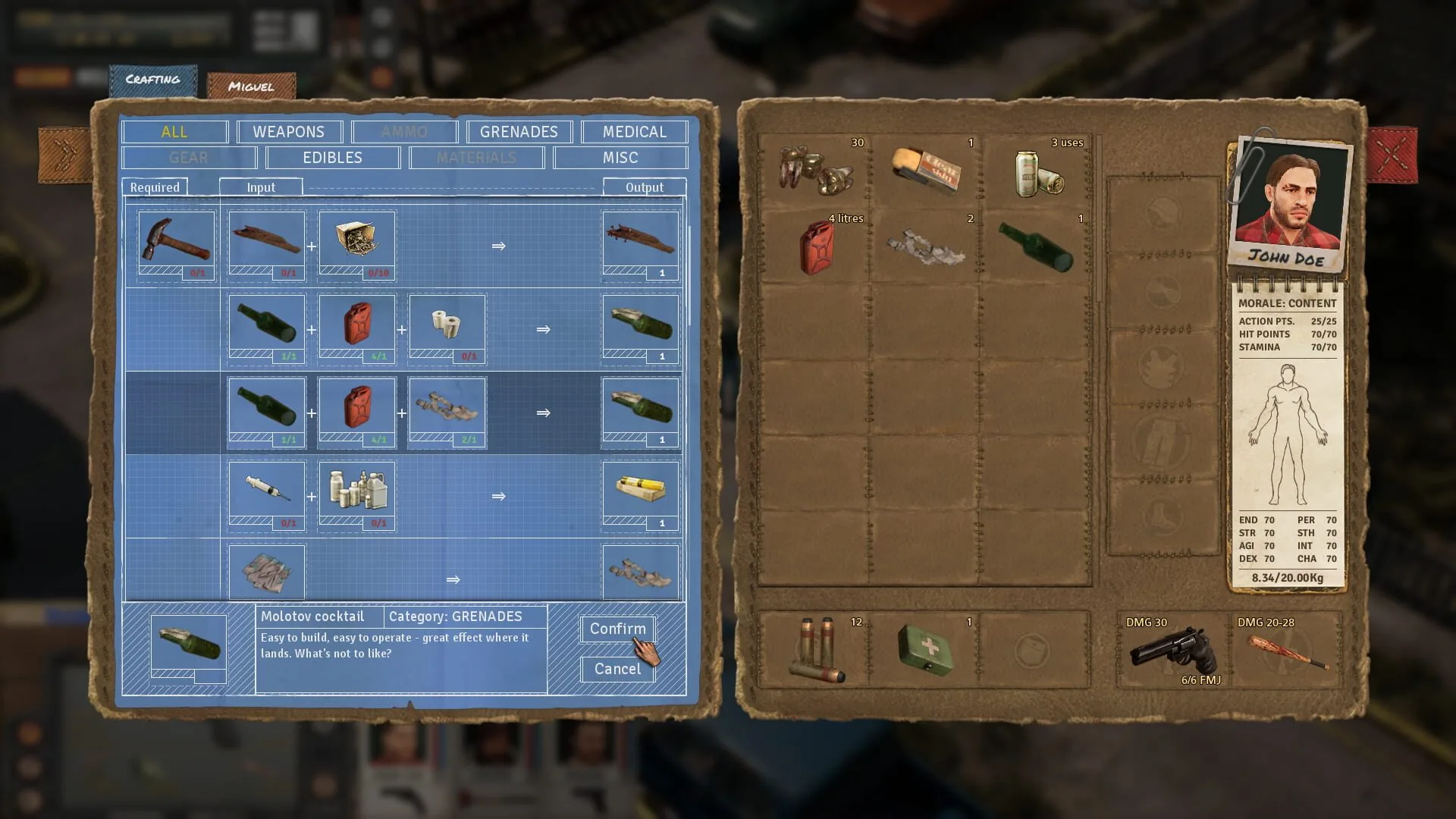
Urban Strife is a turn-based tactical survival RPG developed by White Pond Games and published by MicroProse, leaving early access for a full 1.0 version this 14 July 2026 on PC, for around thirty-four euros. You lead a ragtag, slightly deranged militia tasked with keeping the small community of Urban Shelter alive amid a zombie pandemic. The pedigree bodes well: MicroProse is a name that smells of demanding strategy, and the game proudly displays a kinship with old action-point tactics, somewhere between Jagged Alliance and Fallout. After months in early access and largely positive feedback, it finally arrives complete.
Urban Strife's big proposition, the one that sets it apart from the pack of modern tactics games, comes down to one word: ballistics. Here, you don't shoot at a percentage, you fire a bullet, and that bullet behaves like a real one. It follows a simulated trajectory, it penetrates or not depending on the material and thickness of the cover, and the pellets of a shotgun are calculated individually. The consequence is profound: a wall that protected you in an XCOM can here be pierced, a sheet-metal cover isn't worth a concrete slab, and positioning stops being a dance of tiles to become a real reading of the terrain and materials.
It's exactly what the genre had set aside, and rediscovering it does a world of good. Where XCOM abstracts everything into probabilities, Urban Strife forces you to think in angles, obstacles, penetration. You no longer rage against a treacherous die, you blame yourself for misjudging a line of fire. The classic action-point system comes with the indispensable interrupts, reactions and overwatch, but it's this ballistic layer that gives the game its unique flavor and its demand. You shoot less, you think more, and every cartridge counts.
The game's other find answers a problem as old as turn-based tactics: what to do when the enemies are too many and every enemy turn lasts an eternity? Urban Strife solves the question with a simultaneous phase dedicated to the horde. All the undead act at the same time, while each still making their own decisions, which keeps the tension and legibility even against a tide of corpses. You thus escape the deadly boredom of endless enemy turns, without sacrificing the feeling of being overwhelmed by numbers, which is the whole point of a zombie apocalypse.
That split is cleverer than it looks. It turns the horde into a mass threat, a wave you try to stem rather than a series of foes you eliminate one by one. Combined with the ballistics, it produces situations of real intensity: saving your ammunition, choosing between the rifle that pierces and the silence of melee, deciding when to hold a position and when to flee. Urban Strife understands that the fear of numbers is the heart of its fantasy, and it orchestrates it with care.
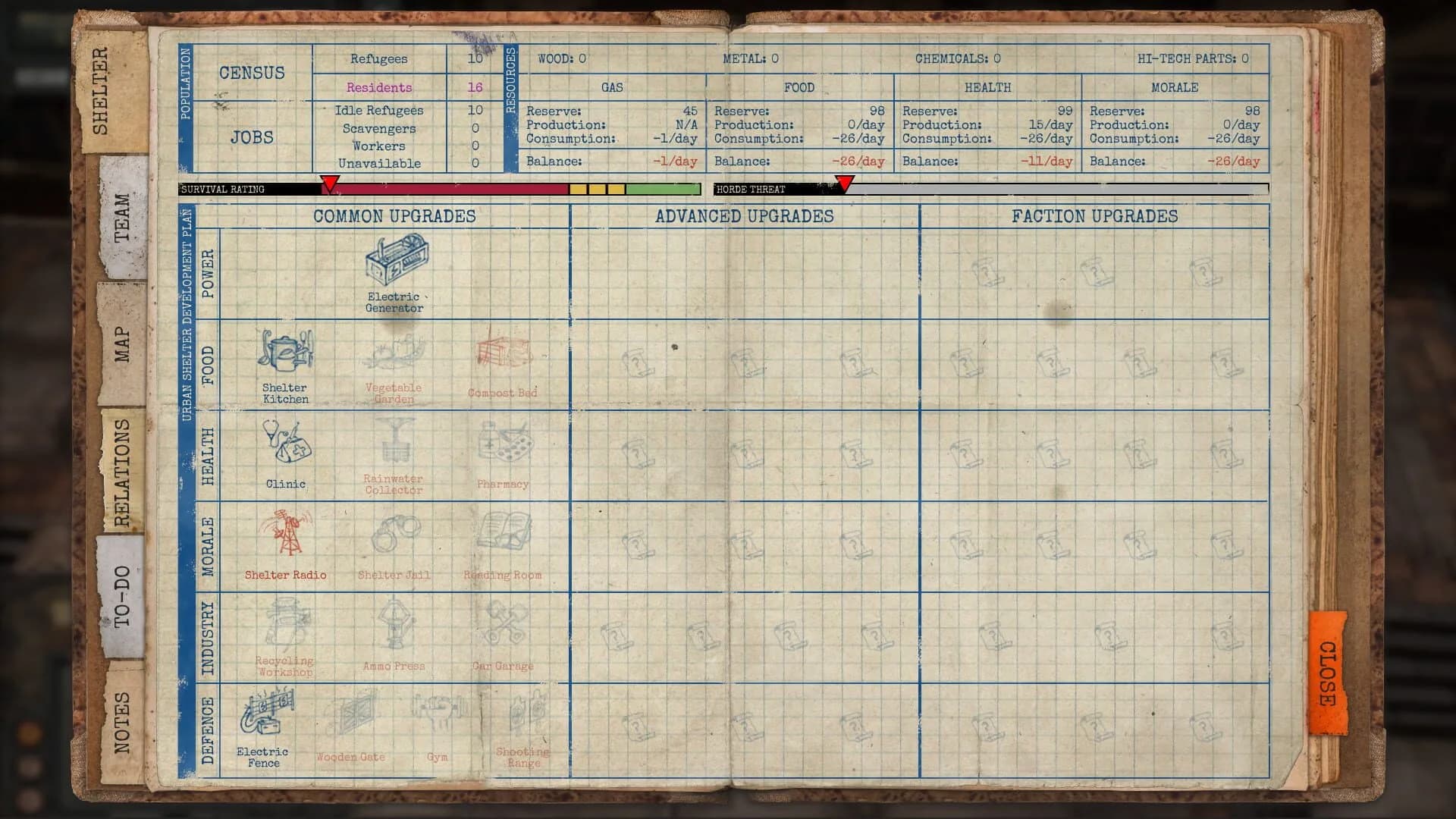
Reducing Urban Strife to its firefights would be unfair, because beneath the tactics hides a real layer of survival and RPG. You build and manage your base, you administer resources, you develop your community, and above all you contend with three rival faction blocs that open different narrative paths. The world isn't just a set to clear: it's a political ecosystem where the humanity that remains tears itself apart over the vestiges of civilization, and your alliances as much as your betrayals shape your game. That dimension gives depth and real replayability to the whole.
The game also offers alternatives to the trigger, with stealth and melee, and vehicles with distinct stats. You feel the will to build a coherent world rather than a simple string of missions, and that's where Urban Strife comes closest to its Jagged Alliance model: in the idea that a playthrough is a continuous survival story, made of choices that weigh, and not just a collection of fights. You grow attached to your little community, and that's what gives value to each loss.
You have to temper the enthusiasm, because that richness has a downside. Urban Strife is a demanding game, austere at times, that doesn't seek to seduce beyond fans of hard tactics. Its functional art direction won't make viral screenshots, its interface takes an adjustment period, and the depth of its systems imposes a learning curve the hurried player will flee. It's a niche game that owns its niche, and you have to like thinking at length between two shots to get the best from it.
You also feel, here and there, the traces of an independent production that aimed big. Some aspects lack a bit of polish, and the game's sprawling ambition, between tactics, survival, management and factions, is sometimes paid for with legibility that could be better. Nothing dealbreaking for the enthusiast, but you have to accept that the generosity of the systems comes before comfort here. Urban Strife must be earned, in the image of the old tactics games it claims kinship with.
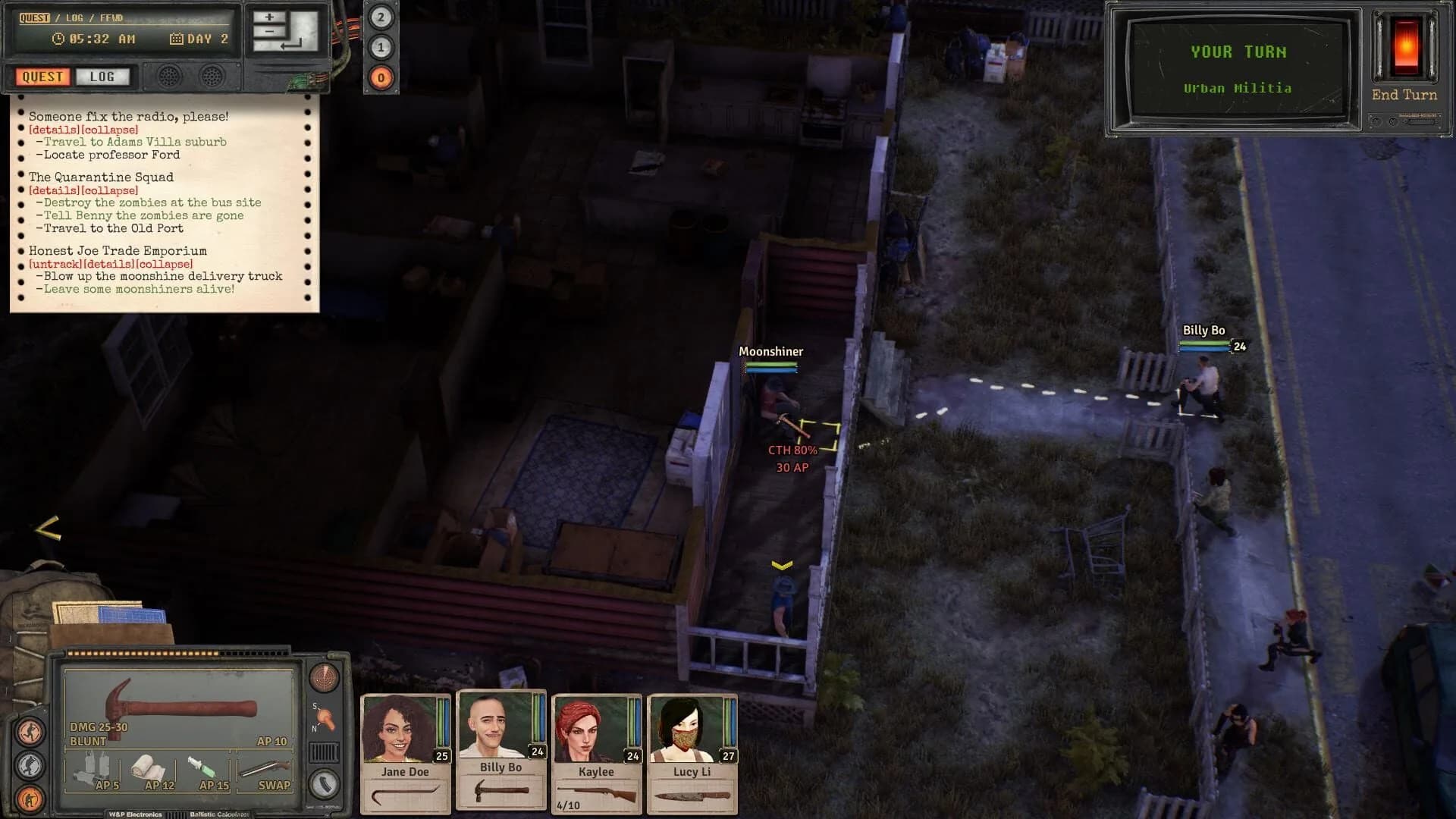
Urban Strife is excellent news for fans of turn-based tactics, because it brings something new to a genre we thought frozen. Its ballistic simulation puts material and trajectory back at the heart of the game, its simultaneous horde phase elegantly solves the problem of numbers, and its layer of survival and factions gives it a soul that goes beyond mere combat. It's a game that thinks, that demands, and that generously rewards those who accept its rules. Against XCOM, it opposes realism to abstraction, and that proposition has real value.
You just need to know who it's for. Austere, demanding, sometimes rough, Urban Strife doesn't seek the mainstream and won't get it. But for the genre veteran who wants depth and a real fresh idea, it's a gem that fills a gap. MicroProse and White Pond Games sign a tactics game with character, imperfect but gripping, that gives weight back to every bullet and every decision. We want more.
A tactical survival RPG that brings the genre the ballistic simulation it was missing: demanding, deep, a little austere, but of a richness that leaves XCOM with its dice in hand.
Strengths:
Weaknesses:
Tested on PC.
The discussion carries on over on our Discord, where we relitigate scores for far longer than is reasonable.
Community
Your rating
Advertisement
Loading comments...
You might also like
A co-op bar that collapses while you serve. 98 per cent positive, and one of the rare times chaos is the actual subject.
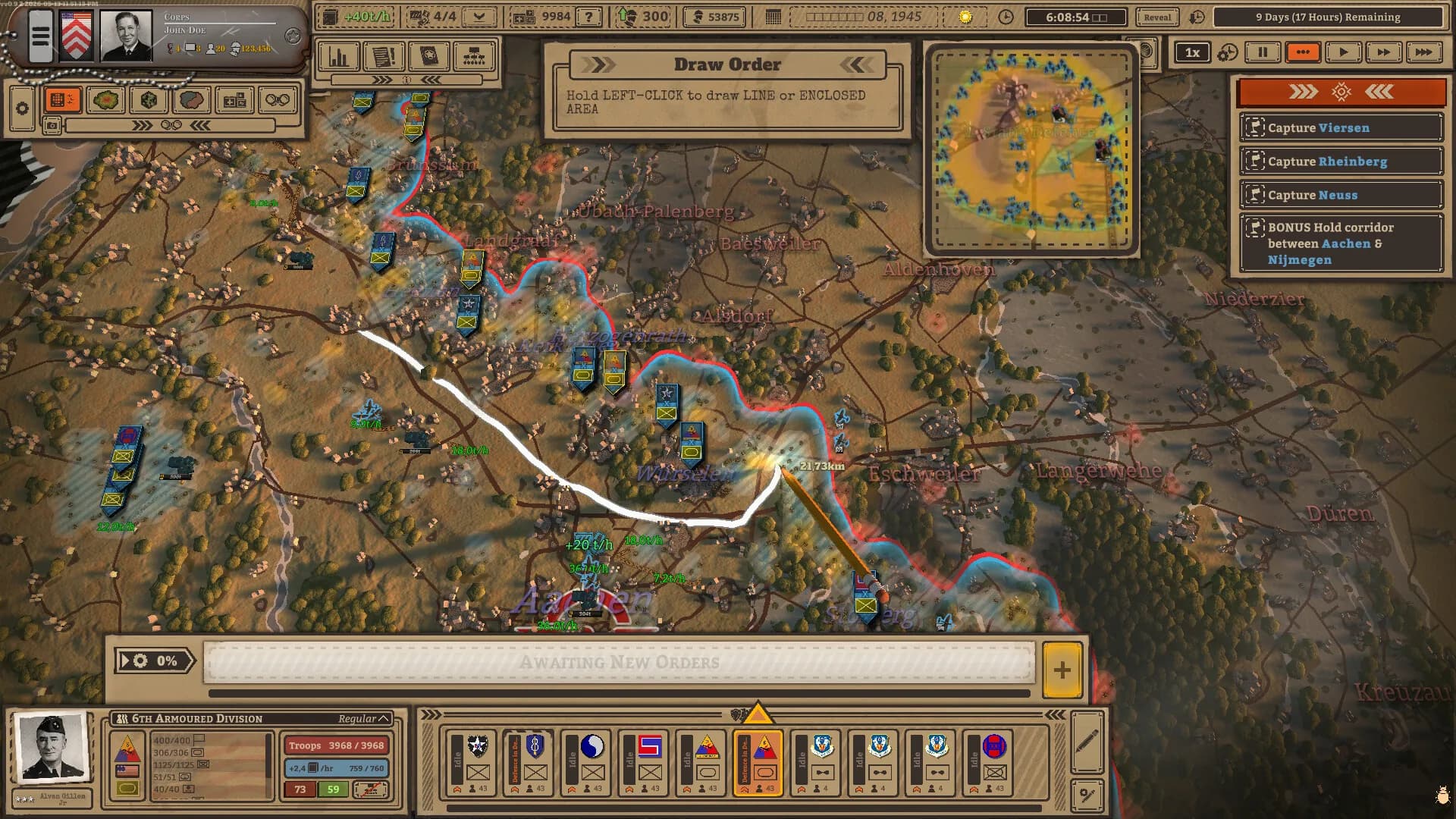
You draw a plan on the map and officers execute it alone. Except the game crashes every other planning phase.
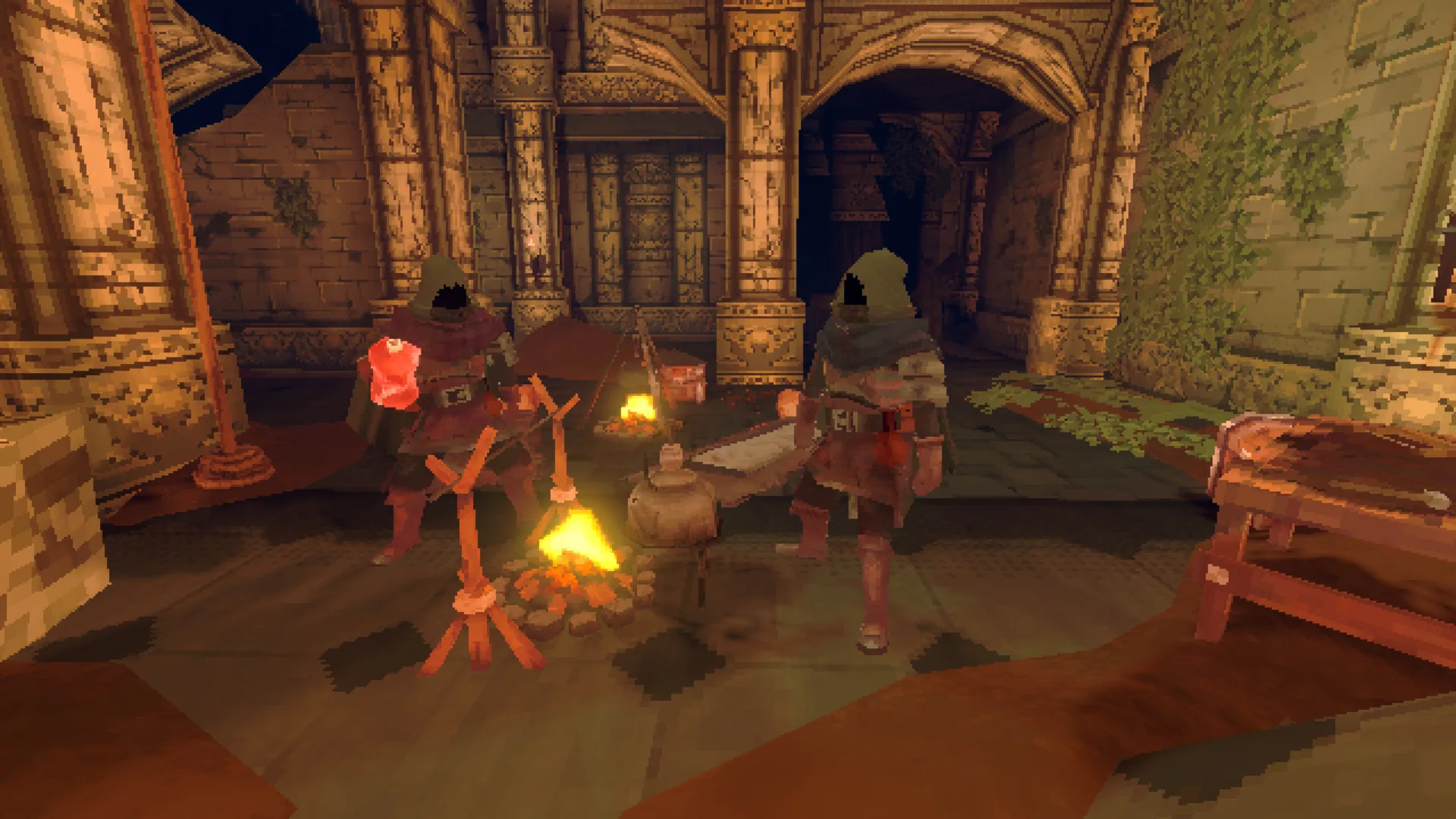
The Knights of Pen & Paper team return with a dungeon where you come back to camp, cook, and unlock recipes that change your stats.