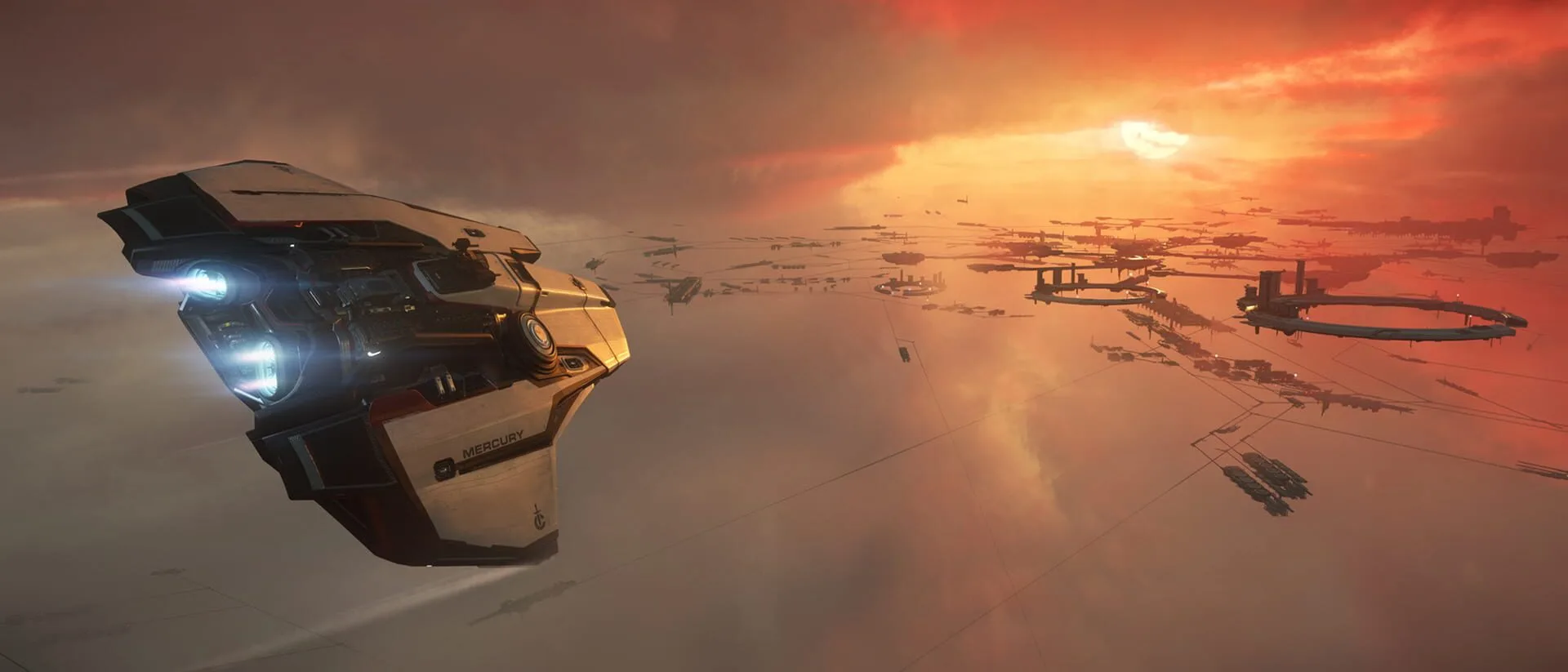
On May 24, 2026, the counter on robertsspaceindustries.com displayed $1,000,732,962. This figure, which Cloud Imperium Games officially calls its "community funding" total, makes it the most massively player-funded project in video game history. On the same day, CIG put a new ship on sale at $5,000 per unit, not yet playable in the alpha. One thousand units sold. Five million dollars in ten minutes.
Fourteen years. One billion. Still in alpha. This is the Star Citizen case.
Semantic precision matters here. The RSI tracker calls it "funding," but what it measures is more complex than a classic Kickstarter campaign.
The original 2012 Kickstarter raised about $2.1 million against an initial goal of $500,000. The direct campaign on the RSI site then collected several million more. But the vast majority of the billion comes from a different source: ship and cosmetic sales within the alpha running since 2013.
A Reddit commenter framed it clearly: if Rockstar didn't receive "funding" when it sold Shark Cards in GTA Online, and if Grinding Gear Games didn't receive "funding" when it sold storage tabs in Path of Exile, then CIG doesn't receive "funding" when it sells ships. It's revenue.
The distinction is not trivial. A game generating $8 to $32 million per month in alpha ship sales is not a project waiting for funds to finish development. It's a functioning business model, built around a permanent alpha. And this model has a remarkable property: it's more profitable not to release the game.
The logic is simple and unsettling. As long as Star Citizen is in development, CIG can sell ships on the promise of what the game will be. Once the game releases, criticisms become measurable, expectations confront reality, and the ship market becomes limited by what the final product actually justifies.
This isn't necessarily intentional. But the structure creates a perverse economic incentive: the longer development lasts, the more revenue accumulates, and the more each new promise can be sold at a higher price than the last.
The numbers confirm this mechanism. Star Citizen's annual revenue increases year over year (with two exceptions in 2017 and 2024). 2026 is on track to be a record year. The final cent of the billion was reached in just six months, while it had taken over a decade to assemble the preceding nine-tenths. The acceleration is real, not a slowdown.
The 2012 Kickstarter promised a 2014 release. Then 2016. Then 2018. Squadron 42, the solo campaign meant to be the most accessible product, was announced as "feature complete" in 2024 and is supposed to release "in 2026." Chris Roberts himself declared the game is in its "closing stages." That phrase was spoken in comparable terms in 2018, 2020, and 2022.
The defenders' argument is consistent: Star Citizen isn't comparable to a normal game. It's a space simulation MMO of unprecedented ambition. Comparisons to GTA V or Baldur's Gate 3 are inadmissible because the scope is different. And it's true that nobody else has tried to make exactly this.
The critics' argument is equally consistent: Chris Roberts had the same scope problems on his previous projects, which only shipped because a publisher forced him to set a deadline. Without that external constraint, Star Citizen's development is structurally endless.
Both positions contain truth.
There's a particular absurdity in the fact that Squadron 42, Star Citizen's solo campaign, features one of the most impressive casts in video game history. Mark Hamill. Gary Oldman. Henry Cavill. Gillian Anderson. Andy Serkis. Ben Mendelsohn. Liam Cunningham. Mark Strong. John Rhys-Davies.
These actors completed full performance capture for a game that still hasn't released. The work exists, the scenes were filmed, the data sits somewhere on CIG's servers. The community regularly wonders how old Gary Oldman will be when players can finally see what he delivered for this project.
One billion dollars. That's the estimated development budget of five to seven major AAA productions. It's approximately ten Baldur's Gate 3s. It's more than the development budget of Red Dead Redemption 2 (estimated at $540 million excluding marketing). It's the construction cost of a nuclear submarine.
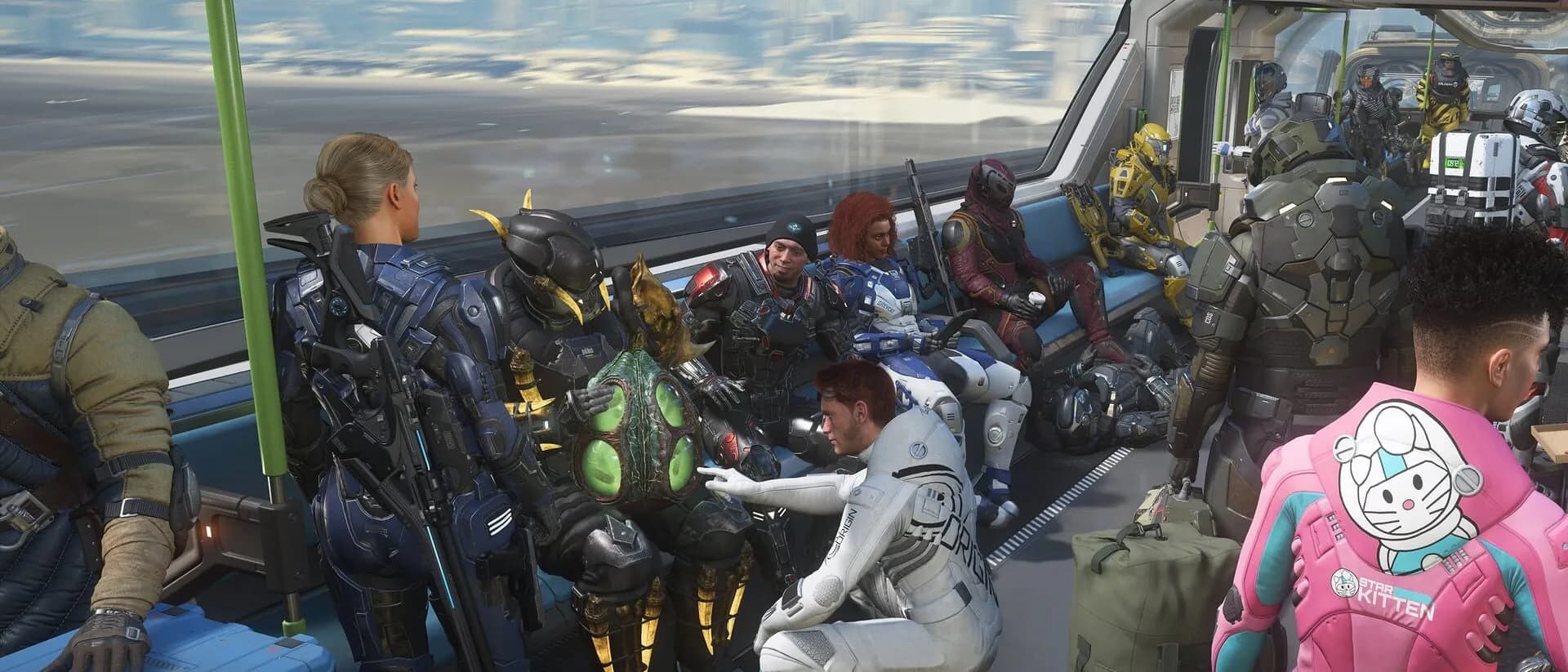
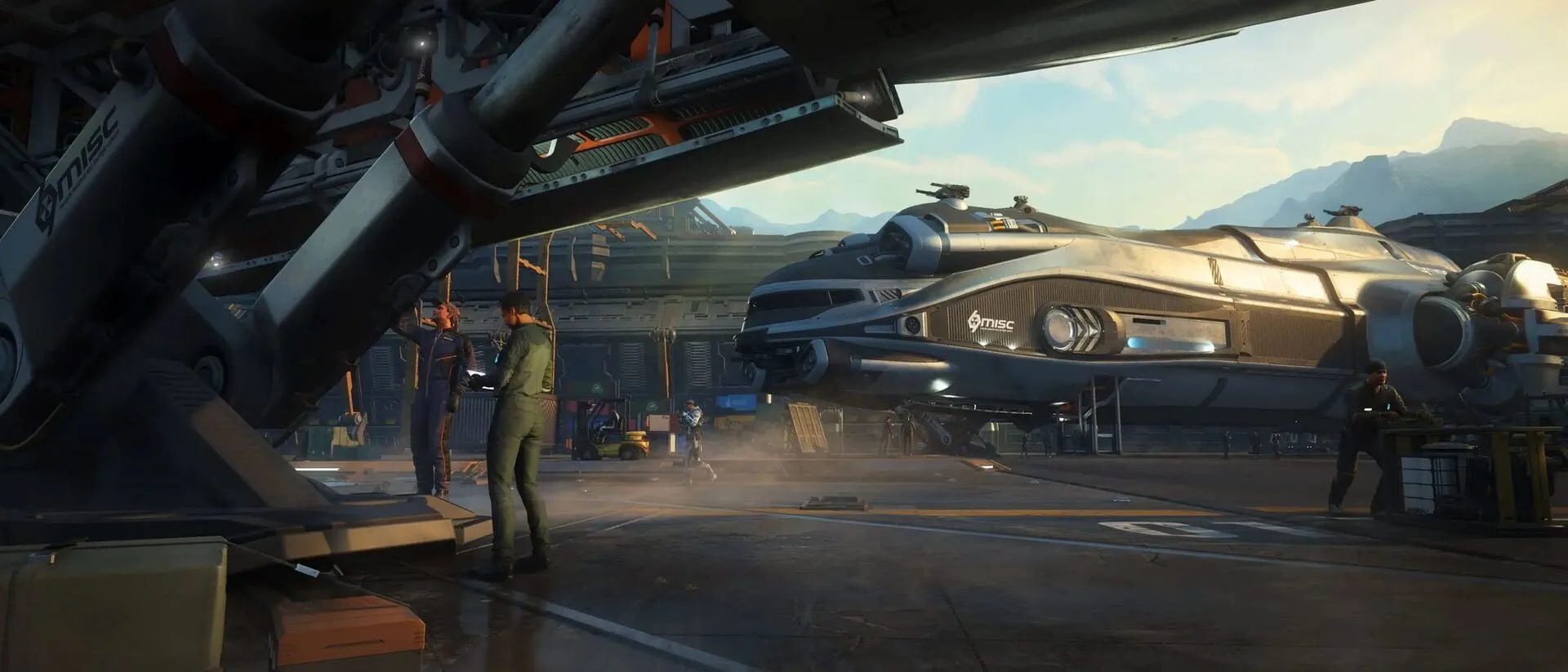
For this budget, Cloud Imperium Games has built a persistent multiplayer alpha accessible since 2013, developed genuinely innovative streaming technologies for open-world scene management (server meshing), created over 150 playable ships, and maintained an active community of several hundred thousand regular players.
That's not nothing. It's also far from what this budget should have produced.
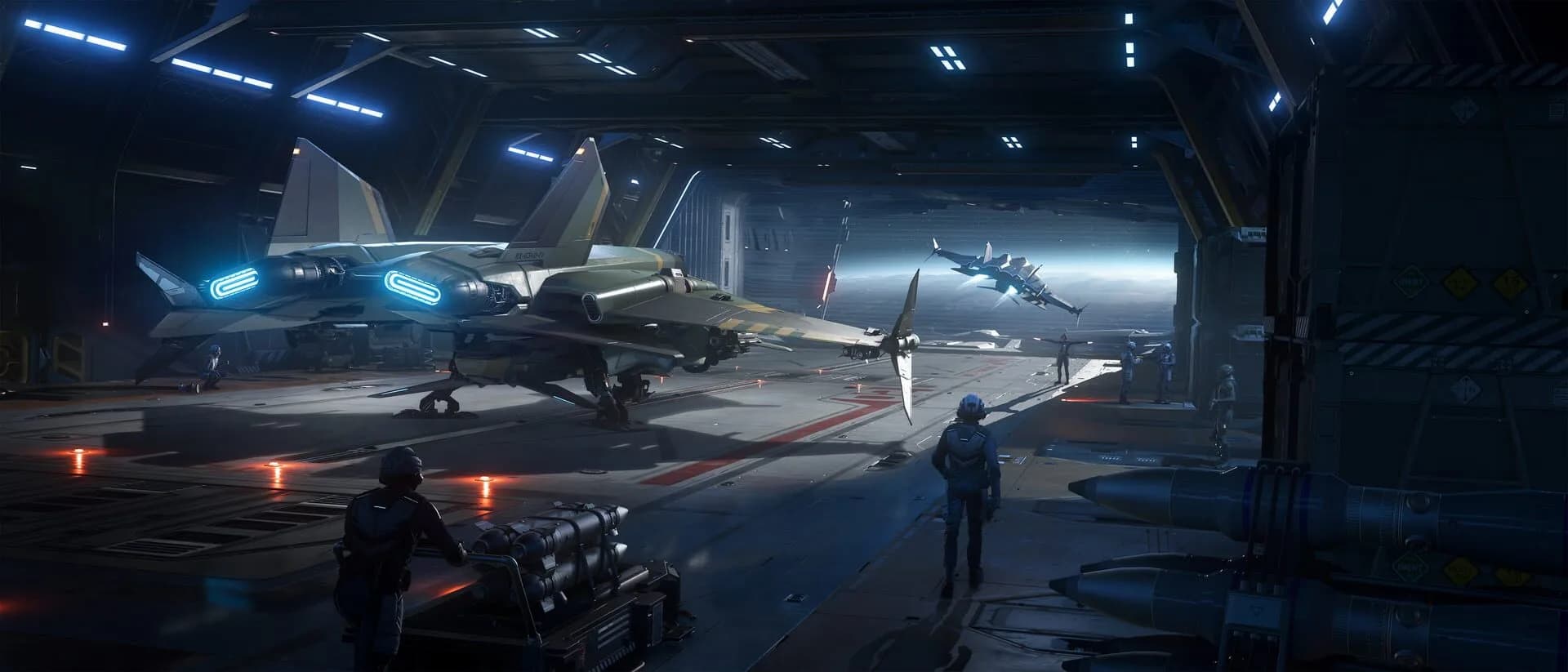
Star Citizen exists. It's playable. Hundreds of thousands of people spend time in it regularly. The game has its sincere supporters, some of whom have put thousands of euros into it without regret, either because they've experienced something unique in this persistent space, or because they're funding a vision they want to see exist.
The game also has bugs of remarkable persistence for its budget. Fourteen years of development and cities still melt the CPUs of high-end machines. Some bugs have been on the issue tracker for years, unresolved, while new ships for sale are announced every quarter. The free fly event, meant to attract new players, is systematically identified by the community as the period to absolutely avoid because of server overload.
The division within the community itself is telling. There are the tired veterans who've been funding since 2013 and have seen too many broken promises. The recent active players who find the game genuinely fun in its current state. And newcomers who discover a visually breathtaking world that is technically unstable in unpredictable proportions.
The Star Citizen case is fascinating because it's unique in its kind but raises universal questions.
It demonstrates that it's possible to indefinitely fund a project on the promise of its future vision, without delivering a finished product, if the community believes strongly enough in that vision. It's a form of large-scale patronage that didn't exist before the crowdfunding era. And it works: one billion dollars proves it works.
It also demonstrates what traditional publishers already knew: without a fixed deadline and real economic constraint, some creators never deliver. Not through dishonesty, but because the vision is always larger than what's executably possible, and the scope expands as funds arrive.
The question is no longer whether Star Citizen is a scam. It isn't, in any legal or even moral sense: thousands of developers are genuinely working, the game exists, purchased ships are playable in the alpha. The question is whether this business model, which decouples funding from delivery obligation, is a tolerated anomaly or a precedent the industry will reproduce.
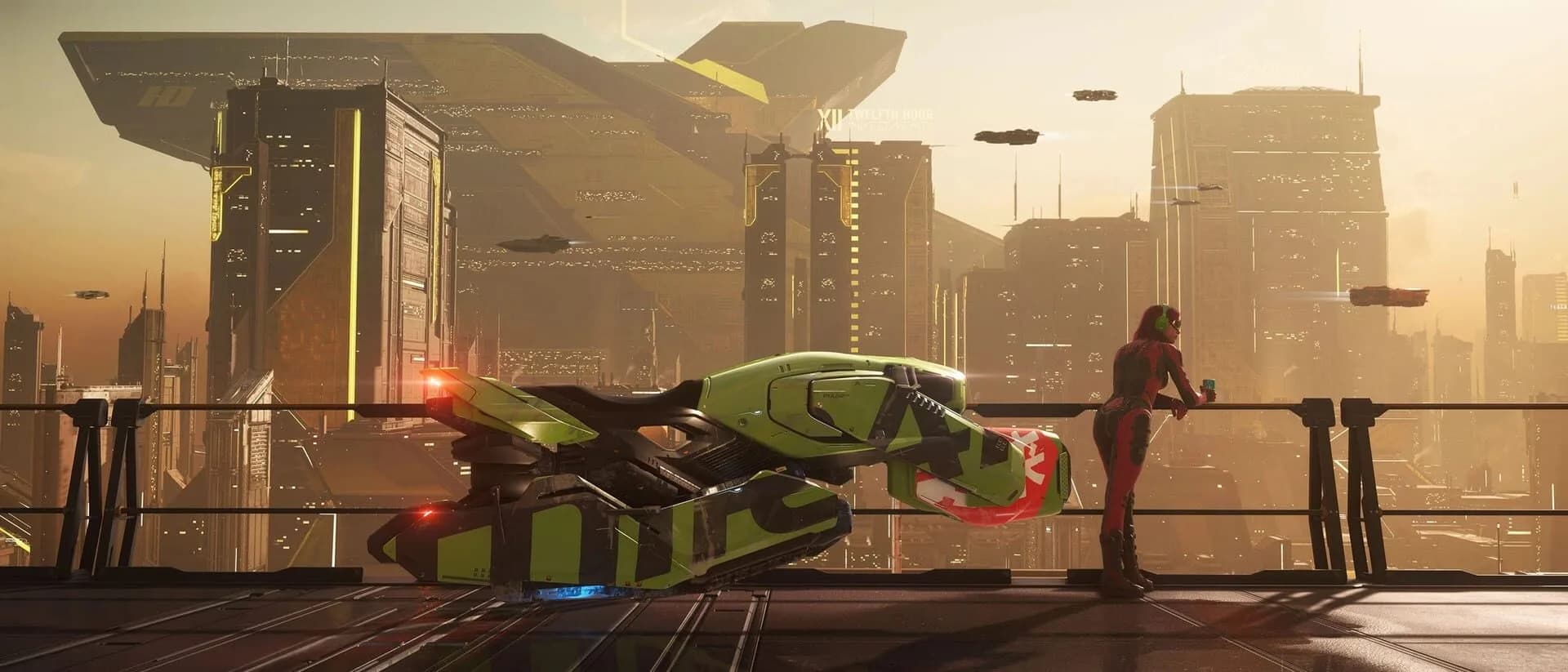
Star Citizen raised a billion dollars on May 24, 2026, while simultaneously selling a ship that doesn't fly yet. That's either every creator's dream or every player's nightmare who just wants a finished game. Probably both at the same time. That's why nobody can stop talking about it.
We want to hear your take: the InsertCoins Discord is waiting.