5
Test
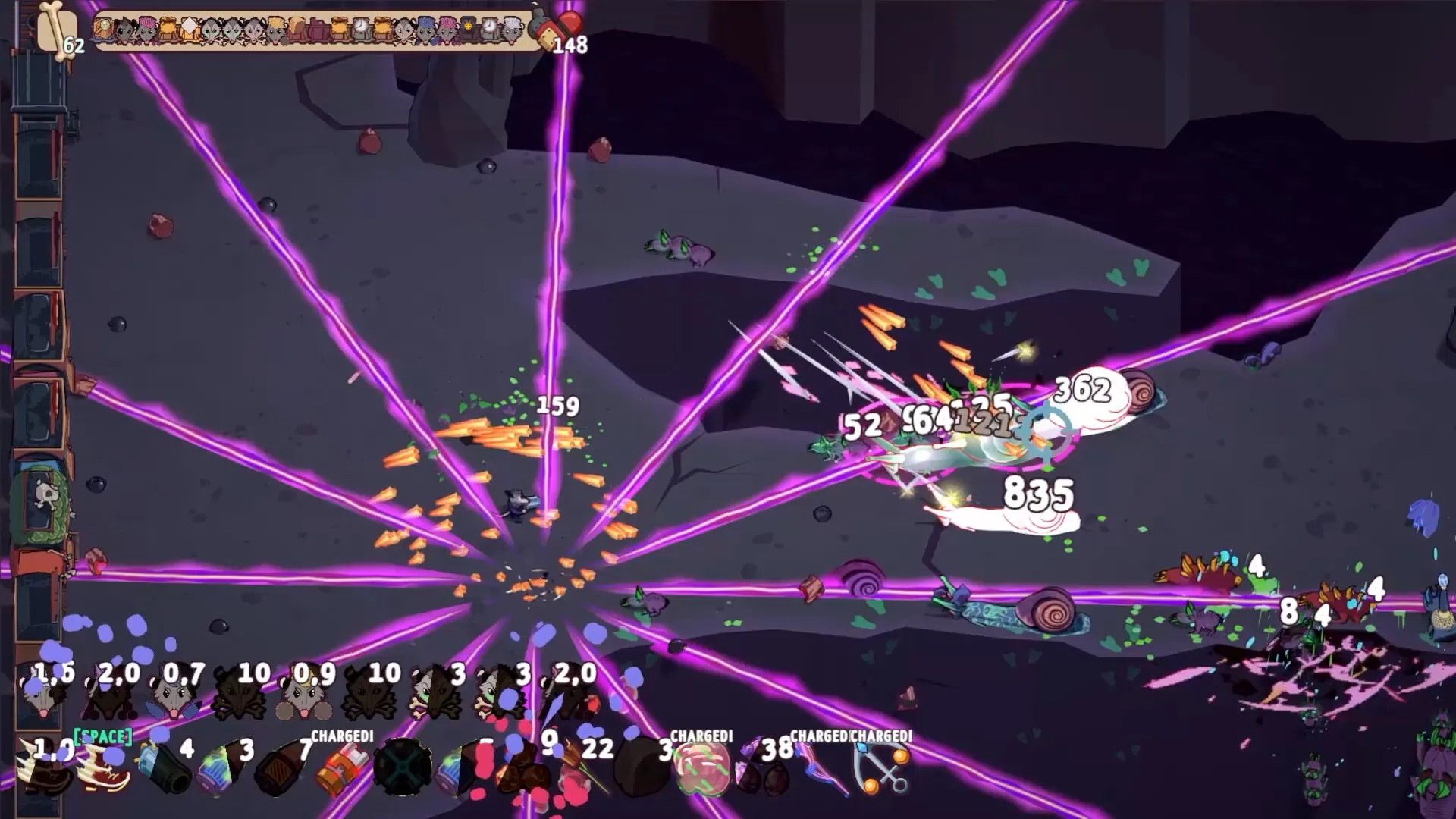
Ammossum: the best idea of the year, on a train that does not always start
Your railcars are your health and your skills at the same time. Assuming the game gets past the loading screen.
Alexandrosse
7 min

Food as the central resource, four asymmetric peoples and the collapse of 1200 BC. A survival RTS, not a conquest one.
Alexandrosse
InsertCoins.press Score
7.5/10
Verdict
Recommended
Two Bronze Age games in two days. Yesterday Lugal, which tells the birth of civilisation, how hunter-gatherers end up inventing property, the city and then the state. Today TFC2, which tells its death.
You could not ask for a better pairing, and chance arranged it.
Pharaoh comes to mind within five minutes. Released in 1999 by Impressions Games and published by Sierra, it defined a whole way of making games about antiquity: the obsession with detail, the little figures going about their business, the production chains you watch turn like an aquarium.
Sierra has not existed in that form for twenty years. The absence still shows, and TFC2 scratches at exactly that spot.
There is Settlers in here too, for a precise reason: the pleasure is not only in optimising, it is in watching a society function. Legibility of animation does half the work in this kind of game, and TFC2's pixel art is superb for it.
One last wink from history: the publisher is MicroProse. The label of Sid Meier and Bill Stealey, resurrected, putting out a pixel-art ancient RTS. For anyone who lived through the nineties, the alignment is quietly moving.
This is the mechanic that structures everything else, and it is what separates the game from a classic RTS.
In most of the genre you harvest three or four resources that unlock things. Here, food is the foundation of your civilisation. It sustains the population, it fuels the armies, it drives progression. Mismanaging it does not slow you down, it makes everything else fall apart.
That shift changes the nature of decisions. In an ordinary RTS the question is when to attack. Here the question is whether you can afford to feed the soldiers who would do the attacking. An army is not a one-off cost, it is a permanent charge on an already fragile system.
Studio Wield Interactive puts it plainly: this is not a game about building the biggest empire. Resources have to be managed, stability is fragile, growth carries risk. Every expansion, every battle, every decision is weighed against survival.
That inverts the usual RTS promise, where you always start from a small camp and finish as a dominant power. Here you start from a world coming apart and try to save what you can.
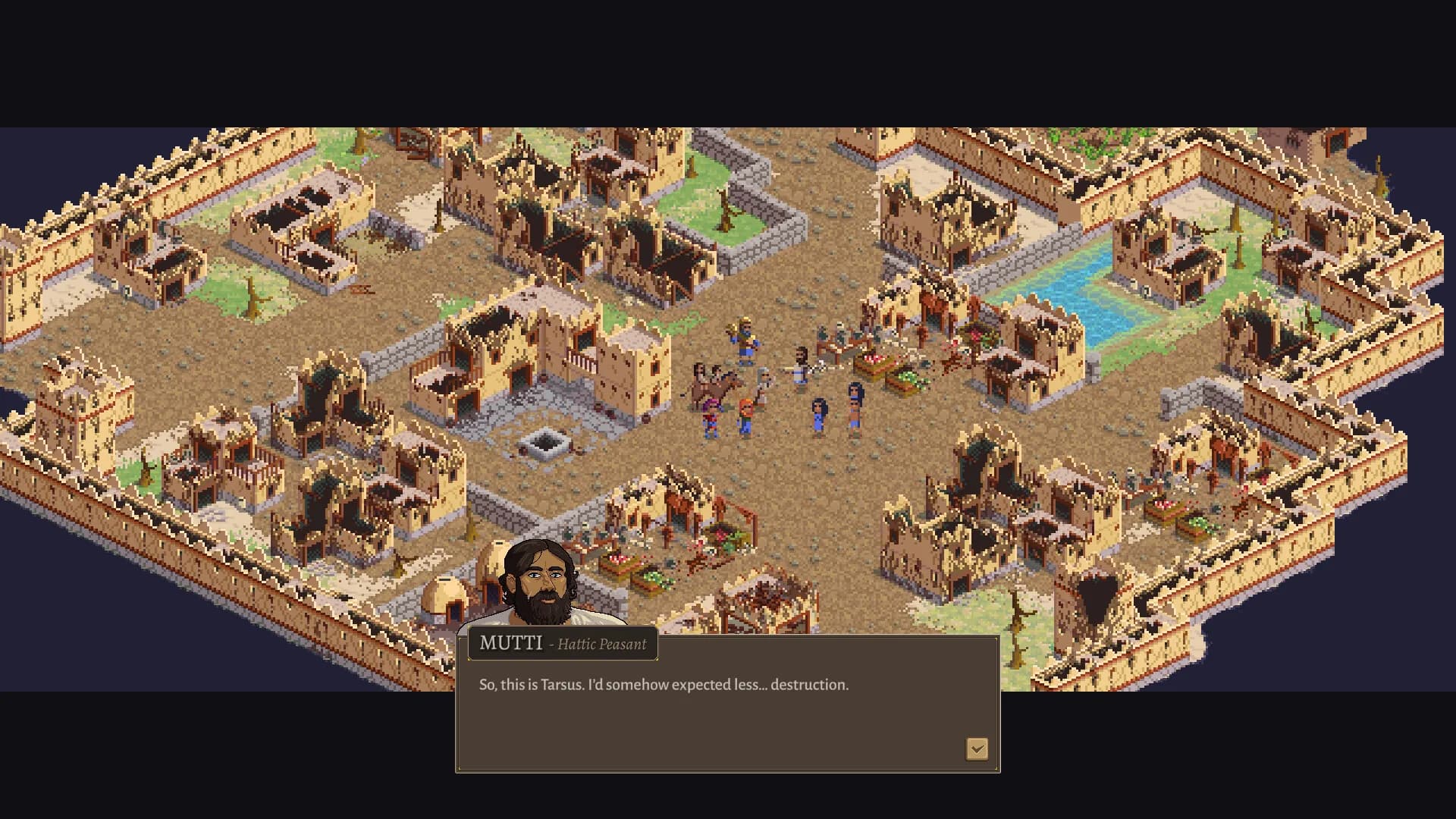
Around 1200 BC, nearly every great civilisation of the eastern Mediterranean and Near East collapsed within a few decades. The Hittites vanish, Egypt totters, the Mycenaean palaces burn, trade routes are severed, writing is lost in places.
Historians still debate it and no single cause suffices: drought, invasion, famine, revolt, systems collapse. Probably all at once, each factor worsening the others.
The game sits exactly there. Drought, famine and failing trade routes squeeze the great empires, people revolt against their leaders, and the mysterious Sea Peoples bring destruction and chaos.
What makes the setting remarkable is that it turns a history lesson into gameplay tension. An interconnected world, dependent on long-distance trade for the tin that makes bronze, falls apart because the network breaks. The question the campaign asks is disarmingly simple: how do you protect your family when the world around you is falling apart?
The developer adds a remark I find hard to shake: hopefully our own globalised, interconnected world will not come to the same sudden end.
This is the real argument for a sequel, and it deserves detail because the question was put bluntly to the studio: why a sequel rather than an expansion?
The answer is technical and honest. The first TFC generated its campaign missions automatically, which produced blank maps where you rebuilt your base from scratch every time, with no existing world and no written scenario. Players said as much: it felt like a tutorial for skirmish mode.
For TFC2 the team built a level editor and a mission scripter from the ground up, in order to hand-craft missions, and hired a narrative designer who is a working author. The stated goal is for the characters and story to stay with you, which is an unusual ambition in an RTS.
Add an improvement every genre veteran has wanted: active pause. Being able to freeze the action to give orders transforms the comfort of a narrative RTS, where you want to read and decide rather than click quickly.
On factions, four playable peoples with asymmetric units and strengths: Assyrians, Egyptians, Babylonians and Hittites. Note the absence of the Mycenaeans, and it is logical: the game takes place in Mesopotamia, the Fertile Crescent, not the Aegean. Anyone hoping for Troy will have to wait.
The rest of the content covers scenario missions, a skirmish mode, and multiplayer on dedicated servers with AI opponents.
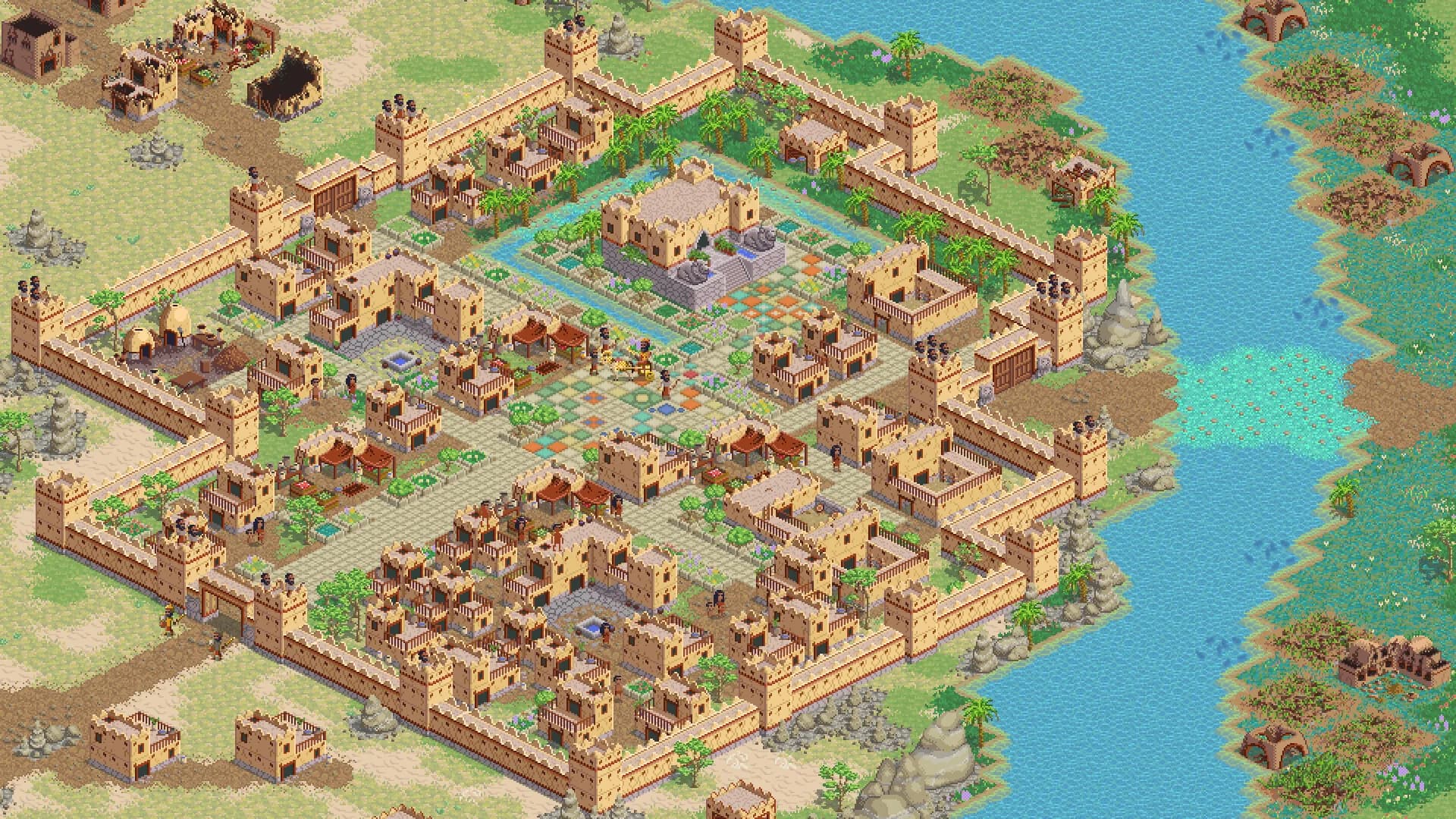
The game launches today, 18 August 2026, in early access.
A pleasant surprise for a team this size: the game ships in nine languages at launch, including French, German, Italian, Spanish, Polish, Russian, Brazilian Portuguese and Simplified Chinese. For an RTS betting everything on its narrative campaign, that changes a great deal.
The caution lies elsewhere: Wield Interactive is a very small team, which makes the narrative ambition as admirable as it is risky.
A demo exists, it was playable during Steam Next Fest, and it is the best way to check whether the loop grips you before paying.
On historical accuracy the studio is transparent: they aim for fidelity, but gameplay comes first. The artist spends considerable time on archaeological research, and where data is missing they own the invention. It is the only tenable position, and saying it out loud beats promising a reconstruction.
It rewards a historical setting rarely treated and thoroughly exploited, a central mechanic that flows from the subject rather than sitting on top of it, and pixel art of remarkable legibility that restores the observational pleasure of the great games about antiquity.
It also rewards an honest decision: rebuilding the toolset entirely rather than selling extra missions as an expansion.
It accounts for early access with no track record, and a narrative ambition a small team will have to sustain.
A question for those who wore out their Sierra discs: would you rather build an empire, or stay standing while everything collapses?
We talk a great deal about collapse and management games on the InsertCoins Discord, come and defend Pharaoh.
Community
Your rating
Advertisement
Loading comments...
You might also like
Your railcars are your health and your skills at the same time. Assuming the game gets past the loading screen.
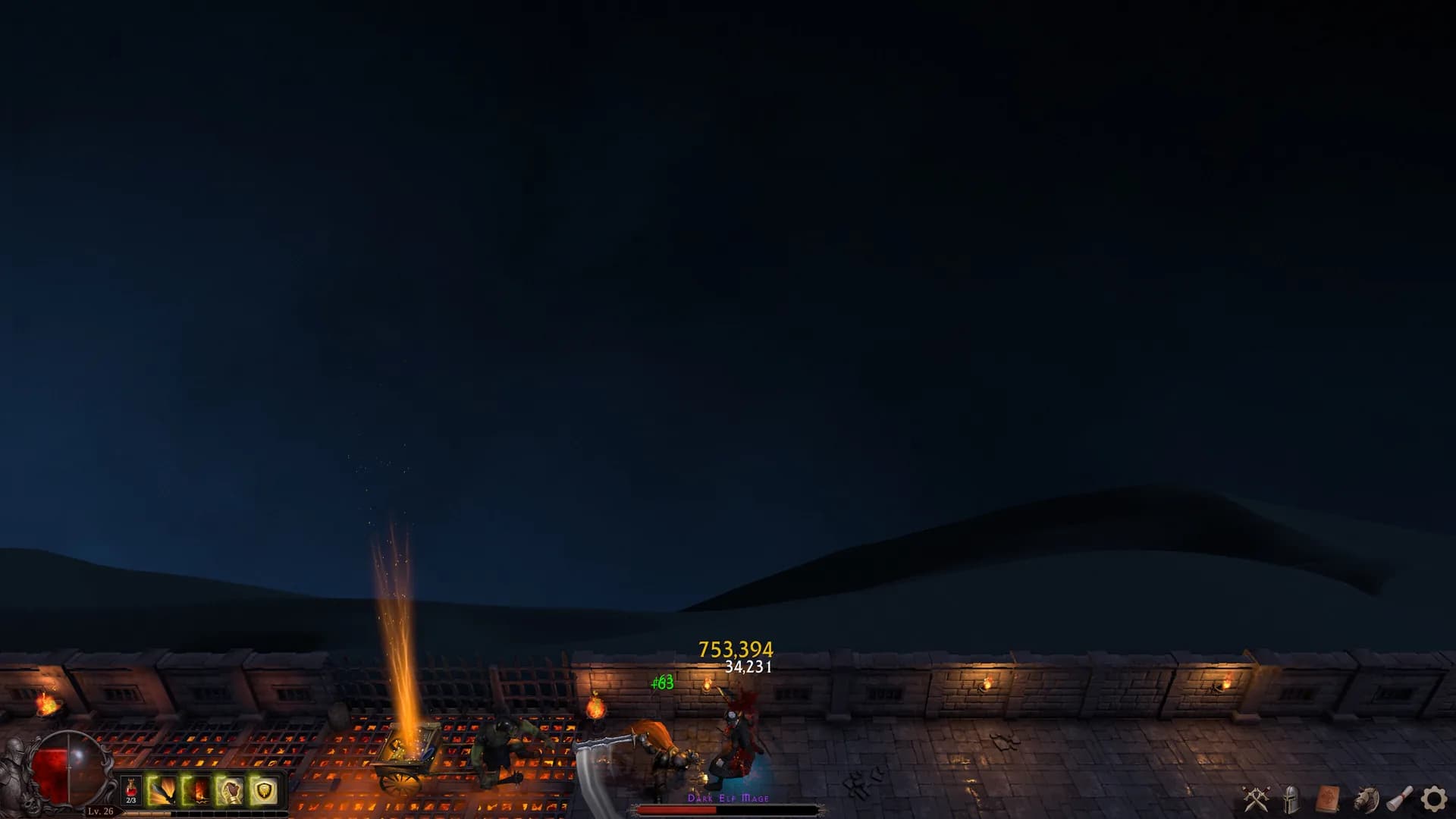
Five euros, a strip of ARPG along the bottom of your desktop, and a Steam market where you resell your minions. The success is real, so is the wall.
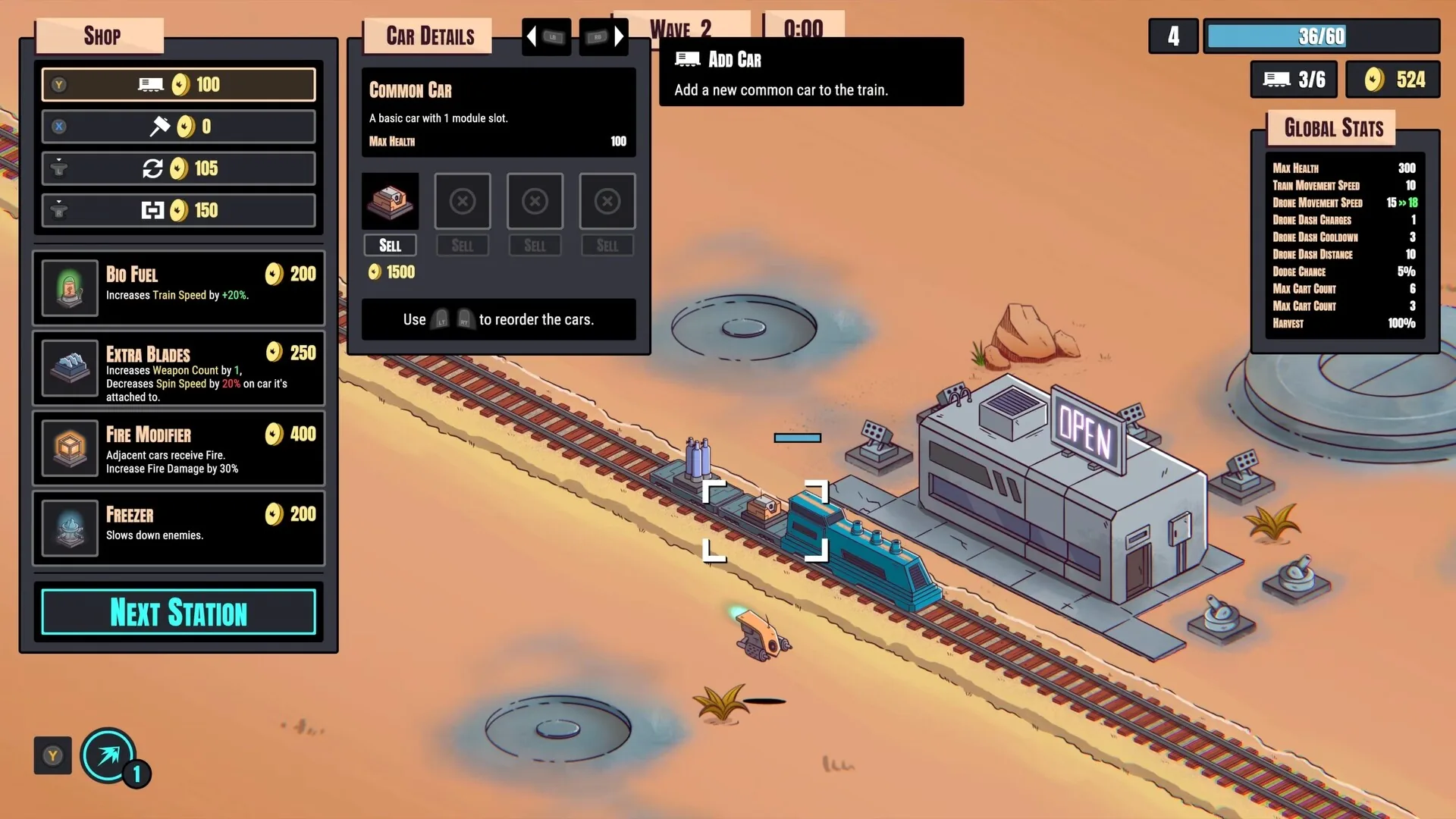
The train on the mouse, the drones on the keyboard, thirty-second rides. A small game that knows exactly how long it lasts.