5
Test
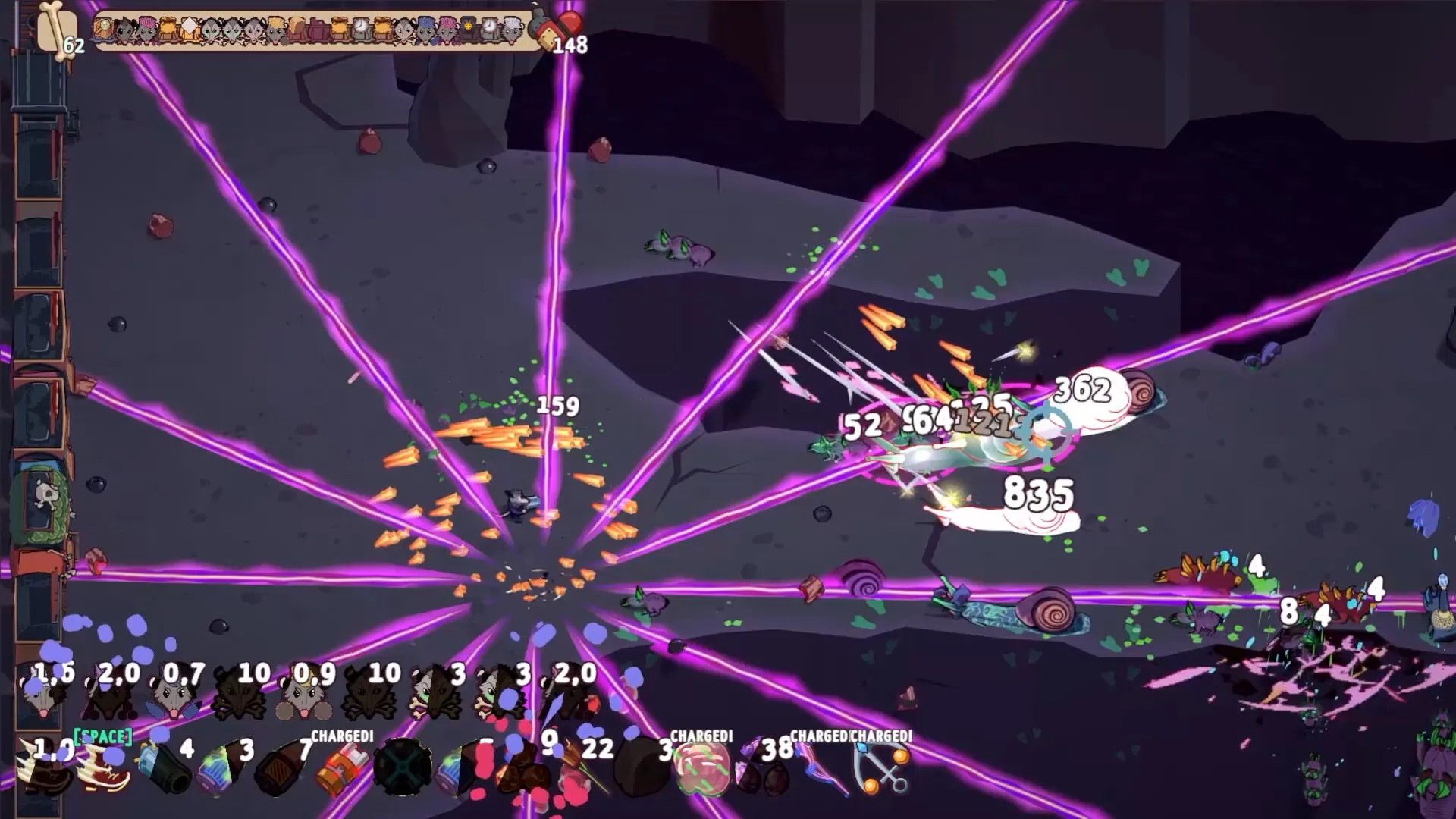
Ammossum: the best idea of the year, on a train that does not always start
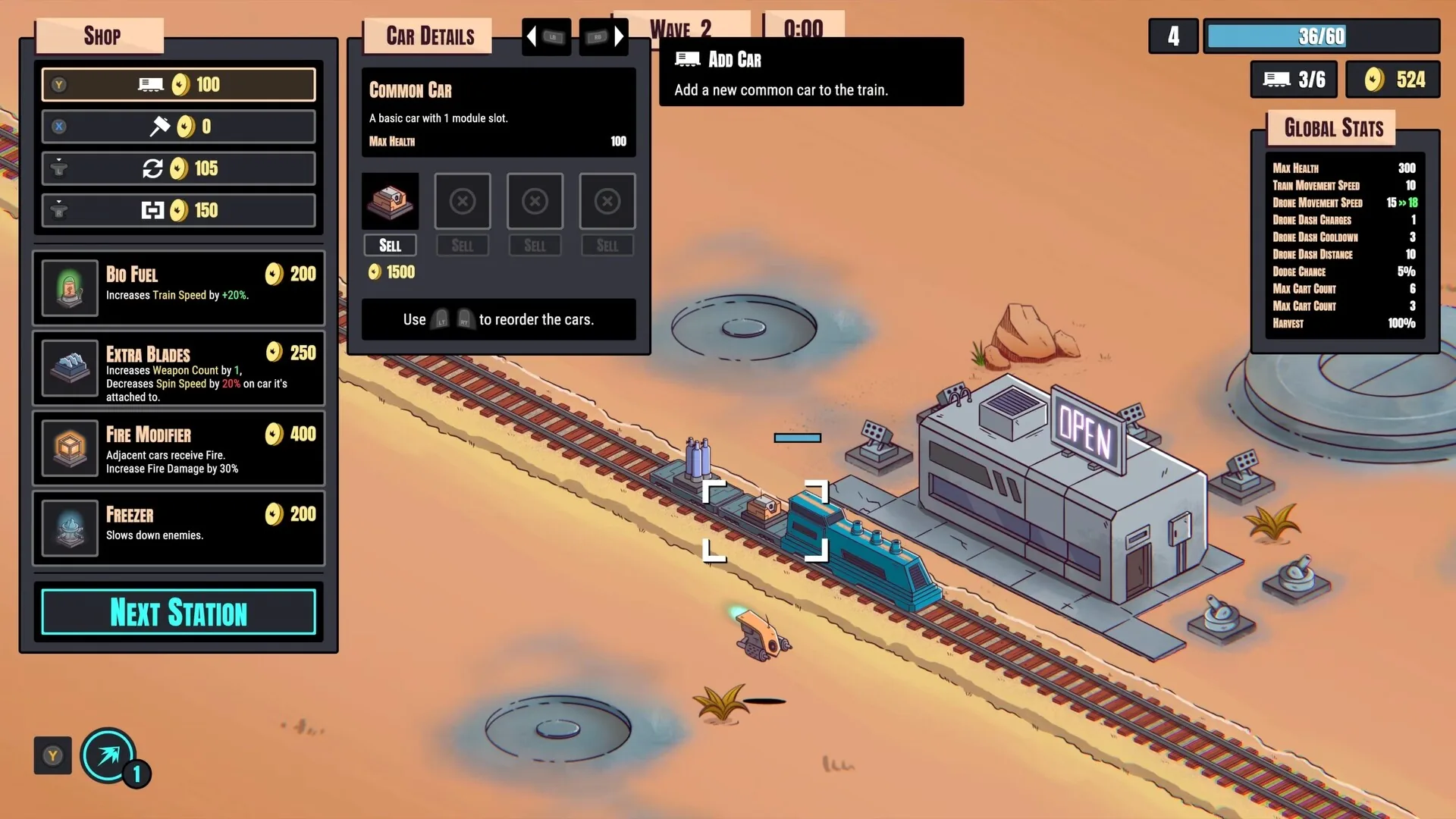
Your railcars are your health and your skills at the same time. Assuming the game gets past the loading screen.
Alexandrosse
7 min

A drowned Arkham, a tight inventory, counted bullets. A leap forward on every front, at the cost of a genre change that will divide.
Alexandrosse
InsertCoins.press Score
8/10
Verdict
Recommended
I played the first one and came away lukewarm. A good idea for a Lovecraftian investigation, a city that held together, and execution dragging its feet everywhere else: mushy combat, stiff animation, a budget visible on screen.
Six years later the sequel arrives and the leap is obvious. On the technical side, on feel, on atmosphere. What remains is a question that will divide people, and it needs asking straight away: this is no longer the same kind of game.
The first was an investigation game. You gathered clues, cross-referenced archives, reconstructed scenes, and combat was a badly made accident along the way.
The Sinking City 2 announces itself in black and white as a third-person survival horror, and the studio uses three words that describe the experience perfectly: deliberate, tense, resource-lean. Pressure builds as you push deeper, relief comes in brief refuge, and fear becomes something you manage rather than something that startles you.
The structure follows exactly that logic: mind your inventory, take on unnerving puzzles, and double back through unlocked shortcuts for supplies and upgrades.
Let us be clear, this is the grammar of Resident Evil. The players who got their hands on it in advanced access all put it the same way: the pace and handling evoke the Silent Hill 2 remake, while the inventory and crafting come from Resident Evil.
The setting changes too. Oakmont is gone, and we are in Arkham, a New England port city of the Roaring Twenties buckling under a supernatural flood. Tide-stained avenues, battered Art Deco, speakeasies gone dark. You move on foot and by skiff, you slip through breaches behind collapsed seawalls, you visit a hospital where science hides its face and a fish market where the merchandise bites back.
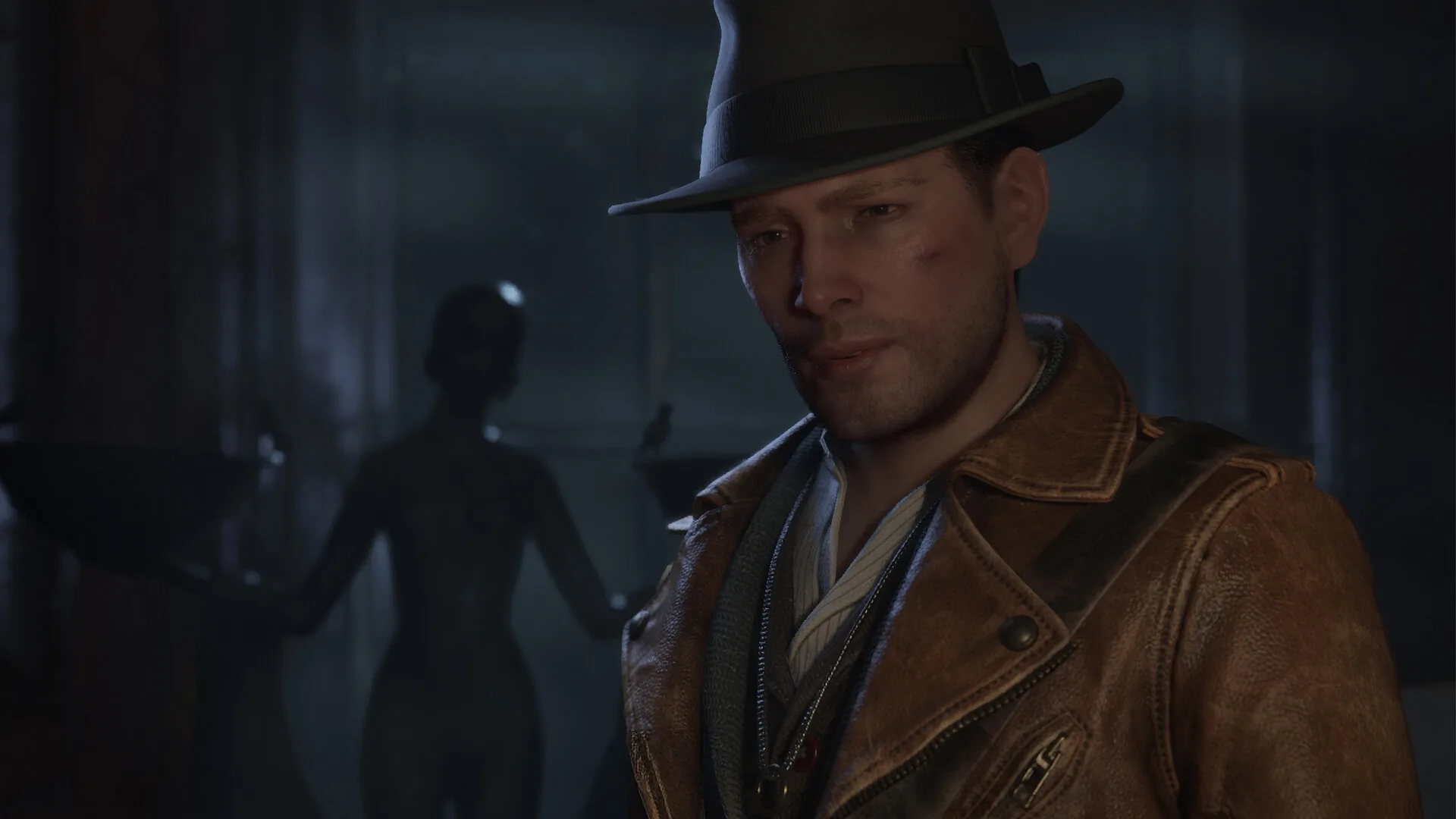
This was the first game's black mark and it is probably the most noticeable improvement in the hand. The weapons have recoil, impact, a weight entirely absent in 2019.
Honesty demands a caveat: combat remains a little stiff at times, and those who have pushed further say so too. But the gap with the original is considerable, and above all the scarcity of ammunition completely reshapes your relationship with fighting. Several players report running constantly dry despite decent accuracy, which is exactly the intended effect in a survival horror: every bullet becomes a decision.
The atmosphere works. The studio understood that Lovecraftian fear owes less to the monster than to the build-up, and the sound design supports that properly.
It has to be discussed because it is the most recurrent criticism, and it is justified.
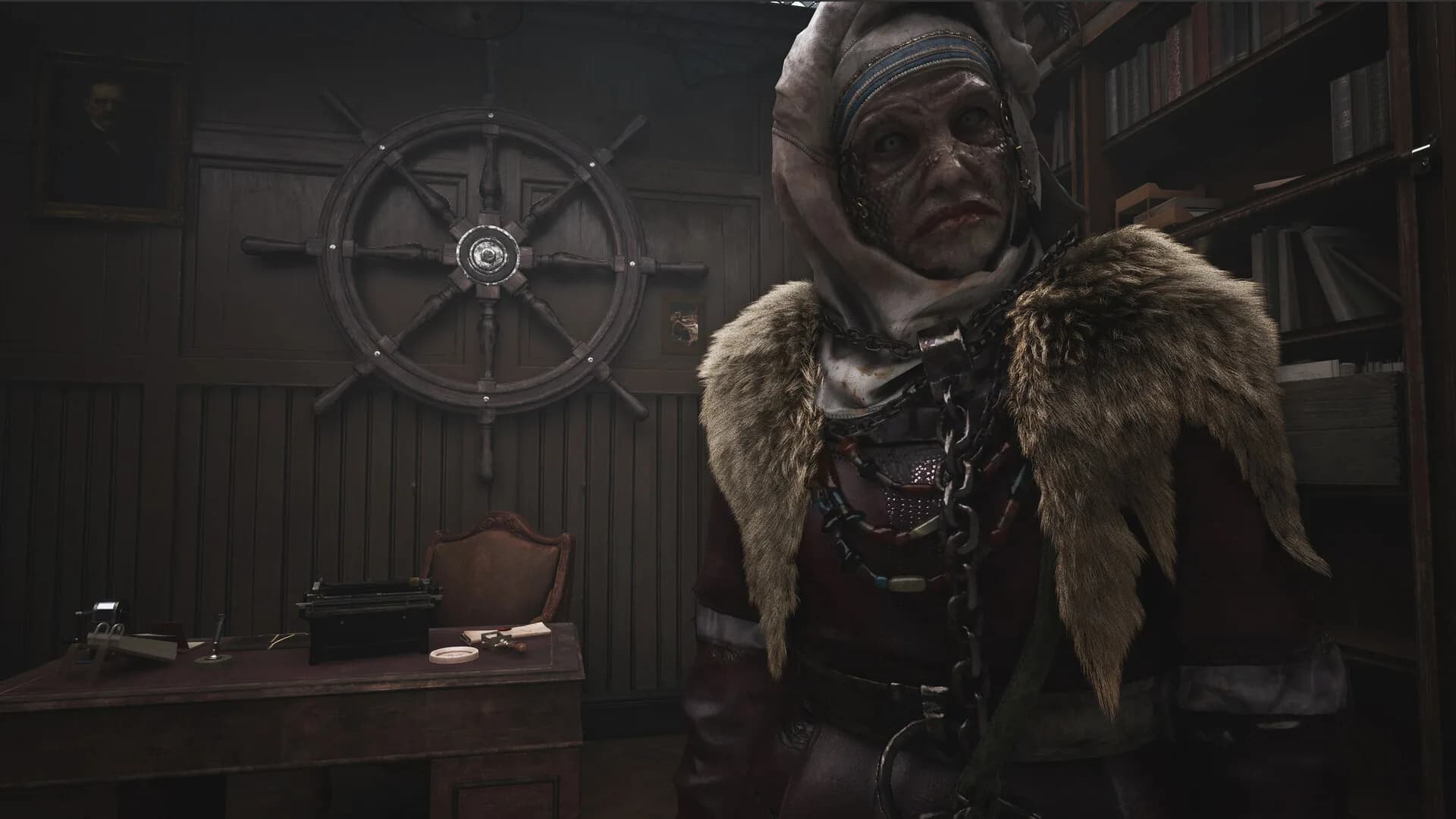
The game introduces worms capable of reanimating corpses. So you have to stomp them after downing an enemy or watch him get back up. Except some worms are purely decorative and others are not, and the game gives no clear visual way to tell them apart. You eventually learn that the ones actively seeking a body are the dangerous ones, but nothing explains it.
The result is predictable: out of caution you stomp everything, every time, which turns a good atmospheric idea into repetitive chore. One player threatens to quit over this alone, another sums the problem up with a cutting line, asking whether making them look different would really have been so hard.
One subtlety worth knowing: early in the game the worms do not reanimate, apparently to ease players in. The behaviour changes later without warning, which does not help anyone learn the rule.
On a base PlayStation 5, performance mode is stable and clean, and the game finally offers a motion blur toggle, which the remastered first game stubbornly refused.
On PS5 Pro, however, there appear to be no dedicated enhancements and no PSSR. Quality mode runs at 30 frames per second with better water reflections, performance mode at 60. Two absences to note: no HDR at launch, which penalises a game this dark, and the FSR upscaling present in the demo has vanished from the final build in favour of a solution judged markedly less sharp.
One point deserves stating plainly, because it concerns your wallet. The press review embargo was set to the release date, while the Premium edition granted 24 hours of advanced access. In other words, players who wanted to play early had to buy the most expensive edition with no independent review available. It is a widespread practice and it remains questionable.
On the reviews, a methodological caution: the game shows 142 positive out of 150, around 95 percent, but that sample comes almost entirely from Premium edition buyers, in other words the most enthusiastic by definition. The figure will settle over the coming days.
Not everyone will applaud this change of direction, and the objectors have a solid case.
One player frames it well: by dropping investigation for survival horror, the game loses part of what made the first one interesting. He adds something subtler, namely that by trying less hard to be frightening, The Sinking City had a more uncomfortable atmosphere, better attuned to Lovecraft's world.
I understand that criticism. Lovecraft is not the monster that jumps, it is the knowledge that drives you mad, and an investigation game marries that idea better than a shooter with counted bullets.
The other complaint heard is familiarity: influences worn very visibly, a blend of Silent Hill 2 and Resident Evil that offers little new to anyone fresh from both.
It rewards the best game Frogwares has ever released, by some distance: a drowned-city art direction with real personality, successful atmospheric work, gunplay that finally feels right, and a shortcut-based level architecture that gives the world a coherence the first game lacked.
It accounts for combat still short of polished, a poorly communicated worm system that slides into chore, and technical absences at launch, HDR foremost, in a game that spends most of its time in the dark.
It also factors in, without punishing heavily, that this game invents nothing: it executes very well a formula others established.
The advice is simple. If you came for the first game's Lovecraftian investigation, walk on by or wait for a sale. If you want a polished survival horror in a setting nobody else is using, this is a very good pick.
So tell us: does Lovecraft suit investigation or survival better? We have a view, but we would like it challenged.
The argument continues on the InsertCoins Discord, where we hold unreasonable positions on video game horror.
Affiliate link: a purchase earns us a commission, at no extra cost to you.
Community
Your rating
Advertisement
Loading comments...
You might also like
Your railcars are your health and your skills at the same time. Assuming the game gets past the loading screen.
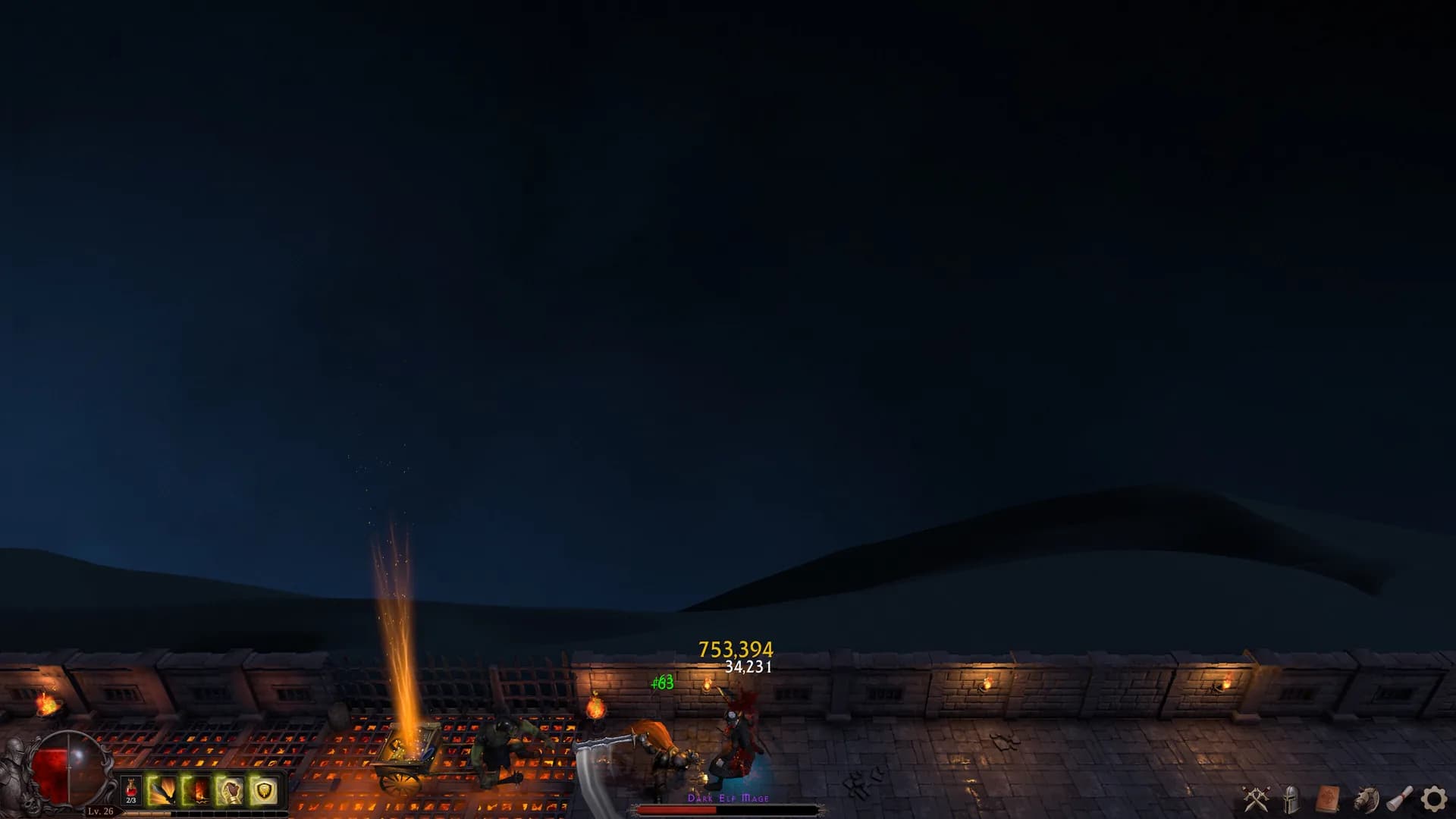
Five euros, a strip of ARPG along the bottom of your desktop, and a Steam market where you resell your minions. The success is real, so is the wall.
The train on the mouse, the drones on the keyboard, thirty-second rides. A small game that knows exactly how long it lasts.