Some games you wait for because of their world. Others for their gameplay. And then, very rarely, there are those that arrive with an idea capable of changing something in the way we think about games. Not another promise. A genuine rupture.
Tides of Tomorrow is one of those games.
From the very first minutes, you understand you're facing something exceptional. Not for what it shows, but for what it provokes. That rare, almost physical sensation of standing before an idea that has never been attempted quite like this, and that works exactly the way it should.
At InsertCoins, we don't reach for that word lightly. But this time, it's earned.
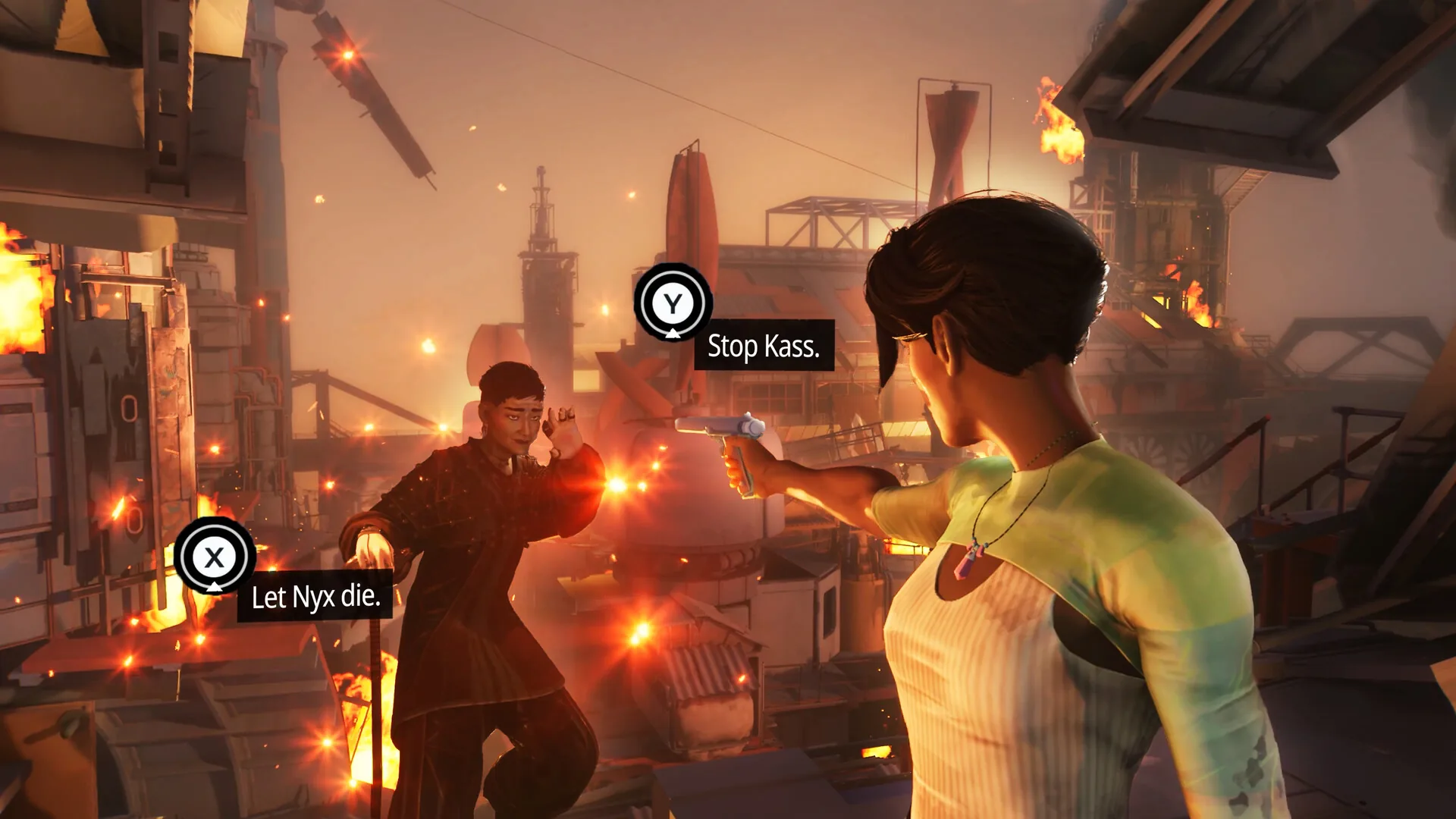
The game's central concept is as disorienting as it is fascinating. You can see the actions of another player. Not as a replay, not as a ghost replaying a recorded run, but as a vision of the future. A premonition.
What someone else did in their game becomes a clue, a warning, a temptation. A trace left in the world that only you can interpret, and on which you can decide to act or not.
And that's where everything shifts. Because this mechanic completely changes the player's stance, without ever forcing them, without ever imposing anything. You're no longer alone facing the world. You're not accompanied either. You're influenced. And that distinction, which sounds almost philosophical to describe, becomes immediately visceral the moment you experience it.

Where gaming has offered the same forms of player interaction for years, cooperative, competitive, classic asynchronous, Tides of Tomorrow takes a different path. One that nobody had truly walked before.
No direct communication. No imposed coordination. No confrontation. Only traces, choices, and their consequences rippling from one run to another like waves.
It's emergent storytelling at its purest. Each player becomes, often without knowing it, a part of someone else's story. What you do in your game resonates elsewhere, in a run you'll never see, played by someone you'll never know. And yet the connection exists. It's real. And the game makes it tangible in a way that genuinely takes your breath away.
Seeing someone flee a location can mean there's danger there. Or that they missed something. Or that they made the wrong call. The game gives no answer. It creates doubt, it creates tension, it transforms raw information into narrative material of impressive richness.
What makes Tides of Tomorrow remarkable is that this ambiguity never frustrates. It stimulates. It engages. It pushes you to observe, to analyse, to decide with a sharp awareness that others were here before you, and that others will come after. It's a mechanic built with rare precision and intelligence, one that could have collapsed into vagueness or confusion, and that instead imposes itself as self-evident from the very first minutes.
You sense years of thinking behind this, years of prototyping, of refusing the easy path. This isn't an idea someone had one morning and put straight into production. This is an idea someone held onto until the very end.
Behind the project is a studio with a very clear obsession: telling things differently, making you feel rather than explaining. And that philosophy permeates everything in Tides of Tomorrow.
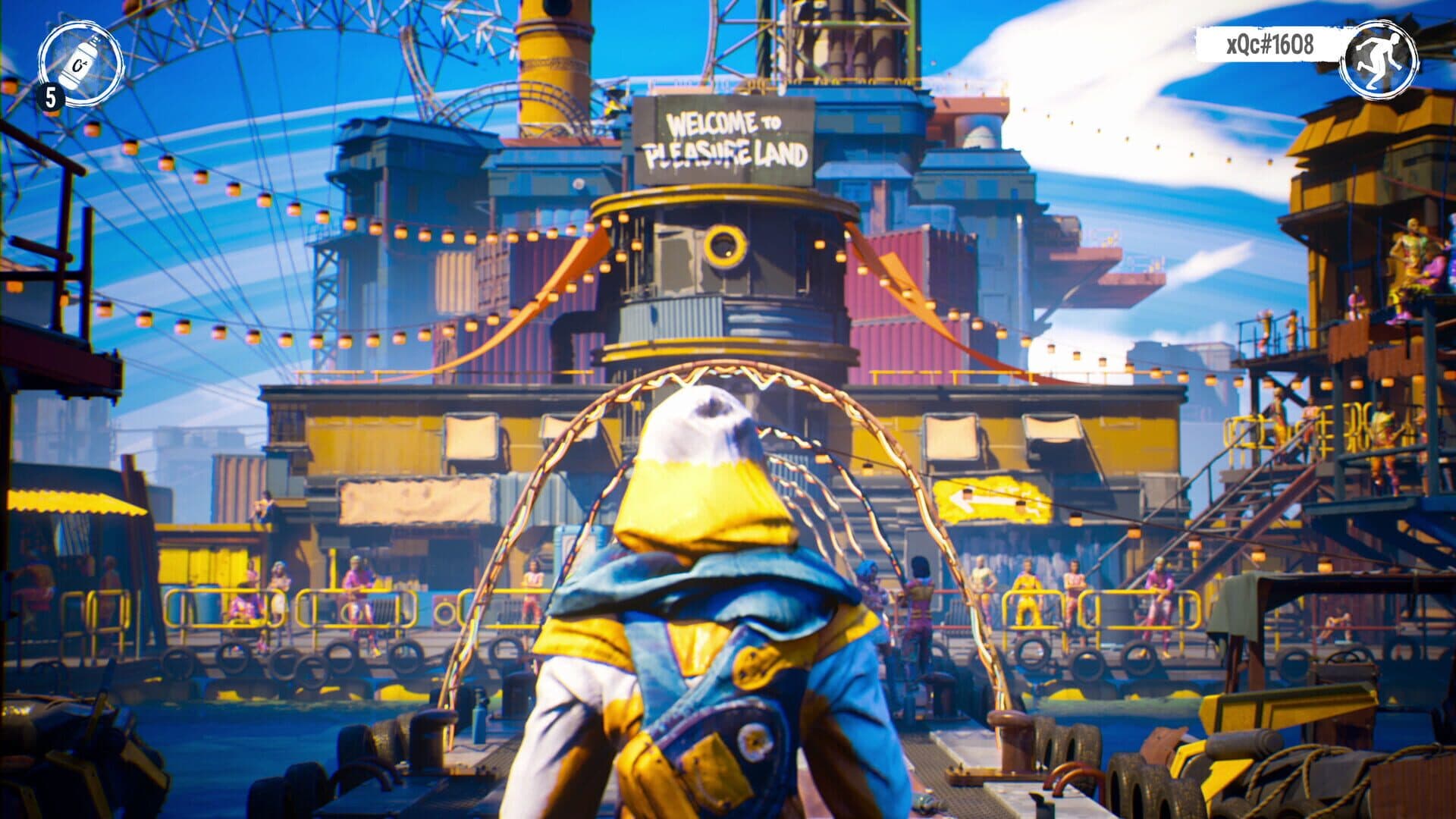
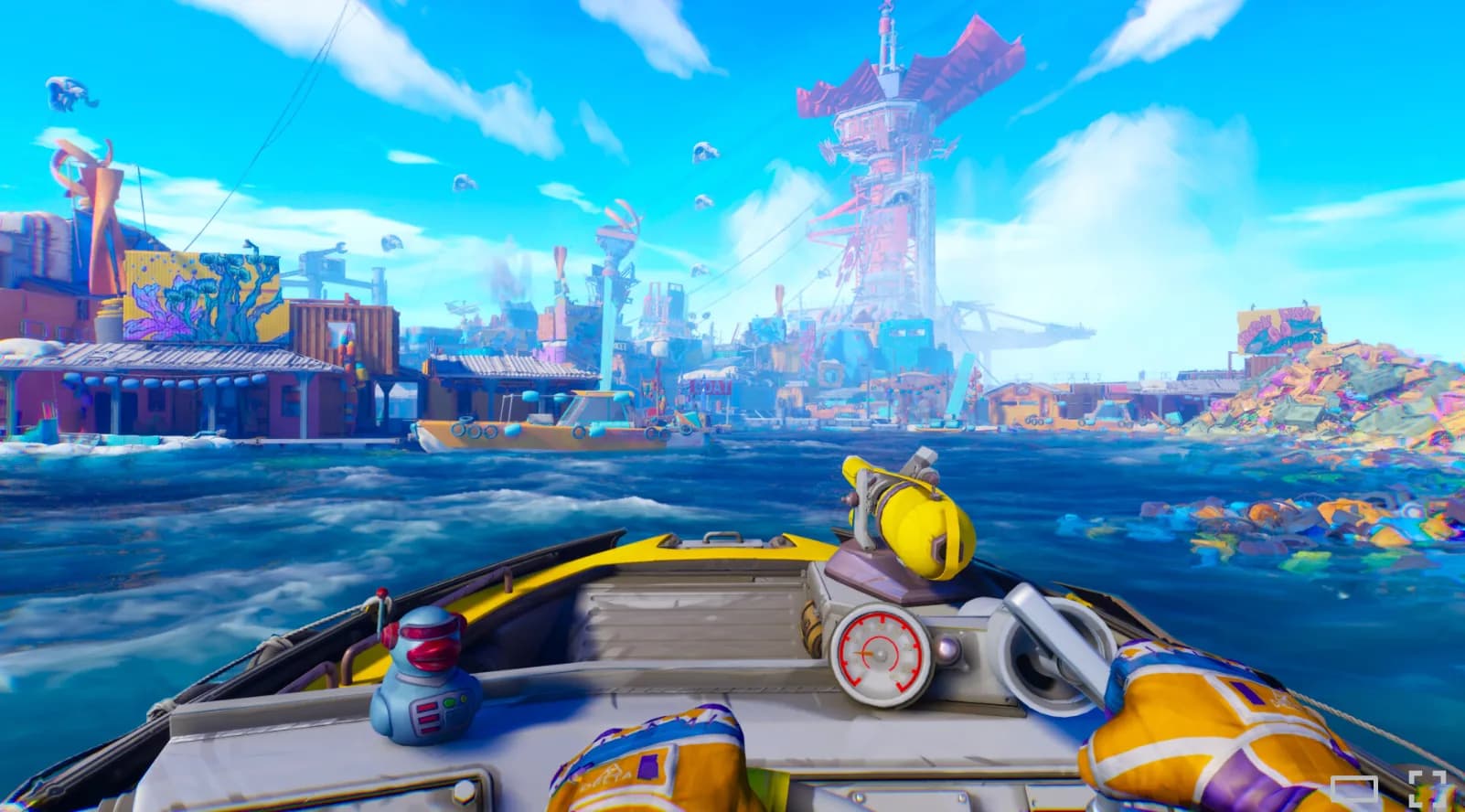
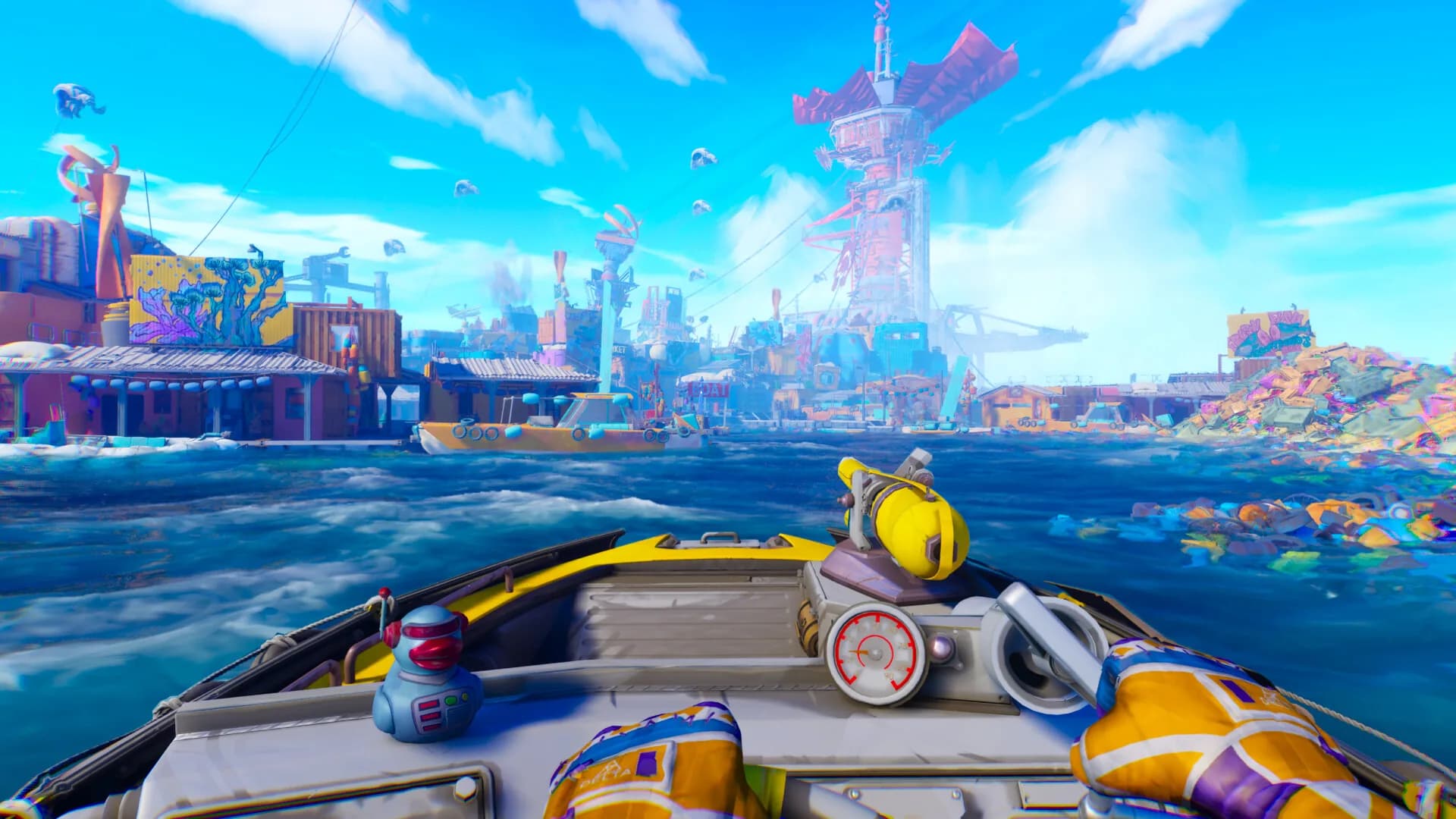
The sound design, first of all, is a total success. In this game, sound doesn't decorate. It guides. It informs. It carries. The ocean, ever-present, becomes a character in its own right, with its moods, its tensions, its silences that say as much as any dialogue. Every sound, every echo, every frequency works together to build something you don't only feel in your ears, but throughout your entire body.
This is the level of attention to detail of a studio that leaves nothing to chance. And it shows.
At InsertCoins, we've played a lot of games this year. We've loved several. We've defended some that nobody was looking at. But Tides of Tomorrow is different.
It's not just a good game. It's a game that asks a new question, answers it with total command, and does so with an identity so strong you couldn't confuse it with anything else. It's the kind of project that justifies continuing to watch independent studios, to look for what the industry hasn't done yet, to believe that something genuinely new is still possible.
This game deserves every bit of attention it can receive. It deserves to be played, discussed, analysed. It deserves for the people who made it to hear that what they built truly matters.
And it deserves this score. Fully.
Preview written based on available information and a presentation session
Waiting for this one as well? Come and say so on the InsertCoins Discord.