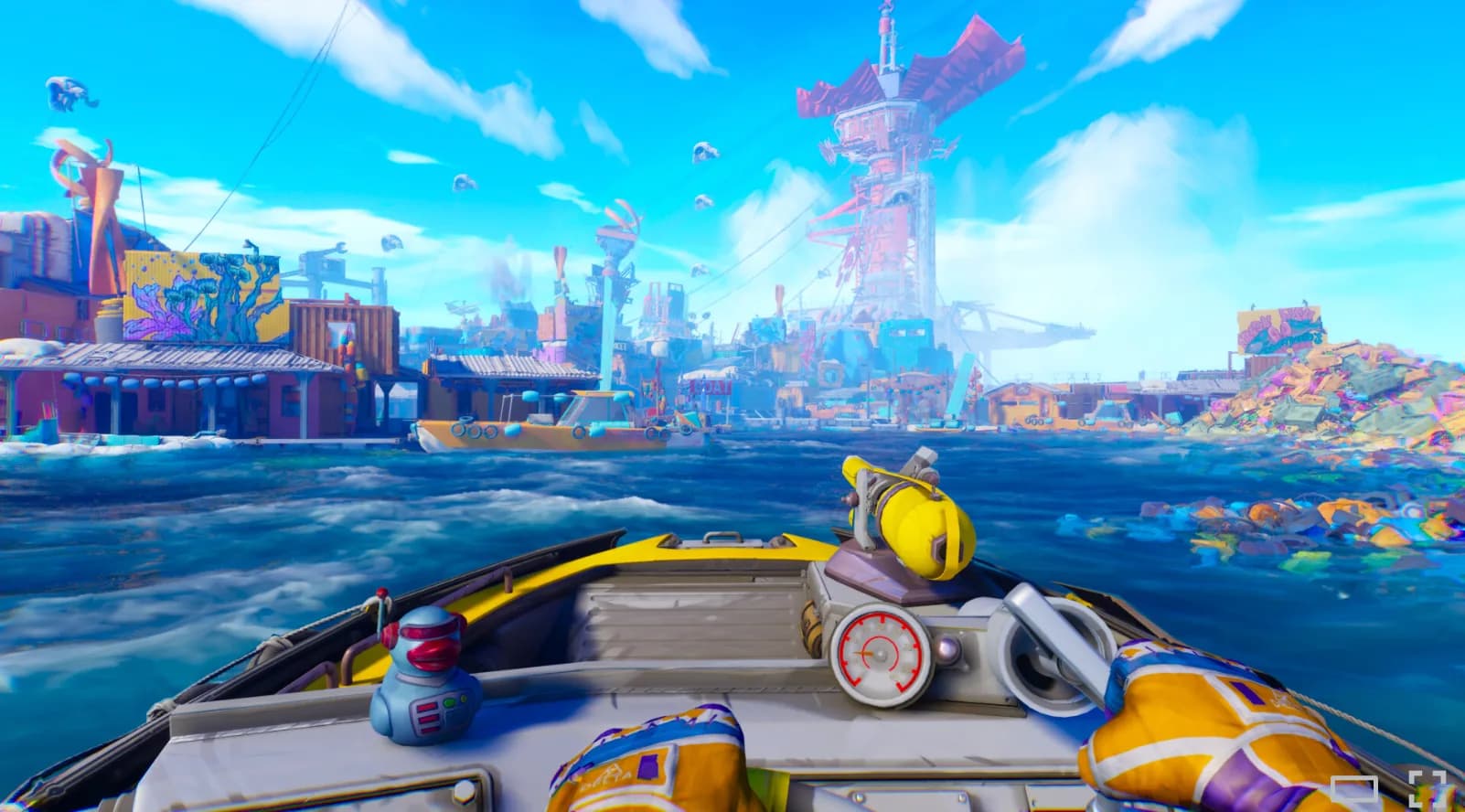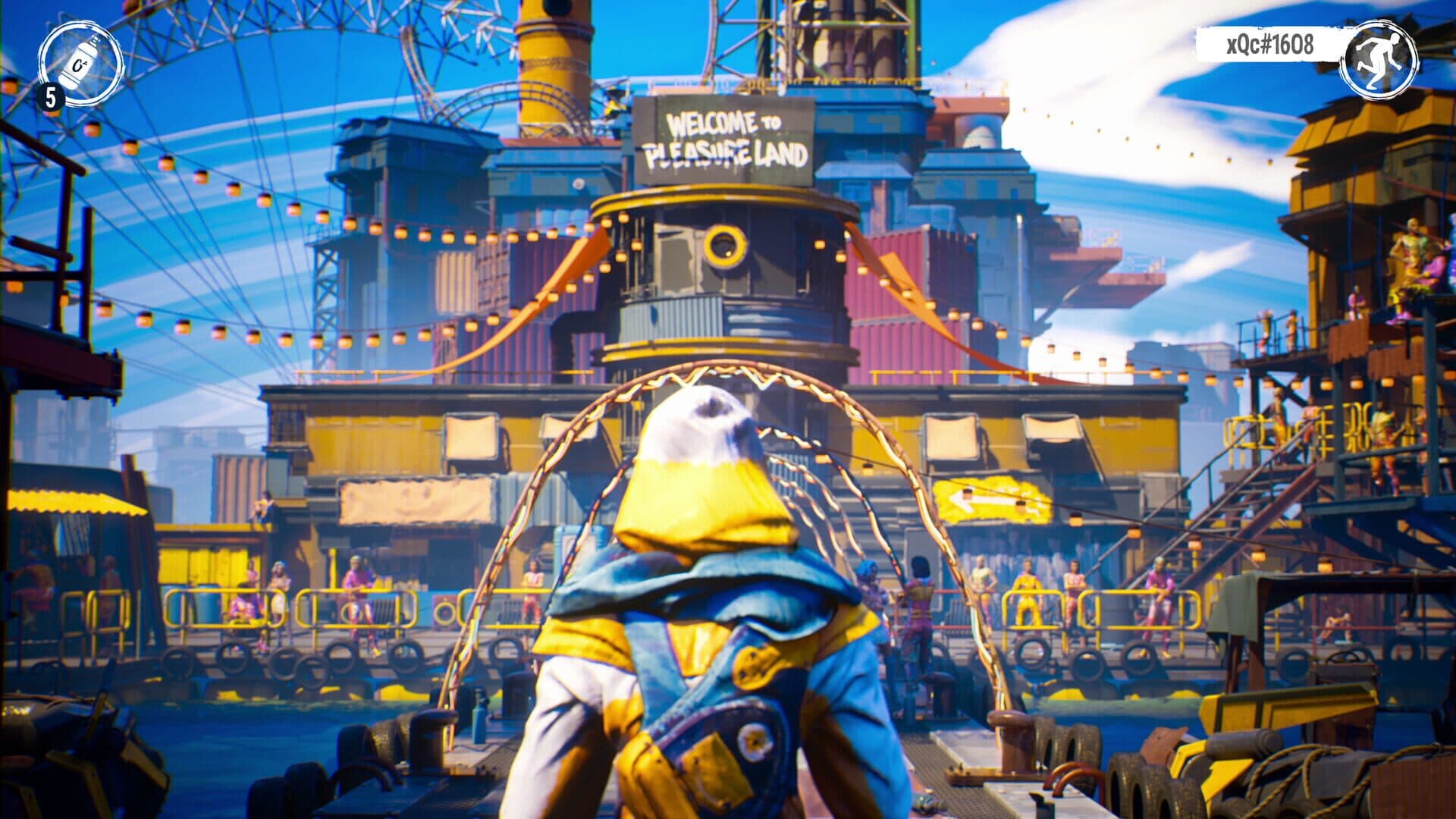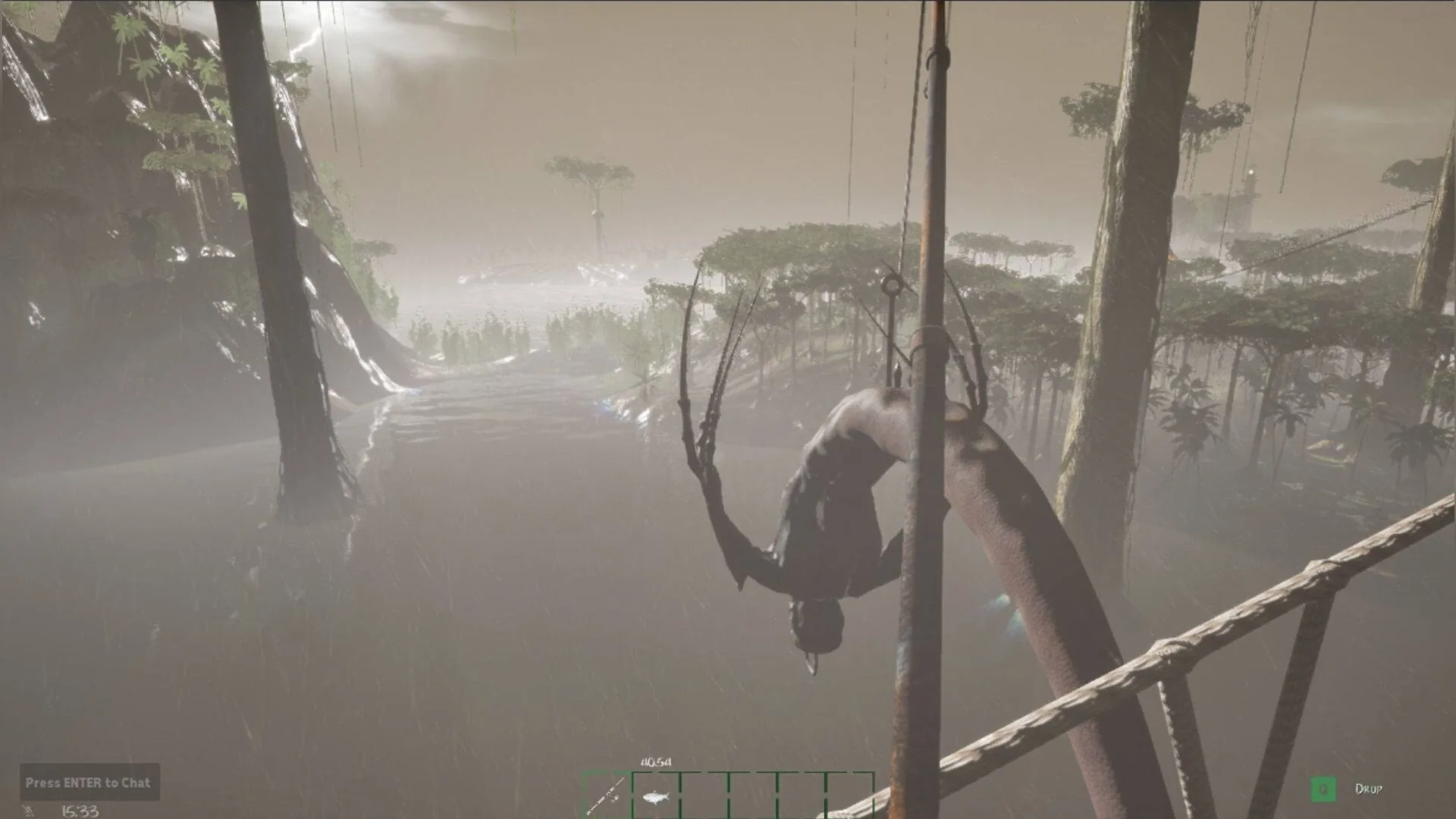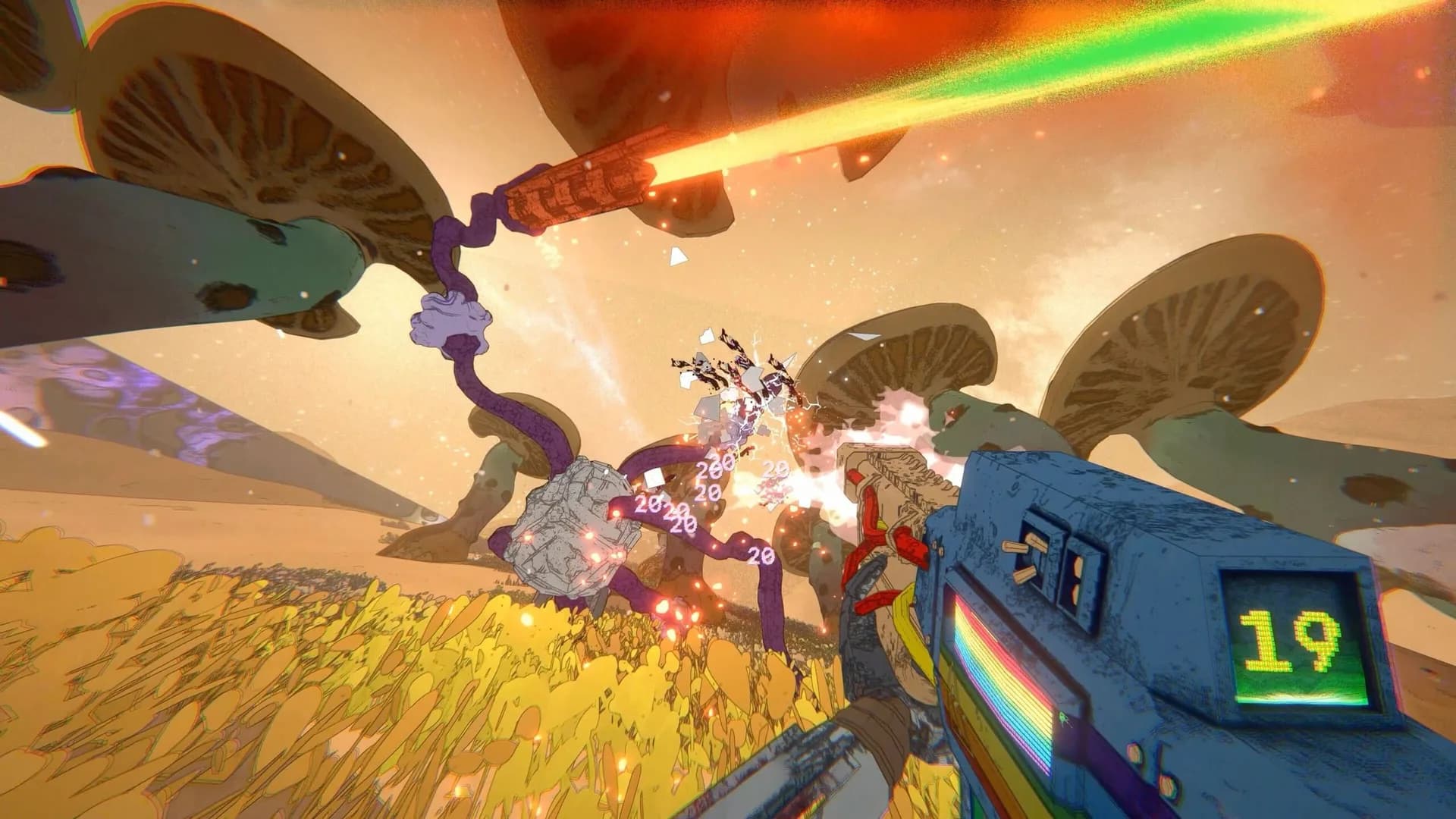
There's a scene in Waterworld where Kevin Costner finally reaches the Atoll. Dry land might not exist. Eden might be a lie. But people believe in it, and that's why they keep going. In Mad Max Fury Road, the Green Place is already gone. Furiosa has known this from the start. And yet we run toward it, because we can't do otherwise.
Tides of Tomorrow understands this mechanism precisely. And it seizes it with an intelligence that demands respect.
The Story-Link: the idea that changes everything
You play in a dying world. Resources are depleting, communities are collapsing, the choices you make have real consequences for real people. Many narrative games have tried this. Few genuinely succeed.
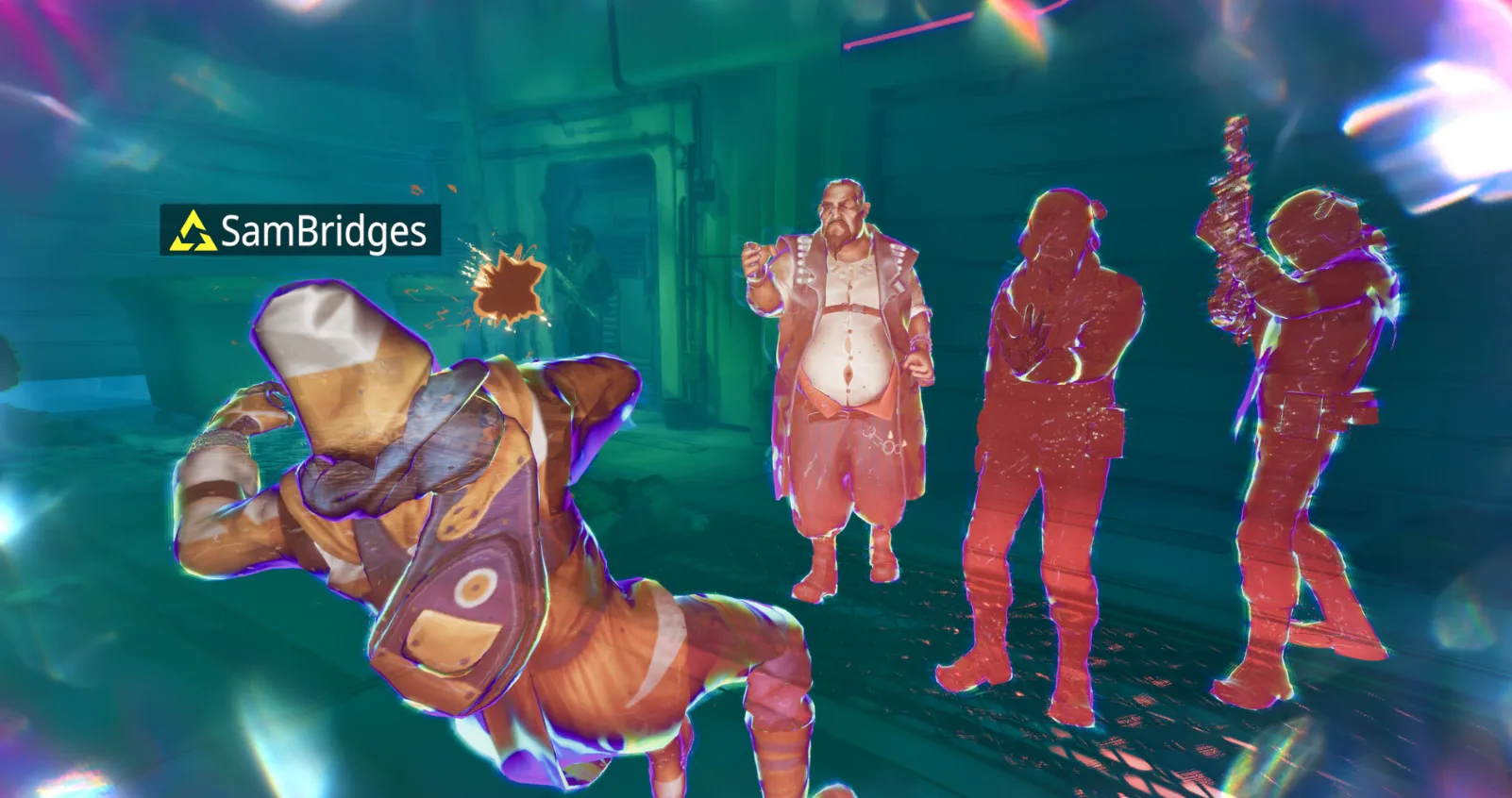
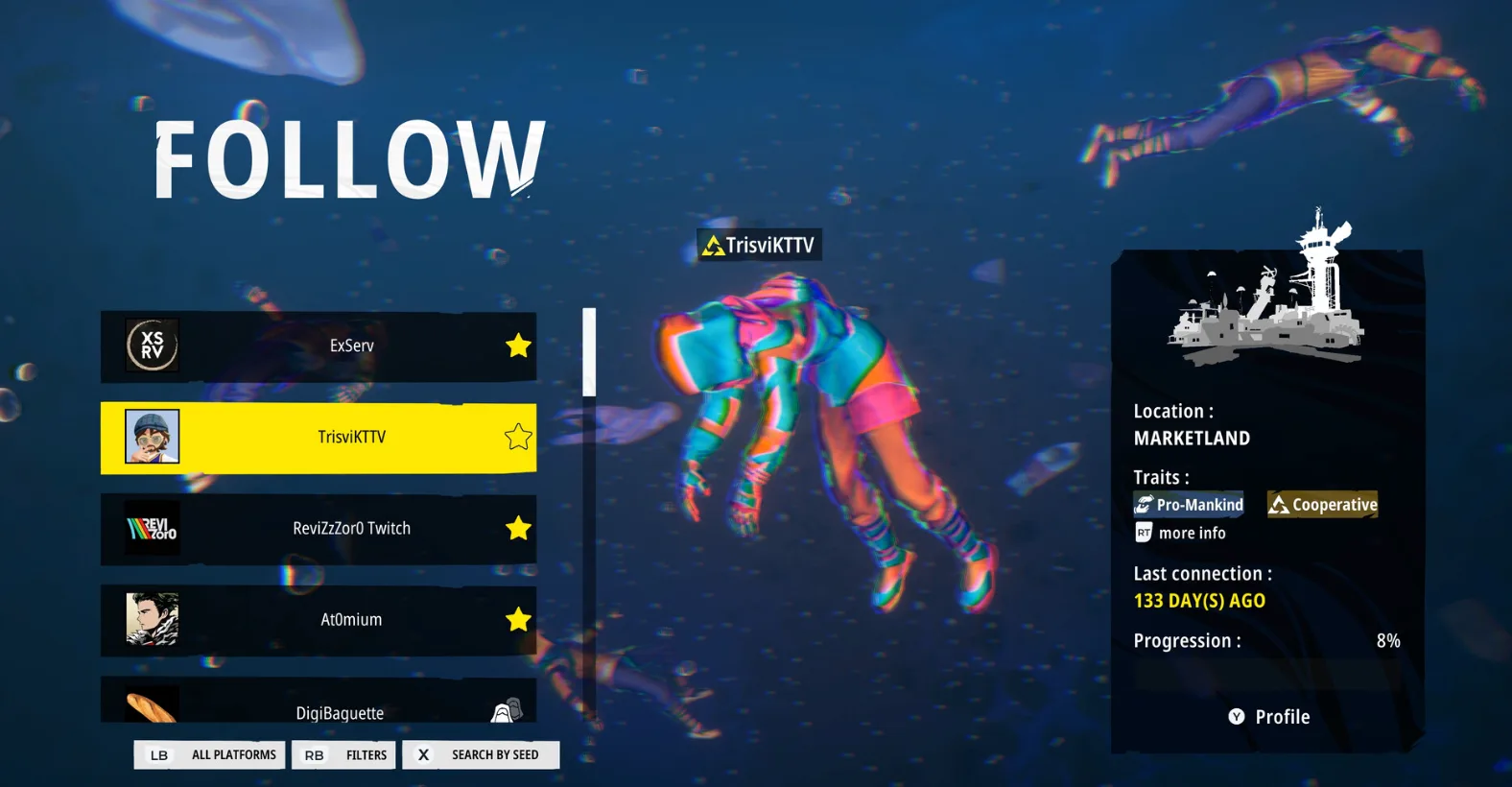
What Tides of Tomorrow does differently is the Story-Link. The decisions you make don't stay in your playthrough. They propagate. Other players see in their own game the echoes of your choices, like visions of a probable future, a possible life, a consequence they haven't yet lived. And their decisions, in turn, haunt your world the same way.
This isn't multiplayer. It isn't replay sharing. It's a form of mechanical empathy. You don't play with others, you play through them. The first time it genuinely works, when you recognise in the world a trace of someone else, it's a sensation that has no equivalent in video games.

The real difficulty of Tides of Tomorrow isn't the puzzles. It's this: making choices when you know, somewhere, that the world is probably doomed anyway.
And that's where the game touches something true.
In Waterworld, the world is dead. In Fury Road, the Green Place is gone. In Tides of Tomorrow, the climate won't reverse itself because you played well. The global outcome isn't in your hands. And yet you continue. Because even in a drowning world, there are people to protect, decisions to honour, a legacy to leave for those who come after. That's post-apocalyptic hope. Not believing everything will be fine. Believing it's still worth it.
The game doesn't tell you this directly. It makes you feel it, run after run, choice after choice. That's its greatest achievement.
Tides of Tomorrow is a great narrative game with gameplay sections that don't match its ambition. The resource management phases are solid. The rest: stealth sequences, mini-games, some traversal sections, carry the stiffness of mechanics designed to bridge two narrative moments rather than exist on their own terms.
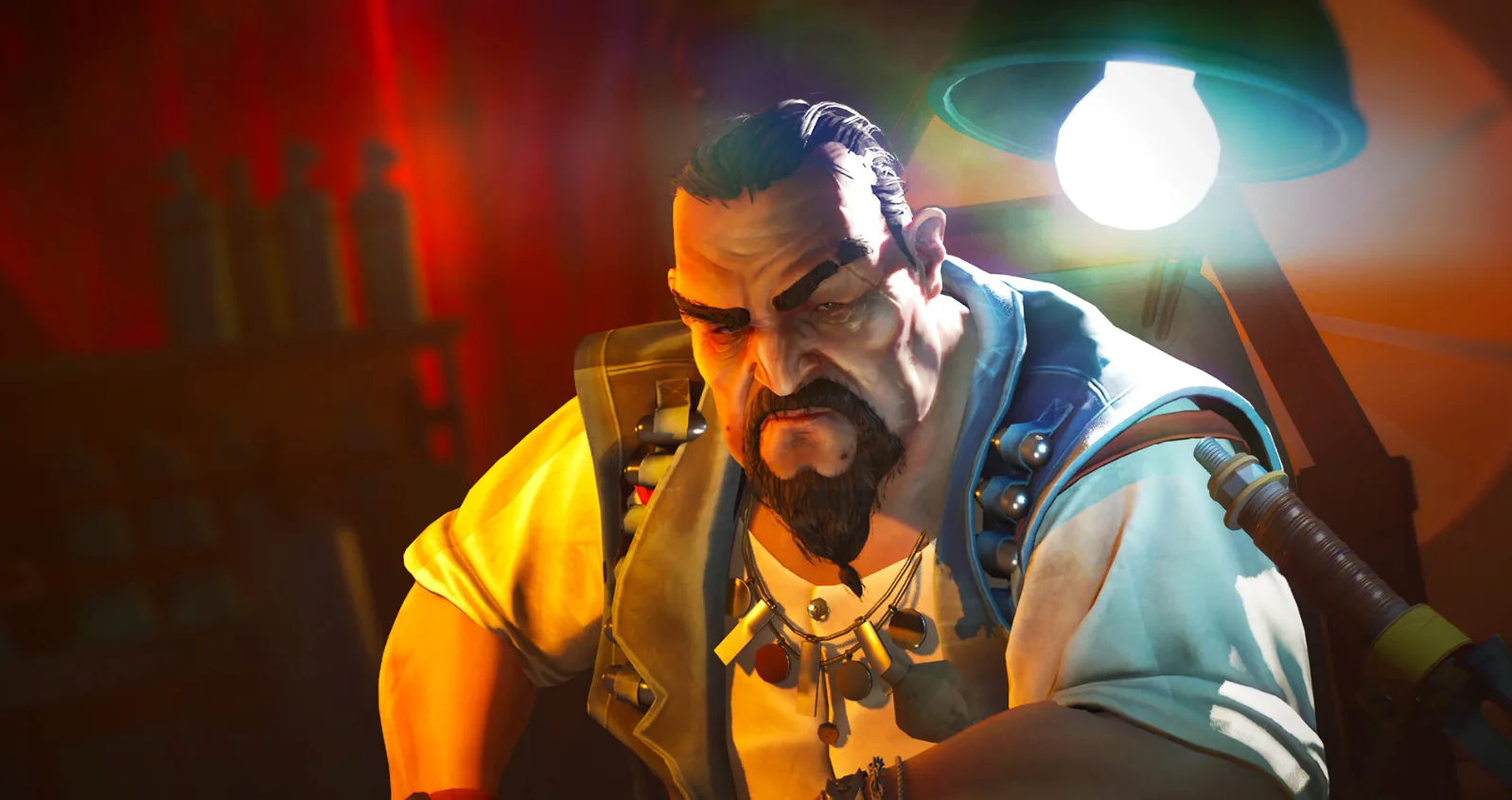
The dissonance is real. The written world and the played world don't always speak the same language. Secondary characters lack depth. Some dialogue rings hollow where the main story demands nuance. And the Story-Link, as brilliant as it is in its best moments, can fade into the background if you don't actively look for it.
This isn't a perfect game. It's an important game with visible imperfections.
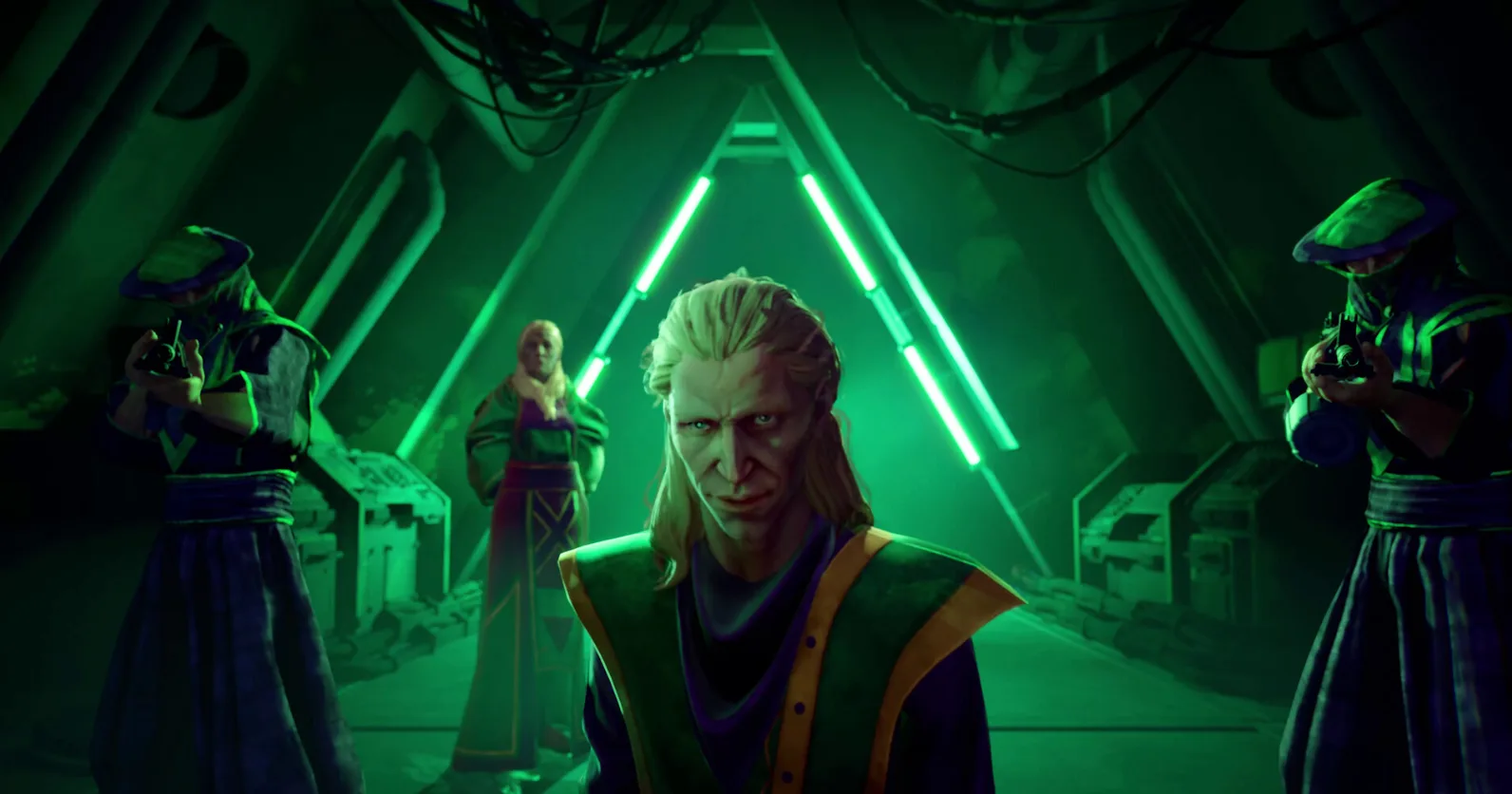
Tides of Tomorrow stays with you after the credits. Not because it gave you an answer, but because it asked the right question: in a world we may not be able to save, what do we choose to do anyway?
We're giving it 7.5. And we genuinely hope for DLC, because this world, this mechanic, this way of thinking about the link between players, all of it deserves to go further. We've barely scratched the surface of what the Story-Link could become with more time and space.
Strengths:
- the Story-Link, an idea that exists nowhere else and genuinely works
- the main narrative, emotional and grounded in real questions
- resource management, a mechanic well-integrated with the themes
- that ability to make you feel the weight of choices in a dying world
- an exceptional soundtrack
Weaknesses:
- gameplay sections (stealth, mini-games) that don't reach the level of the rest
- ludonarrative dissonance that shows
- secondary characters too underdeveloped
- the Story-Link can be forgotten if you don't consciously engage with it
Tested on PC.
Disagree with the score? Come and tell us on the InsertCoins Discord, where we defend our verdicts live.