8
Test
Car Park Capital: MicroProse is publishing a game about bulldozing neighbourhoods for tarmac
Hired by Big Auto to spread the Freedom of Car Dependency. It is funny, it is mean, and it sits at 96 per cent positive.
Alexandrosse
9 min
A triangle of balls with absurd effects, ten rounds to survive, and a bar where you upgrade your set between cocktails.
Alexandrosse
InsertCoins.press Score
7/10
Verdict
Recommended
We have had deckbuilders about poker, solitaire, fishing, golf, running an inn, turn-based combat and anything else that could be reduced to a draw pile. We thought the well was dry.
Nobody had thought of pool. And playing it, you wonder why, because it might be the best candidate on the list.
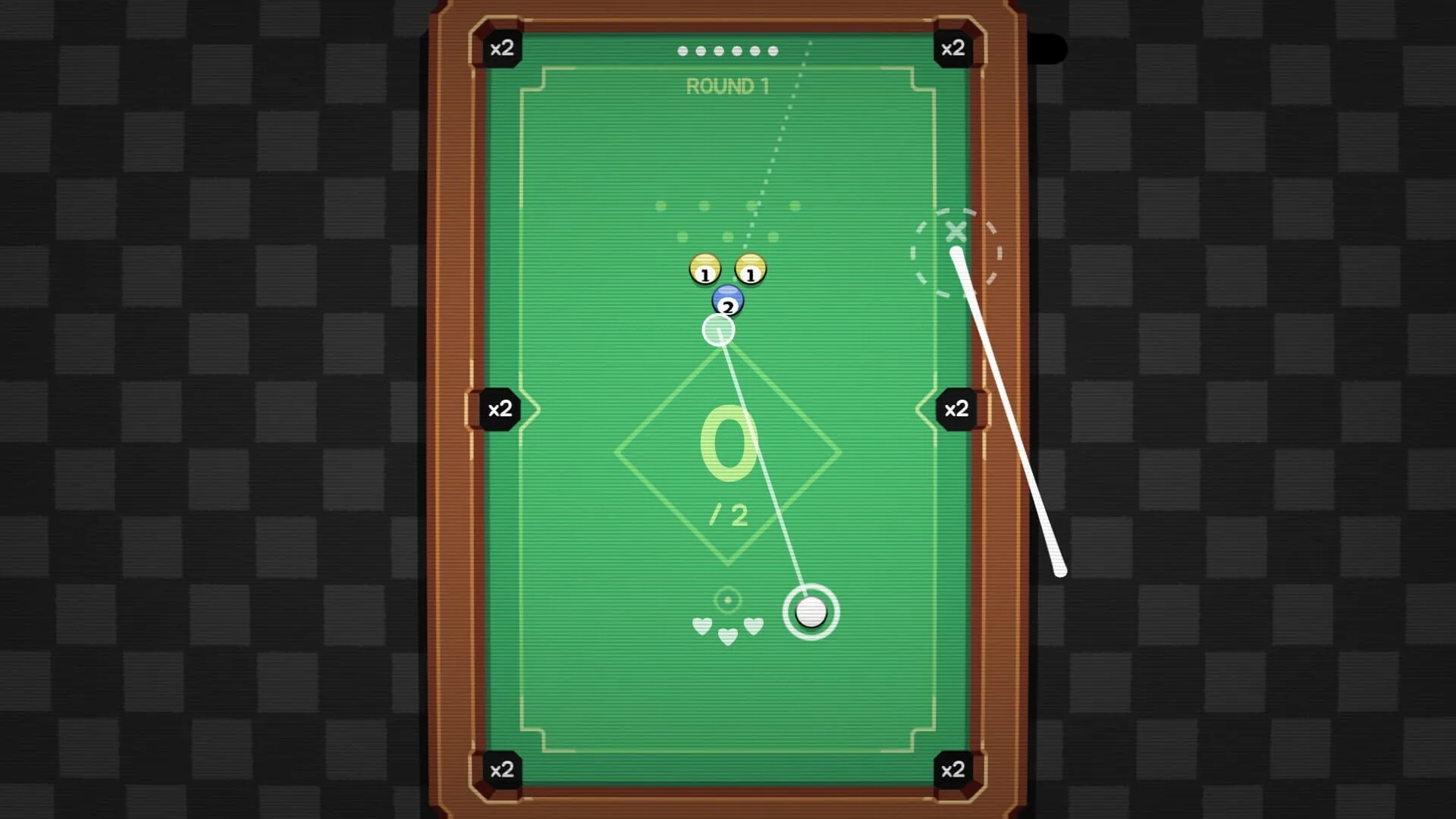
A deckbuilder needs two things: elements you collect and combine, and a moment where you let go of the machine to watch what it produces.
Pool supplies both naturally. The balls are your cards, except they occupy a position in space. And the shot is the moment of release: you aim, you strike, and for two seconds you have no control over what happens. That is exactly the second of waiting that makes these games, only here it is physical instead of an animation.
The principle is direct. Pocketing balls gives score, score gives money, and money is spent at the bar on new balls or upgrades. Ten rounds to survive.
All the pleasure lives in what the studio dared put on the table.
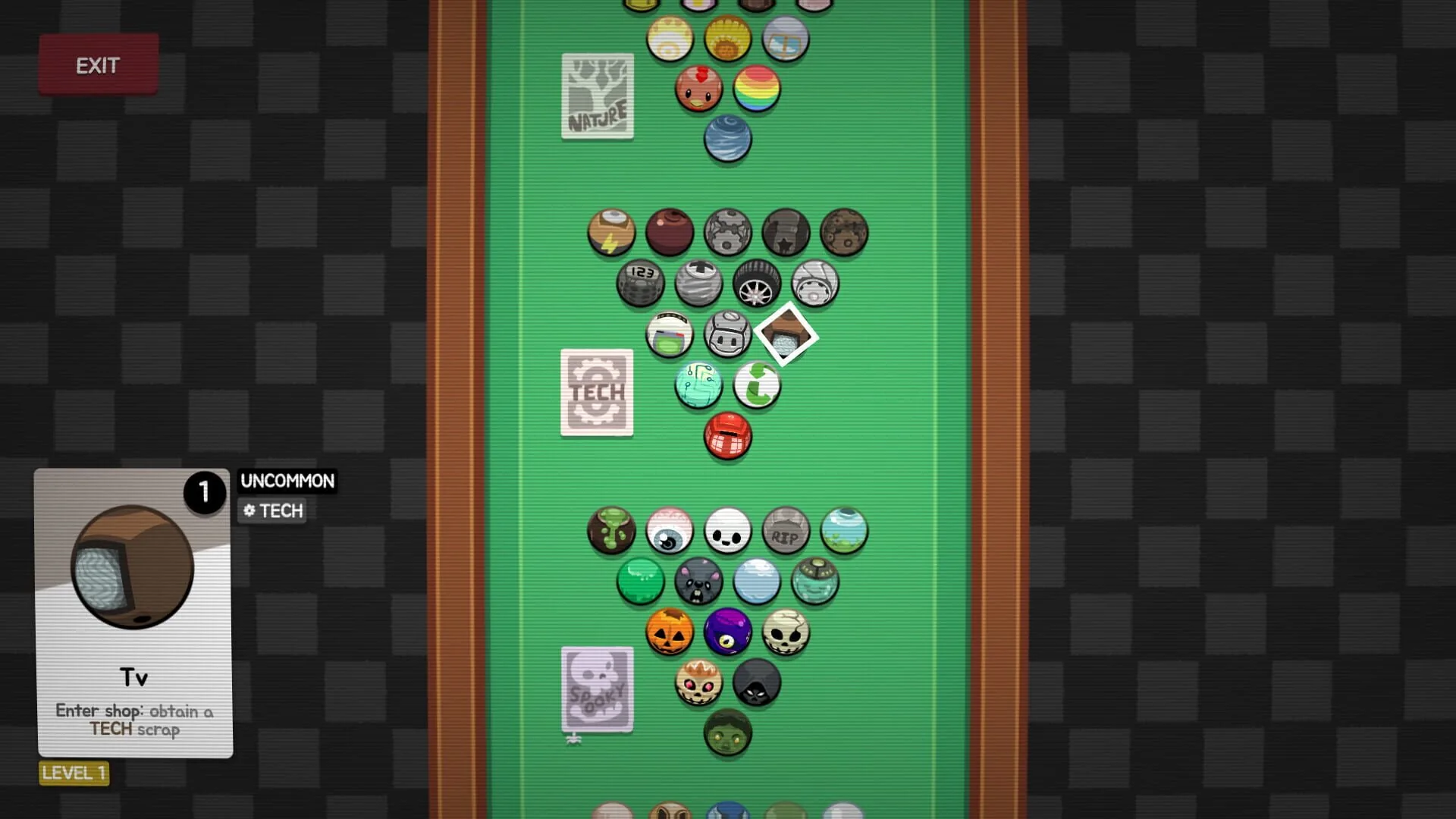
A ghost ball that reappears on the felt after being pocketed. A chicken ball that lays spherical eggs. A bomb that explodes if you knock it about too much. The list continues in the same direction, and each new find changes how you look at an alignment.
That is where the game gets clever: in ordinary pool you calculate an angle. Here you calculate an angle and a chain reaction. Clipping the wrong ball on the way through can blow up the table. Clipping the right one can multiply a score by four. The perfect shot is no longer the cleanest, it is the one that triggers the best cascade.
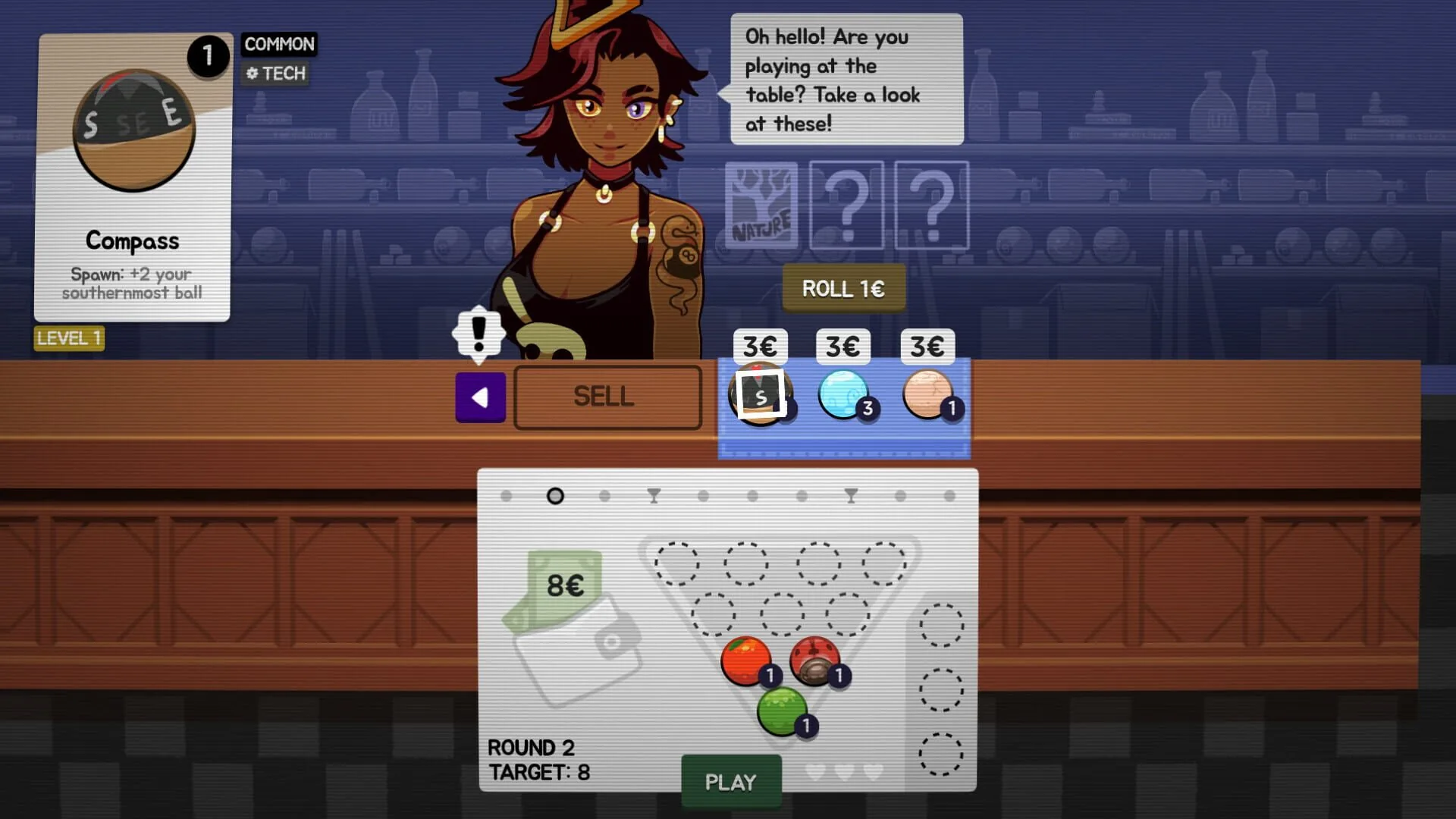
The game gives itself a quiet bar setting, with a cocktail to pick before starting and bartenders to impress. It is colourful, it is arcade, and it does not pretend to be a simulation.
Good call. Realistic pool would have made the absurd effects ridiculous; pool owned as a toy makes them coherent.
The controls click immediately, which matters: the hard part had to be building the triangle, not aiming.
Physical randomness cuts both ways. A card deckbuilder is deterministic once the draw is known; here a centimetre turns a winning shot into a disaster. That is what keeps the game alive, and it is also what makes certain defeats hard to attribute to anything but the table.
Ten rounds gets exhausted. The format is short, which is pleasant, but longevity rests entirely on how many balls there are to discover and how deep the synergies go. On the first evening you try everything; the second month will say whether the engine holds.
The game launches today, developed by Icedrop Games and published by offbrand games.
Seven, and it is earned.
It salutes an idea nobody had while it sat under everyone's nose, and an execution that understands what it borrows: the physical trajectory replaces the draw, space replaces the hand, and the result is not a reskin but a genuine displacement of the genre.
It accounts for a share of unpredictability not everyone will accept, and content whose longevity remains to be confirmed.
One question still nags at me: how long until the croquet deckbuilder? Because at the rate this year is going, somebody is already on it.
Which sport should get the treatment next? Place your bets on the InsertCoins Discord.
Community
Your rating
Advertisement
Loading comments...
You might also like
Hired by Big Auto to spread the Freedom of Car Dependency. It is funny, it is mean, and it sits at 96 per cent positive.
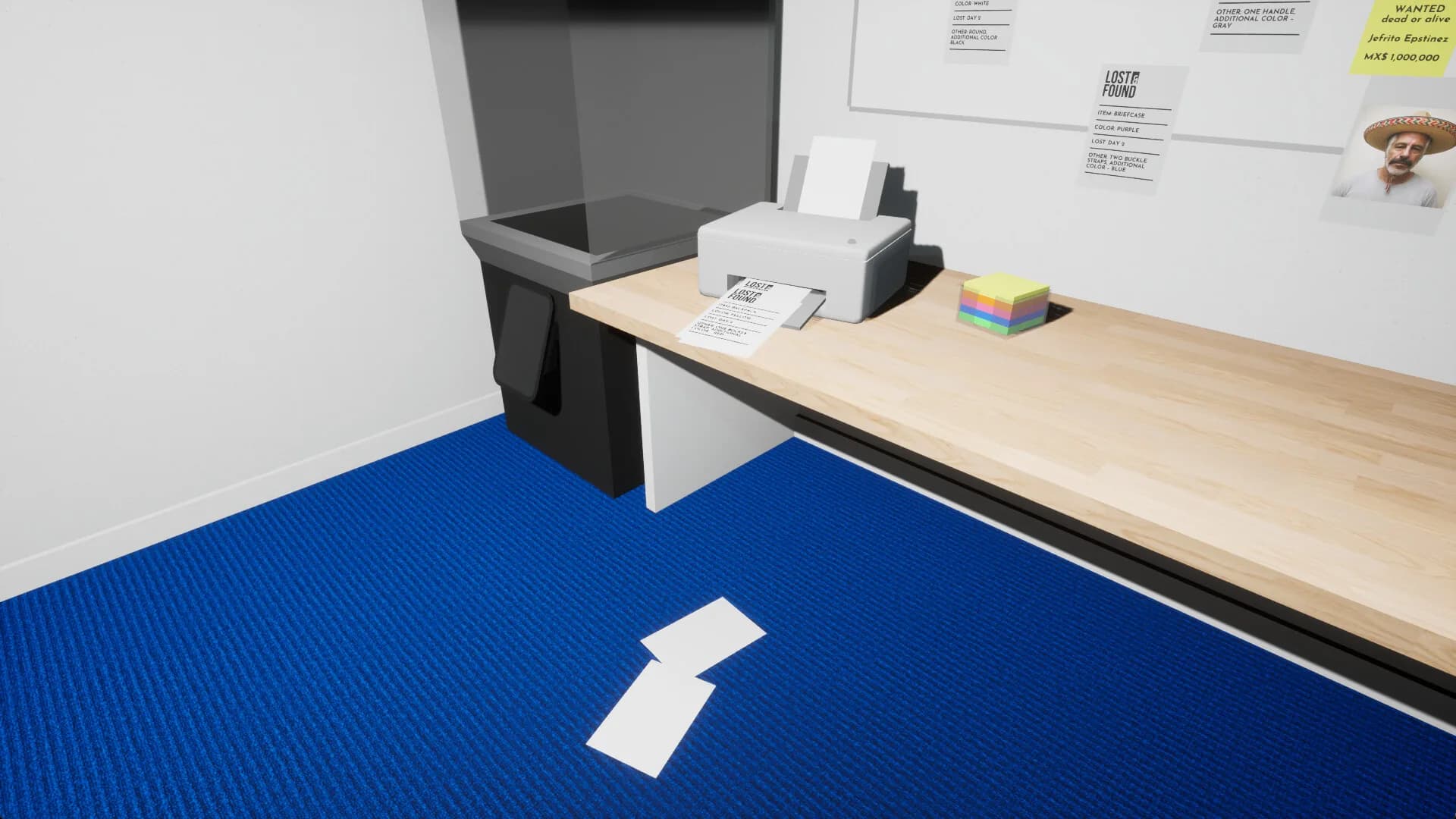
You get a form and a description. Go find the item. In a warehouse you organised yourself.

A frozen world that refuses survival cliches. But in co-op, one player can do the whole questline while the others sleep.