8
Test
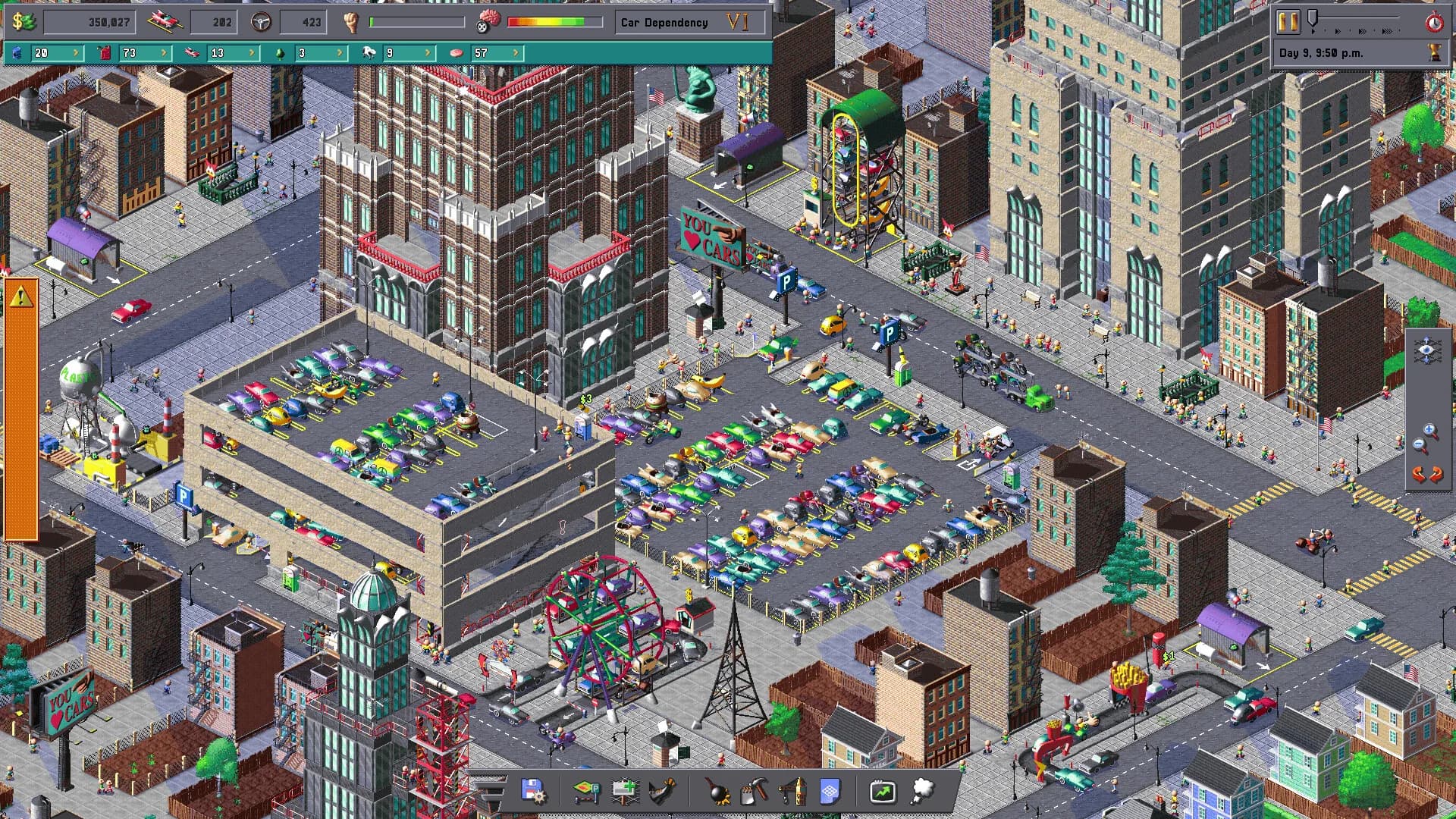
Car Park Capital: MicroProse is publishing a game about bulldozing neighbourhoods for tarmac
Hired by Big Auto to spread the Freedom of Car Dependency. It is funny, it is mean, and it sits at 96 per cent positive.
Alexandrosse
9 min
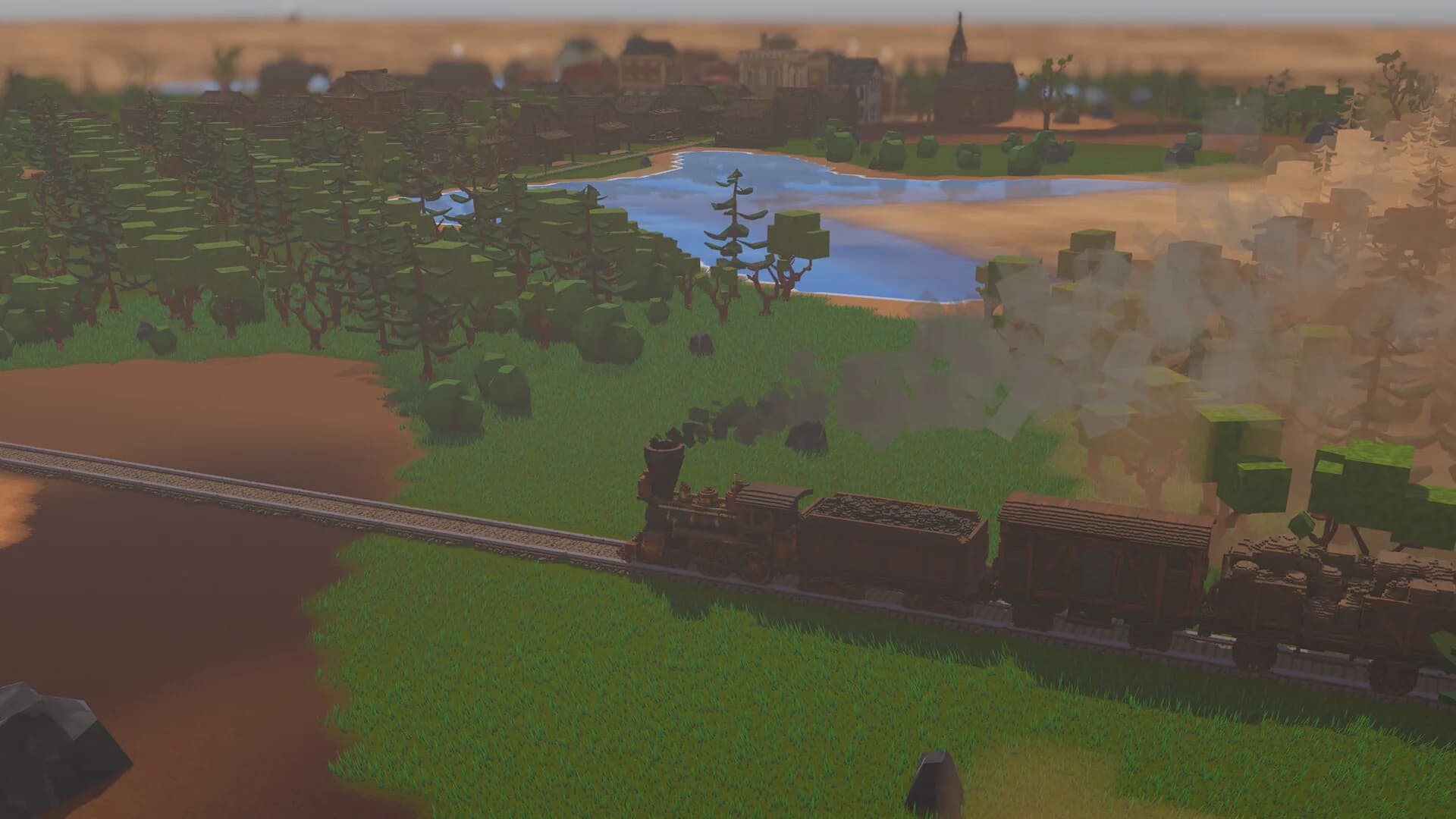
A colony sim and production-chain game set against the railroad's conquest. Every citizen has a name, a trait, and a breaking point.
Alexandrosse
InsertCoins.press Score
7.5/10
Verdict
Recommended
Two children live in my head and they never speak to each other. The first wants trains. The second wants the production curve to go up.
Union Of Rivals is the first game in a long while to get them to agree.
The Rail Road Union hands you a task that is simple to state: connect East to West. The entire game lives in the consequences of that sentence.
Laying track costs materials. Materials require towns. Towns require people. People require looking after. You think you are building a railway line and you end up running a civilisation growing along a route.
The structure comes in three beats, the ones you want from a good production game. Harvest: prospect timber, stone, ore. Refine: build the chains that turn raw material into high-value goods. Trade: every resource can be sold for profit or reinvested in the push west.
The map is generated each run, forcing you to rethink your chains and your route according to the terrain. That is not a detail: a badly placed mountain pass rewrites an entire economy.
What the game adds to the genre is the human obstacle.
The West is already inhabited, and the settlements out there have no reason to applaud the arrival of progress and its noise. So you must negotiate, with town leaders who have interests of their own. Or not negotiate, and live with it.
And there is that line the studio puts forward, which sums up the proposition: every citizen has a name, a trait and a breaking point.
It is the kind of sentence that can be pure marketing. Here it changes the nature of the game. An optimiser normally works with interchangeable units: ten workers are ten workers. When each has a name and a limit, the adjustment variable starts resisting. And the calculation becomes a decision.
It has to be said, because the subject is right there: this game puts you in the boots of an industrialist drawing a line across inhabited land, and it whitewashes nothing. The comfort of the spreadsheet and the price paid by those who were there first sit inside the same run. That is the western talking, the one after the heroic-cowboy mythology, the one where you understand the conquest was a construction project with a financing plan.
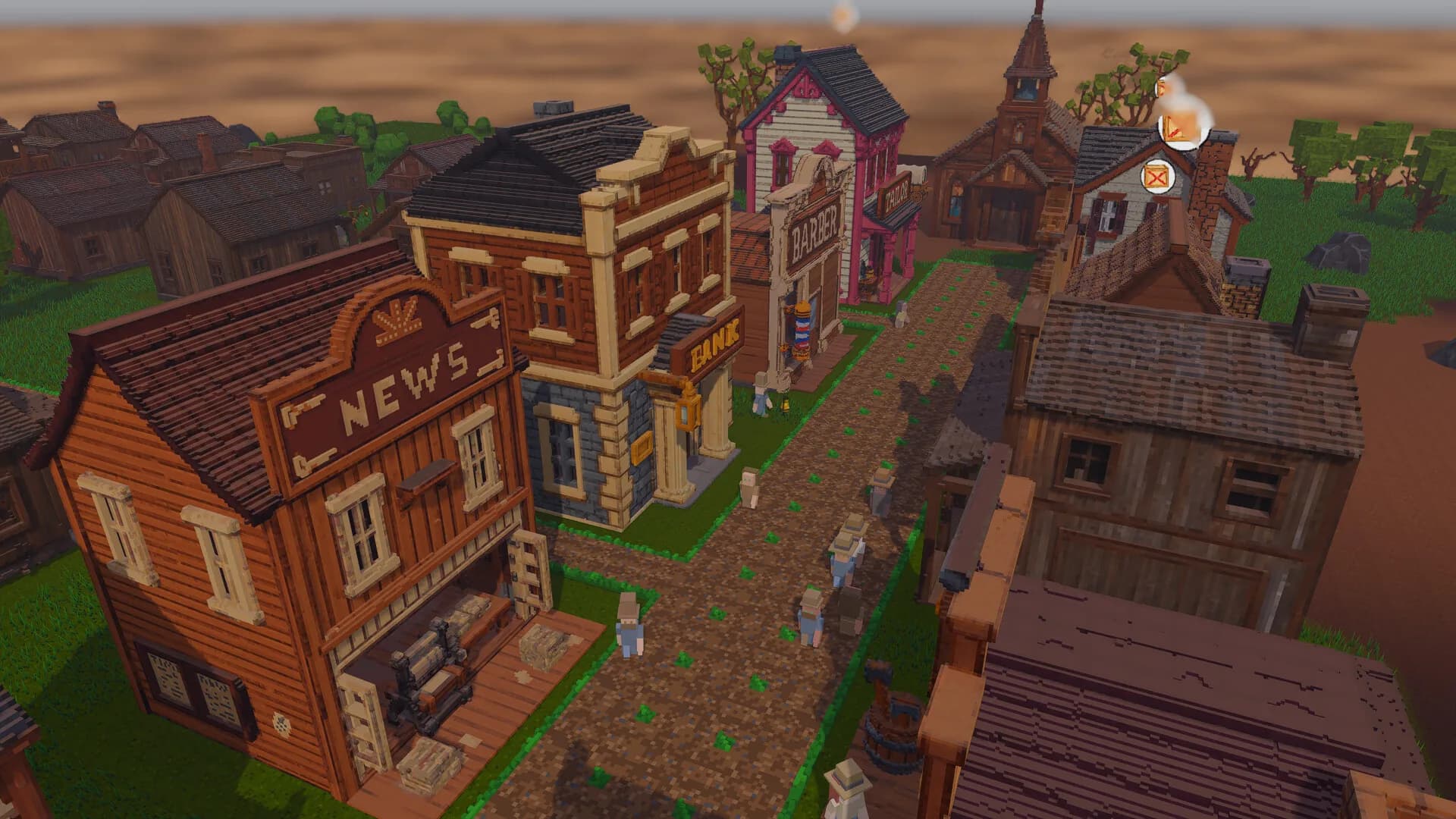
The pleasure is the genre's, and it is well served.
You watch one resource go in, another come out, a queue lengthen and a bottleneck appear. You fix it. You advance twenty kilometres. A mountain forces you to redo everything. It is precisely the loop that has you looking up at three in the morning.
The difficulty comes less from an opponent than from geography and logistics. Distance is the real enemy, which is coherent: in the actual history, the transcontinental railroad ran into mountains, not armies.
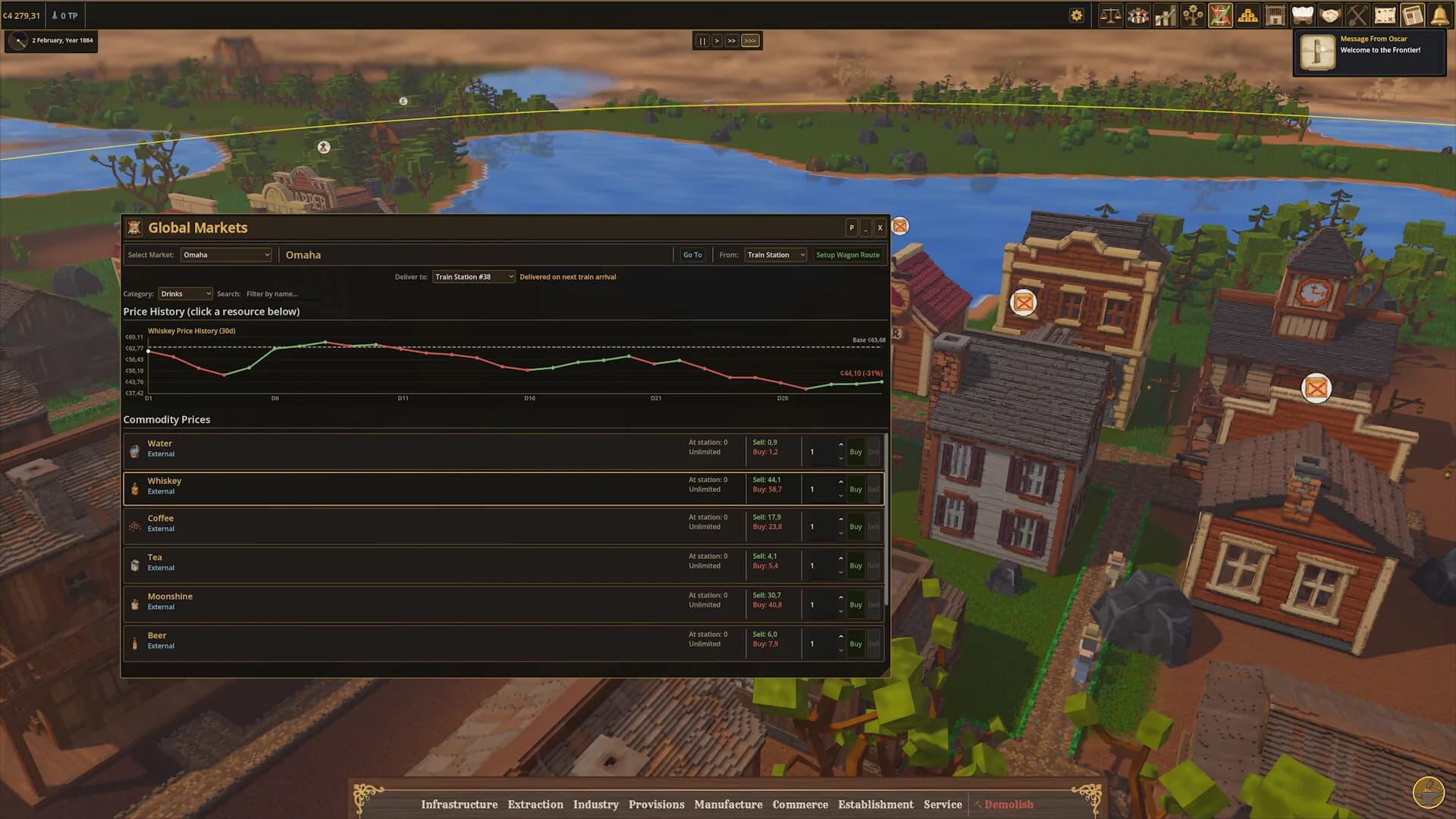
The game launches today in early access, made by 2Play, and that phrase deserves to be taken seriously.
A production-chain game lives or dies on its balancing, and an early access build's balancing is never the final one. Expect numbers to move, recipes to change, and runs to become obsolete after an update.
The most uncertain point is also the most interesting: the real depth of the negotiation system. If town leaders are only a toll paid once, the idea deflates. If they have memory and shifting demands, the game holds something nobody else offers in this genre.
Seven and a half.
What I am rewarding: a solid, legible production loop, procedural generation that forces you to rethink your route instead of replaying the same plan, and above all a human layer that refuses to treat the population as one resource among others. Adding names and breaking points to numbers is a design decision, not a coat of paint.
What I am holding back for: early access, with the floating balance that implies, and a negotiation system whose depth remains to be demonstrated.
For anyone who opens a spreadsheet while playing, this is a very good buy. For anyone who wants trains, likewise. And if you are both at once, as I am, there is not much to add.
Do you optimise or do you contemplate? The argument is open on the InsertCoins Discord.
Community
Your rating
Advertisement
Loading comments...
You might also like
Hired by Big Auto to spread the Freedom of Car Dependency. It is funny, it is mean, and it sits at 96 per cent positive.
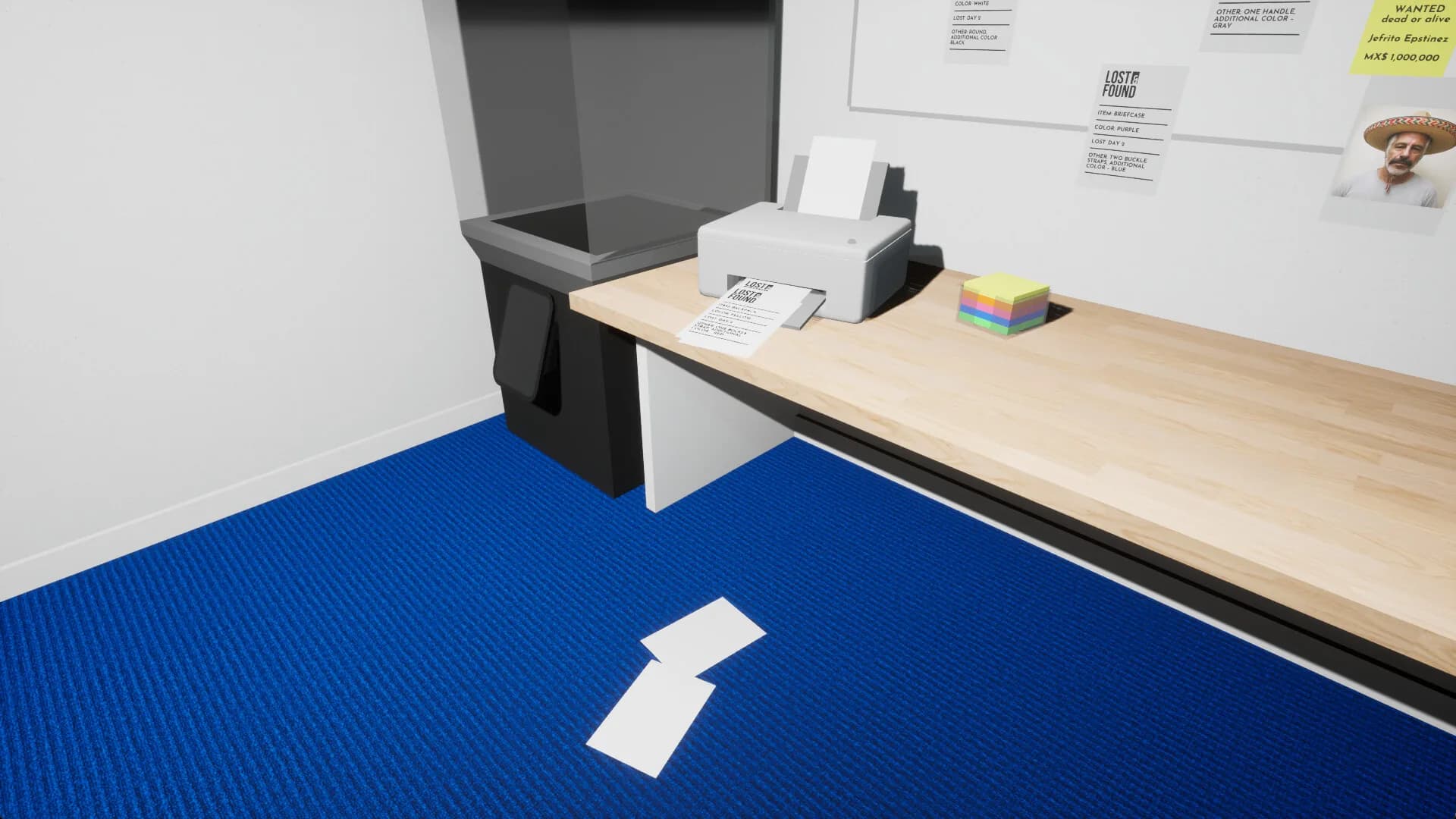
You get a form and a description. Go find the item. In a warehouse you organised yourself.
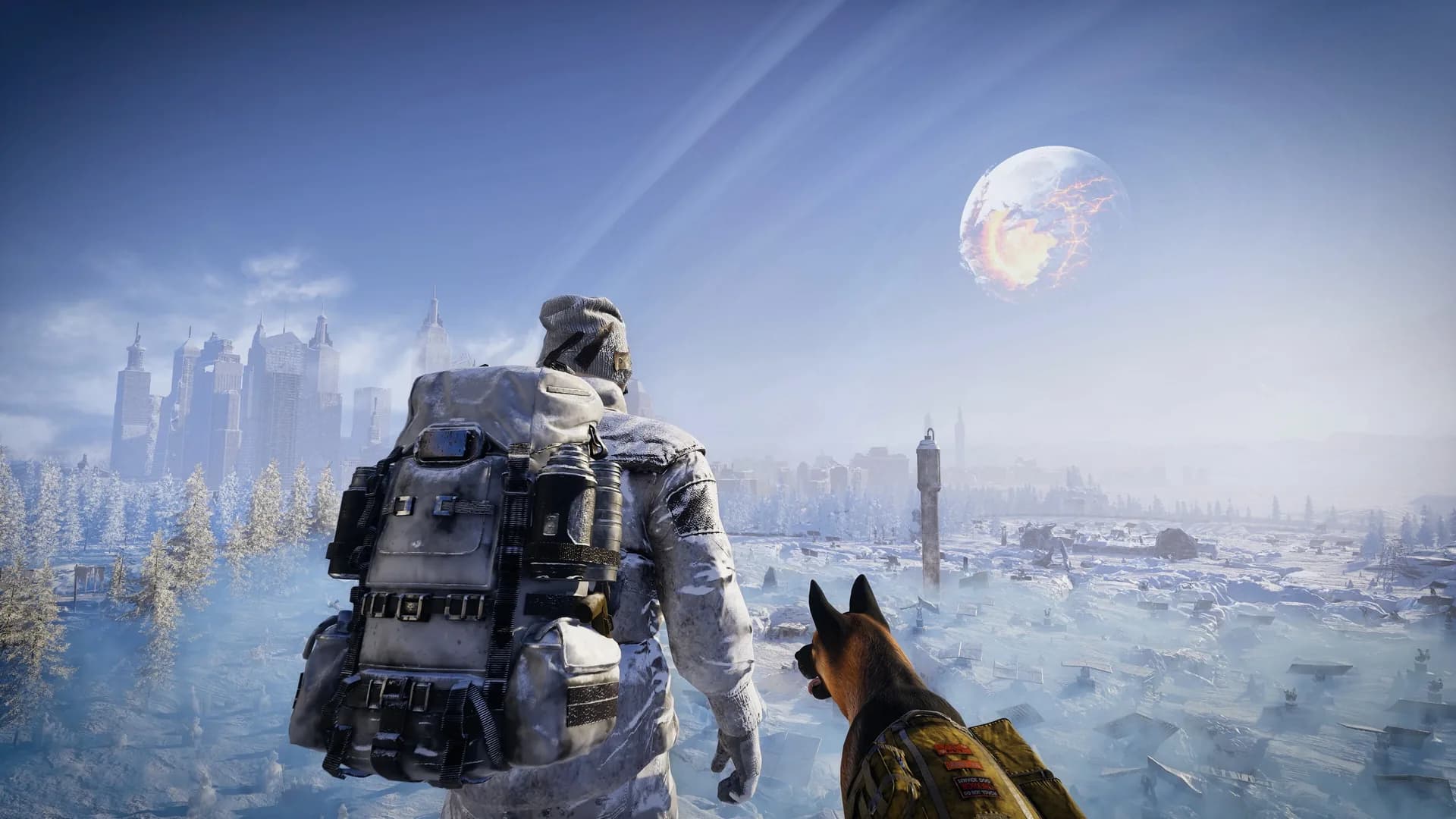
A frozen world that refuses survival cliches. But in co-op, one player can do the whole questline while the others sleep.