7
Test
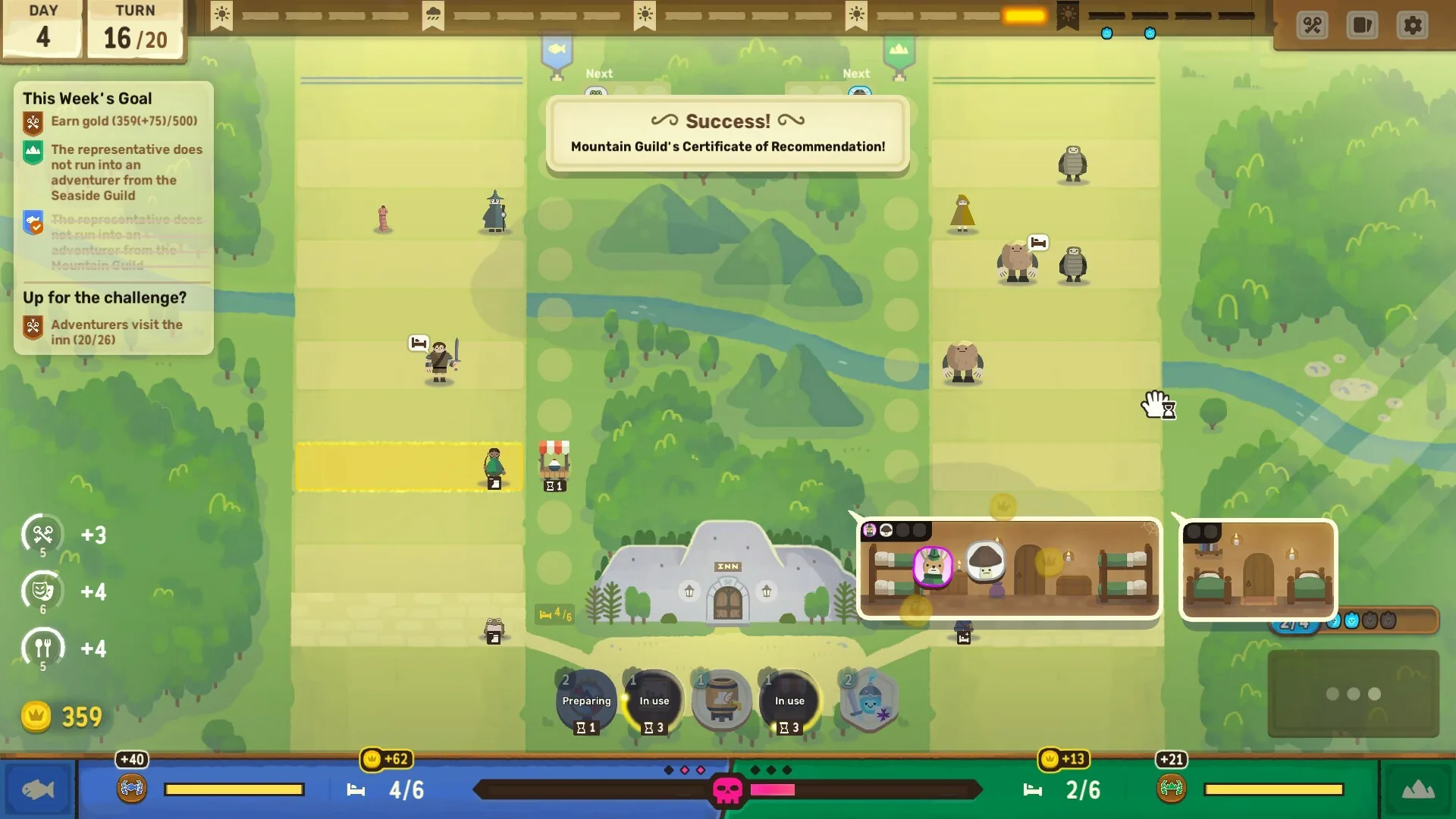
Dungeon Inn: running an inn while keeping two rival guilds from meeting
You struck a deal with a dragon. All that is left is serving both sides without either finding out. The 1.0 lands on 23 October.
Alexandrosse
7 min
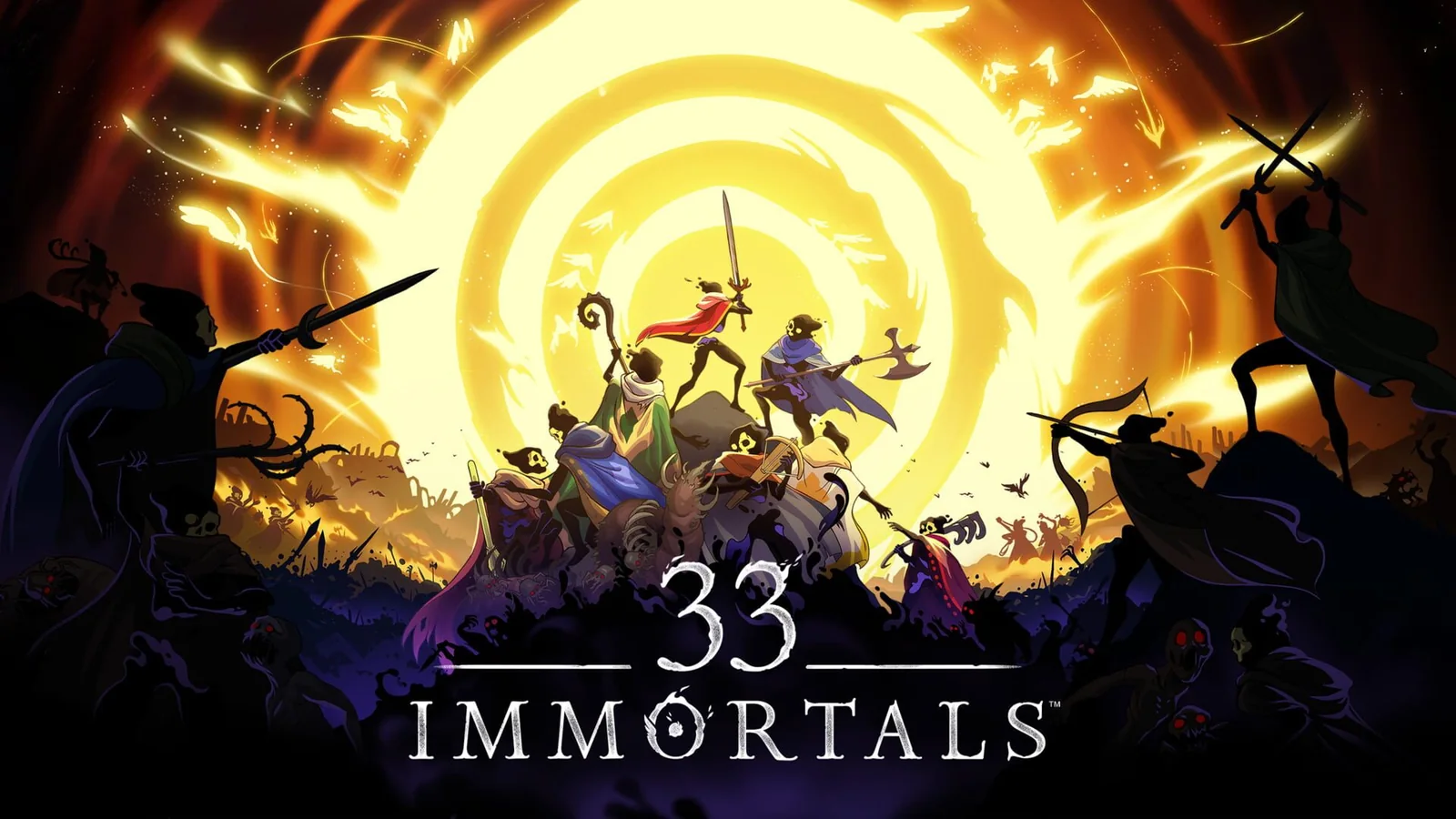
33 damned souls band together against God in a one-of-a-kind co-op roguelike. Gorgeous, thrilling, held back by the absence of real communication.
Alexandrosse
InsertCoins.press Score
8/10
Verdict
Recommended
Picture an MMO raid, but with no guild, no mic, not a single word. Thirty-three damned souls who do not know each other, thrown together in hell, who must coordinate to defy God himself. On paper, it should not work. Controller in hand, it is one of the most singular and exhilarating co-op experiences we have had in a long time. 33 Immortals finally hits 1.0, and it deserves to be talked about.
33 Immortals is developed by Thunder Lotus, the Quebec studio we adore, which already won us over with Jotun, Sundered and above all the heartbreaking Spiritfarer. After more than a year in early access, the game launches today in its 1.0 version on Steam, Xbox and the Epic Games Store. It is a co-op action-roguelike for thirty-three players, and the pitch is as simple as it is brazen: you play a condemned soul, you refuse God's final judgment, and you rebel with thirty-two other rebels against all of creation.
The frame is Dante's Divine Comedy, no less. And like the poet, you cross three realms: Inferno, Purgatorio and Paradiso, the latter arriving with the big update that closes the adventure for this 1.0 launch. It took nerve to build a live-service game around a 14th-century poem. Thunder Lotus did it, and with wild taste.
Here is how a session unfolds, and this is where the magic happens. You start a session, matchmaking parachutes you into a huge map with up to thirty-two other players, and a kind of twenty-five-minute raid begins. Nobody explains anything, nobody gives orders, and yet everyone knows what to do, because the map itself tells the objective.
The heart of the loop is the Torture Chambers, mini-dungeons for up to six players where you face two waves of enemies, the second led by a mini-boss, before opening two chests that spit out relics. You gather in sixes on pure instinct, you clear the room, you move on. Once twelve of these chambers are conquered by the whole server, three Ascension Battles open across the map, each offering a legendary relic as a reward. And only then do the thirty-three survivors converge on the final arena to face the realm's boss. That collective build-up, that moment when an entire map of total strangers spontaneously starts flowing back toward the same point for the final fight, is social game design genius.
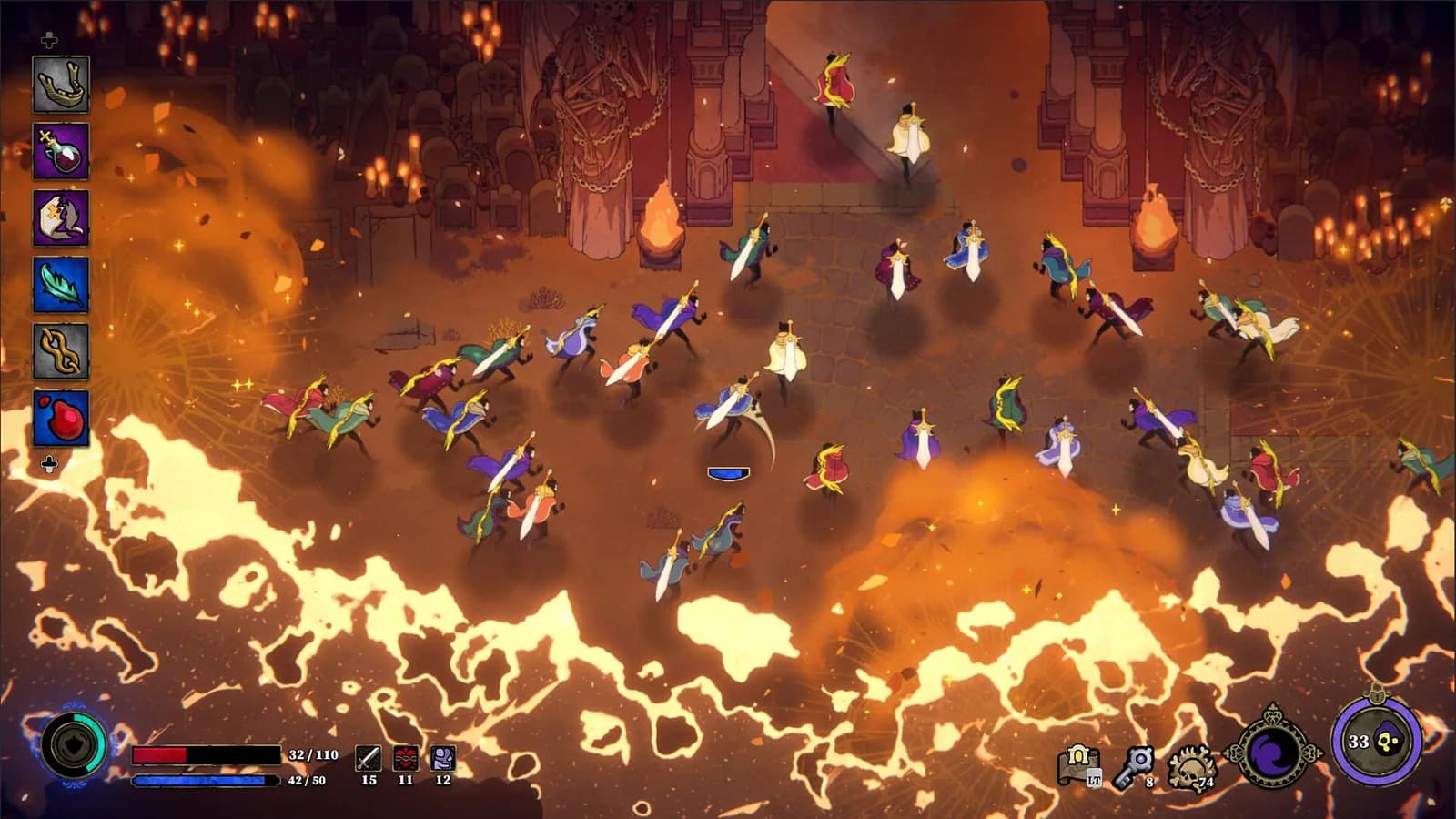
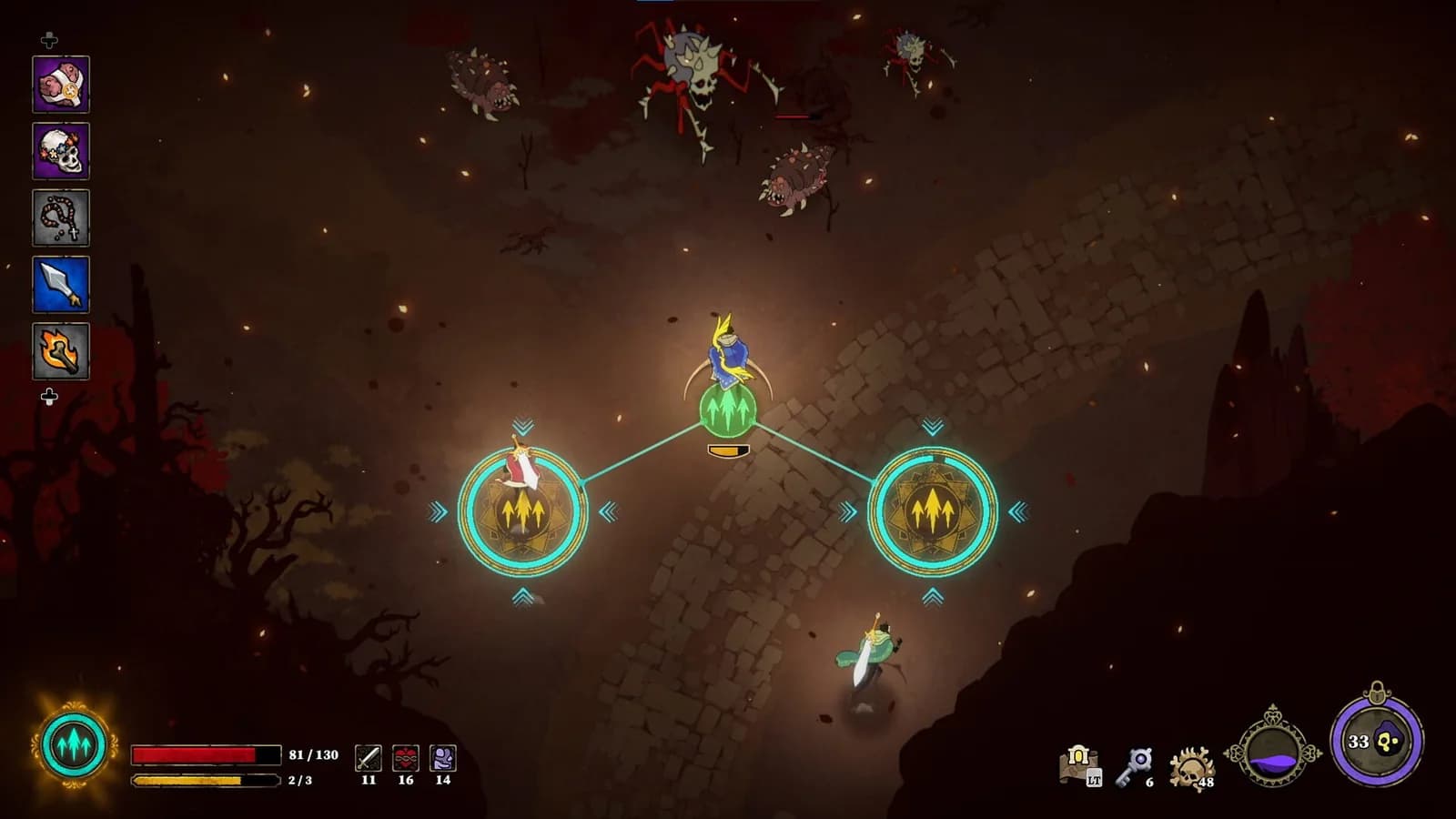
Combat, seen from above, is sharp and readable: light attack, heavy attack, dodge, and above all combo striking, the system where hitting in sync with other players triggers devastating co-op powers. Alone, you chip away. Together, you unleash blasts that sweep the screen. And then there is reviving, that small gesture that changes everything: seeing a stranger cross half the map under enemy fire just to pick you up creates a silent solidarity no voice chat could replicate.
That is exactly the salt of 33 Immortals: cooperation without speech. You understand each other through actions, movement, pings, and that mute communion has something deeply moving about it. But it is also its biggest limit, and we will come back to that.
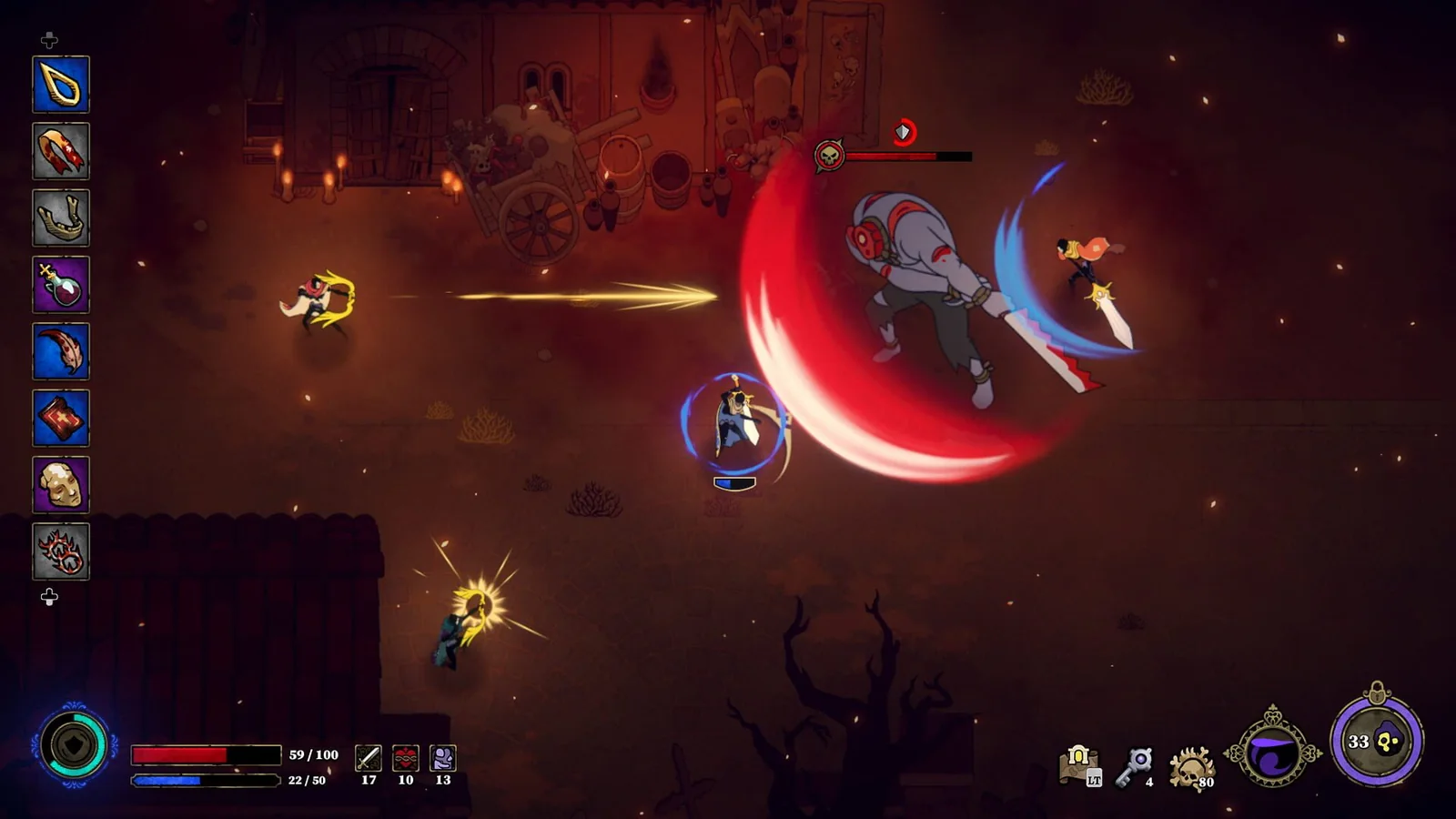
On character building, the 1.0 finally fixes what was off. The old relic system, too reliant on luck, has been completely overhauled. Now, you receive a relic at the very start of a run, with a choice between two options, and the game's currency, Bones, lets you reroll or upgrade the rarity of your finds. Above all, relics are organized into thematic Paths: the Path of Honor to tank and hit harder, Malice for critical hits, Unity to boost co-op powers, and others geared toward missiles, explosions or healing. To that add Action relics, Boost relics and even Duo relics that marry two Paths. The result turns a lottery into a genuine playground, where you finally build a loadout instead of enduring one. It is a real success.
The fourteen weapons, inspired by the seven deadly sins and the seven heavenly virtues, round out an arsenal coherent with the theme, each imposing a different playstyle and engagement range. The newcomer, for their part, is taken by the hand without realizing it: you learn by watching others, by copying the groupings, by gradually grasping the grammar of the map. That learn-by-mimicry curve is one of the game's most elegant ideas, and it avoids the wall of tutorials that bogs down so many co-op titles.
And one question comes up often: can you play solo ? Technically, the game pairs you with other players, and it scales the difficulty when the server is less populated. But let us be clear, that is not the point. 33 Immortals is a collective celebration, not a solitary adventure, and experiencing it alone would be like renting a concert hall to sing in the shower.
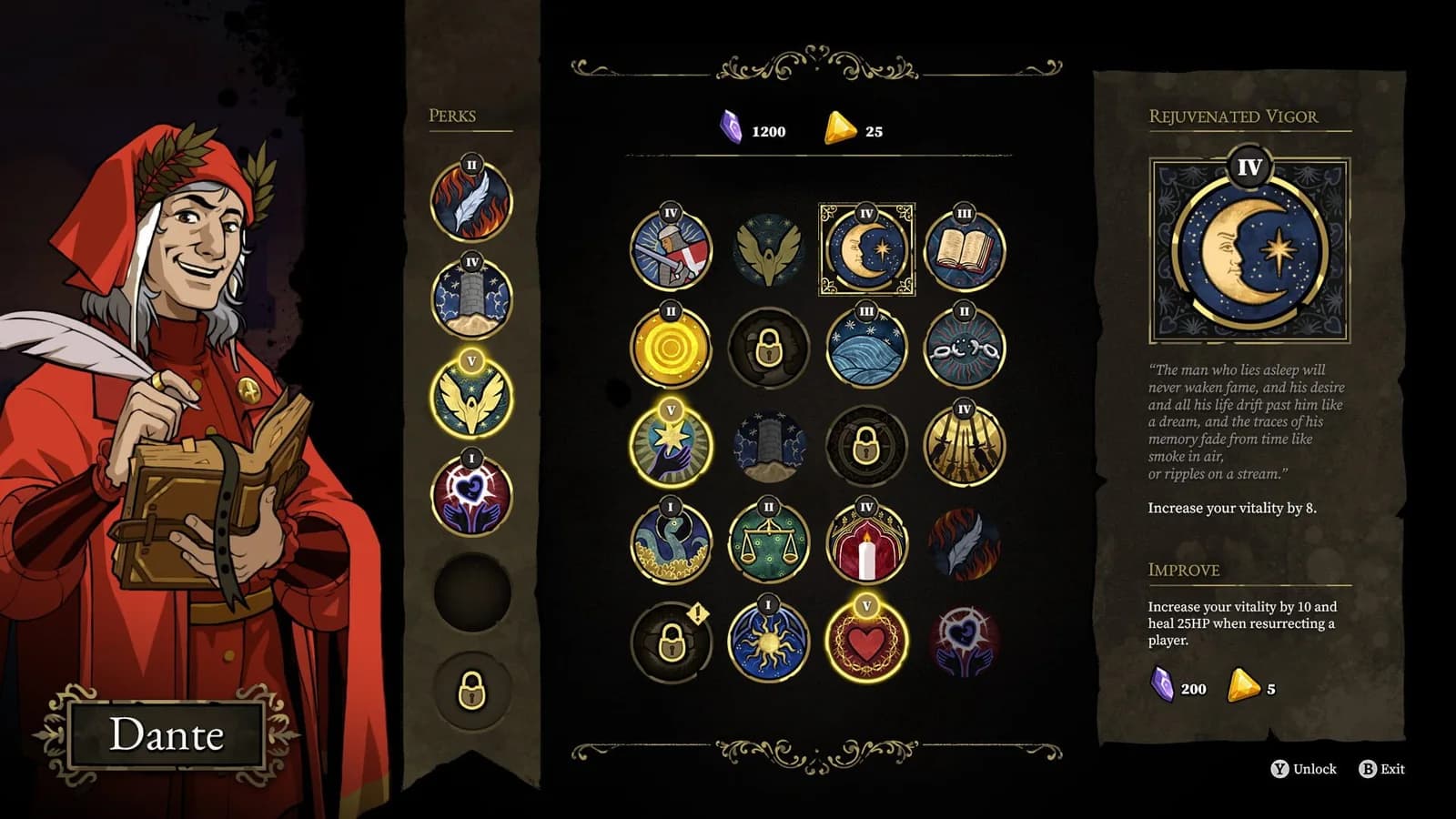
Do not look for a twist-laden plot here, but the thematic frame does all the work. You are a damned soul who says no to divine judgment, and each realm embodies a stage of that blasphemous ascent. Inferno and its three-headed king, Lucifer, open the dance with attacks that sweep the whole arena. Purgatorio sets Adam and Eve against you, a cursed couple with fearsome synchronized assaults. And Paradiso promises the ultimate clash, the wrath of God himself. Dante himself serves as the guiding figure in the hub. It is an irreverent, inspired retelling of a sacred text, and it gives the game a thematic depth few co-op roguelikes can claim.
Visually, it is a knockout. Thunder Lotus has never known how to make an ugly game, and 33 Immortals confirms the rule: the hand-drawn animation, the ember-colored hues of hell, the readability maintained despite thirty-three characters and swarms of monsters on screen, all of it commands admiration. Keeping such chaos legible in a top-down view is a feat in itself, and the art direction elevates every single clash.
The soundtrack is no slouch either. True to the studio's reputation, the audio blends deep chants, ritual percussion and dramatic surges that climb a notch as the server converges on the boss. In a game where you do not speak, it is the music that serves as a common language, that warns the decisive moment is near and turns a mere mob of strangers into a united army. That audio dimension, too often neglected elsewhere, does here part of the coordination work that the players' silence leaves hanging.
But the picture has its shadows, and they must be named. First, the game is entirely dependent on online play and matchmaking, which raises the question of its lifespan: if the population dwindles, an experience designed for thirty-three inevitably loses some of its grandeur, even if the difficulty adapts. Next, performance remains improvable, with crashes and freezes reported notably on Steam Deck, which the developers are following closely and fixing across patches. Finally, the content can feel thin: three realms after a long development, and some end-game difficulty spikes deemed downright unfair, where you die in three hits with no chance of being picked up. These are real frictions that keep the game from being flawless.
33 Immortals is a breath of fresh air in a genre that often runs in circles. It is beautiful, it is clever, it is unique, and that idea of a raid for thirty-three strangers bound by silence and instinct will stand as one of the finest co-op finds of the year. The cooperative combat electrifies, the relic overhaul finally delivers real builds, and the Divine Comedy dressing gives meaning to the brawling. Not everything is perfect: the absence of voice communication hampers coordination in crucial moments, the online dependency raises worries for the future, and the content still needs a little more meat. But what Thunder Lotus pulls off here, nobody else offers, and it is well worth the trip.
A cooperative cathedral built by mute strangers: imperfect, talkative in its silences, and yet unforgettable.
Disagree with the score? Come and tell us on the InsertCoins Discord, where we defend our verdicts live.
Community
Your rating
Advertisement
Loading comments...
You might also like
You struck a deal with a dragon. All that is left is serving both sides without either finding out. The 1.0 lands on 23 October.
A co-op horror fishing game at nine euros. You must sacrifice fish every day, and the beast is not the worst thing out there.
Scrapheap robots sent to exterminate a planetary fungus. The 1.0 lands tomorrow, and the upgrade grid is the genre's best idea.