7
Test
Barfender: my idiotic friend drank all the beers
A co-op bar that collapses while you serve. 98 per cent positive, and one of the rare times chaos is the actual subject.
Alexandrosse
7 min
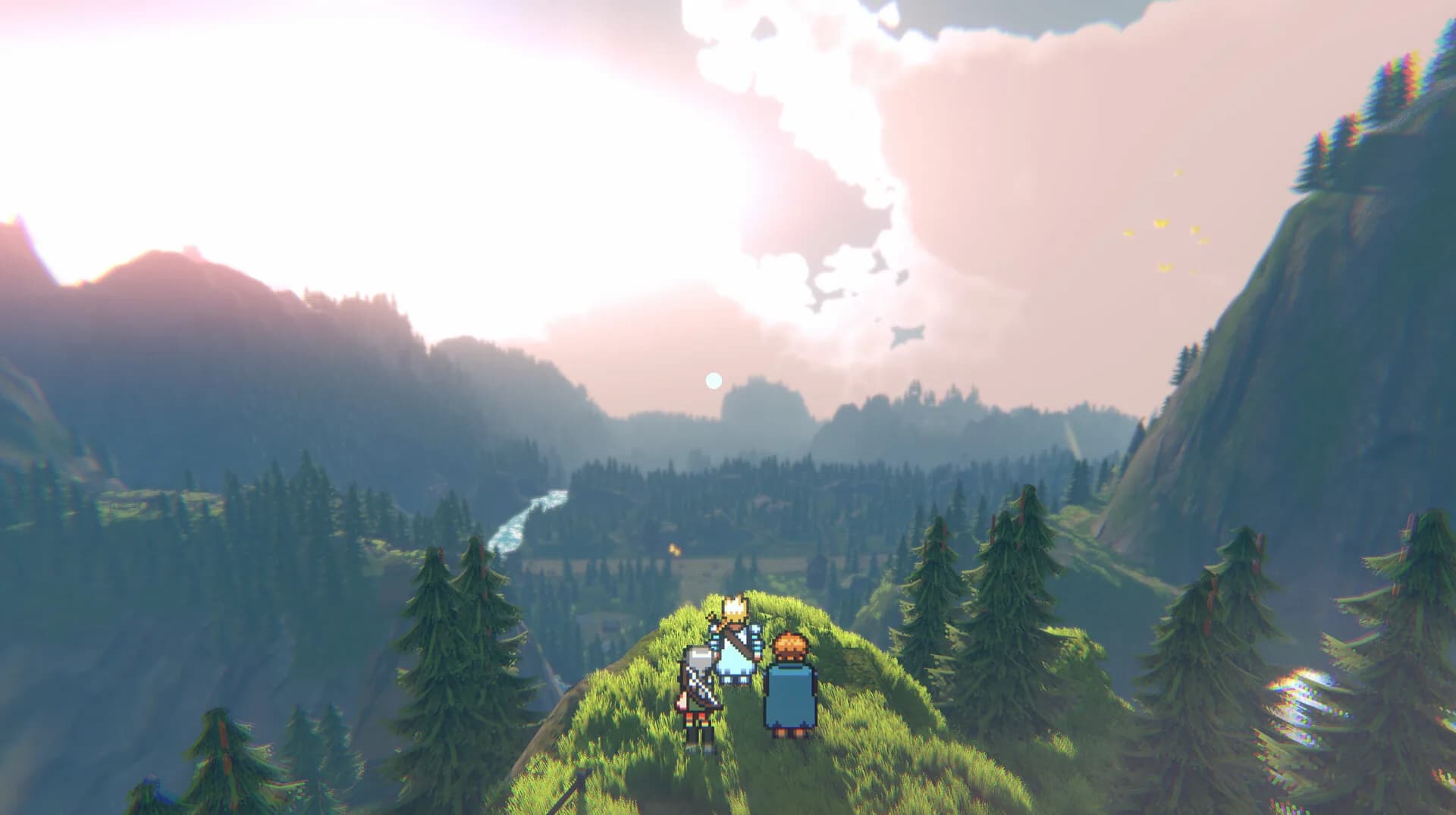
A 2.5D pixel art tactical RPG that traces back to Shining Force rather than Fire Emblem. Fifteen recruits, bonds that unlock joint attacks.
Alexandrosse
InsertCoins.press Score
8/10
Verdict
Recommended
There is a difference people forget between Fire Emblem and Shining Force, and it explains why this game stands out immediately.
Fire Emblem chains battles together. Shining Force let you step off the battlefield, walk through a town, talk to residents, go into shops, hunt for a secret in a back yard, then head off to fight again.
Aegis Force chose the second model. And in a genre that has spent fifteen years concentrating on the grid, that changes everything.
A turn-based tactical RPG, openly inspired by Shining Force, Fire Emblem and Final Fantasy Tactics, in 2.5D pixel art.
You follow Callon Roth, Orvus Magnaric and Vedette Kairn, three childhood friends turned soldiers in the Genuan army during the Scorian War, a conflict that has run for a century across the continent of Ianua.
And the studio states the programme plainly: a character-driven, morally complex story, cinematic staging, and a detailed world with secrets to find.
Let us put it simply: it is very beautiful.
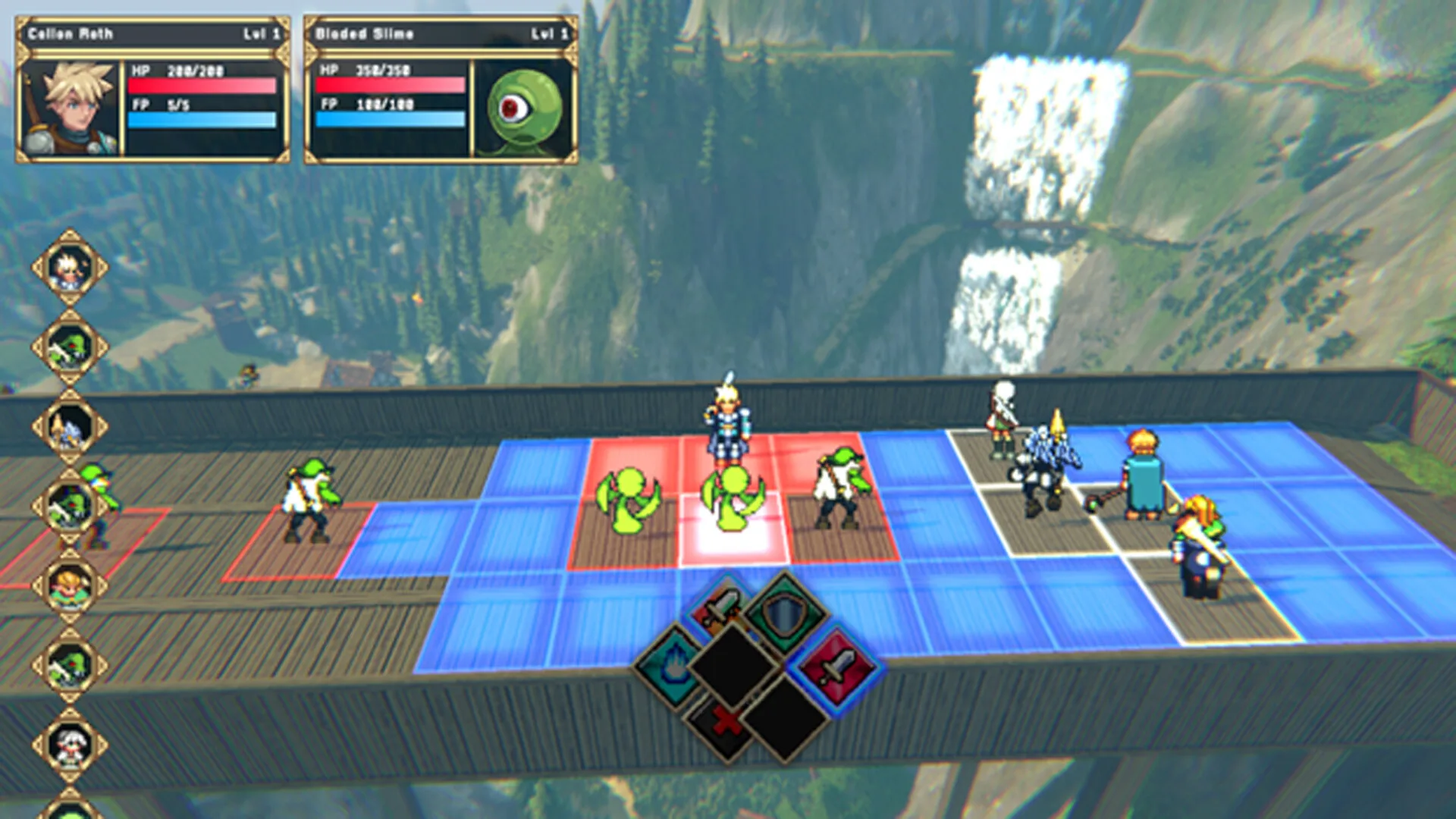
The pixel art is colourful and crisp, and it benefits from 2.5D rendering that gives it depth without costing legibility. That is the classic trap of the technique, where false volume piles up until you can no longer read the squares. Here the grid stays perfectly clear while the scenery has relief.
The cutscenes are carefully made, and they are not simply narrated stills. The studio talks about emotionally driven cinematic storytelling, and for once the phrase is not hollow: there is staging work here that a great many productions of the same size lack.
It is the 16 and 32-bit inheritance, owned, but not in the lazy sense. This is not nostalgia applied as a filter, it is a school of graphics picked up and pushed with today's means.
Back to the difference above, because it makes the game.
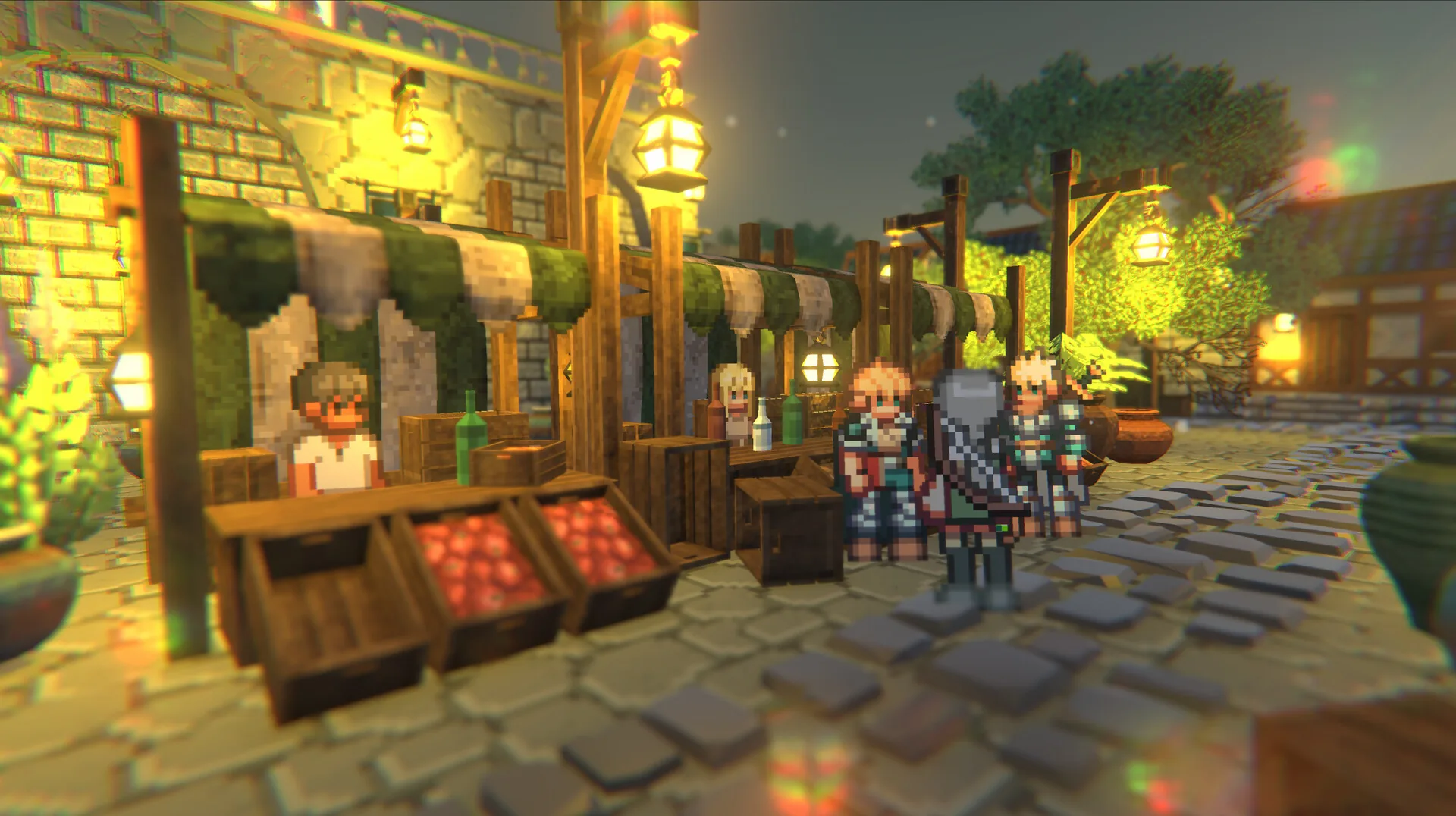
You explore the world and towns in full. Then, when a fight triggers, you switch to a turn-based grid.
That alternation has very concrete consequences for how you play.
It creates an in-between. In a pure tactics game, the only thing existing between two battles is a management menu. Here there is a place, residents, shops, conversations. Rest has a geography.
It also creates a reason to search. The studio promises a detailed world with secrets, and that only means something if you can genuinely leave the path. A recruit hidden in a town you could have walked straight through is the kind of reward the Fire Emblem structure cannot offer.
And it gives weight to losses. When you have spoken to a character in a tavern before taking them into battle, their death does not read the same way.
This is the mechanic I find best judged, because it joins the game's two halves.
Fighting together strengthens the bonds between members of your force. And those bonds unlock devastating joint attacks, which the game calls tach attacks.
That is not an absolute novelty in the genre, but implementation counts. It means your team composition does not answer only to the tactical logic of the moment. Consistently bringing the same characters builds capital that eventually converts into firepower. Rotating your roster keeps you flexible but denies you those attacks.
That is a genuine investment dilemma, and it runs through the whole campaign.
Around it, over fifteen recruitable characters across the journey: warriors, thieves, mages, engineers. You can promote them and customise their abilities, then choose who to bring based on your intended strategy.
Callon himself is a Tactimagus, with a spread of spells, attacks and abilities that widens as the team grows.
The studio sums the content up in a way that appeals: planning heists, fighting monsters, uncovering ancient weapons, foiling dark plots, and unlocking the mysteries of a continent caught in a century-long struggle.
The heists in particular are the sort of sequence you never see in a tactics game. A genre built on head-on confrontation allowing itself infiltration or theft missions is exactly the kind of variety that stops a thirty-battle campaign becoming an exercise.
Difficulty is adjustable, and the game plays fully on a controller or on keyboard alone.
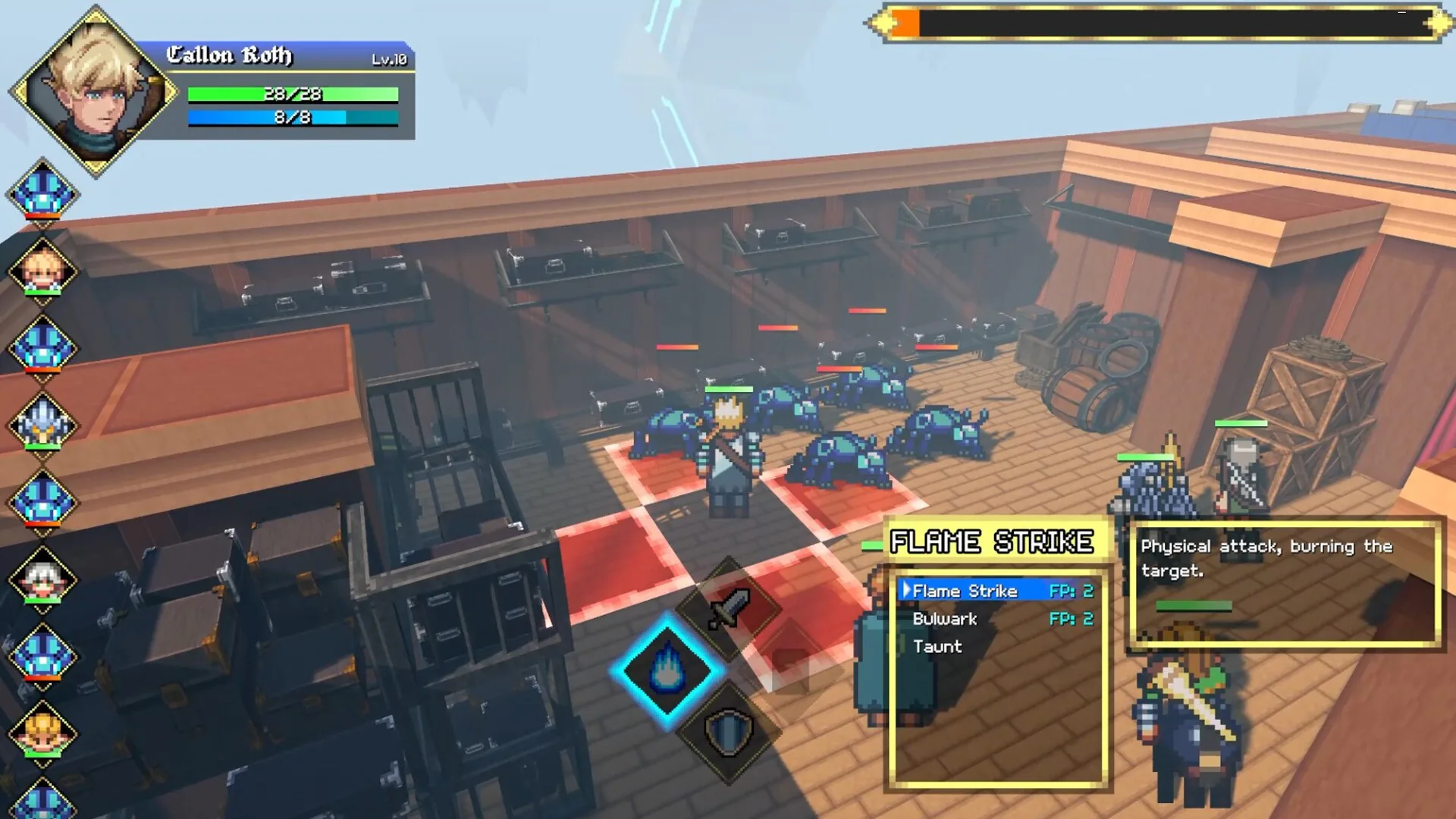
The game launches today in early access.
That deserves stating plainly, because it is the only thing tempering the enthusiasm. A tactical RPG is judged on its complete campaign, its difficulty curve, the way its narrative lands. None of that can be established on day one of early access.
There is a demo, and that is probably the right move for anyone hesitating: it will be enough to tell whether the art direction and the pace of combat speak to you.
What I can say is that the foundations are there. The exploration-battle structure works, the bond system gives you a reason to grow attached, and the visual execution sits above what this budget suggested.
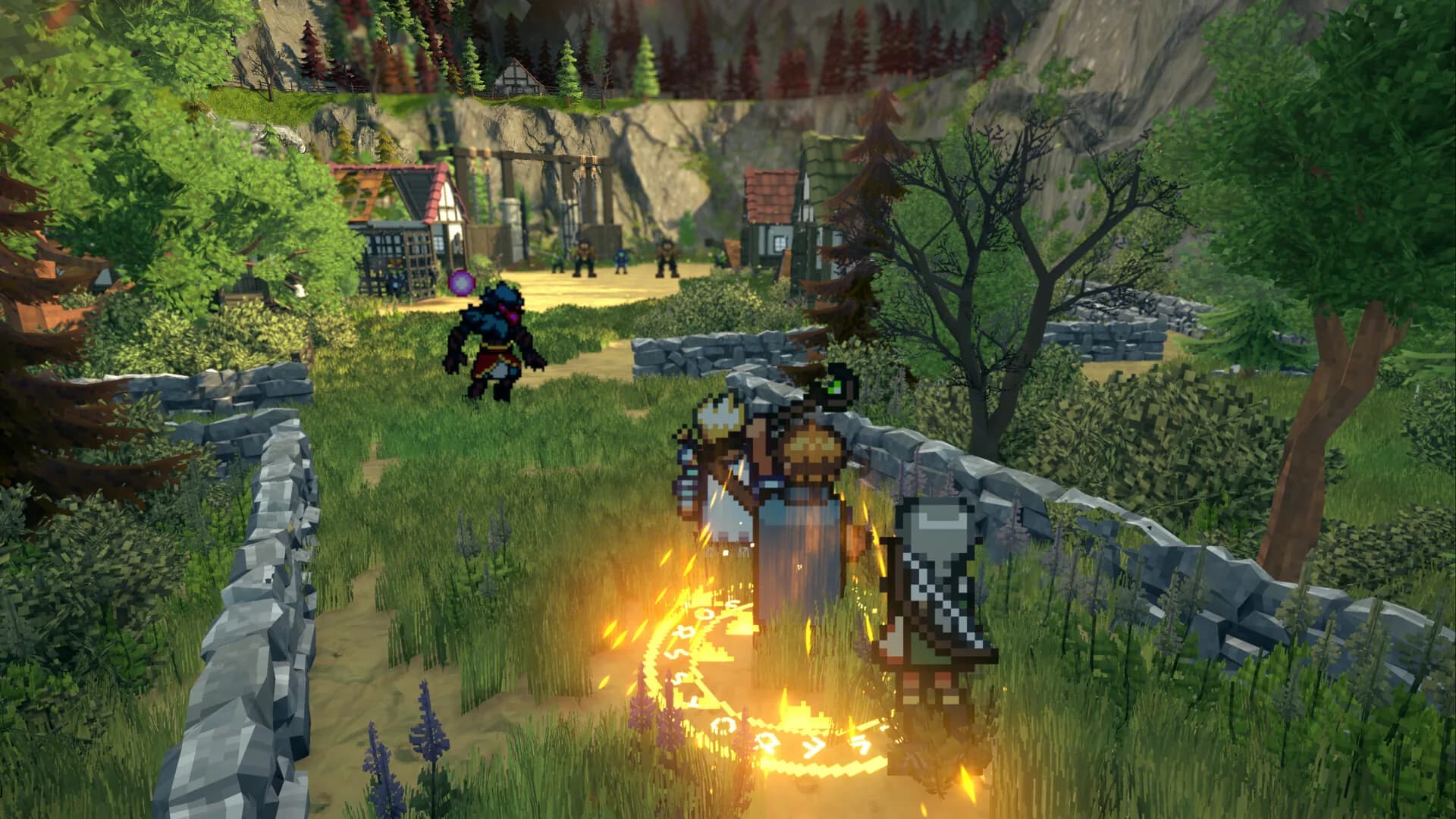
Tactical RPG is a genre where the same three or four monuments always get cited, and where most newcomers settle for copying the grid.
This one did something else. It went back for what Shining Force had and its successors abandoned: the idea that an army is not only a list of units, but a group of people who cross towns, argue between battles, and eventually learn to fight together.
That is a structural choice, not a stylistic flourish, and it is what sets this one apart. Whether the complete campaign keeps the promise of its first chapter remains to be seen.
In the meantime, yes, it is the best thing in the genre this year.
Do you always take the same team or rotate? Come and settle it on the InsertCoins Discord.
Community
Your rating
Advertisement
Loading comments...
You might also like
A co-op bar that collapses while you serve. 98 per cent positive, and one of the rare times chaos is the actual subject.
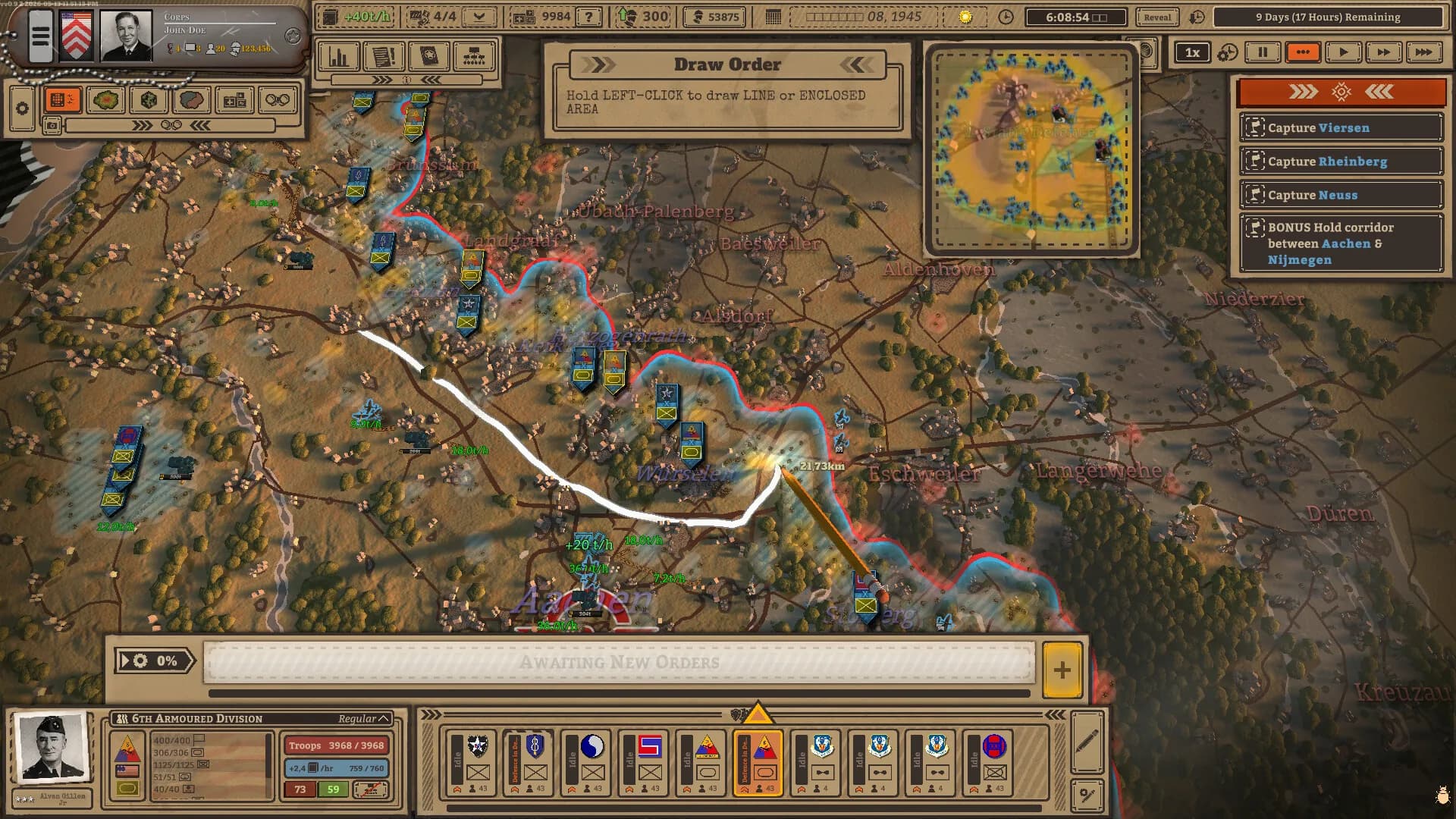
You draw a plan on the map and officers execute it alone. Except the game crashes every other planning phase.
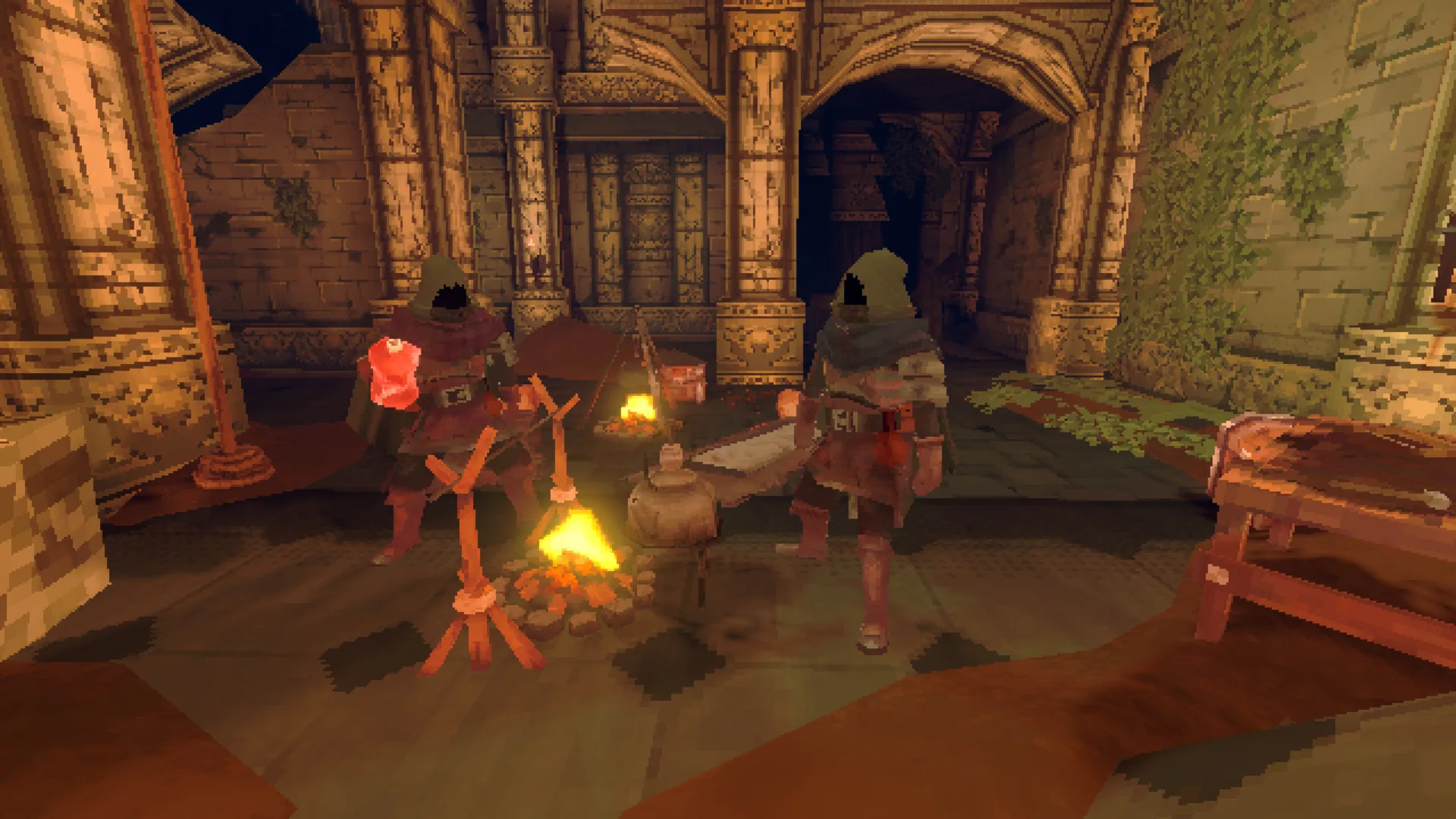
The Knights of Pen & Paper team return with a dungeon where you come back to camp, cook, and unlock recipes that change your stats.