7
Test
Dungeon Inn: running an inn while keeping two rival guilds from meeting
You struck a deal with a dragon. All that is left is serving both sides without either finding out. The 1.0 lands on 23 October.
Alexandrosse
7 min
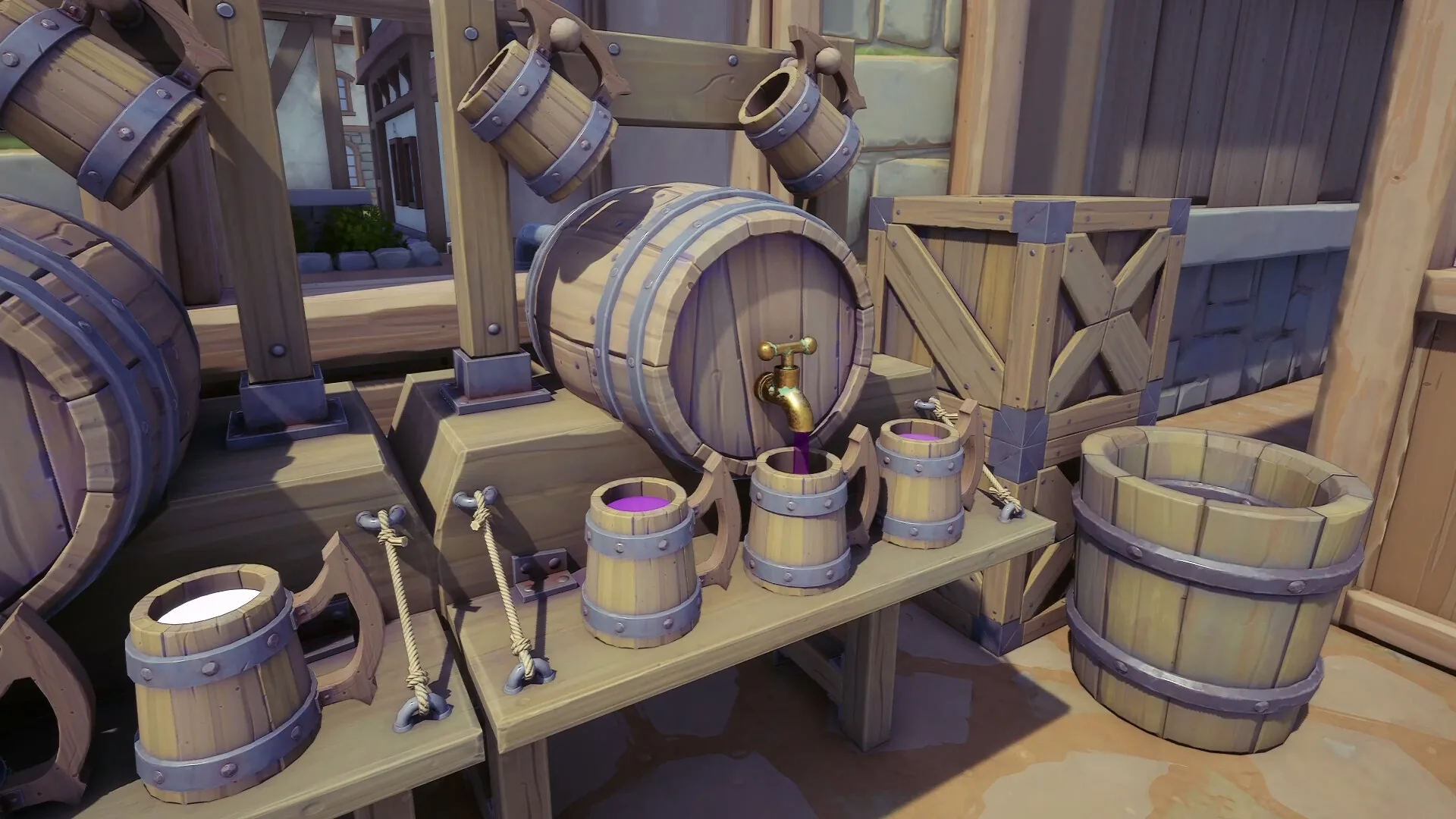
Conveyors, pipes and stills across several floors, a shop to stock, and 89 per cent of players convinced in the first week.
Alexandrosse
InsertCoins.press Score
8/10
Verdict
Recommended
The medieval automation game has become a crowded sub-genre, and most candidates settle for repainting Factorio in fantasy.
Alchemy Factory does something else, and it comes down to one decision: your factory does not have to stay on a single floor.
You start with a small shop. You grind, extract, distil, smelt, process.
Conveyors connect everything, permanently, and pipes carry the liquids. You chain devices into complete production lines, then spend the rest of your life balancing inputs against outputs and hunting bottlenecks.
It is the genre's classic loop, and it is unusually legible here.
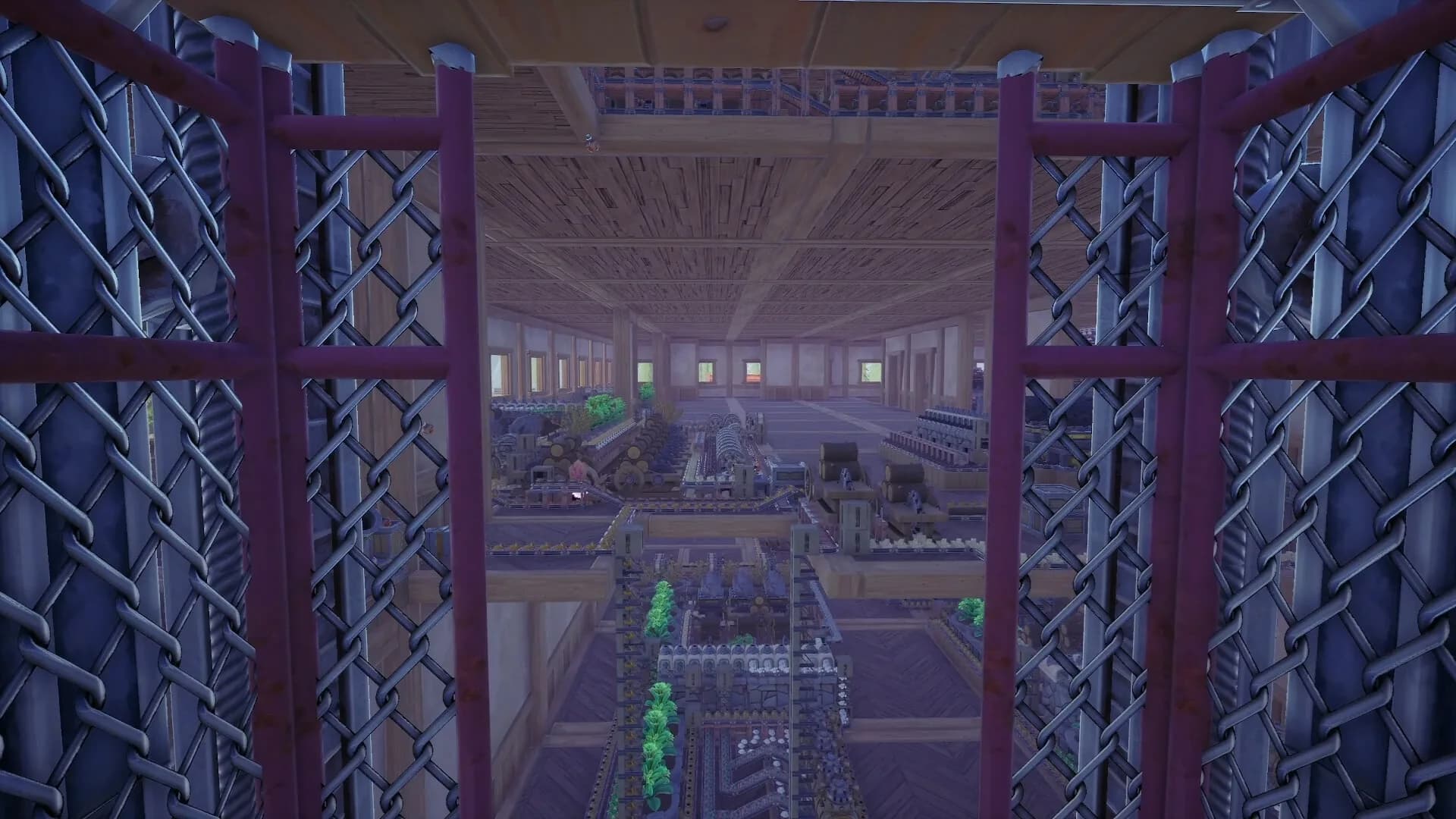
You place conveyors, pipes, machines and your shop freely, in every direction, and at every height.
In practice a production chain can climb a floor and come back down further along, and scattered functional zones end up integrating into a compact network instead of sprawling across an infinite floor.
That has two effects. The first is aesthetic: a vertical factory is something you look at, whereas a flat one is something you fly over. The second is strategic: your constraint is no longer available surface, it is your ability to think in three dimensions, and that is markedly harder.
That is what stops the game spinning in a vacuum.
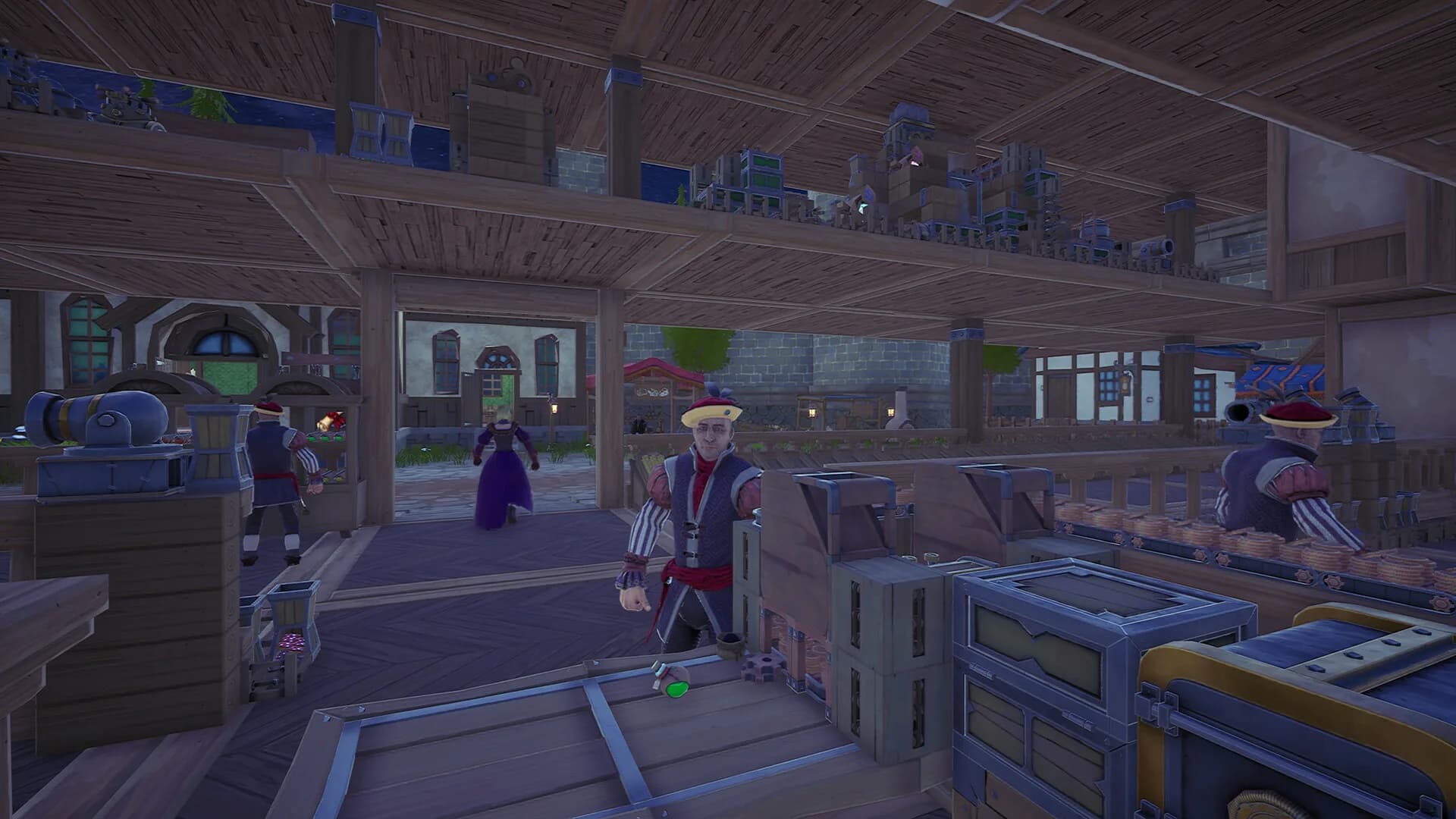
You are not producing for the sake of producing, you are filling shelves. Potions, jewellery, relics. You serve customers, you complete commissions, and once sales are automated you can go back to what actually interests you: expanding.
Money buys land, research and equipment upgrades, which raises capacity, which raises sales. The circle is virtuous and perfectly calibrated to cost you an evening.
The game plays with others, online and over local network.
The studio describes exactly what I see in practice: in a shared factory the roles divide themselves. Somebody optimises lines, somebody handles management, somebody designs the space. Building upwards helps a great deal, because two people can work on two different floors without treading on each other.
There is Steam Workshop too, for whatever the community wants to add.
The game launched yesterday and already has 2,321 reviews, 2,064 of them positive, close to nine satisfied players out of ten.
That is not a curiosity figure, it is a usage figure, and at that volume it means something: people who bought a medieval automation game at 13.99 euros got what they came for.
On hardware, expect a GTX 1060 and eight gigabytes of memory, which stays reasonable.
The genre has its burdens and they apply here. The first hour is laborious while you learn the machines' vocabulary. The curve demands patience. And if factories bore you, medieval paint will not change that.
But if you are one of those people who opens an automation game telling themselves they will just fix one small detail before bed, this one has a dangerous quirk: your factories are pretty. You will want to show them off, so you will want them presentable, so you will rebuild them.
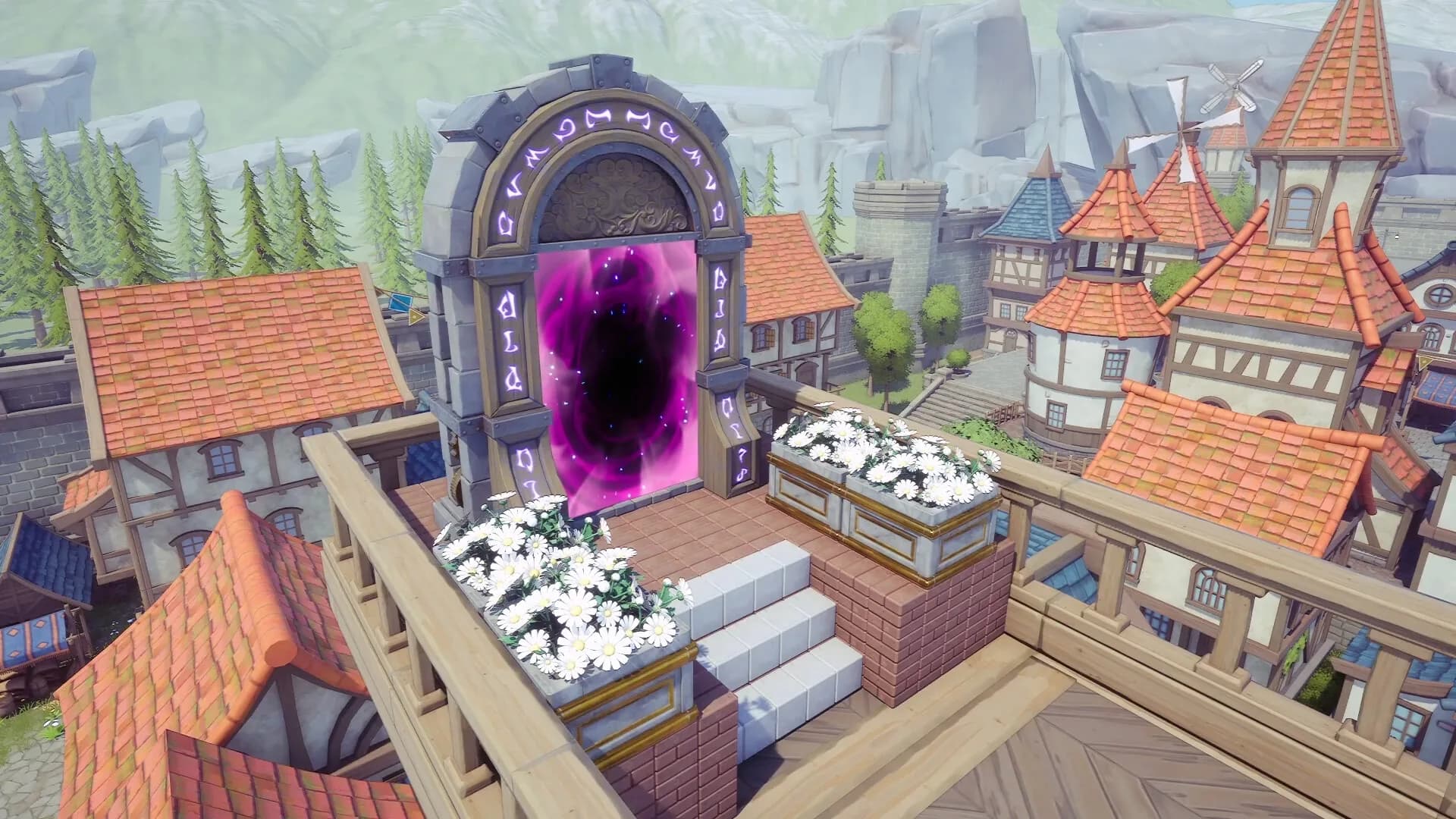
How many floors does your finest production tower run to? Screenshots are shared on the InsertCoins Discord.
Community
Your rating
Advertisement
Loading comments...
You might also like
You struck a deal with a dragon. All that is left is serving both sides without either finding out. The 1.0 lands on 23 October.

A co-op horror fishing game at nine euros. You must sacrifice fish every day, and the beast is not the worst thing out there.

Scrapheap robots sent to exterminate a planetary fungus. The 1.0 lands tomorrow, and the upgrade grid is the genre's best idea.