7
Test
Barfender: my idiotic friend drank all the beers
A co-op bar that collapses while you serve. 98 per cent positive, and one of the rare times chaos is the actual subject.
Alexandrosse
7 min
Twenty-four playable nations, battles on a hex grid and a producer who corrected course before release. The surprise of the month.
Alexandrosse
InsertCoins.press Score
7.5/10
Verdict
Recommended
The Brigandine Abyss demo divided people to the point that the game's producer published an open letter answering the criticism. That is rarely a good sign.
Then you look at what the demo actually contained, and you realise part of the case rested on a technical misunderstanding.
The Steam demo landed on 25 May. On 5 June, Masaru Saito, the producer, published a message thanking players, saying the feedback was being combed through, and announcing a first concrete fix.
Here is that fix, and it is worth reading twice: the demo ran at 30 frames per second, with no way to change it. The team added a frame rate option to move to 60 and beyond, and pushed the update into the demo itself.
A turn-based tactics game locked at 30 frames per second, with battle entry animations everyone found too slow, produces a permanent impression of sluggishness. Several players accused this game of limp pacing: part of that accusation was aimed at a setting, not a design.
On 8 July, version 1.01 arrived with the rest:
Graphics options with toggleable V-Sync and a frame rate from 30 to unlimited.
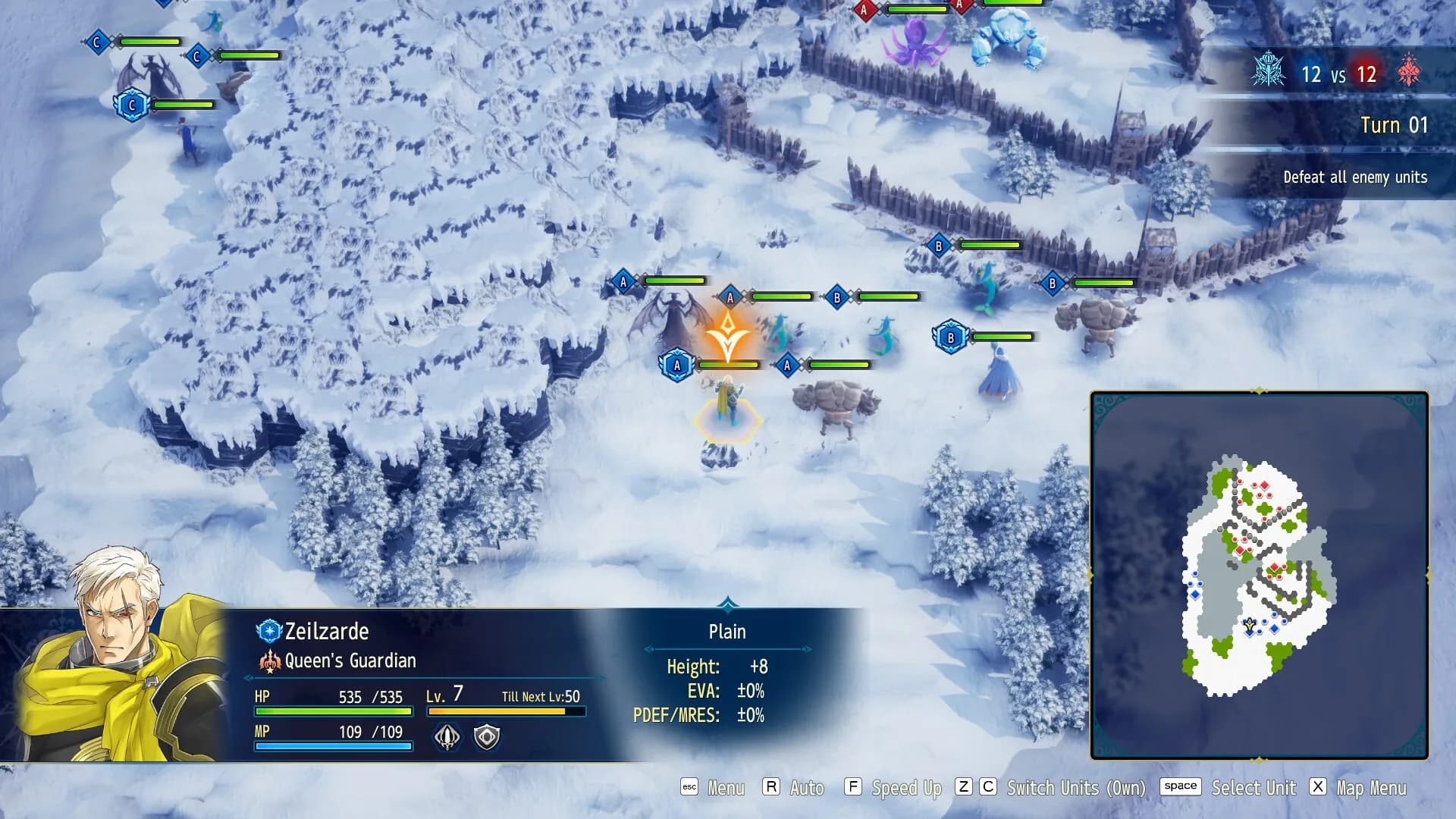
Unit visibility options, with toggleable colour coding and three display sizes. That one interests me a great deal, because board legibility is half the pleasure in this genre.
Buying equipment directly from the change equipment screen for leaders and monsters, removing a tedious round trip.
Automatic map scrolling when the cursor reaches the screen edge.
These are ergonomic fixes, not design ones. But in a game where you spend hours in menus and on a board, the ergonomics are the game.
The skeleton is classical and solid, alternating two phases.
During organisation phases, you strengthen your troops ahead of the battles to come. The studio stresses one point that decides everything: efficient task management, because you cannot do it all in the time available. That is where the campaign is won, not on the battlefield.
During attack phases, you invade neighbouring nations to take resources or recruit personnel. And the game specifies that invading remains a choice, which is not nothing: you can play a nation by consolidating rather than sprawling.
Battles are turn-based on a hexagonal grid, and I will not pretend that does not matter to me. You can focus your blows on enemy leaders to force a retreat, or methodically dismantle each unit. Both approaches are valid and they do not cost the same.
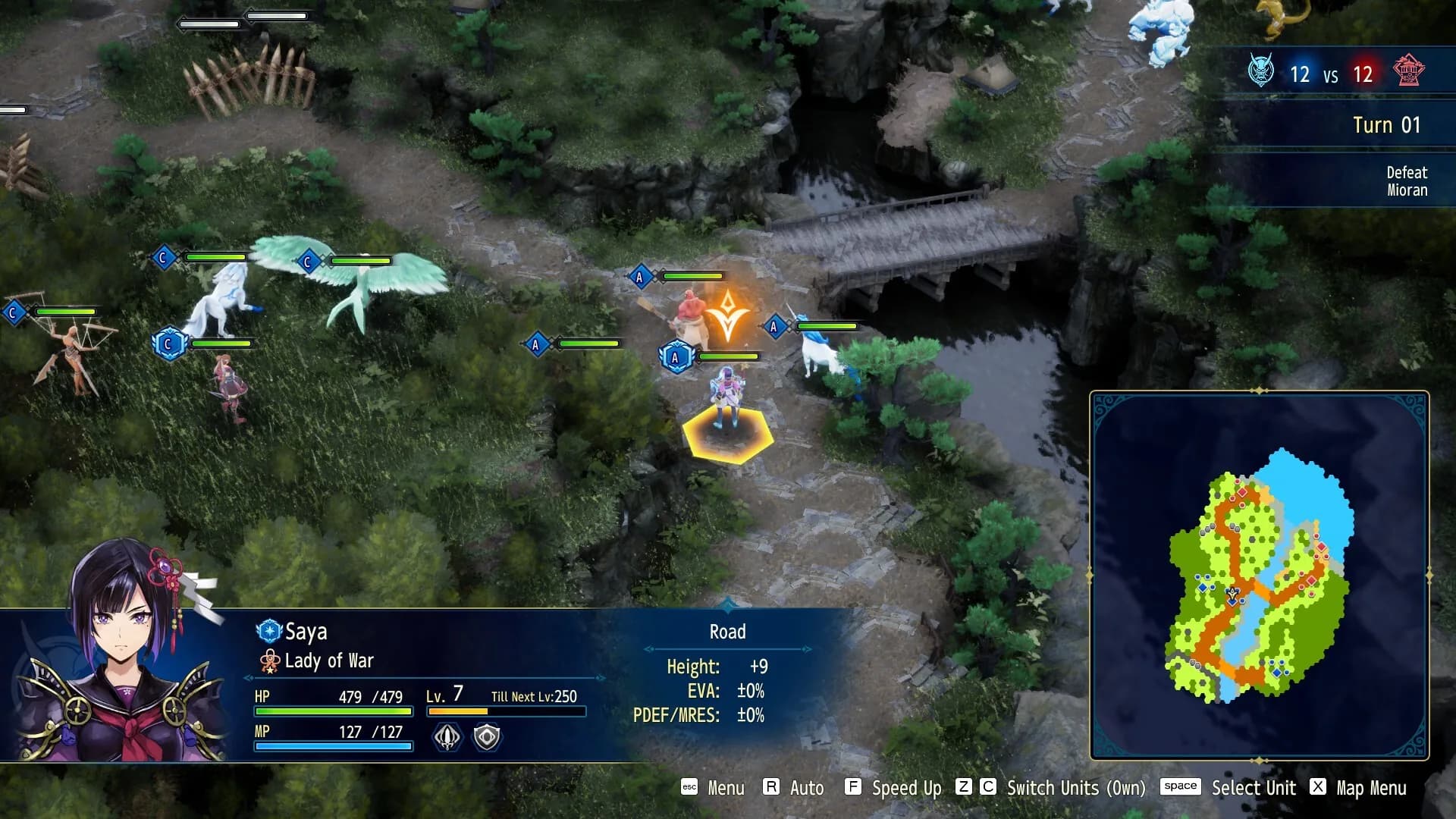
Story Mode offers the tales of six nations, set in motion by the rebirth of the Abyssloa Empire.
But it is Mission Mode that justifies the purchase. You pick from twenty-four nations, each with its own victory condition.
The producer gives an honest note on this: the durations vary enormously from one nation to another. Some are cleared in a flash, others take considerably longer, and he advises picking the one that matches your playstyle.
That is smart architecture. Instead of a single sixty-hour campaign, you get twenty-four problems of different natures. A small nation wedged between two powers does not play like an empire holding its borders, and the objective changes with it.
It comes from one of the producer's letters, and it is cleverer than it looks.
Certain weapons and armour bestow an element on the wearer. Equip such an item on a non-elemental unit and it becomes elemental.
That sounds trivial. In practice it turns equipment into a situational tactical tool rather than a stat increase. You know the next battle is against a nation whose units are vulnerable to fire, so you equip accordingly, including characters who had nothing to do with it. Your favourite character survives an engagement they should have lost, because you anticipated.
Saito sums it up in a line I agree with: this is the kind of calculation that makes simulation games enjoyable.
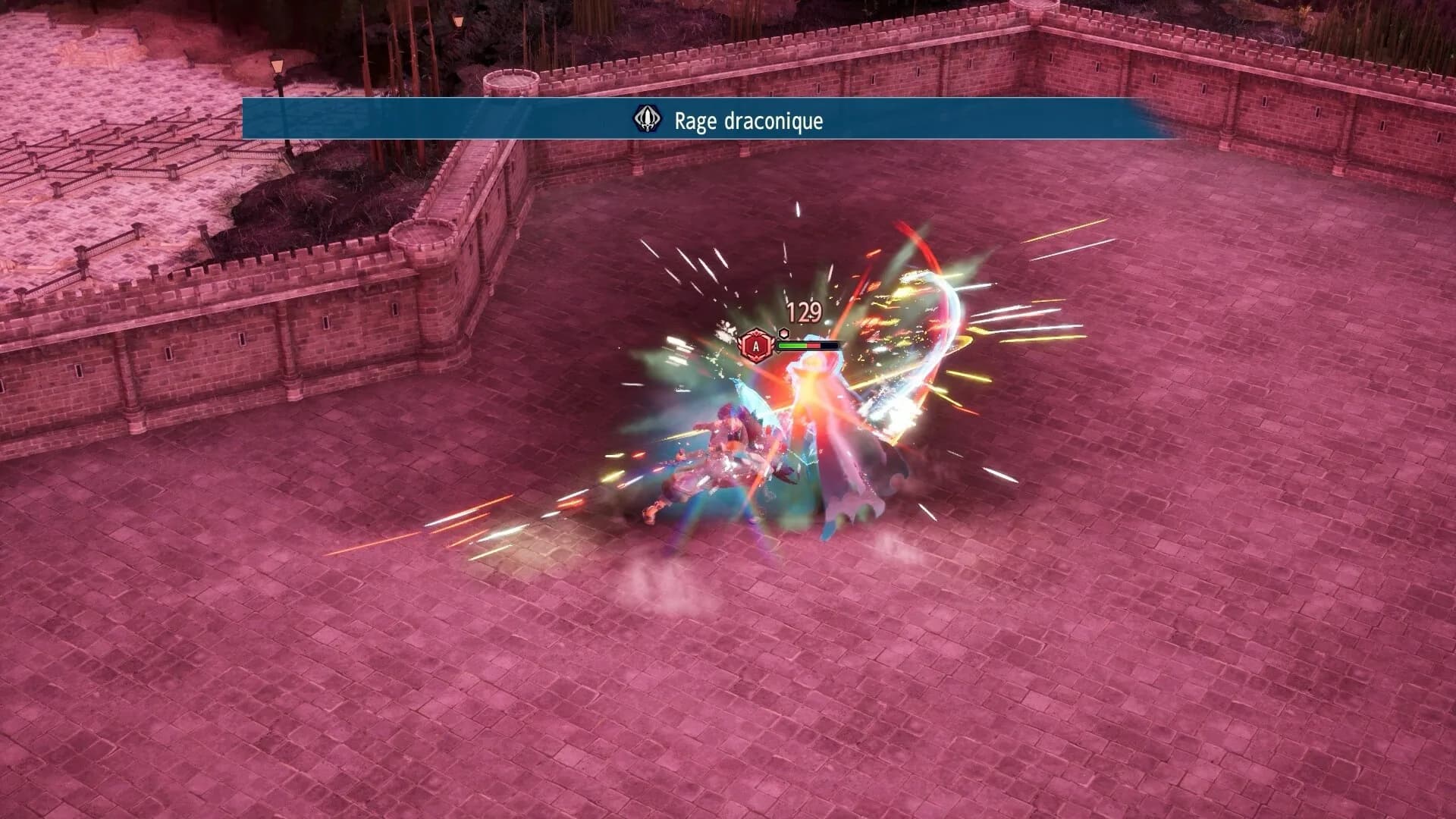
I am not going to sweep the demo's complaints away, because not all of them were about frame rate.
The AI is the biggest worry. Players described forming a tight block, crossing the map and picking off enemy leaders one by one while reinforcements arrived too late, without losing a unit. If the opponent waits politely to be visited, tactics reduce to arithmetic.
Flying units, particularly those that ignore zones of control, were judged too strong. That is the kind of imbalance a patch fixes, but it spoils the first few weeks.
And the writing will not convince everyone. Several players found the characters generic, and noted a gap between a story about resisting an empire and a gameplay loop that has you invading your neighbours immediately. That is a classic problem of the genre and it is not solved here.
One note of hope all the same: between demo and release, this studio demonstrated that it reads feedback and ships fixes. That is the best indicator available about what comes next.
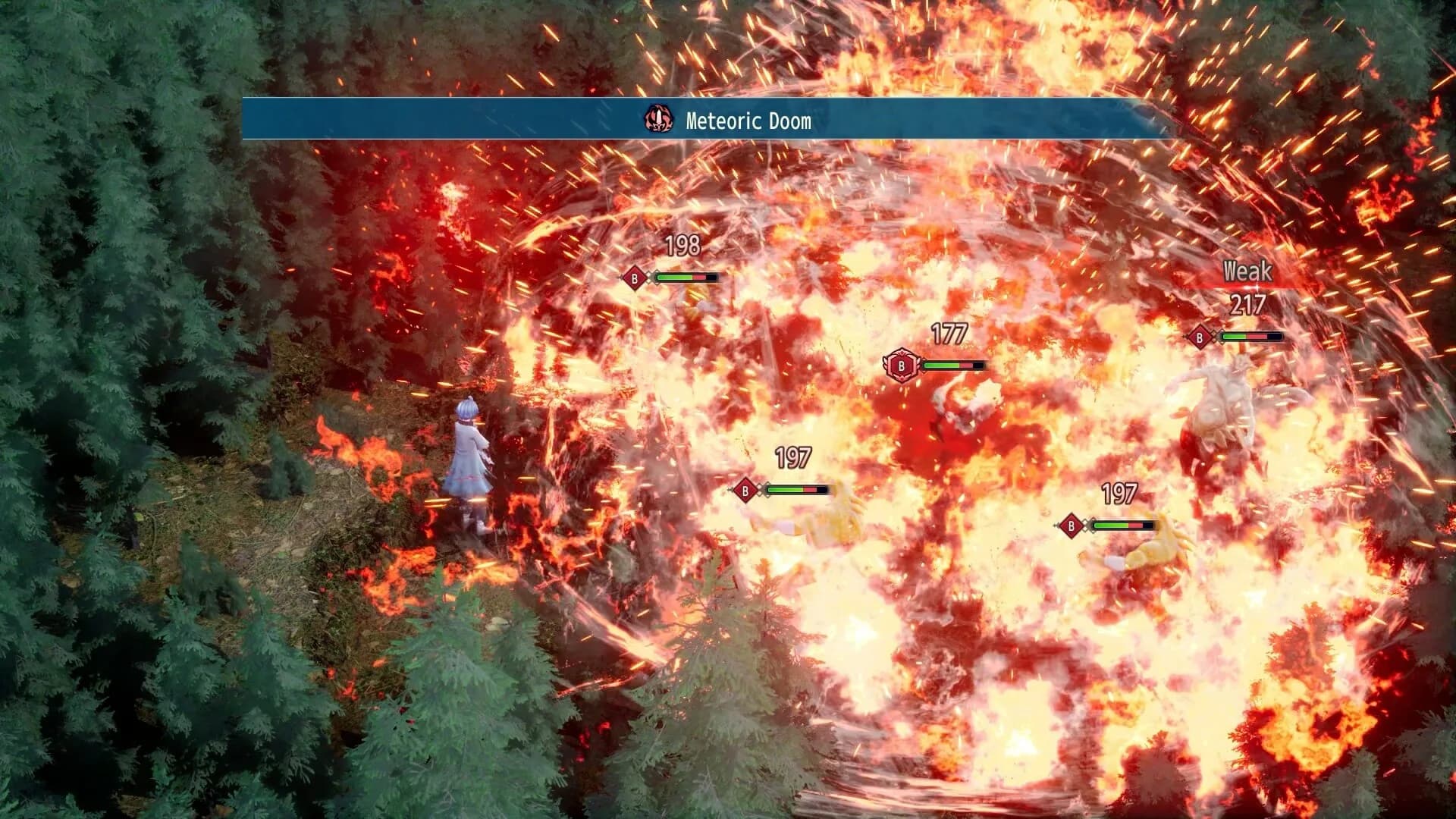
One last thing, because it amused me and it says something about the industry.
Saito recounts in his letters that he had worked on Brigandine: The Legend of Runersia at Happinet, that he left the company, then returned. And that the trigger for starting this new entry was the Steam release of Runersia, whose sales exceeded expectations.
In other words: a niche series ported to PC two years after its console release sold enough to fund a sequel. That is good news for every tactics game we assume is doomed.
What I take from the whole thing is a game much discussed on the strength of a throttled demo, arriving with twenty-four nations, a hex grid, time management that matters more than the fighting, and equipment that exists to prepare a specific battle rather than inflate numbers.
Whether the opponent defends itself better than it did in May remains to be seen. But for once, the question is no longer about frames per second.
Which nation are you starting with? Come and declare it on the InsertCoins Discord, we are taking bets.
Community
Your rating
Advertisement
Loading comments...
You might also like
A co-op bar that collapses while you serve. 98 per cent positive, and one of the rare times chaos is the actual subject.
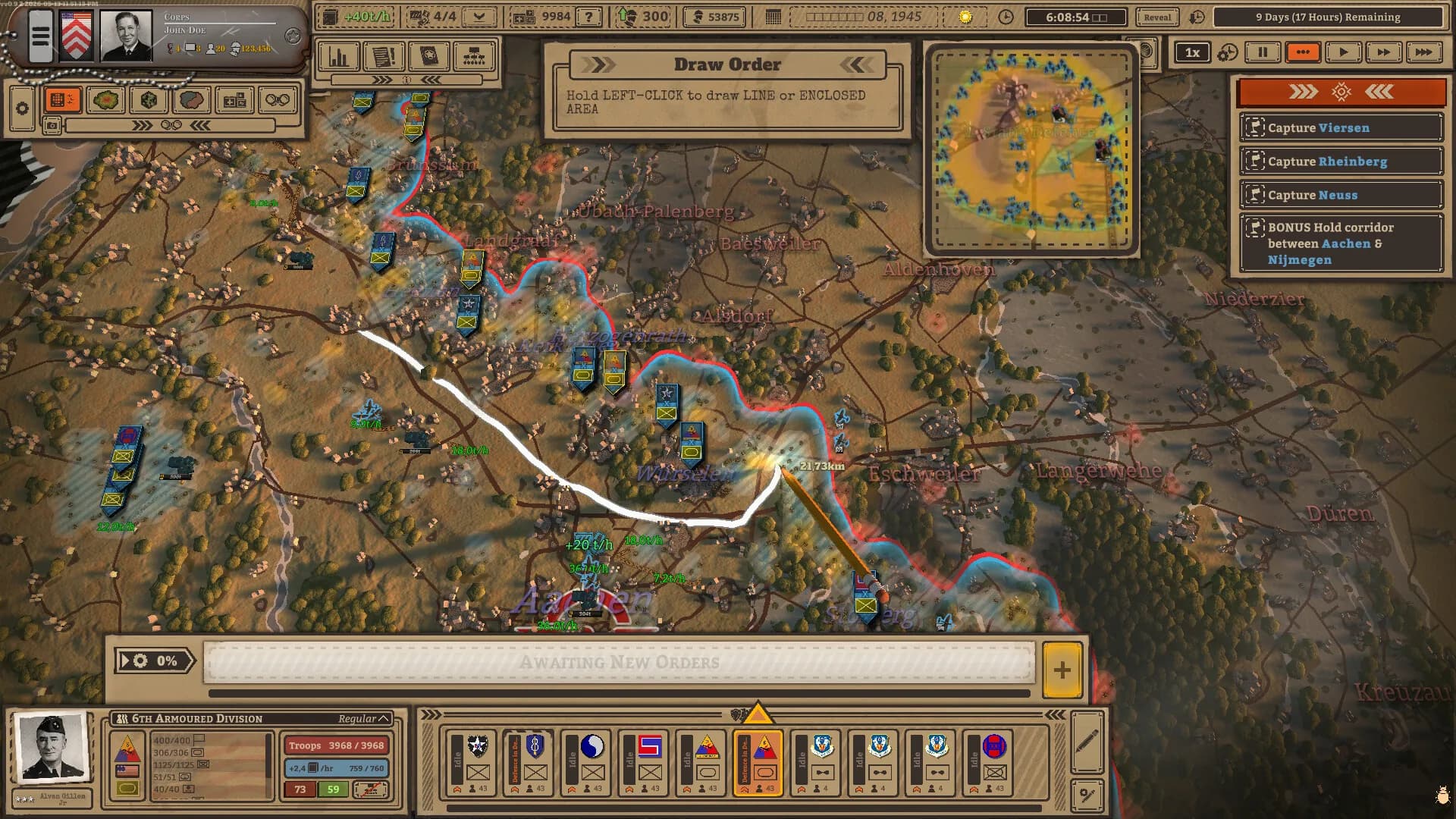
You draw a plan on the map and officers execute it alone. Except the game crashes every other planning phase.
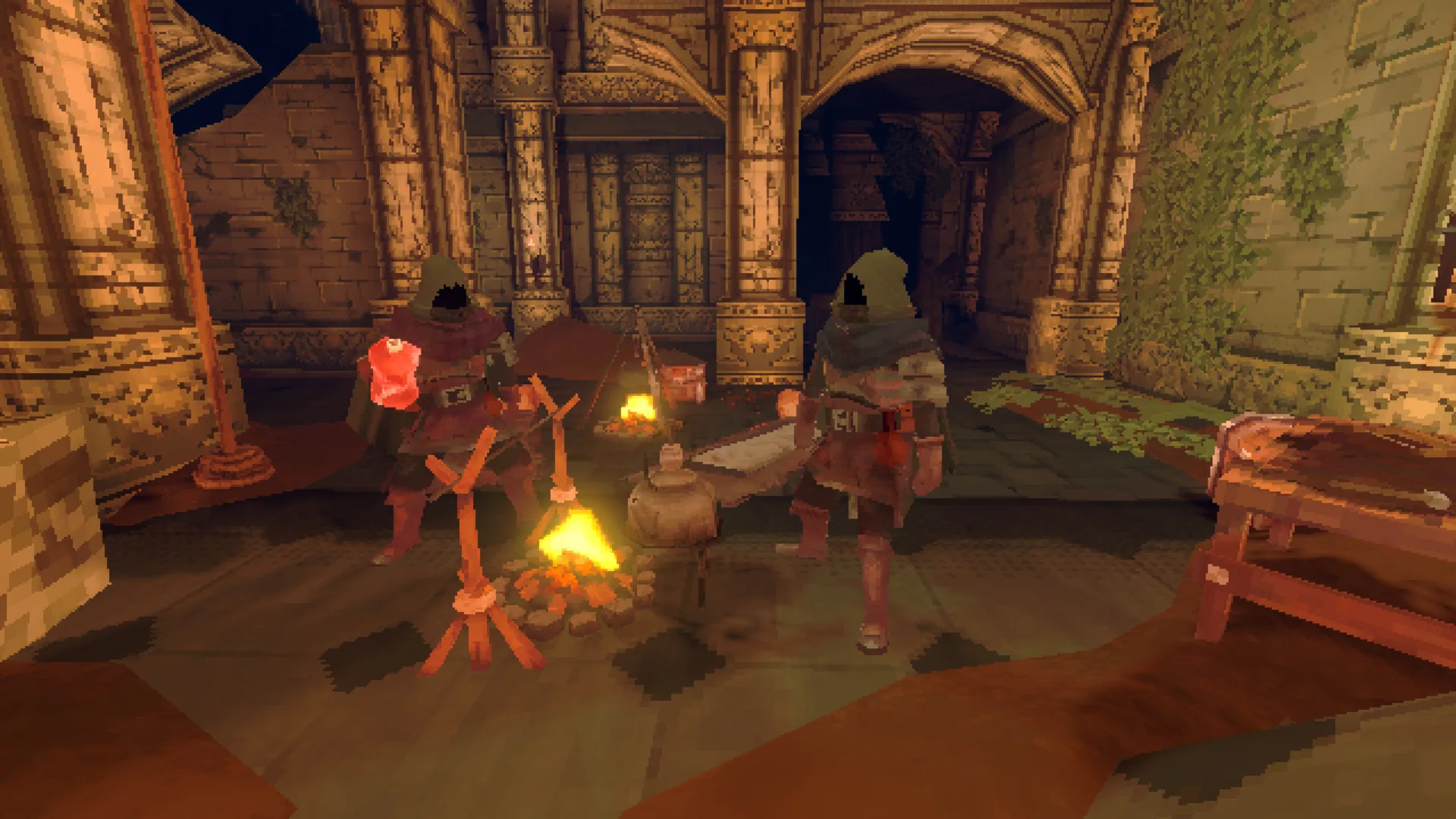
The Knights of Pen & Paper team return with a dungeon where you come back to camp, cook, and unlock recipes that change your stats.