7
Test
Barfender: my idiotic friend drank all the beers
A co-op bar that collapses while you serve. 98 per cent positive, and one of the rare times chaos is the actual subject.
Alexandrosse
7 min
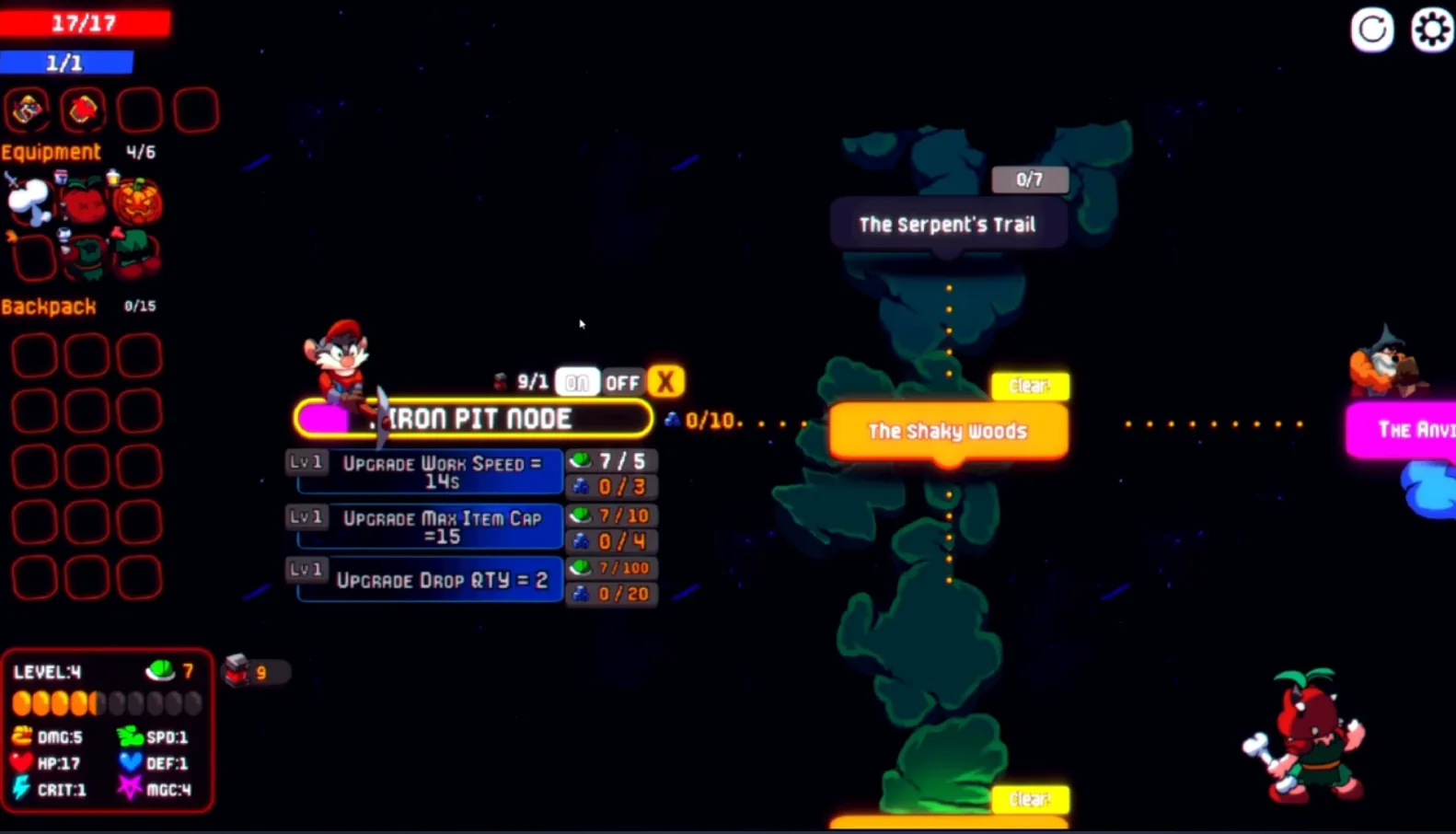
A dark fantasy deckbuilder roguelite made by three people over ten years. CARNEDGE is rough, ambitious, and frankly more interesting than half this week's releases.
Alexandrosse
InsertCoins.press Score
7/10
Verdict
Recommended
Let's be direct: CARNEDGE launched today at 67% positive on Steam, developed by three people at OneShark, no marketing budget, no publisher to clear a path for it. In a market where games come out every week with ten times its resources and don't come close to its level of ambition, that's a number worth pausing on : not to excuse the flaws, but to understand what we're actually holding.
What we're holding is interesting. Genuinely.
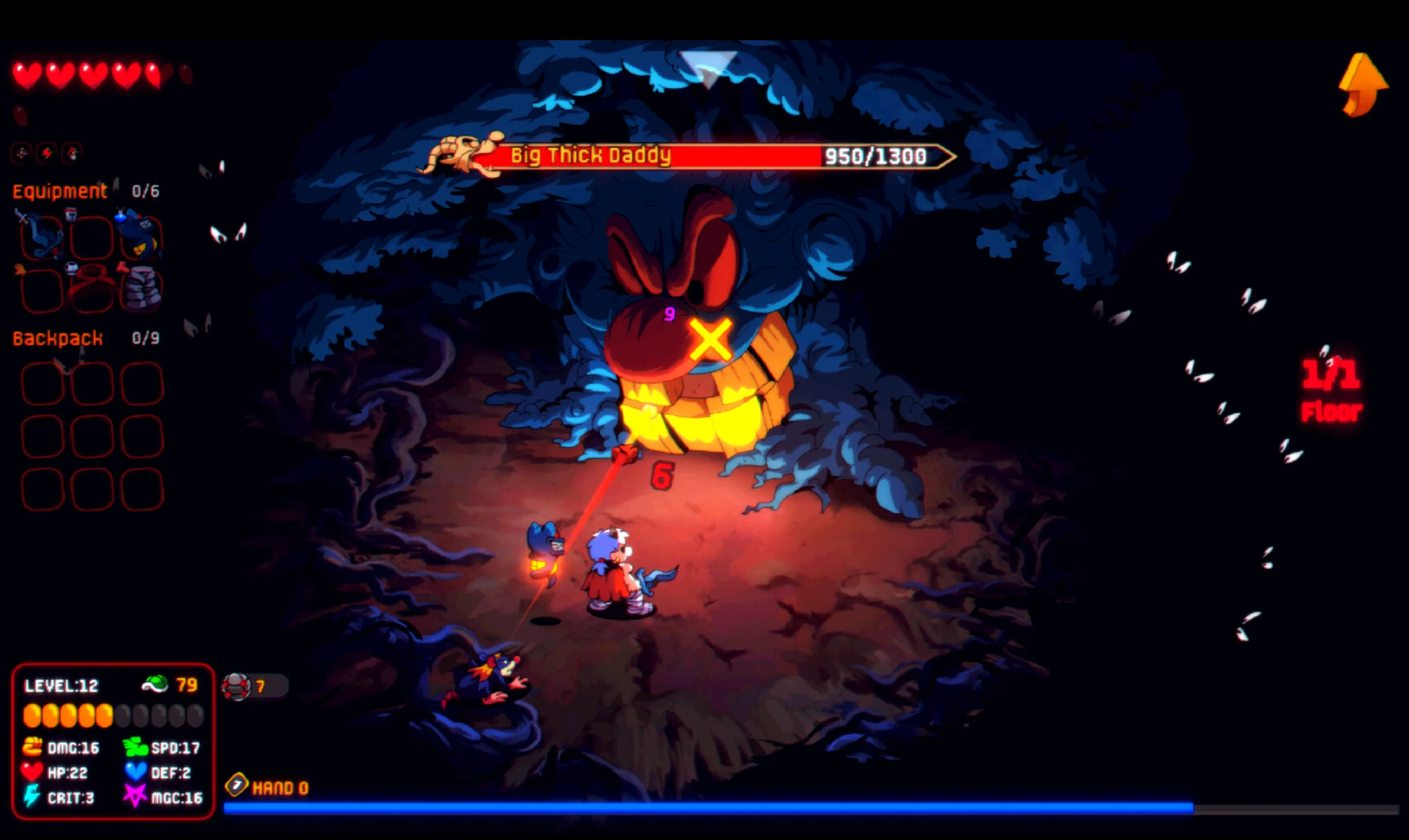
CARNEDGE is set in a dark fantasy world slowly rotting from corruption. You are the Lantern, a lone warrior carrying the Eternal Flame through this dying world, dungeon by dungeon, run by run.
The core mechanic is a marriage of deckbuilding and auto-battle RPG. You build your deck, summon allies, work your way through twisted dungeons : and your cards fight for you according to the build logic you've constructed. This isn't a game where you press buttons at the right moment. It's a game where you plan, organise, anticipate, then watch your machine run.
That's an important distinction. CARNEDGE demands thinking before combat, not during it. If your deck is poorly built, you die. If your synergy holds, you watch your cards dismantle bosses with the satisfaction that belongs only to good deckbuilders.
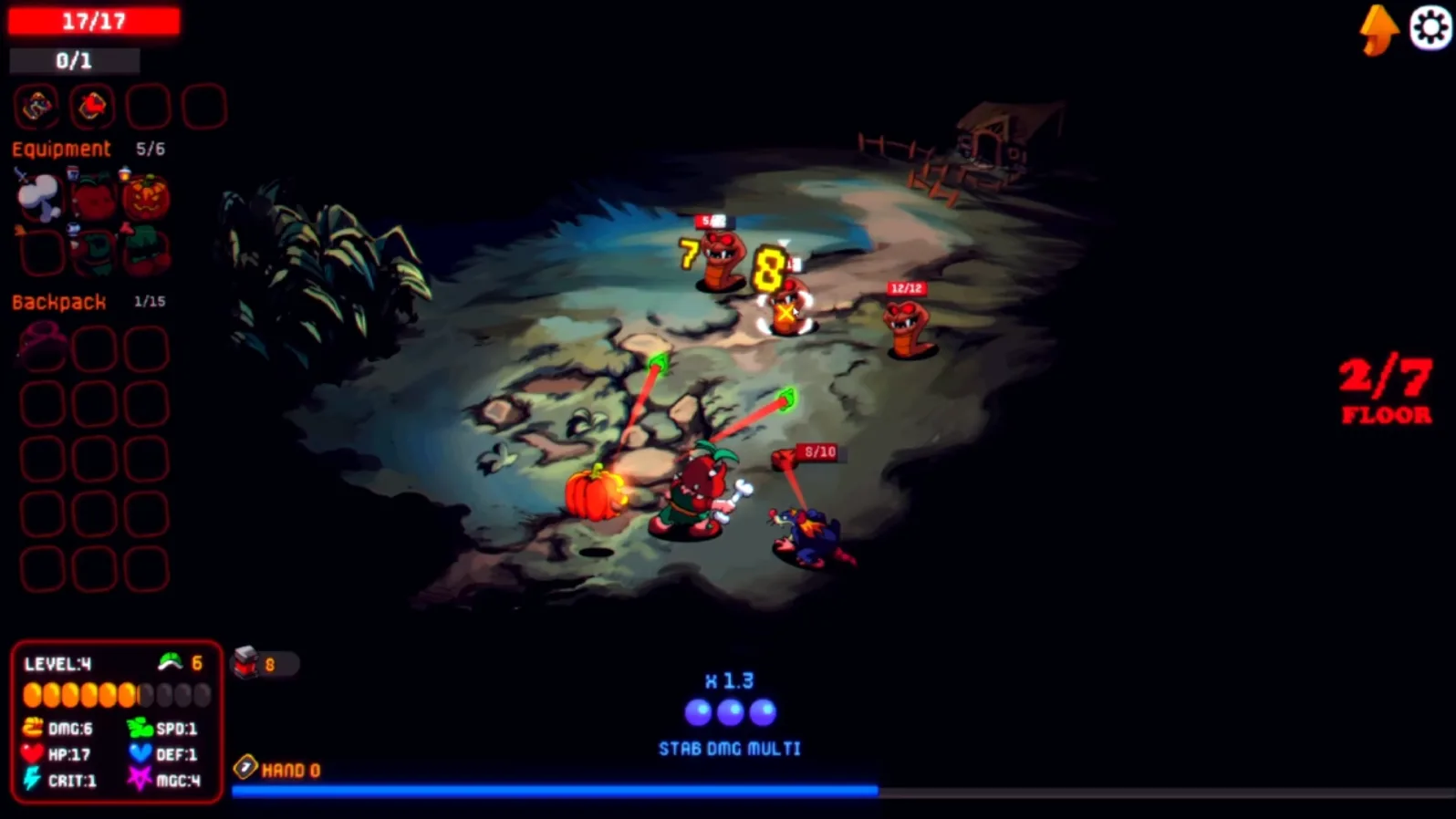
The atmosphere is the first thing that hits. CARNEDGE's art design is dark, coherent, and personal. This isn't the recycled generic dark fantasy of mainstream RPGs. There's a real visual identity here : something that feels like an assumed vision rather than an assembly of references.
The pilgrimage structure, each run as a progression through a corrupted world, gives the roguelite a sense of purpose that many games in the genre lack. You don't die just to restart. You die because you weren't ready for that world, and you come back with a different understanding of it.
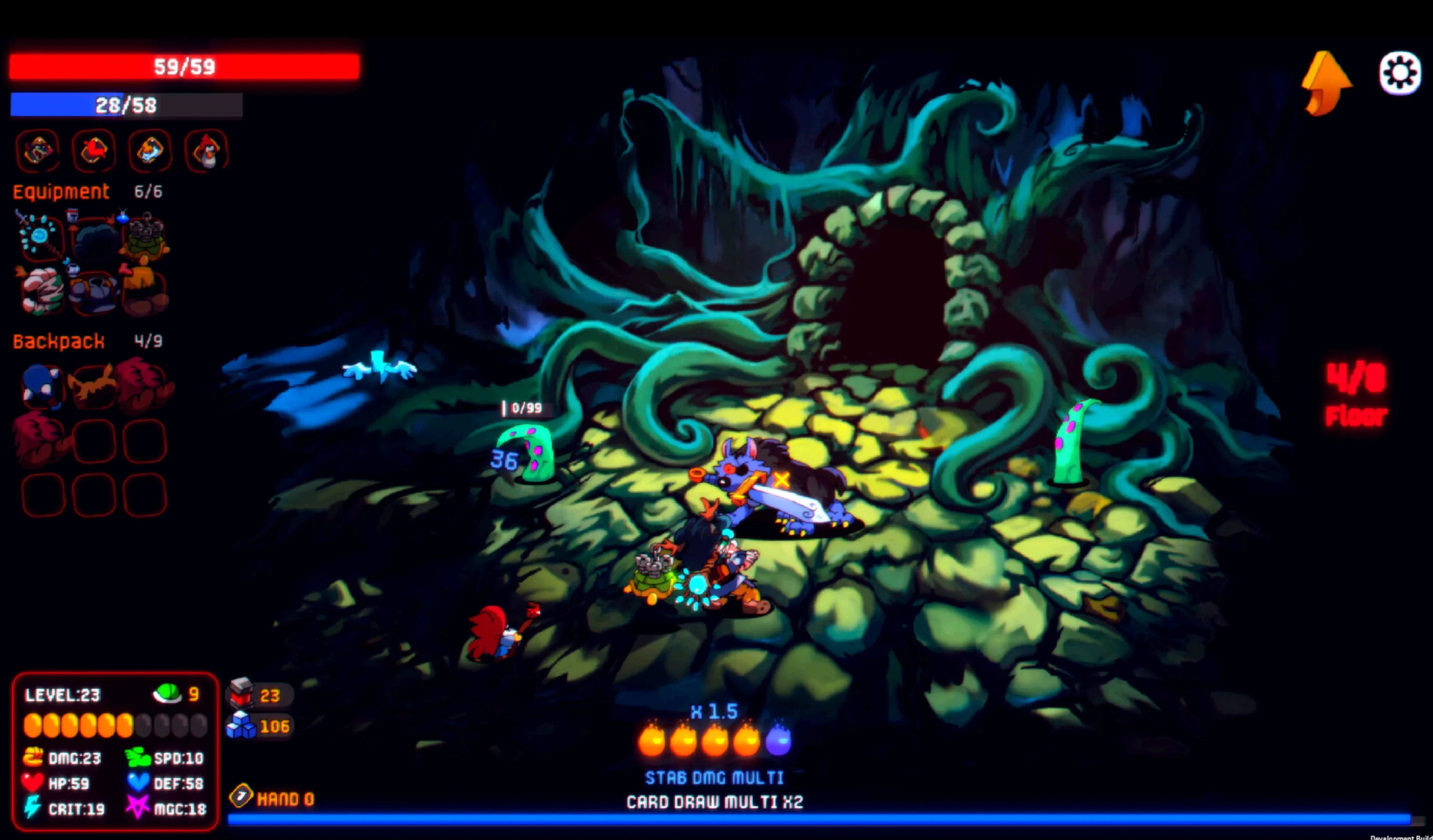
Card synergies are the heart of the game, and that's clearly where OneShark put their ten years. There's depth here. Combinations that surprise, builds that seem impossible until they work, a variety that makes you want to start again differently. A good deckbuilder makes you want to explore every possibility. CARNEDGE does that.
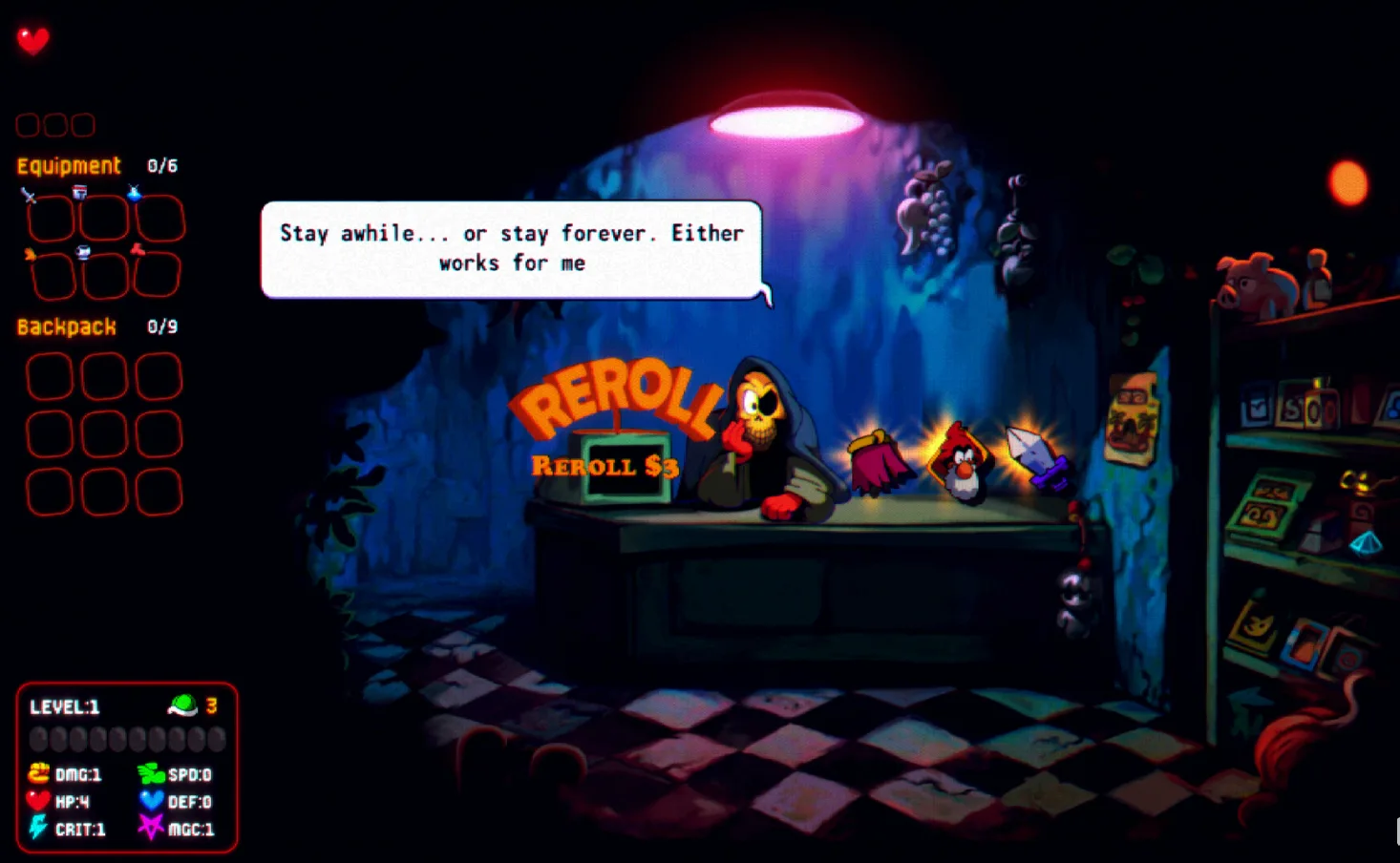
The learning curve is steep, and not always in the right way. There's a difference between complexity that rewards and friction that discourages : CARNEDGE is sometimes on the wrong side of that line. The interface lacks clarity in places, some mechanics require failing several times before understanding you'd misread them rather than misplayed them.
The interface bugs reported at launch are real. Nothing game-breaking in our test run, but present enough to interrupt the flow at inopportune moments. This is the kind of roughness you expect from an indie day-one release and hope to see patched quickly.
The narrative is sketched more than developed. The world is there, the atmosphere is there, but the story doesn't dig as deep as it could. For a game whose premise, carrying an eternal flame through a dying world, has everything it needs to carry a strong narrative, it's a partially missed opportunity.
It needs to be said for what it represents.
OneShark is three people. CARNEDGE is their first major title after ten years of work. The demo has been available since September 2025, built and refined with feedback from a community that was waiting for release. This isn't a game that was shipped in a hurry. This is a game that people built part of their professional lives around.
That doesn't change what the game is or isn't. But it explains why ambition sometimes outpaces resources, why some angles are polished to perfection while others are still rough. When you play CARNEDGE, you're playing the result of ten years of conviction.
CARNEDGE isn't a perfect game. It has rough edges, an interface that could be clearer, and a narrative that doesn't fulfil all its promises. It's also one of the most ambitious deckbuilders released this week, with genuine atmosphere, deep synergies, and the mark of people who wanted to make something personal rather than something bankable.
At 67% positive on Steam today, it's undervalued. Not because you should support indie games on principle : on principle, we don't care who made the game if the game is worthless. But because CARNEDGE is worth something, and most of the 33% negative reviews talk about launch roughness, not the game underneath.
The game underneath deserves better.
Strengths:
Weaknesses:
Tested on PC, launch day version : April 19th 2026
The discussion carries on over on our Discord, where we relitigate scores for far longer than is reasonable.
Community
Your rating
Advertisement
Loading comments...
You might also like
A co-op bar that collapses while you serve. 98 per cent positive, and one of the rare times chaos is the actual subject.
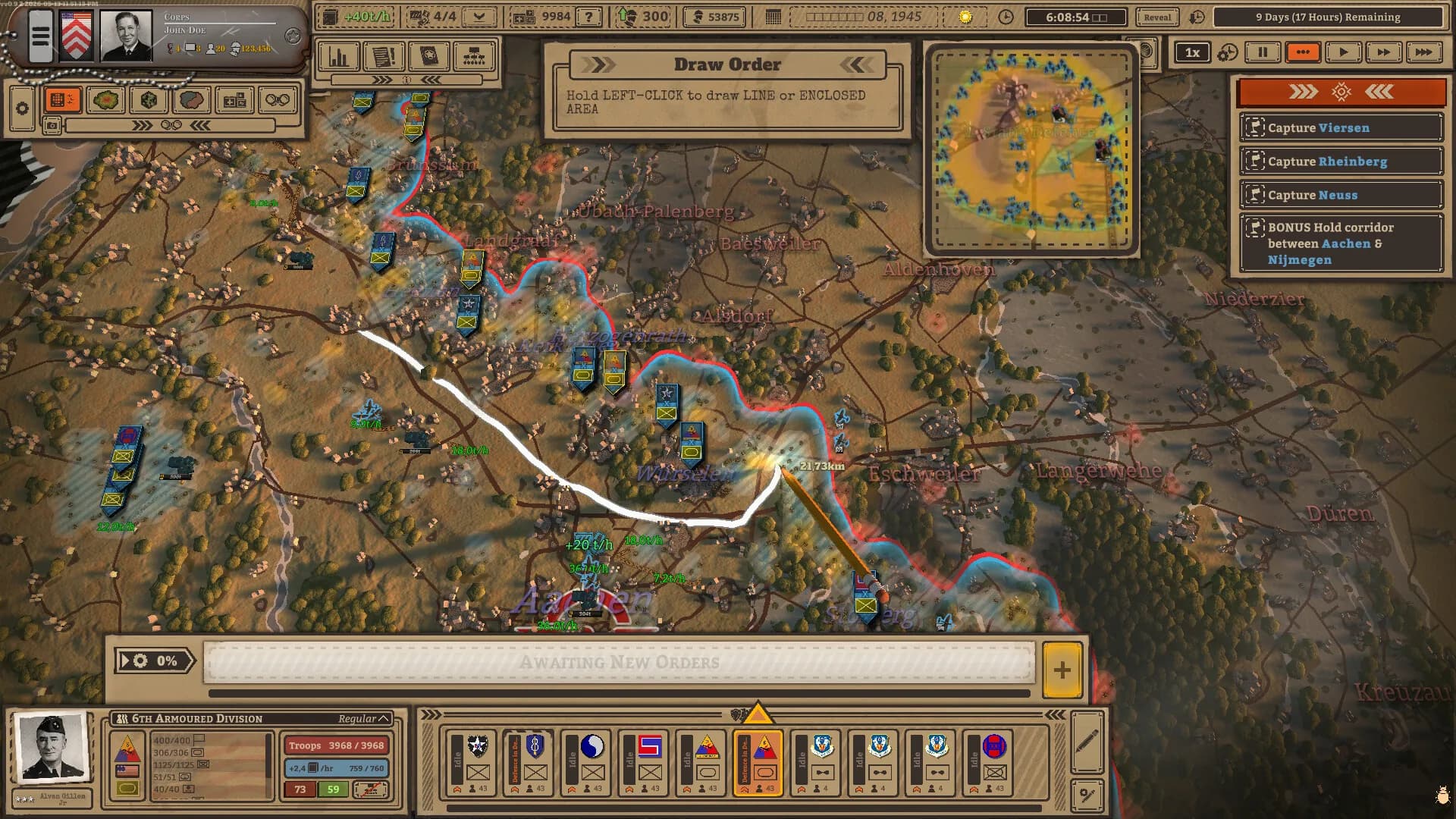
You draw a plan on the map and officers execute it alone. Except the game crashes every other planning phase.
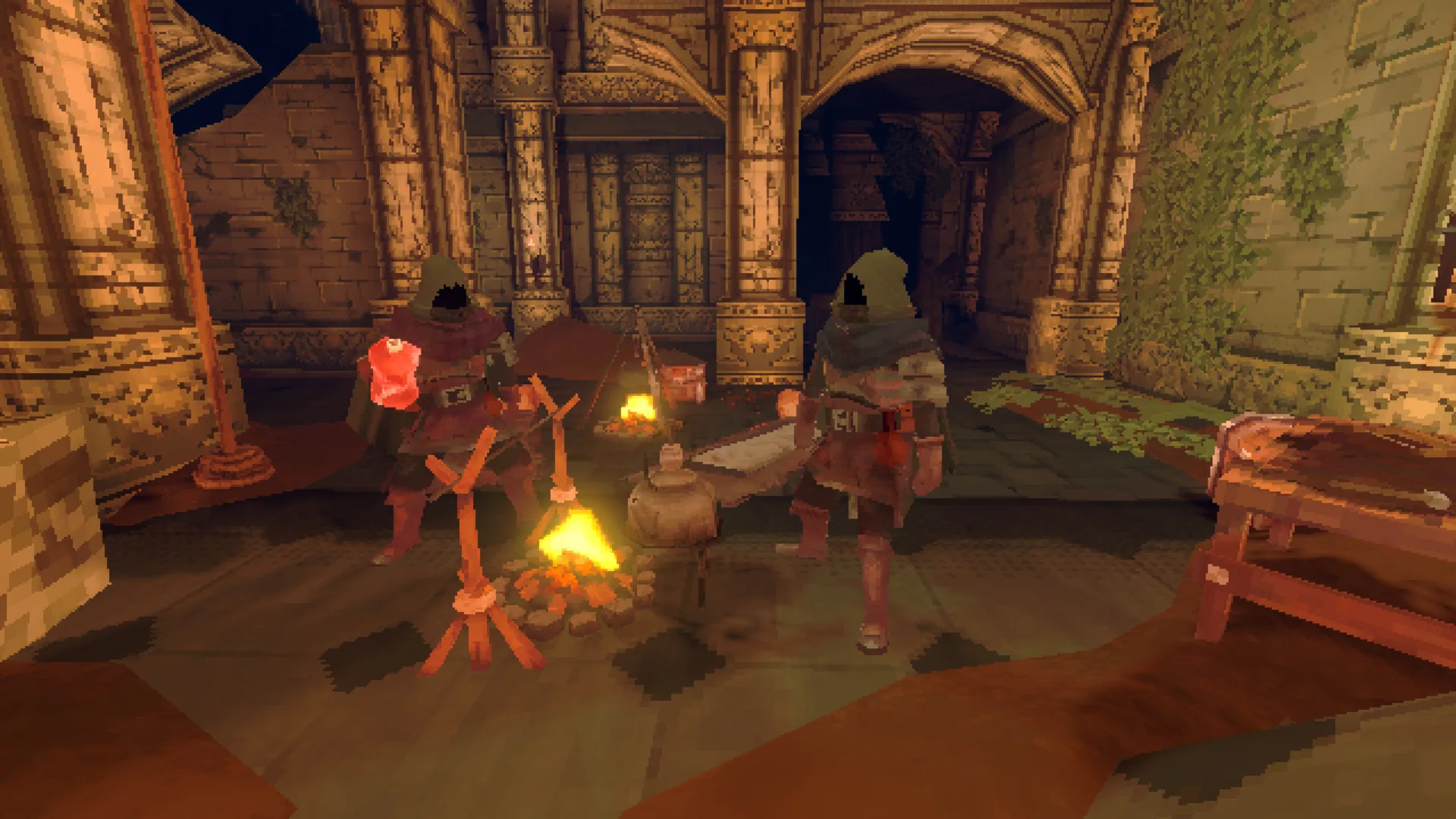
The Knights of Pen & Paper team return with a dungeon where you come back to camp, cook, and unlock recipes that change your stats.