7
Test
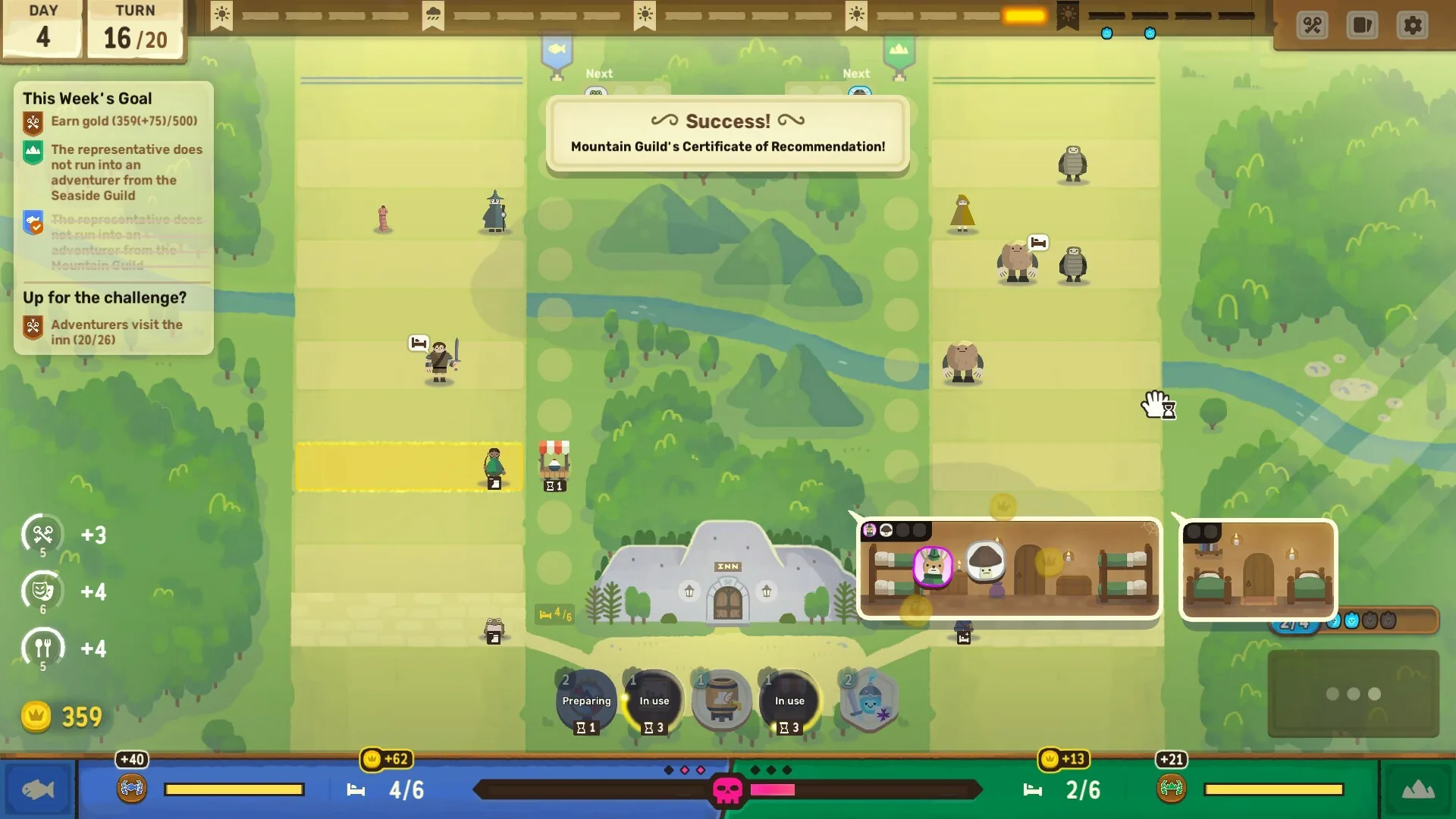
Dungeon Inn: running an inn while keeping two rival guilds from meeting
You struck a deal with a dragon. All that is left is serving both sides without either finding out. The 1.0 lands on 23 October.
Alexandrosse
7 min
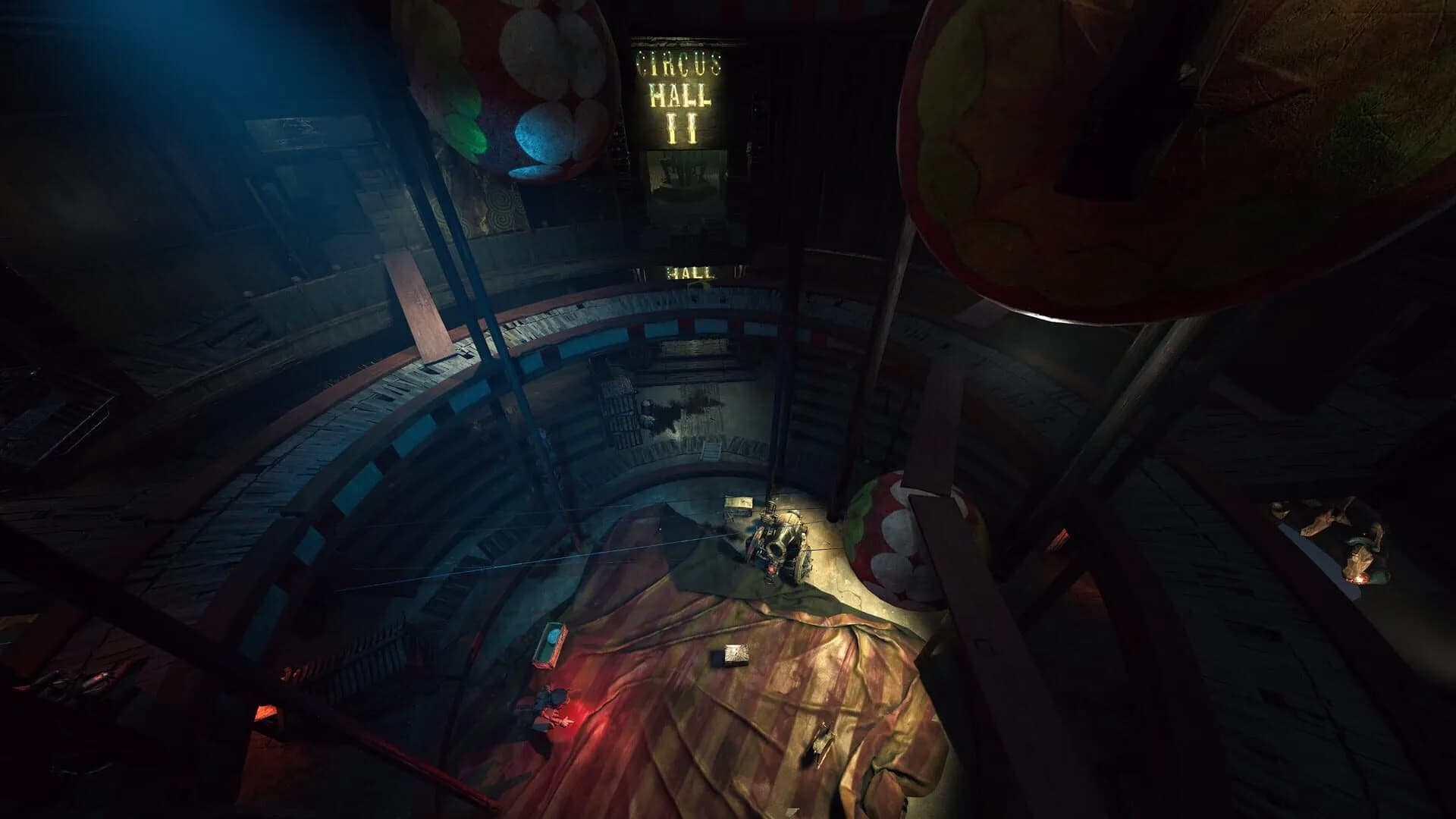
Five wind-up bunnies cranking their spring to survive a carnival monster. Carnival Hunt reinvents the 5v1 with its noisy key to manage.
Alexandrosse
InsertCoins.press Score
7/10
Verdict
Recommended
Asymmetric horror is a crowded genre, one where you feel you've seen it all since Dead by Daylight: survivors repairing generators, a killer patrolling, and a tense game of hide-and-seek. So when a newcomer shows up with wind-up bunnies who have to crank their spring not to stop dead, you prick up your ears. Carnival Hunt doesn't reinvent the 5v1 wheel, but it adds a clever idea that's enough to give it a real personality, in a fairground setting as beautiful as it is unsettling.
Carnival Hunt is an asymmetric multiplayer horror game developed by Beer Night Studio and published by Crytivo, available in early access on PC since 23 July 2026. The principle is a first-person 5v1: five wind-up bunnies must cooperate to complete objectives and escape an ever-shifting fairground world, while one player hunts them as the Carnival Monster. The universe is signed by a Puppetmaster, and the setting, a living mechanical fairground, dark yet strangely beautiful and melancholic, immediately sets an atmosphere that stands apart from the genre's usual gloom.
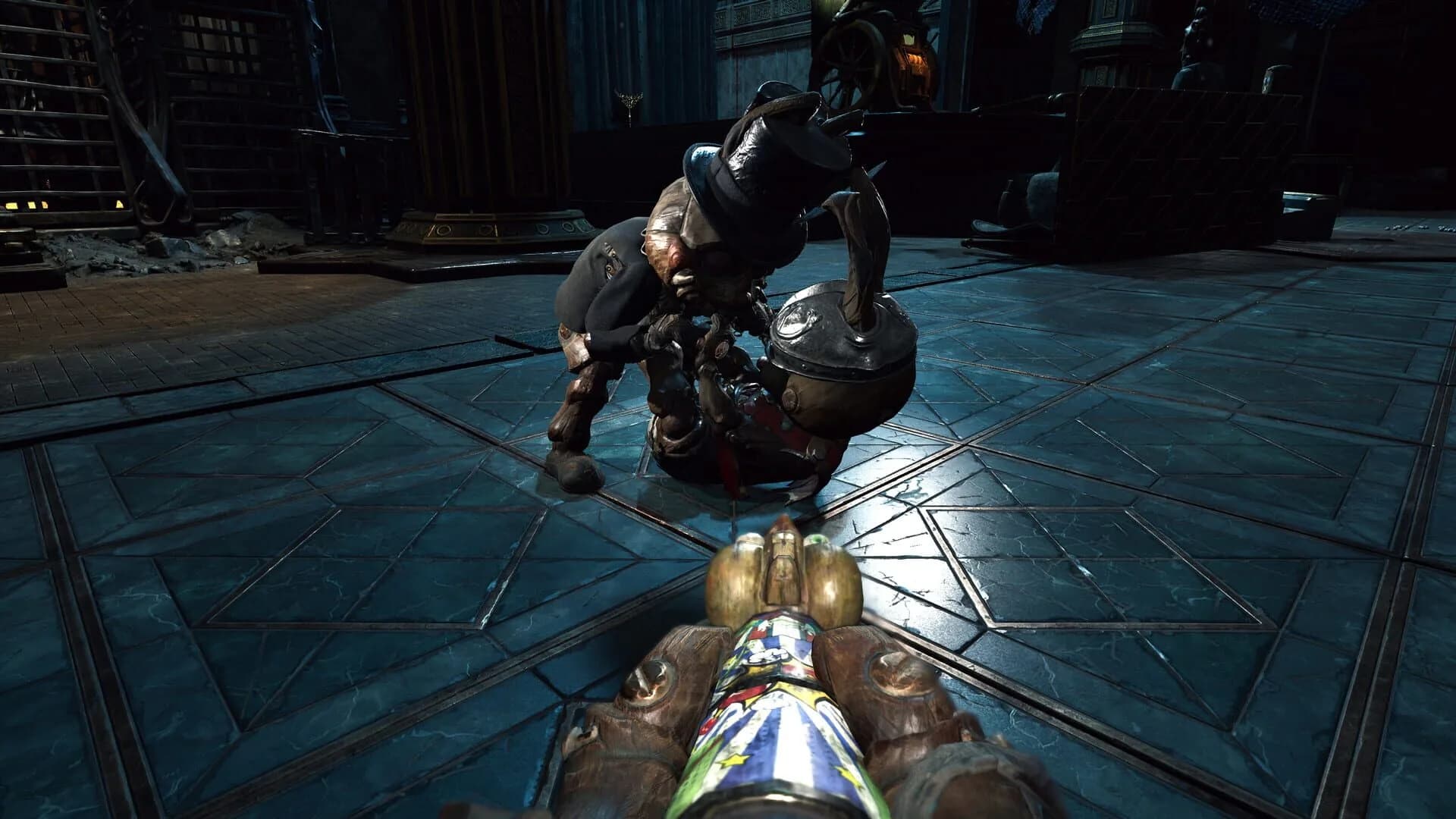
What sets Carnival Hunt apart is its wind-up mechanic. Both the bunnies and the Monster depend on their spring charge to stay active, and that's the whole stake of survival. The bunnies must manage a limited number of noisy keys, wind each other up and keep moving so as not to power down, while the Monster must capture bunnies and consume their keys to keep existing. That shared resource transforms the genre's classic dynamic: you no longer just flee and repair, you juggle an internal clock that makes noise and betrays you, and each wind-up becomes a gamble between stealth and survival.
That idea irrigates all the game's tension. The key makes noise, so winding up means risking drawing the Monster, and you constantly arbitrate between staying silent and staying alive. Cooperation becomes vital, since you can recharge your companions, which pushes you to play grouped without clumping into an easy target. The victory system is clever too: there's no real collective failure, any bunny who escapes is considered a winner, even if all the others wind down or are killed. So you can play in solidarity or selfishly, and that moral freedom feeds tense matches where mutual aid and betrayal constantly vie.
You still have to stay lucid about its status. Carnival Hunt launches in early access, and that comes with the usual reservations: still-thin content, balance between the five bunnies and the Monster to refine, and the promise of updates on which its real lifespan will depend. Like any asymmetric game, it lives and dies by its community and the finesse of its balance, and it's too early to say whether it'll go the distance or run out of steam once the discovery is over. You approach this kind of title betting on its future as much as its present.
The other limit is the very nature of the genre. Asymmetric horror needs coordinated partners to give its best, and a match with scattered strangers can quickly turn into a pointless rout. The key mechanic, however clever, won't save a team playing every bunny for itself, and the experience shines mostly among friends ready to play the cooperation game. It's a proposition that demands a minimum of social investment to reveal its flavor, and you should know that before diving solo into the queue.
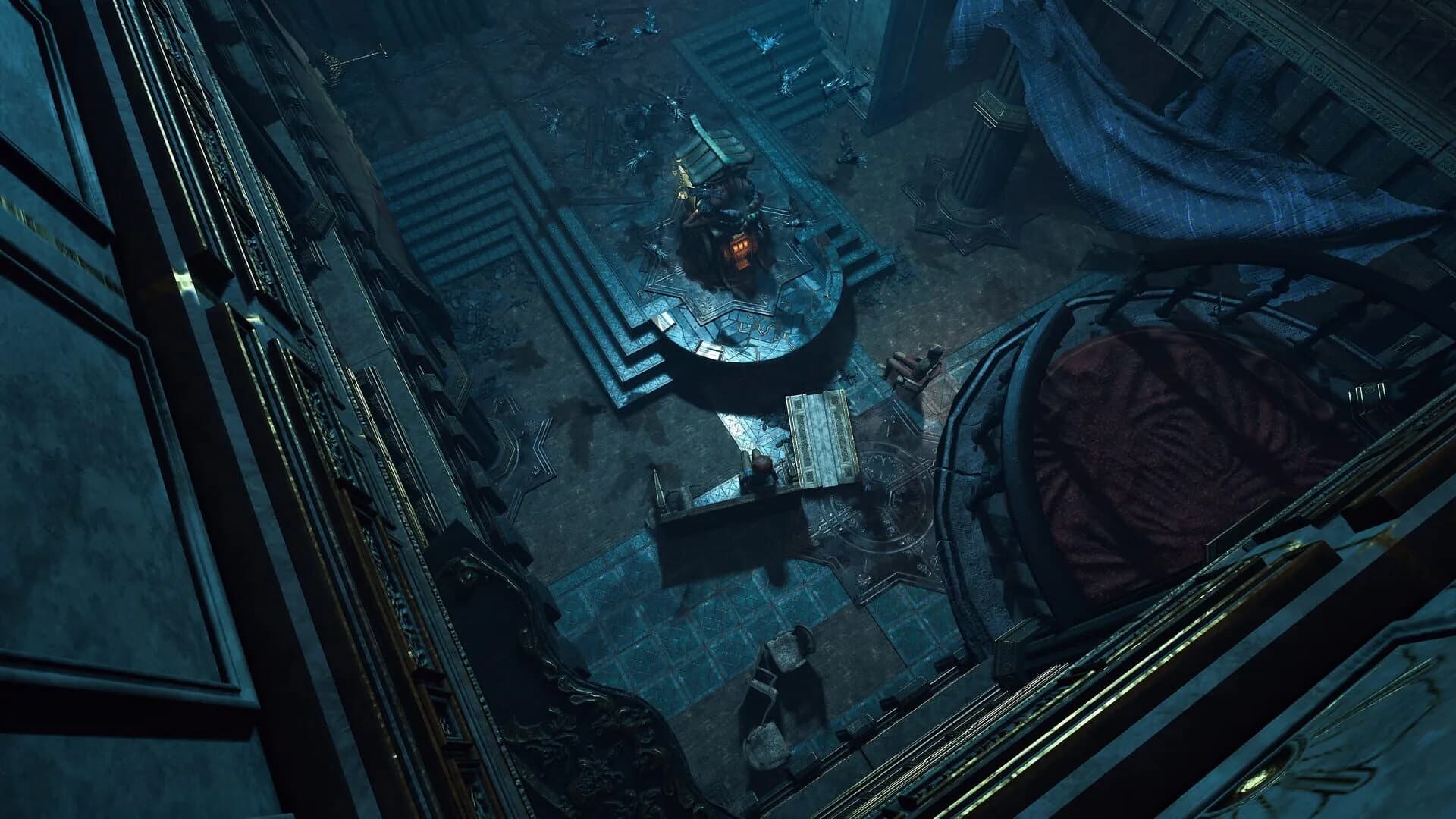
Carnival Hunt is a good surprise in a genre we thought frozen, precisely because it dares an original mechanic rather than copying the formula. The key wind-up system, noisy and shared between prey and predator, breathes new tension and management into the 5v1, and its mechanical, melancholic fairground setting gives it an immediately recognizable visual identity. The freedom left by its victory condition, where anyone can save themselves alone, adds a tasty moral layer. It's an asymmetric game with ideas, and that's a pleasant change.
You just have to approach it with the usual precautions: an early access with still-light content, balance to refine, and an experience that gives its best in a coordinated team rather than solo with strangers. Its future will depend on its community's loyalty and the studio's support, like any game of the genre. But for anyone seeking an asymmetric horror off the beaten path, with a real gameplay find and an atmosphere of its own, Carnival Hunt clearly deserves a crank of the spring.
A 5v1 asymmetric horror that stands out through its noisy, shared key wind-up mechanic, in a superb mechanical fairground: original and tense, provided you play coordinated and bet on its future.
Strengths:
Weaknesses:
Tested on PC, in early access.
Played it too? Tell us how it went on the InsertCoins Discord.
Community
Your rating
Advertisement
Loading comments...
You might also like
You struck a deal with a dragon. All that is left is serving both sides without either finding out. The 1.0 lands on 23 October.
A co-op horror fishing game at nine euros. You must sacrifice fish every day, and the beast is not the worst thing out there.
Scrapheap robots sent to exterminate a planetary fungus. The 1.0 lands tomorrow, and the upgrade grid is the genre's best idea.