7
Test
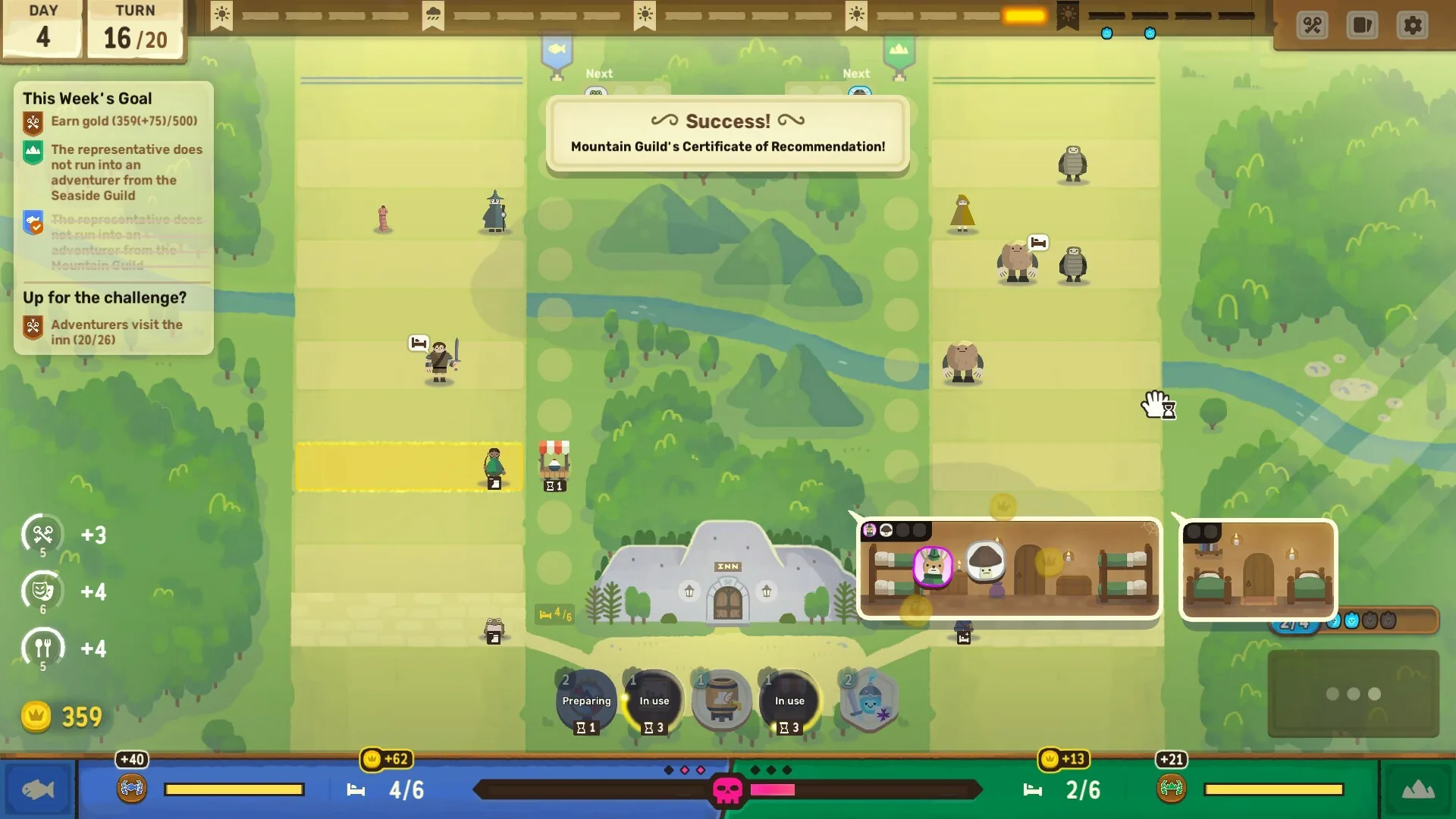
Dungeon Inn: running an inn while keeping two rival guilds from meeting
You struck a deal with a dragon. All that is left is serving both sides without either finding out. The 1.0 lands on 23 October.
Alexandrosse
7 min
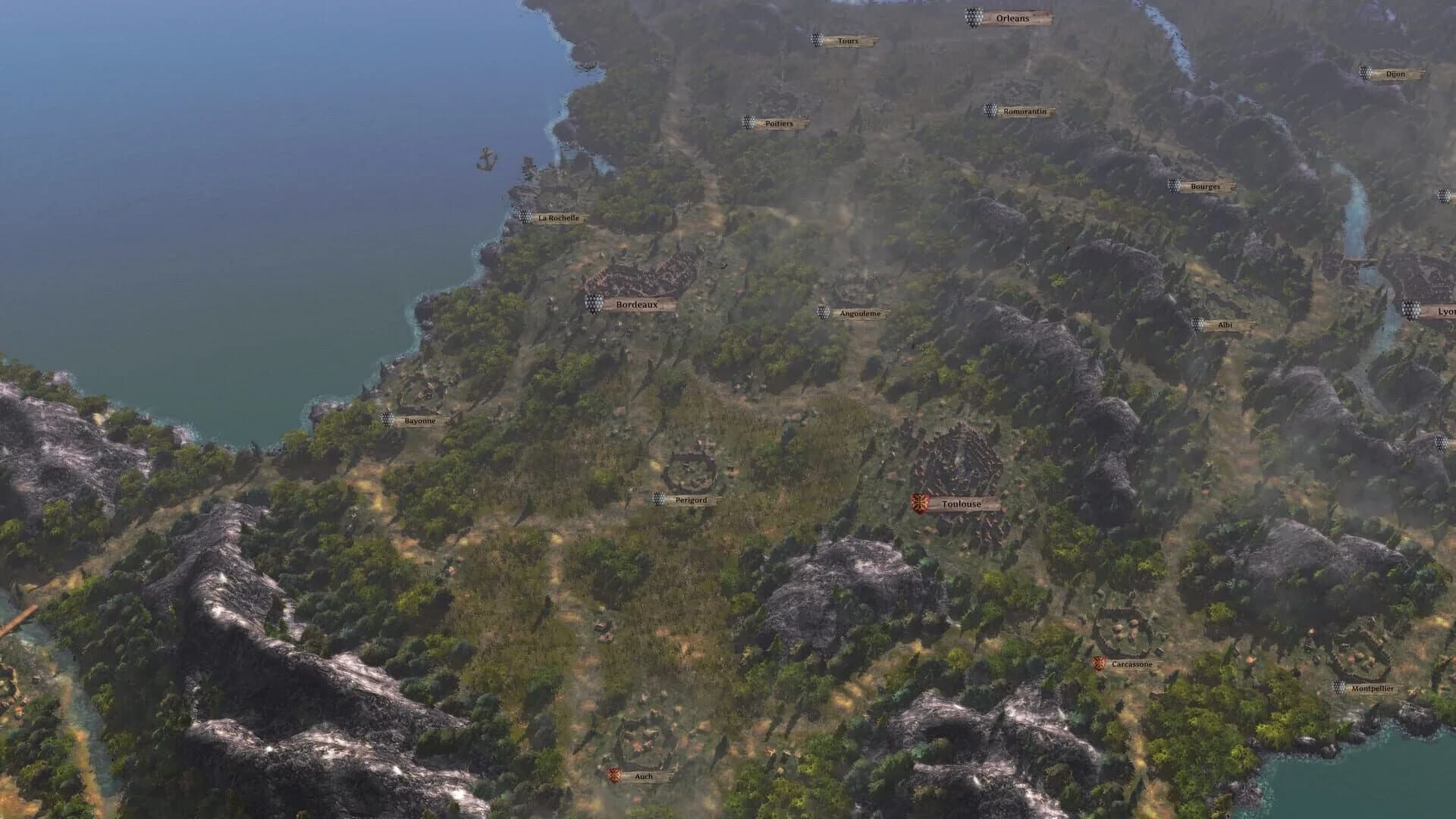
Medieval sieges, tower defense, city building and diplomacy. City States Medieval evokes Stronghold more than The Guild, with a real promise of depth.
Alexandrosse
InsertCoins.press Score
7/10
Verdict
Recommended
When a game is sold to us as a cross between The Guild and Stronghold, two references that thrill any fan of medieval management, we prick up our ears, but keep a wary eye. Because those flattering comparisons are often empty promises. So we got our hands into City States Medieval to check, and the verdict is nuanced: the kinship with Stronghold is very real, the one with The Guild far more tenuous. But the result, a hybrid of siege, tower defense and city building, has what it takes to seduce the methodical optimizer we are at InsertCoins.
City States Medieval is a medieval strategy game developed in early access, available on PC for around twenty euros. It presents itself as a story-driven title staging the challenges and opportunities of medieval city-states, in a hybrid real-time strategy designed to have you survive the Middle Ages at the head of your town. Its central mechanic blends tactical combat and tower defense elements to recreate the sieges of the era, all backed by city-building, diplomacy, trade and war systems already in place in this early-access version. The proposition is ambitious and broad, if not yet complete.
The heart of City States Medieval is the siege, and that's where Stronghold's blood runs strongest. The game articulates tactical combat and tower-defense logic to recreate the tension of medieval assaults: you fortify your city, lay out your defenses, anticipate the attack, then resist or assault. That backbone, made of walls to hold and waves to repel, will delight the fan of placement and anticipation, the one who loves dissecting a map to build the perfect defense on it. It's a tactical playground where every layout decision counts, and where satisfaction comes from watching your fortress hold firm against adversity.
Around that core, City States Medieval deploys the expected systems of a medieval management game: city building, diplomacy, trade and war intertwine to offer a depth that speaks to the optimizer. This is where the comparison with The Guild shows its limits: where the THQ Nordic title is a life and dynasty simulation, City States Medieval stays far more turned toward real-time strategy and siege than toward long-haul economic-political intrigue. The management and diplomacy layer exists, it feeds the loop and gives it thickness, but it serves the military side rather than supplanting it. We're on the strategist's side more than the plotting merchant's.
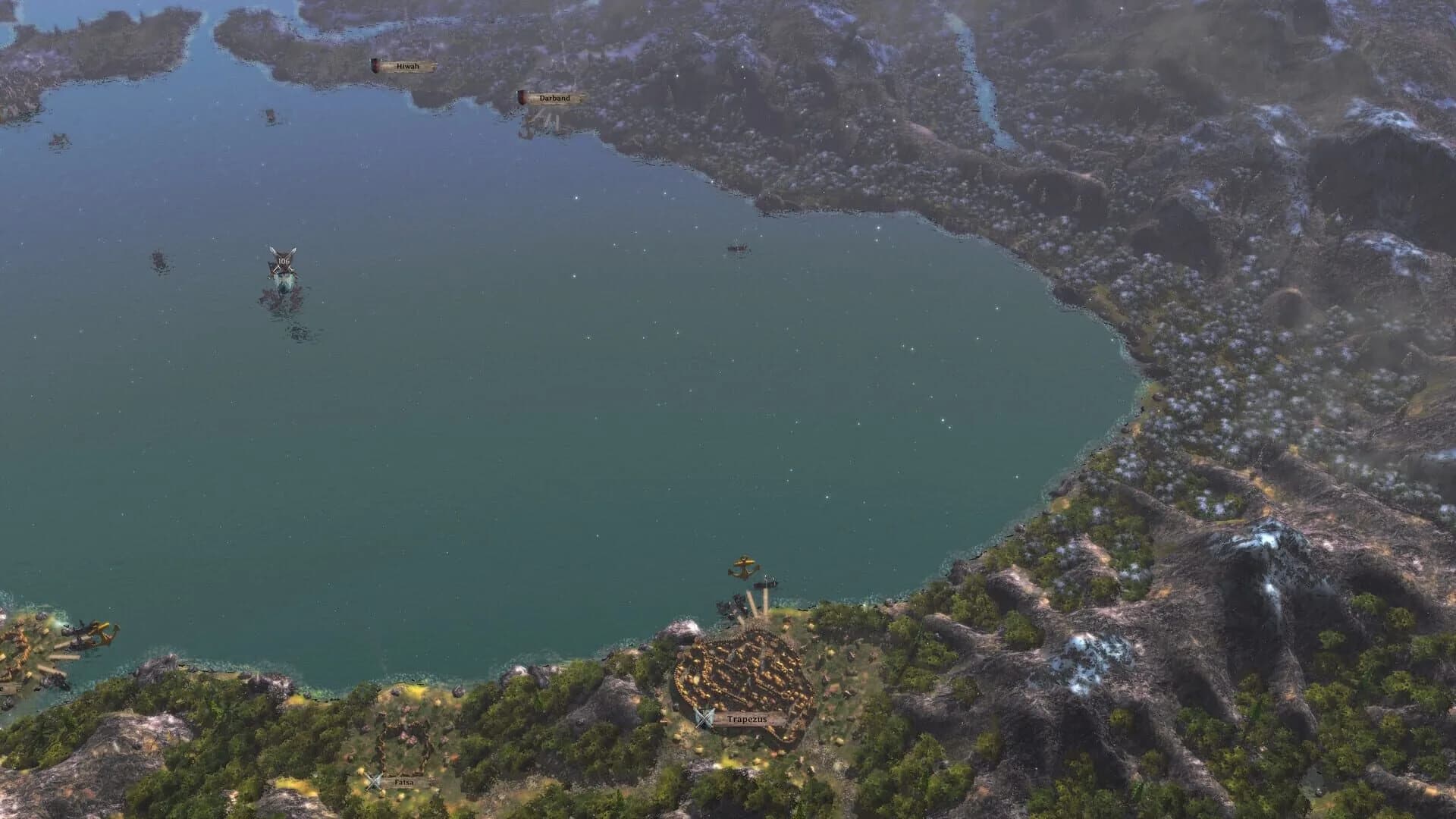
You first have to reframe the comparison that may have seduced. No, City States Medieval isn't really a The Guild: whoever hoped for a simulation of dynasty, family life and social rise through trade and intrigue will be disappointed. The game clearly leans toward strategy and siege, with management and diplomacy present but subordinate to the military. It's not a flaw in itself, but a necessary clarification: you have to come for the Stronghold slumbering in it, not for the medieval life sim the comparison might have led you to hope for. Miscalibrated expectations are the first trap to avoid.
The other reservation is its early-access status. City States Medieval displays its core systems, building, strategy, diplomacy, trade and combat, but a game this ambitious, juggling so many pillars, is judged on the balance and depth of the whole over time. It's too early to say whether all these systems mesh harmoniously or whether some stay on the surface, and the experience will call for content, balance and polish before fully keeping its promise. It's a promising work site more than a finished edifice, to approach betting on its evolution as much as on its present state.
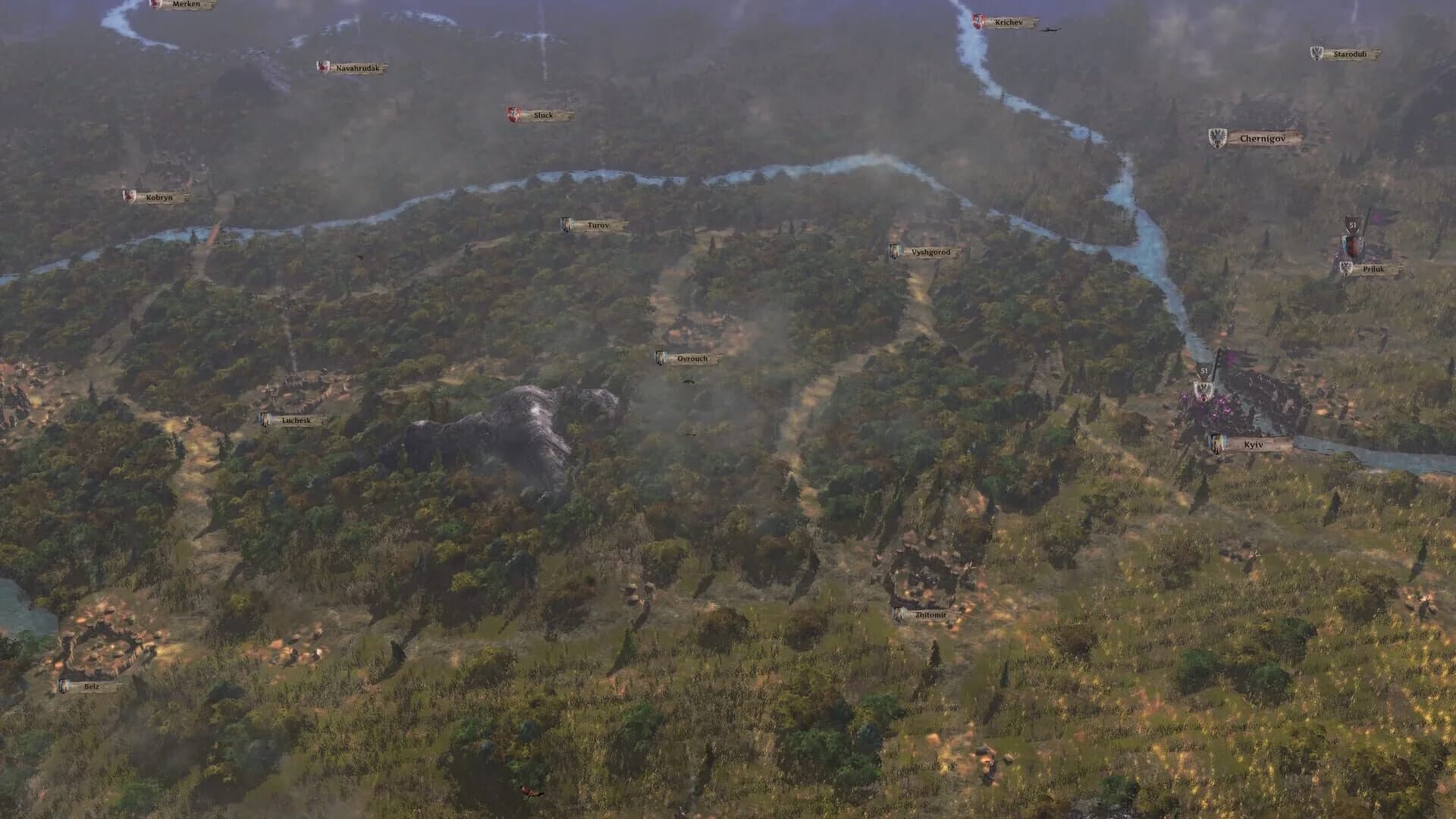
City States Medieval is an ambitious proposition that will speak to the medieval optimizer, provided you come for the right reasons. Its siege core, blending tactical combat and tower defense in Stronghold's owned lineage, offers a rewarding playground of placement and anticipation, thickened by building, diplomacy and trade systems that give the loop depth. For whoever loves fortifying, planning and dissecting a map to build the ideal defense on it, there's plenty here to satisfy the methodical strategist we are, with a pleasant richness of systems to explore.
You just have to reframe expectations and accept its status. The comparison with The Guild is misleading: it's a strategy and siege game before being a life and dynasty simulation, and whoever hoped for the latter will leave frustrated. And its early access, while laying solid and ambitious foundations, still calls for balance, content and polish to confirm all its pillars hold together over time. It's a promising work site, cut out for the patient medieval strategy fan, ready to bet on its evolution as much as to savor its already substantial present.
A medieval strategy with a siege and tower-defense core, closer to Stronghold than The Guild, with real management depth: promising for the optimizer, but still an early-access work site.
Strengths:
Weaknesses:
Tested on PC, in early access.
Disagree with the score? Come and tell us on the InsertCoins Discord, where we defend our verdicts live.
Community
Your rating
Advertisement
Loading comments...
You might also like
You struck a deal with a dragon. All that is left is serving both sides without either finding out. The 1.0 lands on 23 October.
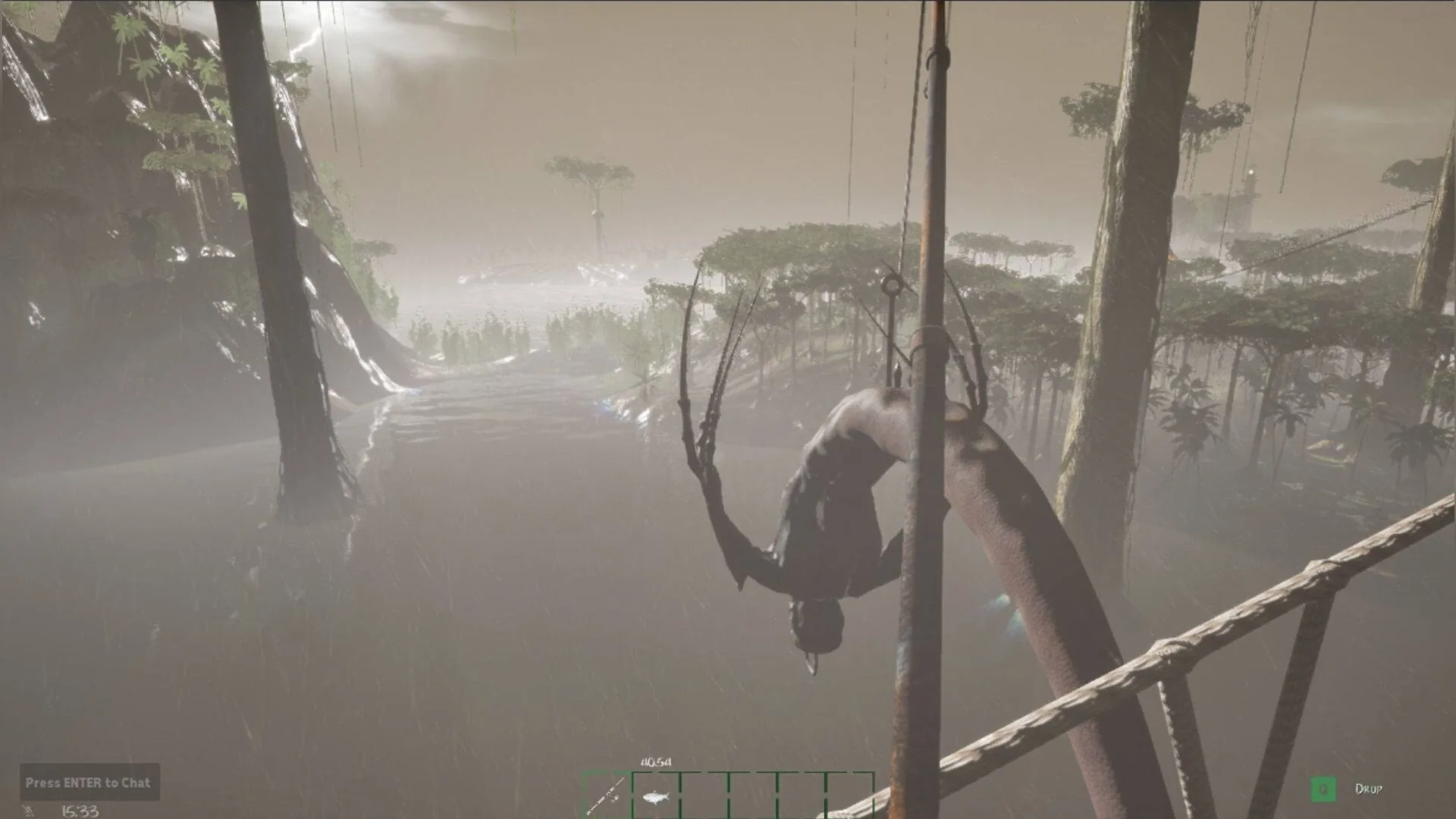
A co-op horror fishing game at nine euros. You must sacrifice fish every day, and the beast is not the worst thing out there.

Scrapheap robots sent to exterminate a planetary fungus. The 1.0 lands tomorrow, and the upgrade grid is the genre's best idea.