7
Test
Barfender: my idiotic friend drank all the beers
A co-op bar that collapses while you serve. 98 per cent positive, and one of the rare times chaos is the actual subject.
Alexandrosse
7 min
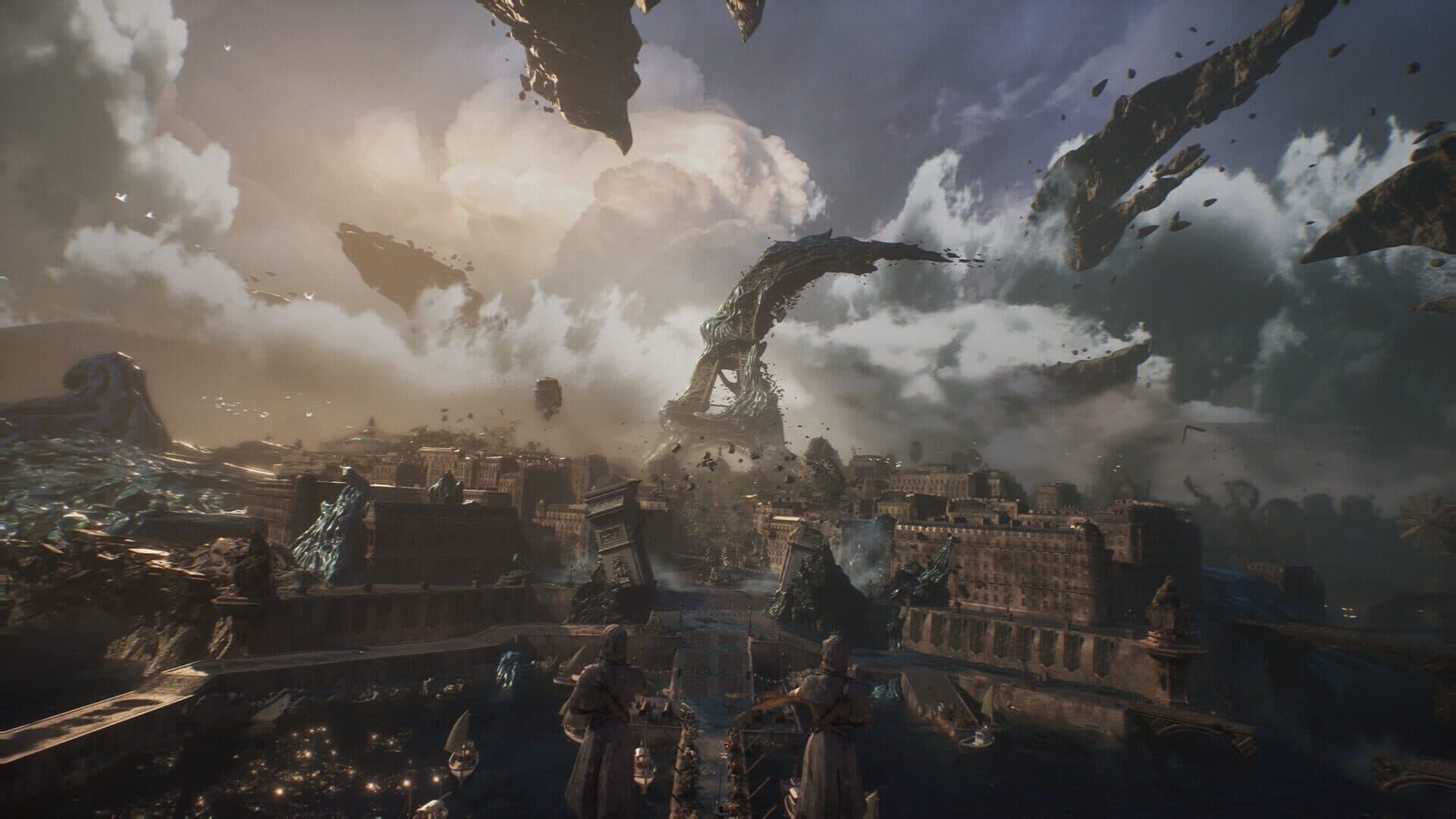
Rarely has an RPG given such a strong impression of being both highly accomplished in its intentions and still fragile in its execution. That tension is precisely what makes the game fascinating, and frustrating.
Alexandrosse
InsertCoins.press Score
7.5/10
Verdict
Recommended
With Clair Obscur: Expedition 33, Sandfall Interactive delivers a debut game that leaves no one indifferent.
Rarely has an RPG given such a strong impression of being both highly accomplished in its intentions and still fragile in its execution.
That tension is precisely what makes the game fascinating, and frustrating.
So yes, it deserves to be talked about. But not the same way everyone else is talking about it.
From the very first minutes, Expedition 33 catches your eye.
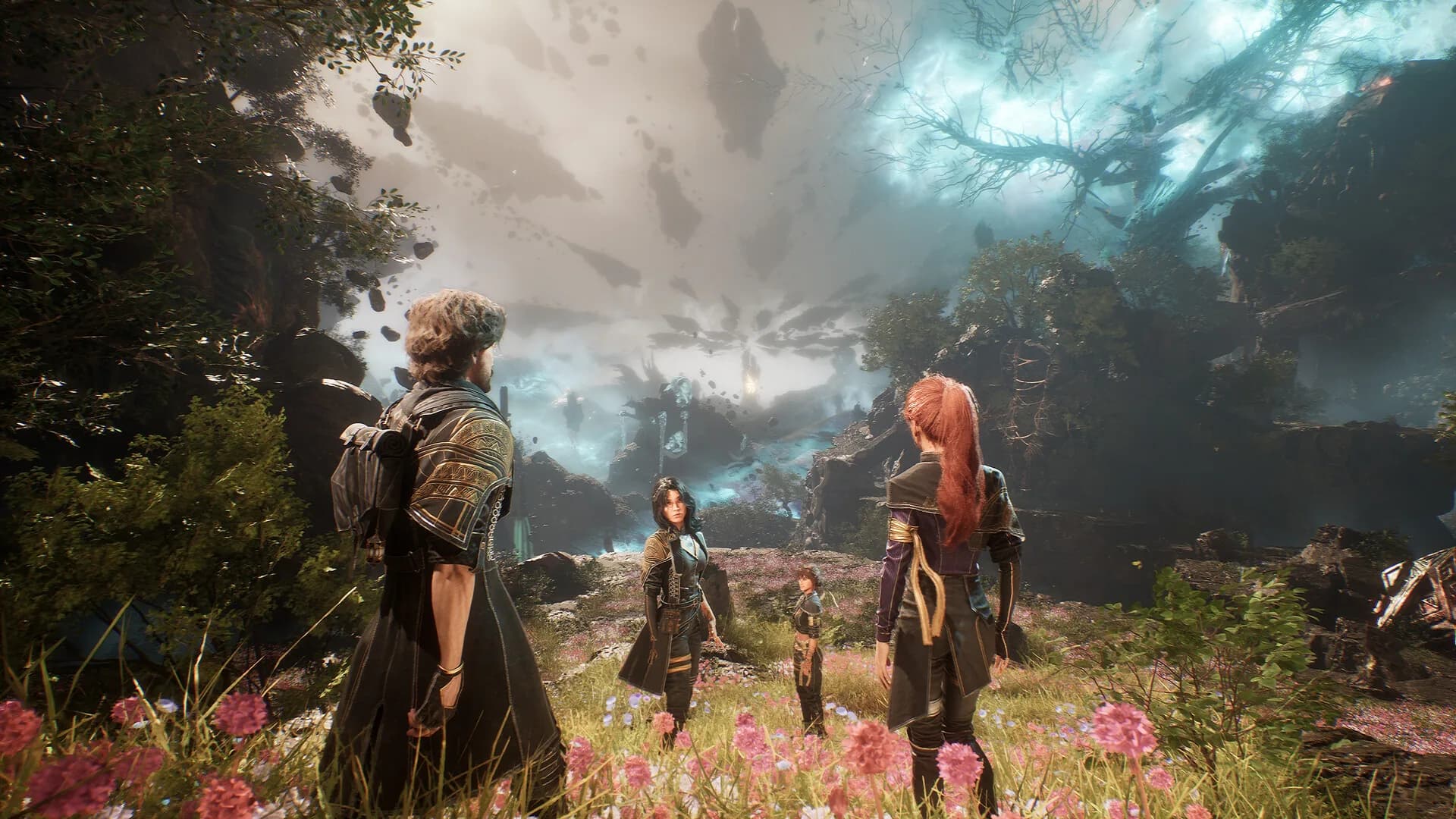
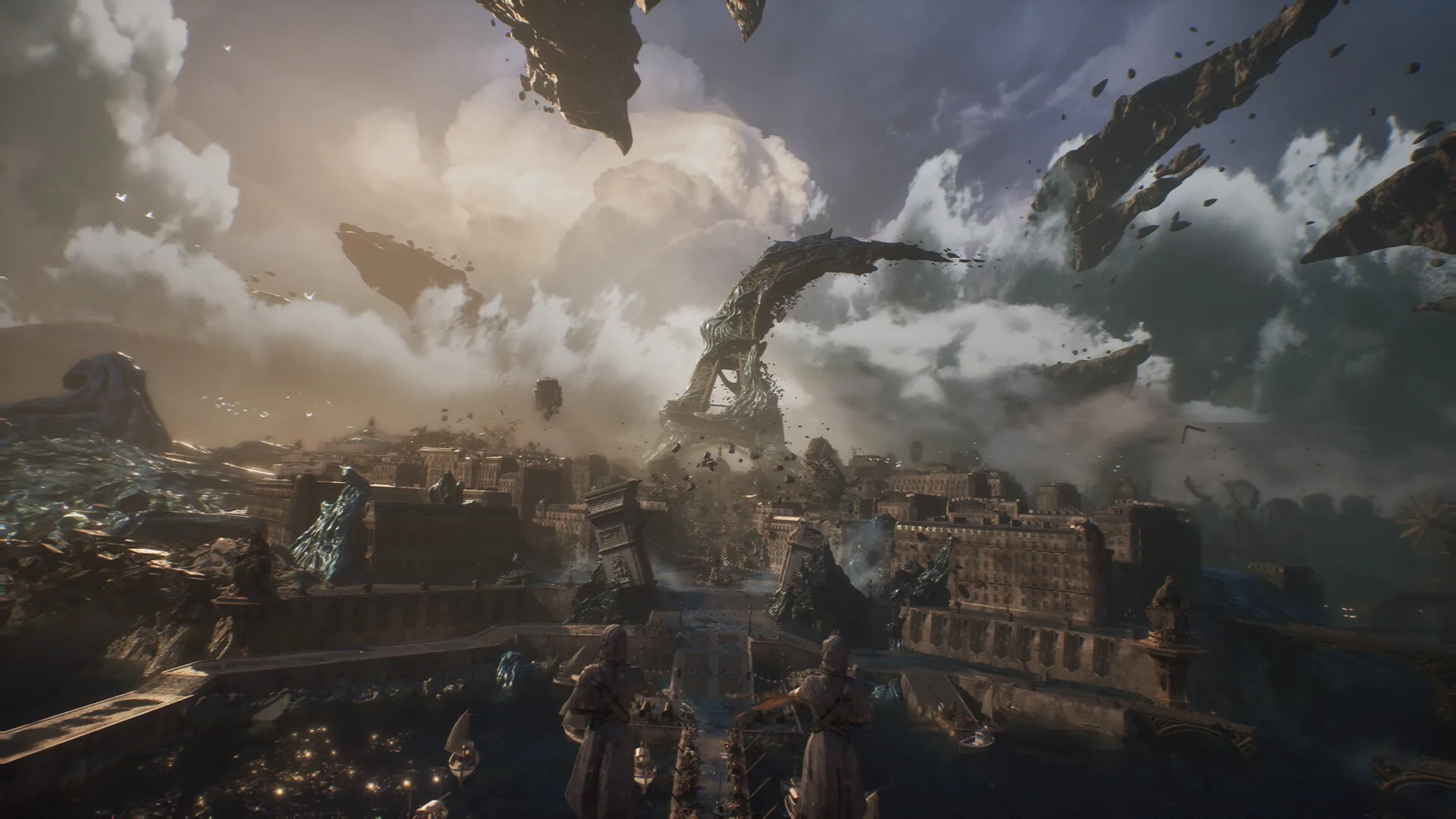
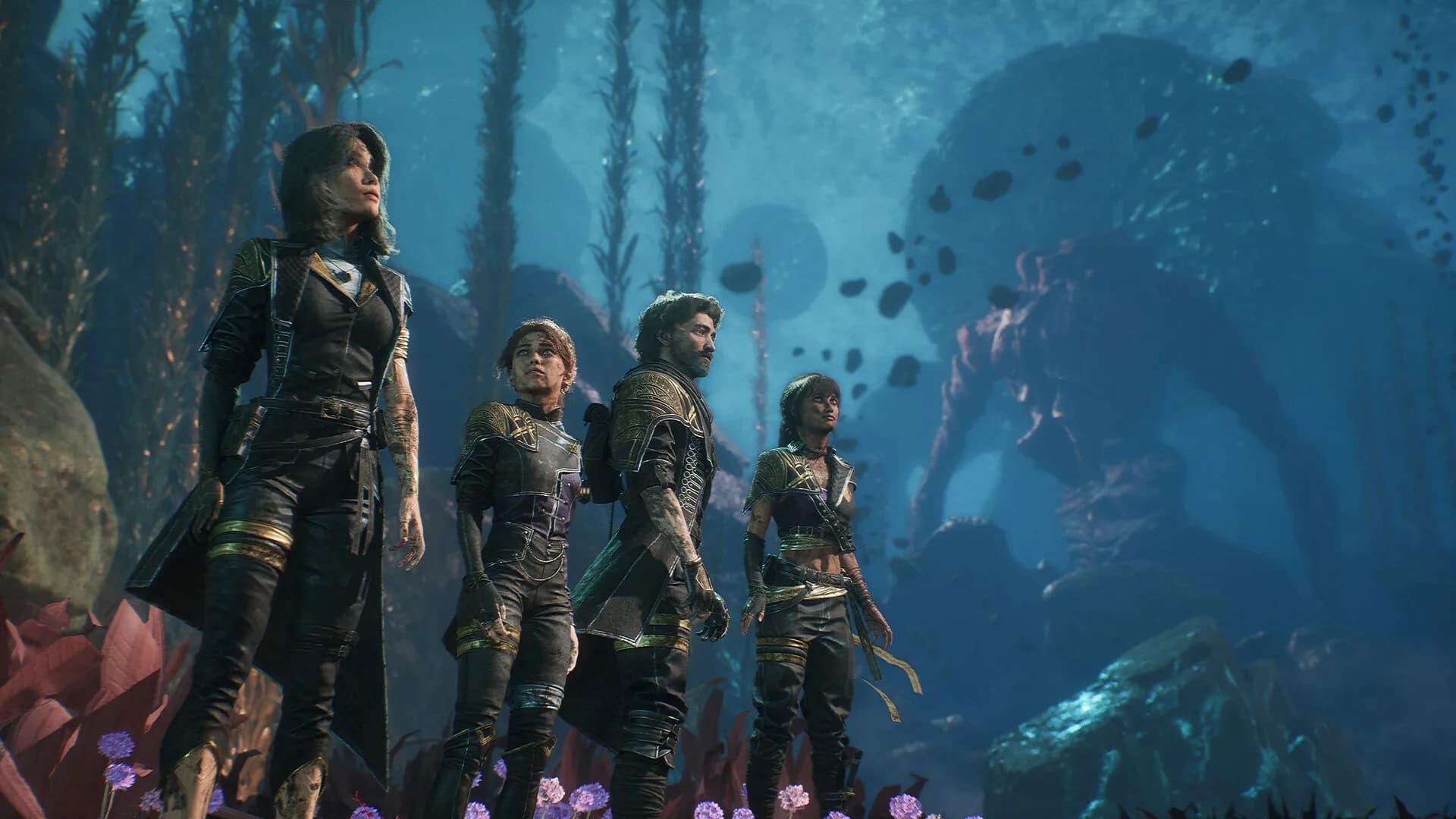
Its visual universe is singular. The painterly inspirations are worn openly, the warped Belle Epoque atmosphere is pitched just right, and the dark but nuanced palette establishes a strong identity from the opening seconds. Every zone feels conceived as an artistic composition. There's a clear intention at work: to offer something other than the usual codes of fantasy RPGs.
On that specific point, the game succeeds.
The environments are beautiful, the visual effects are controlled, and the overall aesthetic coherence is genuinely impressive for a studio's first release. Sandfall has clearly defined its visual identity, and you feel it.
But this visual success also conceals a more subtle inconsistency.
This is arguably the most striking, and most unsettling, flaw.
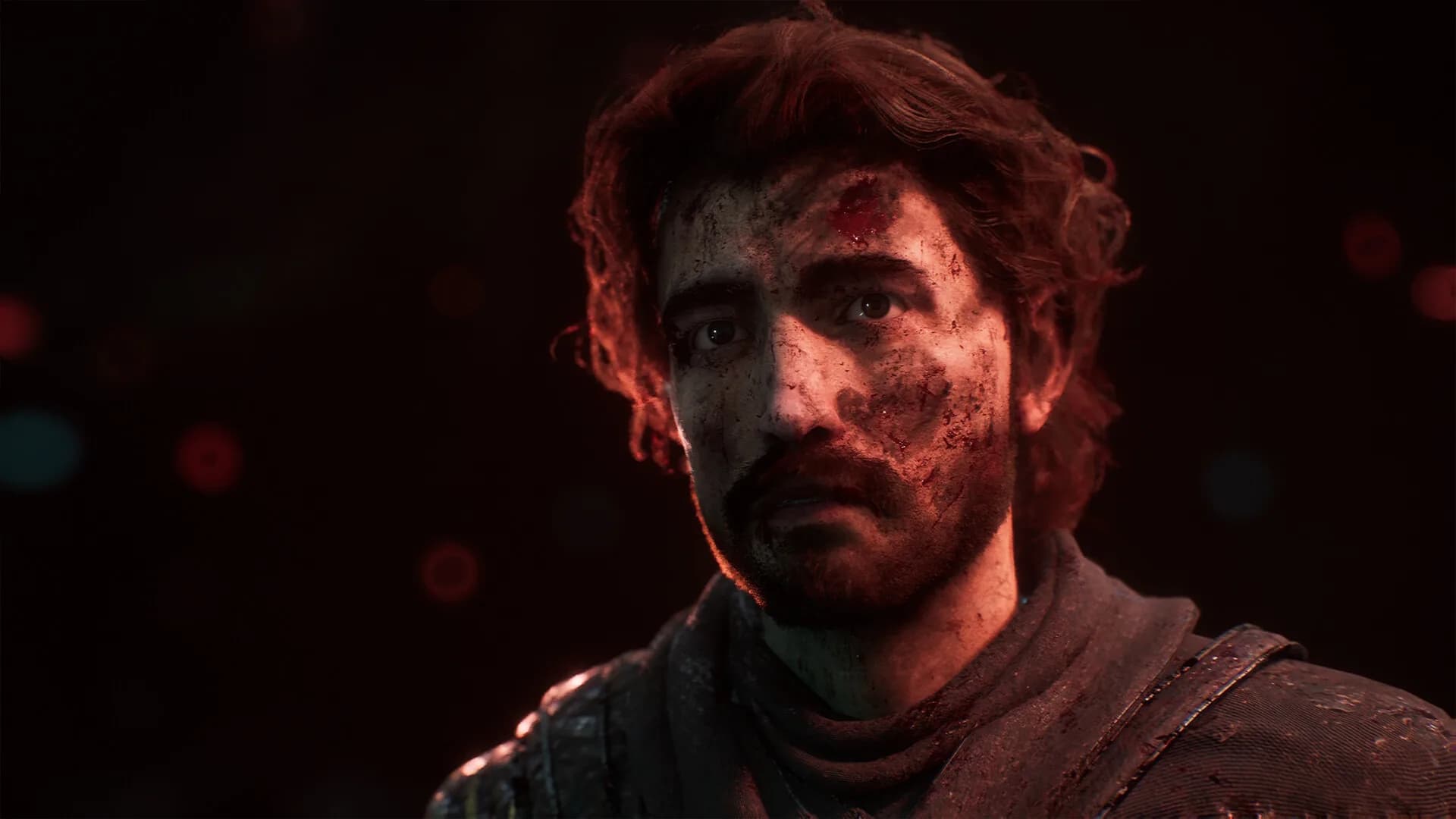
The faces, and above all the eyes, lack life. They sometimes feel frozen, failing to translate the emotions that scenes are trying to convey. In a game so centred on its atmosphere, its characters, and its relationships, that's a real problem.
Some scenes that are meant to land hard fall flat. The eyes don't "respond." The expressions look artificial. The emotion either doesn't come through, or comes through halfway, which is sometimes worse.
It's not constant. There are moments where it works, where the staging compensates for the animation's limits. But it happens often enough to create a permanent distance. You observe more than you feel. And in a narrative RPG, that's an expensive gap to leave open.
Other studios have faced this problem in their first projects. Some survived it because the writing was strong enough to make animation secondary. Here, that's not quite the case.
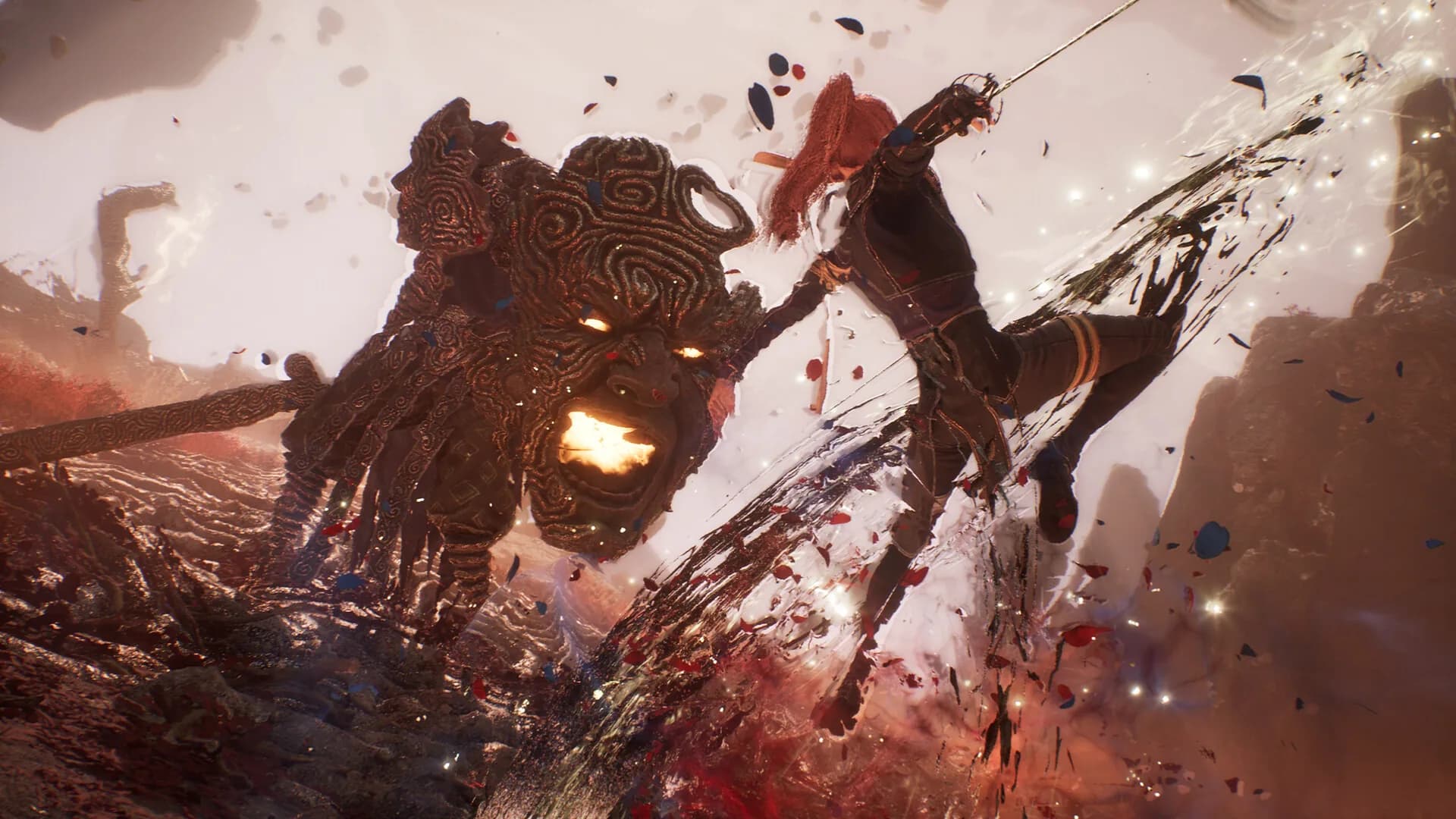
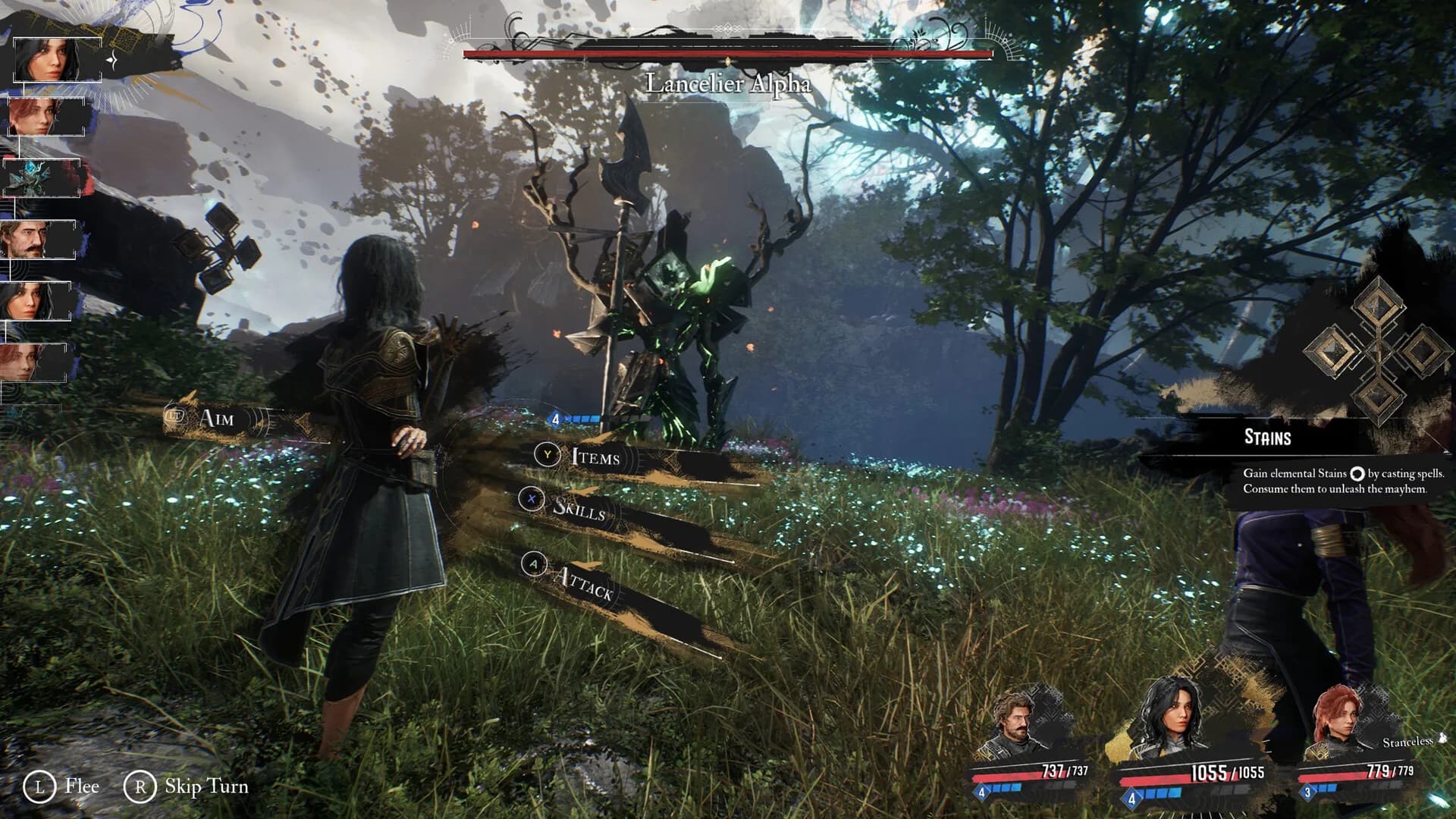
The combat system is clearly one of the game's strongest points, and the thing that most distinguishes Expedition 33 from its competition.
On paper, it's turn-based. In practice, it's far more active. Attack timings require real concentration, real-time dodges stay precise to execute, parries are tense, and the strategic management of skills adds genuine depth to each encounter.
The first few hours are excellent. You're involved, focused, almost tense at every fight. The system makes you want to improve, sharpen your reflexes, better understand enemy patterns.
But over time, a certain weariness sets in.
Fights begin to follow similar patterns. Enemies sometimes lack real variety beyond their visuals. And the mechanics end up mastered a little too quickly, which strips away some of the tension that made the early game so compelling.
It's not a disaster. The system remains good. But it loses intensity as the hours pile up, when better difficulty curve balancing, or greater variety in encounter types, would have maintained engagement far longer.
This is exactly the kind of system that would have benefited from one more iteration during development.
The game sets up a strong, almost poetic concept.
There are genuinely good ideas in the writing: a constant tension between characters, a mystery kept well alive, a universe that intrigues enough to push you forward. You sense that the writers had something real to say, and that they put genuine intention into it.
But the narrative suffers from several problems that prevent it from reaching the full power of what the game is aiming for.
The pacing is uneven. Some sequences are slow without being contemplative; others accelerate too abruptly. Dialogue is sometimes too neutral for what it's supposed to express. And certain emotional scenes that could have been memorable are weakened by staging that doesn't keep up with the ambition of the text.
And again, the facial animation problems compound these flaws. You understand what the game is trying to tell you. But you don't always feel it. In an RPG, that's a distinction that matters enormously.
There are moments where it works. Instants that deliver on their promise. But they're fewer than you'd hope given the care lavished on the visual universe.
After several hours of play, a fairly clear impression emerges.
The game is better at its ideas than at realising them.
You feel a strong vision, a real sense of direction, a desire to offer something different. All of that is there, tangible, and it's genuinely appreciated from a debut studio.
But you also feel a lack of polish. Systems that could have gone deeper. A balance that's sometimes fragile between what the game wants to be and what it manages to do.
This is exactly the kind of game where you often think: with a bit more time or resources, this could have been exceptional. That's not a lazy critique, it's the honest assessment of an ambitious first project running into its own limits.
Many studios have been there. Some got the chance at a second game, and that's where they truly broke through. Sandfall deserves that chance.
What makes Expedition 33 hard to score cleanly is its deeply uneven nature.
At certain moments, it impresses. It surprises. It holds your full attention and completely justifies the hype around it. Those moments exist, and they're real.
At other moments, it wears you down. It distances you. It reminds you of its limits at precisely the wrong moment, breaking immersion just as it was beginning to build.
It's a jagged experience, one where you oscillate constantly between admiration and frustration. Between wanting to defend the game and needing to point out its problems without softening them.
And that may be the most honest description of what Expedition 33 actually is: a game you're glad to have played, but not one that's beyond legitimate criticism.
Because the avalanche of perfect scores that followed launch does the game no favours. It sets expectations. And when those expectations collide with the reality of the experience, the disappointment hits all the harder.
An honest 7.5 is worth more than a complicit 9.
Strengths:
Weaknesses:
Clair Obscur: Expedition 33 is a game you genuinely admire without ever fully surrendering to it.
It offers a vision, an atmosphere, a real personality. But it trips on details that, accumulated, end up mattering.
And those near-empty eyes end up symbolising the rest: a game full of intention, that sometimes struggles to transmit the emotion it's aiming for.
An imperfect work, but an interesting one. A promising first step. And above all, a studio to watch very closely.
Tested on PC, full version
We debrief every release on our Discord. The door is open, and so is the argument.
Community
Your rating
Advertisement
Loading comments...
You might also like
A co-op bar that collapses while you serve. 98 per cent positive, and one of the rare times chaos is the actual subject.
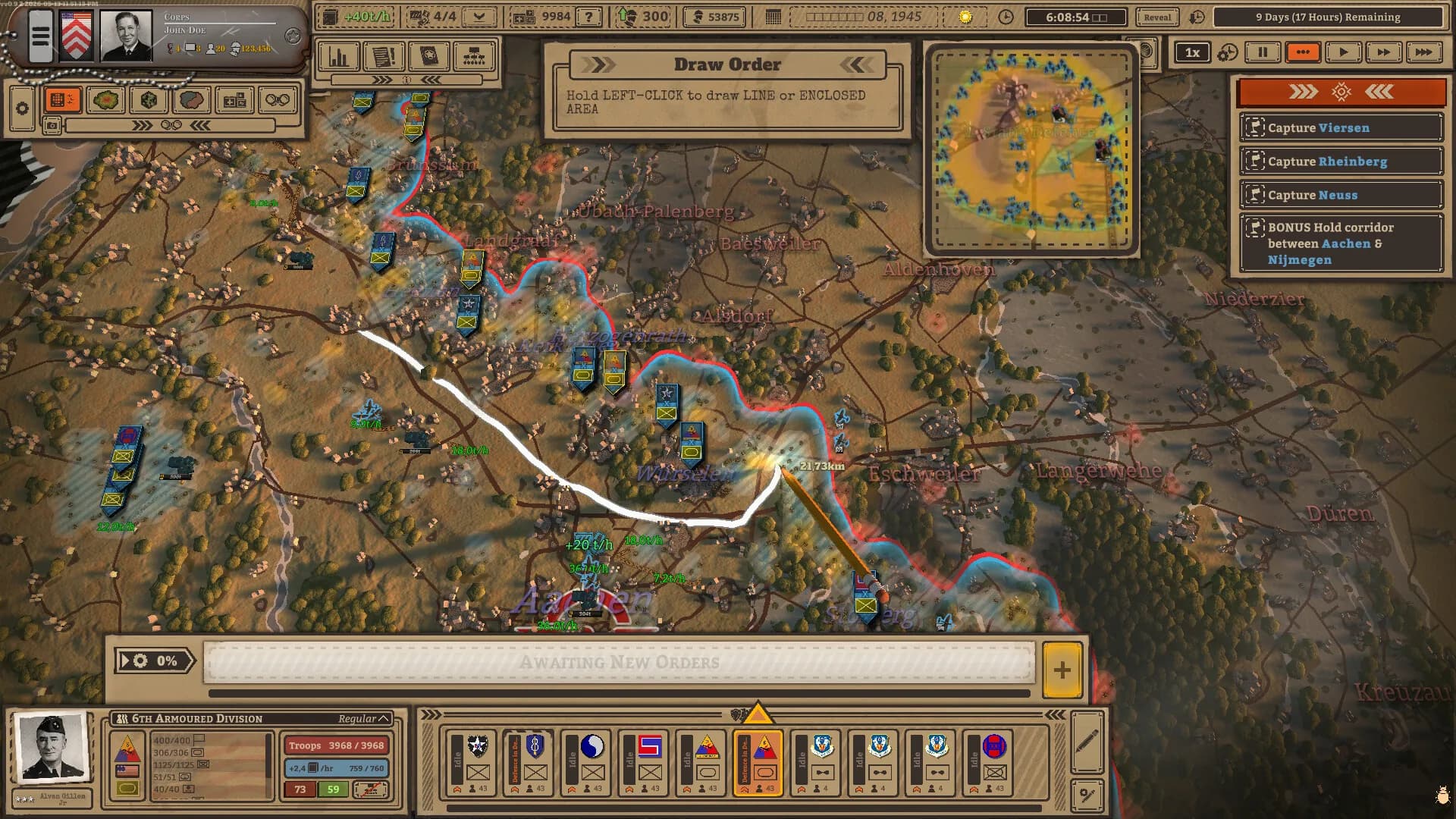
You draw a plan on the map and officers execute it alone. Except the game crashes every other planning phase.
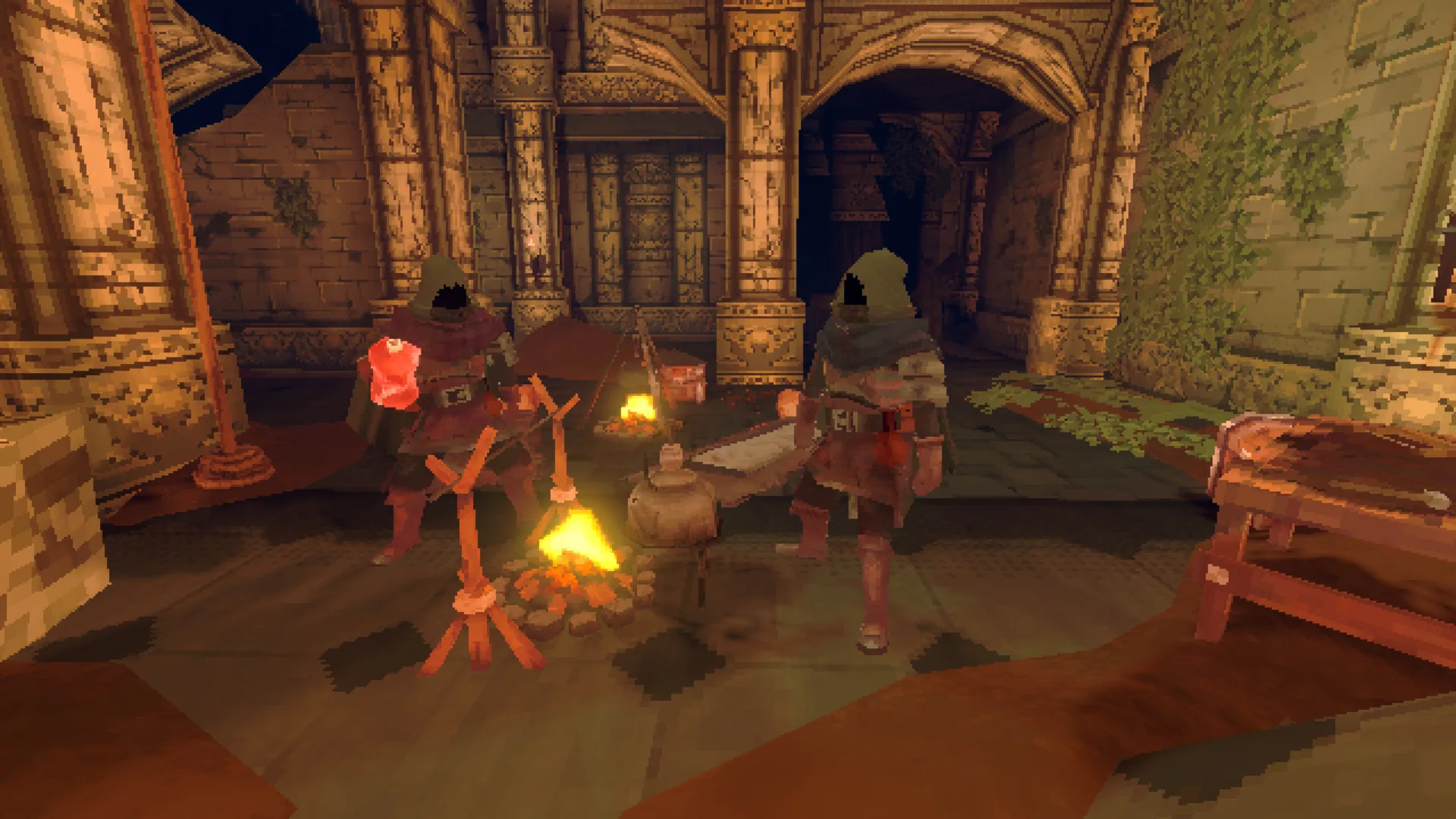
The Knights of Pen & Paper team return with a dungeon where you come back to camp, cook, and unlock recipes that change your stats.