7
Test
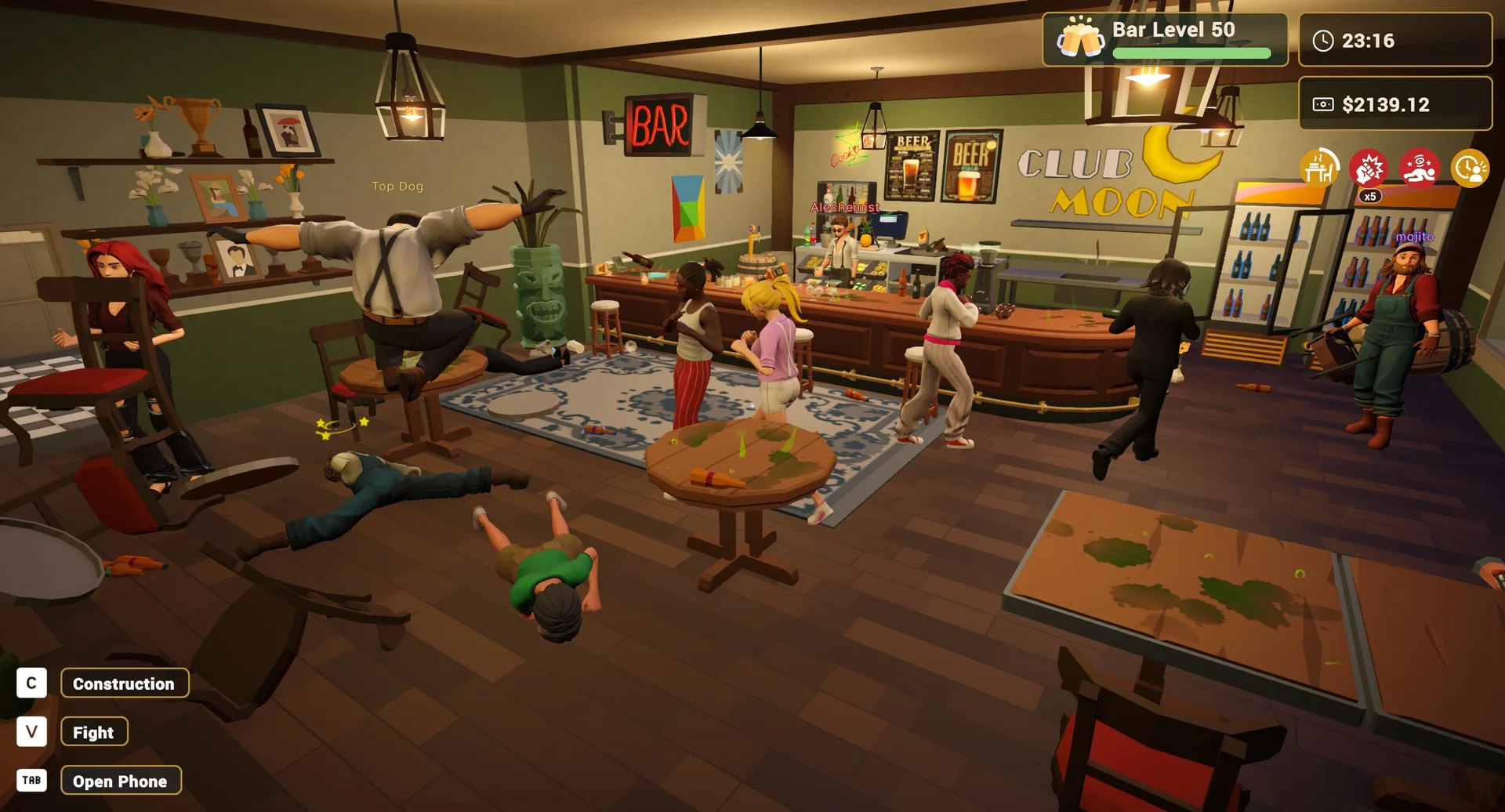
Barfender: my idiotic friend drank all the beers
A co-op bar that collapses while you serve. 98 per cent positive, and one of the rare times chaos is the actual subject.
Alexandrosse
7 min

Cleaning Up! belongs to that category of games that bet everything on a simple concept. Perhaps too simple. An idea without development, a loop without soul, and a lasting impression of a demo that leads nowhere.
Alexandrosse
InsertCoins.press Score
4/10
Verdict
Disappointing
Some games rest on complex ideas. Others on deep mechanics. And then there are those that bet everything on a simple concept, almost too simple, and hope that simplicity alone will be enough to create something worthwhile.
Cleaning Up! clearly belongs to that last category.
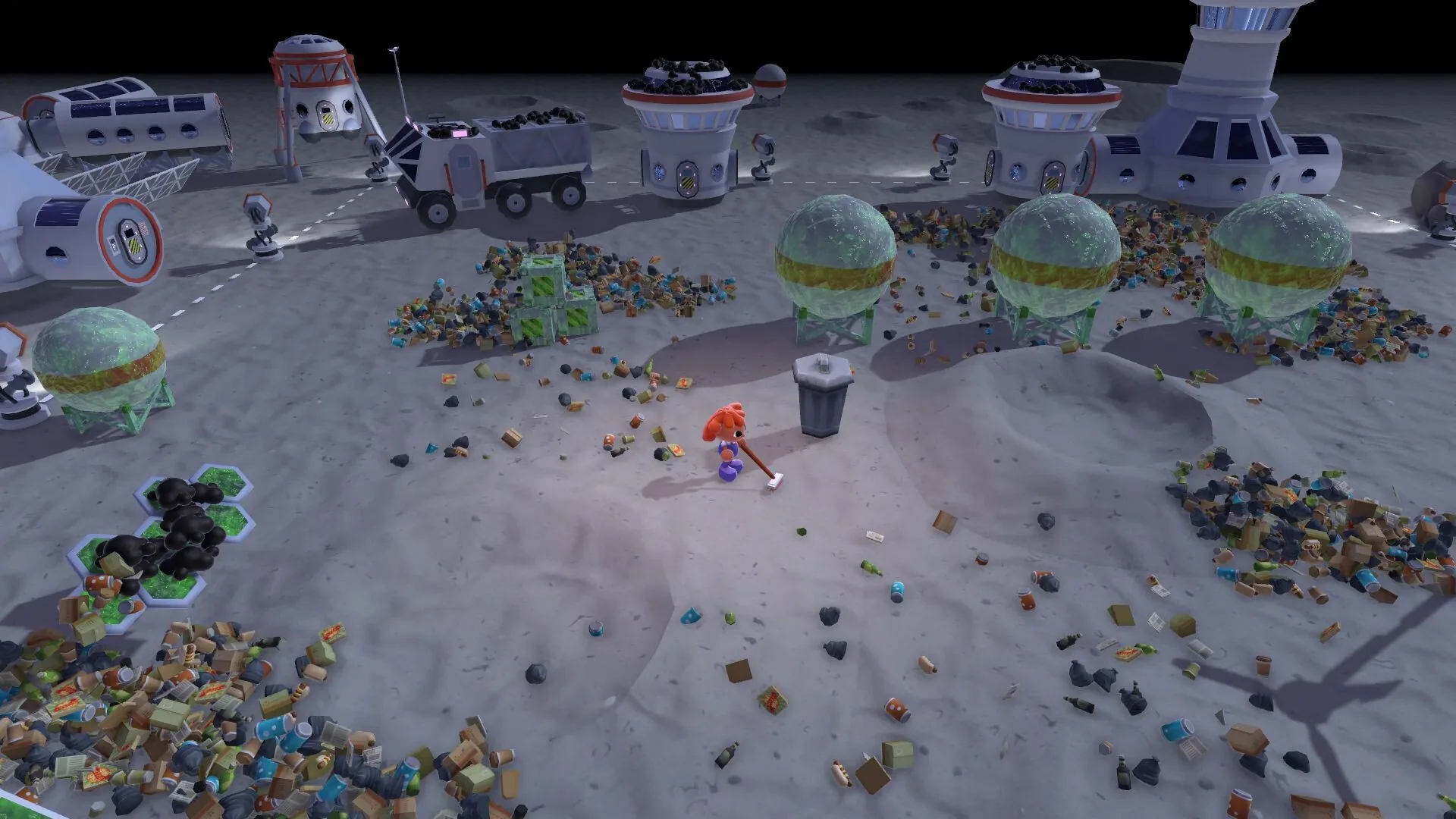
The premise is perfectly transparent: clean. Stains on the floor, objects to put away, surfaces to scrub. You pick up a tool, you clean, you repeat. On paper, it can bring to mind certain recent titles that managed to turn mundane tasks into surprisingly satisfying experiences. PowerWash Simulator understood something. Unpacking did too, in its own way.
But here, the magic doesn't quite materialise. And the reason is simple: Cleaning Up! never tried to understand why those games worked.
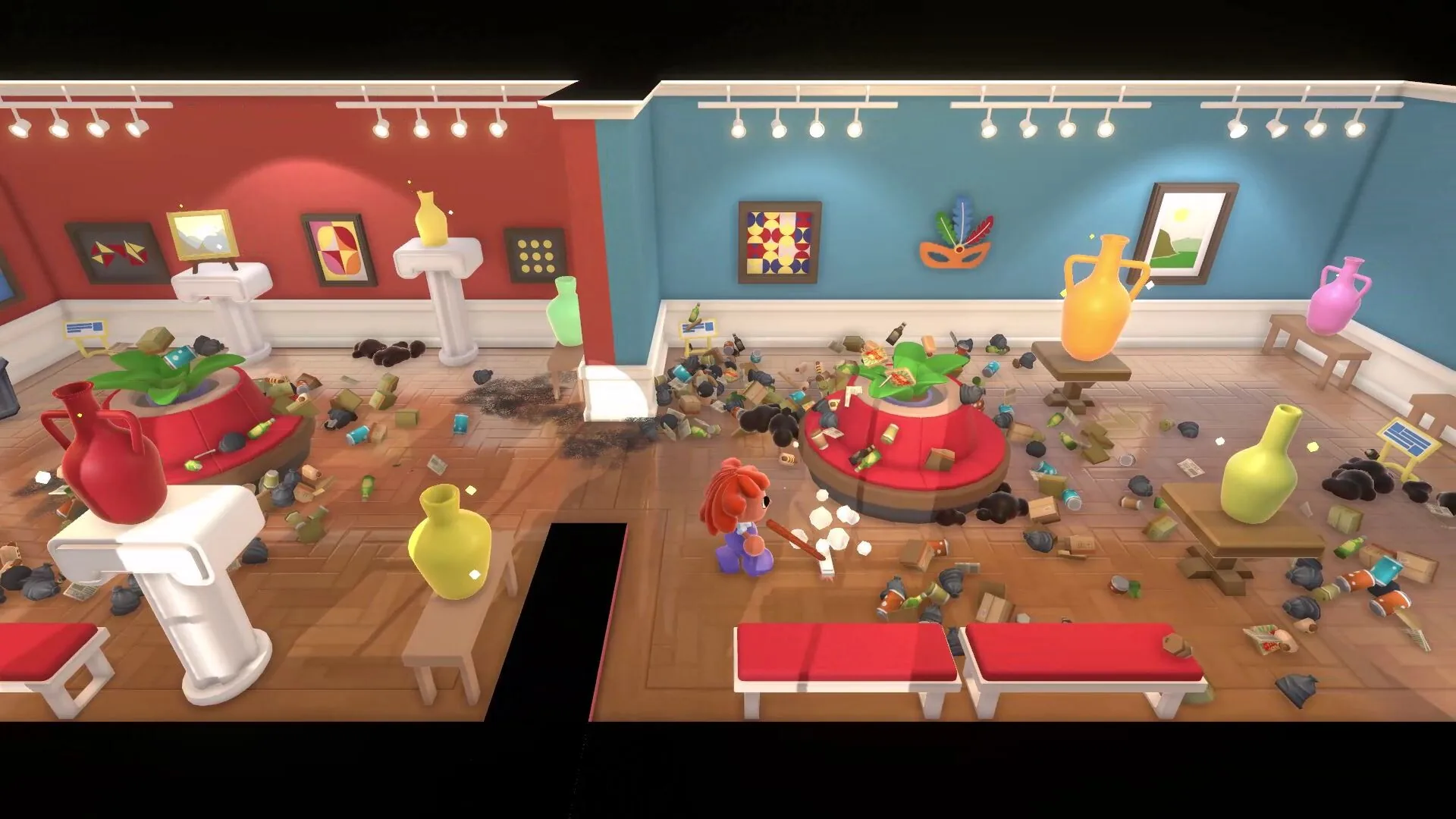
From the moment you launch it, the game doesn't try to mislead you. You're dropped into a cluttered environment, you spot what needs doing, and you do it. Simple, immediate, accessible.
The problem is that this first contact also reveals most of what the game has to offer. There's no revelation after the first few minutes. No additional mechanic to enrich the experience. No layer of depth that gradually unveils itself. What you see at the start is what you'll have until the end.
And that absence of development is the title's central problem.
In practice, Cleaning Up! offers very few mechanics. Tools are limited in number, interactions reduced to their strictest expression: clean, move, repeat. There's no real progression, no skills or equipment system, nothing that gives the impression of growing or mastering something over time.
What makes certain task simulators effective is that sensation of increasing control. The player starts clumsy, learns, becomes more precise, faster, more efficient. There's a satisfaction born from progress, even symbolic progress.
Here, that satisfaction never arrives. You do the same thing in the same way from start to finish. The game asks nothing more of you, and in return gives nothing more back.
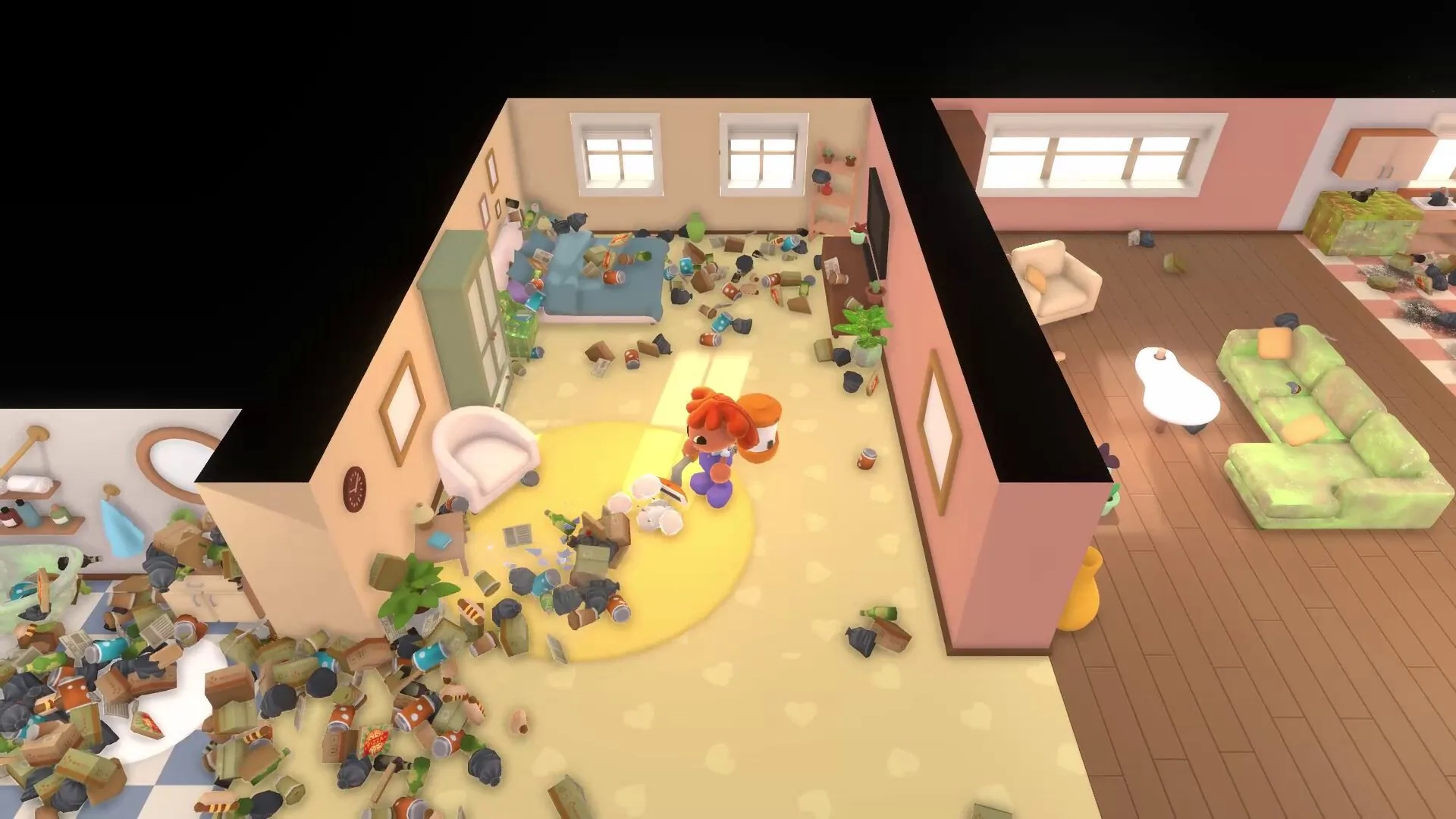
Where some simulation games manage to create a satisfying loop despite their simplicity, Cleaning Up! locks itself into an almost mechanical repetition within the first few minutes. The same actions, the same sensations, no renewal. There's no escalation, no surprises, no moment where the game decides to reveal itself from a different angle.
This isn't a question of timing or patience. It's not a game you need to let breathe before it shows its hand. It's simply that the experience doesn't change. You're not underestimating something: what you see is what's there.
And that absence of evolution weighs on you very quickly.
A problem perhaps even more fundamental: the game never creates a reason to keep going. There's no genuinely motivating reward system, no real challenge, no objective that makes you want to see what comes next. Cleaning Up! never pushes the player to invest, to improve, to come back.
You can stop at any moment without feeling frustrated. But more importantly, without feeling any attachment. That quiet detachment is perhaps the worst thing a game can provoke: indifference. Not anger, not disappointment, just indifference.
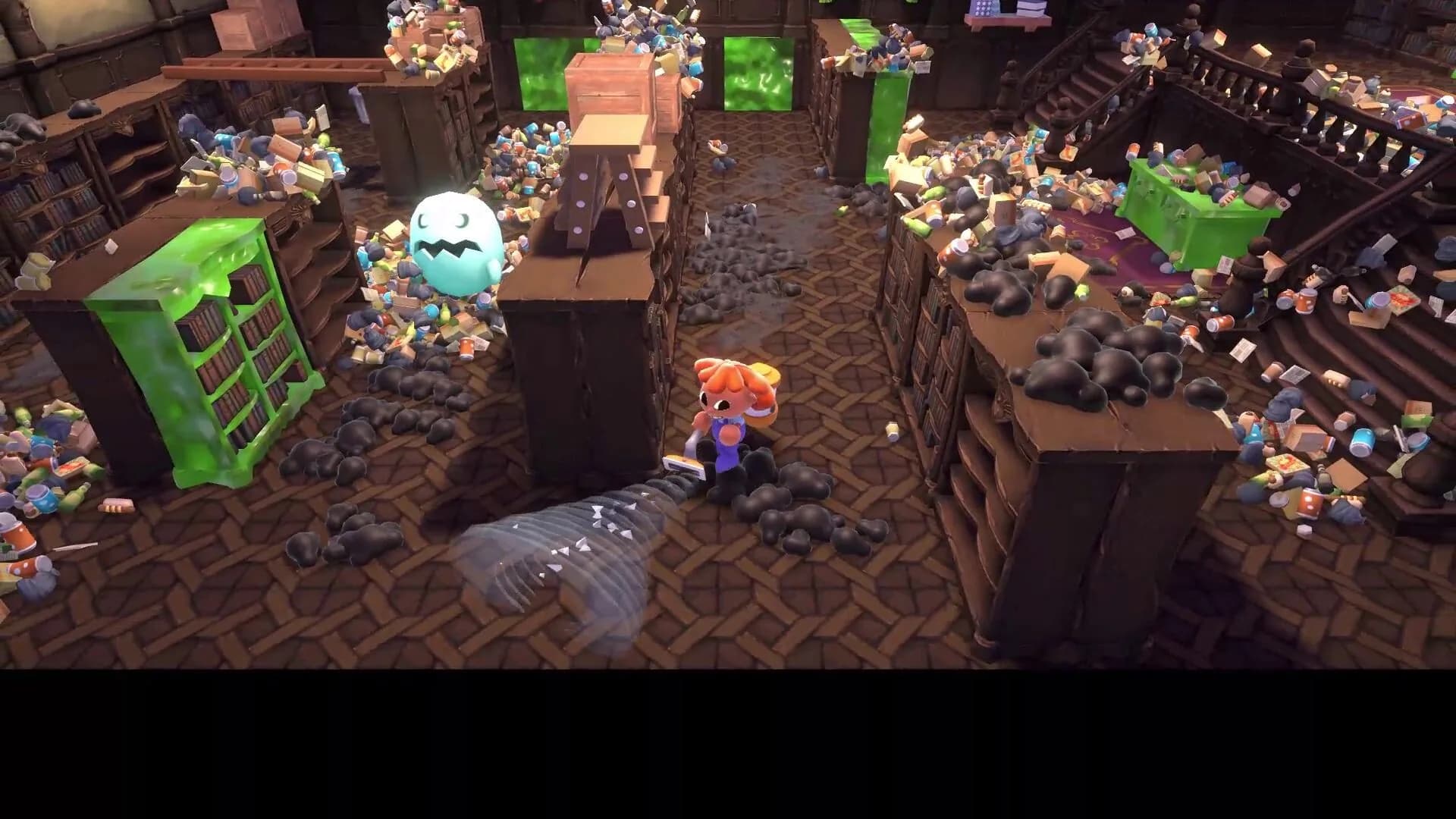
Visually, Cleaning Up! does the bare minimum. The graphics are simple, the interface basic, the animations acceptable without being remarkable. Nothing is technically catastrophic. But nothing leaves a mark either.
The game lacks identity. It lacks style. And above all, it lacks life. The environments exist, but they tell nothing. They're there to be cleaned, not to be inhabited or explored. This isn't a question of budget or team size, it's a question of intention. You don't sense a desire to create something beyond the pretext.
Cleaning Up! gives a very particular impression: that of a game that could almost be a demo. One idea, a quick execution, but no ambition behind it. This is exactly the kind of project you try out of curiosity after seeing a thumbnail somewhere, then uninstall without thinking about it again.
This isn't about condemning simplicity. Some very simple games in concept are among the most memorable there are. But simplicity has to serve something. It has to conceal a depth, or amplify an emotion, or offer an experience that wouldn't be possible any other way. Here, the simplicity conceals nothing. It is the endpoint.
Strengths:
Weaknesses:
Cleaning Up! isn't a bad game in any technical sense. But it's an empty game. It offers an idea without ever developing it, without ever asking itself why that idea deserves to occupy a player's time for more than a few minutes.
In an era where even the simplest concepts can give birth to rich and memorable experiences, Cleaning Up! makes the opposite choice: to stay at the idea stage. Too simple, too limited, too forgettable.
And in gaming, it's not the lack of ambition that's the real problem. It's the absence of any reason to come back.
Tested on PC, full version provided by the publisher
The discussion carries on over on our Discord, where we relitigate scores for far longer than is reasonable.
Community
Your rating
Advertisement
Loading comments...
You might also like
A co-op bar that collapses while you serve. 98 per cent positive, and one of the rare times chaos is the actual subject.
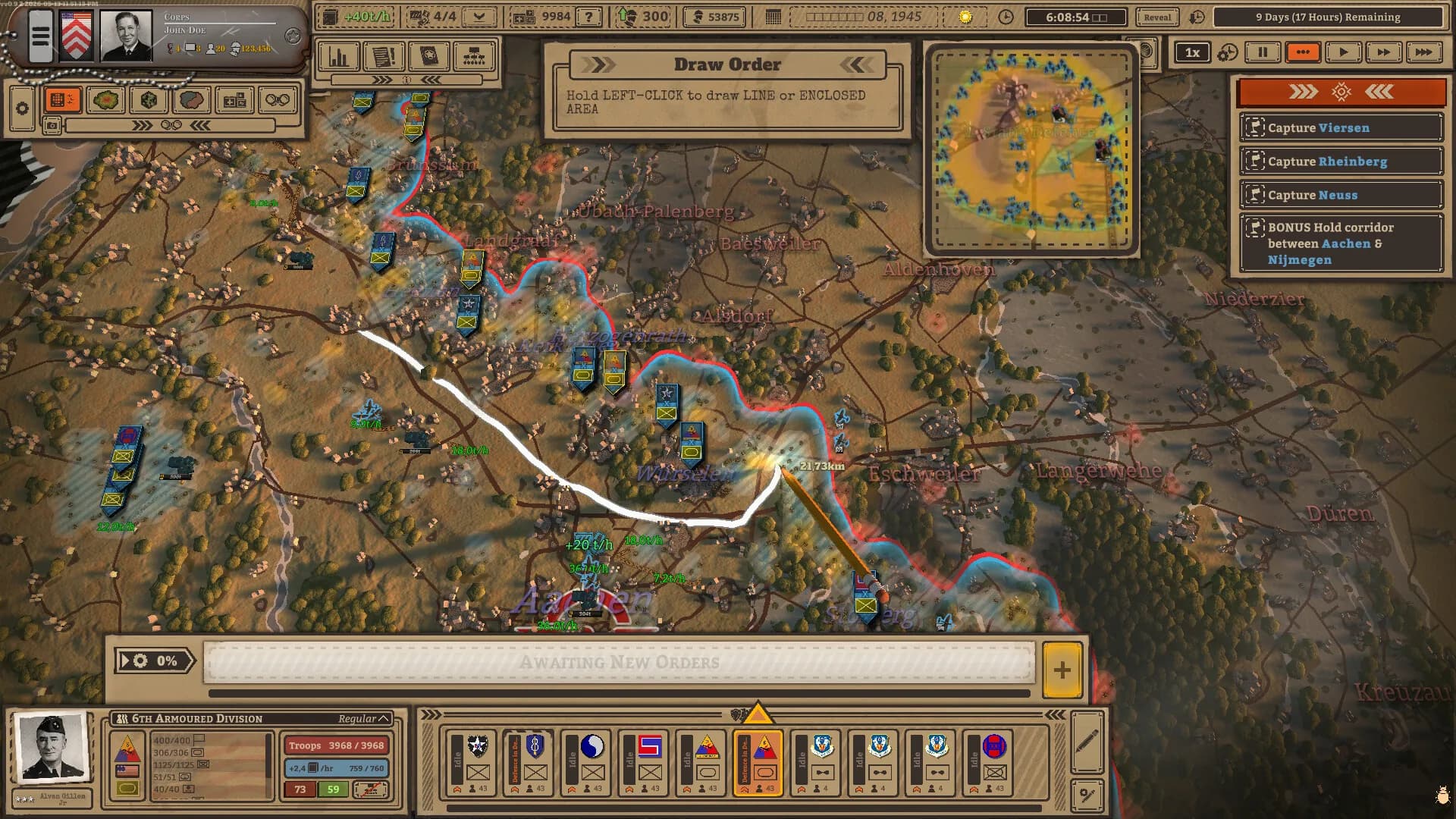
You draw a plan on the map and officers execute it alone. Except the game crashes every other planning phase.
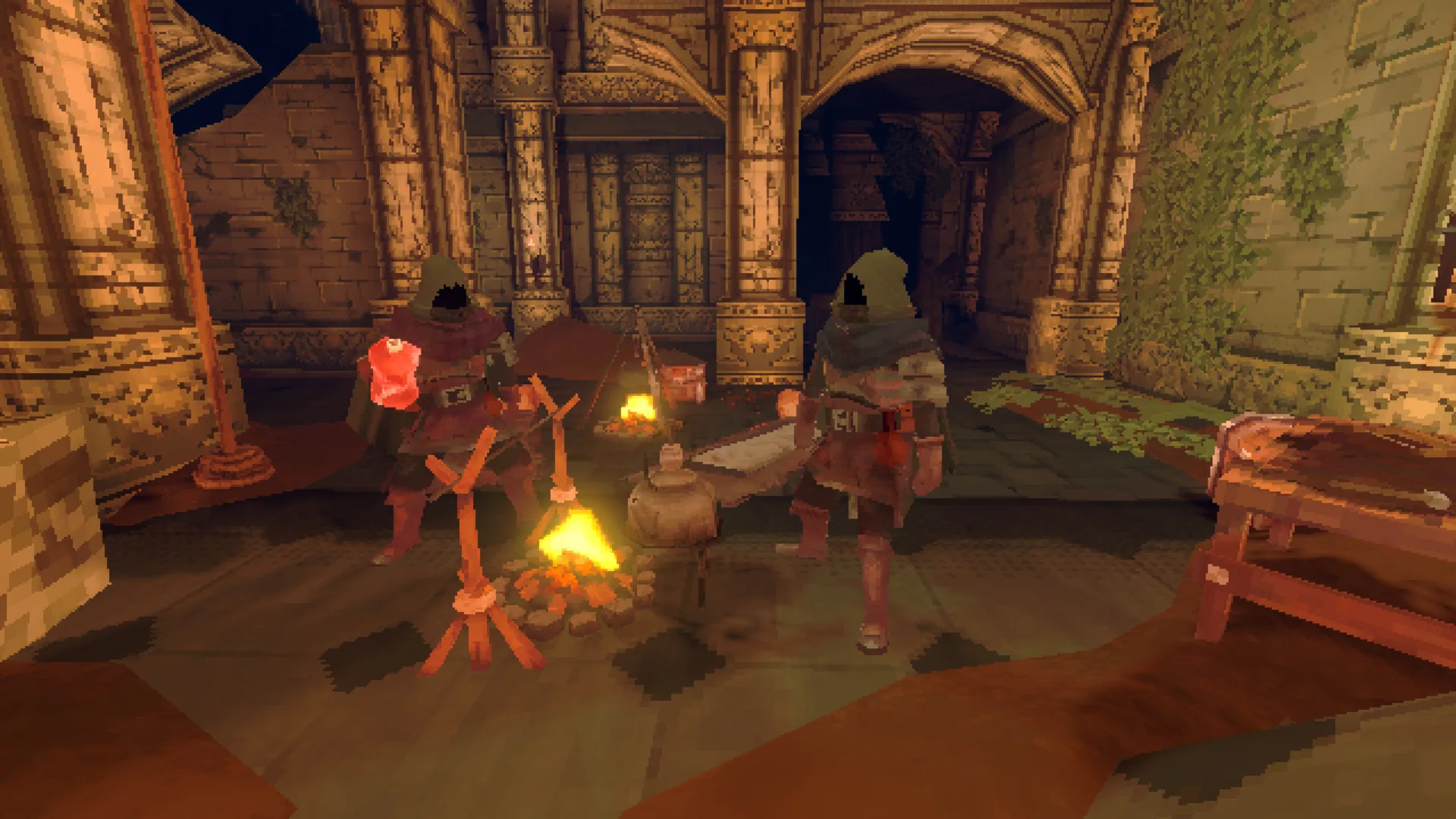
The Knights of Pen & Paper team return with a dungeon where you come back to camp, cook, and unlock recipes that change your stats.