7
Test
Barfender: my idiotic friend drank all the beers
A co-op bar that collapses while you serve. 98 per cent positive, and one of the rare times chaos is the actual subject.
Alexandrosse
7 min
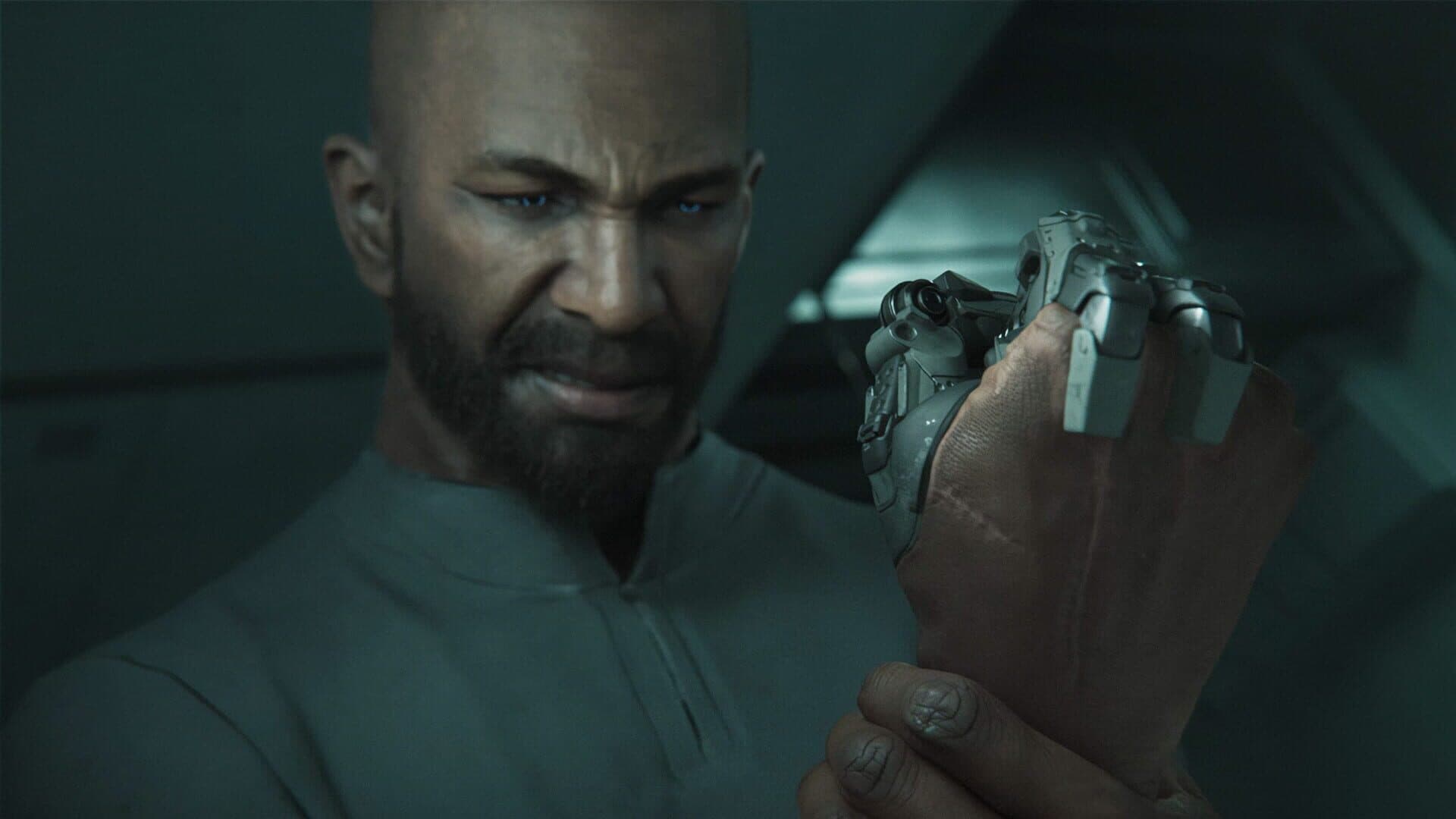
Cthulhu: The Cosmic Abyss doesn't try to scare you. It tries to provoke something rarer: unease. A slow descent toward what surpasses us, faithful to the Lovecraftian spirit, but not without concessions.
Alexandrosse
InsertCoins.press Score
7/10
Verdict
Recommended
Let's be honest: yes, a 7. Again.
That's not a coincidence, and it's not a cop-out. It's simply the reality of what gaming looks like right now: an industry producing many solid, well-crafted titles, sincere in their ambitions, but struggling to cross that final threshold into something exceptional. A 7 isn't a punishment. It's an acknowledgement. The acknowledgement of a game that deserves to exist, that deserves to be played, and that deserves to be talked about honestly rather than drowned in superlatives it never asked for.
Cthulhu: The Cosmic Abyss is one of those games.
There are horror games that rely on jump scares. Others on tension. And then there are those that try to provoke something rarer: unease. With Cthulhu: The Cosmic Abyss, the objective is clear. To adapt the cosmic horror beloved by H. P. Lovecraft without betraying it. No omnipresent monsters. No frenetic action. But a slow, almost inevitable descent toward something that surpasses us.
The question, as always, is whether intention alone is enough.
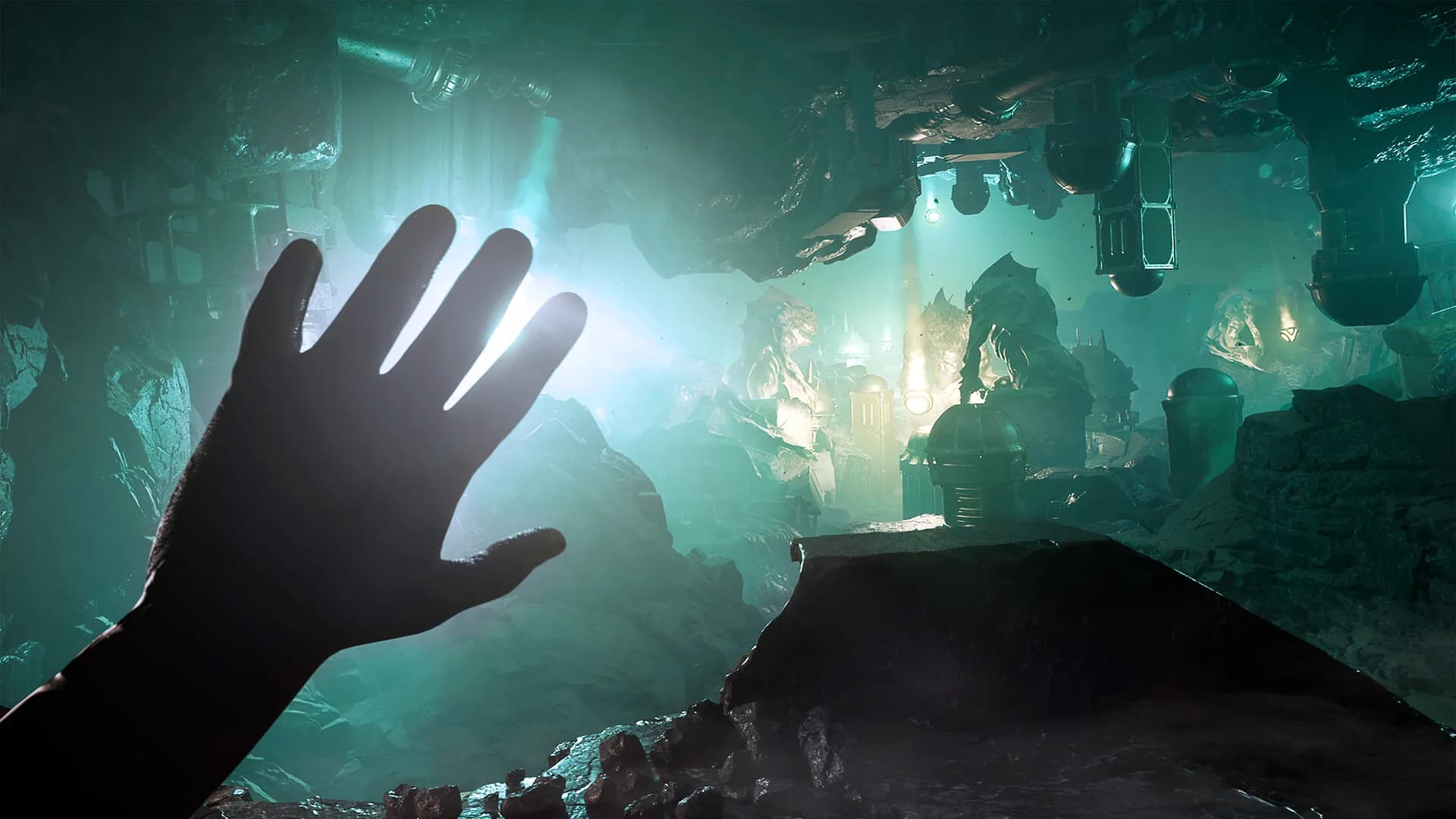
From the very first minutes, the tone is set, and it won't change.
The game doesn't try to frighten you immediately. It builds an atmosphere. The environments are dark, often underwater, lit by a minimalist light that refuses to reveal everything. The background noise is constant, almost organic, as if something is breathing somewhere in the darkness. You move slowly, almost reluctantly, with that persistent impression that something is wrong, without ever being able to pinpoint exactly what.
This is where the game succeeds best. It makes you uneasy. It builds a tension that stretches without releasing. It plays with what the player can't see rather than what they can. And in that very specific register, it excels.
But this approach has real limitations too. The pace is extremely slow. Deliberately, unapologetically so, but slowly nonetheless. Some players will disengage before the atmosphere has had time to fully take hold. And the near-total absence of action can generate legitimate frustration in those who expect something more tangible from their horror experience.
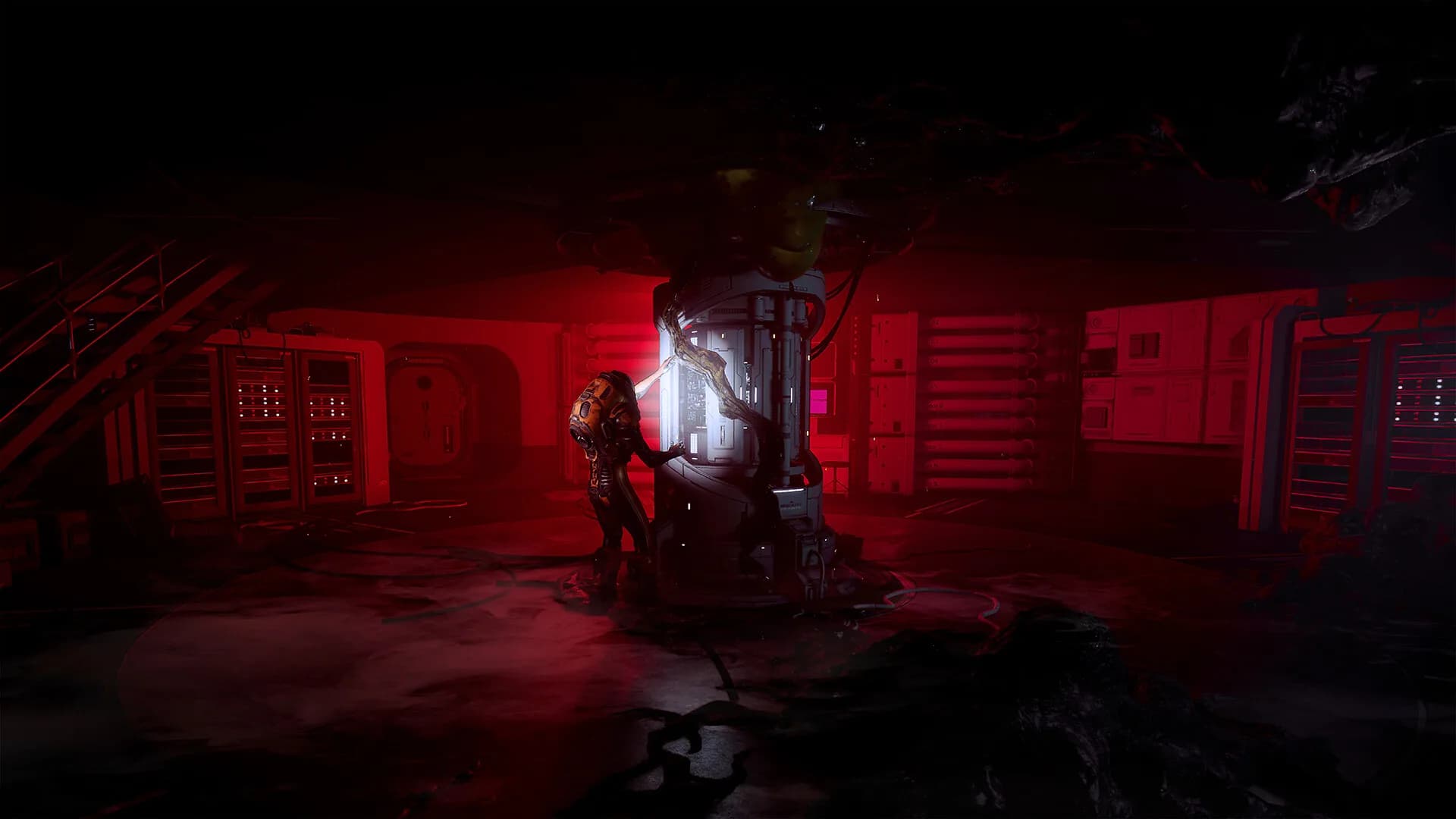
The game offers an investigation, but not in the traditional sense. You're not guided. You explore, you read, you observe, you piece together fragments. You need to pay attention to details, understand without being taken by the hand, and accept not grasping everything immediately. Sometimes never.
It's a deliberately vague, almost fragmented narrative, faithful in its form to what Lovecraft did on the page. That fidelity is a genuine quality. Cosmic horror rests precisely on that impossibility of naming, understanding, containing. The game knows this, and builds its story around the idea.
But faithfulness to a literary aesthetic doesn't automatically guarantee success in another medium. Some moments shine in their subtlety, in their capacity to make you feel something without ever spelling it out. Others give the impression of being obscure not because they're deep, but because they're simply poorly readable. The line is thin, and the game doesn't always respect it.
The game's structure rests on simple foundations: exploration, environmental interaction, small puzzle-solving. You move from one area to the next, manipulate objects, decipher narrative elements. All of it wrapped in heavy silence, broken only by sounds that offer no reassurance.
The problem is that these mechanics stay limited and struggle to evolve. The interactions are often repetitive. The puzzles lack variety. And when the game has no new atmospheric card to play, that mechanical emptiness becomes palpable. The atmosphere carries the experience on its shoulders, and it manages most of the time. But it's not infallible. And when it weakens, the gameplay doesn't step in to compensate.
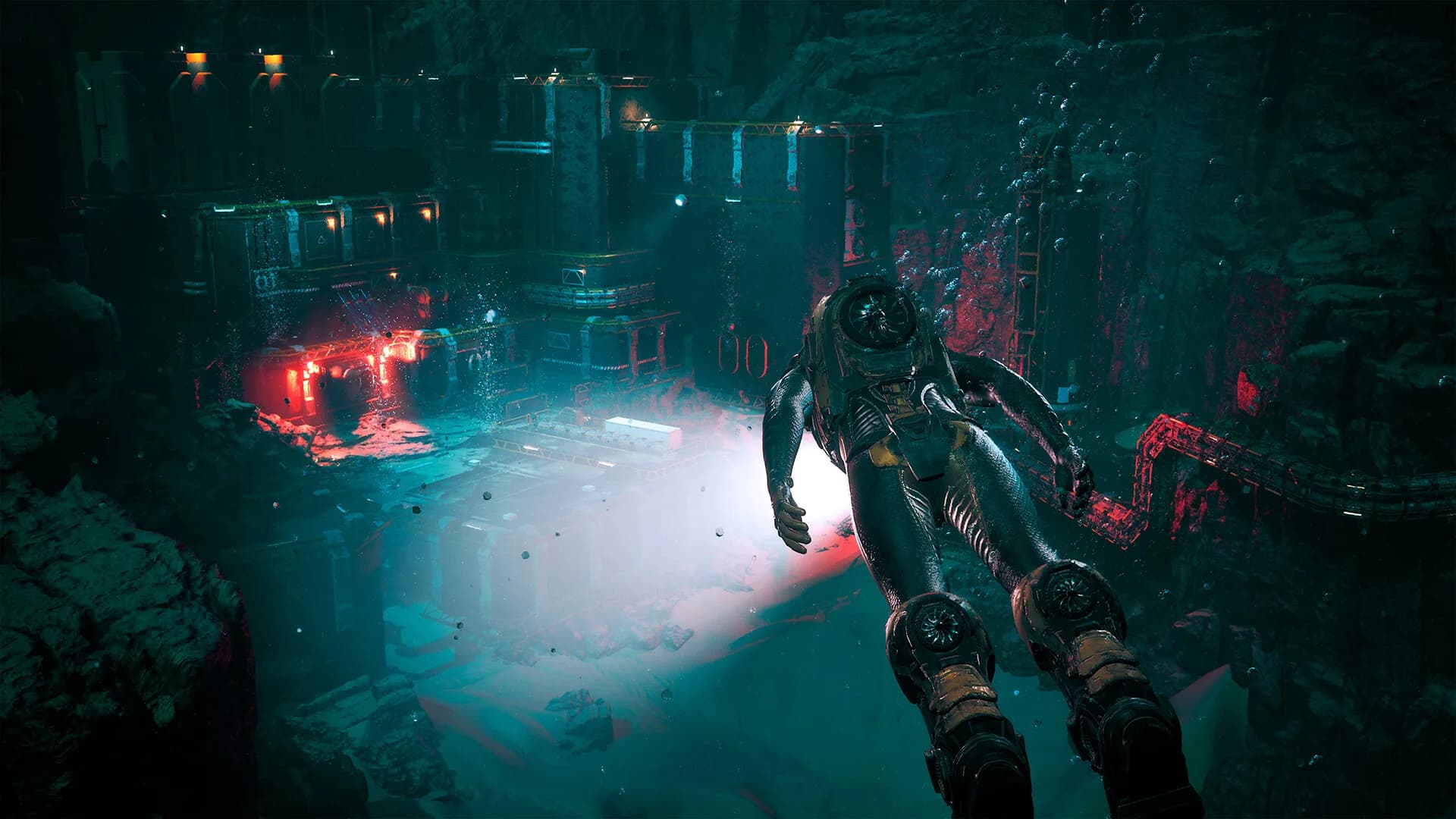
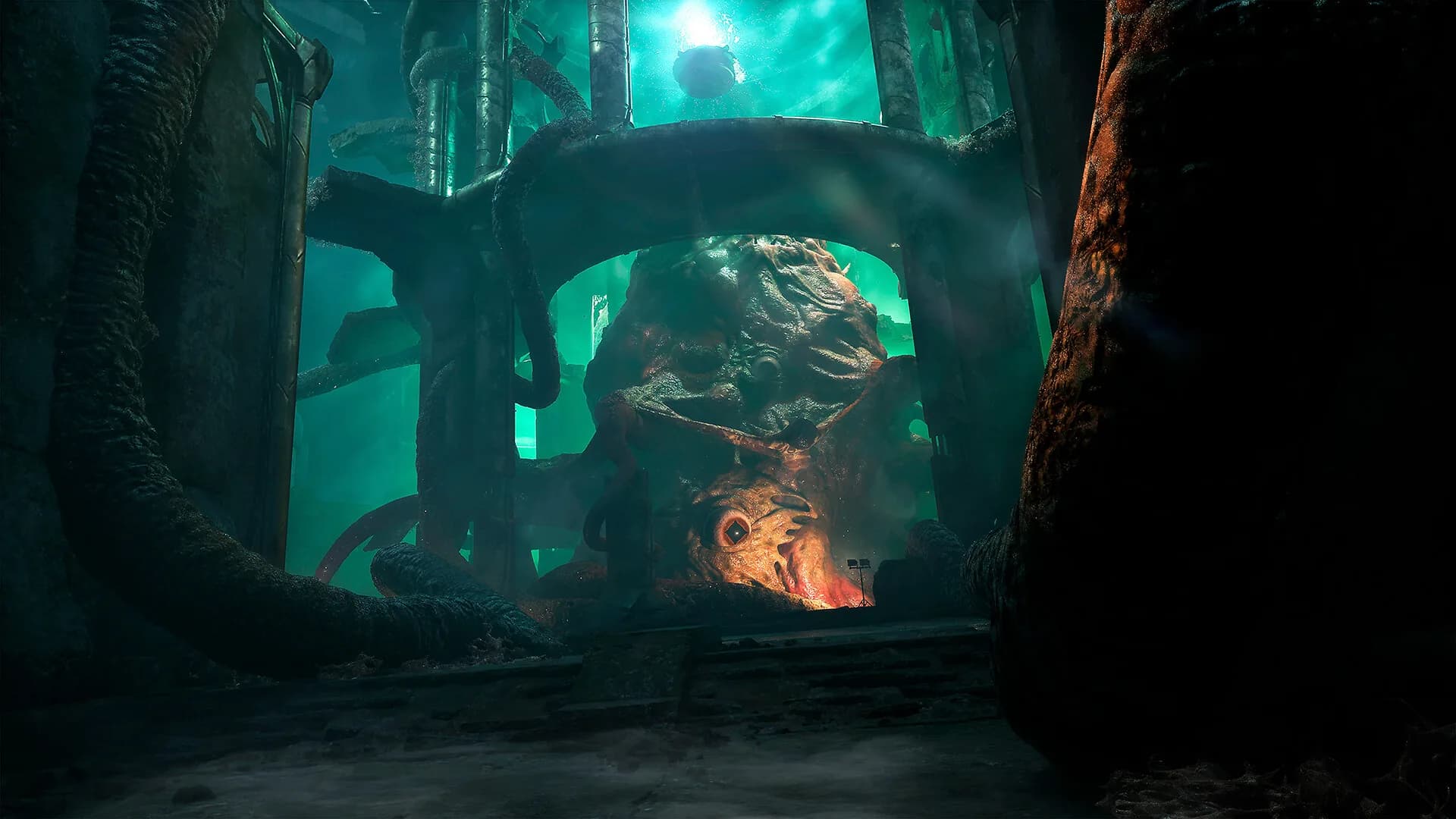
Unlike many games in the genre, Cosmic Abyss shows very little. Creatures are rare, often implied, sometimes barely glimpsed before vanishing. You hear. You sense. You feel their presence without ever truly confronting them.
This is an excellent decision, and it shows a real understanding of what makes Lovecraftian horror effective. The imagination is more powerful than demonstration. What the player projects into the void is often more frightening than anything the game could directly show them.
But the balance is fragile here too. Too much restraint eventually frustrates. Some players will wait for a confrontation, a revelation, a moment of rupture that never arrives. And that disappointed expectation can transform stylistic ambition into an absence felt as a shortcoming.
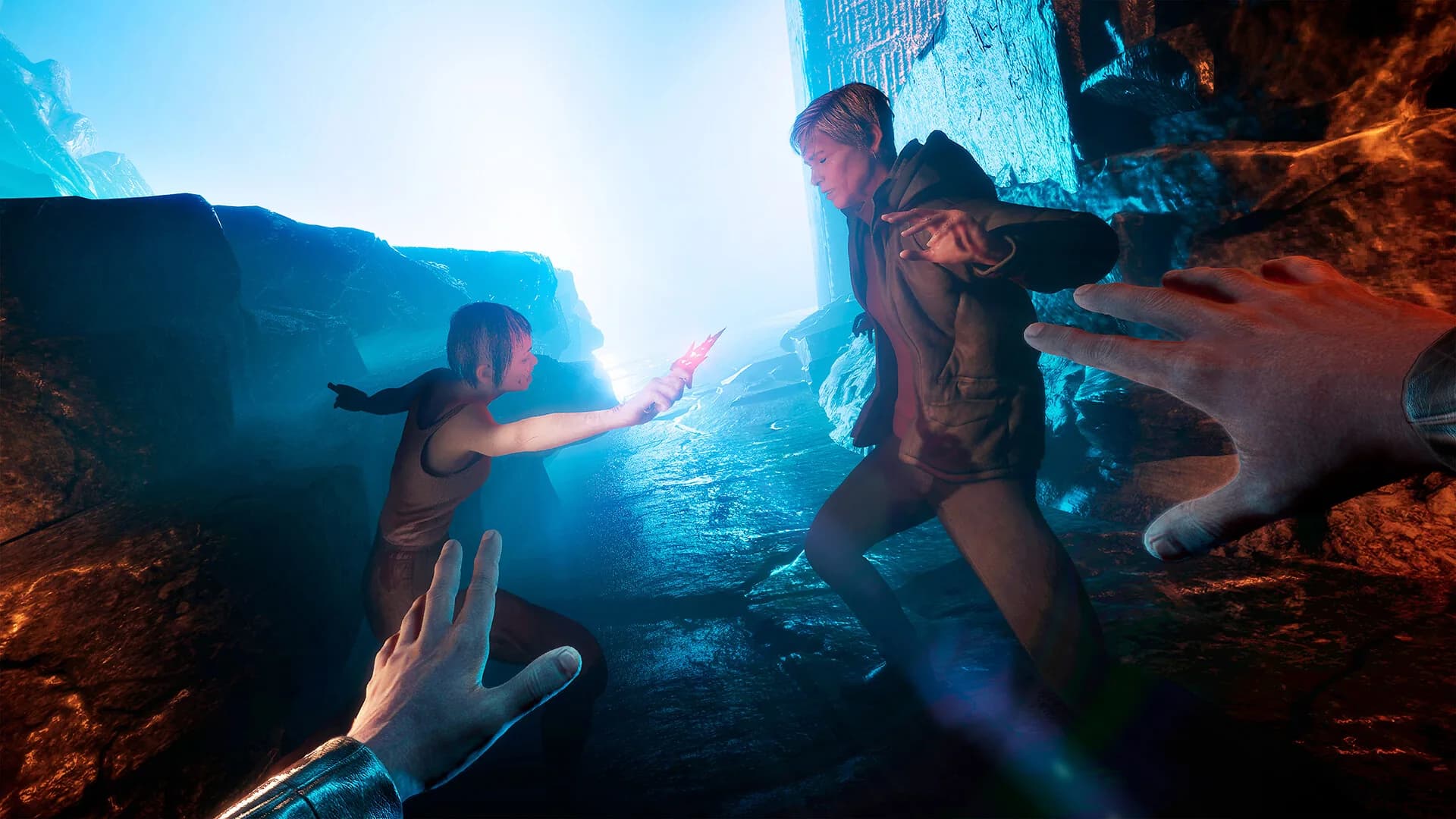
Technically, the game holds up well. The art direction is coherent, built around a dark palette and oppressive aquatic environments that serve the subject perfectly. The sound design is remarkable: the ambient soundscapes are probably the most consistently successful element of the title, and they contribute enormously to the overall effectiveness.
But not everything is as polished. Animations sometimes lack fluidity. Certain interactions feel unnatural, almost mechanical. There's a missing dynamism that could have transformed the quiet moments into breathing room rather than dead time. You sense a project with clear ideas about what it wants to be, but not always the means to execute everything at the same level.
Cthulhu: The Cosmic Abyss asks something of its player. Patience, first. Attention, next. And a certain tolerance for slowness, imprecision, and a refusal to clarify everything.
This isn't a game you consume. It's a game you endure or savour, depending on your sensibilities. For those seeking sustained action, tangible progression, regular rewards, disappointment is inevitable. The game isn't made for them, and it makes no effort to be.
For others, for those willing to let themselves be swallowed without any guarantee of return, it can become something memorable. Not spectacular. Not memorable in the traditional sense. But persistent, like a dream you can't quite recall but whose impression lingers long after waking.
Strengths:
Weaknesses:
Cthulhu: The Cosmic Abyss is an experience more than a game. It manages to capture something rare: the fear of the unknown, the vertigo in the face of the incomprehensible, that feeling of being too small to understand what's happening around you. And it does so with genuine sincerity, without trying to please everyone, without betraying itself to reach a broader audience.
This isn't a game for everyone. It's not a perfect game either. But for those who accept getting lost in it, who don't need to understand everything, and who let themselves be swallowed by an atmosphere that asks nothing more than to consume them, it can become something unexpected.
And in a gaming landscape that too often tries to reassure, a game that commits to not comforting you deserves some attention.
Tested on PC, full version provided by the publisher
Played it too? Tell us how it went on the InsertCoins Discord.
Community
Your rating
Advertisement
Loading comments...
You might also like
A co-op bar that collapses while you serve. 98 per cent positive, and one of the rare times chaos is the actual subject.
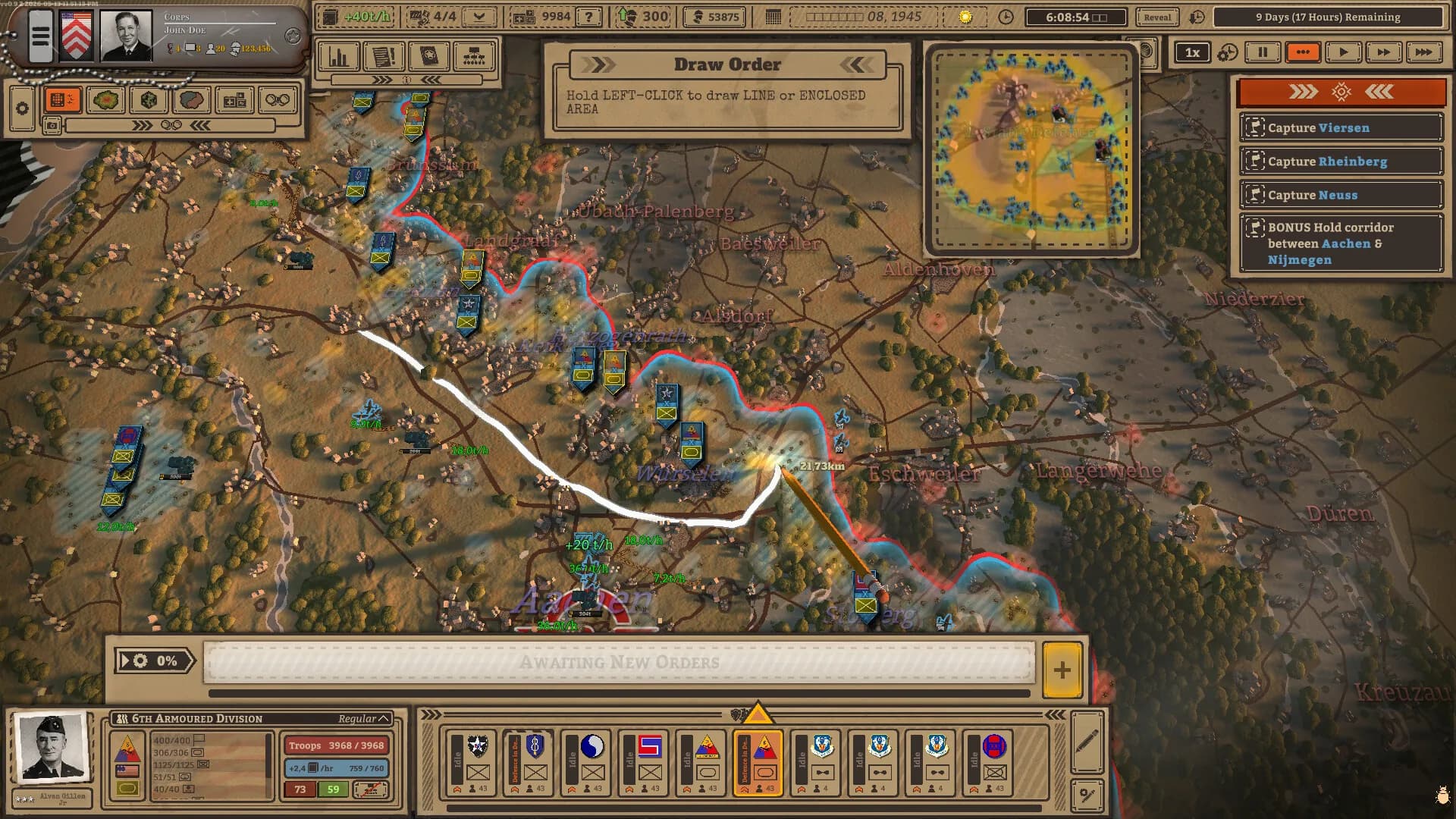
You draw a plan on the map and officers execute it alone. Except the game crashes every other planning phase.
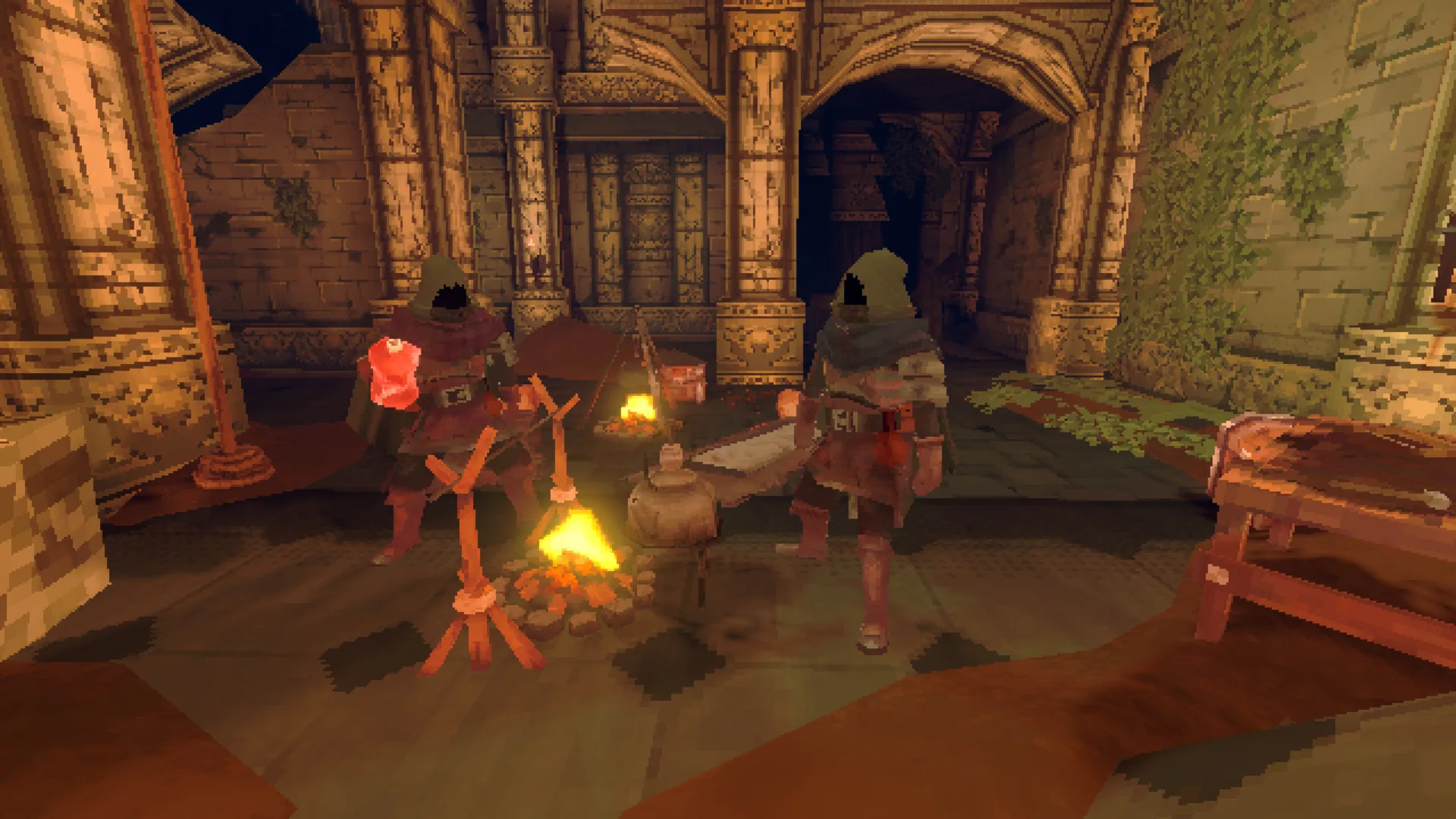
The Knights of Pen & Paper team return with a dungeon where you come back to camp, cook, and unlock recipes that change your stats.