
7
Test
Dungeon Inn: running an inn while keeping two rival guilds from meeting
You struck a deal with a dragon. All that is left is serving both sides without either finding out. The 1.0 lands on 23 October.
Alexandrosse
7 min
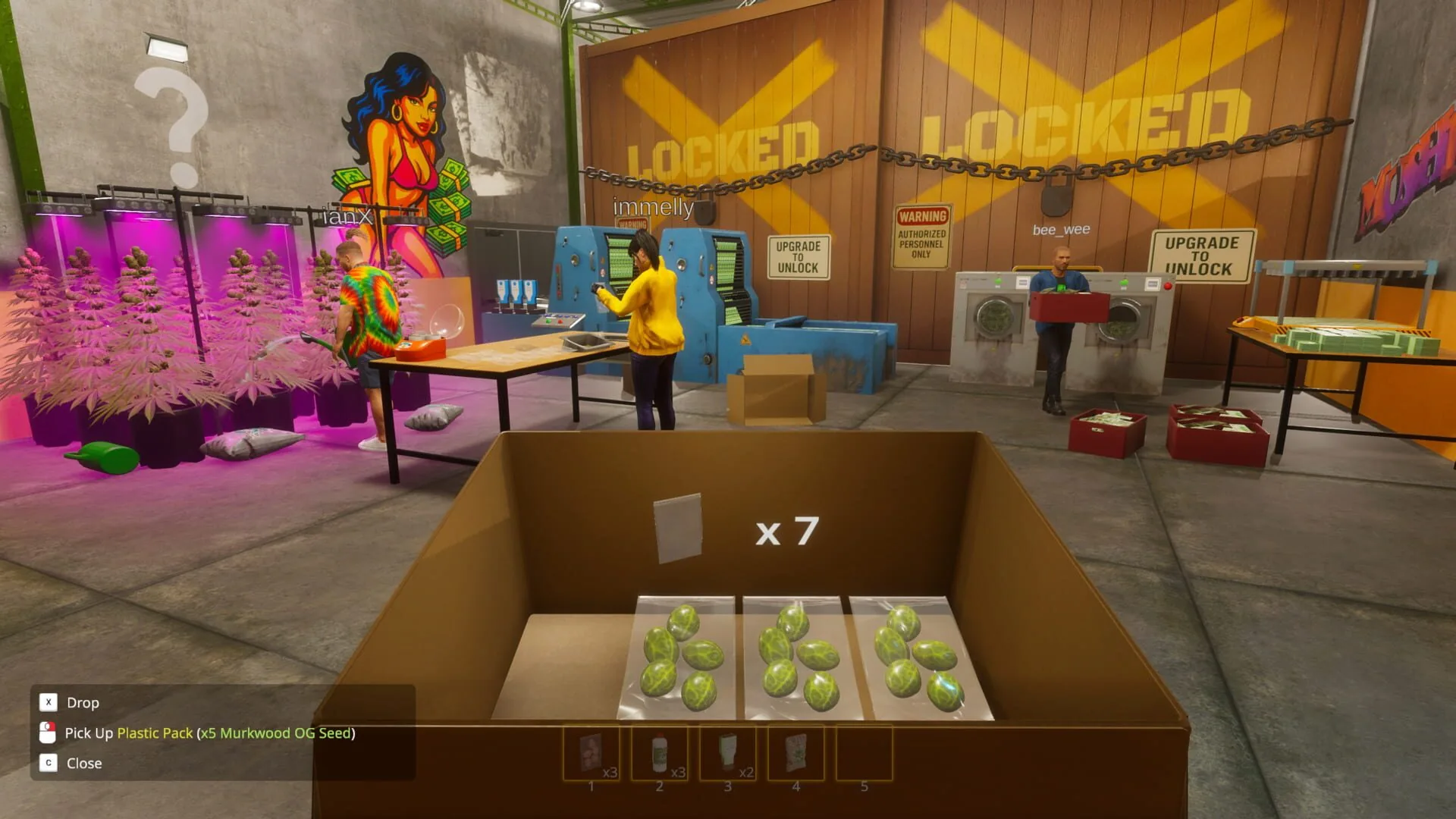
Plant cannabis fields, print fake money and take off with a plane full of drugs from a secret hangar. Dirty Business is ugly, but its cartel fantasy lands.
Alexandrosse
InsertCoins.press Score
6/10
Verdict
Mixed
Let's be honest up front, because it jumps out: Dirty Business isn't pretty. Its art direction immediately evokes a dozen other mediocre survival-craft games, that generic and slightly dated look we've seen pass a thousand times on Steam. So we almost walked away. And then we read the pitch, and a small voice murmured a guilty obvious truth: deep down, who never dreamed of planting cannabis fields and flying a plane full of drugs to Miami? We raised our hand.
Dirty Business is a simulation game developed by Plan Dirty, available since 22 July 2026 on PC. The principle is a turnkey gangster-film fantasy: build a criminal empire from a hidden underground hangar. You produce drugs, craft weapons, print fake money, recruit workers, expand your gang, upgrade your base, run a cartel airstrip and take control of the city's distribution. All of it is playable solo or in co-op. It's a game that sells a powerful imagery, that of the drug baron who builds his business from nothing, and that imagery is more of a seller than its graphics.
What Dirty Business does well, and what largely redeems its ugliness, is its complete criminal logistics loop. You don't settle for a single activity, you manage a whole chain, from production to distribution, and that's where the game becomes satisfying. You plant and grow your fields, you process your harvest, you craft the means to defend yourself, you launder and print money, and above all you organize the shipping of your goods via your own airstrip. That idea of holding the whole pipeline, from the planted seed to the plane taking off toward the city, gives a real sense of building a sprawling empire, brick by brick, cargo by cargo.
It's that dimension of management and expansion that makes the game's real contribution. Where many trafficking simulators limit themselves to one or two aspects, Dirty Business embraces the whole cartel fantasy: production, security, counterfeit money, recruitment, base upgrading, territory conquest. You recruit workers to automate your production, you develop your gang, you push back the limits of your underground hangar, and that progressive ramp-up provides the addictive pleasure proper to good management games. Co-op adds on top a convivial dimension, that of a permanent heist you orchestrate together, and the fantasy then takes on its full scale.
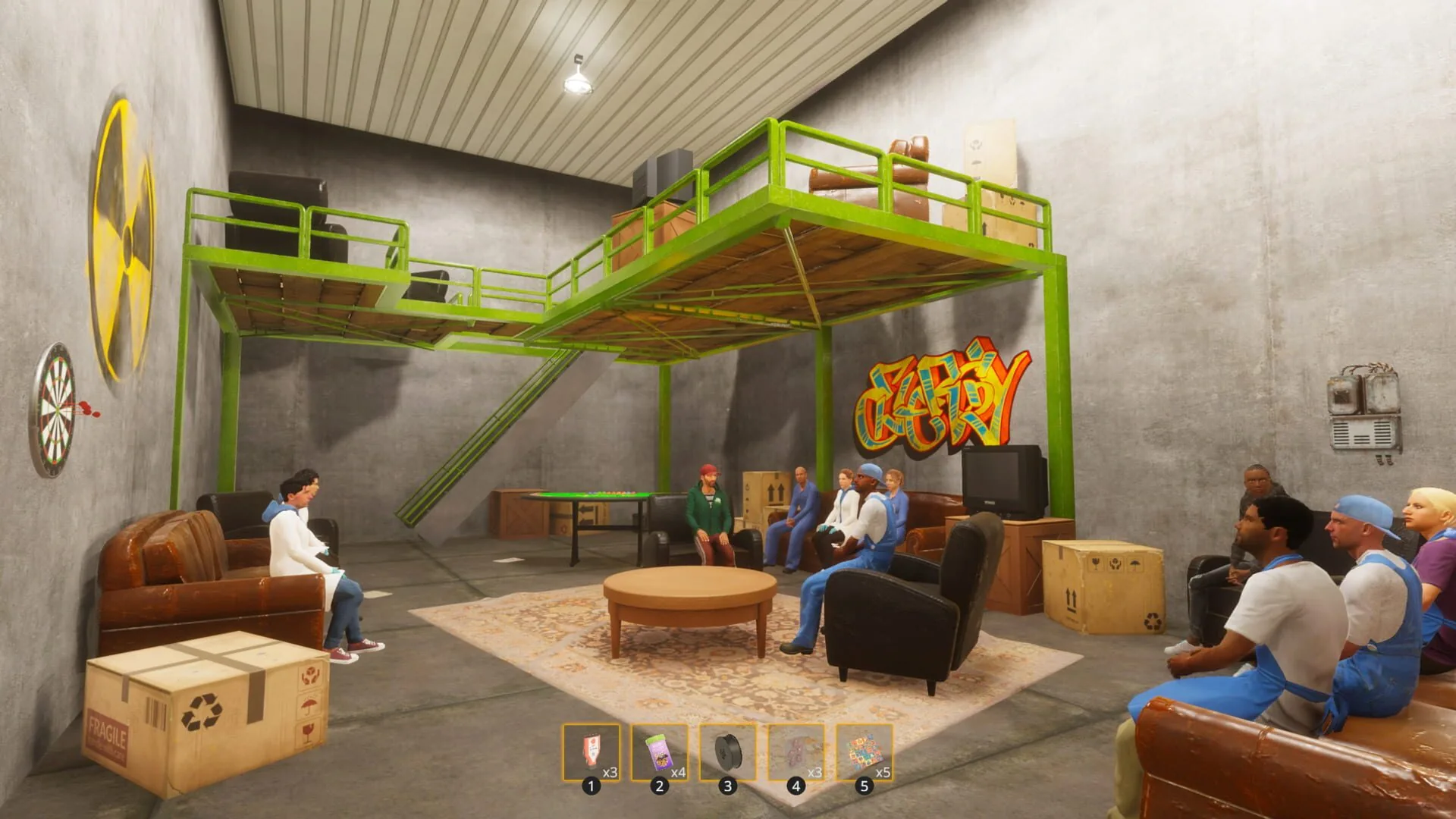
You have to come back to what grates, and first to the visual obvious. Dirty Business is ugly, or rather of a dismaying graphical banality, with that modest-production stamp that pulls from a familiar asset bank and immediately recalls a slew of interchangeable survival-craft games. It's not dealbreaking for a management game, where the pleasure comes from the systems more than the spectacle, but it hurts immersion and gives an immediate impression of déjà-vu that ill-serves an otherwise original concept. We'd have loved the game's powerful fantasy to be served by a visual identity to match.
Beyond the aesthetic, you have to beware the usual pitfalls of this kind of independent production. The real depth of the systems, the balancing of the progression and the technical solidity remain to be tested, and we know these criminal management games' tendency to seduce with their concept before showing a certain repetitiveness once the loop is mastered. The fantasy is excellent, the logistics is gripping, but everything will depend on the richness and variety the game can maintain over time. It's a proposition to approach for its imagery and its management loop, accepting its small-budget limits.
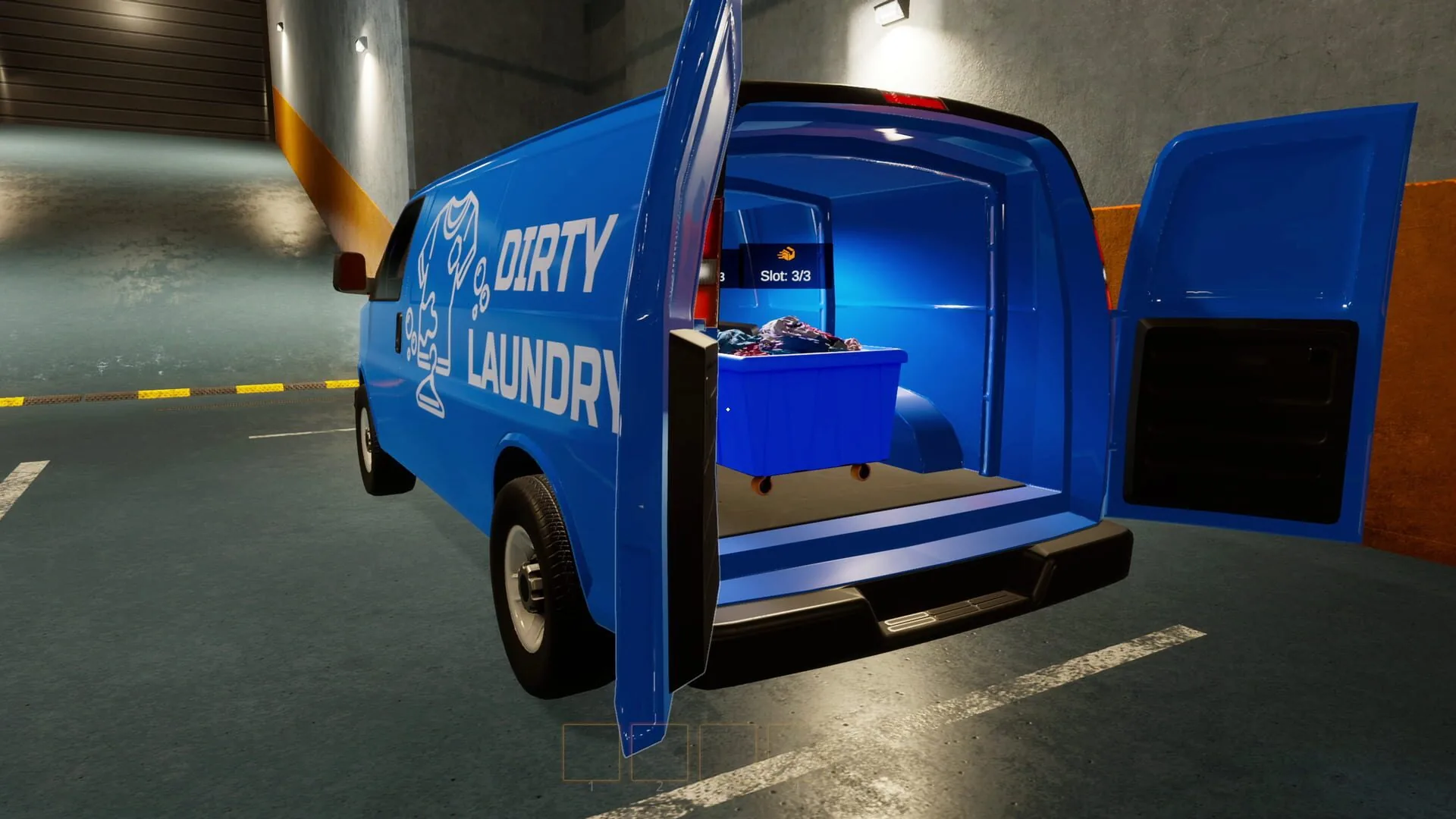
Dirty Business is a textbook case of a game you judge badly by its shop window. Yes, it's ugly, generic, and it recalls a dozen forgettable survival-crafts. But behind that disappointing facade hides a surprisingly complete and satisfying criminal management loop, which embraces the whole drug-baron fantasy, from growing the fields to the plane taking off toward the city. That integral logistics, from seed to cargo, playable in co-op, offers a real pleasure of building an illegal empire, and answers a fantasy few games dare handle this head-on. For anyone who dreams of building their cartel, the imagery delivers.
You just have to accept the deal, with its unappealing graphics and its small-production limits. It's not a game that will win you over on a screenshot, and its depth as much as its longevity remains to be confirmed once the enchantment of the concept passes. But if you're ready to look beyond the appearance to be carried by the fantasy and the management loop, Dirty Business holds a more endearing proposition than it looks. Sometimes crime pays, even when it's not pretty to look at.
A visually unappealing criminal-empire simulator, but whose complete logistics loop, from growing the fields to the plane toward the city, serves a joyful cartel fantasy.
Strengths:
Weaknesses:
Tested on PC.
Disagree with the score? Come and tell us on the InsertCoins Discord, where we defend our verdicts live.
Community
Your rating
Advertisement
Loading comments...
You might also like
You struck a deal with a dragon. All that is left is serving both sides without either finding out. The 1.0 lands on 23 October.
A co-op horror fishing game at nine euros. You must sacrifice fish every day, and the beast is not the worst thing out there.

Scrapheap robots sent to exterminate a planetary fungus. The 1.0 lands tomorrow, and the upgrade grid is the genre's best idea.