Guide
Echoes of Mystralia guide: understanding spell crafting and starting your first runs well
How combining memories works, how to approach runs, and what to prioritise at the Azimuth Temple between expeditions.
Alexandrosse
8 min
You combine memories to cobble together your own spells, and it works beautifully. The story struggles to match that level.
Alexandrosse
InsertCoins.press Score
7/10
Verdict
Recommended
There is a category of games I will never tire of: the ones that let you build your own spells instead of handing you a list. The pleasure of cobbling something absurd together in a corner of a menu, then watching it work in combat, is a particular kind of joy. It flatters the engineer as much as the player.
Echoes of Mystralia does exactly that, and does it well. Which leaves the second half of the question, the one that decides whether a good system becomes a good game: does the storytelling keep up?
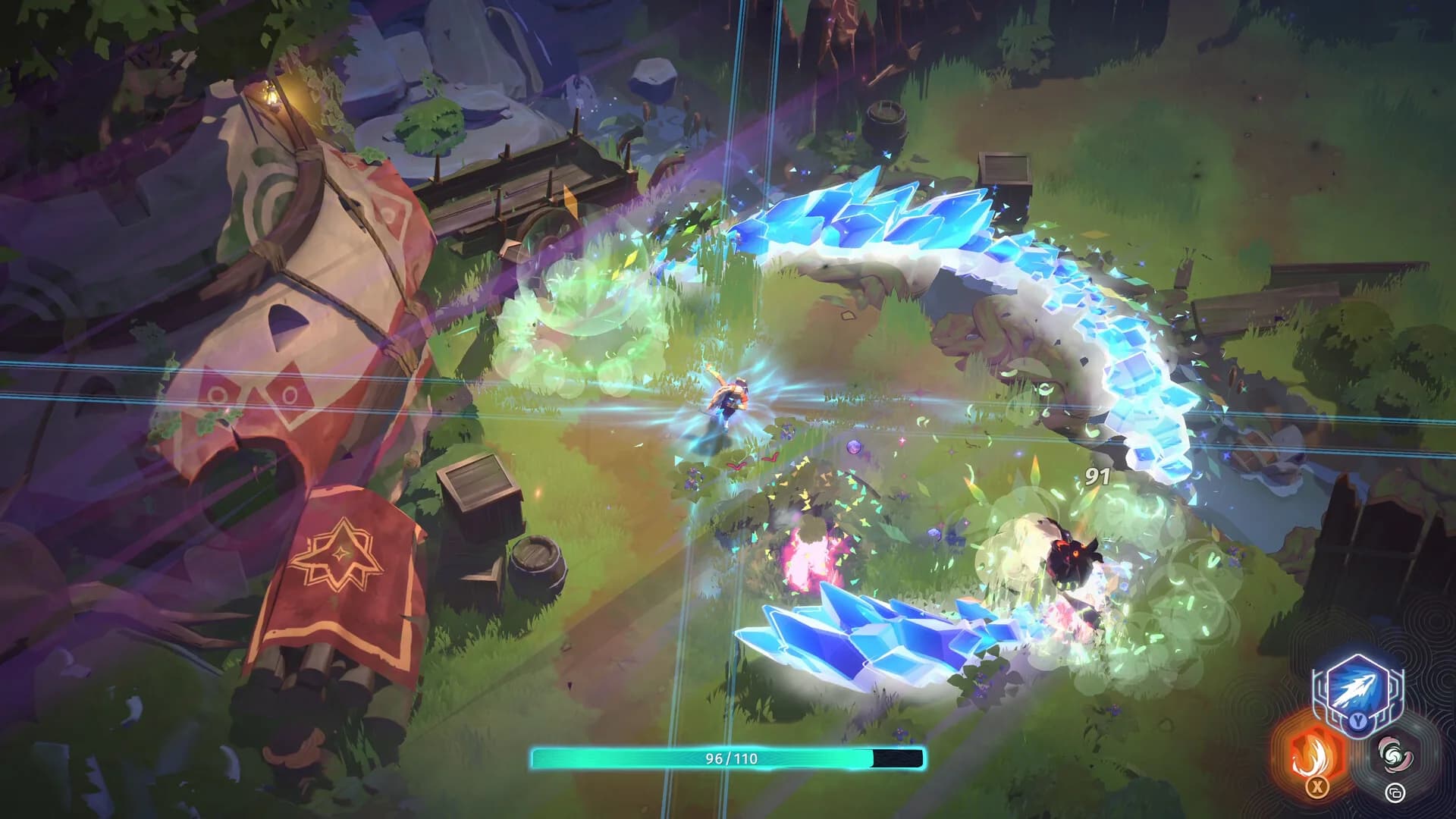
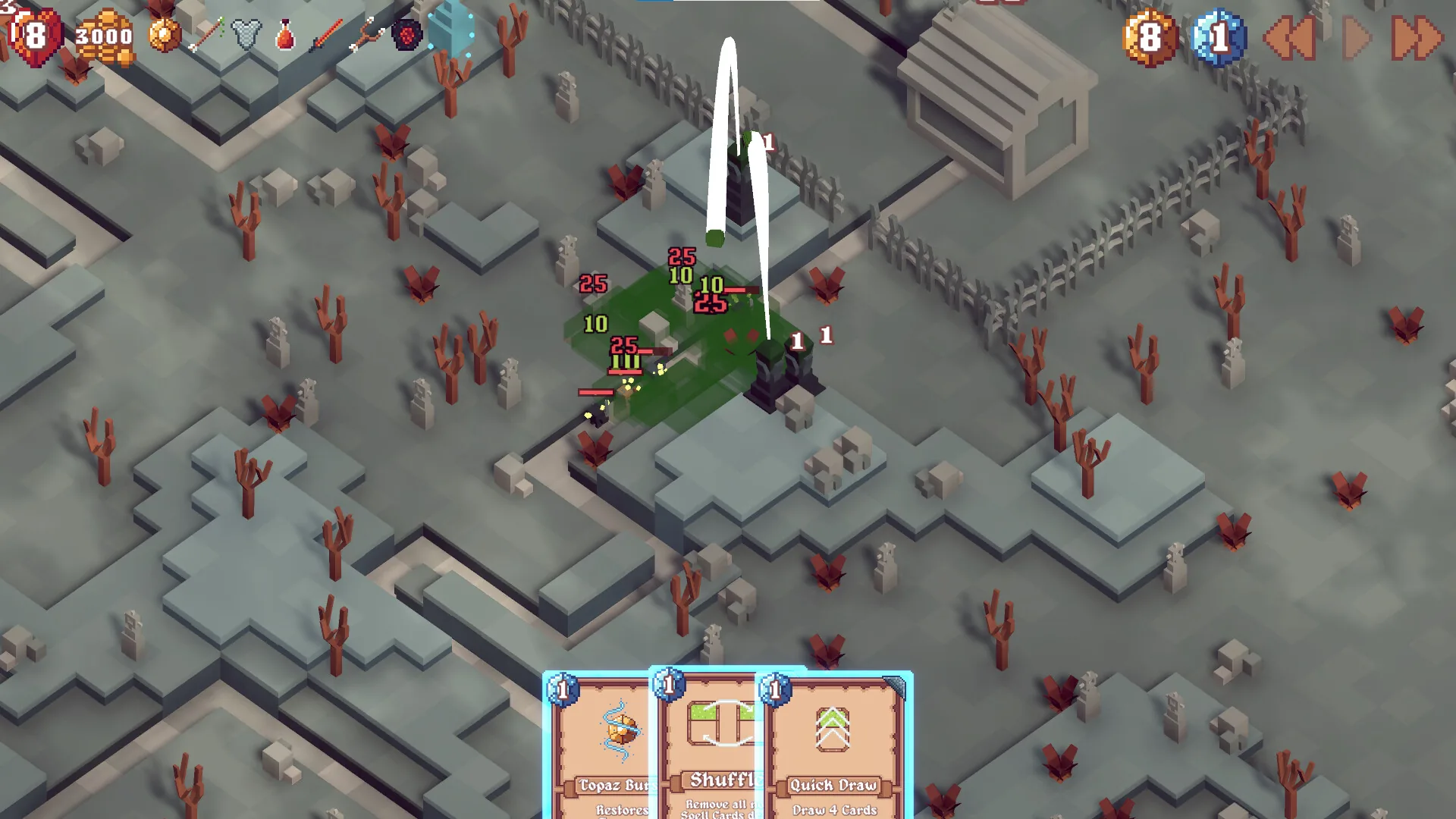
You play Mazarim, a Watcher tasked with protecting the Cycle of Memories. Your weapons are not swords but memories, and this is where the game gets interesting: you combine them, reorder them, and the spell takes shape in front of you as you handle its components.
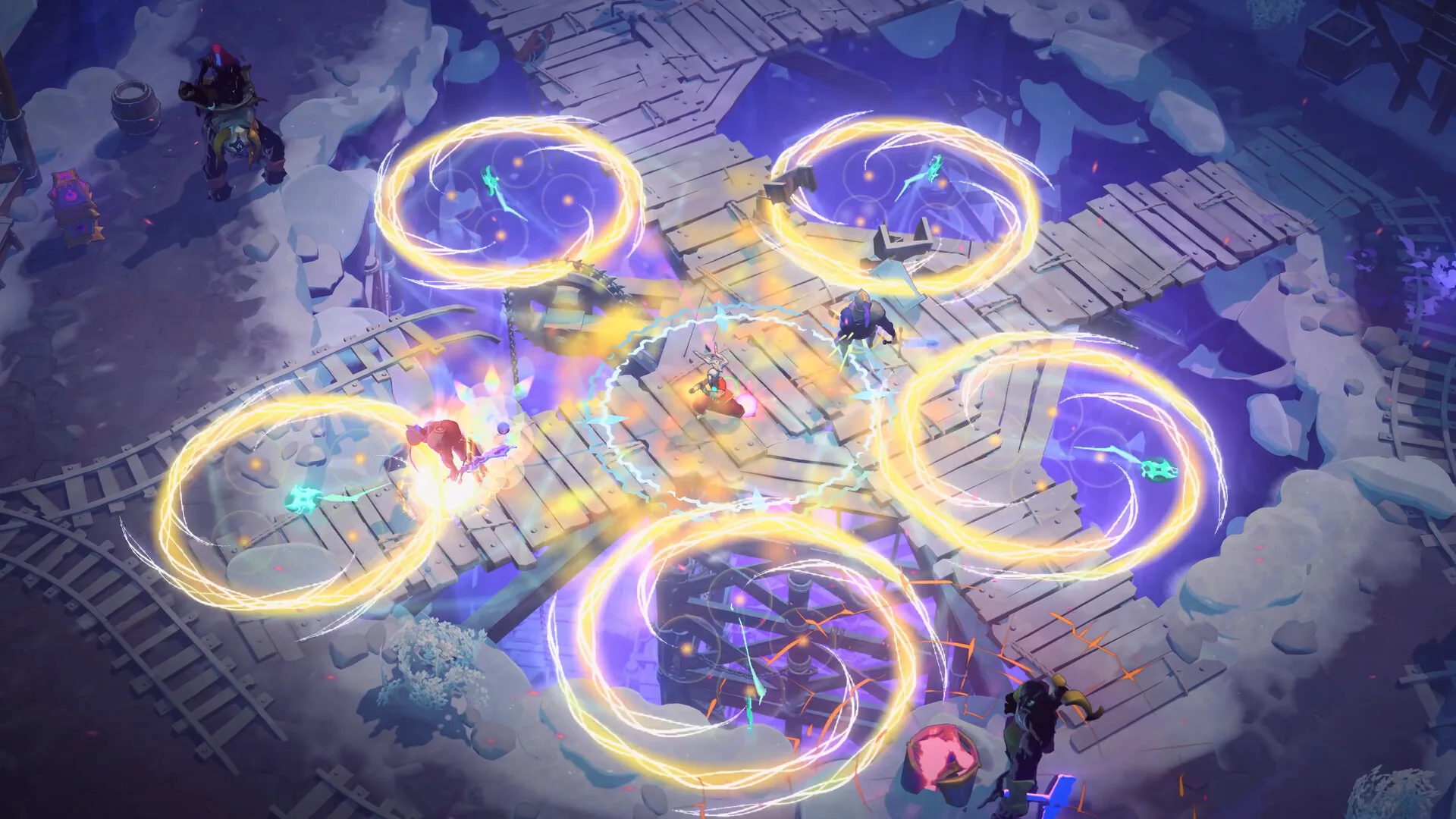
The studio sets out its stall with vivid examples, thunderbursts, freezing tornadoes, fire vortices, and above all this promise: if you can imagine it, you can craft it. In practice, what matters is the freedom to reconfigure. You do not pick a spell from a catalogue for the whole run, you take its elements apart and rebuild them along the way depending on what you meet. That is what makes the system feel alive rather than decorative.
Combat moves fast and chains room after room, in a classic but well-paced roguelite structure. Between expeditions you return to the Azimuth Temple to develop skills, change your combat approach, and listen to a millennia-old dragon. The trip back to base is short and serves the loop instead of slowing it.
Borealys Games is not new to this ground: the studio already built Mages of Mystralia around spell creation, and it shows. That is probably why this part stands up so well.
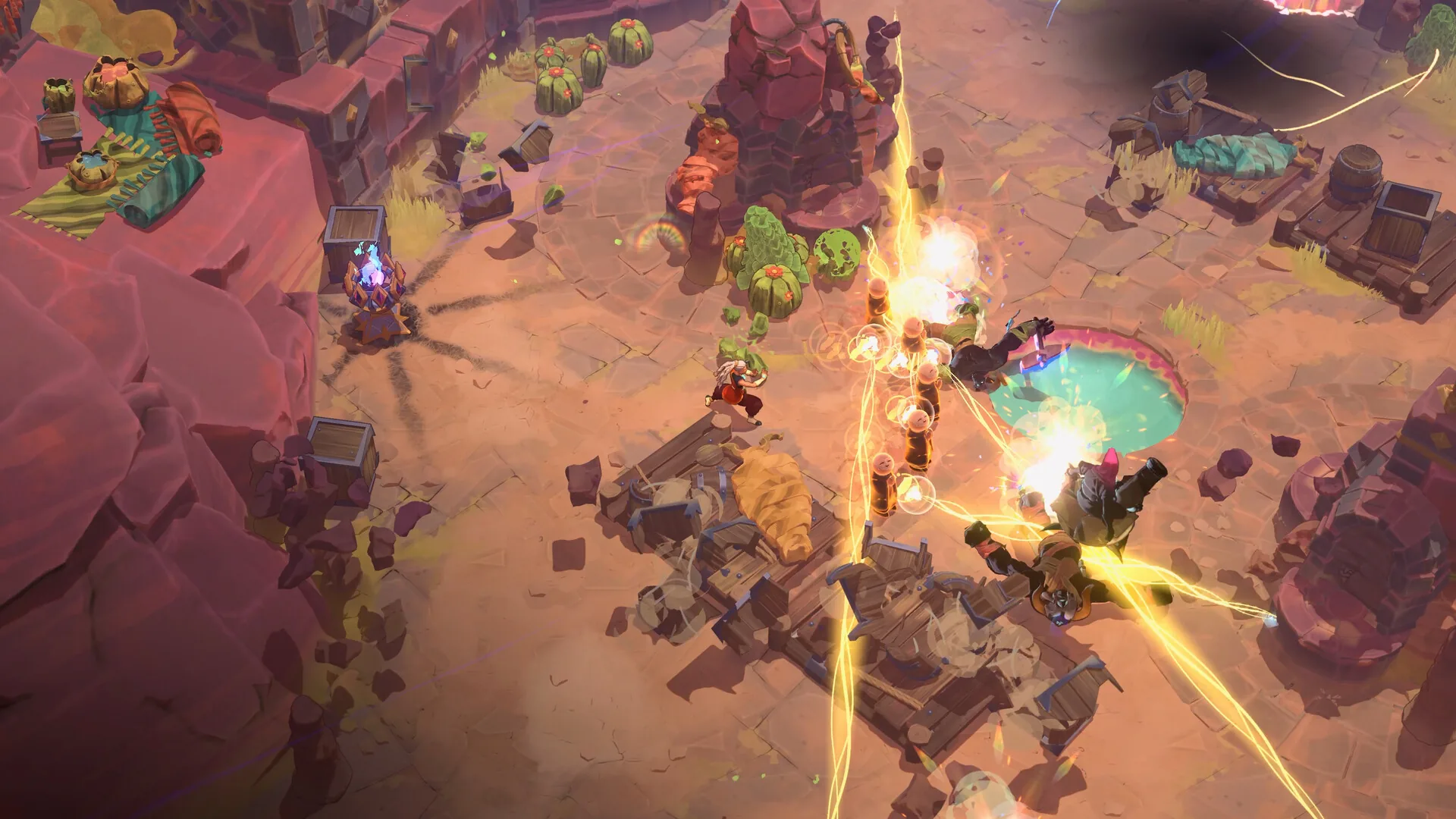
You mentioned League of Legends from its great era, and the comparison holds. You find that colourful, legible fantasy with clean outlines and generous effects, favouring clarity over realistic grime. In a game where the screen fills quickly with home-made projectiles, that legibility is not only taste, it is a design necessity. The spell effects are the game's best visual argument.
And so, the storytelling. This is the point where feedback diverges most, and it needs saying plainly: where the depth of the spell system draws consensus, the writing leaves part of the audience behind.
The setting is not short of ideas. A Rift has opened in the Cycle of Memories, the world is reliving the horrors of its own past, and you meet divinities, primordial Guardians and peoples scarred by war and exploitation. There is material here.
The problem lies in how it all reaches you, and it is the chronic ailment of the roguelite: when the structure returns you to the start after every failure, the plot dissolves into fragments of atmosphere. You progress through the systems, less so through the story. The result is an evocative world you pass through without ever being truly gripped, when the material deserved better.
The other reservation is one of status: the game has just launched in Early Access, with the balancing and content still to come that this implies. The studio highlights its Discord community and private playtests, a sign it intends to adjust as it goes. This score therefore reflects the current state of a version that will move.
Good news to close, and it is not that common: the game is fully available in French.
For anyone who enjoys building their own instruments of destruction, that is reason enough. For anyone here for a great story, better to wait and see how the narrative fills out.
The first Steam reviews have arrived and confirm this review's nuance: Mostly Positive at 71 percent across nearly 120 reviews. The spell system convinces, the rest divides more.
The discussion carries on over on our Discord, where we relitigate scores for far longer than is reasonable.
Community
Your rating
Advertisement
Loading comments...
You might also like
How combining memories works, how to approach runs, and what to prioritise at the Azimuth Temple between expeditions.
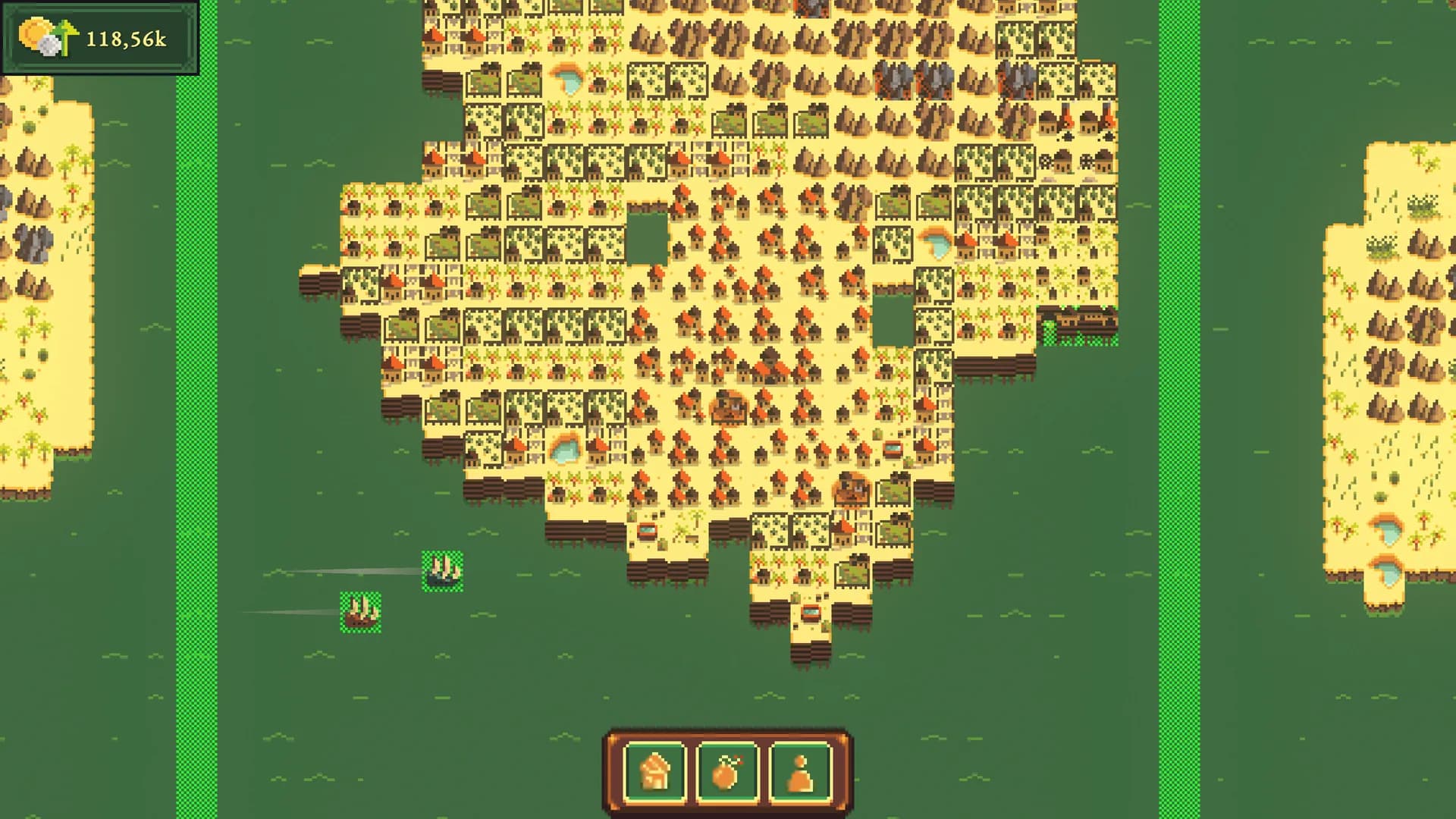
A procedural Anno where haulage is the real game. Every badly assigned freighter takes its revenge forty minutes later.
Towers, troops, a single pool for both. Every coin spent on defence is a coin you will not be sending the other way.

Crossing finally matters and defending responds. Then the screen goes black. 57 per cent positive on Steam, at 69.99 euros.