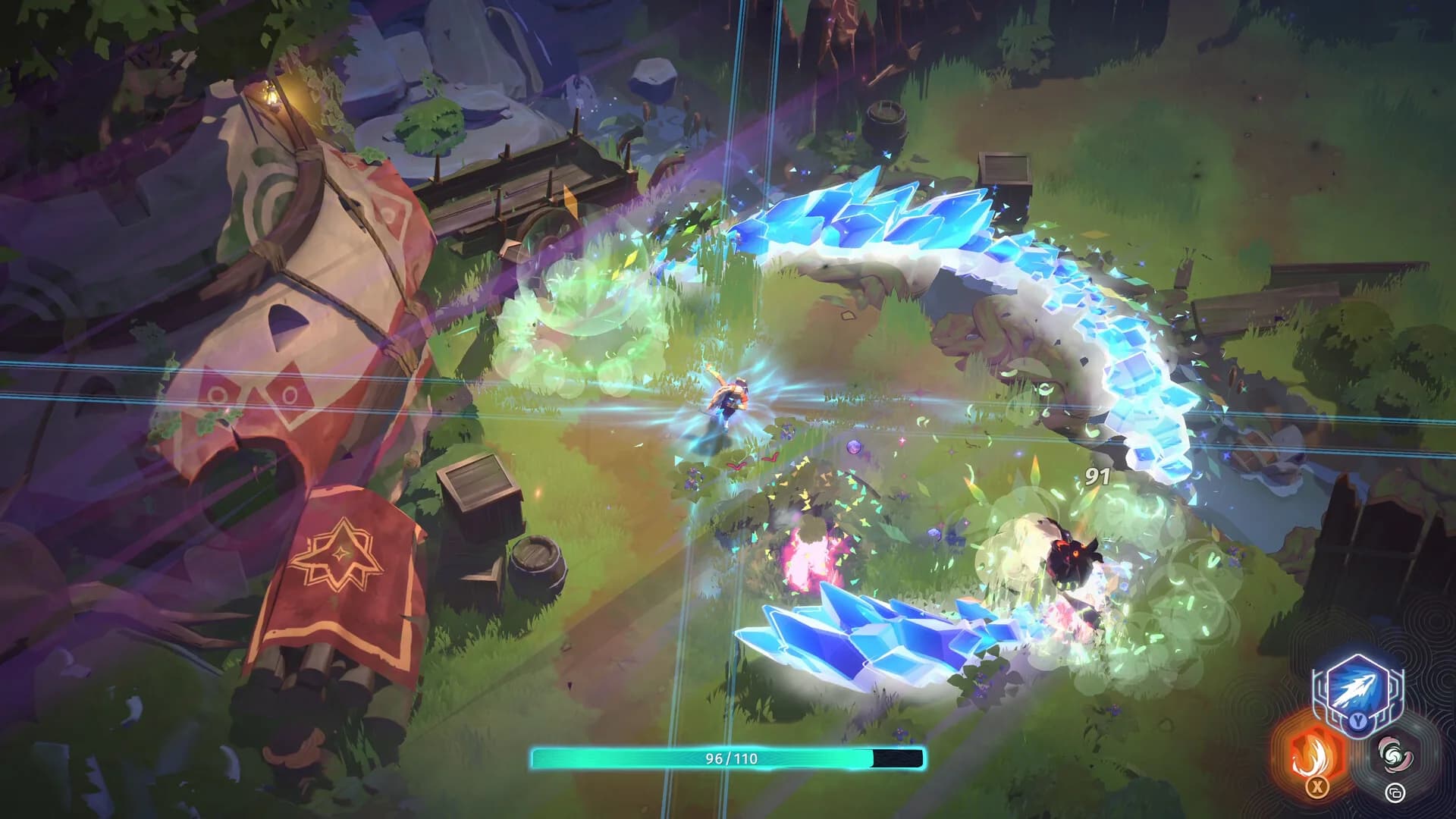
One point of honesty first: the game has only just launched in Early Access, and optimal routes, broken combinations and priority lists will settle with the community over the coming weeks. So this guide will not hand you a ready-made build that would be obsolete by the next patch. It gives you the logic of the system, which will stay true whatever happens, and the reflexes that save time from the first hour.
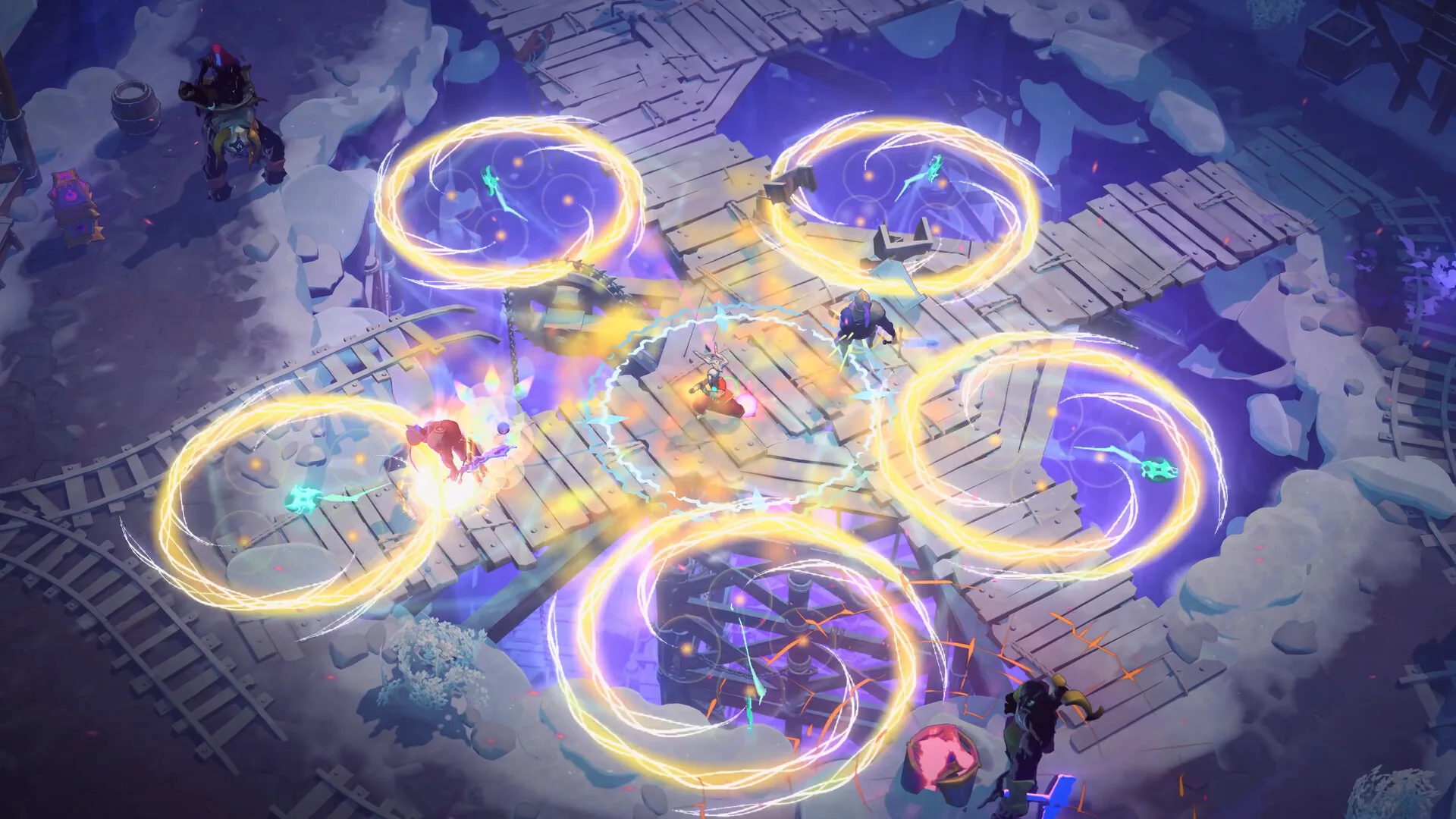
In Echoes of Mystralia you do not collect spells, you collect memories, and the spell is the result of how you assemble them. That distinction is fundamental and it sets every reflex in the game.
Three practical consequences follow.
First, order matters. The game stresses that you combine and reorder memories, and that the spell takes shape in front of you as you handle them. Get into the habit of watching the preview while moving elements around rather than confirming blind: that is where you learn the grammar of the system, far faster than by reading descriptions.
Second, a spell is never final. You can take it apart and rebuild it along the way. So do not get attached to a build because it worked in the first two rooms: if you meet an enemy that neutralises it, the right reaction is to reconfigure, not to persist.
Third, the archetypes the studio advertises (thunderbursts, freezing tornadoes, fire vortices) are not fixed spells but examples of what combining produces. Do not look for the official spell list, it does not really exist. Look for what each memory does on its own, then test the assemblies.
Combat is fast and chains room after room. A few reflexes apply to every run.
Adapt your spell to the room, not the reverse. Since reconfiguring is free, the question to ask in each new zone is simple: is what I am carrying suited to what waits ahead? An area-of-effect spell and a single-target spell do not serve the same situations, and losing thirty seconds to readjust costs less than losing the run.
Keep an answer at range. In a fast action game where you build your own tools, the temptation is to bet everything on raw power. That is the best way to get punished by an enemy who keeps you at a distance. Always have at least one way to hit something far away.
Test early, not late. Bad combinations are discovered by playing, and it is better to lose a run experimenting at the start than to reach a boss with a spell whose real behaviour you do not know.
Choose your paths based on what you lack. The game offers routes with their own challenges, encounters and rewards. If your build lacks damage, go and find an offensive memory rather than following the shortest route.
Every journey ends with a return to the Azimuth Temple, and that is where long-term progression happens. There you develop your skills and can change your combat approach.
In the early hours, priority goes to what widens your options rather than what raises your numbers. An extra damage percentage is pleasant; a new memory or a new way of combining them changes how you play and carries into every subsequent run. In a game built on combinatorics, variety pays better than power.
The millennia-old dragon dispensing advice is worth listening to, if only because this kind of dialogue is how the game explains its subtleties.
Sticking with the first spell that worked is by far the most common error. The system rewards curiosity, and a player who reconfigures often learns much faster.
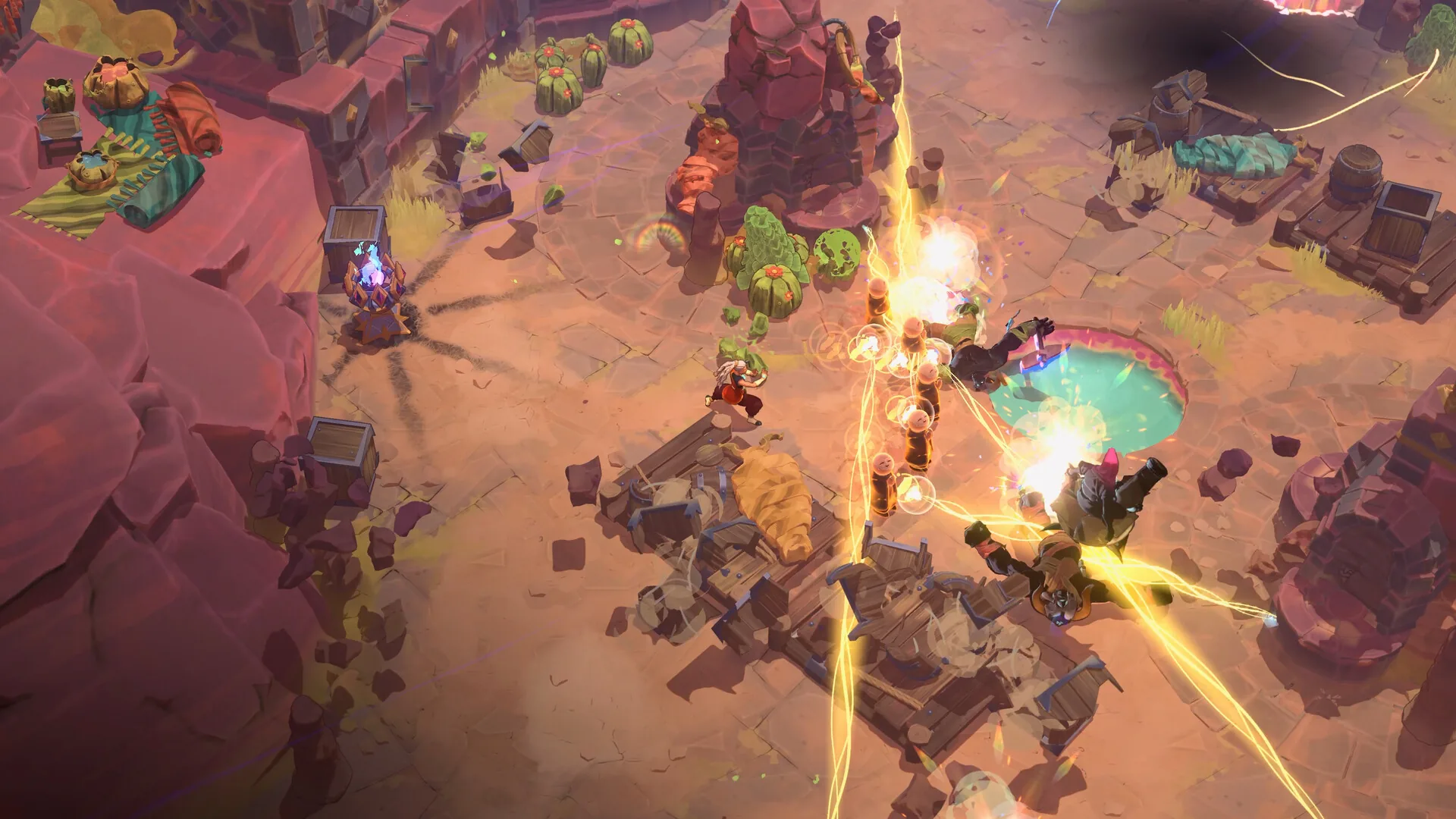
Neglecting to read the on-screen effects is another. The art direction is legible and colourful for a reason: the effects tell you what your spell is doing. Watch them.
Finally, treating death as failure. This is a roguelite: every return to the Temple is a chance to strengthen your character and open new options.
This guide will be expanded as the game evolves and community routes take shape.
We help each other out on the InsertCoins Discord, so do come and ask.